
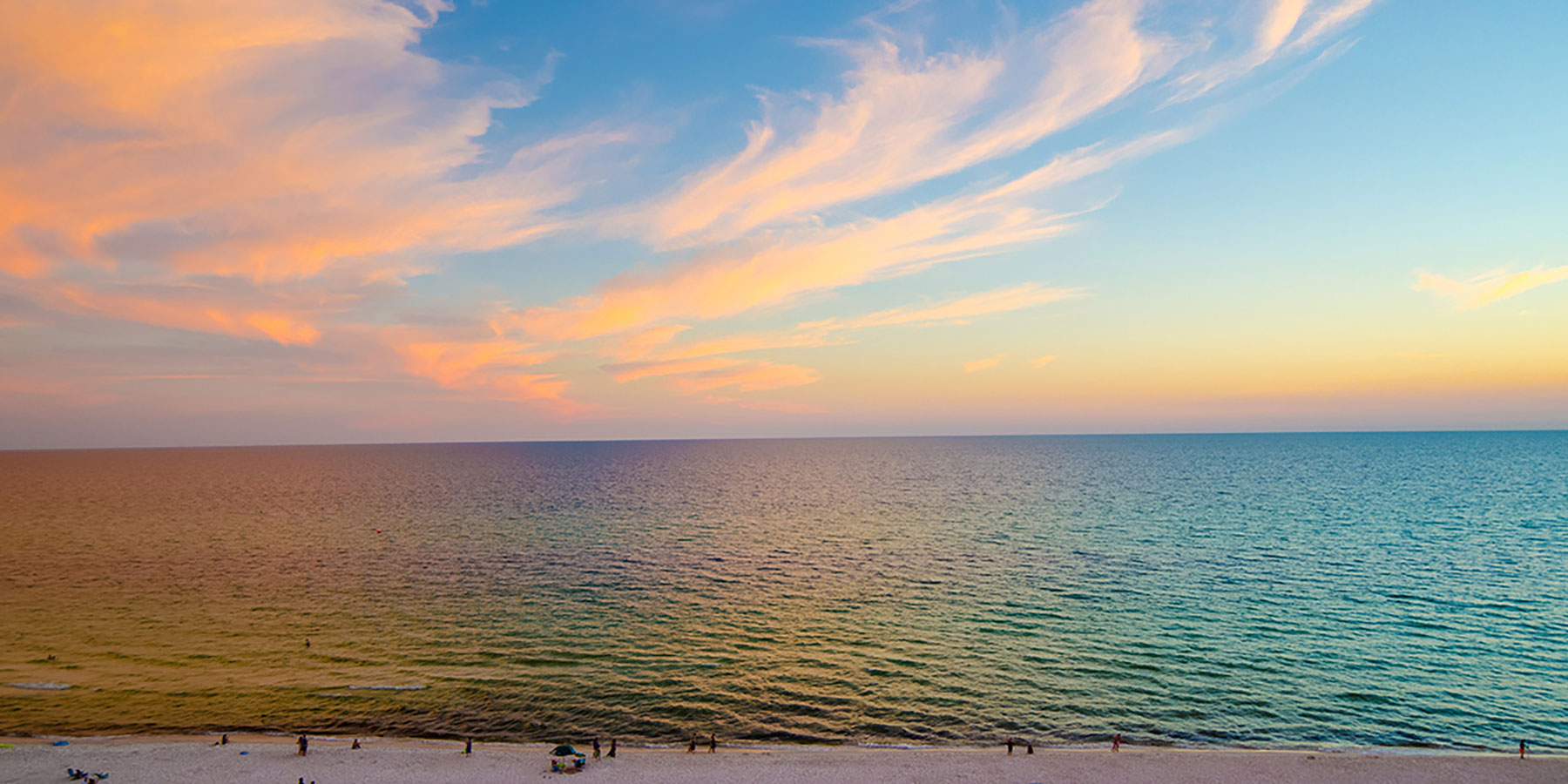
12 Best Family Beach Activities for Any Age
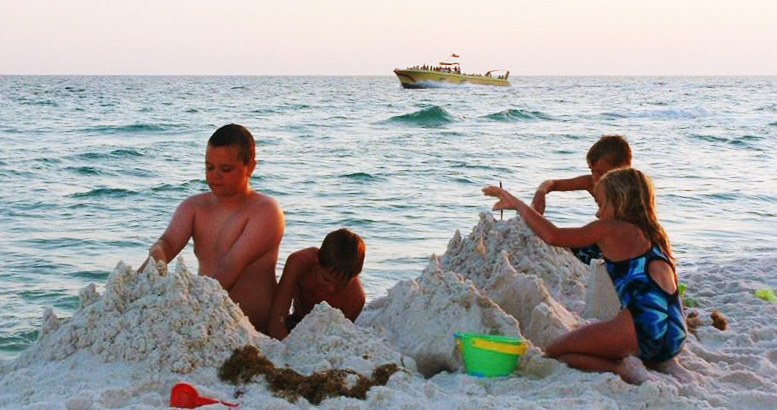
The first hour on the sand is great fun. Everyone arrives rested and ready for new adventures. Give children a simple mission before the snacks come out and they need water to re-hydrate. The best family beach activities mix movement, imagination, and enough downtime to keep everyone happy all day.
Panama City Beach gives families wide stretches of soft, white sand and clear Gulf water, but each day brings different wind, surf, heat, and crowd levels. A flexible plan works better than trying to force a packed schedule. Choose a few activities, keep drinking water, snacks, and shade close, and let the conditions guide the day.
Best Family Beach Activities for a Full Beach Day
1. Build a Sandcastle With a Real Plan
A bucket-and-shovel project becomes more engaging when everyone takes a job. One person gathers wet sand from near the waterline, another packs towers, and younger children can decorate the finished structure with shells, seaweed, and small driftwood pieces.
Set a theme before you begin: a coastal fort, a sea turtle habitat, or a miniature version of the family's vacation rental. Dig shallow moats only, and fill them before leaving. Deep holes create hazards for beach walkers and wildlife, especially after the light fades.
2. Run a Shoreline Scavenger Hunt
A scavenger hunt gives children a reason to look closely at the beach instead of asking for a new activity every ten minutes. Ask them to find, rather than collect, a feather, a shell with ridges, a tiny piece of seaweed, a crab track, and something with a natural spiral.
Keep the search respectful. Leave live creatures where you find them, avoid nesting areas, and do not disturb shorebirds. Photos work better than souvenirs for unusual finds, and they give families a record of the small details that made the day memorable.
3. Host a Family Sand Art Contest
Not every beach game needs running or swimming. Use hands, sticks, and beach-safe objects to create a sea turtle, a large family initial, or an underwater scene in the sand. Give each person 20 minutes and let another family member serve as the judge.
This activity works especially well during the hottest part of the afternoon, when children need a break from the water but are not ready to go in just yet. A simple category such as funniest design, most creative use of shells, or best teamwork keeps the competition light.
4. Play Water Relay Games at the Water's Edge
The gentle wash zone can deliver plenty of fun when the beach flag conditions allow water play. Try a bucket relay, where teams carry small amounts of water to fill a line drawn in the sand, or a sponge toss using a soft, wet sponge and clear personal space.
Adults should stay close enough to supervise every child near the Gulf. Skip relay games when waves build, currents strengthen, or the beach becomes crowded. The point is to create easy laughter, not to push farther into the water.
5. Fly a Kite When the Wind Cooperates
A beach breeze can turn an ordinary afternoon into a family event. Bring a simple kite with a short, manageable line and choose an open area well away from umbrellas, dunes, power lines, and other guests. Younger children can help launch the kite or hold the spool with an adult.
Wind makes all the difference. Too little wind leaves a kite dragging through the sand, while strong gusts make control difficult. If conditions do not cooperate, turn the attempt into a quick lesson about wind direction, then move on without making it a battle.
6. Make a Beach Olympics Course
Create a short course with clear start and finish points. Families can race crab-walk style, toss a ball into a bucket, balance a shell on a shovel, or walk backward across a small section of packed sand. Keep the course away from the waterline and other guests.
Focus on challenges that suit different ages and abilities. A toddler might carry a beach toy, while older children can time a sprint or complete two activities in sequence. The best version rewards cheering and teamwork as much as speed.
7. Take a Guided Nature Walk Without Leaving the Beach
The shoreline changes throughout the day. Walk it slowly with children and point out bird tracks, coquina shells, ghost crab holes, sea foam, and the line where waves deposit natural material. Early morning often offers cooler temperatures and fewer footprints.
Use the walk to explain that the beach supports more than vacation fun. Dunes help protect the coast, shorebirds need room to feed, and sea turtles require dark, unobstructed nesting areas. Families can enjoy the landscape while protecting the features that make it special.
8. Try Paddle Ball or Catch on Firm Sand
A paddle ball set, soft foam ball, or beach-friendly football offers an easy activity for mixed-age groups. Choose packed sand where players can move more comfortably, and create a boundary that leaves room for people walking along the shore.
Keep expectations realistic. Wind changes the path of every throw, and soft sand makes quick turns harder than they look. Those challenges often make the game more entertaining, especially when adults join rather than watch from a chair.
9. Set Up a Reading and Coloring Break
A family beach day does not need constant action. Pack a few picture books, a notebook, colored pencils, or a simple travel game for a shaded break. This quiet hour helps younger children reset and gives adults time to breathe without ending the day early.
Choose materials that can handle sand and avoid leaving paper or small plastic pieces behind. A zippered pouch keeps supplies organized, and a towel spread under a canopy creates a defined space for calmer activities.
10. Watch the Water With a Safety-First Challenge
Turn water awareness into a family habit. Ask older children to help identify the lifeguard station, notice the beach warning flags, and point out where the waves break. Explain that conditions can change quickly, even on a sunny day.
Adults should make the final call on swimming. Red flags, rough surf, lightning, strong currents, or a child who feels tired all change the plan. A good beach day does not depend on getting in the water. Building, walking, and playing on dry sand still count toward a great beach day.
11. Plan a Sunset Photo Mission
Late-day light makes family photos look warmer, and sunset gives children a natural finish line after hours of play. Give each child a photo assignment: capture a footprint pattern, a shell close-up, a silhouette, or a favorite beach toy against the sky.
Keep phones and cameras protected from sand, and stay aware of the changing light. Families should begin packing before darkness settles, especially if they need to walk across a large beach access area or return to a vacation rental with tired children.
12. End With a Five-Minute Beach Reset
Before heading back, make cleanup a shared responsibility. Pick up every item your group brought, shake out towels away from other guests, and check the sand around chairs, toys, and umbrellas. Children can take pride in finding the last stray snack wrapper or toy shovel.
This final habit protects the shoreline and makes the next morning easier. It also prevents the common vacation problem of arriving back at the vacation rental without a favorite sandal, phone, or stuffed animal.
How to Choose Activities for Your Family
Age, energy level, and weather matter more than a long activity list. Young children usually do best with short blocks of play and frequent shade breaks. Tweens may prefer games with a score, a challenge, or a little independence within clear boundaries. Teenagers often engage when adults invite them into a game without turning it into a requirement.
Bring the basics that support a longer, more comfortable beach day: water, broad-spectrum sunscreen, hats, shade, snacks, towels, and a small first-aid kit. Reapply sunscreen as directed, drink water before anyone feels thirsty, and give children a chance to cool down before they become overheated.
A rental close to the beach can make these pauses much easier. Families can return for lunch, rest during peak heat, and come back out when the sand cools. That rhythm often creates a better vacation than trying to stay on the beach from morning until night.
The most successful beach day rarely follows a strict itinerary. Start with one activity that gets everyone moving, save a quieter option for the hottest hours, and leave room for the unplanned moments - the perfect shell, the first kite launch, or a child who decides the sandcastle needs one more tower.
Guest Arrival Planning Guide for Beach Rentals

A beach vacation should begin when you arrive in Panama City Beach, not after you spend an hour sorting through luggage, access codes, parking questions, and dinner plans. This guest arrival planning guide helps you prepare for the practical details that will launch your vacation in the first hours of your stay in, especially when traffic, weather, and busy check-in periods demand a little extra foresight.
Start With Your Arrival Window
Set a realistic arrival target before you leave home. Check your rental confirmation for the published check-in time, then build your driving plan around that time instead of assuming early access. Vacation rentals require cleaning, inspections, and maintenance checks between guests. Those steps protect the condition of the home and give your party a better start when the property is ready so, please be patient. Emerald Beach Properties will notify you if an early arrival is available by text or e-mail.
If you expect to arrive well before check-in, plan a stop that does not depend on access to the rental. A relaxed lunch, a walk along the beach, or a quick grocery run can fill the gap without putting your group and the property manager in an uncomfortable position. If you expect a late arrival, confirm that you have every instruction you need before you start the final stretch of your drive.
Panama City Beach traffic often builds on Saturdays, holiday weekends, and summer afternoons. A route that looks simple on a map may slow near major beach access points, grocery stores, and popular attractions. Leave margin in your schedule for traffic delays. The goal is not to arrive at the exact minute check-in begins. The goal is to arrive feeling calm, prepared, and able to settle in.
Confirm Access Details Before You Travel
Do not wait until you pull into the driveway or condominium garage to find your check-in message. Read it the day before departure and again before you enter the destination area. Confirm the property address, unit number, parking instructions, door-code process, Wi-Fi information, and the contact method for urgent issues. Many guests find it helpful to print this out and have it handy so you don't have to search for it on your phone.
Save access instructions on your phone, but do not rely on one device alone. Forward the details to another adult in your party or print the essential information. Phone batteries run low during long travel days, and cellular service can vary while you move through crowded coastal areas and parking structures.
If your rental uses a smart lock, enter the code carefully and follow the instructions in the stated order. Repeated failed attempts can trigger a lockout delay on some systems. Keep children occupied while one adult handles entry, and move luggage only after you confirm that the correct door has opened. This simple sequence prevents confusion when several similar units sit along the same corridor.
Bring the Right Information to the Door
Before departure, put these items in one easily reached place: your reservation name, property address, unit number, door code, parking pass instructions, and property manager's contact details. Treat this as your arrival folder, whether you store it in a phone note, travel wallet, or printed page.
Plan Parking Before You Pack the Car
Parking creates more arrival problems than guests expect, particularly at beachfront condominiums. Your reservation may include a limited number of spaces, assigned spaces, a registration requirement, or vehicle-height restrictions. Review those rules before you choose vehicles for the trip.
A large SUV, truck with equipment, trailer, or rooftop carrier may not fit a covered garage. Oversized vehicles can require off-site arrangements, and towing rules can apply when guests park in unapproved areas. Never assume that an empty space belongs to your rental. Use only the spaces and permits identified in your arrival information.
Traveling with more vehicles than the rental allows requires an early decision. Ask about alternatives before the day of arrival rather than trying to solve the issue after you arrive. The same applies to golf carts, motorcycles, and recreational vehicles. Each property follows its own rules, and those rules protect access for every guest in the building or community.
Make the First Night Easy
After a long drive, most guests want two things: a simple meal and a nice place to sleep. Pack a first-night bag separately from the rest of your luggage. Include medications, chargers, pajamas, swimsuits, toiletries, a change of clothes, and any comfort items your children need. You can bring this bag inside first and avoid opening every suitcase right away.
Grocery plans deserve the same attention. A full shopping trip on arrival day can take longer than expected, especially during peak season. Some guests stop for a few basics on the way in and complete the larger order the next morning. Others arrange delivery when available. Still others place a Walmart or Publix pick up order to be picked up on your way to the vacation rental. If you are having groceries delivered, be sure to confirm the delivery timing and understand where the driver can leave items prior to arrival.
Keep expectations practical regarding starter supplies. Vacation rentals commonly provide a limited initial supply of household essentials, but they do not function like a fully stocked private home. Bring specialty items your family relies on, including infant supplies, specific coffee preferences, allergy-safe foods, and beach equipment that the rental does not list.
Use a Better Beach Arrival Strategy
The beach calls as soon as you see the water, but take ten minutes to orient your party first. Locate the nearest elevator or stairwell, identify trash disposal instructions, note balcony rules, and show children the route back to the unit. If the property has pool access, wristbands, gate codes, or posted hours, handle those details before everyone changes into swimsuits.
Weather deserves attention, too. A bright afternoon can quickly shift to rain, wind, or lightning along the Gulf. Check the forecast before unloading beach gear, and keep a flexible first-evening plan. A covered dinner spot, board game, or family movie can save the night when storms move through.
For families, establish a meeting point and a simple rule: no one leaves the property area alone during the arrival period. New surroundings can feel exciting and disorienting at the same time. Clear expectations help adults unload safely while children stay accounted for.
Inspect With Care, Not Suspicion
Once you enter, take a walk through your vacation rental. Check that the air conditioning runs, the refrigerator cools, doors lock properly, and the number of bedrooms and bathrooms matches your reservation. Look for any issue that could affect safety or comfort, such as a water leak, damaged railing, broken appliance, or missing access item.
Report concerns promptly through the contact process in your arrival instructions. Clear details help the property manager act faster. State the unit number, describe the issue, and include photos when appropriate. Avoid attempting repairs yourself, especially with electrical systems, plumbing, locks, or appliances. Well-intended fixes can create damage or delay the correct solution.
Distinguish between an urgent problem and a routine question. A lockout, active leak, loss of air conditioning in extreme heat, or safety concern needs immediate attention. A question about a nearby restaurant can usually wait until business hours. This approach keeps emergency support available for situations that truly require it.
Remember that when you add your groceries to the refrigerator, it may take time for it to cool everything down if is was not cool when it was placed in the fridge.
A Guest Arrival Planning Guide for Group Trips
Group trips need one designated arrival lead. That person does not control the vacation. They simply receive the check-in information, confirm the vehicle count, communicate the plan, and make sure everyone knows the property rules. Without that role, six people may assume someone else has the door code, parking pass, or contact number.
Share the arrival plan before travel day. Decide who drives, who carries the essentials bag, who supervises children, and who handles groceries. For multigenerational groups, reserve the first bedroom setup for guests who need the easiest access. Small decisions made in advance reduce strain when everyone arrives tired from traveling.
Respect quiet hours from the start. Rolling suitcases, loud hallway conversations, and late-night unloading carry farther than most guests realize in a condominium setting. A considerate arrival protects your group from complaints and helps everyone begin the trip on good terms.
A prepared arrival does not remove every surprise from travel. It gives you the time and flexibility to handle those surprises without letting them take over the first night. When you reach your rental with access details ready, a realistic schedule, and a simple plan for the evening, the sound of the Gulf can take its proper place at the center of your sta
How to Plan a Multigenerational Beach Trip

Planning a multi generational beach vacation can lead to making memories that last a life time. Planning for differing expectations and requirements is worth doing. One family member expects slow mornings, another wants to book every water activity, and a toddler reaches a breaking point just as grandparents are ready for dinner. Learning how to plan a multigenerational beach trip means planning for those different rhythms before the car is packed.
The goal is not to keep every person together every hour. The best family beach vacations give everyone a comfortable home base, enough structure to avoid confusion, and room to enjoy the coast in their own way. With the right rental and a few clear agreements, one trip can hold both a child’s first wave and a grandparent’s favorite sunset.
Start With the Rental, Not the Itinerary
For a multigenerational group, the vacation rental shapes the entire experience. A beautiful property can still create stress if it lacks enough bathrooms, forces older guests up several flights of stairs, or leaves parents without a quiet place to put young children to bed.
First, count bedrooms, bathrooms, and sleeping arrangements honestly. Do not assume a sleeper sofa solves every capacity issue. Ask who needs a private room, who can share, and whether anyone needs a ground-floor bedroom or easy elevator access. Grandparents may value a peaceful room away from the main gathering area, while families with infants may need space for a crib and an early bedtime routine.
Look beyond the bedroom count. A well-equipped kitchen lets the group handle breakfast, snacks, and a few relaxed dinners without coordinating a restaurant reservation for ten people. A large dining table, comfortable living area, laundry access, and outdoor seating carry more value than decorative extras. At the beach, proximity matters too. A short, manageable walk to the sand reduces the amount of gear, heat, and effort required for every beach day.
In Panama City Beach, a rental near beach access can make a major difference for guests with mobility concerns and families carrying coolers, wagons, towels, and toys. Confirm parking, beach access routes, elevator availability, and any pool rules before you commit.
Agree on Budget Expectations Early
Money becomes awkward when people avoid the conversation until the bill arrives. Handle it before booking the property. The person organizing the trip should share the estimated cost for lodging, transportation, groceries, dining, activities, parking, and beach equipment.
A fair split depends on the group. Some families divide the rental equally among households. Others assign a larger share to adults using larger bedrooms or bringing more people. Neither method works for every family. What matters is that everyone understands the approach and agrees before deposits become nonrefundable.
Separate shared costs from personal spending. Groceries for group breakfasts, bottled water, and a family cookout may belong in a shared fund. A fishing charter, spa appointment, souvenir shopping, or a dinner that only part of the group attends should stay individual. This simple distinction protects the trip from small resentments.
Choose one person to track shared expenses, but do not make that person chase everyone during vacation. Collect estimated contributions before arrival, then settle any small differences after the trip. Clear records keep the organizer from carrying the financial burden alone.
Build a Schedule Around Anchors, Not Every Hour
Overplanning can make a beach vacation feel like a work assignment. Underplanning leaves people hungry, waiting, and frustrated. The answer is to set a few anchors for each day, then leave the hours between them open.
For example, establish a loose breakfast window, one planned family activity every day or two, and a dinner plan. Let each household decide how to spend the rest of the day. Teens may want to sleep late. Grandparents may prefer an early shoreline walk. Parents might need to return to the rental for nap time. None of those choices need to disrupt the whole group.
Reserve only the activities that require advance timing, such as a boat excursion, a popular dinner, or a family photo session. Schedule these events with the least flexible guests in mind. Midday heat often challenges young children and older adults, while early morning or late afternoon usually offers a more comfortable window.
When you plan a multigenerational beach trip, communicate that attendance at every activity is optional. Families often enjoy each other more when no one feels pressured to participate in every meal, outing, or game night.
Plan Beach Days for Comfort and Safety
A beach day asks more of a group than most people expect. Sun exposure, changing tides, heavy gear, hunger, and tired children can turn a simple afternoon into a logistical mess without preparation.
Assign a simple setup plan. One household can bring shade, another can handle drinks, and another can pack sand toys or games. Avoid assigning the same person every responsibility just because they planned the trip. If the rental does not supply beach gear, decide what the group will rent, buy, or bring from home.
Pay attention to physical needs. Bring sturdy chairs for guests who struggle to sit low to the ground, plenty of water, sunscreen, and a cooler with easy snacks. Choose a meeting point in case someone gets separated, especially in busy beach areas. Adults should know who actively watches children in the water at any given time. A large group can create a false sense that someone else has eyes on them.
Weather can also change the plan quickly. Check local beach conditions each morning, respect posted flag warnings, and have a backup activity ready for stormy afternoons. A board game, casual lunch, aquarium visit, or time at the rental can still make the day feel intentional.
Give Each Generation a Meaningful Role
A successful group trip does not require the organizer to make every decision. Invite family members to contribute based on what they enjoy. A grandparent might choose a favorite local breakfast spot. A teenager might create a shared photo album or pick a movie for one evening. Younger children can select a beach game or help choose snacks.
These small roles build ownership and reduce the feeling that one household controls the vacation. They also create natural opportunities for generations to connect without forcing it. A child who helps Grandma hunt for shells remembers that moment longer than a tightly scheduled attraction.
Still, limit the number of decision-makers for major logistics. One or two adults should handle booking details, emergency contacts, arrival instructions, and payment records. Too many people managing the same task often creates missed messages and duplicated plans.
Protect Quiet Time and Personal Space
Togetherness needs boundaries. A full rental can become loud quickly, especially when different sleep schedules collide. Discuss quiet hours at the start of the trip, including when the kitchen, television, and common areas should stay calm.
Parents should not feel guilty about stepping away for bedtime, and older guests should not feel obligated to stay up for late-night conversation. A few hours apart often improves the next shared meal. Plan one evening when each household can choose its own dinner or activity without explanation.
Consider food preferences with the same practicality. Keep easy options available for children, guests with dietary restrictions, and anyone who does not want a large restaurant meal every night. Flexibility does not mean catering to every request. It means avoiding preventable stress when people are tired and hungry.
Create a Simple Communication System
Use one group text thread for arrival updates, dinner times, and changes to the plan. Keep it practical. Long message chains make details easy to miss, so send clear updates such as: “Beach setup at 9:30 a.m.; meet by the lobby at 9:15 if you want to walk together.”
Before departure, share the rental address, check-in instructions, parking details, and the contact information for the property manager with every adult household. No one should depend on a single person to access essential trip information. Emerald Beach Properties encourages guests to review rental instructions before arrival so the first evening starts with confidence rather than confusion.
Bring a basic plan for emergencies as well. Know where medications are stored, who has food allergies, and which adult can make decisions if a child needs care. This takes only a few minutes and gives the entire group more confidence.
A multigenerational beach trip does not need to be perfectly coordinated to feel successful. It needs a comfortable place to gather, expectations everyone understands, and enough open time for each person to find their version of a good beach day. Leave room for the unplanned moments: the card game that runs past bedtime, the shared bowl of ice cream, and the sunset that brings everyone to the balcony without anyone sending a reminder.
Beach Rentals That Work for Your Vacation
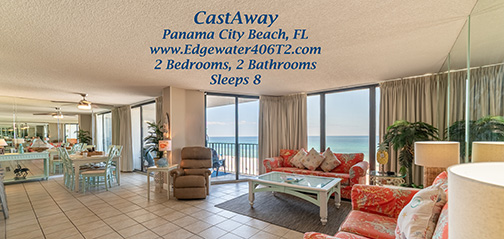
A beach vacation can go right or wrong before anyone packs a suitcase. The best beach rentals put your group close to the water, give everyone enough room to settle in, and remove the small frustrations that can consume valuable vacation time. The right choice depends on more than a view. It depends on how your group travels, where you want to spend your days, and what you expect when you return from the sand.
For families, couples, and groups visiting Panama City Beach, a thoughtful vacation rental choice creates a better starting point for the entire trip. Start with the details that affect every day of your stay, then compare the features that matter most to your plans.
Start With the Location, Not Just the View
A Gulf view carries obvious appeal, but location affects far more than the photos you take from the balcony. Consider how often your group plans to visit the beach, whether anyone needs easy access without stairs, and how much time you want to spend driving to restaurants, grocery stores, attractions, or dinner reservations.
Beachfront rentals suit guests who want to move easily between the condo and the beach. Parents can easily take younger children inside for lunch or a nap. Couples can enjoy a sunrise coffee or an evening sunset without getting in the car. Direct beach access also helps groups make the most of shorter stays.
A property a few blocks from the water may offer more space, a quieter setting, or a different price point. That trade-off can work well for guests who plan to explore the area, spend time at pools, or divide their days between the beach and local activities. Just confirm the actual walking route, parking arrangement, and beach access before you book. A map pin does not always show a convenient path to the sand.
In Panama City Beach, the character of the surrounding area matters as much as the distance to the beach. Some guests want an energetic setting near dining and entertainment. Others want a calmer stretch of beach where they can hear the surf from the balcony. Neither choice is better. Match the setting to the pace of the vacation you want.
Choose Beach Rentals Around Your Group
Guest count provides a useful starting point, but it does not tell the whole story. A rental that technically sleeps eight may feel comfortable for one family and crowded for four adults who all expect private bedrooms. Review the bed configuration instead of relying on the maximum occupancy number.
Ask practical questions. Will children share a room comfortably? Does the living room sofa bed affect the group’s use of the common area? Do grandparents need a bedroom on the main level or elevator access? Does the property have enough bathrooms for mornings or for getting ready to go to dinner after a long day in the sun?
Groups often overlook the value of shared space. A well-sized living area, dining table, and balcony give people room to gather without being on top of one another. This matters on a rainy afternoon, during meal preparation, or when different members of the group need a break from the heat. Bedrooms provide privacy, but common areas define how the group spends time together.
Kitchen needs also vary. Guests who plan to cook several meals should look for adequate counter space, cookware, serving dishes, and a full-size refrigerator. Guests who expect to dine out most of the time may place more value on location and a comfortable coffee setup. The goal is not to pay for every possible amenity. The goal is to choose a property that supports how you actually vacation.
Read the Listing for the Details That Change a Stay
Strong listing photos help you picture a property, but written details protect your expectations. Read the full description, amenity list, house rules, and booking terms before you reserve. These details answer the questions that images cannot.
Pay close attention to parking. Larger resorts, condominium buildings, and beach homes can have very different parking policies. Confirm the number of vehicles allowed, whether parking requires passes, and whether oversized vehicles are allowed. A group arriving in multiple cars needs a clear plan before check-in day.
Also review the property’s access instructions. Some guests prefer a ground-level home, while others enjoy the higher-floor views that a condominium can provide. Elevators, stairs, luggage carts, entry codes, and loading areas all influence arrival and departure. These points may seem minor until you arrive with coolers, groceries, beach gear, and tired children.
If pool access matters to your group, confirm the pool location and any posted rules. The same approach applies to grills, fitness rooms, beach service, laundry equipment, and community amenities. Do not assume that every feature shown in a listing belongs to the rental itself or remains available year-round. Clear details lead to better decisions.
Ask About What You Will Need on Day One
Arrival day often sets the tone for the trip. Check the check-in time, entry process, and instructions for after-hours arrivals. Plan your grocery stop around those details, particularly if your group arrives late or during a busy weekend.
Many guests also want to know what the rental provides at the start of the stay. Towels, linens, starter supplies, kitchen basics, and laundry access vary by property. Bring enough beach essentials for your group and assume you need to bring all personal items you need for your vacation. Typically in Panama City Beach, vacation rental properties supply sheets and towels for the bedrooms and kitchen towels along with a starter supply of toilet paper and paper towels, soap, shampoo and conditioner. A little preparation keeps the first evening simple.
Compare Total Cost, Not Just the Nightly Rate
A low nightly rate can look appealing until taxes, cleaning fees, service charges, parking, and optional extras enter the calculation. Compare the total reservation cost across the same travel dates before deciding which property offers the best value.
Value does not always mean the least expensive option. A beachfront property with a larger balcony, direct access to the sand, and enough bathrooms may justify a higher total for a multigenerational family. On the other hand, a well-kept property slightly farther inland may make more sense for guests who plan to spend their money on dining, fishing charters, or local attractions.
Travel dates affect availability and pricing. Peak summer weeks, holiday periods, and major local events bring stronger demand. Booking earlier gives guests more choices in location, layout, and size. Flexible travelers may find better options by shifting their arrival or departure by a day, especially when they do not need to travel during the busiest weeks.
The most useful budget separates the rental cost from the vacation cost. Set aside funds for groceries, meals out, activities, transportation, beach equipment, and incidental expenses. That broader view helps you select a rental without limiting what you can enjoy once you arrive.
Book With Clear Expectations and Direct Support
A vacation rental represents a significant commitment of time and money. Work with a professional manager that provides accurate property information, clear communication, and reliable support before and during your stay. You should know who to contact if you have a question about access, property features, or an issue that needs attention.
Review cancellation terms and payment schedules before you complete the reservation. Plans can change, and the terms should be clear from the start. Keep your booking confirmation, arrival instructions, and manager contact information available on your phone and in a backup location.
At Emerald Beach Properties, guests can expect a focused approach to Panama City Beach vacation rentals and the practical support that helps a stay run smoothly. Good management does not replace the excitement of a beach trip. It protects the time you set aside for it.
Give Yourself Room to Enjoy the Beach
The best vacation rental rarely comes from choosing the largest unit or the lowest rate alone. It comes from matching the property to your group’s habits: early beach mornings, family dinners, quiet balcony time, easy parking, or room for everyone to recharge.
When you choose beach vacation rentals with those real needs in mind, you arrive prepared to enjoy the salt air, bright water, and unhurried hours that brought you to the coast in the first place.
Direct Booking Versus Rental Platforms for Your Beach Stay

A beach vacation can look simple on a screen: choose a condo, select dates, and pay. The decision behind direct booking versus rental platforms deserves more attention to be sure you are getting the best value for your money. Your choice affects how much you will pay for your vacation rental, who answers the phone when plans change, how clearly you understand the property, and where you turn if an issue arises after check-in.
Rental platforms like AirBnB, VRBO, etc. give travelers broad search tools and familiar checkout screens. Direct bookings connect guests with the local company responsible for the vacation rental. Direct booking with a professional vacation rental management company wins every time.
Direct Booking Versus Rental Platforms: The Core Difference
Rental platforms act as marketplaces. They display properties from many hosts and management companies, collect traveler information, and process reservations under their own rules. Their value is that they combine vacation rental inventory from many sources so you can compare locations, bedroom counts, amenities, reviews, and dates across a large inventory without leaving one website. But this usually does not give the guest the best pricing.
A direct booking with a pro manager places the reservation with the company that manages the vacation rental. That company controls the property details, availability, guest communication, arrival instructions, maintenance response, and the terms of the stay. For a Panama City Beach trip, direct contact makes a big difference when you need to compare buildings, beach access, parking arrangements, pool rules, or the practical layout of a specific vacation rental property.
The distinction matters because a listing is only the beginning of a stay. Once you reserve, you need accurate answers, secure payment handling, clear documentation, and a reachable team that knows the property.
What Rental Platforms Do Well
Platforms work well when you have not yet narrowed your search. Their filters help travelers identify a general fit: a beachfront location, a certain number of bedrooms, or a target nightly rate.
Platforms display only reviews generated by the guests who used the platform to book a particular property. To see all the reviews for a property, you will need to look at the management company's website where reviews from all sources are displayed.
Platforms also provide their own payment systems and dispute procedures. The do not provide direct contact with the company actually managing the vacation rental.
Still, convenience at the search stage does not always translate to the best experience after booking. Platform policies add another layer of complexity between the guest and the local vacation rental manager. The person answering a platform message usually needs to relay your questions to the on-site team, and that slows down decisions about special requests, changes, or urgent concerns.
Why Direct Booking Can Offer More Control
When you book directly with a professional vacation rental manager, you deal with the team accountable for the vacation rental property. That connection gives you a clearer line of communication before arrival and during the stay. You can ask targeted questions instead of relying only on listing filters or automated answers from a platform.
Direct booking also creates a more complete view of the reservation cost. Travelers should compare the full total, including cleaning, resort, parking, booking, and tax charges. A lower nightly rate does not guarantee a lower trip cost. Compare the same property, dates, occupancy, cancellation terms, and total charges before you decide.
Local managers can often explain details that will affect your beach trip. Is the balcony large enough for a family meal? Does the property have a dedicated parking space? How far is the walk from the elevator to the unit? Does the building restrict trailers, golf carts, or oversized vehicles? These facts rarely fit neatly into a search filter, yet they can determine whether a property works for your group.
At Emerald Beach Properties, guests work with a team focused on vacation rental inventory in the beach market, not a generic platform intermediary managing listings across many unrelated destinations. That local operating knowledge helps when a guest needs practical information before committing to a stay.
Price Matters, but So Do Terms
Direct booking usually costs less because platforms charge service fees on top of the normal charges by the local management company. Property managers may set different rate structures across channels, while platforms may offer promotions, loyalty benefits, or payment options that change the final number. Property manager may also offer promotions, loyalty benefits or payment options just like the large platforms. So, be sure you are comparing apples to apples.
The better question is simple: what does each reservation include, and what rules apply if something changes?
Read the cancellation policy before payment. Check the deadline for a full or partial refund, whether travel insurance applies, and how the company handles weather disruptions. Gulf Coast weather can shift quickly, and hurricane season requires realistic planning. No booking channel can remove weather risk, but clear terms help you make informed decisions before you travel.
Also confirm payment timing and security deposits. A trustworthy manager explains when it charges your card, what holds may apply, and how it handles any reported damage. Vague payment instructions, pressure to pay by an unusual method, or requests to move communication away from an established booking system should raise concerns.
Security Starts Before You Reserve
Direct booking requires the same careful judgment you would use for any significant travel purchase. Booking directly does not mean sending money to an unknown person who contacted you through social media or a classified ad. It means reserving through a verified business website or speaking with an identifiable professional vacation rental management company using confirmed contact information.
Before you submit payment, confirm the company name, phone number, property address, and reservation terms. Review the website for clear contact details, policies, and property information. Pay through a secure checkout process, not through wire transfers, gift cards, or payment requests that leave you with no meaningful record.
A professional manager protects guest data, documents transactions, and provides written confirmation. You should receive details that identify the property, dates, occupancy, charges, payment schedule, and cancellation rules. Keep those records through check-out.
When Each Option Makes Sense
Choose a rental platform when you need to survey a wide market quickly, you have not selected a destination or property type, or you prefer a platform's specific traveler protections and rewards. The marketplace model gives you an efficient starting point.
Choose direct booking when you have found a property you want, need detailed local answers, or value a direct relationship with the team responsible for your stay. It can also make sense when you return to a destination and already know which manager delivers the level of service you expect.
Many experienced travelers use both approaches. They begin on a platform to understand available inventory, then compare the manager's direct site once they identify a suitable property. That approach is reasonable as long as they compare identical dates and terms rather than assuming the first displayed price tells the full story. Again, be sure you are comparing apples to apples.
Questions Worth Asking Before You Book
Ask who manages the property and who will assist you after arrival. Confirm whether the photos represent the exact unit, especially in condo communities where layouts, views, furnishings, and floor levels vary. Request clarity on parking, access codes, check-in timing, beach service, and building rules.
If you travel with children, ask about balcony access, pool supervision requirements, and distance to the beach. If you travel with several adults, confirm bedding arrangements rather than relying only on the maximum occupancy number. If accessibility affects your plans, ask about elevators, entry thresholds, shower access, and the route from parking to the unit.
Clear questions protect your vacation time. A professional manager should answer them directly and set realistic expectations.
The best reservation is not simply the one with the lowest first number on the screen. Choose the booking path that gives you confidence in the property, the terms, and the people responsible for your stay. When the Gulf is outside your window and your group has settled in, that confidence becomes part of the vacation.
What to Expect in October in Panama City Beach
A quiet morning on the sand can still feel like summer in October, while dinner on the balcony may call for a light sweater or jacket. That contrast is the appeal of October in Panama City Beach. The busiest summer weeks have passed, but the Gulf remains a big part of the day, the beaches are bright, and the pace becomes more relaxed for families, couples, and guests who prefer a slower speed vacation.
October rewards travelers who plan around changing conditions instead of expecting one fixed version of a beach vacation. Warm afternoons, cooler evenings, occasional rain, and seasonal events can all be part of your amazing October beach vacation. A well-chosen vacation rental gives your group the flexibility to enjoy the beach when conditions are right and settle in comfortably when they are not.
October in Panama City Beach: Weather and Water
October typically brings daytime highs in the upper 70s to low 80s, with evenings often dipping into the 60s. Early October usually feels warmer than the last week of the month, especially after sunset. Humidity eases compared with midsummer, which makes bike rides, walks along the shore, outdoor activities and outdoor meals more comfortable for everyone.
The Gulf remains inviting, particularly early in the month. Water temperatures commonly are in the 70s, though wind, currents, and weather systems can change the weather quickly. Guests who want to swim every day should consider an early-October stay. Travelers focused on uncrowded beaches, fishing, dining, or relaxed time with family may find late October equally appealing.
Fall weather also requires realistic expectations. October falls within hurricane season, and a tropical system can affect rain, surf, and travel plans even when it does not make landfall nearby. Check the forecast before departure and continue checking it during your stay. Follow posted beach flags without exception. Clear water does not guarantee calm conditions, and rip currents can develop even when the shoreline looks peaceful. Also note the purple flags because they may indicate the presence of jelly fish and other marine pests on the beach.
Why Fall Changes the Beach Experience
Summer in Panama City Beach centers on long beach days, school-break crowds, and a high-energy calendar. October offers a calmer approach to a beach vacation. You'll find more open space on the sand, shorter waits at local restaurants, and a less hurried atmosphere around the area.
That does not mean every October weekend is quiet. Fall breaks, holiday weekends, sporting events, and seasonal gatherings can increase demand. Columbus Day Weekend is one of the busiest in PCB with the Pirates of the High Seas Festival and Renaissance Faire drawing large crowds. Families should not assume that every property or restaurant will have last-minute availability just because summer has ended. If a specific condo, beachfront home, or date matters to your group, reserve early.
The trade-off is straightforward: October offers fewer crowds and milder temperatures, but it also brings more weather variability than peak summer. For many guests, that is a worthwhile exchange. A sunny 80-degree afternoon followed by a cool evening dinner often feels like the best of both seasons.
Choosing the Right October Rental
Your rental should support more than beach time. October weather can shift during a single day, so comfort inside the property matters. Look for a layout that gives your group room to gather, prepare meals, and recharge between outings. A private balcony or patio adds value when the evenings cool down and the Gulf breeze arrives.
Families will benefit from a rental with a full kitchen, laundry, and enough sleeping space to avoid turning every morning into a scheduling exercise. Couples may prioritize beachfront views, walkability, and a quieter setting. Groups should pay close attention to parking, bedroom configurations, and common-area space before booking.
Location also shapes the trip. A beachfront stay makes it easy to take advantage of sometimes short windows of ideal weather. If clouds move through for an hour, you can return to the rental without losing the day. Guests who plan to explore beyond the sand may prefer a property that offers convenient access to dining, shopping, golf, or family activities.
Before confirming any reservation, review the property details closely. Verify check-in procedures, occupancy limits, parking arrangements, pet policies if applicable, and the amenities that matter to your group. Clear expectations will make your vacation more successful.
What to Pack for a Comfortable Week
October packing requires a little more thought than a July beach bag. Bring swimwear and sunscreen, but add a light jacket, long-sleeve shirt, and comfortable closed-toe shoes. Morning walks and evening outings can feel cool, especially later in the month.
A compact rain jacket is useful, but it should not dominate your suitcase. Many fall showers pass quickly. Bring a beach tote with towels, sunglasses, water, and a cover-up so you can take advantage of clear periods without over planning every hour.
For families, pack a few indoor options as well. A deck of cards, favorite books, or simple games can turn a rainy afternoon into part of the vacation rather than a disruption. A vacation rental gives everyone space to reset while waiting for the sun to return.
Make Room for Both Beach Days and Local Plans
The best October itineraries leave space in the schedule to work around the daily weather forecast. If the day begins clear and calm, head to the beach early. Morning light, cooler sand, and a quieter shoreline create an easy start. Save flexible activities, such as shopping, dining, or an afternoon movie, for periods when rain or wind moves in.
October also brings seasonal activities that add variety beyond the shoreline. Depending on the week, visitors may find fall festivals, live music, family-friendly events, Pirate and Halloween programming. Event schedules change from year to year, so confirm dates and admission details before building your plans around them.
Fishing can be a strong reason to visit in fall, although conditions and target species vary. Anglers should book reputable local operators, listen to captain guidance, and keep their schedule flexible around marine forecasts. Golfers and cyclists often appreciate the cooler air as well, particularly during the middle of the day when summer heat would normally limit activity.
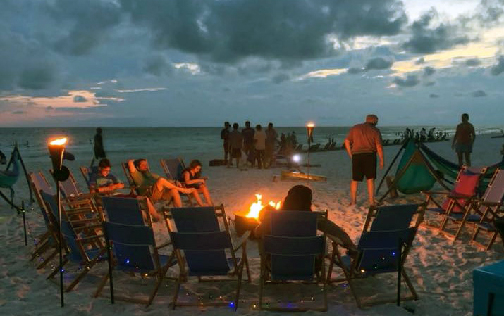
A beach bonfire can be a special occasion in the fall and winter in PCB. Be sure to book ahead for this once in a lifetime experience.
Timing Your Trip Within the Month
Early October generally offers the closest thing to a summer-style beach trip, with warmer air and water. It often suits guests who want to spend most of each day swimming, sunbathing, and playing in the sand.
Mid-month can offer an attractive balance of comfortable daytime weather and reduced summer intensity. It works well for families who can travel outside school breaks, couples seeking a slower getaway, and groups that want both beach time and local outings.
Late October brings cooler nights and a stronger fall feel. The beach remains beautiful, but guests should set expectations around weather and water temperatures. This period can suit travelers who value peaceful walks, sunset views, dining, and a rental that feels like a comfortable coastal home base.
Plan With Flexibility, Then Enjoy the View
A successful October stay does not require a packed schedule. It requires a clear plan, a close eye on beach conditions, and a vacation rental that gives your group options. Reserve the property that fits your priorities, pack for a few temperature changes, and let the best weather windows lead the day. Emerald Beach Properties can help guests begin that process with professionally managed vacation rental options built for time well spent near the Gulf.
12 Best Panama City Beach Restaurants to Try

A good beach day is sure to make everyone hungry at the same time, which is precisely why choosing dinner at 5:45 p.m. can be a "competitive sport". The best Panama City Beach restaurants give vacation guests more than a meal. They offer a dependable place to gather after the beach, celebrate a special night, or settle an urgent debate between fresh seafood, burgers, and tacos.
Panama City Beach has no shortage of restaurants, but the right choice depends on your group, your schedule, and the type of evening you want. Some restaurants reward advance planning. Others work best when the family wants casual food and a quick return to the condo or a movie after dinner. This guide focuses on established local favorites and separates them by the experience they deliver.
Check our Live Like A Local-Things to do in PCB for even more suggestions for restaurants that we personally enjoy!
Best Panama City Beach Restaurants for a Special Dinner
Firefly
Firefly has long held a place on the list for a special dinner away from the noise of the beach. Its atmospheric dining room, centered around a large oak tree, sets the tone for anniversaries, adult date nights, and evenings when you want a more deliberate meal. The menu typically leans toward seafood, steaks, and thoughtfully prepared entrées rather than flip-flop-and-go beach fare.
Reservations make sense here, especially during spring break, summer, holiday weeks, and weekends. Families with older children can enjoy the setting, but younger guests who need a fast, casual dinner may feel more comfortable at one of our other local restaurants.
The Grand Marlin
For a waterfront dinner with a refined feel, The Grand Marlin offers a strong balance of coastal views and elevated seafood. The location on Grand Lagoon gives guests a chance to watch boats in the marina while they enjoy oysters, fish, and a menu built around Gulf flavors. Sunset creates the busiest time here, and for good reason. The views are spectacular.
This is a smart choice for guests who want a memorable view without sacrificing the quality of the food. Ask for a waterside table when available, but plan around the possibility of a wait if you arrive at peak sunset hours.
Saltwater Grill
Saltwater Grill brings a distinctive visual centerpiece to dinner: a large saltwater aquarium inside the dining room. That feature makes the restaurant especially appealing for families, while the seafood, steaks, and full dinner menu keep it suitable for a special evening as well. It is located away from the beachfront crowds, which can be a welcome change after a busy day. But, this popular spot fills up quickly due to it's great reputation.
The restaurant works well for mixed groups because it offers familiar options alongside local seafood. It also makes a practical choice when rain interrupts outdoor plans and your group still wants a memorable dinner setting.
Where to Go for Gulf Seafood
Captain Anderson's Restaurant
Captain Anderson's Restaurant has served Grand Lagoon diners for decades and remains a classic choice for a traditional seafood dinner. Guests come for the established coastal setting, generous seafood plates, and a menu that includes options such as shrimp, fish, crab, and steaks. Its marina-side location adds to the appeal, particularly for visitors staying on the east end of the beach.
Expect a busy dining room in season. Arrive early, reserve when the restaurant accepts reservations, or use the wait time for a stroll near the marina. This is not the spot to choose when everyone needs food in 20 minutes, but it suits a relaxed vacation evening.
Dusty's Oyster Bar
Dusty's Oyster Bar delivers the more casual side of seafood dining. Oysters, steamed seafood, fried baskets, and a lively atmosphere draw guests who want local character without a formal dress code. It offers a good answer when someone in the group wants raw oysters while someone else wants a straightforward seafood basket.
The restaurant can get loud and crowded, which adds to its energy but may not fit every occasion. Go for the food and the relaxed beach-town atmosphere, not for a quiet candlelit meal.
Hook'd Pier Bar & Grill
Hook'd Pier Bar & Grill earns attention for its position near the Russell-Fields Pier and its broad Gulf views. The menu includes seafood, sandwiches, tacos, and shareable starters, which helps groups with different appetites. A table near the water turns a simple lunch or dinner into a genuine beach experience.
Location is its advantage and its trade-off. The restaurant can feel particularly busy when the pier and surrounding beach access points draw large crowds. Build in extra time if you visit during the middle of a sunny summer afternoon.
Schooners
Schooners offers a classic local beachfront restaurant experience on the east end, with Gulf views, seafood, burgers, and a menu that suits a long, unhurried lunch. It is known for a social, lively atmosphere and for giving guests a front-row seat to the changing light over the water.
Choose Schooners when the view matters as much as the meal. The restaurant is located on the beach with convenient steps down to the sand. A sunset visit can be memorable, but it also brings the largest crowds. Families should consider an earlier dinner, while couples may prefer lingering later with a drink and the view.
Casual Favorites for Families and Beach Days
Finns Island Style Grub
Finns Island Style Grub provides a refreshing break from heavy fried fare. Its casual menu includes fish tacos, burritos, bowls, and bright island-inspired flavors that work well for lunch after a morning on the sand. It is an especially good option for guests who want a lighter meal without giving up local seafood.
Service and seating can vary with the time of day, so think of Finns as a flexible, casual stop rather than a drawn-out dinner destination. It suits couples, families, and groups who want something quick before heading back to the pool or beach.
Diego's Burrito Factory & Margarita Bar
Diego's brings tacos, burritos, bowls, and margaritas into the vacation meal rotation. The menu makes it easy to accommodate diners who prefer seafood, chicken, vegetarian ingredients, or familiar kid-friendly choices. Its broad appeal makes it particularly useful for multi-family groups, where finding one restaurant everyone accepts can become its own vacation project.
Expect a fun, active setting rather than a quiet one. For a group dinner, check the current wait process before leaving your rental and consider going a little earlier than standard dinner time.
Dat Cajun Place Cafe
Dat Cajun Place Cafe adds New Orleans and Gulf Coast influence to the area dining scene. Guests can expect Cajun staples, seafood, po'boys, and bold seasoning in a casual setting. It offers a welcome change when your group has already had its share of grilled fish and wants something with more spice and regional personality.
Not every dish carries the same level of heat, but guests with young children or sensitive palates should ask the staff for guidance. The restaurant rewards diners who want to try something beyond the standard beach menu.
Runaway Island Beach Bar & Grill
Runaway Island pairs a broad menu with a beachfront setting and enough space for a larger vacation group. Burgers, seafood, sandwiches, salads, and kid-friendly options give everyone a reasonable path to dinner, while the decks provide an easygoing place to watch the Gulf.
It works best when your priority is convenience, views, and menu variety. Guests seeking a highly curated seafood dinner may prefer one of the more specialized restaurants, but Runaway Island handles the practical realities of family dining well.
Best Panama City Beach Restaurants for Breakfast and a Quick Bite
Thomas' Donut & Snack Shop
Thomas' Donut & Snack Shop has become a vacation tradition for many repeat visitors. Fresh donuts, breakfast items, and beach-ready snacks make it a useful early stop before a full day outside. The appeal is simple: it is casual, familiar, and easy to enjoy in a swimsuit cover-up or on the way to the beach.
Morning lines can form quickly during busy weeks. Send one person for the order, or go early if your family starts the day before the beach crowds arrive.
Eat My Pasty
Eat My Pasty offers a different kind of quick meal: hand pies with savory and sweet fillings. It is a practical choice for lunch, an easy takeout dinner, or a portable meal before an activity. The concept gives guests something more distinctive than another fast-food stop while still keeping the meal uncomplicated.
This is a good option for travelers who want convenience without settling for a generic chain meal. If your group includes several hungry teenagers, consider ordering a few extra items rather than assuming one pasty will cover every appetite.
Plan Restaurant Meals Around Your Vacation
The strongest restaurant plan leaves room for the beach, traffic, naps, and changing weather. Book one or two special dinners before you arrive, particularly if your trip falls during a holiday week or peak summer season. Then keep several casual options in reserve for the nights when a long wait sounds less appealing than dinner back at your vacation rental.
Check current hours, reservation policies, and menus directly before you go. Coastal restaurants adjust operations for weather, private events, and seasonal demand. A little planning protects your evening and gives your group more time for what brought you here in the first place: another good night near the water.
Snowbird Vacation Rentals in Panama City Beach, FL

Winter mornings on the Gulf Coast are great for Snowbird Stays. The crowds thin, the weather settles into mild, sunny days, and a walk along the beach becomes part of your regular routine. Snowbird vacation rentals in Panama City Beach, FL give seasonal guests a practical way to trade ice scrapers and heavy coats for salt air, open views, and a longer stay near the Gulf.
A successful winter stay starts with more than finding an attractive vacation rental in PCB. Monthly guests need a rental that supports everyday living: enough room to settle in, a kitchen that works for more than quick meals, dependable access, clear rental terms, and a location that fits their favorite winter activities. The best choice depends on how you plan to spend the cool season.
What Makes a Rental Work for a Winter Stay
A weekend rental can succeed with a good view and a convenient beach entrance. A snowbird stay requires more consideration for daily living. You will need storage space, seating comfort, laundry access, convenient parking, reliable elevators, solid internet service, and a kitchen that supports the way you want to cook.
Start with the layout. Couples may prefer a one-bedroom condo with an open living area and a balcony overlooking the Gulf. Guests hosting family or friends during the season may need a second bedroom, an additional bathroom, or a larger dining area. If you work remotely, consider where you can comfortably place a laptop and take calls without turning the entire living room into an office. In that case a second bedroom can make sense as your winter home office.
Look closely at practical features before you reserve. An in-unit washer and dryer can make a big difference during a multi-week stay. A full kitchen gives you flexibility and can reduce the cost of dining out every day. Covered parking, secure building access, elevators, and proximity to grocery stores may matter as much as the beach itself.
Choosing the Right Area in Panama City Beach
Panama City Beach offers distinct settings within a relatively compact stretch of beach. Your ideal location depends on whether you want easy access to restaurants and activities, a quieter residential feel, or a balance between the two.
The central beach area can suit guests who enjoy being near dining, shopping, entertainment, and regular activity. This makes errands and evenings out easier, especially for visitors who prefer not to drive far. The trade-off involves more traffic and a busier atmosphere in certain areas.
West of the busiest corridor, many visitors find a slower pace while remaining close to beaches, dining, and services. This side can appeal to snowbirds who want peaceful mornings and convenient access to daily necessities. East-side locations can also offer a quieter setting, depending on the specific property.
Do not choose a rental based on a map pin alone. Ask how far the unit is from the sand, whether the beach access requires crossing a road, and what stands between the building and the water. A Gulf-front property delivers a different daily experience than a property described as walk to the beach access or beach area. Both can work well, but they meet different expectations.
Questions to Ask Before Booking a Snowbird Rental
Clear answers prevent avoidable surprises. Before you commit to a longer reservation, confirm the rental period, payment schedule, cancellation terms, and any requirements for seasonal stays. Monthly pricing may not include every cost, so ask which charges apply to your reservation.
Confirm the property’s occupancy limit and guest rules if family plans to visit. Some communities set registration requirements, parking limits, age restrictions, or rules for recreational vehicles and trailers.
Ask about utilities, internet, cable or streaming access, and maintenance procedures. You should know who to contact if an appliance stops working, a plumbing issue arises, or you have trouble entering the property. Professional vacation rental management like Emerald Beach Properties provides a clear point of contact and an established process for addressing guest needs.
Also review the furnishings with a long stay in mind. Photos show appearance, but they may not answer whether the unit has adequate cookware, comfortable seating, blackout curtains, a desk, or enough closet space. Direct questions to the property manager will help you choose with confidence.
When to Plan Your Winter Stay
Snowbird demand often builds well before winter arrives. Guests who want a specific building, floor plan, Gulf view, or month should begin planning early. January through March can attract visitors escaping colder regions, and popular properties can book well ahead of arrival. Emerald Beach Properties has many Snowbirds who book the same unit year after year in advance. Some of these even book for next year before they leave to go home in the current year.
Flexibility creates options. A guest who can adjust arrival dates by a few days or consider several nearby locations may find a better match for budget and preferences. A longer stay can also open opportunities that do not fit a short vacation calendar.
Consider the timing of your drive as well. If you travel from the Midwest or Northeast, build in time for changing weather conditions along the route. Arriving during daylight makes check-in, parking, and getting familiar with a new property easier after a long day on the road.
Living Well Beyond the Beach
The beach remains the main draw, but a comfortable snowbird season needs variety. Mild winter weather creates room for morning walks, yoga, pickleball, golf, fishing, dining, local events, and day trips. Some days call for a quiet balcony and a book. Others call for a market run, lunch with new friends, or an afternoon exploring the area.
Create a routine during your first week. Identify your closest grocery store, pharmacy, medical care options, favorite coffee stop, and walking routes. If you plan to stay for several months, these simple details help the rental feel less temporary and more like a seasonal home.
Community amenities can also shape the experience. Heated pools, fitness rooms, clubhouses, and shared outdoor spaces may add value during cooler days or rainy stretches. Check whether amenities operate year-round, since maintenance schedules and seasonal hours vary by property.
A Realistic View of Budget and Value
The lowest advertised rate does not always deliver the best value. Compare the full cost of the stay, including cleaning fees, taxes, reservation charges, parking, and utility arrangements. Then compare what each property gives you in return.
A rental with in-unit laundry, a full kitchen, strong internet, and direct beach access may justify a higher monthly rate if those features improve daily life. On the other hand, guests who plan to spend most of their time exploring may prefer a more modest property in a convenient location.
Winter weather also brings cool or rainy days, even on Florida's West coast. Choose a unit where you will feel comfortable indoors. A great view helps, but so do a functional living room, reliable television options, and enough space to relax without feeling confined.
Snowbird Vacation Rentals in Panama City Beach, FL: Book With Clarity
A longer beach stay should feel straightforward from the first inquiry through departure. Read the rental agreement, review property details, and ask direct questions before you reserve. Responsible planning protects your budget and helps the property management team prepare for your arrival.
Emerald Beach Properties focuses on professionally managed vacation rentals in the PCB market, giving guests a reliable source of property information and support throughout their stay. The right rental provides more than a place to sleep. It gives you a dependable home base for the season you came to enjoy.
Choose the property that fits how you actually live, not just how you want the first day to look. When the Gulf becomes part of your morning routine and the rental supports the rest of your day, winter in Panama City Beach can feel exactly where you belong.
Amenities That Matter for Panama City Beach Condos
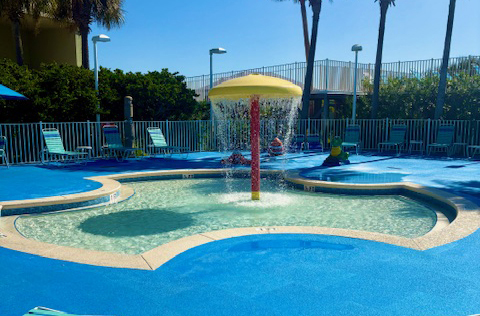
A beach condo can look perfect in listing photos, then disappoint when a long elevator wait, a crowded pool deck, or an inconvenient beach walk becomes an annoyance every day of the trip. The best amenities for beach condos do more than add a luxury label, they remove those little annoyances and protect your vacation time. They help you spend more of the day where you want to be: near the water.
For Panama City Beach visitors, the right amenity mix depends on who travels, when they visit, and how they plan to use the property. A family with young children needs different conveniences than a couple planning a quiet long weekend. The strongest condo choice balances memorable resort features that are important to you with practical details that make arrival, meals, rest, and beach days easier.
Direct Beach Access
A beachfront address alone does not always mean effortless beach access. Guests should look closely at the route from the condo to the sand. A private beach walkover, clear boardwalk access, nearby rinse stations, and an easy return path for wet feet and sandy gear make a vacation rental more convenient.
Direct access matters most for families carrying chairs, towels, coolers, and toys. It also gives you the freedom to return to the condo for lunch, naps, or a change of clothes without turning a simple beach visit into a logistical project. In high-rise buildings, the distance from the unit to the beach usually includes elevators, lobbies, pool decks, gates, and walkways. The location of the individual condo within the building affects that experience. Lower floors give shorter elevator rides while higher floors may have a better view of the water.
Beach service can add value, but guests should confirm what the stay includes. A few properties offer chairs and umbrellas seasonally, while most properties allow rentals through an on-site provider. Beach setups are really convenient, especially during busy summer weeks, but availability and rules vary by property. Many PCB beach chair vendors can be booked ahead on line with a quick internet search.
Pools That Work for the Whole Group
A well-designed pool area gives guests an alternative when the Gulf has rough surf, afternoon storms roll through, or younger travelers need a change of pace. The best pool is not necessarily the largest one. It should fit the needs of the group and match the building's typical crowd level.
Families often value a zero-entry pool, a shallow children's area, or a splash pad feature. Adults may prefer a heated pool for spring and fall stays, a hot tub, shaded seating, and enough deck space to avoid competing for every chair. An indoor pool can help during cooler weather, although it should not replace a clean, inviting outdoor pool if beach time drives the trip. There are only a few indoor pools in PCB so read the listing carefully if you are interested in this amenity.
Ask about pool hours, wristband requirements, and seasonal heating before booking. Those details matter more than a polished photo. A heated pool that does not operate during a guest's travel dates does not solve a cool-weather vacation plan. Most PCB pools that are heated are only heated when the weather turns chilly.
The Best Amenities for Beach Condos Start Inside
Resort features draw attention, but in-unit amenities often decide whether a stay feels relaxed or inconvenient. A beach condo serves as a temporary home, particularly for families, multigenerational groups, and guests staying a week or longer. Reliable basics carry real weight.
A full kitchen with adequate cookware, dinnerware, a coffee maker, and enough refrigerator space can reduce the need to eat out for every meal and help families keep a flexible schedule. Guests do not need a chef's kitchen, but they do need the tools to prepare breakfast, pack snacks, and make an easy dinner after a day in the sun.
In-unit laundry ranks near the top of the practical list. Beach towels, swimsuits, and children's clothes accumulate quickly. A washer and dryer in your vacation rental lets you pack lighter and keep the condo comfortable throughout the stay. For longer visits, laundry access can matter more than another decorative upgrade.
Strong, dependable Wi-Fi also belongs on the essentials list. Travelers use it for streaming, remote work, weather checks, restaurant reservations, and keeping in touch with family. A dedicated workspace may benefit guests who plan a working vacation, but a reliable connection and a comfortable table often meet that need. Most condos in PCB offer streaming TV service but check to be sure.
Balconies Create the Coastal Experience
A private balcony with usable seating remains one of the most valued beach condo amenities. It gives you a place to start the morning with coffee, watch changing water conditions, or end the evening with the sound of the surf below. Gulf-front views usually command the most attention, yet balcony size and orientation matter too.
A narrow balcony with little room beyond two chairs offers a different experience than a deep balcony where a family can eat together. Higher floors can deliver broad views, but they may also increase your dependence on elevators. Some complexes have parking structures adjacent to the buildings that let you park on a higher floor making elevator convenience easier. Lower floors can simplify access, though landscaping, pool activity, or nearby walkways may affect privacy and noise. There is no universal best floor. You should choose based on how you expect to spend your time.
Parking, Elevators, and Arrival Details Matter
Many vacation frustrations begin before guests reach the condo. Clear parking arrangements, straightforward check-in instructions, and reasonable elevator access will set the tone for arrival day.
Covered parking protects vehicles from heat and storms, while assigned parking can remove uncertainty during busy periods. Guests traveling with more than one vehicle should verify the number of parking passes allowed and any separate fees. Be aware that most Panama City Beach Condo Complexes charge a registration fee that is payable upon arrival or online prior to arrival separate from your reservation. Oversized vehicles, trailers, and golf carts face restrictions, so travelers should never assume every property can accommodate them.
Elevator capacity deserves equal attention in large beachfront towers. During peak arrival days, a beautiful upper-floor unit may require patience. Buildings with multiple elevators and organized luggage-cart procedures usually handle turnover more effectively. For travelers with mobility needs or young children, these operational details deserve as much consideration as the view.
Fitness, Recreation, and Shared Spaces
On-site extras can improve a beach vacation when they support the way you actually travel. A fitness room helps you maintain your daily fitness routine. Grilling areas create an easy option for a casual dinner. Game rooms, tennis or pickleball courts, and seasonal activity programs can give older children and teens something to do between beach outings. Beach volleyball is another amenity enjoyed by many guests.
These amenities should support the trip rather than distract from the core priorities. A condo with a theater room and arcade may sound appealing, but direct beach access, a functional kitchen, clean pools, and comfortable sleeping arrangements will likely matter more for most groups. Guests should avoid paying a premium for features they will not use.
Shared spaces also require consideration. A lively pool bar or event lawn may suit a social group, while a family seeking early nights may prefer a quieter building. Read property descriptions carefully and consider the time of year. Spring break, holiday weekends, and summer peak weeks can change the atmosphere of an entire resort.
Safety, Cleanliness, and Professional Care
The most valuable amenities often operate quietly in the background. Well-lit walkways, controlled building access and onsite security, clear emergency information, maintained common areas, and responsive support help you feel secure from arrival through departure.
Cleanliness also changes how you experience every feature. A sparkling pool, tidy elevator, maintained grill station, and cared-for grounds signal attention to the property as a whole. Guests should look for clear rental information, accurate photos, specific amenity details, and a professional point of contact who can answer questions before travel.
At Emerald Beach Properties, we understand that confidence comes from details you can rely on, not vague promises. A vacation rental should make the stay easier from the first parking instruction to the final morning on the balcony.
Choose Amenities Around Your Actual Vacation Plans
Before booking, picture a typical day rather than focusing only on the most impressive photo. Will the group cook breakfast? Need a nap-friendly layout? Spend hours at the pool? Return from the beach several times each day? Travel with grandparents who need fewer stairs and shorter walks? Those answers reveal which amenities deserve priority.
The right beach condo does not need every possible feature. It needs the features that let you make the most of your vacation day, fit your group, and let the beach remain the center of the vacation. When the essentials work well, the small moments become easier to enjoy: sandy feet at sunset, a quiet balcony breakfast, and one more unplanned hour by the Gulf.
Seychelles Resort Beachfront Condos in Panama City Beach, FL
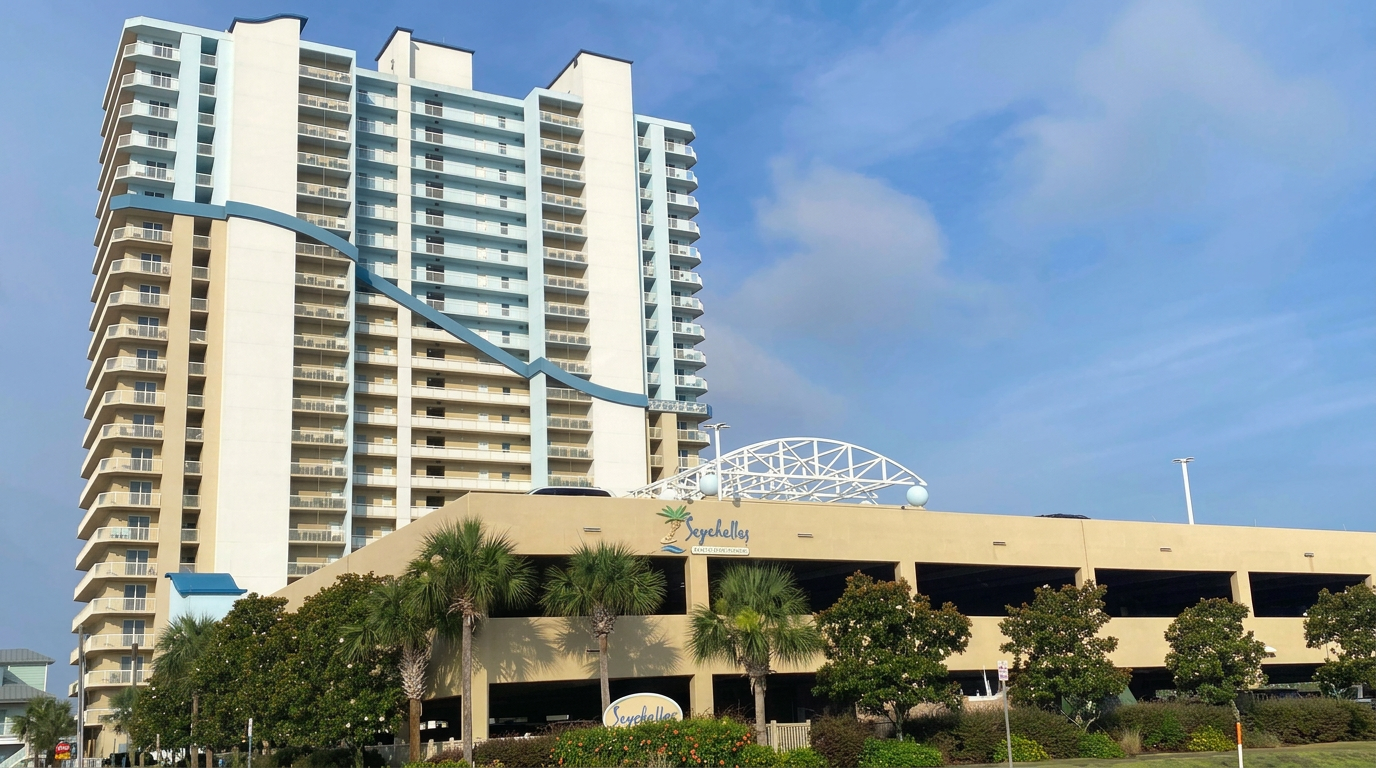
At Seychelles Resort Panama City Beach, FL, the Gulf is not a distant view or a long walk across a busy road. The resort is at the eastern end of the beach, close to the water, with wide beach views that make it perfect for making vacation memories that will last a lifetime. For families, couples, and snowbirds who want beach access, modern condo-style space, and an area that feels less crowded than the central strip, Seychelles' location delivers just what you are looking for.
Seychelles works especially well for travelers who prefer to settle into one place rather than move between attractions all day. A well-chosen vacation rental gives guests room to store groceries, prepare meals, spread out after the beach, and enjoy the Gulf view on their own schedule. The best stay comes down to matching the unit, travel dates, and daily plans to the way your group actually vacations.
## Why Choose Seychelles Resort in Panama City Beach, FL?
The resort's east-end setting is near St. Andrews State Park, Shell Island excursions, fishing charters, marinas, and waterfront dining. This part of Panama City Beach offers convenient access to activities without the lively activity of the central beach area where restaurants, arcades, and nightlife venues might be directly outside your door. That trade-off appeals to guests who want options nearby but value calmer evenings when they return to the condo.
All units in Seychelles are directly Gulf facing with amazing views. The 3 Bedroom units on either end of the building have wrap around balconies that go from the Gulf side around by the Pass to the street side of the building overlooking Grand Lagoon. Water, water, EVERYWHERE!
The beach itself remains the main draw. Start the morning with coffee on your private balcony facing the Gulf, spend the afternoon in the sand, then come back upstairs when someone in the group needs a break. That type of vacation is harder to achieve when a vacation rental requires driving, parking, and carrying beach gear each time you want to see the Gulf.
Seychelles also suits multi-generation travel. Grandparents may appreciate a comfortable balcony and easy access to the beach, while children focus on pool time and beach play. Couples can use the resort as a straightforward base for a low-key weekend with sunset walks and meals near the water. No single property fits every traveler, but guests who prioritize beachfront time over a central entertainment district often find this location a strong match.
You'll enjoy the two sparkling beachfront pools and a hot tub for your enjoyment. These are right on the beach! The fitness center is free for guests to use. The beach kiosk has chair rentals available and also parasailing and other beach activities, right in your "backyard." The covered charcoal grilling area is located on the top floor of the parking deck and is free for guests to use.
Your rental includes parking in one space in the parking deck and one space in our office lot 3.8 miles away, Parking on property is limited and rules are strictly enforced by the Condo Association. Vehicles without parking passes are subject to towing without notice. If you need to bring a second vehicle, please check with us for free parking at our office location on Joan AV.
## Why A Vacation Rental Managed by Emerald Beach Properties?
Why choose a luxury property managed by Emerald Beach Properties on behalf of the owner? We offer the advantages of a full service management company and vacation rental from an owner who takes pride in their property. We're here in Panama City Beach, with a local front desk and local staff on call 24 hours a day, 7 days a week! You vacation rental is professionally managed from start to finish. We are licensed, bonded and insured and all of our employees wear company ID badges for added security. We use state of the art technology to deliver secure booking and payments and quick responses to all your inquiries. Management, maintenance, rental services and housekeeping are all just a phone call or email away.
Delivering the very best vacation experience to you is our number one priority! With Emerald Beach Properties, you can book Turtle Cay, Seychelles 1801 with confidence knowing we'll make Panama City Beach your Perfect Place in Paradise.
See you at THE BEACH!
## Choosing the Right Seychelles Vacation Rental
Individual condos differ in layout, furnishings, views, bedding arrangements, kitchen equipment, and included amenities. Do not assume that every unit offers the same setup simply because it is located in the same resort. Review the specific property description before booking, particularly if your group needs a certain bedroom count, bunk area, accessible layout, washer and dryer, or dedicated workspace.
A [Gulf-front balcony](https://emeraldbeachproperties.com/beachfront-vacation-rentals) can make or break your stay, especially for guests who expect to spend time at the property rather than treat it only as a place to sleep. Higher floors deliver broader water views, while lower floors reduce elevator time. Although, the elevators in this complex are known for being well maintained and they get you to your floor quickly. Neither option wins in every situation. A family with small children or guests who prefer shorter trips in and out may value a lower floor. Travelers focused on open horizons may prefer a higher-floor unit.
Bed configuration deserves equal attention. A [three-bedroom condominium](https://emeraldbeachproperties.com/3-bedroom-rentals) can accommodate very different groups depending on whether the second and third bedrooms have a queen bed, twin beds, or bunks. Confirm sleeping arrangements before arrival instead of relying on the maximum occupancy number alone. That small step prevents an awkward first night and helps everyone arrive with realistic expectations.
Kitchen details also matter more on a longer stay than on a two-night trip. Guests who plan to cook breakfast and pack lunches for the beach should select a unit with the space and equipment that supports those plans. If dining out ranks higher than cooking, the kitchen still offers value for cold drinks, snacks, and an easy meal after a long day in the sun. Seychelles kitchens are typically modern and well equipped with a Gulf view, too!
### Plan for Resort Logistics
Beachfront condominium resorts operate differently from detached homes. Elevators, parking procedures, wristbands or access passes, pool rules, and beach-service arrangements do apply. These details help maintain order at a busy property, particularly during summer, holiday weekends, and other high-demand periods.
Read arrival instructions before you leave home. Save check-in information where every adult traveler can access it, and make sure the person arriving first understands parking and entry procedures. If you drive a larger vehicle, verify any parking limits in advance. Guests who arrive prepared spend less of their first evening sorting out logistics and more time enjoying the coast. Seychelles has limited parking and during some periods they allow only one vehicle per condo. If you are staying with Emerald Beach Properties, we have space at your office for any extra vehicles you need to bring.
Amenity availability can change because of weather, maintenance, local requirements, or resort operations. Pools, fitness areas, hot tubs, and beach access points may have posted rules or temporary closures. Treat listed amenities as part of the experience, but do not build the entire vacation around one feature. The Gulf, nearby parks, restaurants, and water activities offer plenty of alternatives when plans change.
## Make the Most of the East End
The east end rewards travelers who balance planned outings with open time. [St. Andrews State Park](https://emeraldbeachproperties.com/area-info/travel-to-PCB) offers nature trails, scenic shoreline, and opportunities to see a different side of the coast. Shell Island trips can be memorable when weather and water conditions cooperate, but they require planning around departure times, sun exposure, and the needs of younger children.
For a simple beach day, begin earlier than you think. Mornings often bring cooler sand, softer light, and more room to choose a comfortable spot. Pack water, sunscreen, hats, and a plan for shade. Gulf conditions can change quickly, so follow posted beach flag warnings and keep children within close supervision near the water. Calm-looking waves does not remove the need for caution.
Fishing, boating, and dolphin-viewing trips add variety, but they work best when travelers leave schedule flexibility. Wind, storms, and sea conditions can affect departures. Avoid booking every activity back-to-back, especially during a short stay. One planned excursion and one unscheduled day usually create a better vacation than a packed calendar that leaves no time for the beach outside your door.
Dining nearby ranges from casual seafood to waterfront meals, but wait times can increase during peak season. Families should consider eating earlier, ordering takeout for the balcony, or keeping a simple dinner option in the condo. A well equipped kitchen does not mean you need to cook every night. It gives you control when tired kids, afternoon rain, or a long restaurant line changes the plan.
## When to Visit Seychelles Resort
Summer delivers classic beach weather, warm Gulf water, and the highest energy level. It also brings larger crowds, heavier traffic, and stronger demand for popular vacation weeks. Families tied to school calendars may accept those trade-offs because summer offers the most straightforward beach vacation experience.
Spring and fall often appeal to guests who want milder temperatures and a more relaxed pace. Water temperatures and weather patterns vary, so these seasons do not guarantee swimming conditions every day. Still, travelers who enjoy walking the beach, dining out, fishing, and spending time on the balcony may find greater value outside the peak summer window.
Winter draws longer-stay guests looking for change of scenery and warmer weather than "up North." The water may feel too cool for many swimmers, but sunny days can still support beach walks, golf, local dining, and outdoor time. If a heated pool matters to your plans, confirm the individual property's current resort information before booking rather than assuming every pool operates the same way.
## Book With Clear Expectations
A successful resort stay begins before check-in. Compare the exact unit, not just the resort name. Confirm the guest count, sleeping plan, parking details, check-in process, and policies that apply to your dates. Ask questions before you book when a feature affects your comfort, whether that means balcony access, elevator convenience, internet needs, or beach equipment.
Professional vacation rental management gives guests a clear point of contact when they need accurate property information or assistance during the stay. Emerald Beach Properties focuses on helping guests select beach-area accommodations with the details that matter for real travel plans. Clear communication protects your vacation time and lets you arrive prepared.
The right Seychelles stay does not need an overfilled itinerary. Choose a condo that fits your group, leave space for weather changes and slow mornings, and let the Gulf view set the agenda. That is often where the best Panama City Beach memories begin.