
Recently Viewed
Favorites

August 11, 2026

Sun and Heat Safety in PCB: A Beach Day Plan

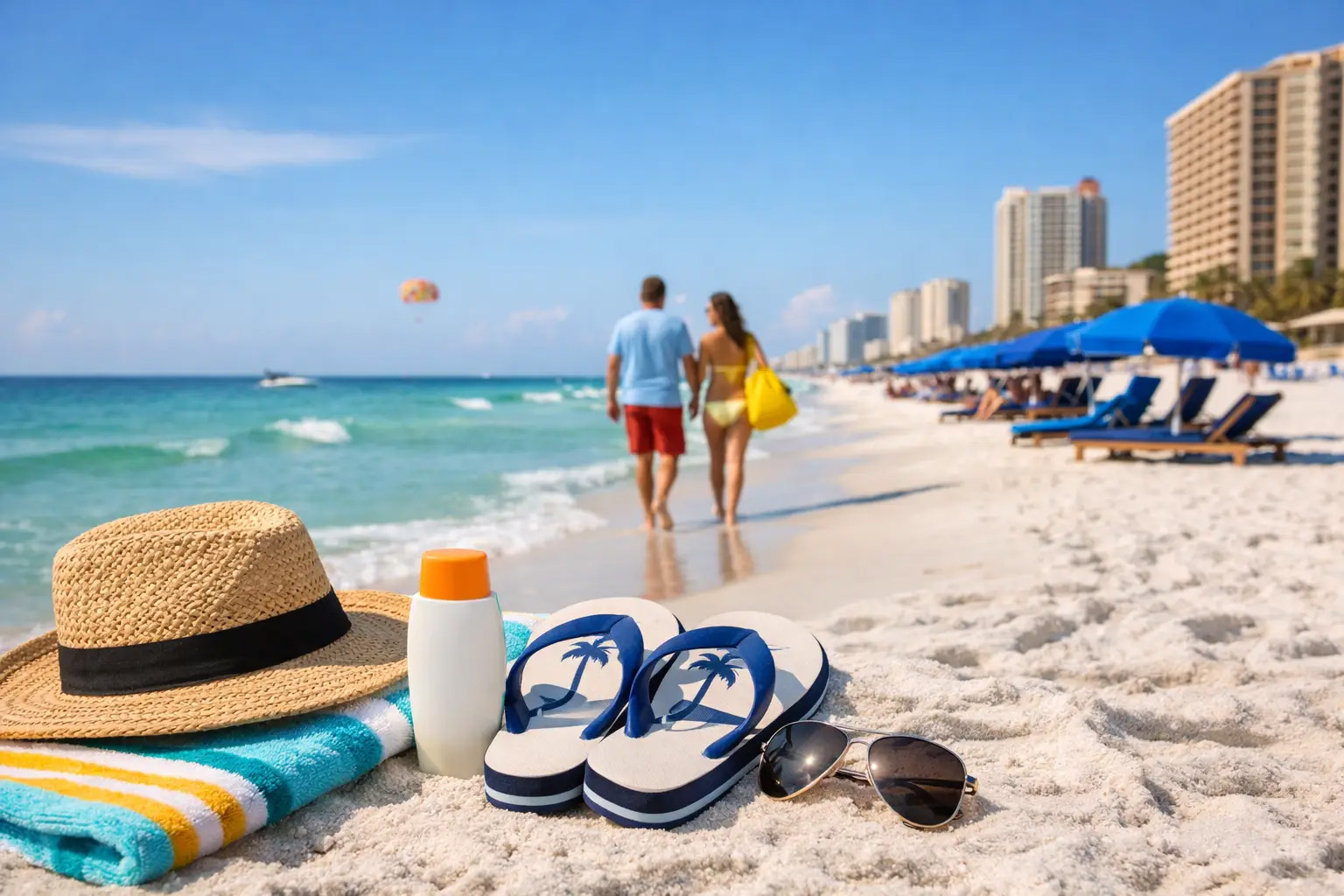
The Gulf can look calm, bright, and inviting while the sun and heat quietly drain your energy. Sun and heat safety in PCB deserves the same attention you give to beach flags, swimming conditions, and your family’s plans for the day. A Panama City Beach vacation should leave you with photos, sandy shoes, and a good kind of tired - not a painful sunburn or a preventable medical emergency.

Start With the Conditions, Not the Clock

Do not judge the day by the temperature alone. Florida's high humidity can limit how effectively sweat cools your body, and sand, water, and light-colored surfaces reflect sunlight back onto exposed skin. A breezy morning can still bring intense UV exposure, especially when the sky looks partly cloudy.

Check the forecast before you leave your vacation rental and pay attention to the heat index, not only the air temperature. The heat index accounts for humidity and gives a better picture of how hard conditions may feel on the beach or when you are out and about. Also check the UV index. High UV levels call for more frequent shade breaks and stricter sunscreen habits, even if your group plans to spend most of the day in the water.

Build your outdoor time around the strongest sun. Late morning through midafternoon often brings the highest UV exposure. You do not need to avoid the beach altogether, but you should plan a reset during that period. Return to your rental for lunch, relax under reliable shade, visit an indoor attraction, or choose a shorter beach session.

Build Sun Protection Into Your Beach Setup

Sunscreen works best as one layer of protection, not as permission to stay in direct sun all day. Choose a broad-spectrum, water-resistant sunscreen with SPF 30 or higher. Apply it generously before heading outside, including ears, the back of the neck, tops of feet, hairline, and any part lines. Adults need about one ounce - roughly enough to fill a shot glass - to cover exposed skin properly. Don't skimp on sunscreen!

Re-apply at least every two hours and after swimming, sweating heavily, or towel drying. A quick swipe on the shoulders does not provide full protection. Keep sunscreen where you can reach it, not buried in the bottom of the beach bag.

Clothing provides dependable coverage when sunscreen wears off or gets missed. A lightweight long-sleeve cover-up, wide-brimmed hat, UV-protective swim shirt, and sunglasses with UV protection can make a huge difference. For children, a rash guard and hat often prove easier to manage than repeated battles over sunscreen alone.

Shade also needs planning. A small umbrella may help for brief breaks, but it cannot block reflected UV rays and it can become unsafe in wind. Use properly designed beach equipment, follow local rules, and secure items as directed. If wind conditions change, take down umbrellas and canopies rather than trying to hold onto them. No beach setup is worth an injury.

Do Not Let Cloud Cover Fool You

Clouds can make the beach feel cooler without reducing all of the UV exposure. People often skip sunscreen on hazy days, then discover a sunburn later that evening. Treat a bright overcast day as a sun-protection day. The same rule applies when you spend time under an umbrella, on a boat, or in shallow water.

Hydration Requires a Plan

Thirst is a late signal. By the time someone says they feel very thirsty, they may already need a break from the heat. Bring more water than you think your group will use, particularly if children, older adults, or active beachgoers are with you. Keep water cold in an insulated cooler and offer it regularly instead of waiting for requests.

Water should lead the day. Sports drinks can help during prolonged activity and heavy sweating, but they do not replace consistent water intake. Alcohol worsens dehydration and impairs judgment in the heat. If you choose to drink, alternate with water, eat regularly, and avoid treating the beach as an endurance test.

Food matters, too. A meal or snack with water-rich foods, fruit, sandwiches, and salty snacks can support a long beach day better than relying on sugary drinks alone. Do not leave food safety behind in the heat. Keep perishable items cold and discard anything that has been out of your cooler too long.

Heat affects people differently. Children may keep playing long after they need rest. Older adults and people with heart conditions, diabetes, certain medications, or a history of heat illness need more frequent breaks. Ask everyone in your group how they feel before they become visibly uncomfortable.

Know When Heat Becomes Dangerous

Heat exhaustion can develop after prolonged time in high heat, especially with dehydration. Watch for heavy sweating, headache, nausea, dizziness, weakness, cramps, cool or clammy skin, and unusual fatigue. Move the person to air conditioning or shade immediately. Loosen excess clothing, offer cool water in small sips if they can drink safely, and use cool wet cloths or a cool shower to lower their body temperature.

Heat stroke is an emergency. Confusion, fainting, seizures, loss of consciousness, hot skin, or a very high body temperature require immediate action. Call 911. Move the person to a cooler place and begin cooling them with cold water, ice packs at the neck, armpits, and groin, or cool wet towels while help is on the way. Do not give fluids to someone who is confused, unconscious, or unable to swallow safely.

Do not brush off a severe headache, vomiting, or behavior that seems out of character as simple vacation fatigue. The person who insists they are fine may still need to get out of the sun quickly. A short interruption to the day is always the right trade-off when health is at stake.

Sun and Heat Safety in PCB for Families

Families benefit from simple, repeatable rules. Set a water break every 30 to 45 minutes. Make shade breaks part of the plan rather than a consequence when someone overheats. Keep a dry shirt and towel available for children, and check their shoulders, cheeks, and backs for early redness before it turns into a painful sunburn.

A stroller can become dangerously hot, even when it sits under partial shade. Never leave a child unattended in a stroller, parked vehicle, or enclosed beach shelter. If a baby or young child seems flushed, unusually fussy, sleepy, or less responsive than normal, move them to a cool environment and assess them right away.

Adults should also set the example. When parents wear hats, refill water bottles, and call a midday break without complaint, children learn that smart beach habits are part of a hot weather beach vacation.

Make Your Rental Part of the Safety Plan

Your vacation rental gives you a practical advantage: a cool, private place to recover between beach sessions. Stock the refrigerator with water when you arrive, keep electrolyte options available if your group expects to be active, and place sunscreen, hats, and reusable bottles by the door the night before.

After a beach day, cool down gradually indoors, shower off salt and sand, and inspect skin for redness. Apply a fragrance-free moisturizer after sun exposure. If a sunburn causes blistering, severe pain, fever, chills, or widespread swelling, seek medical advice. Avoid additional sun exposure on burned skin until it heals.

Panama City Beach rewards preparation. The best beach days rarely come from pushing through the hottest hours. They come from paying attention, taking breaks before you need them, and leaving enough energy to enjoy the sunset, dinner, and the rest of your stay.
SEO Score
95

SEO Optimized

Your article scores well on SEO factors.

Keyword
Great
Word Count
1,261
Readability
Great
Headings
7
Meta Description
152 chars
Title
44 chars
Featured Image
Yes
Links
0
SEO Settings

152/155 characters

July 13, 2026

Best Condos Near Beach Access in Panama City Beach

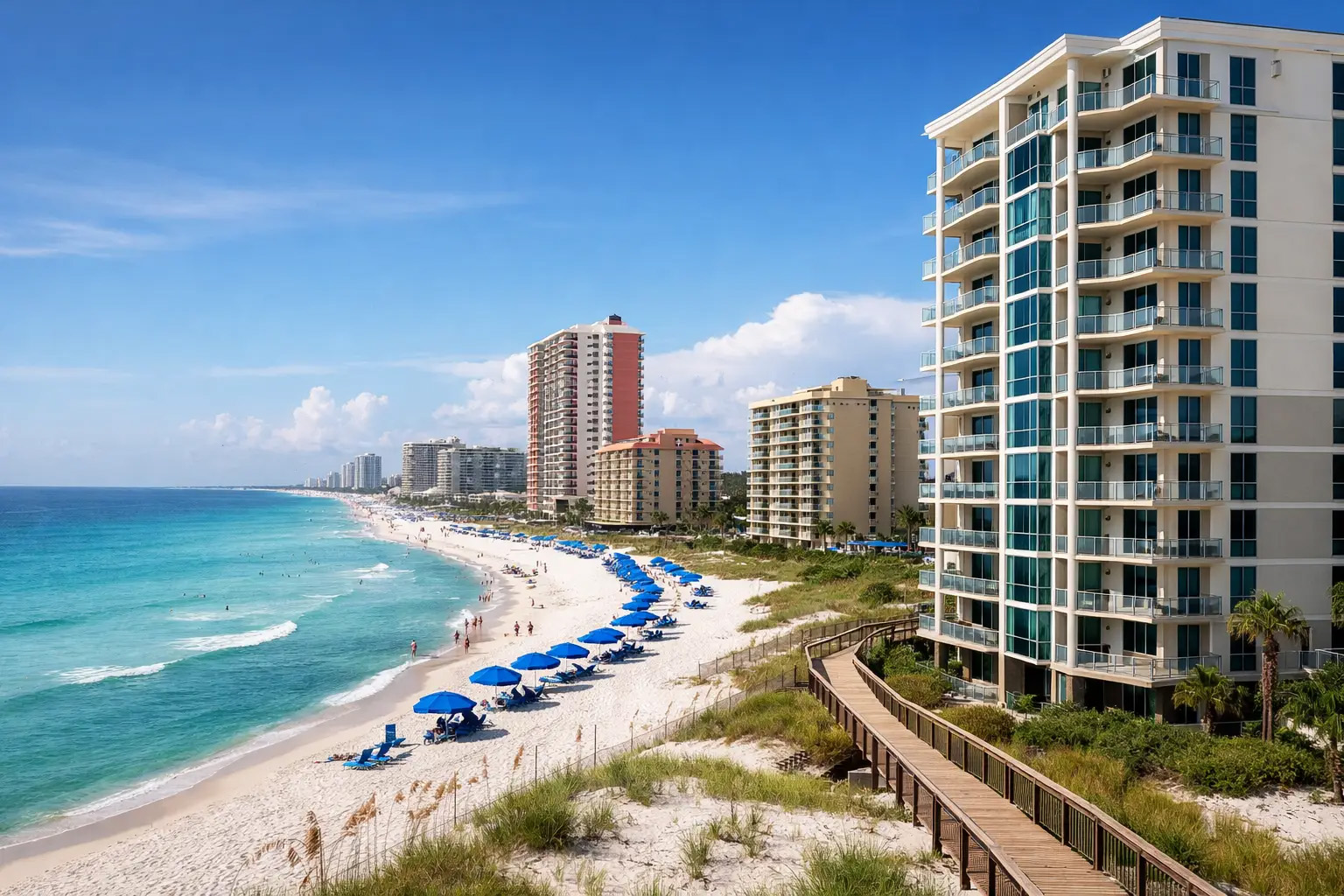
The difference between a beach vacation that feels easy and one that feels like a daily logistics project often comes down to one detail: how you reach the sand. Guests searching for the best condos near beach access should look beyond a listing's broad claim of being "near the beach." A condo can sit close to the shoreline yet require a long walk around another building, a busy road crossing, or an elevator trip that adds time when everyone carries chairs, coolers, and tired toddlers.

In Panama City Beach, the right condo puts your group in a position to enjoy the beach on your schedule. It gives you a practical route to the water, enough space to settle in comfortably, and building features that support the way you actually vacation.

What Beach Access Really Means

Beach access describes more than the distance between a building and the Gulf. It includes the full route from your condo door to the sand: elevators, parking areas, pool decks, walkways, gates, stairs, boardwalks, mobi-mats, and street crossings. Each part of that route can affest how often your group uses the beach.

A beachfront condo may offer direct access through a private boardwalk or a clearly marked path from the pool deck on to a mobi-mat and then to the sand. This setup works especially well for families who plan daily beach trips. You can return to the condo for lunch, naps, or a forgotten sunscreen bottle without much extra effort.

A condo across the street can still provide excellent value and a short walk to a condo complex access point or public access point. For couples, friend groups, and guests who prefer a lower nightly rate, that trade-off may make complete sense. The key is to understand the route before you reserve, rather than assuming every nearby building offers the same experience. Check the listings for property maps that detail how you can access the beach and whether there are tram services available.

Distance Is Only One Part of Convenience

A stated walking distance does not account for wait times at elevators, traffic at a crosswalk, or the effort of moving beach equipment. Consider where you will start each trip. A ground-level unit near a walkway may feel faster to access than a high-floor condo in a larger tower, even if both buildings are right on the beach.

Also consider the return trip. A scenic stroll to the beach feels different after several hours in the sun, especially with small children or anyone with mobility concerns. Direct, well-maintained access matters most when your group expects to spend most of its time by the water.

How to Choose the Best Condos Near Beach Access

The best choice depends on your vacation priorities. Start with location, then verify the unit and building details that determine whether that location works for your group. If the listing does not provide details of the complex where you are staying it will be worthwhile to ask the property manager or check the website of the complex for more info.

Start With the Beach Route

Look for a listing that explains how guests reach the beach. Clear descriptions of private beach walkovers, direct Gulf-front access, public beach entry points, or road crossings help you set realistic expectations. Photos that show the pool area, exterior grounds, and beach-facing side of the building also provide useful context.

If you need step-free access or want to minimize stairs, ask about the route specifically. A building may have elevators but still use stairs for part of the beach path. Guests traveling with strollers, wagons, or limited mobility should confirm these details before arrival.

Choose a Layout That Supports Your Group

Beach proximity loses some of its value if the condo feels crowded by the second day. Families often benefit from separate bedrooms, multiple bathrooms, and a kitchen that can handle breakfast and snacks between beach outings. A washer and dryer also earns its keep when swimsuits and towels need a reset.

For couples or smaller groups, a compact one-bedroom or studio-style condo may deliver a better value while keeping you close to the beach. Do not pay for more square footage than you need if your plan centers on the beach, local dining, and time outdoors.

Evaluate the Building, Not Just the Unit

The condo itself matters, but the building shapes much of the stay. A large resort-style property may offer multiple pools, fitness areas, on-site dining, and broad beachfront views. It may also have busier common areas and elevator demand during peak arrival and departure times.

A smaller property can feel quieter and provide a less complicated path to the sand. It may offer fewer amenities, which is not necessarily a drawback if you want a calm base for beach days. Match the property to your preferred pace rather than assuming more amenities always create a better trip.

Amenities That Matter After a Beach Day

Some features look impressive in photos but do little for a beach-focused stay. Prioritize the amenities that will make your vacation days easier. A pool gives children another place to play when the surf is not calm. Outdoor showers or rinse stations help keep sand out of your vacation rental. Covered parking can make unloading more manageable during summer heat or afternoon rain.

A private balcony also adds tons of value, particularly in a Gulf-front condo. It gives early risers a quiet place for coffee and gives the rest of the group room to spread out after dinner. And there's nothing like a Gulf Front Sunset View! Descriptions deserve a close read, however. Gulf-front generally means the unit faces the water directly.

When comparing options, focus on these practical building details:

  • The location and type of beach entry
  • Elevator availability and typical access from the unit
  • Parking arrangement, including any limits on vehicles
  • Pool, hot tub, and outdoor rinse areas
  • In-unit laundry, kitchen equipment, and balcony orientation

These details help you compare two similar condos with greater accuracy than a general amenities list alone.

Consider Season, Crowds, and Your Daily Plans

Panama City Beach changes character throughout the year. Peak summer weeks bring warm water, active beaches, and larger crowds. A condo with direct access becomes especially valuable then because it lets your group move between the beach and your accommodations without coordinating parking or hauling gear over a long distance.

Spring and fall can suit guests who want comfortable weather with a more relaxed rhythm. During these seasons, a short walk to the beach may feel entirely reasonable, particularly if you plan to spend time exploring restaurants, attractions, or nearby coastal areas.

Winter visitors often place more weight on indoor comfort, heated pool options, workspace needs, and longer-stay conveniences. Beach access still matters for walks along the shore and sunset views, but a well-equipped condo can become the deciding factor when the weather shifts.

Questions to Ask Before You Reserve

A well-managed vacation rental should provide direct answers to the questions that affect your stay. Before booking, confirm whether the property has direct beach access, where guests park, how many parking passes the reservation includes, and whether the building has any age, occupancy, or amenity rules.

Ask about construction or maintenance work if your dates fall within the off season when many properties handle updates and construction projects. Coastal buildings require regular care, and temporary work can affect balconies, pools, elevators, or walkways. Clear information allows you to choose with confidence.

You should also review what the rental includes. Beach chairs, umbrellas, and recreational equipment vary by property. If these items are not included, plan for rentals or bring what your group needs. That small bit of preparation prevents unnecessary spending after you arrive.

Reserve With the Full Stay in Mind

The best beach condo is not always the one with the biggest balcony, the tallest tower, or the lowest nightly price. It is the one that fits the rhythm of your trip. A family with young children may prioritize the shortest route to the sand. A couple may prefer a quieter building and a private balcony. A multi-generation group may need elevator access, a spacious kitchen, and enough bedrooms for everyone to get a good night's sleep.

Emerald Beach Properties focuses on vacation rentals in the Panama City Beach area and understands that location details affect every part of a guest's experience. Accurate property information and clear expectations give guests a stronger foundation for choosing the right stay. If you have any questions, we are always on hand to provide answers!

Before you reserve, picture your first morning: where you will park, how you will carry the coffee and beach bag, and how quickly you can reach the beach. When those answers feel simple, you have likely found a condo that will let the beach take center stage.


July 12, 2026

Renting Beach Gear in Panama City Beach: What to Know

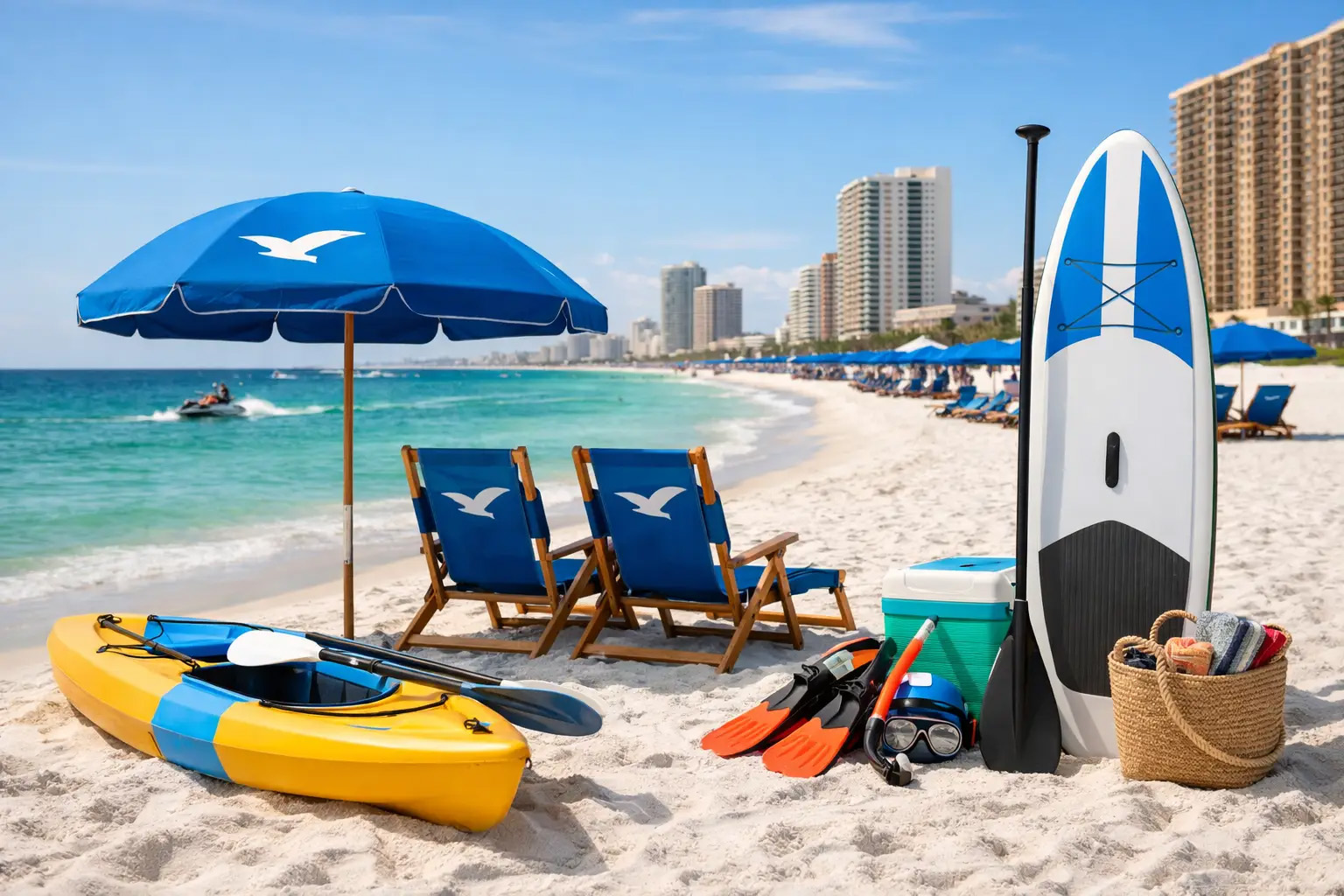
The difference between a relaxed beach day and a frustrating one often comes down to the first hour. Families who arrive with shaded seating, dry towels, cold drinks, and a plan for the kids can settle in quickly. Those who arrive carrying too much or searching for supplies during a busy week can lose valuable vacation time. Renting beach gear in Panama City Beach gives some visitors a practical way to travel lighter while still enjoying the shoreline comfortably.

A rental can solve a real vacation problem, but the right choice depends on your group, your accommodations, and how you plan to use the beach. A couple spending two quiet mornings by the water needs something very different from a family with young children, a cooler full of lunches, and a full afternoon ahead.

Start With Your Beach-Day Plan

Before you reserve anything, decide what a successful beach day looks like for your group. Consider how many people need a seat, how long you expect to stay, whether anyone needs extra shade, and how far you will walk from your vacation rental to the sand. These details help you avoid paying for gear that adds little value or arriving without something you genuinely need.

For many guests, chairs and an umbrella or canopy form the foundation. They create a comfortable home base for reading, resting, watching children near the shoreline, and taking a break from direct sun. If you plan to spend several hours on the beach, shade matters more than you might expect, especially during the warmest part of the day.

Families often benefit from adding a cooler, beach cart, boogie boards, or sand toys. A cart can make a significant difference when your rental is across the street, behind a dune walkover, or several buildings from the beach. On the other hand, guests staying directly on the Gulf may prefer a simpler setup and fewer items to manage.

Know the Difference Between Beach Service and Gear Delivery

Not every beach rental operates the same way. Some providers set up chairs and umbrellas in a designated area of the beach. Others deliver equipment to your vacation rental, where you take it to the sand and return it as directed. Both options can work well, but each requires different planning.

A staffed beach-chair setup at the complex where you are staying offers convenience. You can arrive, check in with the service, find your chairs, and begin your day without carrying equipment. This option often suits guests who want a polished, low-effort beach experience. Availability, location, and daily operating conditions can affect these setups, so confirm the details before you count on a particular row or location. Typically, the guest will be paying for this service but, a few vacation rentals include this service in the price. Be sure to check so there are no surprises. You can usually reserve beach chairs in advance to be sure you will have a place upon arrival.

Delivered gear gives you more flexibility. You may use the equipment at different beach access points or bring it to a quieter stretch of sand. However, delivery rentals place more responsibility on you. Confirm where the provider will leave the items, where you should store them overnight, and when the provider will collect them.

Ask About Access Before You Reserve

Panama City Beach includes a mix of beachfront condominiums, vacation homes, resort properties, and neighborhood access points. Your lodging location affects which gear arrangement makes the most sense. A beach-service provider may work from a particular beachfront area, while a delivered setup may require you to carry items through an access point.

Review your property’s parking, beach access, storage space, and community rules before you reserve larger equipment. Some properties limit where guests can place gear, and they do not offer convenient space for storing bulky items overnight. Panama City Beach operated under a "No Trace Left Behind" ordinance that requires all beach gear be removed from the beach each evening. A quick check protects you from an avoidable inconvenience after check-in.

Reserve Early for Peak Travel Dates

Spring break, summer holidays, long weekends, and major events bring more visitors to the beach. During these periods, popular chair setups, umbrellas, golf carts, bicycles, and family-sized equipment can sell out early. Last-minute rentals may still be available, but you may have fewer choices, less convenient delivery windows, or a higher price.

Reserve as soon as you know your travel dates if particular beach gear is important for your vacation plans. This approach matters most for groups that need several chairs, a large canopy, mobility equipment, or specialty items for children. Confirm the reservation in writing and keep the provider’s contact information available before arrival.

Price deserves attention, but it should not control the entire decision. Compare the rental period, delivery fees, service area, deposit requirements, weather policies, and replacement costs. A lower daily rate can become less attractive if it adds a delivery charge, requires a long pickup trip, or creates a difficult return schedule on your departure day.

Choose Gear That Fits the Weather, Not Just the Photo

A wide umbrella and matching chairs may look ideal in a listing photo, but coastal weather requires practical judgment. Wind can change quickly along the Gulf, and a lightweight setup that works on a calm morning may not suit a breezy afternoon. Ask how the provider handles wind restrictions and whether staff may close or remove umbrellas when conditions become unsafe.

Do not treat rented shade equipment as a substitute for weather awareness. Check the beach flag conditions each day, supervise children near the water, and respond quickly to changing surf or storms. Beach gear should make the day more comfortable, not encourage your group to stay exposed to unsafe conditions.

The same principle applies to water equipment. Boogie boards, paddleboards, kayaks, and similar items can add fun for confident swimmers in suitable conditions. They require more attention than chairs or toys, however. Consider your group’s experience, the day’s surf, and the effort required to transport and supervise the equipment.

Keep Children Comfortable Without Over-packing

Parents often feel tempted to rent every possible item for a beach day. In practice, a focused setup usually works better. Shade, drinking water, sunscreen, snacks, towels, and a few familiar toys cover the essentials for most young children. Add chairs or a wagon if they improve comfort or reduce the number of trips you need to make.

Very young children may need frequent shade breaks, dry clothing, and a quiet place to rest. Plan for those needs before you commit to a long stretch on the sand. A comfortable child makes the entire group’s day easier.

Read the Rental Terms Before Delivery Day

Rental terms deserve more than a quick glance. Confirm the rental start and end dates, expected delivery time, pickup procedure, and instructions for damaged or missing items. If you book a multi-day rental, find out whether the provider expects you to secure the gear overnight or whether they handle daily setup and removal.

Also ask about weather cancellations. Providers vary in how they handle high winds, heavy rain, or beach closures. Some may offer a credit or adjustment under certain circumstances, while others may not. Clear expectations reduce friction if conditions change after you arrive.

Take a few moments to inspect delivered equipment when it arrives. Check chairs, wheels, straps, coolers, and water equipment for visible damage. If anything looks unusable or incomplete, contact the provider promptly. Early communication gives the company a fair chance to correct the issue and documents the condition of the equipment.

Match the Rental to the Rest of Your Vacation

Beach gear should support your plans rather than dictate them. Guests who intend to explore restaurants, attractions, and nearby activities may want a compact, one-day setup. Guests who plan to spend most mornings and afternoons on the sand may receive more value from a multi-day chair and umbrella arrangement.

Think about your departure day as well. If checkout requires an early start, avoid rentals that require a complicated return process or a narrow pickup window. A clear plan lets you enjoy your final morning instead of managing equipment logistics.

The best rental choice rarely involves the most gear. It involves the gear your group will actually use, delivered or set up where you need it, with terms you understand before you arrive. When you make those decisions early, the beach can feel less like a project and more like the reason you came.