
Panama City Beach Bonfires: What to Know

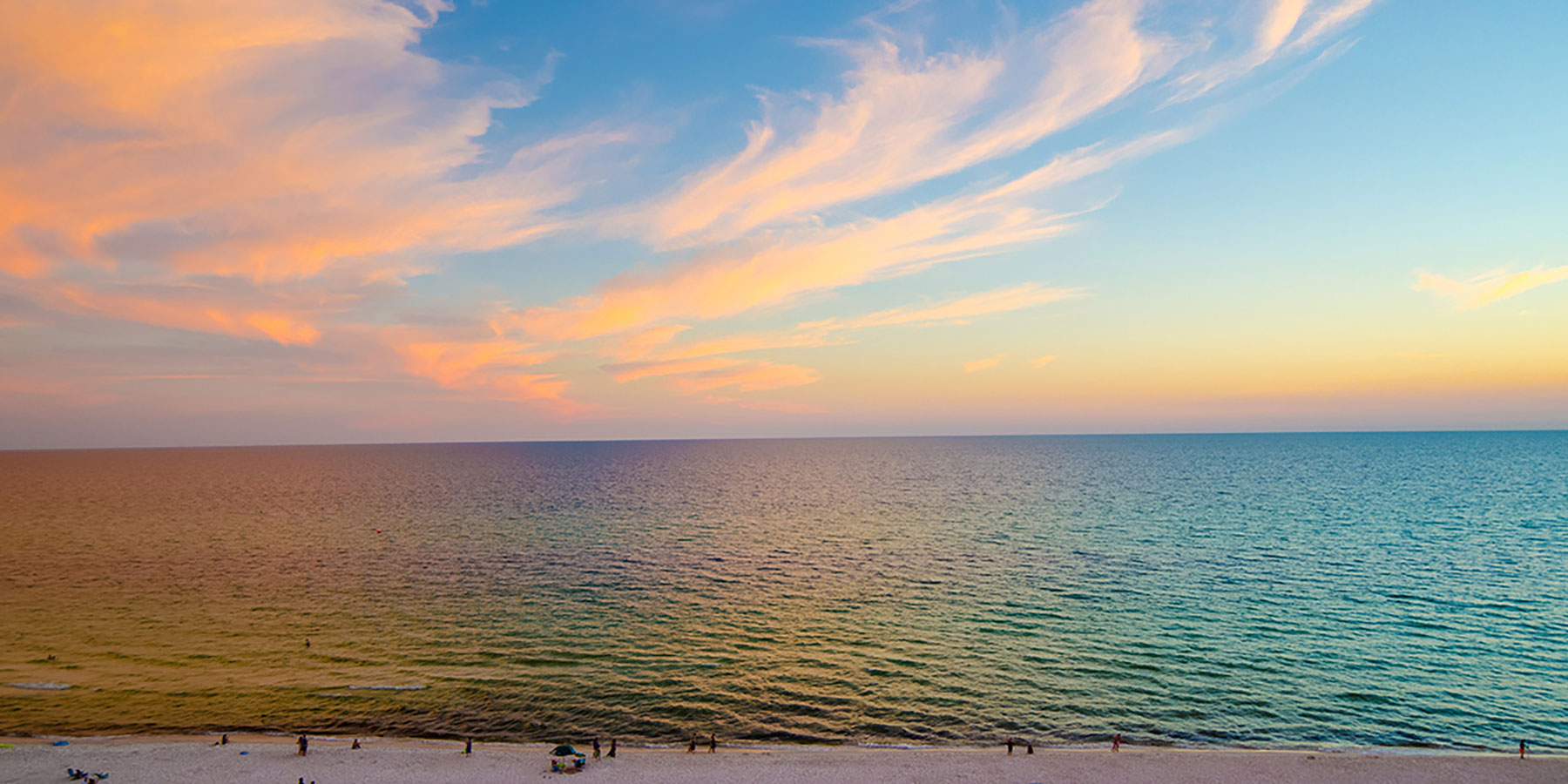
A beach bonfire can turn an ordinary evening into the part of a Panama City Beach vacation that everyone remembers: bare feet in cool sand, the low sound of the Gulf after sunset, and a circle of family or friends sharing the last warm hours of the day. Panama City Beach bonfires require more than wood and a lighter, however. Local rules, changing weather, and responsible cleanup all must be understood to give you an enjoyable experience from start to finish.
For guests staying in a vacation rental, a little planning protects the beach, your group, and your rental experience. Start with the current requirements, then build an evening that will create memories for a lifetime.
What Panama City Beach Bonfires Require
Do not assume that every stretch of sand allows an open fire. Panama City Beach regulates beach fires, and the City can change permit procedures, approved locations, fire restrictions, and timing based on public safety needs and beach conditions. A rule that applied during a previous trip may not apply during your last stay.
Confirm the current requirements directly with the appropriate local authorities before you make plans. Your vacation rental manager can assist you with finding the correct contacts to get your bonfire set up in advance of your trip. You will probably need a permit through an approved local vendor who will handle all the details. Ask whether your preferred beach access permits bonfires, which vendors are allowed to work in the area where you want to have your bonfire, the vendor will know how far the fire must sit from dunes and structures, and what time you must extinguish it. If a burn ban, high-wind advisory, or red-flag condition affects the area, choose another evening or another activity. Ask your preferred vendor for their cancellation policies before reserving your bonfire.
Your vacation rental also deserves consideration. Some homes and condominiums have parking rules, beach-access instructions, and limits on where guests may stage chairs, carts, or supplies. A professionally managed stay works best when guests follow those property-specific directions instead of leaving equipment in walkways or common areas.
Why permits and location rules matter
Beach regulations do more than control crowds. They protect sea turtle habitat, coastal vegetation, neighboring guests, and emergency access. A fire that sits too close to the dune line can damage a fragile eco-system that helps protect the shoreline. A setup that blocks a public access point creates a problem for families, beach staff, and first responders.
Permits also create accountability. They give local officials a way to manage where fires happen and help visitors understand their cleanup obligations. The process may feel formal for a vacation evening, but it prevents the far more frustrating outcome of a canceled fire, a citation, or a dangerous situation on the sand.
Plan the Evening Before Sunset
The most relaxed bonfires begin before the sun drops. Arrive early enough to your approved spot, set up without rushing, and watch the conditions. Wind matters more on an open beach than it does in a backyard. Even a modest breeze can push sparks toward chairs, towels, or nearby groups.
Keep the gathering simple. Bring only what your group will use, and avoid lightweight decorations that can blow down the beach. Usually the chairs and a small table are provided by your bonfire vendor. Bring closed drink containers or coolers, warm layers, and a designated trash bag. If you plan to serve food, use sturdy containers and keep packaging under control. Loose napkins and plastic wrappers quickly become litter once the wind picks up.
Your bonfire vendor will choose your fuel based on current regulations. Do not add any additional fuel to your fire. Those materials can release harmful fumes, leave sharp debris, and produce residues that do not belong on a public beach.
Clarify in advance what the bonfire service includes before the event. PCB providers handle the permit process, delivery, setup, fire tending, and removal. Confirm the start and end time, the exact meeting location, the number of chairs included, and who takes responsibility for final cleanup. Clear expectations matter, especially when your party includes children or when you plan the event during a busy holiday week. It's also a good idea to be prepared with cash to tip your bonfire attendant.
Build a safer fire circle
A good setup leaves room for people to move without stepping over gear or getting too close to the flames. Place chairs far enough back that guests can stand and sit comfortably. Keep a clear path between the fire and the water, and keep bags, blankets, coolers, and strollers outside the immediate fire area.
An adult should supervise the fire at all times. That person does not need to miss the conversation, but they should remain alert to wind shifts, children moving around the circle, and embers leaving the fire. Do not let children add wood or anything else to the fire. Avoid games that involve running near the setup, and keep pets at a safe distance if you bring them to the beach.
Have water available and know how you will put the fire out before you light it. Sand alone does not reliably extinguish hot coals. It can insulate them and leave a hidden burn hazard for the next person walking across the beach. Use water to cool the fire thoroughly, stir the remains carefully, and repeat until no heat remains.
Respect the Beach After Dark
The beach changes after sunset. People have less visibility, wildlife moves through the area, and sound carries farther over the open sand. Keep music low and conversation considerate, particularly near condominium buildings and other vacation homes. A bonfire should feel like a shared beach experience, not a private event that takes over the whole beach.
Light also deserves restraint. Bright, unshielded lights can disturb other guests and interfere with wildlife. Use only the lighting you need to move safely and manage the fire area. Follow any local restrictions that apply to flashlights, lanterns, or other illumination during nesting season.
Food creates another practical concern. Do not leave snacks, marshmallows, or trash out overnight. The beach attracts birds and other animals, and discarded food changes their behavior. Seal leftovers, collect every piece of packaging, and take it back to your rental or dispose of it properly in available receptacles.
Cleanup Is Part of the Experience
A clean exit separates a responsible beach gathering from a problem someone else must solve. Before you leave, scan a wide circle around your setup. Look for bottle caps, skewers, zip ties, food scraps, glow-stick pieces, and small bits of plastic that disappear in the sand during the evening.
Do not bury ashes, coals, or trash. Burying debris does not remove it. It leaves hazards for bare feet, beach crews, and wildlife. Follow the permit instructions or service provider's process for ash removal, and make certain the fire has cooled completely before anyone leaves the site.
This final check takes only a few minutes, yet it protects the reason people come here in the first place. Panama City Beach gives visitors an unusually open, beautiful setting for a night by the water. Guests who leave the sand as clean as they found it help preserve that setting for the family arriving the next morning.
When a Bonfire Is Not the Right Call
Sometimes conditions make a beach bonfire more trouble than it is worth. High winds, rain, crowded beaches, very young children, mobility concerns, or a group that wants a late and lively night can all change the equation. A patio dinner, sunset walk, or quiet evening at your vacation rental may better fit the moment.
That is not a lesser version of the trip. The best vacation plans respond to the people in your group and the conditions outside. Save the bonfire for an evening when you can give it the attention it requires, then let the Gulf sunset and the sound of the water do the rest.
Panama City Beach Property Market Outlook for Beach Investors

A beachfront view can create an emotional first impression, but the coastal property market outlook for investors requires a more disciplined review. Buyers and owners need to look beyond the sand, balconies, and rental projections. Insurance costs, condominium reserves, financing terms, local inventory, and the property’s ability to compete for guests all affect the value of a beach-market investment.
For Panama City Beach buyers, sellers, and vacation rental owners, the strongest decisions begin with the numbers and finish with a realistic understanding of the property itself. A beach vacation rental property can support personal enjoyment and rental income, but it also demands more attention than a typical inland property.
Coastal Property Market Outlook: A Market of Trade-Offs
Coastal real estate does not move as one market. A gulf-front condominium, a short walk-to-the-beach townhome, and a single-family home near the water will appeal to different buyers, carry different operating costs, and produce very different rental results. Broad headlines about home prices or mortgage rates offer useful context, but they do not replace a property-level evaluation.
Demand for well-located beach properties remains tied to lifestyle appeal. Families want direct access to the beach, room to gather, pools, parking, and a dependable place to return to each year. Investors look for the same features because guests often pay more for convenience, views, and a clear vacation experience. Properties that solve those guest needs tend to hold their appeal better than units that rely on low pricing alone.
At the same time, buyers face more scrutiny from lenders, insurance carriers, condominium associations, and their own operating budgets. That scrutiny can slow a transaction, but it also separates a durable investment from a purchase based on optimistic assumptions.
Inventory Matters, but Quality Matters More
Available inventory can create opportunity, especially when buyers find sellers who need a clean timeline or a straightforward closing. Still, the number of listings tells only part of the story. In a beach market, condition and positioning often matter more than raw supply.
A renovated unit with a functional layout, strong views, current furnishings, and well-maintained building amenities can compete across more seasons. A similar unit with dated finishes, deferred maintenance, limited parking, or unclear rental policies may need a lower price to draw the same interest. Buyers should compare properties against their true competitive set, not simply against every listing in the area.
Condominiums require particularly careful review. Association dues may cover services that protect the building and support the guest experience, including exterior maintenance, elevators, pools, security, landscaping, and common areas. Higher dues do not automatically signal a problem. However, buyers should understand what those dues cover, whether the association maintains adequate reserves, and whether owners face upcoming special assessments.
A seller can strengthen a listing by providing organized records early. Recent improvements, association documents, rental performance where appropriate, utility history, and clear maintenance information help serious buyers evaluate the property without unnecessary delays.
The Building Can Influence the Investment
In coastal condominiums, the building itself forms part of the investment case. Roof condition, concrete work, windows, balconies, elevators, storm readiness, and association governance can influence ownership costs and buyer confidence. A lower purchase price may not offset large capital projects or weak financial planning.
Buyers should ask direct questions about completed work, planned work, reserves, insurance deductibles, rental restrictions, pet rules, parking, and the association’s approval process. Those details can shape both resale appeal and vacation rental operations.
Insurance Has Become a Core Pricing Factor
Insurance no longer belongs in the fine print. It belongs near the top of the purchase analysis. Coastal weather exposure, replacement costs, deductibles, flood requirements, and carrier availability can materially change annual ownership expenses.
A buyer should request insurance estimates before removing major contract contingencies whenever possible. Do not rely on a previous owner’s premium as a final benchmark. Coverage, claims history, credit factors, deductibles, construction details, and carrier underwriting standards can change the result. Flood insurance also deserves separate attention, since a standard homeowners policy does not provide flood protection.
Owners who plan to sell should anticipate these questions. Current policies, elevation information when available, documented upgrades, and evidence of storm-hardening measures can help buyers and insurers assess the property with greater confidence. Clear documentation will not eliminate cost concerns, but it can reduce uncertainty.
Financing Still Shapes Buyer Behavior
Mortgage rates influence buying power, particularly for second homes and investment properties. When financing costs rise, buyers often become more selective about condition, association health, and expected rental income. They may also favor properties that need less immediate work or they may want properties with some work to do at a lower price.
Cash buyers can move more quickly, but they should not skip due diligence. A cash purchase avoids lender requirements, not ownership risk. The same review of insurance, association financials, rental rules, taxes, and maintenance remains necessary.
For financed purchases, condominium eligibility can matter as much as a buyer’s personal qualification. Lenders may review occupancy levels, insurance coverage, pending litigation, reserve funding, and the share of units used as rentals. A buyer who understands those requirements early can avoid losing time on a property that does not fit their financing path. Also, buyers may need to seek out lenders that are already active in the PCB market and have a good understanding of financing second home and investment properties.
Vacation Rental Income Requires Conservative Assumptions
A beach property’s revenue potential can support its appeal, but no owner should treat a rental projection as a guarantee. Seasonality drives coastal demand. Panama City Beach can produce strong periods around spring and summer travel, holidays, events, and school breaks, while shoulder seasons require a different pricing and marketing approach.
Owners should evaluate net income rather than gross booking revenue. Cleaning, management, maintenance, utilities, supplies, taxes, platform fees, association dues, insurance, repairs, and replacement of guest-facing items all affect the final result. A property that earns less at the top line but carries manageable expenses and dependable demand may outperform a higher-revenue property with heavy operating costs. Make sure you are comparing apples to apples in your analysis.
Guest expectations also continue to shape performance. Cleanliness, responsive service, accurate listings, reliable Wi-Fi, sleeping capacity, parking, pool access, and a well-equipped kitchen influence reviews and repeat stays. Beach proximity matters, but guests notice operational details quickly.
Emerald Beach Properties works with vacation rental owners who understand that a strong guest experience protects the asset. Professional management cannot change a poor floor plan or solve every building issue, but it can help an owner present the property consistently, manage demand, and protect day-to-day standards that lead to vacation rental success.
Local Rules and Property Use Deserve Attention
Before making an offer, buyers should confirm how they intend to use the property and whether the property supports that plan. Short-term rental policies can vary by community, association, and building. In PCB, most properties allow vacation rentals with few restrictions, while others limit rental duration and have age requirements for renters. Nearly all complexes in PCB require guest registration, restrict signage, or impose occupancy and parking rules.
Do not assume a property’s current rental activity guarantees future flexibility. Review governing documents and local requirements directly. Buyers should also consider practical use: Can guests access the unit easily? Does the property offer enough parking? Does the building have elevators that can handle peak turnover days? Does the layout suit families, couples, or larger groups?
Those questions matter because a property must work for its intended guest, not just look attractive in listing photos.
What Sellers Can Do in a More Selective Market
Sellers do not need to renovate every surface before listing, but they should address issues that create doubt. Deferred maintenance, worn furniture, unclear records, and preventable cleanliness problems can weaken buyer confidence. Coastal buyers already expect to review insurance and association details closely. A property that introduces additional uncertainty may sit longer or attract lower offers.
A focused preparation plan often produces better results than a broad cosmetic overhaul. Repair visible defects, organize documents, review the property’s rental presentation, and price against comparable properties with similar location, condition, and amenities. The right price should reflect the unit’s current competitive position, not simply an owner’s past revenue or a neighboring listing’s asking price.
Make the Decision From the Full Picture
The coastal property market outlook favors buyers and owners who treat a beach property as both a lifestyle asset and an operating asset. Location remains powerful, but location alone cannot carry weak financials, unresolved building issues, or an unrealistic rental plan.
Before you buy, sell, or adjust your ownership strategy, build a clear file around the property: likely costs, association health, insurance options, financing path, rental rules, and the experience it offers the people who will stay there. That preparation creates better choices and gives you a firmer footing when the right coastal opportunity appears.
Emerald Beach Properties staff can assist you with all aspects of purchasing or selling a vacation rental property in PCB. We have a real estate broker on staff to help you with listing your property or finding the best choice for you to purchase. Then once you have chosen you perfect place in PCB, we can manage it for you to maximize your income and minimize your need to handle the day to day pressures of renting the property.
Pirates of the High Seas Festival in PCB: What to Know

A pirate invasion will always make your Panama City Beach getaway memorable. Pirates of the High Seas in PCB brings costumed characters, family activities, music, and waterfront energy to the area, typically during the fall season. For guests, the appeal is simple: children get a memorable event built around adventure, while adults can pair the festivities with warm Gulf views, beach time, and a well-planned coastal stay.
The best trips do not depend on improvisation. This event draws families from across the region, and the details make it a great family experience - where you stay, when you arrive, how you handle parking, and how much activity your group wants - deserve attention before you pack.
What Makes Pirates of the High Seas in PCB Different
This is not a single attraction that visitors enter, finish, and leave behind. Pirates of the High Seas centers on a broader festival atmosphere, with activities spread across public areas near the beach and Pier Park. Organizers commonly build the schedule around pirate-themed appearances, children's programming, live entertainment, themed games, and evening events. Specific programming changes from year to year, so guests should confirm dates, hours, locations, and any ticket requirements before making fixed plans.
That format works especially well for families with different attention spans. A young child may enjoy a short character encounter and a simple activity, while older children may want to stay for a parade, contest, stage program, or nighttime show. Adults can set a lighter pace by choosing one or two event highlights rather than trying to attend every scheduled activity.
The setting matters as much as the theme. Panama City Beach offers room for a vacation that does not revolve entirely around an event calendar. You can spend the morning on the sand, take a break at your vacation rental, and return for the evening program when temperatures cool. That flexibility gives the festival more value than a one-day outing, particularly for families staying several nights.
Choose Your Dates With the Event in Mind
Pirates of the High Seas generally takes place in the fall over the long Columbus Day weekend, when Panama City Beach shifts from peak summer crowds to a more comfortable vacation rhythm. Warm afternoons are part of the forecast, but evenings can feel cooler near the water. Bring beachwear for daytime plans and an extra layer for nighttime activities, especially for children who may sit outdoors after sunset.
If your primary goal is the festival, arrive before the busiest headline event. An early arrival gives you time to settle into your rental, pick up groceries, learn the route to key venues, and avoid turning the first evening into a rush. Families who arrive on the day of a major program often face a tighter schedule and less flexibility if traffic or check-in timing changes.
A longer stay also creates better choices. Reserve one day for the festival's main activities, but protect at least one unstructured beach day. Weather can affect outdoor plans, and children often need a quieter afternoon after a busy evening. A vacation should leave room for both the pirate adventure and the simple pleasure of watching the waves from the shoreline.
Check the Current Schedule Before Booking Around It
Do not rely on a previous year's calendar, social post, or memory from an earlier trip. Event organizers can adjust dates, start times, venues, access rules, and entertainment details. Review the current official schedule before you decide which nights require advance planning.
This step matters most for guests who want to see the pirate invasion, a particular parade, a concert, or a particular children's activity. You may also want to make reservations for the Pirate's Voyage dinner and show theater in PCB or for the Sea Dragon Pirate Cruise to make sure you have a place reserved at either of these two very popular activities during the Pirate Festival.
Select Lodging for More Than a Place to Sleep
During a festival weekend, location shapes the entire experience. A rental close to the action can reduce driving and simplify evening plans, but a nearby property may also place your group closer to traffic, activity, and late-night noise. The right choice depends on how your family travels.
Guests with toddlers, early bedtimes, or relatives who prefer quiet may value a beachfront or beach-area rental that provides easy access without placing them directly beside the busiest gathering point. Larger groups should consider practical details such as sleeping arrangements, kitchen space, elevators, parking availability, and room to regroup between activities.
A professionally managed vacation rental offers another advantage during an event-focused trip: clear arrival instructions and responsive support. When schedules run on a deadline, guests need reliable check-in information, accurate parking guidance, and a straightforward point of contact if a question comes up. Emerald Beach Properties focuses on the details that help guests spend less time managing logistics and more time enjoying their stay.
Give Your Group a Reset Point
The beach, festival areas, restaurants, and shops can make a full day feel crowded. Your rental should serve as a reset point, not just overnight lodging. Plan a return window in the afternoon for snacks, sunscreen, a change of clothes, and downtime before evening activities.
That pause can prevent a common vacation mistake: pushing tired children through one more event because everyone feels committed to the schedule. Families usually enjoy the main attraction more when they arrive well rested and well fed.
Parking, Walking, and Crowd Planning
Expect the busiest periods near popular evening programs. Arrive early when a schedule includes a major performance or a parade. Build extra time into every drive, especially if your group needs to unload strollers, beach gear, or mobility equipment.
Before you leave your rental, decide on a meeting point in case your group separates. Older children should know the name of their lodging, a parent or guardian's phone number, and the plan for reconnecting. Costumes add fun, but they can also make it harder to spot people in a crowd. Choose one bright accessory or simple visual marker for your group if you travel with several children.
Keep your vehicle plan realistic. Parking near event areas can fill quickly, and a short distance on a map can feel much longer after a late-night program. Comfortable walking shoes matter more than pirate-themed footwear. If someone in your party has limited mobility, review access and transportation options in advance rather than assuming curbside parking will be available.
Make the Theme Fun Without Overpacking the Day
Children often arrive ready to wear pirate hats, eye patches, and costumes. Keep those choices practical. Avoid heavy layers during warm afternoon events, select shoes that work on pavement, and pack a small bag with water, sunscreen, wipes, and a light jacket. Face paint and themed accessories can make excellent photos, but comfort will determine how long your child enjoys wearing them.
You do not need to create an hour-by-hour pirate itinerary. Let the event carry the theme, then use the rest of the trip to enjoy what brought you to the coast in the first place. Build a sandcastle in the morning, look for shells near the waterline, share seafood at dinner, and save the evening for the festival highlight your group cares about most.
For multigenerational trips, divide and reconnect when needed. One adult can take younger children back to the rental while another stays with older kids for a later activity. That approach respects different energy levels without forcing anyone to miss the entire experience.
A Better Way to Plan the Weekend
Think of Pirates of the High Seas as an anchor for your vacation rather than the only reason for it. Choose one must-do event, one flexible backup activity, and plenty of open time. Watch the forecast, confirm the current schedule, and prepare for heavier traffic during prime evening hours.
The strongest Panama City Beach memories rarely come from checking every item off a program. They come from the moment your child spots a pirate ship, the walk back from an evening show with the Gulf nearby, and the comfort of returning to a vacation rental that gives your group space to slow down.
Vacation Rental Trends Shaping Beach Stays
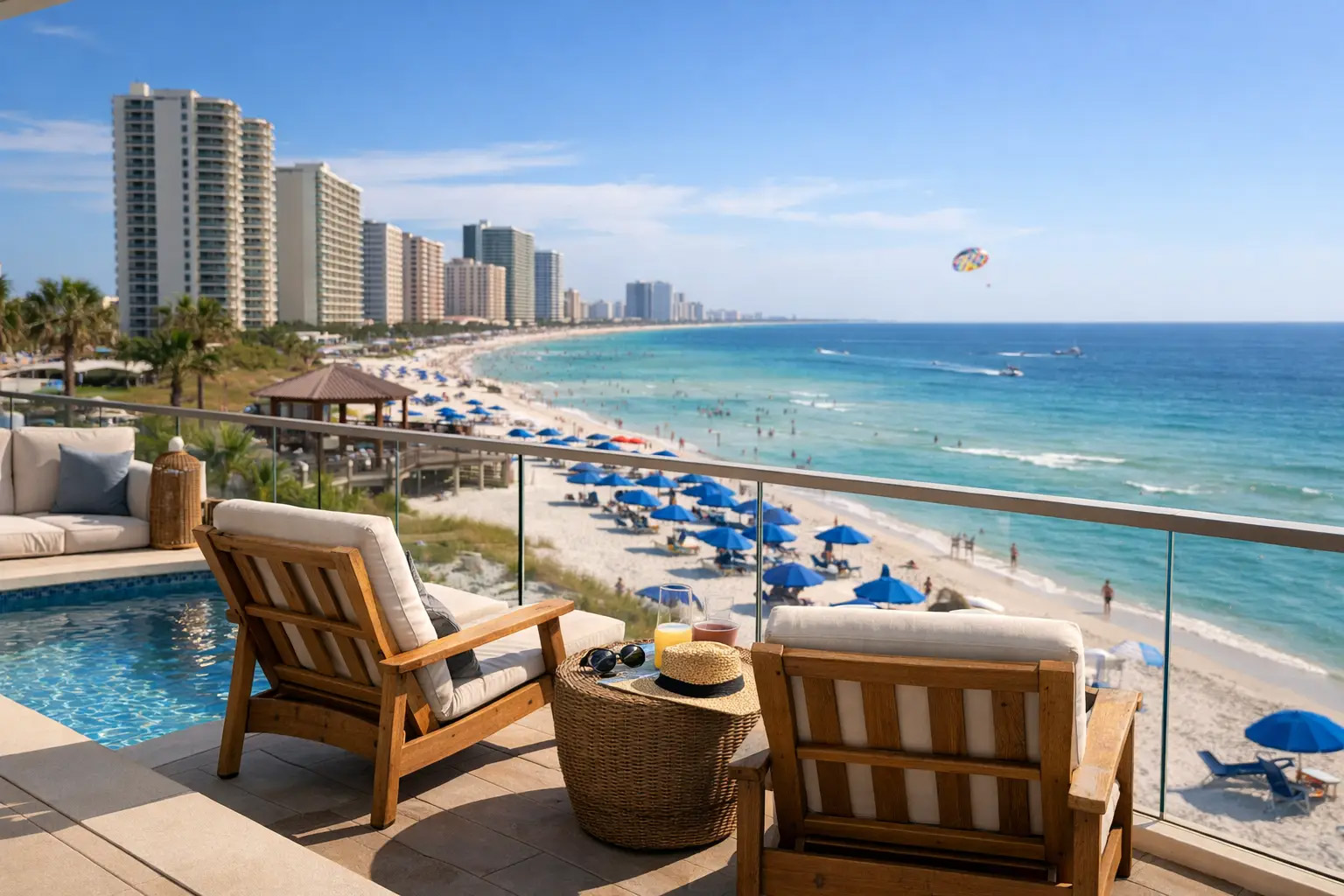
A family planning a week at the beach no longer compares only bedroom counts and nightly rates. They check recent photos, read reviews for signs of consistent care, look for clear cancellation terms, and expect quick answers before they commit. Those expectations are at the center of current vacation rental trends, and they affect both the guest experience and an owner's ability to compete.
For beach properties, the shift is especially clear. Guests want a stay that feels easy from the first search through checkout, but they also want confidence that the vacation rental, building, beach access, and surrounding area will match what they see in the listing. Owners who treat those expectations as operating standards, rather than marketing details, put their properties in a stronger position.
Vacation Rental Trends Are Raising the Service Standard
The market has moved past the idea that a vacation rental only needs a good location and attractive furniture. Location still matters greatly, particularly near the Gulf, but guests now judge the full experience. They notice whether listing details answer practical questions, whether arrival instructions make sense, and whether someone responds when an issue requires attention.
This does not mean every property needs luxury upgrades. It means the property must deliver on its specific promise. A well-maintained two-bedroom condominium near the beach can compete effectively when it presents accurate information, offers a clean and functional space, and receives professional support.
For owners, consistency protects revenue. One disappointing stay can create a review that may influence future booking decisions of prospective guests. Smart guests look beyond that one review that is one star when the rest are 4 & 5 star reviews. Routine inspections, responsive maintenance coordination, and detailed quality control matter because they prevent small operational problems from becoming public concerns.
Guests Are Booking With More Intention
Travel demand still responds to school calendars, holidays, weather, and local events, but many guests now plan around the kind of trip they want rather than simply picking dates first. Multigenerational families look for flexible sleeping arrangements and comfortable common areas. Couples may prioritize walkability, views, or a quieter building or complex. Groups want room to gather without sacrificing privacy.
That makes accurate property descriptions more important than ever. Owners & managers should not try to appeal to every traveler. Instead, they should identify the stay their vacation rental handles best and present it clearly. A beachfront condo with a balcony and easy pool access should emphasize those strengths. A villa or townhouse that is less expensive but still near the beach should emphasize the quieter setting and how the guests will access the beach. Every vacation rental listing should communicate its layout, parking capacity, kitchen functionality, and gathering spaces without exaggeration.
Guests also place more value on usable information. They want to know what they need to bring, how parking works at a particular resort, whether beach access involves stairs, and what rules apply at the property. Clear answers reduce uncertainty before booking and reduce avoidable calls after arrival. They also show respect for a guest's time.
Trust Has Become a Booking Feature
Vacation rental guests often complete a high-value transaction before they ever see the property in person. They need to trust the photos, availability, payment process, and company behind the reservation. Professional presentation helps and operational discipline creates the confidence that matters most.
That includes secure booking practices, transparent policies, reliable communication, and a clear process for handling questions. Guests should not have to search through multiple messages to understand check-in timing or who to contact if they need assistance. They should receive practical information at the right point in the reservation process.
For a management company, this standard requires more than answering messages quickly. It requires organized systems and accountable follow-through. A response that promises help but fails to resolve the issue does not build trust. A direct update, realistic timeline, and documented next step do.
Amenities Need to Earn Their Place
Amenity and upgrade expectations vary by guest. Owners should evaluate upgrades through both guest demand and long-term operating value. Fast, dependable Wi-Fi has become a baseline need for many guests, including families streaming entertainment and travelers working remotely for part of their stay. Functional kitchen equipment, quality bedding, reliable climate control, and convenient laundry access often influence satisfaction more than a novelty feature.
Some upgrades produce a stronger return in certain properties than others. A beach wagon, outdoor shower, or secure equipment storage may add real value to a home near public beach access. Updated balcony furniture may matter more in a Gulf-view condominium than an expensive indoor feature guests rarely use. The right decision depends on the property, the guest profile, association rules, maintenance requirements, and what the competition is doing.
Owners should also consider durability. Vacation rentals receive frequent, heavy use, especially during peak seasons. A low-cost item that requires repeated replacement can cost more over time than a commercial-grade alternative. The goal is not to fill the property with extras. The goal is to provide dependable features that support the stay guests came to enjoy.
Flexibility Matters, but So Do Clear Boundaries
Guests appreciate flexible options when plans change, but owners need policies that protect the property and the reservation calendar. The strongest approach pairs straightforward terms with communication that leaves little room for confusion. Guests should understand payment timing, cancellation provisions, occupancy limits, pet rules when applicable, and expectations for the home.
Rate strategy also requires balance. Travelers compare prices closely, especially when they find several similar properties in the same area. Discounting can fill open dates, but repeated discounts can weaken revenue and create the wrong expectation for the property. Owners benefit more from a strategy that considers seasonality, booking pace, local demand, property condition, and comparable inventory.
In Panama City Beach, a well-managed calendar must account for more than summer. Spring breaks, holiday weekends, fall travel, winter stays, and event periods can attract different guest segments. Each period may call for different minimum stays, rates, or messaging. A single pricing rule for the entire year rarely reflects how beach travel actually works.
The Most Valuable Trend Is Better Property Care
Technology, dynamic pricing, and improved listing tools receive plenty of attention, but the most durable advantage remains disciplined property care. Guests remember clean surfaces, working appliances, comfortable beds, accurate photos, and how a company handled a problem. Those basics shape reviews, repeat business, and owner confidence.
Preventive maintenance matters most when demand is high. Waiting until an air-conditioning issue, appliance failure, or water leak affects an arriving guest creates unnecessary pressure and expense. Regular inspections can identify worn components, safety concerns, and cosmetic issues before they interrupt a stay. This approach also helps owners plan improvements instead of reacting to emergencies.
Property care includes presentation. Coastal conditions can affect paint, outdoor furniture, door hardware, HVAC systems, and balconies more quickly than many owners expect. Salt air, sand, humidity, and heavy guest use demand attention. A property can have an excellent location and still feel neglected if these details go unmanaged.
A professional management company stands ready to take care of unexpected issues as quickly as possible. Even though some issues are beyond the control of the owner or management, using a professional management company gives a better chance that when issues do occur that they can be taken care of quickly.
What Owners Should Watch Next
The vacation rental market will continue to change, but guests will not stop valuing confidence, convenience, and a property that delivers what the listing describes. Owners do not need to chase every trend. They need to separate lasting expectations from short-lived features and make decisions that fit their property, budget, and target guest.
For guests, the best rentals will continue to stand out through honest presentation and dependable service. For owners, the strongest results will come from treating each reservation as more than a date on the calendar. It is a promise to provide a beach stay that feels well prepared, professionally managed, and worth returning to.
Why Emerald Beach Properties Is Growing

A beachfront vacation does not begin when guests step onto the sand. It begins when they search for a vacation rental, compare photos, ask a question, and decide whether they can trust the company behind the reservation. The statement, “Emerald Beach Properties is growing!” reflects more than a larger inventory of vacation rentals. It reflects a clear demand for professional management, reliable communication, and homes that give guests a strong base for a Panama City Beach stay.
Growth in a coastal vacation rental market requires discipline. Guests expect clean, accurately represented homes and responsive support. Owners expect careful oversight, meaningful booking performance, and a management team that protects the value of their property. Meeting both expectations calls for local knowledge and consistent operations, not generic promises.
Why Emerald Beach Properties Is Growing
Panama City Beach attracts a wide range of travelers. Families look for room to gather after a day on the beach. Couples want a comfortable place near dining, sunsets, and Gulf views. Groups need clear sleeping arrangements, practical amenities, and enough space to enjoy time together without feeling crowded.
Those needs create a more detailed vacation rental decision than simply choosing a location. Guests consider how close a property is to the beach, whether parking works for their group, how a kitchen supports longer stays, and whether the home matches the photos and description. A professionally managed portfolio gives travelers a more dependable way to make those decisions.
Emerald Beach Properties serves the Panama City Beach market with an understanding that location is the most important thing for defining the entire guest experience. A condo with direct Gulf views delivers a different stay than a villa or vacation home that is not beachfront but still has all the comforts of home. A resort property suits guests who value shared amenities, while a quieter neighborhood can fit travelers seeking more privacy. Strong management helps guests find the right fit before they arrive.
That focus also benefits property owners. Panama City Beach vacation rentals face specific operating demands, including seasonal booking patterns, accelerated wear from sand and salt air, turnover coordination, guest questions, and the constant need for accurate and updated listing information. Owners need managers who treat these responsibilities as daily operational work rather than occasional tasks.
Growth Depends on Trust Before Arrival
Vacation rental guests typically spend a lot of time deciding on where to stay before they make the reservation. They often reserve months ahead, pay a meaningful amount upfront, and plan around the vacation rental they select. A weak response, unclear policies, or inaccurate listing information can cause a guest to look elsewhere quickly.
Trust grows through details that many travelers never see. It comes from maintained systems, clear communication, secure online processes, and teams that handle inquiries with care. It also comes from setting realistic expectations. No property can be ideal for every traveler, but a well-managed property can be presented honestly so guests know what they are reserving.
This approach matters especially in a destination where visitors often travel with children, extended family, or friends. A guest does not want to discover after check-in that a unit cannot accommodate their needs. Clear information about layouts, access, occupancy, parking, and property features helps prevent avoidable frustration and supports a better stay.
Professionalism also matters when conditions change. Weather, maintenance needs, and travel disruptions can affect a coastal vacation. Guests judge a management company by how it communicates when plans require attention. Direct answers and accountable follow-through carry more weight than polished language alone.
The Guest Experience Creates Long-Term Momentum
Good stays lead to a repeat reservations, recommendations to friends, or a family tradition built around Panama City Beach. Those outcomes do not come from a single feature. They come from the full experience: a reservation process that makes sense, a property that feels prepared, and support that remains available when questions arise.
Vacation rental growth therefore has a practical foundation. When guests feel confident booking, they book with less hesitation. When they feel cared for during their stay, they are more likely to return. When they return, owners gain a more stable path to performance over time.
What Owners Should Read Into This Growth
For owners, growth means more than a larger presence in the market. It indicates that a company has built processes capable of supporting both vacation rentals and guests without losing attention to detail. Rapid expansion without standards can create inconsistent cleanings, delayed maintenance, and poor communication. Sustainable growth requires control.
The right management relationship begins with a candid discussion about the property itself. A Gulf-front condo, a beach house, and a unit near a resort each carry different strengths and operating considerations. Rental potential depends on location, condition, furnishing quality, amenities, seasonal demand, and the owner’s willingness to keep the vacation rental in top condition and guest-ready.
Owners should also understand the trade-offs. Higher occupancy does not automatically equal stronger returns if pricing fails to reflect demand or if excessive wear increases costs. Premium rates require a home that supports a premium guest experience. Restrictions on owner use can create more booking opportunities, but each owner must decide how much personal access matters.
A specialized vacation rental manager will help owners evaluate those decisions through the lens of the local market. That role differs from a real estate transaction. Rental management centers on ongoing operations, guest experience, property readiness, and revenue performance. Purchasing or selling a vacation rental property requires a separate real estate conversation with its own objectives and timeline. Emerald Beach Properties can handle both types of transactions through our rental program and our real estate brokerage. That makes us a full service proposition for our property owners.
A Focused Beach-Market Strategy Matters
Generalized service can work in some markets, but beach rentals reward specialization. Coastal vacation rentals need regular attention. Guests arrive with expectations shaped by the destination itself: easy access to the water, a place to rinse off after the beach, comfortable shared spaces, and an environment that feels like a true escape rather than a standard overnight stay.
A focused manager understands that a small operational issue can affect the entire vacation. A missing parking instruction can delay check-in. An unclear beach-access detail can frustrate a first-time visitor. A delayed maintenance response can interrupt a short stay that guests planned for months. Strong teams prevent problems where possible and address them quickly when they occur.
That level of care supports the property as an asset as well as a guest accommodation. Owners invest in homes that must compete visually and operationally in a crowded online marketplace. Clean presentation, accurate details, well-maintained interiors, and consistent guest service all help a property earn consideration as well as a long term reputation.
Security and responsible handling of information also support confidence. Guests and owners share personal and transaction-related information during the reservation and management process. A company that takes its digital operations seriously reinforces the trust required for those relationships.
What Growth Means for Future Guests
More professionally managed vacation rental options can give guests a better chance of finding a stay that suits their group rather than settling for a one-size-fits-all option. Some travelers want a balcony overlooking the Gulf. Others want bedrooms for multiple generations, a kitchen for relaxed meals, or proximity to the attractions that make Panama City Beach memorable.
The best choice depends on the vacation the guest plans for. A long weekend for two calls for different features than a weeklong family gathering. Guests should begin with their non-negotiables, then look beyond the headline amenities. Consider the property’s layout, location, arrival requirements, and the level of support available throughout the stay.
For owners, the opportunity remains equally specific. A vacation rental succeeds when the home fits market demand and receives disciplined management. Not every property serves the same guest, and not every ownership plan serves the same financial goal. Clear expectations create better decisions from the start.
The continued growth of Emerald Beach Properties points to a simple standard: beach vacations work better when capable people manage the details. Guests can focus on the beach, the view, and time with the people they came to see. Owners can place their homes with a team that understands what it takes to protect both the experience and the property behind it.
Self Management vs Property Manager: What Pays?

This article is for vacation rental Owners in Panama City Beach, FL
A Saturday check-in can tell you everything about your rental operation. A family arrives after a long drive, the door code fails, and the air conditioner starts making an unfamiliar sound. In the self management vs property manager decision, the question is not simply who collects the booking revenue. The question is who responds quickly, protects the guest experience, and keeps one issue from becoming a damaging review.
For vacation rental owners, self-management can create direct control and save the management fee. Professional management replaces constant availability of the owner with established systems, local oversight, and a structured guest experience. Neither option wins in every situation. The right choice depends on your location, property condition, personal availability, revenue goals, and appetite for operational risk.
Self Management vs Property Manager: The Real Difference
Self-management means the owner handles the work or directly hires and coordinates every vendor. That includes setting rates, publishing listings, responding to inquiries, screening guests, managing reservations, sending arrival details, arranging cleaning, inspecting the home, addressing maintenance, and resolving complaints. The owner also monitors local rules, tax obligations, insurance requirements, and VRBO/AirBnB, etc. policy changes.
A property manager takes responsibility for many or all of those functions under a defined management agreement. Good management does not remove the owner's role. The owner still sets investment goals, approves major expenses, maintains the property to an appropriate standard, and reviews performance. The manager runs the day-to-day operation with a process designed for increasing repeated stays, meeting changing guest needs, and fast action when something goes wrong.
The comparison should focus on net results, not just the fee shown on a statement. A lower expense line has value only if the owner can maintain occupancy, rate discipline, property condition, response times, and guest satisfaction at the same level.
What Self-Management Requires From an Owner
A vacation rental does not operate like a traditional lease. Turnovers create a recurring cycle of deadlines. One late cleaner, missing towel set, malfunctioning lock, or inaccurate listing detail can affect the next guest immediately.
Self-management works best for owners who live close enough to act, understand their market, and want an active operating role. It also suits owners with a dependable vendor network and the discipline to answer messages at night, on weekends, and during holidays. Vacation demand does not pause when an owner travels or has another commitment.
You control every decision
Self-managers choose the photography, listing language, nightly rates, minimum-stay rules, supply standards, maintenance vendors, and guest communication style. That control can help an owner protect a distinctive home or test a specific strategy. It also means every weak decision stays with the owner.
Pricing deserves particular attention. Setting one rate for an entire season may seem like the best way to do it, but this one size fits all usually leaves revenue on the table during high-demand dates and makes the home less competitive during slower periods. Effective pricing accounts for booking pace, local events, comparable inventory, lead time, unit size, amenities, day-of-week demand, and market shifts.
You carry the availability requirement
Guests expect a clear answer when they cannot enter the property, find an issue after arrival, or need help during a stay. Automation can handle routine messages, but it cannot inspect a leaking water heater, deliver a replacement item, or make a judgment call when a guest reports a concern that is serious to them.
Owners sometimes underestimate the mental load rather than the hours. You may spend only a few hours on a quiet week, then lose an entire evening coordinating a repair before a holiday arrival. That uncertainty becomes part of the cost of self-management.
You build the operation from the ground up
Cleaning teams, maintenance providers, linen services, pest control, locksmiths, inspectors, and emergency contacts all need clear expectations. A vendor who does excellent work for a personal residence may not meet the turnaround demands of a same-day vacation rental schedule.
You also need a written standard for inspections and replenishment. Guests notice the details: sand on a floor, a stained pillowcase, a coffee maker without filters, a slow drain, or a balcony light that does not work. Those details influence reviews, repeat bookings, and the value guests place on your home.
What a Property Manager Brings to the Operation
A professional manager earns its fee by building consistency at scale. The strongest value often appears before and after the reservation rather than in the reservation itself. A polished listing attracts attention, but responsive communication, reliable turnover procedures, local maintenance coordination, and issue resolution protect the stay.
For a beach-market rental, local knowledge matters. Panama City Beach has seasonal demand patterns, weather disruptions, condominium rules, and guest expectations that require an operator who understands the area. A manager familiar with vacation rental inventory can position the home appropriately and coordinate support without asking an out-of-town owner to solve every issue remotely.
A manager creates coverage and accountability
Property management gives owners a designated operational structure. Instead of relying on one cleaner's availability or a personal contact list, the manager maintains procedures for arrivals, departures, inspections, maintenance requests, and guest escalation. Owners should ask exactly how the company handles after-hours events, emergency decisions, damage reports, and communication updates.
That structure has limits. Management companies vary widely in responsiveness, marketing quality, property care standards, and reporting. An owner should not assume that a manager will automatically deliver superior results. The management agreement, service scope, local staffing, and reputation all matter.
A manager may support revenue, but cannot manufacture demand
Professional pricing tools, broad distribution, stronger photography, and active listing management can improve a home's market position. Yet no manager can overcome a poorly maintained unit, dated furnishings, restrictive building rules, or an owner who delays necessary repairs.
Ask prospective managers how they set rates, how often they review pricing, and what information drives changes. Ask how they market homes beyond simply placing them on booking platforms. The answers should describe a disciplined process, not vague promises about maximum income.
Another factor that managers can't control is the economy and guest's ability to afford a vacation. If demand for vacation rentals is lower in one year than another, everyone in the industry experiences a slow down no matter what they try. Also individual guest expectations that go beyond what is actually offered by a particular property can raise issues on some reservations. Managers can't control everything
A manager helps separate ownership from daily interruptions
Many owners choose management because they want the property to function as an investment rather than a second job. That does not mean disengaging from the asset. It means receiving meaningful reporting, approving planned improvements, and evaluating the operation on a regular schedule instead of fielding every guest message.
For owners with multiple properties, demanding careers, or vacation rentals located far from where they live, this separation can prove especially valuable. Time has a cost, even when it does not appear as a line item on a monthly statement.
Compare Net Income, Not Management Fees Alone
The most common mistake in self-management vs. property manager comparisons is treating the management percentage as the whole equation. Instead, estimate annual net income under both models.
Start with realistic gross booking revenue. Do not use only the best season or a competitor's advertised rate. Then account for VRBO/AirBnB costs, cleaning arrangements, supplies, repairs, utilities, taxes, insurance, furnishings, replacement reserves, and management fees where applicable. For self-management, assign a value to your time and include the cost of backup coverage when you cannot respond.
A self-managed vacation rental may produce higher net income when the owner has strong operational skills and reliable local support. A professionally managed home may produce stronger net income when better pricing, fewer vacancies, efficient vendor coordination, and stronger reviews offset the fee. The answer comes from property-specific numbers, not a universal percentage.
Three Questions Before You Choose
First, can you provide dependable guest and maintenance coverage every day of the year? If the honest answer depends on a single person or an informal arrangement, the operation has a weak point.
Second, do you have the knowledge and time to price competitively, manage listing performance, and protect the property through every turnover? You can learn these skills, but learning them while guests occupy the home can become expensive.
Third, what role do you want the property to play in your life? Some owners enjoy the direct connection, control, and hands-on work. Others prefer clear reporting and professional oversight so they can focus on family, work, or future investments.
If you consider professional management, interview companies with the same care you would use to select a major vendor. Review fees and exclusions, but also examine communication standards, inspection practices, owner reporting, maintenance approval limits, local staff coverage, and how the company handles a problem guest or a storm-related disruption.
The best choice gives your guests a reliable stay and gives your property the attention it needs. Whether you manage it yourself or place it with a qualified local team, set a standard you can maintain when the unexpected happens.
Vacation Rentals for Couples in Panama City Beach

The best beach trips often come down to the moments between the big plans: coffee on a balcony before the beach fills up, an unhurried lunch after a swim, and a quiet place to return to after sunset. Vacation rentals for couples give travelers room for those moments, along with more privacy and flexibility than a hotel stay.
For a couples trip to Panama City Beach, the right rental does more than provide a place to sleep. It supports the pace of the getaway you want, whether that means a long weekend close to restaurants and live entertainment or several quiet days focused on the Gulf, the sand, and each other.
Start With the Trip You Actually Want
Couples do not all travel the same way, and the rental should reflect that. Some guests want a polished resort setting with pools, fitness facilities, and quick access to activities. Others want a smaller condo or beach home where they can step away from crowds and maintain their own schedule. Neither choice wins by default. The better choice depends on how you want to spend your time.
Before comparing properties, settle a few practical questions. Do you want to walk to dinner, cook most meals at the rental, or split the difference? Do you expect to spend full days on the beach? Does a private balcony matter more than extra indoor square footage? These answers narrow the search quickly and help you avoid paying for amenities you will not use.
A shorter stay may call for a location that keeps errands and travel time low. A weeklong stay often makes features such as a full kitchen, laundry, a comfortable living area, and dedicated parking more valuable. A rental can look ideal in photos but still feel inconvenient if its layout does not support the way you travel.
Why Location Shapes a Couples Getaway
Panama City Beach offers distinct experiences across its beach communities. A central location can put you near dining, shopping, attractions, and active stretches of the beach. A rental farther from the busiest areas can offer a more relaxed setting, especially for couples who place quiet mornings and open beach space above constant activity.
Beachfront access deserves careful attention. Gulf-front rentals often provide direct views and easy beach days, but they may also place guests near busier common areas during peak seasons. A property a block or two inland may offer a different balance of value, space, and convenience. If a water view is high on your list, verify the view described in the listing by looking at the photos in the listing.
Consider the daily details as well. Check where you will park, how you will reach the beach, whether elevators serve the building, and how far you need to travel for groceries or dinner. These details rarely feel glamorous while booking, but they can protect the easygoing rhythm that makes a couples trip memorable.
Choose Privacy With Clear Expectations
Privacy means different things in different property types. A high-rise condo may give you a private interior space and balcony while sharing pools, beach access points, elevators, and parking areas with other guests. A beach house or smaller property may create more separation, though it may be farther from resort-style amenities.
Read the property description for the specifics that affect your stay. Look for balcony access, bedroom location, outdoor seating, pool rules, and shared-space details. If you want a quiet evening outdoors, a deep balcony with seating may matter more than a larger living room. If you prefer a social property with a lively pool deck, choose that intentionally instead of having it be a surprise after arrival.
Look Beyond the Bedroom Count
A one-bedroom rental sounds like the obvious choice for two people, but the number of bedrooms does not tell the whole story. A well-designed studio with a Gulf view may suit a short trip perfectly. A two-bedroom condo may make more sense for a longer stay when you want more living space, a larger kitchen, or a separate room for work space, luggage and beach gear.
Pay attention to the parts of the property you will use most. For many couples, those spaces include the balcony, kitchen, primary bedroom, shower, dining area, and living room. Photos should show these areas clearly. If the listing offers limited images of a major feature, ask questions before you commit.
The kitchen also changes the economics and atmosphere of a trip. Even travelers who plan to enjoy local restaurants often appreciate the option to make breakfast, pack drinks for the beach, or prepare a simple dinner after a long day outside. A full-size refrigerator, usable counter space, cookware, and a dining table can make a rental feel less like a stopover and more like your own coastal retreat.
Treat Amenities as Part of the Plan
Amenities should support your plans, not distract from them. A pool can provide a convenient alternative when surf conditions change. In-unit laundry helps after several beach days. A fitness center may appeal to guests who want to maintain a routine. Reliable Wi-Fi matters for travelers who need to check in with work, stream a movie, or manage reservations.
At the same time, more amenities can mean a larger building, more shared activity, and potentially longer waits for elevators or parking during busy periods. Couples seeking a quieter experience may prefer fewer communal features in exchange for a more peaceful setting. The trade-off deserves consideration, particularly during spring and summer travel periods.
Book With Confidence, Not Assumptions
Clear information from the management company regarding your vacation rental will help make your experience a great one. Review the rental terms, cancellation policy, check-in process, occupancy rules, parking instructions, and total cost before booking. The nightly rate tells only part of the story. Cleaning fees, taxes, parking charges, and other applicable costs affect the final amount.
Professional management also matters. A well-managed rental team provides clear communication before arrival, maintains accurate property information, and gives guests a defined point of contact when questions arise. Emerald Beach Properties approaches guest stays with that level of operational discipline, because a well-planned arrival sets the tone for the entire vacation.
Ask direct questions when you need clarity. Confirm whether the property has beach service, whether the balcony faces the Gulf, whether a vehicle height limit applies, or whether an amenity closes seasonally. Specific answers help you choose based on facts instead of wishful thinking.
Time Your Stay Around Your Priorities
Panama City Beach changes with the calendar. Summer brings warm water, long beach days, and a high-energy atmosphere. Spring and fall often appeal to couples who want pleasant weather with a slower pace. Winter can offer a quieter coastal break, though temperatures and swimming conditions vary. Some properties offer heated pools that are great when temperatures are cooler in PCB.
Price, crowd levels, weather, and restaurant availability can all shift by season. There is no universal best time to visit. A couple planning a celebration may choose peak season for the full beach atmosphere. Another may prefer a shoulder-season stay for more open space and a more relaxed experience. Build your dates around what matters most rather than chasing a single idea of the perfect week.
Make Space for Unplanned Time
A strong couples itinerary leaves room to change course. Reserve the dinner you care about, plan a beach day, and choose one or two activities that genuinely interest you. Then leave open time for a late breakfast, a walk by the water, or an evening on the balcony when going nowhere sounds better than another reservation.
The right rental gives those unplanned hours a place to land. Choose a property that fits your pace, verify the practical details before booking, and let the beach handle the rest.
Beach Photography in Panama City Beach Tips

The best beach photos rarely happen at noon, when the sand reflects hard light and everyone squints into the camera. Beach photography in Panama City Beach works best when you plan around the conditions that shape the coast: shifting tides, bright Gulf sun, wind, crowds, and the short window of warm light before sunset. A little preparation turns a vacation photo session from a rushed obligation into a relaxed part of the trip.
For families staying along the beach, photos often become the record of the trip that everyone remembers. They capture the children at an age that passes quickly, the grandparents who made the trip, and the easy time together that does not always happen at home. The goal is not a perfectly posed image. It is a set of photographs that still feels like your family and this place.
Choose the Right Time for Beach Photography in Panama City Beach
Sunset remains the most dependable choice for portraits on the beach. During the hour before the sun drops below the horizon, the light becomes softer, warmer, and more flattering. The water often takes on deeper color, the sky adds dimension, and people can keep their eyes open without fighting direct sunlight.
Schedule enough time to arrive early. Families should plan to reach the beach 15 to 20 minutes before the session begins, especially if young children need sunscreen, a snack, or a change of clothes. A late arrival puts pressure on the short period of good light, and the sun does not wait.
Morning sessions can also work well. The beach usually feels quieter, the temperatures stay more comfortable in warmer months, and small children may have more patience before a full day of swimming and sightseeing. Morning light can look clean and bright rather than golden, so it suits families who prefer fresh, airy images.
Midday photography has a place, but it requires realistic expectations. The water can look brilliantly turquoise, which makes it appealing for vacation candids and action shots. For portraits, however, strong shadows and glare create challenges. If midday is your only option, use shade near a dune walkover, a building edge, or a beach umbrella, and focus on playful photographs rather than formal faces toward the sun.
Let the Weather Guide the Plan
A forecast should inform your schedule, not automatically cancel it. Clear skies create classic blue-water photographs, but thin clouds can soften harsh light and make colors more even. A partly cloudy evening often produces a dramatic sky that clear conditions cannot match.
Wind deserves more attention than you might think. A steady coastal breeze feels welcome on a warm day, yet it can quickly turn long hair, loose dresses, and lightweight accessories into distractions when trying to capture that perfect photo. Choose hairstyles and clothing that can move naturally. Trying to hold every strand of hair in place isn't a practical goal at the beach.
If rain threatens, communicate early with your photographer or group. Florida weather can change quickly, and a passing shower may leave behind excellent light. Safety comes first when lightning is present. Do not stay on an open beach or attempt to wait out a storm near the water.
Pick a Setting That Fits Your Family
Panama City Beach offers more than one visual look. The wide, open shoreline suits large family groups, sunset silhouettes, and photographs with plenty of sky and water. Dune areas, sea oats, and walkovers add texture and a stronger sense of place. Pier views and nearby coastal settings can bring more activity into the background, although they may also include more people.
Privacy is a practical consideration. Public beach access points can become busy during peak vacation weeks, and a crowded background can pull attention away from the people in the frame. A photographer who knows the area can often recommend a nearby stretch of sand with better spacing, access, and light.
Respect the beach while you photograph it. Stay on designated paths through dune areas, avoid disturbing sea oats and wildlife, and follow any posted rules. Those natural features help make the coast beautiful, and responsible use protects them for future guests.
Dress for Movement, Not a Matching Uniform
Coordinated clothing photographs better than identical clothing. Start with a simple color palette of three or four complementary tones, then let each person wear something comfortable within that range. Soft blues, creams, sage greens, muted pinks, and warm neutrals often work well against white sand and Gulf water.
Avoid large logos, neon colors, and busy patterns that compete with faces. Pure white can look crisp, but it may also lose detail in bright conditions. Cream, ivory, and light sand tones usually provide a softer result. Bare feet fit the setting naturally, and they save everyone from managing shoes in loose sand.
Comfort matters more than a perfect outfit. Children who dislike stiff collars or scratchy fabric will show it quickly. Adults should also choose clothes they can sit, walk, and hold a child in without constant adjustment. The best images often happen between poses, when people stop thinking about the camera.
Bring a small bag with water, wipes, a brush, and any necessary medication. For young children, pack a quiet snack that does not create a mess. Keep phones, extra bags, and bright plastic items out of sight when the session begins unless you want them in the photographs.
Give Children Room to Be Themselves
Parents often worry that children will not cooperate. In practice, a child does not need to stand still and smile for an hour to create meaningful images. A professional session uses short posed moments, then shifts to movement: walking at the waterline, holding hands, running toward a parent, collecting shells, or laughing at a wave.
Avoid promising rewards for every photo or repeatedly telling children to smile. That approach can make them more aware of the camera and less willing to participate. Instead, keep your expectations simple. Ask for a few minutes of cooperation, then let them play.
Parents set the energy. If you stay relaxed, look at one another, and accept a little sand on the clothes, children usually follow your lead. A photograph of a child laughing with wet feet often carries more value than a technically perfect pose.
Plan for Light, Water, and Safety
The beach changes quickly. Waves can surprise toddlers, wet sand can become slippery, and a child who reaches the waterline may move farther than expected in seconds. Keep a close adult near younger children at all times, even when a photographer directs the group.
Do not enter the Gulf for photos when surf conditions, flags, or local guidance indicate danger. Strong currents can develop even when the water looks inviting from shore. The beach offers plenty of beautiful options without stepping into deep water.
Protect your skin before the session, but give sunscreen time to absorb. Fresh sunscreen can create a noticeable sheen in close portraits, particularly on humid evenings. Apply it according to the product directions before you leave your vacation rental, then bring it along for later if needed.
Photographers should protect their equipment from sand and salt spray, while guests should protect their personal items. Keep cameras and lenses away from blowing sand when possible, and store valuables in a secure bag. Good planning prevents small distractions from taking over the photo session.
Make the Photos Part of the Vacation
A beach session should not consume an entire day or compete with every other plan. Put it on the calendar early in the trip, ideally before everyone gets sunburned, tired, or overly focused on departure plans. An early-week sunset session also leaves room to reschedule if weather interferes.
Afterward, keep the rest of the day simple. Walk back to your rental, rinse off the sand, and share a meal together. That unhurried transition helps everyone remember the experience as more than a photo appointment.
Emerald Beach Properties understands that a well-planned stay gives families room for these meaningful moments. Choose a time that fits your group, prepare for the beach as it is, and let the photographs reflect the people who made the trip worth taking.
Vacation Rentals for Large Group Events in Panama City Beach

Panama City Beach hosts many large events annually. If you are attending one of those events with a large group such as a sports or dance team, you'll want to have one person in the group interface with a vacation rental company like Emerald Beach Properties. An experienced vacation rental management company can help your group find lodging that is convenient to your event and near your team members.
A reunion, destination birthday, team retreat, wedding weekend, or multigenerational family trip each places different demands on a vacation rental or a group of vacation rentals. The best choice gives your group room to gather without sacrificing privacy, access, safety, or a workable plan for shared costs.
Start With the Event
What are your dates and are groups arriving and leaving on different dates. Start a list of which groups want to stay together and their needs. Share this list with the property management company and they should help you place your group in vacation rentals that will work for everyone.
A listing may sleep 16 guests, but that number does not automatically mean 16 adults can cook, eat, relax, and get ready at the same time. Sleeping capacity tells only part of the story. A group that spends most of the day on the beach may manage well in a more compact rental. A group planning catered dinners, games, or a milestone celebration needs usable common areas, adequate seating, and a kitchen designed for real meal preparation.
Gather info from your group
With all the condos available in Panama City Beach, each family or sub-group can have their own vacation rental. This gives your group flexibility and lets you choose what will work best for each group.
Review the bed layout closely. Bunk rooms work well for children, teenagers, and close friends, but they may not suit couples who expect privacy. Confirm how many rooms have private bathrooms, which bedrooms sit near living areas, and whether anyone needs a first-floor room. One overlooked staircase can create a serious problem for a grandparent, a guest with limited mobility, or parents carrying sleeping children.
Then look beyond the bedrooms. Check the dining table size, counter seating, outdoor seating, refrigerator capacity, and number of full bathrooms. For a large group, these practical details shape the stay more than a decorative accent wall or an extra television.
Match the vacation rental to the pace of your group
A family reunion often needs a spacious kitchen, a comfortable living room, and areas where different age groups can spread out. A fishing group may prioritize parking, outdoor storage, and an easy route to the marina. A wedding-related group may need room for a relaxed brunch, but not necessarily permission to host a formal reception at the property.
Do not assume a vacation rental allows events simply because it accommodates many overnight guests. Most homes have occupancy limits, parking rules, quiet hours, and restrictions on outside visitors. Ask about the intended use before you book. Clear expectations protect your reservation and your relationship with neighbors.
Choose the Right Setting for a Large Group Event
Panama City Beach offers distinct settings, from quiet residential streets to active areas near restaurants, attractions, and public beach access. The right location depends on how your group plans to move through the week.
A beachfront rental can simplify beach days and give guests a natural gathering point. It may also carry a higher rate, limited parking, and more demand during peak travel dates. A vacation rental a short drive from the sand may offer more square footage or better vehicle access for the same budget. Neither option wins in every situation.
Consider arrival, parking, and daily logistics
Large groups often arrive in several vehicles and on different schedules. Confirm the number of vehicles the property can accommodate and whether the parking arrangement works for trucks, SUVs, golf carts, or trailers when applicable. Never rely on street parking unless the property manager confirms it is allowed.
Respect the neighborhood from the beginning
Group trips create more activity than a typical family stay. Set a clear standard before arrival: respect quiet hours, keep vehicles in approved spaces, manage trash correctly, and limit outdoor noise at night. These rules do more than prevent complaints. They help the group preserve a relaxed, welcome atmosphere throughout the stay.
Build a Budget That Holds Up
Large-group travel works best when the organizer provides a complete cost picture early. The nightly rate matters, but it does not stand alone. Account for cleaning fees, taxes, travel protection if selected, deposits when required, parking, groceries, beach equipment, dining, and activity costs.
Divide the lodging cost in a way that reflects the value each guest receives. Couples in private king bedrooms may reasonably pay more than guests using bunks or shared rooms. Some organizers split every expense evenly because it keeps collection simple. Others assign room-based shares because it feels more equitable. Choose the method before anyone commits.
Collect payments on a firm deadline rather than carrying the full reservation cost yourself. A clear payment schedule reduces last-minute cancellations and helps you make decisions with accurate attendance numbers. If the group size may change, book a property that remains comfortable even if a few guests drop out. Paying for a vacation rental that only works at maximum occupancy creates unnecessary pressure.
Questions to Answer Before You Reserve
A professionally managed vacation rental should provide direct answers about the home, reservation process, and stay requirements. Before you commit, confirm the details that affect your group most:
- What is the maximum overnight occupancy, and does that number include children?
- Does the property allow gatherings beyond registered overnight guests?
- How many vehicles can park on-site, and are there any restrictions?
- Which amenities come with the home, and which require separate rental or planning?
- What are the check-in, check-out, cancellation, and noise policies?
Ask for clarification in writing when a rule affects your plans. For example, if you expect a photographer, caterer, florist, or extended family visitors to stop by, explain that before booking. A direct conversation is far easier than trying to solve a policy issue after the group has arrived.
Designate One Person With Authority to Coordinate the Stay
Every successful group trip needs one organizer, even when several people share the planning. That person does not need to manage every meal or activity. They do need a reliable way to distribute property information, collect payments, communicate rules, and handle questions before guests contact the manager separately.
Send the group a simple arrival plan several days before the trip. Include the property address, check-in time, parking instructions, room assignments, grocery plan, and basic house expectations. Assign bedrooms before arrival when possible. Guests who know where they will sleep arrive calmer and settle in faster.
Keep the first night simple. Order food, plan a casual meal, or assign a small grocery team rather than expecting everyone to shop independently. After a day of travel, the group will appreciate a clear plan more than an ambitious schedule.
During the stay, protect a few quiet windows. Not every guest wants to attend every outing, and not every child follows the same nap or bedtime routine. A home with several gathering zones helps, but the organizer also needs to set an expectation that guests can participate at their own pace.
Two Or More Nearby Rentals Make More Sense
One large home creates a central gathering place and often makes coordination easier. Still, multiple nearby properties can offer a better solution for very large groups, mixed-age families, or groups that need more privacy. Separate vacation rentals can give grandparents quieter sleeping space, provide more bathrooms, and reduce the strain on one kitchen and living area.
This option requires more coordination. You must confirm the walking or driving distance between the rentals, divide meals and supplies thoughtfully, and avoid treating either property as an unapproved event venue. If the group plans to gather at one rental,it must support the number of people present under its stated rules.
For many reunions and extended-family trips, the practical answer is one primary gathering vacation rental plus one or more nearby rentals. That arrangement works best when the group sets expectations early and respects each property's occupancy limits.
The right rental gives a large group more than a place to sleep. It creates room for shared breakfasts, sandy afternoons, late-night stories, and the quiet breaks that keep everyone comfortable. Plan around the real needs of your guests, confirm the rules before you reserve, and give your group a stay that feels organized without feeling over managed.
Family Reunion Vacation Rental Planning Tips
A family reunion beach vacation rental can turn a long-overdue gathering into a week of shared breakfasts, sandy feet at the door, and sunsets everyone remembers. Make your family reunion extra special by making sure no one feels crowded, the sleeping plan is well thought out, and remember, one person shouldn't do all the planning. Choosing the right property and setting expectations before anyone packs a bag is key to making your family trip one to remember.
For families gathering in Panama City Beach, one or more condos gives the group room to spend time together without requiring every meal, conversation, and activity to happen in a restaurant or hotel lobby. The strongest plans leave room for both connection and privacy.
Start With the Family, Not the Bedroom Count
A large home can look ideal on paper and still fail the group. Before comparing properties, get a clear headcount that includes adults, children, infants, and anyone who may stay only part of the trip. Then ask a few practical questions: Who has special needs? Who will share a room? Will teenagers want their own space? Does anyone need quiet at night or an easy walk to the beach?
Bedroom count matters, but bed configuration matters more. A home with four bedrooms may work well for four couples and several children if it includes bunk rooms. That same home may not work for six couples who expect private rooms. Review each bedroom, bathroom, and sleeping area before presenting options to the family. Choosing condos that are in the same building or complex can easily meet all these needs and provide a little extra privacy.
Common areas deserve equal attention. Look for enough seating at the dining table, a living area where the group can gather comfortably, outdoor space for evening conversations, and a kitchen that can handle more than coffee and snacks. A reunion location should support time together without forcing everyone into one crowded room. You can choose one large condo or townhouse and one or more adjacent smaller units.
Choose the Right Family Reunion Beach Vacation Rental Location
Beachfront access appeals to many groups, but location involves more than the view. Some families value stepping directly onto the sand. Others prefer a quieter residential setting, nearby restaurants, easy grocery access, or a shorter drive from local attractions. The right choice depends on how the family plans to spend its days.
In Panama City Beach, beach access usually shapes the entire trip. A vacation rental near the beach makes it easier for grandparents to return indoors when they need a break and lets parents move children between the condo and beach without loading the car. Still, groups should consider parking, the walk to the sand, traffic patterns, and whether the property offers the privacy they want.
Think through arrival and departure, too. If relatives drive from several states away, straightforward parking can reduce stress immediately. If family members fly in, plan transportation early and confirm whether the group needs rental vehicles, ride shares, or airport pickups. A well-positioned vacation rental saves time that the family can spend together.
Set a Budget That Accounts for the Full Stay
The nightly rate only starts the conversation. A responsible reunion budget accounts for taxes, cleaning charges, reservation fees, refundable deposits when applicable, travel costs, groceries, beach gear, and planned activities. Share the complete expected cost before anyone commits.
Decide how the group will divide expenses. Some families split the total evenly by household. Others charge more for a primary suite, private bathroom, or separate living space. Neither approach fits every group. What matters is that the organizer explains the method early and gives relatives a chance to ask questions before payment deadlines arrive.
Avoid building the trip around an unrealistically low rate. A less expensive property farther from the beach may create extra transportation needs. A larger place with a better kitchen and laundry setup may cost more upfront but reduce restaurant meals and simplify a week with children. Compare the total experience, not only the initial number.
Read the Property Details Like a Group Coordinator
Every vacation home has its own capacity limits, parking requirements, age requirements, and quiet-hour rules. Review these details before booking, then share the relevant rules with every adult in the group. This protects the reservation and prevents avoidable issues after arrival.
Pay close attention to amenities that affect daily comfort. Confirm the number of bathrooms, laundry availability, pool access and safety rules, grill availability, elevator access if relevant, Wi-Fi reliability for remote work, and what the home supplies. Vacation rentals usually do not include beach chairs, baby equipment, extra linens, or a fully stocked pantry.
If the family plans a special dinner, anniversary toast, or casual gathering with local relatives, ask about guest limits and event restrictions before making plans. A vacation rental provides a place to gather, but it does not automatically permit a large event. Clear information protects both guests and the home.
Build a Flexible Plan for Different Generations
The best reunions do not schedule every hour. Families need a few anchor moments, such as a first-night dinner, a beach morning, a group photo, or a final meal together. Between those moments, give people freedom to rest, fish, shop, explore, or simply sit on the balcony with a book.
That flexibility matters when several generations travel together. Young children need naps. Teens want independent time but do need supervision for safety. Grandparents may prefer a slower morning. Parents often appreciate one evening when another adult watches the kids. Build those realities into the plan instead of treating them as interruptions.
A simple shared itinerary can help, especially for large groups. Include arrival windows, grocery plans, dinner reservations, and any activity that requires tickets. Keep it practical. The goal is not to manage every family member. The goal is to keep people informed and reduce repeated questions.
Assign Small Responsibilities Before Arrival
One organizer should not have to manage the entire reunion alone. Divide a few tasks among willing adults: one person can coordinate groceries, another can plan a low-key group meal, and another can manage the photo schedule or beach equipment. Small assignments create shared ownership without turning a vacation into a committee meeting.
For a group of ten or more, a short pre-trip message helps. Include the property address and arrival instructions when available, parking guidance, house rules, the sleeping plan, what to bring, and one contact person for urgent travel updates. Keep the message direct so relatives can find what they need quickly. A group chat can be great for this.
Consider food realistically. A large kitchen makes group meals easier, but it does not mean everyone wants to cook every day. Plan one or two meals at the largest condo and organize a grocery order or shopping list, and leave open nights for restaurants or leftovers. This approach limits waste and avoids placing the kitchen burden on one family member or group.
Protect the Home and the Reunion
Vacation rental rules support a safe, comfortable stay for everyone. Respect occupancy limits, park only in approved areas, follow pool and beach safety rules, and keep outdoor noise reasonable. These basics protect the property, respect neighbors, and help the family avoid disruptions.
Before checkout, give the group a simple departure plan. Ask each household to clear its food, gather personal belongings, and help with a final walk-through of shared spaces. Children often leave chargers, toys, and swimsuits behind, while adults tend to miss bathroom drawers and refrigerator shelves.
A successful reunion does not require a perfect schedule or a vacation rental that meets every preference. It needs a property or group of properteis that fits the people attending, a budget the group understands, and enough breathing room for everyone to enjoy the beach in their own way. Choose with care, communicate early, and let the beach handle the rest.