

Book Direct
Finding Your Perfect Beachfront Condo With No Surprises
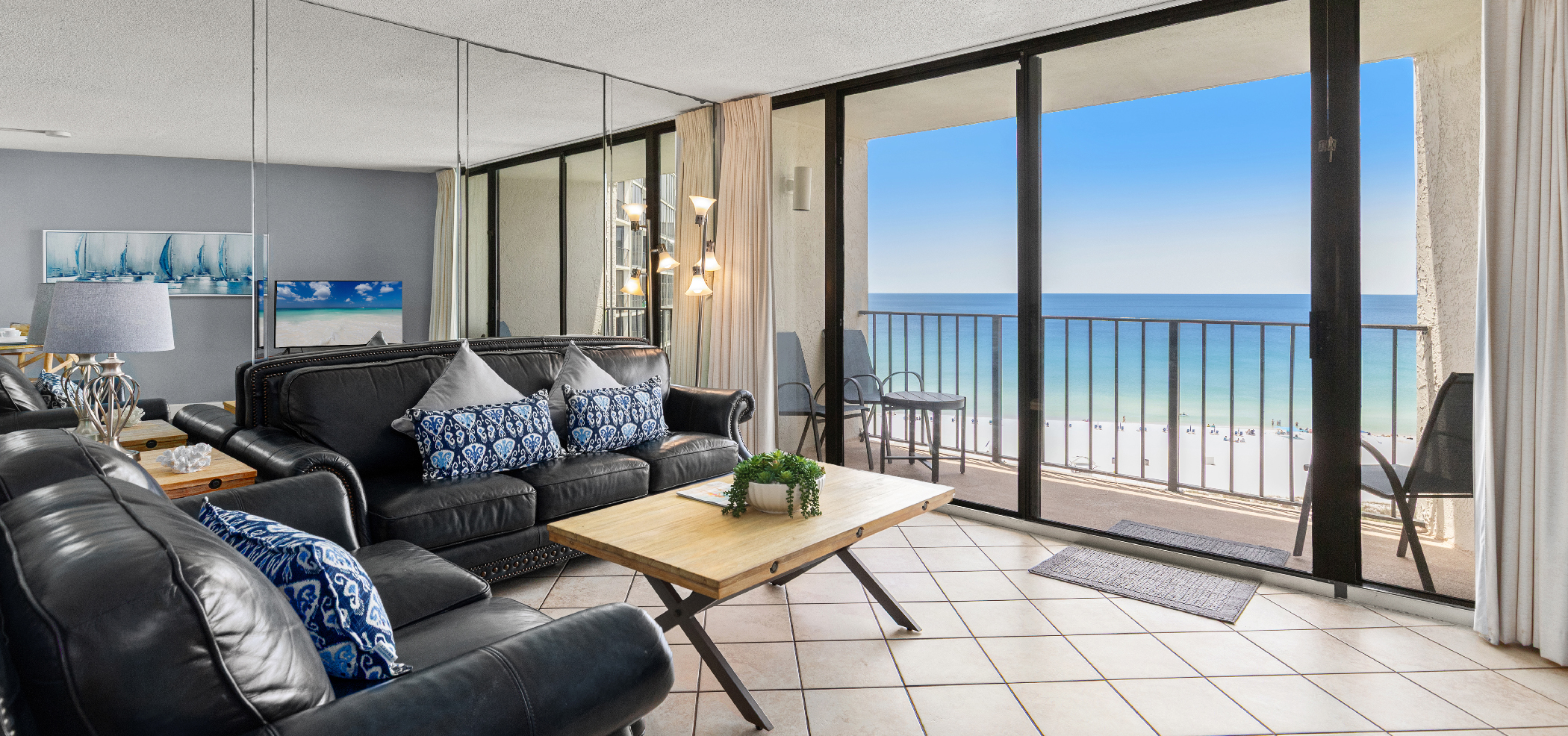
A beachfront condo can put your family steps from sugar-white sand, but the photos alone cannot tell you whether the property will make your trip one that will leave you with wonderful memories. Knowing how to choose your beachfront condo accommodations means looking beyond the balcony view. You need to confirm the building, the beach access, the total cost, and the rental terms before you decide.
In Panama City Beach, two condos can sit within a few blocks of each other and deliver very different vacations. One may offer direct beach access, generous living space, and a well-run arrival process. Another may require a long walk, limit parking, or have rules that complicate your plans. A careful rental process keeps your budget in mind and gives you more time to enjoy the beach once you arrive.
Start With Your "Must Haves"
First, define what “beachfront” needs to mean for your group. Some travelers want a full Gulf view from a high-floor balcony. Others need a ground-level unit that makes it easier to manage young children, beach gear, or mobility concerns. A property can be near the beach without offering the direct access or view you expect.
Set your non-negotiables before comparing listings. Consider the number of bedrooms and bathrooms, sleeping arrangements, parking needs, elevator access, beach proximity, kitchen space, and whether you need a washer and dryer. A family of six may technically fit in a two-bedroom condo, but a sofa sleeper and one shared bathroom can change how your vacation works.
Dates matter as much as the unit. Peak summer weeks, holiday weekends, and major events increase demand in Panama City Beach. If you need a specific building or a prime beachfront location, book earlier than you would for a flexible inland stay. If your dates can move, a midweek arrival or shoulder-season visit may give you more choices and better value.
Verify the Location, View, and Beach Access
A listing should clearly identify whether the condo faces the Gulf, overlooks a pool, or is on the side of the building. “Beach view” and “beachfront” do not always describe the same experience. Read the property description carefully, review every available photo, and ask direct questions when the view affects your decision.
Check the building, not only the unit
The condo itself matters, but the building shapes much of your stay. Look for details about elevator capacity, pool hours, fitness facilities, luggage carts, grilling areas, and access points to the sand. Large towers can experience elevator waits during busy check-in periods, particularly on weekends. Smaller buildings may offer a quieter atmosphere but fewer on-site amenities.
Parking deserves the same attention. Confirm how many vehicles the reservation includes, whether the building assigns spaces, and whether it can accommodate oversized vehicles. Do not assume a beachfront building offers free or unlimited parking. A professional rental manager can assist you with understanding those rules before arrival.
Ask how beach service works
Beach chairs and umbrellas can make a long beach day more comfortable, but their availability and cost vary by property and season. A few condominiums include a set of beach chairs with the rental. Others use an independent vendor, while some leave guests free to bring their own setup within local rules.
Also confirm the path from the building to the beach. Stairs, dunes, boardwalk length, and public access routes can affect families with strollers or guests who need easier mobility. The best unit on paper may not suit your group if the walk to the shoreline creates a daily obstacle.
Panama City Beach is a "No Trace Left Behind" community and beach gear may NOT be left on the beach overnight. Keep this in mind when you decide what you will bring with you to the sandy beach.
Compare the Full Cost Before You Book
The nightly rate gives you only part of the financial picture. Your final total will include additional fees for cleaning, reservation processing, parking, damage waiver, pet, or resort fees, along with applicable taxes. Compare the total for the same dates and guest count rather than selecting a property based on the lowest nightly figure.
A higher-priced condo can deliver better value if it includes parking, offers a larger kitchen, provides enough bathrooms, and avoids extra charges that add up at checkout. On the other hand, do not pay for amenities your group will not use. A couple planning quiet mornings and beach afternoons may not need a large resort complex with multiple pools and activity spaces.
Read the cancellation policy before you pay. Vacation rentals usually require deposits or full payment on a schedule, and the refund terms can change as the arrival date approaches. Travel insurance may help in certain situations, but it does not replace reading the rental agreement. Understand what happens if weather, illness, or a travel disruption affects your plans.
Emerald Beach Properties offers third party trip insurance at check out so you can choose how you want to protect your vacation investment.
Read the Rental Terms Before Booking
Rental rules protect both guests and property owners. They also prevent avoidable surprises. Review the minimum-age requirement for the booking guest, occupancy limit, pet policy, smoking restrictions, and rules for events or gatherings. A condo association may enforce stricter standards than a single-family vacation home.
Check check-in and check-out times, then plan travel around them. Early arrivals during a busy turnover day may need a backup plan for luggage, groceries, and beach time. If you expect to arrive late, confirm how the manager handles entry instructions and after-hours support.
You should also know what the rental supplies. Many condos provide starter quantities of paper goods, soap, and trash bags rather than a full-week supply. Confirm whether the kitchen includes the cookware and small appliances your family expects. If you plan to prepare meals, details such as a blender, coffee maker type, or adequate serving dishes can matter. Most of this information is included in the property listing so be sure to read through all the details so you'll know what to expect upon arrival.
Choose a Condo That Fits How You Actually Vacation
A beachfront stay works best when the layout supports your routine. Travelers who cook most meals should prioritize kitchen storage, counter space, and a dining table that seats everyone. Guests who plan to spend every afternoon by the pool may value quick elevator access and pool-facing convenience more than a panoramic view.
For multigenerational trips, consider bedroom placement and bathroom access. A split-bedroom plan can give grandparents or another couple more privacy. Bunk areas work well for children, but should not be used for adults for safety and comfort. Review the stated bed sizes instead of relying on room photos, which can make spaces appear larger than they are.
Balconies deserve a closer look as well. They can become the center of the trip for guests who enjoy sunrise coffee or a late dinner over the water. Ask whether the balcony connects to the primary bedroom, living room, or both. If you have small children, review the building’s balcony rules and supervise them closely at all times. Make sure no one throws anything off a high rise balcony to prevent injury to people below.
Book Through a Vacation Rental Manager Who Communicates Clearly
A well-managed vacation rental gives guests a reliable point of contact before, during, and after the stay. Clear confirmation details, accurate property information, and responsive support matter when you have questions about access, maintenance, or building procedures.
Before booking, look for straightforward answers about the property and policies. You should know who manages the reservation, how to reach support, and what steps the manager takes if an issue arises. Emerald Beach Properties focuses on professionally managed beach-area rentals, which gives guests a direct source for property-specific questions.
Keep all reservation documents, payment confirmations, and arrival instructions in one place. Use the approved payment process, and treat unusual payment requests or messages with caution. A legitimate manager will provide consistent information and will not pressure you to bypass established booking procedures.
Inspect the Condo When You Arrive
Once you enter the condo, take a few minutes to check the essentials. Confirm that the access code works, the air conditioning runs, the refrigerator cools, and the bathrooms have the expected towels and supplies. Walk onto the balcony, review the parking instructions, and locate the route to the beach before you unpack completely.
If you find a maintenance concern or cleaning issue, report it promptly through the manager’s designated contact method. Photos and a clear description help the team understand the problem and respond appropriately. Waiting until checkout can limit the options available during your stay.
A beachfront condo should make the coast feel close, comfortable, and easy to enjoy. Choose the property with care, ask the questions that photos cannot answer, and give your group the kind of beach trip they will want to repeat and will remember for a lifetime.
Direct Booking Versus Rental Platforms for Your Beach Stay

A beach vacation can look simple on a screen: choose a condo, select dates, and pay. The decision behind direct booking versus rental platforms deserves more attention to be sure you are getting the best value for your money. Your choice affects how much you will pay for your vacation rental, who answers the phone when plans change, how clearly you understand the property, and where you turn if an issue arises after check-in.
Rental platforms like AirBnB, VRBO, etc. give travelers broad search tools and familiar checkout screens. Direct bookings connect guests with the local company responsible for the vacation rental. Direct booking with a professional vacation rental management company wins every time.
Direct Booking Versus Rental Platforms: The Core Difference
Rental platforms act as marketplaces. They display properties from many hosts and management companies, collect traveler information, and process reservations under their own rules. Their value is that they combine vacation rental inventory from many sources so you can compare locations, bedroom counts, amenities, reviews, and dates across a large inventory without leaving one website. But this usually does not give the guest the best pricing.
A direct booking with a pro manager places the reservation with the company that manages the vacation rental. That company controls the property details, availability, guest communication, arrival instructions, maintenance response, and the terms of the stay. For a Panama City Beach trip, direct contact makes a big difference when you need to compare buildings, beach access, parking arrangements, pool rules, or the practical layout of a specific vacation rental property.
The distinction matters because a listing is only the beginning of a stay. Once you reserve, you need accurate answers, secure payment handling, clear documentation, and a reachable team that knows the property.
What Rental Platforms Do Well
Platforms work well when you have not yet narrowed your search. Their filters help travelers identify a general fit: a beachfront location, a certain number of bedrooms, or a target nightly rate.
Platforms display only reviews generated by the guests who used the platform to book a particular property. To see all the reviews for a property, you will need to look at the management company's website where reviews from all sources are displayed.
Platforms also provide their own payment systems and dispute procedures. The do not provide direct contact with the company actually managing the vacation rental.
Still, convenience at the search stage does not always translate to the best experience after booking. Platform policies add another layer of complexity between the guest and the local vacation rental manager. The person answering a platform message usually needs to relay your questions to the on-site team, and that slows down decisions about special requests, changes, or urgent concerns.
Why Direct Booking Can Offer More Control
When you book directly with a professional vacation rental manager, you deal with the team accountable for the vacation rental property. That connection gives you a clearer line of communication before arrival and during the stay. You can ask targeted questions instead of relying only on listing filters or automated answers from a platform.
Direct booking also creates a more complete view of the reservation cost. Travelers should compare the full total, including cleaning, resort, parking, booking, and tax charges. A lower nightly rate does not guarantee a lower trip cost. Compare the same property, dates, occupancy, cancellation terms, and total charges before you decide.
Local managers can often explain details that will affect your beach trip. Is the balcony large enough for a family meal? Does the property have a dedicated parking space? How far is the walk from the elevator to the unit? Does the building restrict trailers, golf carts, or oversized vehicles? These facts rarely fit neatly into a search filter, yet they can determine whether a property works for your group.
At Emerald Beach Properties, guests work with a team focused on vacation rental inventory in the beach market, not a generic platform intermediary managing listings across many unrelated destinations. That local operating knowledge helps when a guest needs practical information before committing to a stay.
Price Matters, but So Do Terms
Direct booking usually costs less because platforms charge service fees on top of the normal charges by the local management company. Property managers may set different rate structures across channels, while platforms may offer promotions, loyalty benefits, or payment options that change the final number. Property manager may also offer promotions, loyalty benefits or payment options just like the large platforms. So, be sure you are comparing apples to apples.
The better question is simple: what does each reservation include, and what rules apply if something changes?
Read the cancellation policy before payment. Check the deadline for a full or partial refund, whether travel insurance applies, and how the company handles weather disruptions. Gulf Coast weather can shift quickly, and hurricane season requires realistic planning. No booking channel can remove weather risk, but clear terms help you make informed decisions before you travel.
Also confirm payment timing and security deposits. A trustworthy manager explains when it charges your card, what holds may apply, and how it handles any reported damage. Vague payment instructions, pressure to pay by an unusual method, or requests to move communication away from an established booking system should raise concerns.
Security Starts Before You Reserve
Direct booking requires the same careful judgment you would use for any significant travel purchase. Booking directly does not mean sending money to an unknown person who contacted you through social media or a classified ad. It means reserving through a verified business website or speaking with an identifiable professional vacation rental management company using confirmed contact information.
Before you submit payment, confirm the company name, phone number, property address, and reservation terms. Review the website for clear contact details, policies, and property information. Pay through a secure checkout process, not through wire transfers, gift cards, or payment requests that leave you with no meaningful record.
A professional manager protects guest data, documents transactions, and provides written confirmation. You should receive details that identify the property, dates, occupancy, charges, payment schedule, and cancellation rules. Keep those records through check-out.
When Each Option Makes Sense
Choose a rental platform when you need to survey a wide market quickly, you have not selected a destination or property type, or you prefer a platform's specific traveler protections and rewards. The marketplace model gives you an efficient starting point.
Choose direct booking when you have found a property you want, need detailed local answers, or value a direct relationship with the team responsible for your stay. It can also make sense when you return to a destination and already know which manager delivers the level of service you expect.
Many experienced travelers use both approaches. They begin on a platform to understand available inventory, then compare the manager's direct site once they identify a suitable property. That approach is reasonable as long as they compare identical dates and terms rather than assuming the first displayed price tells the full story. Again, be sure you are comparing apples to apples.
Questions Worth Asking Before You Book
Ask who manages the property and who will assist you after arrival. Confirm whether the photos represent the exact unit, especially in condo communities where layouts, views, furnishings, and floor levels vary. Request clarity on parking, access codes, check-in timing, beach service, and building rules.
If you travel with children, ask about balcony access, pool supervision requirements, and distance to the beach. If you travel with several adults, confirm bedding arrangements rather than relying only on the maximum occupancy number. If accessibility affects your plans, ask about elevators, entry thresholds, shower access, and the route from parking to the unit.
Clear questions protect your vacation time. A professional manager should answer them directly and set realistic expectations.
The best reservation is not simply the one with the lowest first number on the screen. Choose the booking path that gives you confidence in the property, the terms, and the people responsible for your stay. When the Gulf is outside your window and your group has settled in, that confidence becomes part of the vacation.
Are Vacation Rentals Safe To Book?

A beach vacation should begin with the sound of the surf, not a frantic call that there is trouble in paradise when the property booked does not exist or the door code will not work. So, are vacation rentals safe to book? They can be very safe when guests book through a responsible vacation rental provider, confirm the details before payment, and use practical awareness to spot scams early on.
Vacation rentals carry different risks than hotels because each home has its own layout, owner, maintenance history, and access procedures. That does not make them inherently unsafe. It means guests need clear information, responsive support, and a few smart checks before they commit to a stay.
Are Vacation Rentals Safe When You Book Online?
A legitimate vacation rental business makes it easy to identify who manages the property, how to reach them, what the total cost includes, and what happens if a problem arises. A vague listing, pressure to pay immediately, or a manager who will only communicate through a personal messaging account deserves added scrutiny to avoid the scammers. This is true of all online transactions today, not just vacation rentals.
Start by looking beyond polished listing photos and promises of too good to be true prices. Read the property description closely, including occupancy rules, parking information, cancellation terms, and check-in instructions. Confirm that the listing gives a real business name, phone number, and physical service area. A professionally managed vacation rental will have a process for reservations, payments, maintenance, and guest support that is presented up front.
If you are renting from an individual owner, you can use the Bay County Property Appriaser's website www.baypa.net to look up the owner just to verify that you are booking from the actual owner and not a scammer. You can also check for the vacation rental license through the Florida Department of Business and Professional Regulation.
Reviews help, but use them carefully. Look for patterns across several recent reviews rather than relying on one glowing comment or one complaint. Guests often reveal the details that matter most: whether the home matched its listing, whether the manager answered the phone, how quickly maintenance handled an issue, and whether the building or neighborhood was what was expected.
Price also tells a story. A rental priced far below comparable homes during a busy period may be legitimate, but it calls for additional verification. Scammers often use unusually low rates to create urgency. Compare similar properties by bedroom count, location, amenities, and travel dates before you assume you found an impossible bargain.
Check the manager's website to see if they have won any local awards such as the annual Best of Bay Award for Property Management or other local honors to validate their good reputation.
Verify the Property and Manager Before You Pay
Do not send money until you know who will receive it and why. Use a payment method with documented transaction records and clear consumer protections. Avoid wire transfers, gift cards, cryptocurrency, or payment requests that move outside the established reservation platform or property manager's normal process. Those methods can make recovery difficult if someone misrepresents a listing. It's always best to reserve your vacation rental using your credit card just in case you need to do a charge back.
Call the management company using the phone number published on its official website, not only a number included in a message. Ask direct questions: Is this property available for my dates? What is the full rental amount? Who provides check-in instructions? What number should I call after hours? A credible team should answer plainly and send written confirmation.
Your reservation documents should identify the property, stay dates, payment schedule, cancellation policy, guest requirements, and contact details. Keep copies of the listing, correspondence, receipt, and rental agreement. These records reduce confusion later and give both sides a clear reference point.
For a Panama City Beach stay, location verification matters as much as the home itself. Confirm whether the property is located directly on the beach, across the street, within a resort, or farther inland. Emerald Beach Properties provides maps with the location of our properties clearly marked. Ask about beach access, elevator availability, parking passes, and any age or occupancy requirements enforced by the building. Clear expectations protect your vacation investment before you pack the car.
Questions Worth Asking Before Booking
A few direct questions can reveal whether a manager operates with discipline. Ask when you will receive arrival instructions, whether the home uses a keypad or physical key (Emerald Beach Properties uses only centrally monitored electronic locks), and how the company handles a lockout. Ask whether the property has smoke alarms, fire extinguishers, and pool or balcony safety rules.
You should also ask what to do if the home does not meet the agreed condition at check-in. A responsible manager will provide a reporting procedure and a realistic response path. No vacation provider can prevent every maintenance issue, especially in a coastal environment where weather and heavy use affect equipment. They should, however, own the response and communicate promptly.
Check Safety When You Arrive
Once you enter the home, take five minutes to look around before everyone heads for the water. Find exterior doors, confirm that they lock, and identify the safest exit route. Locate smoke alarms, fire extinguishers, and the safety postings inside the vacation rental.
If something raises concern, document it with photos and contact the manager immediately. A broken lock, damaged railing, exposed wiring, missing smoke alarm, or unclear pool gate needs prompt attention. Do not assume another guest already reported it. Early reporting protects your group and gives the manager an opportunity to correct the problem.
Coastal properties need particular attention. Salt air, wind, sand, and humidity place steady demands on doors, outdoor furniture, balconies, decks, and mechanical systems. Follow posted rules for balconies and pools. Keep children within reach near water, do not climb railings or throw anything off the balcony, and avoid using damaged outdoor equipment. If severe weather approaches, follow official local alerts and the instructions provided by the property manager or building staff.
Secure personal belongings as well. Lock doors and windows whenever you leave, keep valuables out of sight, and avoid sharing door codes outside your travel group. Many vacation rentals use smart locks, which offer convenient access, but guests still need to treat an entry code like a house key. Make sure all patio doors and windows are closed before you go out to avoid having wildlife enter your vacation rental. Sea Gulls love condo balconies and they'll walk right in if the doors are left open.
Safety Also Depends on the Right Fit
The safest property for one group may not fit another. A high-rise condo with a balcony may work well for adults but require closer supervision for families with young children. A private home may offer space and privacy, while a resort-style property may provide staffed common areas and controlled access. Neither option automatically wins on safety.
Match the property to your group's needs before booking. Consider the number and ages of travelers, mobility needs, proximity to the beach, pool access, stairs, parking, and the level of support you expect. A vacation rental that looks perfect in photos can create avoidable risk if its layout does not suit the people staying there.
Travel insurance may also deserve consideration, particularly for longer stays, hurricane-season travel, or trips with significant prepaid costs. Review the policy terms rather than assuming it covers every disruption. Coverage varies widely for weather events, illness, cancellations, and travel delays.
What Professional Management Offers
Professional management does not eliminate every risk, but it creates accountability. It gives guests a known point of contact, established payment procedures, documented house rules, and a maintenance process when the unexpected happens. That structure matters when a lock fails, an appliance stops working, or a storm changes travel plans.
Emerald Beach Properties approaches guest stays with the same discipline that a beach-market rental operation requires: clear property information, controlled access procedures, and responsive communication. Guests should expect a manager to treat their safety concerns as operational priorities, not inconveniences.
Trust your instincts, but support them with verification. Choose a rental that communicates clearly, pay through a documented process, read the agreement, and inspect the home when you arrive. Those steps leave more room for what the trip should be about: a calm morning on the sand, an easy return to a well-prepared home, and time with the people who came with you.
Vacation Rentals Vs. Hotels for Beach Vacations
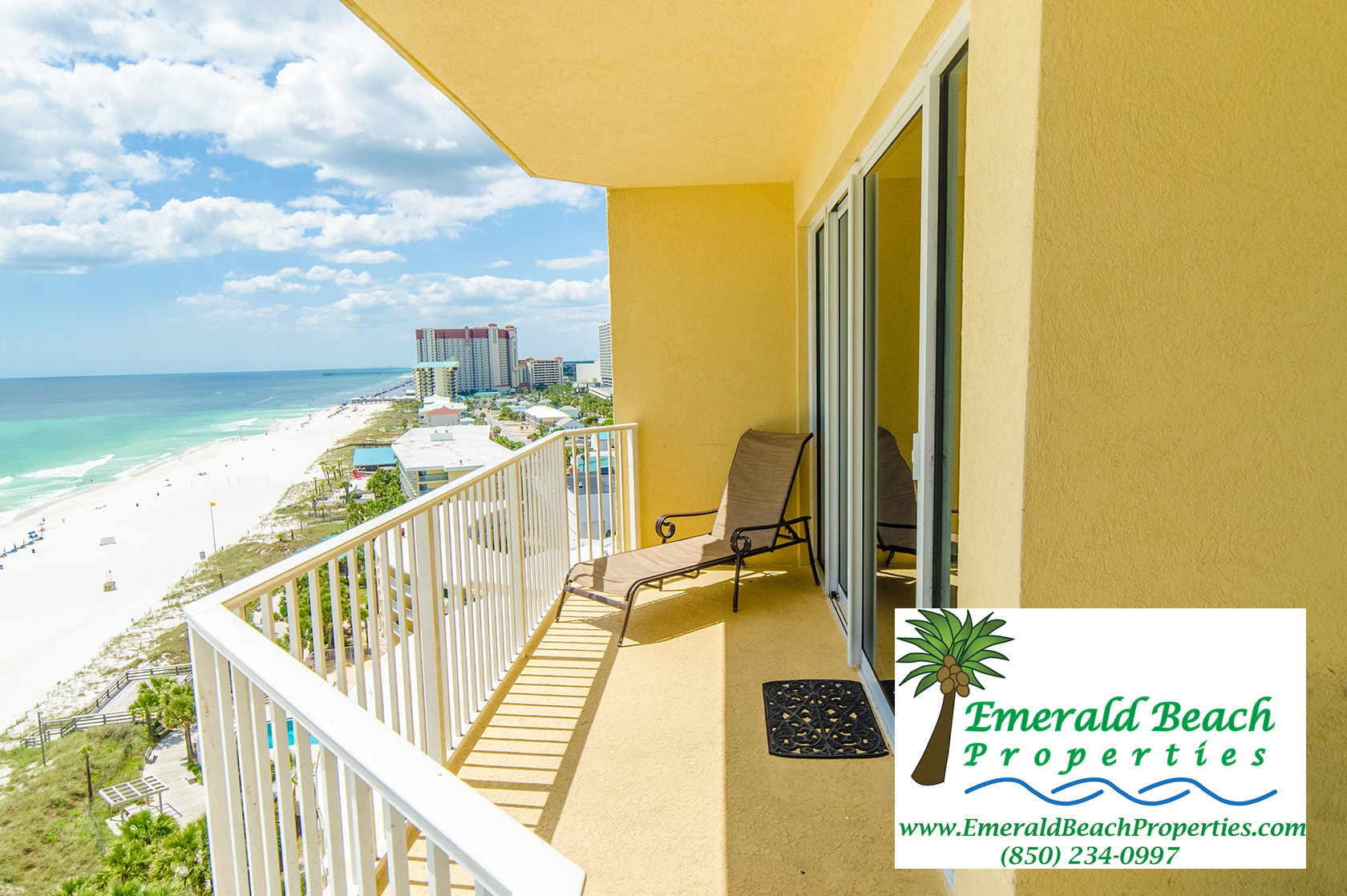
The choice you make between professionally managed vacation rentals versus hotels is one of the most important decisions you make during your beach vacation planning. This decision affect how your group sleeps, eats, gathers, rests, handles beach gear, and spends its time all day and once the sun goes down.
For a couple taking a quick weekend trip, a hotel may offer exactly the right level of convenience. For a family carrying coolers, swimsuits, groceries, and several different sleep schedules depending on the kids, a professionally managed vacation rental creates a more practical home base. Neither option wins every trip. The right choice depends on your group, your priorities, and the kind of vacation you are planning.
Vacation Rentals Versus Hotels: The Core Difference
Hotels sell a consistent room-based stay. Guests get a private bedroom, a bathroom, common amenities, and on-site services that vary depending on the hotel. A hotel works well when location, a short stay, and simple arrival and departure matter most.
A professionally managed vacation rental gives you the use of an entire condo, townhome, or beach home while a professional management company oversees the details like reservations, property standards, maintenance coordination, and guest support. The property still has its own character, layout, and amenities. Professional management adds accountability to your selected vacation rental.
That distinction matters. A well-managed property should provide clear arrival instructions, accurate listing details, dependable communication, and a defined process when a maintenance issue needs attention. Always look for a professional management company when choosing the vacation rental option for your vacation lodging.
Extra Space Changes the Way a Group Travels
Hotel rooms often keep a group close, but not always comfortably. Two adults and two children may share one room, rely on pullout bedding, and organize luggage around limited floor space. Larger parties often reserve multiple rooms, which can increase costs and separate the group.
A vacation rental gives families and friend groups room to spread out while enjoying their time together. Separate bedrooms support different bedtimes and morning routines. A living area gives everyone a place to regroup after the beach. Balconies, patios, and dining tables create spaces where the vacation continues without requiring another restaurant reservation.
This advantage becomes especially clear in Panama City Beach, where many visitors spend long days at the beach or out on the water. A condo or beach home gives you a place to rinse off, store beach equipment, prepare lunch, and relax in air-conditioned comfort before heading out again. Those small practical details often determine whether a trip is successful.
Space does not automatically mean a vacation rental makes sense, though. A solo traveler or couple who plans to spend nearly every waking hour outside may place little value on a full living area. In that case, a smaller hotel room may better match the itinerary.
Full Kitchens Give You Flexibility and Control Costs
Food costs add up quickly on a beach vacation. Hotels may offer breakfast, restaurants, bars, or limited in-room appliances. Those options can feel convenient, especially for a short stay, but they also encourage guests to purchase every meal away from the room.
Most vacation rentals in PCB have a kitchen, and that changes how you plan your vacation meals and also how much you will spend at restaurants. You can make coffee before sunrise, pack sandwiches for the beach, keep cold drinks ready, and prepare a simple dinner after a full day outdoors or you can order in. Families with young children, dietary restrictions, or early risers often value this control as much as the financial savings.
A kitchen requires some planning prior to arrival and during your stay. You'll need to shop, cook, and clean up. Travelers who see meals as part of the vacation experience may prefer a hotel restaurant or the freedom to dine out for every meal. The value comes from choice, not obligation. In addition, many PCB condo complexes have restaurants and other food options on site making or within walking distance to make it even easier.
Privacy and Shared Amenities Require a Trade-Off
Hotels place guests close to busy public spaces. Lobbies, elevators, hallways, pools, and dining areas can create an energetic atmosphere. That energy suits travelers who enjoy a social environment and want amenities within a short walk.
Vacation rentals generally provide more personal space, particularly in a private home or a condominium with a separate entry. Guests can settle into their own living area without sharing a hallway wall with dozens of other rooms. For families, this privacy can make naps, remote work, and quiet evenings easy.
Vacation rentals in PCB are usually within one of the local resort or condominium communities, and those communities may have rules that make community living better for everyone. Pool hours, parking limits, wristband requirements, elevator access procedures, and occupancy caps all deserve attention before booking. Strong management does not ignore these rules. It explains them clearly so you can plan accordingly.
Service Is Different in a Vacation Rental Than in a Hotel
Hotel guests expect a front desk, daily housekeeping, room service, and immediate access to staff in the building. That model works well for travelers who want frequent in-person assistance or who feel most comfortable with a traditional hospitality setting.
A vacation rental operates differently. You'll receive digital check-in details, enter with a door code, and contact our local management team if you need help. Many guests appreciate the direct arrival process because it lets them bypass a lobby and begin their vacation on their own schedule.
In PCB vacation rentals don't offer hotel-style daily cleaning or on-site concierge service. Ask what the stay includes before booking. Confirm check-in procedures, parking, maintenance contacts, starter supplies, laundry access, and any fees that affect the total cost. Clear expectations protect the vacation from surprises.
The quality of the manager matters here. A professional company maintains clear communication, provides accurate property information, and responds with urgency when an issue affects the guest experience. Those standards give travelers greater confidence than an informal arrangement with an owner who may live far away or manage only one property.
Compare Total Value, Not Just the Nightly Rate
A hotel rate may initially look lower than a vacation rental rate, especially for a one- or two-night stay. But the comparison changes when a group needs more than one hotel room, pays for every meal, or adds parking and resort fees charged by the hotel. A larger rental can divide its cost across several travelers while providing shared amenities that separate hotel rooms cannot offer.
At the same time, most vacation rentals charge checkout cleaning fees, reservation fees, taxes, or community registration charges that can make shorter stays less economical. Review the full price before comparing you options. A transparent quote offers a more useful number than an attractive nightly rate from either a hotel or a vacation rental.
Consider how you will use the property. If you need only a bed between meetings or plan a brief overnight stop, the simplicity of a hotel can deliver better value. If your group wants to spend a several days at the beach, prepare meals, do laundry, and enjoy evenings together, a vacation rental may justify its total cost for your group.
How to Choose Your Perfect Place in PCB
Start with the size and makeup of your group. Families with children, multigenerational groups, and friends traveling together often benefit from separate sleeping spaces and a common gathering area. Then consider the length of stay. The longer the trip, the more useful a kitchen, laundry, and extra room become.
Next, decide how much service you expect. Choose a hotel if you want a staffed front desk, frequent housekeeping, and a compact, predictable experience. Choose a professionally managed vacation rental if you want more independence, private space, and support from a management team without giving up accountability.
Finally, read the property details closely. Confirm the bed configuration, beach access, parking arrangement, elevator availability, community rules, and cancellation terms. A good vacation begins with an accurate match between the property and the people staying in it.
The best choice is the one that lets your group spend less time managing your vacation and more time enjoying the beach and PCB's many attractions. Match the accommodations to your actual plans, and the beach day will feel like the main event rather than a break from a cramped room. Check our website or give us a call at (850) 234-0997 and we'll help you find your perfect place in Panama City Beach, FL!
How to Choose Your Perfect Place in PCB With Confidence

The difference between a great beach vacation and a frustrating one often comes down to the walk from your door to the sand. Beachfront rentals put the shoreline at the center of the trip, but not every property delivers the same access, layout, comfort, or level of management. Before you book, look beyond the view and confirm how the home will support the way your group actually plans to spend its time.
What Beachfront Really Means for Your Stay
Guests often use “beachfront” to describe any property near the water. In practice, the term can cover several different settings. A Gulf-front condo may sit directly on the beach with private or shared access. A resort property may face the water but require an elevator ride, a walk across a pool deck, or a trip through a public access point. A beach-area home may offer a short walk rather than direct frontage.
None of these options is automatically better. A family traveling with small children may place the highest value on a direct route back to the condo for naps, snacks, and sunscreen. Friends planning long pool afternoons may prefer a building with broad amenity space and easy access to restaurants. The right choice depends on your priorities, not simply the label.
Review the property description closely and look for practical details: the building location, the beach-access route, floor level, elevator availability, and whether the property faces the Gulf or looks toward another part of the resort. A clear understanding of those details prevents surprises after arrival. Look at the photos in the listings and read the descriptions carefully and if you have any questions, call the management company or individual you are renting from.
Start With Your Group, Not the View
A wide balcony and bright water views matter, but your group needs a functional place to sleep, cook, gather, and reset after a day in the sun. Start by identifying how many people will travel, how many beds they need, and whether anyone needs a first-floor option, elevator access, or fewer stairs.
Bedroom count alone does not tell the full story. Review the bedding configuration. A two-bedroom property with a king bed, two full beds, and a sleeper sofa accommodates people differently than a two-bedroom with only one bed in each room. Families with teenagers, multigenerational groups, and couples traveling together each need different levels of privacy.
Also consider the time you plan to spend inside. If your group expects to prepare breakfast, pack lunches, and share dinners at the property, kitchen space and dining seating deserve extra attention. If you expect to spend most of the day outdoors and dine out each evening, a smaller unit may serve you well while keeping your budget focused on location.
The balcony can change the experience
For many guests, the balcony becomes the most-used part of a beachfront rental. It offers a place to drink morning coffee, watch afternoon storms pass over the water, or settle in after sunset without leaving the property. Confirm the balcony size, seating, view direction, and access points from the unit. Some properties have more than one balcony or patio. Most main balconies are accessed from the great room but there may also be access from one or more bedrooms and dining areas, too.
Higher floors often deliver a broader Gulf view and more distance from pool & deck activity. Lower floors can make trips to the beach, parking area, and lobby faster. Neither choice fits everyone. Travelers who dislike elevators or want quick returns from the sand may value lower floors, while guests booking for the view may prefer elevation.
Check the Details That Affect Daily Convenience
The best listings answer operational questions before you need to ask them. Examine the practical features that shape every day of your vacation: parking, laundry, kitchen equipment, Wi-Fi, entry procedures, and beach access.
Parking deserves particular attention in busy beach communities. Ask how many vehicles the reservation allows, where guests park, whether the property assigns spaces, and whether the building charges registration or parking fees. Almost all complexes in PCB charge a guest registration fee in addition to your reservation that covers parking and property amenities. You may be asked to register and pay in advance on line to speed up the check in process. Please follow instructions provided to you for registration. A property that suits your group inside can still create stress if it cannot accommodate the vehicles you bring. If you do arrive with too many vehicles, the City of PCB operates several pay to park lots that you can use. Also, some property managers like Emerald Beach Properties, have limited overflow parking facilities that you may be able to use.
Laundry also matters when you are vacationing at the beach. In-unit washers and dryers help families manage wet swimsuits, beach towels, and longer stays. For a quick weekend, shared laundry facilities may work perfectly well. For a full week with children, in-unit laundry often earns its place on the must-have list. Keep in mind that you should bring your preferred laundry detergent, softener, etc or you can purchase it when you pick up groceries. Most vacation rentals only provide starter packs of these items for guests.
Do not assume every kitchen includes the same equipment. Most vacation rental kitchens in PCB offer a full-size refrigerator, dishwasher, coffee maker, cookware, and enough dishes for the group. If a specific item matters to your plans, verify it before booking. Some units do have crock pot style cookers and other small appliances. Please confirm these if they are important to you. Starter packages for paper towels, toilet paper, dishwasher detergent, coffee filters or pods, etc. won't last for more than a day or two so, please bring these items with you.
Understand Resort and Beach Conditions
Beachfront rentals come with natural variables that no property manager controls. Gulf conditions change with the weather. Wind, surf, marine life advisories, seaweed, and beach flags can affect swimming plans from one day to the next. Build some flexibility into your itinerary, especially when children or strong swimmers have different expectations for water time.
Season also changes the feel of Panama City Beach. Peak summer weeks bring warm water, active beaches, and higher demand. Spring and fall can offer comfortable weather with a different pace, though conditions vary. Winter travelers may find quieter stretches of shoreline and more availability, but they should plan for cooler temperatures. Many complexes provide one or more heated pools during the cooler months. If this is important to your trip, be sure to confirm availability when booking.
Amenities add value, but they also create trade-offs. A large pool deck, fitness room, hot tub, grilling area, or beach service can improve a stay. At the same time, popular amenities attract more guests and more activity. If quiet matters most, look for a property and building environment that better matches that preference.
Ask about beach service and local rules
Some properties coordinate beach chair and umbrella service, while others leave those arrangements to guests. Availability, included setups, and seasonal operations can differ by property. Confirm the details if shaded seating ranks high on your list.
Follow posted beach flags and property rules throughout your stay. These rules protect guests, preserve shared spaces, and help everyone enjoy the property without avoidable conflict. Be sure you understand the local rules for the beach that are in force at the time of your stay. The No Trace Left Behind Ordinance requires that all items be removed from the beach every evening. If chairs or pop up tents are left on the sandy beach overnight, they will likely be removed by the City or County when trash collection occurs every night. Responsible beach days start with awareness, not assumptions.
Book Through a Professional, Responsive Manager
A well-managed rental gives you more than a reservation confirmation. It gives you clear arrival instructions, accurate property information, a dependable contact path, and support if an issue requires attention. That matters when you have traveled hours to reach the beach and want to spend your time on the sand rather than sorting out logistics.
Before you reserve, read the booking terms with care. Confirm the total cost, payment schedule, cancellation policy, minimum-age requirements, occupancy limits, pet policy, and check-in and check-out times. Transparent terms allow you to make a decision with full information.
Direct communication also helps you match the property to your needs. Tell the rental team if your group includes young children, older relatives, guests with mobility concerns, or anyone who needs a particular sleeping arrangement. A professional manager can clarify what a property offers and help you avoid booking a unit that does not fit.
Emerald Beach Properties focuses on vacation rentals in the Panama City Beach area and understands that reliable information matters just as much as an attractive photo. Guests should expect clear details, respectful service, and a property that aligns with the reservation they made.
Make Location Work Beyond the Sand
A beachfront address creates immediate access to the Gulf, but the surrounding area still shapes your vacation. Consider your preferred balance of convenience and quiet. Some guests want to walk to dining, attractions, and ice cream shops. Others want a calmer setting where the sound of the water carries farther than nearby traffic.
Think about grocery runs, airport or driving routes, restaurant plans, and the ages of everyone in your group. A central location can reduce driving time during a short stay. A more removed location may offer a less crowded atmosphere and more room to settle into a slower routine.
Your best choice will not look identical to another traveler’s. Choose the beachfront rental that makes daily life easy for your group, confirms its details clearly, and gives you more time with your feet in the sand than in the car.
Choosing a Resort for Your Family Vacation in PCB

A strong family friendly resort review starts before anyone packs a swimsuit. Families do not judge a vacation rental home by a single photo of a bright living room or a wide Gulf view. They judge it by the moments that shape each day: whether meals feel manageable, whether the walk back from the beach works for tired little legs and overloaded beach bags and whether the layout suits the family's needs.
For a Panama City Beach vacation, the right vacation rental can give a family room to settle in while keeping the beach, pools, dining, and activities within reach. The wrong fit can create issues that no ocean view fully solves. A useful review looks beyond star ratings and identifies how a property supports the way your family actually travels.
What a Family Resort Rental Review Should Cover
A resort setting offers more than an individual condo. It usually includes pools, controlled property access, elevators, shared parking, beach services, fitness areas, and on-site rules that affect your stay. Those features can make a trip easier, but they also introduce practical questions.
Start with the property itself. Confirm the number of bedrooms, bed sizes, bathroom count, and maximum occupancy. A listing that sleeps eight may work well for two parents and several young children, but it may feel tight for two families with teenagers. Sleeping capacity tells only part of the story. Bedroom placement, storage, bathroom access, and the size of common areas often determine whether everyone has enough space. Check the listing for an example floor plan that is usually included as one of the unit photos.
Then consider the resort’s layout. A Gulf-front building may offer exceptional views, yet a high-floor unit can add elevator time at the busiest parts of the day. A unit closer to a pool may suit families with older children who want frequent swim breaks, while a quieter location can better serve families with infants or early sleepers. Neither option wins in every situation. Your daily routine should guide the decision.
Space Matters More Than a Large Occupancy Number
Families need usable space, not just a number on a booking page. Look for a kitchen with enough counter space for breakfast, lunch supplies, and snacks. Check whether the dining area seats your group. A full kitchen helps families control meal costs and avoid the pressure of eating every meal out, especially after a long beach day. Plenty of dining space also allows for ordering in and game nights, too.
Living areas deserve the same attention. A comfortable shared space gives everyone a place to regroup during afternoon rain or after sunset. In a well-planned rental, one person can prepare dinner while children play a game or watch a movie nearby. That small convenience can change the tone of a weeklong stay.
For families traveling with babies or toddlers, plan for the equipment you use every day. Confirm whether the rental provides a crib, high chair, or pack-and-play if those items matter to your trip. If it does not, make arrangements before arrival. Also check balcony access, rail spacing, door locks, and the distance between bedrooms and outdoor areas. Families should be prepared to handle safety concerns as they arise. Most families with small children travel with everything they need to make sure the little ones will remain safe.
Beach Access Changes the Entire Day
A property can be near the Gulf and still require a complicated trip to the sand. Review the route from the rental to the beach with the same care you give the floor plan. Is the building directly on the beach? Does the resort use a private boardwalk or a public access point? Are there stairs, long pathways, or crowded crossings? These details matter when you carry chairs, towels, sunscreen, snacks, and a sleeping child at the end of a long beach day.
Beach service can also affect convenience. Some properties include chairs and umbrellas, while others offer them for an added cost or allow guests to bring their own gear. Confirm the current arrangement rather than assuming it comes with the rental. A shaded setup can make a full beach day more comfortable, particularly for younger children, but families should understand the cost and reservation process before they arrive.
Consider how easily you can return to the unit. A quick trip upstairs for lunch, a restroom break, or a forgotten float can keep the day moving. A longer return route may encourage families to pack more carefully and stay down longer. Neither choice creates a problem if you set the right expectations.
Pools Need Rules, Not Assumptions
Resort pools often rank high on a family’s wish list, especially when the Gulf conditions turn rough or a child needs a break from waves. Still, pool features vary widely. Ask about pool hours, heated pool availability, age restrictions, wristbands, and whether the resort limits pool access during seasonal demand.
Families should also review the rules around pool use and conduct. Clear rules protect guests and help the property run smoothly. A well-managed resort sets expectations upfront, and guests who understand them avoid unnecessary interruptions during their stay. Most resorts do not allow pool noodles or float toys but do allow water wings for little ones, food must be consumed at least 6 feet away from pools, glass containers are generally not allowed on pool decks, and adult supervision of children is required for everyone's safety. Running on pool decks and throwing toys is also not allowed for safety.
Read Fees and Policies With the Same Care as Reviews
The nightly rate never tells the whole story. Families should review cleaning fees, booking fees, parking costs, resort fees, damage protection, taxes, and any charges for extra parking passes. A transparent total lets you compare rentals fairly and protects your vacation budget from surprises.
Parking deserves special attention in beach resorts. Confirm how many vehicles the reservation allows, where guests park, and whether the garage has vehicle height limits. Larger SUVs, roof racks, and oversized vehicles may not fit every garage. If extended family members drive separately, verify the policy before they travel.
Cancellation terms also matter. Weather, school schedules, illness, and work demands can alter even carefully planned trips. Read the cancellation policy before booking and consider travel protection coverage when it fits your circumstances. No policy removes every risk, but clear terms allow families to make decisions with confidence.
How to Read Guest Reviews Without Getting Misled
Guest reviews offer useful evidence, but they require context. Focus on recurring comments rather than one unusually enthusiastic or unhappy report. If several guests mention clean rooms, responsive communication, accurate photos, or an easy check-in process, those patterns deserve attention. The same applies when multiple guests describe elevator delays, noise, worn furnishings, or difficult parking.
Pay attention to who wrote the review. A couple on a weekend getaway may value a resort differently than a family traveling with school-age children. Look for reviewers with a similar group size, travel season, and set of priorities. Their experience will likely tell you more about your own stay.
Recent reviews matter most because resort operations, furnishings, nearby construction, and local conditions can change. Balance them with the property description and direct answers to your questions. A professional vacation rental manager should communicate clearly about what the home includes, what the resort requires, and what guests should plan to bring.
Questions Worth Asking Before You Book
Before you commit, confirm the check-in process, the exact parking arrangement, beach access, and the items included in the rental. Ask whether the unit has a washer and dryer, how many towels the property supplies, and whether the kitchen includes the cookware your family expects to use. If anyone in your group has mobility needs, ask about elevator access, entry steps, shower configuration, and the route to the beach.
You should also ask about construction, maintenance, or seasonal work that could affect balconies, amenities, parking, or common areas during your dates. This is particularly important for off season bookings when many buildings perform maintenance on their properties. For peak season, there's no guarantee or aa silent building or empty pool deck. It does help you choose a property with conditions that match your expectations.
Choose the Stay That Supports Your Family’s Pace
The best rental does not need every resort feature. It needs the right combination of space, access, comfort, and clear management for your family. Some guests want a lively pool deck and walkable entertainment. Others want a quieter balcony, a well-equipped kitchen, and a straightforward route to the sand.
When you evaluate the details before booking, you give your family more room for the parts of a beach vacation that matter most: slow mornings, sandy feet at the door, and time together without avoidable surprises.
Emerald Beach Properties has many different vacation rentals that suit every vacation style. Talk to one of our specialists and they can help you find your Perfect Place in Panama City Beach, FL! See you at the beach!
Direct Booking vs AirBnB or VRBO Rentals for PCB Beach Trips
A Panama City Beach vacation often starts with one practical question: where should you reserve the condo or beach home? The direct booking vs ota (online travel agent) rentals decision affects more than the screen where you enter your credit card. It can shape how you compare properties, who answers your questions, how clearly you understand the rules, and what support you receive before and during your stay.
An OTA, or online travel agency, lists vacation rentals from many different managers and hosts in one marketplace. Direct booking means reserving through the professional property manager’s own website or reservation team. Direct booking usually saves you money and is a better option. If you are a last minute shopper, you might choose an OTA for convenience but it will be more expensive than direct booking.
What Direct Booking and OTA Rentals Actually Offer
OTAs offer reach and convenience. A traveler can search a broad inventory, review general filters, compare dates, and keep several destinations under consideration without leaving one platform. For someone who has not settled on Panama City Beach, an OTA can make early research efficient. It's easy to search on an OTA and find clues about who the local manager for a particular property is so you can contact them directly to save money and have direct contact with the local property manager.
Direct booking offers a closer connection to the company that manages the rental. You can ask property-specific questions before reserving, such as whether a balcony faces the Gulf, how parking works, whether a building has elevator access, or which beach access point sits nearby. These details matter when a family plans a week around small children, mobility needs, fishing gear, or a full schedule of pool and beach time.
A professional manager also controls the property information, availability, arrival instructions, and stay policies. That direct access can reduce confusion when an OTA listing uses limited space, standard fields, or information that does not fully explain a particular building or home.
Direct Booking vs OTA Rentals on Price
Travelers often assume one option always costs less. That assumption creates problems. A rental’s final cost includes more than the nightly rate. Cleaning fees, reservation fees, taxes, damage protection, cancellation choices, and platform service fees all affect the total. Be sure to check www.EmeraldBeachProperties price comparison tool to see how much you will pay for a direct booking vs. booking through AirBnB or VRBO before you book.
An OTA applies its own service fee and presents its own promotions. A direct booking site may offer a different rate structure, a manager-specific special, or clearer visibility into the individual charges. The result varies by property, season, length of stay, and booking date. During high-demand beach weeks, inventory and location may matter more than a small price difference. During quieter periods, a longer-stay offer or flexible arrival date can change the value considerably.
Compare the complete checkout total for the same property, dates, guest count, and policy selection. Do not compare only the advertised nightly rate. Confirm what the price includes, especially parking, resort amenities, pet fees where applicable, and any required deposits or damage waiver fees.
Service Matters When Plans Change
Vacation plans do not always hold. A storm changes travel timing, a flight gets delayed, a child gets sick, or a guest notices a question about the reservation after booking. In those moments, travelers need to know who can make decisions and how quickly that person can respond.
With an OTA reservation, the platform often handles part of the booking process while the property manager handles the stay itself. That arrangement can work well, but it can add another step when a traveler needs help with payment changes, cancellation terms, or reservation details. The exact path depends on the platform and the issue.
With a direct reservation, guests communicate with the team that operates the property from the start. That does not mean every request qualifies for an exception. Policies still apply, and professional managers need to enforce them consistently. It does mean the guest can ask the responsible team for accurate information rather than relying on a general marketplace support channel.
For beach-area rentals, local knowledge has real value. A management team can explain the practical details that influence a stay: building entry procedures, seasonal beach service arrangements, parking limitations, check-in timing, and what guests should expect from the surrounding area. Emerald Beach Properties focuses on professionally managed vacation rentals in this market, where those details deserve attention before arrival.
Property Details Can Be Easier to Verify Directly
Photos help travelers imagine mornings on the balcony and afternoons near the water. They cannot answer every question. A photo may show a beautiful living room without explaining whether the unit sits on a lower floor, whether the view faces the beach, or whether a guest needs to cross a busy road to reach the sand.
Direct booking gives guests a stronger opportunity to verify the details that matter to their group. Ask about sleeping arrangements, bathroom layout, kitchen equipment, Wi-Fi expectations, laundry access, pool rules, and construction activity that the manager knows about. If accessibility affects your trip, ask specific questions rather than relying on a generic accessibility filter.
OTAs still serve a useful role in discovery. Many travelers first find a property through a marketplace, then want more complete information before they commit. The best approach is not blind loyalty to a booking channel. It is careful verification before you accept the reservation terms.
When an OTA May Be the Better Choice
An OTA can make sense when you need to search a wide range of destinations or property types quickly. It can also help travelers who prefer to keep their past and upcoming trips in one account or who have platform-specific credits available.
Some guests feel more comfortable with a marketplace they have used before. That comfort has value, particularly for a first-time vacation rental guest. Read the listing carefully, review the total cost at checkout, and understand whether the platform or the manager controls cancellations, payments, and communications.
Use the OTA as a research tool when it helps you narrow the field. Just avoid treating a familiar platform as a substitute for reading property rules and asking the questions that affect your stay.
How to Choose Between Direct Booking and OTA Rentals
Start with the property, not the platform. A well-managed condo in the right location with clear policies usually offers more value than a slightly cheaper rental that leaves critical questions unanswered. Once you identify a property that fits your group, compare the booking options with the same dates and number of guests.
Before you confirm any reservation, check these five items:
- The full price, including all mandatory fees and taxes.
- The cancellation deadline and any refund conditions.
- The exact property location, view, parking arrangement, and beach access.
- The check-in process and the contact method for questions during the stay.
- The house rules for occupancy, pets, smoking, age requirements, and building amenities.
Travelers should also pay attention to security. Book through the manager’s official site or a recognized OTA, use a secure payment method, and be cautious when someone asks you to move a conversation or payment outside the established booking process. Legitimate managers communicate clearly about where and how guests should pay.
The Better Booking Channel Is the One That Gives You Clarity
Direct booking works especially well for guests who want complete property details, direct communication, and confidence that they are speaking with the team responsible for the rental. OTA rentals work well for broad searches, itinerary organization, and travelers who prefer a familiar marketplace. Both can support a successful beach vacation when the listing, pricing, and policies meet your needs.
Give yourself time to compare the final details before you reserve. The right rental should feel like a confident decision long before you open the door, set down the beach bags, and hear the Gulf surf in the distance.
How to Find Family Beach Rentals That Works

A beach rental can look perfect in photos and still have avoidable issues for a family. A fifth-floor condo without a working elevator, a long walk across busy roads, or bedrooms that do not match the listing description can change the entire trip. Knowing how to find family beach rentals means looking beyond the view and confirming the details that matter ahead of time with your chosen vacation rental management provider.
The right property gives your group room to rest, a practical route to the sand, and clear expectations before you arrive. Start with the needs that will affect your family at 8 a.m., not just the amenities that sound good while you browse.
Start With Your Family’s Non-Negotiables
Before comparing properties, define what your group actually needs. Families often search by bedroom count alone, then discover that the sleeping layout does not work. A two-bedroom rental with a king bed and a bunk area may suit parents with young children. Two families traveling together may need two private primary bedrooms, separate bathrooms, and a larger common area.
Think through the ages and routines of everyone in your group. Babies and toddlers may require elevator access, a bathtub, a washer and dryer, and a kitchen where adults can prepare meals without stepping around sleeping children on the living room sofa bed. School-age kids may care more about a pool, easy beach access, and space to spread out after a sunny afternoon. Teens often value dependable Wi-Fi, their own sleeping area, and access to activities beyond the beach.
Write down your priorities in order. For many families, the first five are sleeping arrangements, beach distance, parking, kitchen equipment, and total cost. This short exercise keeps a spectacular balcony from distracting you from a property that won't completely support your actual plans.
How to Find Family Beach Rentals With the Right Location
“Beachfront” and “beach access” do not always mean the same thing. A beachfront building may sit directly on the sand, while a beach-access property may require a walk, a street crossing, or a drive to a public entrance. Neither option is automatically better. The best choice depends on your family’s schedule, mobility needs, and tolerance for carrying chairs, coolers, and beach gear.
Review the property’s location with a practical eye. Check whether the building has a private boardwalk, stairs, an elevator, or a designated beach entrance. Ask how far the walk is from the rental door, not merely from the property line. A unit in a large resort can require several minutes of walking before you reach the sand.
In Panama City Beach, location also shapes how you spend time away from the water. Some families prefer a quieter stretch of shoreline and plan to cook most meals. Others want restaurants, ice cream, grocery stores, and family attractions within a short walk or drive. Choose the setting that matches your vacation pace instead of trying to fit every possible activity into one trip.
Consider the View, Floor, and Building Access
A high-floor Gulf view can make a stay feel special, but it brings trade-offs. Elevators can become busy during check-in, checkout, and peak beach hours. Families with strollers, wagons, or young children may prefer a lower floor or a property with reliable, convenient elevator access.
Ground-floor accommodations can simplify beach days, especially when children need frequent snack, restroom, or nap breaks. They generally offer less privacy than upper-level units, however. If you select a ground-floor rental, review the patio location and nearby foot traffic. The best choice balances convenience with the level of quiet your family expects.
Read the Listing Like a Reservation Document
Professional photos help, but the written description sets the terms of your stay. Read every section before you reserve. Look closely at the maximum occupancy, bed sizes, bathroom count, parking rules, included amenities, and any restrictions on guests, pets, or smoking.
Pay special attention to language around sleeping capacity. A property may sleep eight people only by using a sofa bed, bunk beds, or a hallway alcove. That arrangement may work for your group, but you should know it before booking. Confirm whether the rental provides linens, bath towels, starter supplies, and beach equipment. Also confirm how resort or registration fees are paid. They may or may not be included in your reservation depending on the resort rules. These details affect your packing plan and arrival budget.
Also review the kitchen inventory if you expect to prepare meals. A full kitchen should include the basics, but families who cook often may want to confirm the presence of a coffee maker, blender, slow cooker, large pots, baking sheets, or a grill. Do not assume a photo of a kitchen answers these questions.
Verify Safety and Practical Features
Family-friendly does not mean that a property is set up for everything you may want for your children. Family-friendly properties typically have features that support a safe, manageable stay. Look for secure balcony doors, appropriate railings, smoke detectors, clearly maintained pools, and stated pool rules. If you travel with very young children, ask whether the rental supplies a high chair, crib, or bed rails. Most properties do not, and you may need to bring or rent these items separately.
Parking deserves the same attention. Confirm the number of spaces included, whether parking is onsite, whether you need a pass, and whether oversized vehicles face restrictions. A condo with one assigned space can become a problem when two households arrive separately. Some resorts require payment of a registration or resort fee in addition to your vacation rental reservation. Check to be sure how this is handled to avoid surprises upon arrival and be sure to register in advance to speed up arrival.
Compare the Full Cost, Not the Nightly Rate
The nightly rate tells only part of the story. Vacation rentals include cleaning fees, booking fees, taxes, parking charges, damage protection, and optional travel insurance. A lower nightly price can become the more expensive option once those charges appear at checkout.
Compare properties using the total amount due for the same dates and guest count. Then consider what each rental includes. A property with in-unit laundry, a well equipped kitchen, direct beach access, and included parking may offer better value than a less expensive option that adds daily parking costs and requires frequent restaurant meals.
Do not overlook cancellation terms. Family travel can change suddenly because of illness, school schedules, weather disruptions, or work obligations. Read the cancellation policy before payment, including deadline dates and any conditions for refunds. Clear policies protect both the guest and the property manager by reducing uncertainty when plans shift. When in doubt, cancel for any reason insurance is a great option.
Choose a Manager Who Provides Clear Answers
The person or company managing the rental matters as much as the unit itself. A professionally managed property should provide accurate descriptions, straightforward payment information, arrival instructions, and a defined way to get help during your stay.
Ask direct questions before you book if anything remains unclear. You may need to confirm the distance to the beach, the condition of the sleeper sofa, elevator availability, parking, or pool access. A responsible manager answers specific questions with specific information. Vague assurances can create preventable disappointment.
You should also understand how check-in works. Some rentals use keyless entry, while others require a stop at an office or a pickup process with time limits. Families who arrive late after a long drive need a plan that works outside standard business hours. Emerald Beach Properties focuses on clear guest communication so families can arrive prepared rather than spend their first evening solving access or parking issues.
Book Early, Then Plan for the First Day
For popular beach dates, early booking gives families more choice in location, layout, and budget. Spring breaks, summer weeks, holiday periods, and special events can reduce inventory quickly. Booking early does not mean choosing hastily. It means you can compare the properties that fit your requirements before your preferred options disappear.
After you reserve, save the confirmation, payment schedule, address, parking instructions, and check-in information in one place. Pack a small first-night bag with swimsuits, medications, chargers, pajamas, and simple breakfast items. If your rental has a later check-in time, plan a low-pressure first afternoon rather than expecting everyone to settle in immediately.
A family beach vacation should make room for sandy feet, unhurried meals, and the small moments children remember long after the drive home. Choose a rental that supports those moments from the start, and the beach becomes easier to enjoy.
Why Emerald Beach Properties Is Growing

A beachfront vacation does not begin when guests step onto the sand. It begins when they search for a vacation rental, compare photos, ask a question, and decide whether they can trust the company behind the reservation. The statement, “Emerald Beach Properties is growing!” reflects more than a larger inventory of vacation rentals. It reflects a clear demand for professional management, reliable communication, and homes that give guests a strong base for a Panama City Beach stay.
Growth in a coastal vacation rental market requires discipline. Guests expect clean, accurately represented homes and responsive support. Owners expect careful oversight, meaningful booking performance, and a management team that protects the value of their property. Meeting both expectations calls for local knowledge and consistent operations, not generic promises.
Why Emerald Beach Properties Is Growing
Panama City Beach attracts a wide range of travelers. Families look for room to gather after a day on the beach. Couples want a comfortable place near dining, sunsets, and Gulf views. Groups need clear sleeping arrangements, practical amenities, and enough space to enjoy time together without feeling crowded.
Those needs create a more detailed vacation rental decision than simply choosing a location. Guests consider how close a property is to the beach, whether parking works for their group, how a kitchen supports longer stays, and whether the home matches the photos and description. A professionally managed portfolio gives travelers a more dependable way to make those decisions.
Emerald Beach Properties serves the Panama City Beach market with an understanding that location is the most important thing for defining the entire guest experience. A condo with direct Gulf views delivers a different stay than a villa or vacation home that is not beachfront but still has all the comforts of home. A resort property suits guests who value shared amenities, while a quieter neighborhood can fit travelers seeking more privacy. Strong management helps guests find the right fit before they arrive.
That focus also benefits property owners. Panama City Beach vacation rentals face specific operating demands, including seasonal booking patterns, accelerated wear from sand and salt air, turnover coordination, guest questions, and the constant need for accurate and updated listing information. Owners need managers who treat these responsibilities as daily operational work rather than occasional tasks.
Growth Depends on Trust Before Arrival
Vacation rental guests typically spend a lot of time deciding on where to stay before they make the reservation. They often reserve months ahead, pay a meaningful amount upfront, and plan around the vacation rental they select. A weak response, unclear policies, or inaccurate listing information can cause a guest to look elsewhere quickly.
Trust grows through details that many travelers never see. It comes from maintained systems, clear communication, secure online processes, and teams that handle inquiries with care. It also comes from setting realistic expectations. No property can be ideal for every traveler, but a well-managed property can be presented honestly so guests know what they are reserving.
This approach matters especially in a destination where visitors often travel with children, extended family, or friends. A guest does not want to discover after check-in that a unit cannot accommodate their needs. Clear information about layouts, access, occupancy, parking, and property features helps prevent avoidable frustration and supports a better stay.
Professionalism also matters when conditions change. Weather, maintenance needs, and travel disruptions can affect a coastal vacation. Guests judge a management company by how it communicates when plans require attention. Direct answers and accountable follow-through carry more weight than polished language alone.
The Guest Experience Creates Long-Term Momentum
Good stays lead to a repeat reservations, recommendations to friends, or a family tradition built around Panama City Beach. Those outcomes do not come from a single feature. They come from the full experience: a reservation process that makes sense, a property that feels prepared, and support that remains available when questions arise.
Vacation rental growth therefore has a practical foundation. When guests feel confident booking, they book with less hesitation. When they feel cared for during their stay, they are more likely to return. When they return, owners gain a more stable path to performance over time.
What Owners Should Read Into This Growth
For owners, growth means more than a larger presence in the market. It indicates that a company has built processes capable of supporting both vacation rentals and guests without losing attention to detail. Rapid expansion without standards can create inconsistent cleanings, delayed maintenance, and poor communication. Sustainable growth requires control.
The right management relationship begins with a candid discussion about the property itself. A Gulf-front condo, a beach house, and a unit near a resort each carry different strengths and operating considerations. Rental potential depends on location, condition, furnishing quality, amenities, seasonal demand, and the owner’s willingness to keep the vacation rental in top condition and guest-ready.
Owners should also understand the trade-offs. Higher occupancy does not automatically equal stronger returns if pricing fails to reflect demand or if excessive wear increases costs. Premium rates require a home that supports a premium guest experience. Restrictions on owner use can create more booking opportunities, but each owner must decide how much personal access matters.
A specialized vacation rental manager will help owners evaluate those decisions through the lens of the local market. That role differs from a real estate transaction. Rental management centers on ongoing operations, guest experience, property readiness, and revenue performance. Purchasing or selling a vacation rental property requires a separate real estate conversation with its own objectives and timeline. Emerald Beach Properties can handle both types of transactions through our rental program and our real estate brokerage. That makes us a full service proposition for our property owners.
A Focused Beach-Market Strategy Matters
Generalized service can work in some markets, but beach rentals reward specialization. Coastal vacation rentals need regular attention. Guests arrive with expectations shaped by the destination itself: easy access to the water, a place to rinse off after the beach, comfortable shared spaces, and an environment that feels like a true escape rather than a standard overnight stay.
A focused manager understands that a small operational issue can affect the entire vacation. A missing parking instruction can delay check-in. An unclear beach-access detail can frustrate a first-time visitor. A delayed maintenance response can interrupt a short stay that guests planned for months. Strong teams prevent problems where possible and address them quickly when they occur.
That level of care supports the property as an asset as well as a guest accommodation. Owners invest in homes that must compete visually and operationally in a crowded online marketplace. Clean presentation, accurate details, well-maintained interiors, and consistent guest service all help a property earn consideration as well as a long term reputation.
Security and responsible handling of information also support confidence. Guests and owners share personal and transaction-related information during the reservation and management process. A company that takes its digital operations seriously reinforces the trust required for those relationships.
What Growth Means for Future Guests
More professionally managed vacation rental options can give guests a better chance of finding a stay that suits their group rather than settling for a one-size-fits-all option. Some travelers want a balcony overlooking the Gulf. Others want bedrooms for multiple generations, a kitchen for relaxed meals, or proximity to the attractions that make Panama City Beach memorable.
The best choice depends on the vacation the guest plans for. A long weekend for two calls for different features than a weeklong family gathering. Guests should begin with their non-negotiables, then look beyond the headline amenities. Consider the property’s layout, location, arrival requirements, and the level of support available throughout the stay.
For owners, the opportunity remains equally specific. A vacation rental succeeds when the home fits market demand and receives disciplined management. Not every property serves the same guest, and not every ownership plan serves the same financial goal. Clear expectations create better decisions from the start.
The continued growth of Emerald Beach Properties points to a simple standard: beach vacations work better when capable people manage the details. Guests can focus on the beach, the view, and time with the people they came to see. Owners can place their homes with a team that understands what it takes to protect both the experience and the property behind it.
Guest Booking Safety Guide for Beach Vacations

A beach vacation should begin with the sound of waves and a confirmed reservation and all the info you need to check in for a great stay, not a last-minute message asking for another payment. A careful guest booking safety guide gives you a practical way to assess a rental before you share personal details, submit funds, or pack the car for Panama City Beach.
Most booking problems follow familiar patterns: a traveler responds to a copied listing, pays outside an approved process, or ignores details that do not match the property or the rental agreement. You can avoid many of these issues by slowing down at the right points. A few minutes of verification protects your vacation budget, your information, and your peace of mind.
Start With a Rental You Can Verify
A legitimate vacation rental should give you enough information to make an informed decision. Look for clear, current photos; a complete description; an identifiable property location or location details appropriate to the booking process; a published cancellation policy; and a direct way to reach the management team. Professional managers answer specific questions about the home, amenities, parking, occupancy limits, and check-in procedures.
Photos deserve more than a quick glance. Look for consistency across rooms, furniture, views, and exterior features. A listing that shows a gulf-facing balcony should explain the unit’s building, floor, or view category. If a photo promises a private pool, confirm whether the pool belongs to the home, the community, or a nearby resort area. Small distinctions matter when your group plans around a particular feature.
Read recent guest feedback but use your own judgment. Reviews can show how a manager handles cleanliness, maintenance, noise, check-in, and questions during a stay. One negative review does not automatically signal a problem. Instead, look for patterns and consider whether the manager responds professionally and addresses legitimate concerns.
A direct booking can offer clear communication and property-specific support, but it also places more responsibility on the guest to confirm who operates the site. Check that the company identifies itself consistently in its website, email address, rental agreement, and payment instructions. A business that changes names, contact details, or payment recipients without explanation deserves closer scrutiny.
Guest Booking Safety Guide: Questions to Ask Before You Pay
Ask practical questions before payment, especially when a listing leaves room for interpretation. Confirm the total cost, including cleaning fees, booking fees, taxes, damage waiver fees, resort fees, parking charges, and pet fees if applicable. Ask what the quoted rate includes and whether the manager expects any payment after you book. There are usually resort fees for parking and amenities that must be paid to the resort outside of the reservation so be sure you understand that part of the reservation. These can be paid online in advance or at check in.
You should also confirm the exact property or unit type. In large beachfront buildings, a unit may face the beach, overlook a pool, or be located on the opposite side of the building. A description such as "beach access" does not always mean a direct beach view. Ask about the walking route, elevator access, parking arrangements, and any wristband or gate requirements.
For families, confirm bed configurations rather than relying only on the listed number of bedrooms. Ask whether bunk beds suit your children, whether a sleeper sofa provides a practical sleeping option. Guests with mobility needs should ask about stairs, elevator reliability, doorway width, shower access, and the distance from parking to the unit.
Keep these conversations in writing whenever possible. Written confirmation gives both sides a clear record of what the manager represented before your stay. It also helps you spot conflicting information before a small misunderstanding turns into a dispute later on.
Use Payment Methods That Protect You
Payment instructions should match the booking channel and the management company you verified. Use the secure payment process the company provides, and save confirmation emails, receipts, and the signed rental agreement. Review the merchant name that appears during checkout. If it differs from the company you contacted, stop and ask why before you complete the transaction.
Treat pressure as a warning sign. A manager may have legitimate deadlines during a busy travel period, but a demand for immediate payment through gift cards, cryptocurrency, wire transfers to an unrelated individual, or peer-to-peer payment apps should alert you to pause. Those methods often offer limited recovery options and give you less documentation if a dispute arises.
Never send a card number, government identification, or other sensitive information through an unverified text message, social media message, or unfamiliar email address. A legitimate company may need identity verification or a signed agreement, particularly for age requirements and fraud prevention. Confirm the request through a phone number or contact method you independently locate on the company’s official website before you send anything.
Public Wi-Fi adds another consideration. Avoid entering payment details while connected to an open network at an airport, coffee shop, or hotel lobby. Use a trusted connection, confirm that the browser shows a secure checkout page, and log out when you finish. These steps do not replace a secure booking system, but they reduce unnecessary exposure. This is true for any online transaction, not just for vacation rentals.
Read the Agreement Before the Arrival Date
The rental agreement sets the operating rules for your reservation. Read it before you make a final payment, not while you wait in the parking lot on check-in day. Focus on cancellation terms, payment schedules, occupancy limits, age requirements, pet rules, smoking restrictions, check-in and checkout times, and the manager’s damage policy.
Pay close attention to clauses that affect a beach stay. Some properties limit trailers, golf carts, motorcycles, oversized vehicles, or boat parking. Others require guests to register vehicles, wear amenity bands, or follow quiet-hour rules. A property manager cannot waive association rules, and a guest who ignores those rules may face fines, lose access to amenities or may even be asked to leave the property for very serious violations.
Weather also deserves a realistic plan. Florida beach conditions can change quickly, and tropical systems can affect travel plans even when a property itself remains available. Understand the cancellation policy and consider travel protection insurance based on your trip cost, flexibility, and tolerance for risk. No policy fits every traveler. A family traveling during peak hurricane season may value broader coverage more than a couple with flexible dates.
Protect Your Group During the Stay
Safety continues after the reservation confirmation. Share the property address, management contact information, and travel schedule with someone outside your group. Save important details on your phone and keep a backup copy available in case you lose service or battery power.
When you arrive, inspect your vacation rental with care. Note any existing damage, missing items, or cleanliness concerns and report them promptly through the manager’s approved communication channel. Take date-stamped photos when appropriate. Early reporting protects you from confusion later and gives the manager an opportunity to address a legitimate issue.
At a beach property, supervise children around balconies, pools, elevators, and water access. Follow posted pool rules, heed beach flag warnings, and keep doors secured when children could reach an exterior area. Panama City Beach offers beautiful water and broad stretches of sand, but currents and surf conditions demand attention. A calm-looking beach with gentle waves can change fast.
Do not share door codes, gate credentials, or unit access instructions publicly. Treat them like a house key. Keep them within your traveling group, and contact the manager your rented from rather than trying to solve an access issue through a stranger in the building or a social media post.
Know What to Do When Something Feels Wrong
Trust specific facts, not just a general feeling. A mismatched payment recipient, a sudden request to move communication off the official channel, missing reservation details, or an instruction to pay again without documentation all justify a pause. Contact the management company through a verified phone number or website contact method. Do not reply only to the message that raised the concern.
If you believe someone has misused your payment information, contact your card issuer immediately and document the dates, amounts, messages, and names involved. If an issue arises at the property, report it to the manager first and follow any emergency instructions they provide. For immediate threats to people or property, call local emergency services.
Emerald Beach Properties approaches guest communication with the same discipline that a high-value vacation reservation requires: clear records, verified processes, and direct support. Guests should expect that level of accountability from any company they trust with a coastal getaway.
The best bookings leave you with a clear agreement, confirmed payment records, accurate arrival instructions, and a team you can reach if plans change. Handle those details before you travel, then give your attention to the part of the trip that matters most: time together by the water.