
Damages
Rental Damage Questions Guests Need Answered
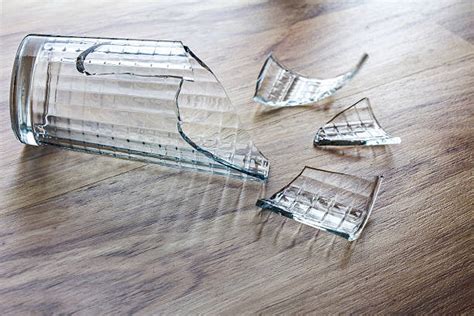
A dropped glass beside the kitchen island, a stained sofa after a rainy beach afternoon, or a cracked patio chair can turn a relaxing trip into a stressful moment. Rental damage questions often feel urgent because guests want to do the right thing without worrying about unexpected charges. Clear communication, timely reporting, and an accurate record usually protect everyone involved.
Vacation homes experience more use than a typical residence, especially in a coastal destination where sand, salt air, wet swimsuits, and busy family schedules come with the territory. Normal use and guest-caused damage are not the same thing. Knowing the difference helps guests respond confidently and helps property managers resolve issues fairly.
What Counts as Rental Damage?
Rental damage generally means harm to a home, its furnishings, or its equipment beyond ordinary wear and tear from regular use. A broken lamp, damaged television, missing key, torn upholstery, or burn mark may fall into this category when a guest, member of the guest's party, or visitor caused the issue.
Normal wear and tear looks different. A slightly worn towel, a scuffed floor in a high-traffic entryway, or a patio cushion faded by Florida sun reflects ordinary use over time. Guests should not assume every worn item creates a charge. Professional property managers inspect homes regularly and account for the natural aging of furnishings and equipment.
The details matter. If a dining chair breaks while someone uses it normally, the chair's condition may play a role. If a chair breaks because someone stood on it or moved it roughly, the situation may lead to a different outcome. A fair review considers what happened, the condition of the item, and the available documentation.
Be sure to leave the doors, windows and sliding doors in your vacation rental closed when you go out. This prevents the local birds and wildlife from causing avoidable damage to your vacation rental. Guests who do leave the vacation rental unsecured when they leave will be charged for this type of damage.
Rental Damage Questions to Ask Before You Arrive
The best time to understand your vacation rental's damage policy is before an accident happens. Review the rental agreement and check-in information for the property's rules on damage deposits, damage protection plans, cleaning expectations, and reporting procedures.
A refundable security deposit and a damage protection plan work differently. A security deposit provides funds in advance that a manager can use for eligible charges after your stay. Security deposits are typically refundable less any damages that are deducted. A damage waiver protection plan covers certain accidental damage up to a stated limit, subject to exclusions and policy terms. With a damage waiver plan, guests pay a smaller, non refundable amount per booking and are required to report damage when it occurs to qualify for coverage. Neither option gives guests permission to disregard the home or to avoid reporting damages when they occur.
Before arrival, guests should know who to contact, whether the property provides an after-hours number, and what situations require immediate notice. They should also understand rules that can prevent avoidable loss, such as limits on occupancy, pet restrictions, smoking rules, parking requirements, and instructions for grills, pools, balconies, and beach equipment.
What to Do When Damage Happens
Report the issue as soon as possible. Waiting until checkout can make a simple problem harder to verify, and it may prevent a manager from making a quick repair during the stay. Early notice also shows good faith. With damage waiver programs immediate reporting is required so be sure to contact the property manager to let them know about any damages as soon as possible to be qualified for coverage.
Start by making the area safe. If broken glass, exposed wiring, water, or another hazard creates a risk, keep children and pets away from the area. For an active emergency such as a fire, serious injury, or immediate threat to safety, contact emergency services first before contacting the property manager.
Notify the property manager using the approved contact method. Give a short, factual explanation of what happened, where it happened, and when you noticed it. Avoid guessing about causes or attempting a repair unless the manager directs you to do so. A well-meaning repair can create additional damage or make it difficult to assess the original issue. If you asked to turn off the water to the unit or flip an electrical breaker, please cooperate with your manager to mitigate further damages.
Take clear photos when appropriate. Photograph the damaged item, the surrounding area, and any relevant details, such as water on the floor near a leaking appliance. Keep the images for your records. If the problem involves a maintenance concern rather than an accident, photos still help the manager send the right vendor or maintenance professional.
Do not discard broken pieces, move damaged furniture, or replace an item on your own unless the property manager asks you to do so. The team may need to inspect the item, confirm a model number, or determine whether a repair will solve the issue.
How Property Managers Review Damage
A disciplined property manager does not rely on assumptions. The review should begin with the guest's report, inspection findings, pre-arrival condition records, checkout observations, and vendor estimates when needed. This process protects responsible guests from unsupported charges and helps owners protect the condition of their homes.
Managers may also consider an item's age and expected useful life. A guest should not automatically bear the cost of replacing an older item with a brand-new premium version when a reasonable repair or prorated value better reflects the loss. At the same time, significant damage may require full replacement if repair cannot restore the item to safe, usable condition.
Some issues involve more than the visible item. A spilled drink on a rug may need professional cleaning. A damaged smart lock may require reprogramming and security review. A missing parking pass, key fob, or pool access device may require replacement and deactivation. The manager should explain applicable charges clearly and provide the basis for the decision under the rental agreement.
Common Situations That Cause Confusion
Sand itself does not usually create a damage charge. Panama City Beach vacations naturally bring sand into entryways, bathrooms, patios, and vehicles. Guests should follow the home's cleaning instructions and use outdoor rinsing areas when provided, but managers should distinguish routine beach cleanup from excessive neglect or damage to plumbing, flooring, or furnishings.
Pets create another frequent question. A pet-friendly property still requires guests to manage their animals responsibly. Chewed furniture, scratched doors, pet stains, and waste left behind usually result in charges even when the home allows pets. Guests should confirm pet rules before booking because most vacation rentals in Panama City Beach are not able to welcome pets due to Condo Association rules.
Weather-related problems require careful attention as well. A guest does not cause storm damage, but guests should follow local safety guidance and property instructions during severe weather. Leaving doors or windows open during heavy rain, for example, can cause preventable interior damage. Report water intrusion or wind-related issues immediately so the manager can protect the home.
How to Avoid Unnecessary Disputes
Take a few minutes at check-in to look through your vacation rental. If you notice damaged blinds, stained bedding, missing kitchen items, or a malfunctioning appliance, report it promptly. You do not need to document every small imperfection, but early notice establishes that the condition existed before or at the start of your stay.
Treat the home as you would a friend's well-kept beach house. Follow occupancy limits, keep food and drinks away from electronics and upholstered furniture, supervise children around balconies and pools, and use furnishings for their intended purpose. Bring beach toys and wet gear in carefully, and never use indoor towels provided with your vacation rental for beach cleanup.
To avoid missing items in the vacation rental, do not take towels, blankets, pillows or kitchen items to the beach. It's very easy to leave things behind or to damage this type of item at the beach.
At checkout, complete the requested steps and take a final look through closets, drawers, outdoor spaces, and under beds. This helps prevent missing-item questions and gives you one last chance to report an issue. If you receive a damage notice after departure, respond promptly and ask for the documentation needed to understand the charge.
The Best Outcome Starts With a Prompt Report
Accidents happen, even during carefully planned vacations. The strongest response is not to hide the problem or wait for someone else to find it. Report it quickly, provide clear information, and allow the property manager to assess the situation. That approach keeps small issues from becoming larger ones and helps everyone focus on what matters most: a safe, well-cared-for home and a vacation that remains worth remembering.