

Emerald Beach Properties
How to Choose Your Perfect Place in PCB With Confidence

The difference between a great beach vacation and a frustrating one often comes down to the walk from your door to the sand. Beachfront rentals put the shoreline at the center of the trip, but not every property delivers the same access, layout, comfort, or level of management. Before you book, look beyond the view and confirm how the home will support the way your group actually plans to spend its time.
What Beachfront Really Means for Your Stay
Guests often use “beachfront” to describe any property near the water. In practice, the term can cover several different settings. A Gulf-front condo may sit directly on the beach with private or shared access. A resort property may face the water but require an elevator ride, a walk across a pool deck, or a trip through a public access point. A beach-area home may offer a short walk rather than direct frontage.
None of these options is automatically better. A family traveling with small children may place the highest value on a direct route back to the condo for naps, snacks, and sunscreen. Friends planning long pool afternoons may prefer a building with broad amenity space and easy access to restaurants. The right choice depends on your priorities, not simply the label.
Review the property description closely and look for practical details: the building location, the beach-access route, floor level, elevator availability, and whether the property faces the Gulf or looks toward another part of the resort. A clear understanding of those details prevents surprises after arrival. Look at the photos in the listings and read the descriptions carefully and if you have any questions, call the management company or individual you are renting from.
Start With Your Group, Not the View
A wide balcony and bright water views matter, but your group needs a functional place to sleep, cook, gather, and reset after a day in the sun. Start by identifying how many people will travel, how many beds they need, and whether anyone needs a first-floor option, elevator access, or fewer stairs.
Bedroom count alone does not tell the full story. Review the bedding configuration. A two-bedroom property with a king bed, two full beds, and a sleeper sofa accommodates people differently than a two-bedroom with only one bed in each room. Families with teenagers, multigenerational groups, and couples traveling together each need different levels of privacy.
Also consider the time you plan to spend inside. If your group expects to prepare breakfast, pack lunches, and share dinners at the property, kitchen space and dining seating deserve extra attention. If you expect to spend most of the day outdoors and dine out each evening, a smaller unit may serve you well while keeping your budget focused on location.
The balcony can change the experience
For many guests, the balcony becomes the most-used part of a beachfront rental. It offers a place to drink morning coffee, watch afternoon storms pass over the water, or settle in after sunset without leaving the property. Confirm the balcony size, seating, view direction, and access points from the unit. Some properties have more than one balcony or patio. Most main balconies are accessed from the great room but there may also be access from one or more bedrooms and dining areas, too.
Higher floors often deliver a broader Gulf view and more distance from pool & deck activity. Lower floors can make trips to the beach, parking area, and lobby faster. Neither choice fits everyone. Travelers who dislike elevators or want quick returns from the sand may value lower floors, while guests booking for the view may prefer elevation.
Check the Details That Affect Daily Convenience
The best listings answer operational questions before you need to ask them. Examine the practical features that shape every day of your vacation: parking, laundry, kitchen equipment, Wi-Fi, entry procedures, and beach access.
Parking deserves particular attention in busy beach communities. Ask how many vehicles the reservation allows, where guests park, whether the property assigns spaces, and whether the building charges registration or parking fees. Almost all complexes in PCB charge a guest registration fee in addition to your reservation that covers parking and property amenities. You may be asked to register and pay in advance on line to speed up the check in process. Please follow instructions provided to you for registration. A property that suits your group inside can still create stress if it cannot accommodate the vehicles you bring. If you do arrive with too many vehicles, the City of PCB operates several pay to park lots that you can use. Also, some property managers like Emerald Beach Properties, have limited overflow parking facilities that you may be able to use.
Laundry also matters when you are vacationing at the beach. In-unit washers and dryers help families manage wet swimsuits, beach towels, and longer stays. For a quick weekend, shared laundry facilities may work perfectly well. For a full week with children, in-unit laundry often earns its place on the must-have list. Keep in mind that you should bring your preferred laundry detergent, softener, etc or you can purchase it when you pick up groceries. Most vacation rentals only provide starter packs of these items for guests.
Do not assume every kitchen includes the same equipment. Most vacation rental kitchens in PCB offer a full-size refrigerator, dishwasher, coffee maker, cookware, and enough dishes for the group. If a specific item matters to your plans, verify it before booking. Some units do have crock pot style cookers and other small appliances. Please confirm these if they are important to you. Starter packages for paper towels, toilet paper, dishwasher detergent, coffee filters or pods, etc. won't last for more than a day or two so, please bring these items with you.
Understand Resort and Beach Conditions
Beachfront rentals come with natural variables that no property manager controls. Gulf conditions change with the weather. Wind, surf, marine life advisories, seaweed, and beach flags can affect swimming plans from one day to the next. Build some flexibility into your itinerary, especially when children or strong swimmers have different expectations for water time.
Season also changes the feel of Panama City Beach. Peak summer weeks bring warm water, active beaches, and higher demand. Spring and fall can offer comfortable weather with a different pace, though conditions vary. Winter travelers may find quieter stretches of shoreline and more availability, but they should plan for cooler temperatures. Many complexes provide one or more heated pools during the cooler months. If this is important to your trip, be sure to confirm availability when booking.
Amenities add value, but they also create trade-offs. A large pool deck, fitness room, hot tub, grilling area, or beach service can improve a stay. At the same time, popular amenities attract more guests and more activity. If quiet matters most, look for a property and building environment that better matches that preference.
Ask about beach service and local rules
Some properties coordinate beach chair and umbrella service, while others leave those arrangements to guests. Availability, included setups, and seasonal operations can differ by property. Confirm the details if shaded seating ranks high on your list.
Follow posted beach flags and property rules throughout your stay. These rules protect guests, preserve shared spaces, and help everyone enjoy the property without avoidable conflict. Be sure you understand the local rules for the beach that are in force at the time of your stay. The No Trace Left Behind Ordinance requires that all items be removed from the beach every evening. If chairs or pop up tents are left on the sandy beach overnight, they will likely be removed by the City or County when trash collection occurs every night. Responsible beach days start with awareness, not assumptions.
Book Through a Professional, Responsive Manager
A well-managed rental gives you more than a reservation confirmation. It gives you clear arrival instructions, accurate property information, a dependable contact path, and support if an issue requires attention. That matters when you have traveled hours to reach the beach and want to spend your time on the sand rather than sorting out logistics.
Before you reserve, read the booking terms with care. Confirm the total cost, payment schedule, cancellation policy, minimum-age requirements, occupancy limits, pet policy, and check-in and check-out times. Transparent terms allow you to make a decision with full information.
Direct communication also helps you match the property to your needs. Tell the rental team if your group includes young children, older relatives, guests with mobility concerns, or anyone who needs a particular sleeping arrangement. A professional manager can clarify what a property offers and help you avoid booking a unit that does not fit.
Emerald Beach Properties focuses on vacation rentals in the Panama City Beach area and understands that reliable information matters just as much as an attractive photo. Guests should expect clear details, respectful service, and a property that aligns with the reservation they made.
Make Location Work Beyond the Sand
A beachfront address creates immediate access to the Gulf, but the surrounding area still shapes your vacation. Consider your preferred balance of convenience and quiet. Some guests want to walk to dining, attractions, and ice cream shops. Others want a calmer setting where the sound of the water carries farther than nearby traffic.
Think about grocery runs, airport or driving routes, restaurant plans, and the ages of everyone in your group. A central location can reduce driving time during a short stay. A more removed location may offer a less crowded atmosphere and more room to settle into a slower routine.
Your best choice will not look identical to another traveler’s. Choose the beachfront rental that makes daily life easy for your group, confirms its details clearly, and gives you more time with your feet in the sand than in the car.
Edgewater Beach Resort in Panama City Beach Florida

A stay at Edgewater Beach Golf and Tennis Resort in Panama City Beach can put your group close to the Gulf, resort-style recreation, dining, and the conveniences that make a beach vacation easier to manage. But Edgewater is not a single, identical hotel experience. The property includes a range of privately managed accommodations, and the building, view, layout, furnishings, and included features differ by unit.
That distinction matters when you travel with children, plan meals in the condo, need room for several couples, or expect a particular beach access route. A confident booking starts with understanding what the resort offers as a whole and what your specific vacation rental provides.
What Makes Edgewater a Practical Vacation Choice
Edgewater is located in the center of Panama City Beach, where guests can balance time on the sand with easy access to everyday needs. The location works well for travelers who prefer to park once, settle in, and spend more of the trip enjoying the coast instead of crossing town for every activity.
The resort setting appeals to different types of guests for different reasons. Families often value the pool areas, open outdoor space, and proximity to the beach. Couples may prioritize a Gulf view, a private balcony, and a quieter place to begin or end the day. Groups can benefit from condo-style layouts that provide more shared living space than a standard hotel room.
The trade-off is simple: a larger resort environment can feel active during peak travel periods. Spring break, summer holidays, and popular event weekends bring more guests to the beach, pools, parking areas, and nearby restaurants. Travelers who want a more relaxed atmosphere should consider travel dates outside the busiest weeks and choose a unit location that supports their preferences.
Understanding Edgewater Beach Resort Accommodations
When guests search for an Edgewater Beach Resort in Panama City Beach rental, they often assume every condo follows the same floor plan and furnishing standard. Privately owned vacation rentals do not work that way. Owners and management companies may update units at different times, select different furnishings, and offer different sleeping arrangements. Pay special attention to the photos and descriptions in each listing to see what each individual unit offers.
Read the individual property description before you book. Confirm the number of bedrooms and bathrooms, the bed configuration, maximum occupancy, balcony type, view, and whether the unit sits in a beachfront building or another area of the resort. Photos should show the actual rental whenever possible, not only general resort images.
Match the Layout to Your Group
Edgewater Beach Resort is made up of 3 beachfront high rise towers and the Villas which are across the street or sky bridge from the beach. The high rise towers are made up of traditional one, two and three bedroom condos with come 2 story penthouses. The Villas are studio, one bedroom, two bedroom or three bedroom townhouse style units. The resort offers tram service throughout the resort and guests staying in the Villas really enjoy having the tram available to give them a short ride to the beach.
A one-bedroom condo/villa or studio may work well for a couple or a small family, especially when the living area includes additional sleeping space. Larger families and multi-generation groups often find that two- or three-bedroom accommodations offer a better experience because they create separation between sleeping areas and shared spaces. Some of the penthouses have two levels with an added deck on the upper level for a really special experience.
Do not base your decision on the maximum guest count alone. Consider how your group will live in the space. Two families may technically fit in one condo, but a second bathroom, a full kitchen, and a dedicated dining area can make a significant difference after several days together.
If you plan to prepare meals, review the kitchen details. All Edgewater units have a full-size refrigerator, cookware, dishes, and a dishwasher, but inventory can vary. Confirm whether any specialty items are provided with the particular unit you are renting. Bring or purchase specialty items you rely on that are not provided, particularly if you expect to cook for a large group.
Choose Your View and Building Carefully
A Gulf-front view, like the condos in the 3 beachfront towers delivers the classic Panama City Beach experience: morning light on the water, changing weather over the horizon, and the sound of waves from the balcony. For many guests, that view justifies a higher nightly rate.
The Villas offer value, more space, and closer proximity to amenities such as Golf, Tennis, Pickleball, the Fitness Center and nearby pools while sitting farther from the beach. That option may suit guests who expect to spend most of the day at the beach, pool, attractions, or restaurants rather than on the balcony. Neither choice is automatically better. Your priorities should decide which type of unit you choose to book.
Amenities: Confirm What Applies to Your Stay
Resort amenities definitely influence the booking decision, but guests should verify current availability and access rules before arrival. Maintenance, weather, seasonal scheduling, and property policies can affect pools, fitness areas, sports facilities, shuttle service, or food-and-beverage operations.
Edgewater’s resort environment commonly attracts guests looking for more than beach access alone. Pool time gives children a change of pace from the Gulf, and on-site or nearby recreational options can fill an afternoon when rain moves through. Still, guests should avoid building an itinerary around a single amenity unless they have confirmed its status for their dates.
Ask clear questions before booking if an amenity will make or break the trip. Reservations at Edgewater require all guests to register and pay the Association's fee. Some management companies like Emerald Beach Properties include this registration in the total reservation charge. These companies handle registration for their guests. Other management companies and most units managed by owner require guests to handle this detail of the trip. Confirm whether the rental includes required registration, wristbands, parking credentials, or resort access fees. Also ask about beach chair rentals, if those matter to your plans. Beach chair rentals are provided by some units but most do not provide them. Once you arrive, you can visit the beach attendant to book beach chairs and pool side cabanas for your stay. There is an additional charge for beach chairs, reserved pool chairs and cabanas.
Plan for Arrival, Parking, and Check-In
Smooth arrivals rarely happen by accident. Panama City Beach traffic can increase sharply on weekend turnover days, holiday weekends, and summer afternoons. If your schedule allows, arrive with time to pick up groceries, review check-in instructions, and unload without rushing.
Your vacation rental manager should provide direct instructions for entry, parking, and guest registration. Follow those instructions exactly. Resort properties may enforce parking procedures, vehicle limits, and parking pass display requirements, particularly when occupancy runs high. A group traveling in several cars should confirm parking allowances before arrival at the resort.
Pack a small arrival bag with medication, chargers, swimsuits, sunscreen, and a change of clothes. Check-in times exist because housekeeping teams need time to inspect and prepare each property between guests. Having essentials available lets your group start the vacation comfortably even if luggage, groceries, or the full unpacking process takes longer than expected.
Make the Most of the Surrounding Area
The central location gives guests access to more than the sand. You can plan a simple day around a beach morning, lunch nearby, an afternoon at the pool, and dinner without committing to a long drive. That flexibility helps families with young children and groups with different energy levels.
For a better beach day, go early. Morning hours often offer cooler temperatures, easier parking if you leave the resort, and more room to choose a spot near the water. Conditions on the Gulf can change quickly, so pay attention to posted beach flags and follow local safety guidance. A calm-looking shoreline does not eliminate currents or changing surf conditions.
Keep your schedule realistic. Panama City Beach has plenty to do, but over-planning can turn a relaxing trip into a series of reservations and car rides. Leave open time for the moments guests usually remember most: coffee on the balcony, a walk at sunset, and an unhurried afternoon when no one needs to be anywhere else.
Questions to Ask Before You Reserve
Before you commit to a specific unit, confirm the details that affect comfort and total cost. Ask whether the quoted price includes cleaning, reservation, parking, and resort-related charges. Review the cancellation policy, damage protection terms, and payment schedule so there are no surprises later.
You should also confirm the actual sleeping arrangement of the unit you are cooking. In PCB, linens and bath towels are usually supplied and in Edgewater all units have in unit laundry. The Edgewater Association does not allow guests to bring pets. The person responsible for the reservation must be at least 25 years of age. Large gatherings are not allowed and smoking is regulated by each individual condo and area of the resort so follow the posted signs. If anyone in your group has mobility concerns, the towers have elevator access, but the Villas do not have elevators. Confirm walking distances, entry steps, and the route to the beach rather than assuming every building offers the same setup.
A well-chosen Edgewater condo or villa gives your trip a reliable home base: a place to dry off after the pool, share a meal after a beach day, and watch the Gulf settle into evening from a balcony or nearby shoreline.
At Emerald Beach Properties, we believe clear property information supports better vacations. The right rental is not simply the one with the most attractive photo. It is the one that fits your group size, travel dates, budget, and expectations before you arrive. Just e-mail, text or give us a call and we can answer your questions and help you find your Perfect Place in Panama City Beach, FL! See you at the beach!
Choosing a Resort for Your Family Vacation in PCB

A strong family friendly resort review starts before anyone packs a swimsuit. Families do not judge a vacation rental home by a single photo of a bright living room or a wide Gulf view. They judge it by the moments that shape each day: whether meals feel manageable, whether the walk back from the beach works for tired little legs and overloaded beach bags and whether the layout suits the family's needs.
For a Panama City Beach vacation, the right vacation rental can give a family room to settle in while keeping the beach, pools, dining, and activities within reach. The wrong fit can create issues that no ocean view fully solves. A useful review looks beyond star ratings and identifies how a property supports the way your family actually travels.
What a Family Resort Rental Review Should Cover
A resort setting offers more than an individual condo. It usually includes pools, controlled property access, elevators, shared parking, beach services, fitness areas, and on-site rules that affect your stay. Those features can make a trip easier, but they also introduce practical questions.
Start with the property itself. Confirm the number of bedrooms, bed sizes, bathroom count, and maximum occupancy. A listing that sleeps eight may work well for two parents and several young children, but it may feel tight for two families with teenagers. Sleeping capacity tells only part of the story. Bedroom placement, storage, bathroom access, and the size of common areas often determine whether everyone has enough space. Check the listing for an example floor plan that is usually included as one of the unit photos.
Then consider the resort’s layout. A Gulf-front building may offer exceptional views, yet a high-floor unit can add elevator time at the busiest parts of the day. A unit closer to a pool may suit families with older children who want frequent swim breaks, while a quieter location can better serve families with infants or early sleepers. Neither option wins in every situation. Your daily routine should guide the decision.
Space Matters More Than a Large Occupancy Number
Families need usable space, not just a number on a booking page. Look for a kitchen with enough counter space for breakfast, lunch supplies, and snacks. Check whether the dining area seats your group. A full kitchen helps families control meal costs and avoid the pressure of eating every meal out, especially after a long beach day. Plenty of dining space also allows for ordering in and game nights, too.
Living areas deserve the same attention. A comfortable shared space gives everyone a place to regroup during afternoon rain or after sunset. In a well-planned rental, one person can prepare dinner while children play a game or watch a movie nearby. That small convenience can change the tone of a weeklong stay.
For families traveling with babies or toddlers, plan for the equipment you use every day. Confirm whether the rental provides a crib, high chair, or pack-and-play if those items matter to your trip. If it does not, make arrangements before arrival. Also check balcony access, rail spacing, door locks, and the distance between bedrooms and outdoor areas. Families should be prepared to handle safety concerns as they arise. Most families with small children travel with everything they need to make sure the little ones will remain safe.
Beach Access Changes the Entire Day
A property can be near the Gulf and still require a complicated trip to the sand. Review the route from the rental to the beach with the same care you give the floor plan. Is the building directly on the beach? Does the resort use a private boardwalk or a public access point? Are there stairs, long pathways, or crowded crossings? These details matter when you carry chairs, towels, sunscreen, snacks, and a sleeping child at the end of a long beach day.
Beach service can also affect convenience. Some properties include chairs and umbrellas, while others offer them for an added cost or allow guests to bring their own gear. Confirm the current arrangement rather than assuming it comes with the rental. A shaded setup can make a full beach day more comfortable, particularly for younger children, but families should understand the cost and reservation process before they arrive.
Consider how easily you can return to the unit. A quick trip upstairs for lunch, a restroom break, or a forgotten float can keep the day moving. A longer return route may encourage families to pack more carefully and stay down longer. Neither choice creates a problem if you set the right expectations.
Pools Need Rules, Not Assumptions
Resort pools often rank high on a family’s wish list, especially when the Gulf conditions turn rough or a child needs a break from waves. Still, pool features vary widely. Ask about pool hours, heated pool availability, age restrictions, wristbands, and whether the resort limits pool access during seasonal demand.
Families should also review the rules around pool use and conduct. Clear rules protect guests and help the property run smoothly. A well-managed resort sets expectations upfront, and guests who understand them avoid unnecessary interruptions during their stay. Most resorts do not allow pool noodles or float toys but do allow water wings for little ones, food must be consumed at least 6 feet away from pools, glass containers are generally not allowed on pool decks, and adult supervision of children is required for everyone's safety. Running on pool decks and throwing toys is also not allowed for safety.
Read Fees and Policies With the Same Care as Reviews
The nightly rate never tells the whole story. Families should review cleaning fees, booking fees, parking costs, resort fees, damage protection, taxes, and any charges for extra parking passes. A transparent total lets you compare rentals fairly and protects your vacation budget from surprises.
Parking deserves special attention in beach resorts. Confirm how many vehicles the reservation allows, where guests park, and whether the garage has vehicle height limits. Larger SUVs, roof racks, and oversized vehicles may not fit every garage. If extended family members drive separately, verify the policy before they travel.
Cancellation terms also matter. Weather, school schedules, illness, and work demands can alter even carefully planned trips. Read the cancellation policy before booking and consider travel protection coverage when it fits your circumstances. No policy removes every risk, but clear terms allow families to make decisions with confidence.
How to Read Guest Reviews Without Getting Misled
Guest reviews offer useful evidence, but they require context. Focus on recurring comments rather than one unusually enthusiastic or unhappy report. If several guests mention clean rooms, responsive communication, accurate photos, or an easy check-in process, those patterns deserve attention. The same applies when multiple guests describe elevator delays, noise, worn furnishings, or difficult parking.
Pay attention to who wrote the review. A couple on a weekend getaway may value a resort differently than a family traveling with school-age children. Look for reviewers with a similar group size, travel season, and set of priorities. Their experience will likely tell you more about your own stay.
Recent reviews matter most because resort operations, furnishings, nearby construction, and local conditions can change. Balance them with the property description and direct answers to your questions. A professional vacation rental manager should communicate clearly about what the home includes, what the resort requires, and what guests should plan to bring.
Questions Worth Asking Before You Book
Before you commit, confirm the check-in process, the exact parking arrangement, beach access, and the items included in the rental. Ask whether the unit has a washer and dryer, how many towels the property supplies, and whether the kitchen includes the cookware your family expects to use. If anyone in your group has mobility needs, ask about elevator access, entry steps, shower configuration, and the route to the beach.
You should also ask about construction, maintenance, or seasonal work that could affect balconies, amenities, parking, or common areas during your dates. This is particularly important for off season bookings when many buildings perform maintenance on their properties. For peak season, there's no guarantee or aa silent building or empty pool deck. It does help you choose a property with conditions that match your expectations.
Choose the Stay That Supports Your Family’s Pace
The best rental does not need every resort feature. It needs the right combination of space, access, comfort, and clear management for your family. Some guests want a lively pool deck and walkable entertainment. Others want a quieter balcony, a well-equipped kitchen, and a straightforward route to the sand.
When you evaluate the details before booking, you give your family more room for the parts of a beach vacation that matter most: slow mornings, sandy feet at the door, and time together without avoidable surprises.
Emerald Beach Properties has many different vacation rentals that suit every vacation style. Talk to one of our specialists and they can help you find your Perfect Place in Panama City Beach, FL! See you at the beach!
Resort Roundup: Sunbird Condominiums PCB
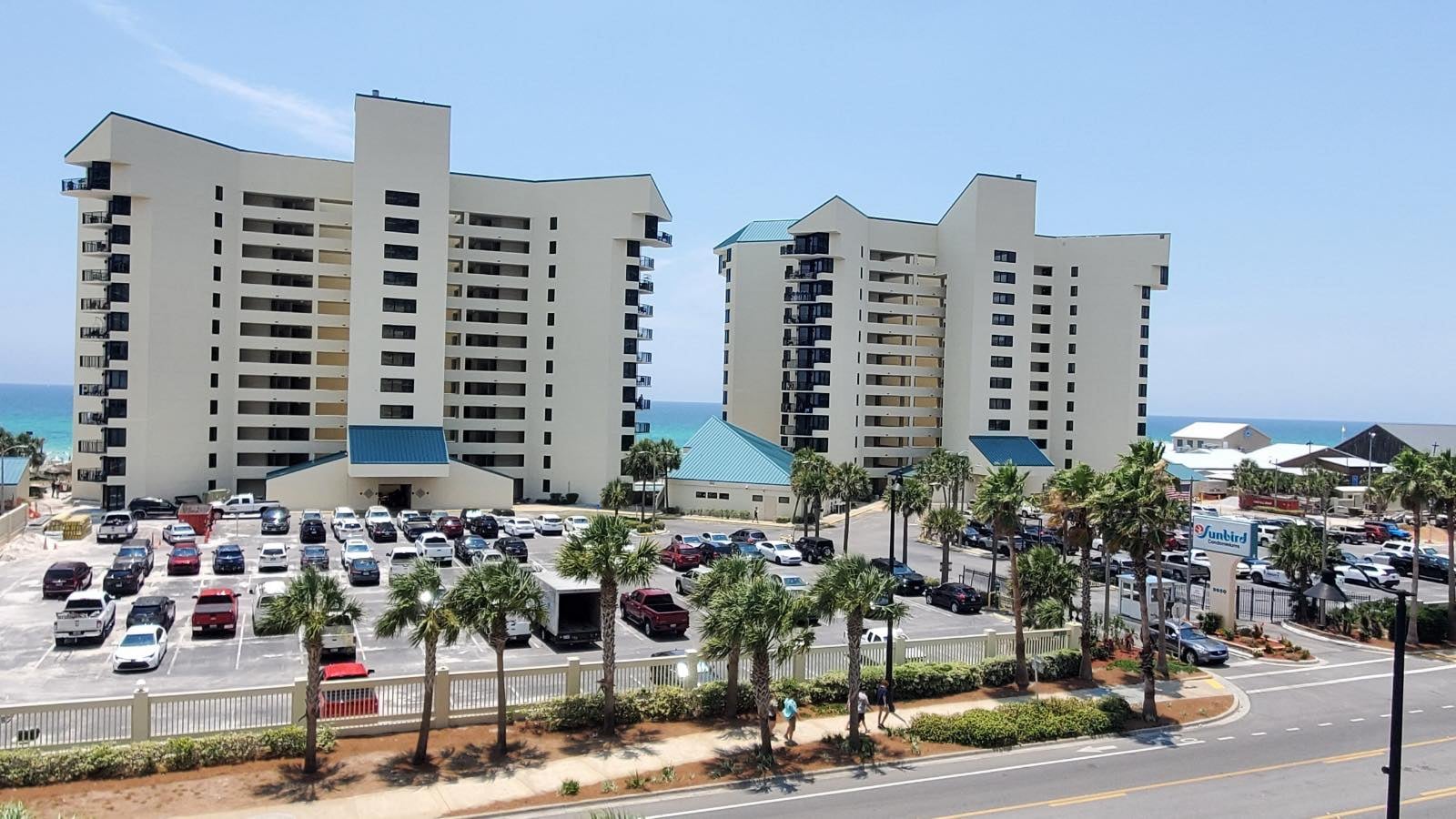
Sunbird Condominiums in PCB puts you in the heart of Panama City Beach’s active beachfront corridor, where sandy mornings, casual dining, family attractions, and sunset walks are close at hand. It can suit travelers who want a condominium stay with a central location rather than a remote resort setting.
The right unit still matters as much as the right building. Condominium rentals vary by owner, which means layouts, furnishings, views, kitchen equipment, and included extras can differ from one vacation rental reservation to the next. A careful review of the individual listing helps you choose a stay that fits your group instead of relying on a building name alone.
What Makes Sunbird Condominiums a Practical Choice
Sunbird appeals to guests who want direct access to the beach without giving up the convenience of a central Panama City Beach address. The surrounding area puts everyday vacation needs within easy reach. You'll find restaurants, souvenir shops, activities, and grocery options nearby, which can make a meaningful difference for families balancing beach time, meals, and tired children.
The Sunbird Condominium one bedroom, one bathroom format also gives travelers more flexibility than a traditional hotel room. Having a full kitchen simplifies breakfasts, packed lunches, and relaxed dinners after a full day outdoors. Separate sleeping and living areas, give families room to spread out. That setup works particularly well for couples traveling with children, friends sharing a trip, or guests planning a longer beach stay.
The trade-off comes with the location’s popularity. Central beachfront areas draw visitors during peak seasons, holidays, and major event weekends. Expect more activity on the beach, busier nearby roads, and a livelier setting than you might find in a quieter west-end or east-end neighborhood. For many guests, that energy adds to the experience. For travelers who want maximum quiet, it deserves consideration before booking.
Resort Roundup: Sunbird Condominiums PCB Location
Location shapes the rhythm of a vacation. At Sunbird, guests can structure a day around the beach instead of a parking plan. Start with an early walk along the shoreline, return to the condo for lunch, and head back out when the afternoon light softens. That convenience is very valuable when you are on vacation.
The central setting also makes the property a strong option for guests who prefer to keep their car parked once they arrive. Still, no traveler should assume every nearby destination sits within an easy walk, especially during summer heat or when traveling with young children. Check the specific places you plan to visit, then decide whether walking, driving, or rideshare service makes the most sense.
Sunbird is located right on the beach with direct beach access across the pool deck. The property is gated from both the street and beach sides so make sure to have your gate codes handy. Also, guests must wear wristbands for ID while on property. Beach service is available from spring through early fall. Just check in with the beach kiosk to reserve your chairs. This information is covered in your check in instructions so, please read those before arrival. A clear understanding before arrival prevents small logistical issues from interrupting the first day of your stay.
Sunbird has several additional onsite amenities that are included with your registration. There are 3 beachfront pools, tennis/pickleball courts, beach volleyball, complimentary fitness center and outdoor charcoal grilling areas. This is a great family oriented complex.
Choose the Unit, Not Just the Building
A strong vacation rental decision begins with the individual condo. Two units in the same resort can deliver very different experiences, from the floor plan to the balcony outlook. Read the listing closely and match its details to the way your group actually travels.
All Sunbird Condos are one bedroom, one bath and sleep up to 4 people. Most Sunbird condos have queen sized beds in the main bedrooms and sleeper sofas in the great room. If you are looking for a king bed, look for the "B" units which are in stacks 05 and 08.
Most Sunbird Condos have a beach view, some more direct that others. Check the listings for photos to see the view from a particular unit.
Prioritize the view and floor level
For some guests, a Gulf-facing balcony defines the trip. Others care more about a lower floor, easier access, or a price that leaves room for activities and dining. Neither choice is automatically better. A higher-floor unit may offer a broader view, while a lower-floor unit can reduce elevator dependence during busy weeks.
Confirm how the listing describes the view. Terms such as Gulf front, Gulf view, and pool view do not mean the same thing. Look at the photos, read the description, and ask questions before you reserve if the view will influence your decision.
Match bedding to your real group size
Sunbird condos typically have a master bedroom with a queen or king bed and a great room with a sofa bed. The bathroom opens to the main bedroom and to the great room. Adults usually sleep in the main bedroom and the kiddos take the sofa bed.
Sunbird kitchens have full sized appliances and are perfect for guests who plan to cook several meals. Cookware, dinnerware, flatware and countertop appliances are included.
Review the details that affect arrival
Parking rules, check-in instructions, elevators, access codes, and property policies can shape your experience before you ever step onto the beach. Read them in advance. Sunbird only allows one vehicle per reservation and guests must register with the Association on line in advance. The cost of registration is not included in the reservation cost so, remember to add that into your vacation budget. Once you are checked in, the automatic gate will read your tag number and open automatically.
Plan for the Beach, the Weather, and the Season
Panama City Beach delivers beautiful beach days, but the coast also requires flexibility. Weather can shift quickly, especially in warmer months. Build a vacation plan that leaves room for a slow morning, a rain break, or a change in beach conditions.
Check local flag conditions before entering the water and follow posted beach safety guidance. Gulf conditions can look calm from the sand while currents create real hazards offshore. Adults should keep children close, avoid overestimating their swimming ability, and choose caution when flags call for it.
Season affects more than the forecast. Spring and summer bring stronger crowds and a more active atmosphere. Fall often attracts guests who want warm water, lighter crowds, and a slower pace. Winter can offer a quieter coastal escape, though temperatures and available seasonal services may vary. The best time depends on whether your group values activity, budget, warm swimming weather, or a peaceful beach walk.
Questions to Settle Before You Book
Before you commit to a Sunbird condominium rental, make sure the listing answers the questions that can affect your stay. Confirm the number and type of beds, the unit’s view, parking arrangements, minimum-age requirements, and any fees that apply to your reservation. Ask about current pool access, construction activity, elevator updates, or amenity schedules when those factors matter to your group.
You should also review cancellation terms carefully. Beach travel plans sometimes change because of weather, work schedules, or family needs. Clear terms help you make a decision with realistic expectations rather than assumptions.
For guests who need a specific feature, written confirmation provides the best protection against disappointment. That might include step-free access, a particular parking need, a pet policy, internet requirements for remote work, or space for beach equipment. A professional reservation process should make those answers easy to obtain.
Make the Most of a Central Beach Stay
Sunbird works best when you use its setting to keep the trip simple. Bring a small beach bag you can carry easily, plan grocery shopping early, and reserve your most important dinner plans ahead during high-demand weeks. Leave open time in the schedule, too. Some of the best Panama City Beach moments come from an unplanned sunset, a walk at low tide, or an extra hour on the balcony after the crowds thin out.
Choose the condo that supports the vacation you want, not the one with the longest feature list. A well-matched unit, clear expectations, and a location that puts the shoreline close can turn an ordinary beach trip into time your group will want to repeat.
Is a Vacation Condo Investment in PCB Worth the Risk?

A Gulf-view balcony can make a vacation condo investment feel straightforward: buy near the water, welcome guests, collect rental income. The purchase only works, however, when the property produces reliable revenue after every operating cost, association restriction, financing obligation, and reserve requirement. The view creates demand.
For buyers considering Panama City Beach, the right condo can offer personal enjoyment, rental potential, and long-term ownership in a destination with broad appeal. Families return for the beach, seasonal events, fishing, and easy access to the coast. Still, no two complexes are alike. A strong unit in a well-run condominium can outperform a larger unit in a poorly governed property with restrictive rental rules or rising assessments.
Start a Vacation Condo Investment With the Real Numbers
Begin with the complete cost of ownership, not the listing price or a headline rental projection. Your acquisition budget should include the down payment, lender fees, closing costs, insurance, furnishing needs, initial supplies, and any immediate repairs. A condo that needs new flooring, replacement appliances, or updated furnishings may require a larger first-year cash commitment.
Then build an annual operating statement. Use conservative gross rental revenue based on comparable units, unit size, building amenities, condition, seasonality, and current market competition. Do not rely on a single busy holiday week to justify the purchase. Review demand across the full calendar, including shoulder seasons and periods when weather, travel patterns, or local supply may reduce bookings.
Subtract every recurring expense: condominium association dues, property taxes, insurance, utilities, internet, repairs, pest control, cleaning-related costs, licensing, supplies, and management fees. If the association charges for parking, trash, security, amenity access, or special services, include those costs as well. Your estimated net income should withstand a slower year without forcing you to fund normal expenses from personal savings.
If your plan is to use the property for personal use more than a couple of off season weeks per year, you'll need to factor that in to your decision as well. When you are using your vacation condo, you won't be earning rents.
Separate Gross Revenue From Owner Return
Gross rental revenue can look impressive, especially in a popular beach market. It does not represent your return. Owners need to evaluate net operating income, debt service, income taxes, and capital expenses separately.
For example, a unit may generate strong bookings but still produce limited cash flow after insurance, association dues, mortgage payments, and periodic replacements. Furniture, mattresses, televisions, HVAC components, and kitchen equipment wear faster in heavily rented homes. Set aside reserves for these predictable costs instead of treating them as surprises.
Read the Condominium Documents Before You Commit
The condominium association can shape the economics of the property as much as the unit itself. Before you submit an offer or complete a due-diligence period, review the governing documents carefully. Confirm that the association permits short-term rentals and understand every condition attached to that approval.
Some buildings require minimum rental stays. A few complexes limit the number of rental units allowed in the building. Most condo complexes in PCB require guest registration fees paid for each rental, restrict pet access, regulate parking, or set rules for balcony use and amenities. These provisions affect guest experience, booking flexibility, and your ability to compete with nearby inventory.
Review the association budget, financial statements, meeting minutes, reserve information, insurance coverage, and record of special assessments. Meeting minutes often reveal issues that financial summaries do not fully explain, such as planned concrete work, elevator repairs, roof concerns, water intrusion, litigation, or disagreements over rental activity. A low monthly association fee does not automatically signal value. It may indicate that the association has deferred maintenance or underfunded reserves.
Ask direct questions about current and pending assessments. Coastal buildings face salt air, wind exposure, heavy use, and ongoing maintenance demands. A well-maintained property can protect value and guest confidence. A building that postpones necessary work can create a costly problem for every owner.
Match the Unit to Actual Guest Demand
Location matters, but unit characteristics matter too. Beach access, floor level, view, parking, elevator reliability, pool access, and proximity to family attractions can influence booking decisions. Guests often compare several properties within minutes. Clear advantages help a unit earn attention when travelers have abundant choices.
Consider who will rent the condo most often. A two-bedroom unit with practical sleeping arrangements may appeal to families who value space and convenience. A one-bedroom unit may fit couples and smaller groups, often at a lower entry price. Neither choice wins automatically. The better fit depends on the building, expected nightly rate, occupancy pattern, and total expense structure.
Buyers should also account for competition. New construction, renovated buildings, and professionally presented listings can shift demand quickly. If your unit needs an upgrade to meet guest expectations, include that work in your purchase analysis. Guests notice worn furniture, weak Wi-Fi, poor lighting, limited kitchen equipment, and inconsistent cleanliness. Those details influence reviews, repeat bookings, and revenue.
Plan for Financing, Insurance, and Reserves
Financing a vacation rental condo differs from financing a primary residence. Lenders may require a larger down payment, higher reserves, or different underwriting for an investment property. Interest rates and loan terms can materially change your monthly carrying cost. Get realistic financing estimates early, then test the investment against several revenue scenarios.
Insurance requires the same level of attention. Understand what the condominium association master policy covers and what you must insure inside the unit. Ask about deductibles, loss-assessment exposure, liability coverage, and exclusions. Coastal insurance costs can change, and owners should leave room in their projections for future increases.
Maintain cash reserves after closing. A reserve fund gives you options when an HVAC system fails, an assessment arrives, bookings soften, or a storm disrupts travel. Investors often focus on whether they can buy the unit. Strong owners also ask whether they can operate it responsibly through an uneven season.
Build an Operating Plan Before the First Booking
A vacation condo requires active oversight. Every guest arrival depends on clean conditions, working systems, accurate property information, responsive communication, and reliable access. Owners who treat operations as an afterthought often lose revenue through poor reviews, preventable maintenance issues, and calendar gaps.
Decide how you will handle pricing, guest screening, housekeeping standards, maintenance coordination, after-hours calls, inspections, and owner use. A professional vacation rental manager can manage these responsibilities, but owners should understand the service scope, fee structure, reporting process, and local market knowledge before choosing a partner.
Emerald Beach Properties focuses on the operational demands of vacation rentals in Panama City Beach. Whether you work with a manager or operate independently, hold the property to a clear standard. Guests should find a clean, accurately represented condo with dependable support when they need it.
Protect the Owner Calendar
Personal use can add real value to a vacation condo, but it also affects revenue. If you block high-demand holiday weeks for family trips, include that decision in your income forecast. There is nothing wrong with buying a property for both personal enjoyment and rental use. Just measure the trade-off honestly.
Owners should also schedule maintenance and upgrades during periods that minimize disruption. A planned refresh before a busy season costs less than an emergency repair during an occupied stay. Good planning protects reviews and gives the condo a better chance to perform when demand peaks.
Make the Decision With Conservative Assumptions
A sound purchase does not depend on perfect occupancy, uninterrupted rate growth, or unusually low expenses. Run a base case that uses realistic revenue, then test a lower-revenue scenario and a higher-cost scenario. If the investment only works under the most optimistic assumptions, it carries more risk than the listing may suggest.
Give yourself time to inspect the unit, review association records, confirm rental rules, obtain insurance quotes, and compare recent rental performance with competing properties. A qualified real estate professional, lender, insurance advisor, accountant, and attorney can each help you evaluate decisions within their area of expertise.
Emerald Beach Properties can assist you in purchasing a vacation rental in Panama City Beach, FL. With our local experience in real estate and vacation rental management, we can help you answer many of these questions as you choose your "perfect place in Panama City Beach."
The right condo should give you more than a compelling view. It should give you a property you can operate with confidence, maintain with discipline, and hold through the normal changes of a coastal rental market.
What Does Vacation Rental Management Include for Owners?

A beachfront condo can produce strong vacation-rental income, but it also creates a steady flow of work for the manager or owner if self managed. Guests ask questions before they book, arrive after long drives, need support during their stay, and expect a clean, fully functioning home when they open the door. Owners who ask, “what does rental management include?” need a clear answer because the scope of service determines both the guest experience and the work that remains on their shoulders.
Professional vacation rental management brings the daily operational work under one accountable team. The exact services vary by company and contract, but a capable manager typically handles the full path from listing a property and attracting guests to inspecting the home after checkout and reporting revenue to the owner.
What Does Rental Management Include in a Vacation Market?
Rental management covers far more than collecting reservations. In a destination such as Panama City Beach, demand shifts seasonally with school calendars, weather, local events, and the seasonal rhythm of the coast. A management team must position a property for the guests traveling at each point in the year while protecting the owner’s home and income.
The work usually falls into five connected areas: marketing and revenue strategy, reservation management, guest service, property care, and owner administration. Each area affects the others. A polished listing can drive bookings, but the property must match its photos. Competitive pricing can attract demand, but slow guest communication can cost a reservation. Strong results require consistent execution across the entire spectrum.
Marketing, Listing Setup, and Revenue Strategy
A manager starts by presenting the home accurately and persuasively. That process often includes professional photography, SEO & AIO strategy, written listing copy, amenity details, occupancy limits, and clear information about parking, beach access, pools, elevators, or resort rules. For a Panama City Beach vacation rental, details such as Gulf views, proximity to public beach access, and family-friendly features can influence a guest’s decision.
Management also commonly includes distribution across booking channels and the company’s direct reservation system. The manager keeps calendars current, prevents double bookings, and updates listing content when the owner adds amenities or when building policies change.
Pricing deserves close attention. Rather than setting one rate for every night, managers should adjust rates based on demand, lead time, length of stay, comparable homes, and local events. High-demand holiday weeks may support higher rates, while a short gap between bookings may call for a targeted adjustment. Revenue management does not guarantee a particular income level. It gives the property a disciplined pricing strategy instead of leaving rates unchanged for months.
Owners should ask how a manager approaches discounts, minimum-stay rules, cancellation policies, and owner-use dates. Those decisions shape occupancy and revenue. An owner who reserves every peak weekend, for example, may enjoy personal use but reduce the home’s highest-earning opportunities.
Reservations and Guest Communication
From the moment a guest sends an inquiry, rental management should create a direct, organized experience. The management team answers pre-booking questions, processes reservations and payments, confirms required agreements, and sends arrival instructions. Clear communication reduces avoidable confusion about check-in times, parking procedures, door codes, and property expectations.
During the stay, guests may need help with a malfunctioning appliance, a missing access code, or a question about the property. A manager serves as the point of contact and delivers a timely response to the guest. That role protects owners from late-night calls while giving guests someone who understands the property and can act quickly.
Guest service also includes setting standards. Managers communicate occupancy limits, pet rules, smoking restrictions, noise expectations, and building requirements before problems develop. When a guest ignores those rules, the management team documents the issue and follows the procedures in the rental agreement. Good hospitality does not mean overlooking damage, unauthorized guests, or conduct that affects neighbors.
Cleaning, Inspections, and Routine Property Care
Every checkout starts a short operational window. A cleaning team must clean the home before the next guest arrives, while an inspection should identify damage, missing inventory, maintenance needs, and safety concerns. Your professional rental manager should coordinates these tasks, verify completion, and record issues for the owner.
For vacation homes, routine care often includes linen service, restocking approved supplies, testing smart locks, checking HVAC performance, replacing batteries, and confirming that televisions, Wi-Fi, and major appliances work as expected. Managers may also coordinate pest control, deep cleans, seasonal checks, and vendor access.
The specifics matter. Some companies include certain supplies or inspections in their base management fee and charge separately for others. Cleaning fees may come from the guest, while repairs, replacement items, and deep cleaning may remain the owner’s responsibility. Owners should review the agreement carefully so they understand who authorizes spending, what dollar amount triggers owner approval, and how the manager handles emergency repairs.
Maintenance and Protection of the Home
Vacation rentals receive more frequent use than a typical second home. Sand reaches entryways, humidity challenges HVAC systems, and guests put daily pressure on furniture, cookware, locks, and plumbing. A management team helps owners keep small concerns from becoming expensive disruptions.
When an issue arises, the manager identifies the problem, contacts an appropriate vendor, tracks the repair, and communicates with affected guests when necessary. For urgent matters such as water leaks, lost access, or safety hazards, a manager needs authority to act immediately. Delaying a response can damage the property, disrupt a guest’s vacation, and lead to avoidable refunds.
Management does not eliminate the owner’s maintenance costs. It provides oversight and coordination. Owners still need to budget for replacement, repairs, upgrades, insurance deductibles, and normal wear. A reputable manager should document material issues clearly and avoid treating an owner’s property as a generic inventory unit.
Financial Administration and Owner Reporting
Rental management typically includes collecting guest payments, applying approved charges, handling security deposits or damage processes where applicable, and issuing owner statements. A useful statement shows rental income, management fees, cleaning charges to owners, maintenance expenses, taxes, and other deductions in a format that owners can review without guesswork.
Managers also track reservation activity, payouts, and expenses. This documentation helps owners monitor performance and prepare information for their tax professional. The manager does not replace an accountant or provide tax advice, but organized records make the owner’s financial review more manageable.
Ask how often the company sends statements and disburses funds, whether it provides year-end reporting, and how it handles guest chargebacks or damage claims. Financial procedures should remain clear, timely, and consistent. Owners place significant trust in a manager who handles guest funds and property expenses.
What May Fall Outside a Management Agreement?
Not every management agreement includes the same services. Major renovations, furnishing a new rental, real estate sales, legal advice, insurance claims, and specialized repairs usually require separate arrangements. Some managers coordinate these projects for an additional fee; others refer owners to qualified professionals.
Local compliance also requires attention. Owners remain responsible for understanding applicable laws, association rules, licensing requirements, and tax obligations, even when a manager helps administer parts of the process. Condominium and resort communities may impose their own registration, parking, wristband, or rental restrictions. A manager familiar with the local market can help owners operate within those requirements, but the contract should define each party’s responsibilities.
Before selecting a manager, owners should look beyond a headline fee. Ask who answers guests after hours, how the company inspects homes, what reporting owners receive, how maintenance approvals work, and how the team responds when a stay does not go as planned. The answers reveal whether the company offers basic reservation support or true property oversight.
The right rental manager should give guests confidence from booking through departure and give owners a clear view of what happens inside their property. That clarity creates the foundation for a well-cared-for home, better guest experiences, and a business relationship built on accountability.
Contact Emerald Beach Properties and let us show you what great vacation rental management is like! [email protected] or call (850) 234-0997. www.EmeraldBeachProperties.com
Direct Booking vs AirBnB or VRBO Rentals for PCB Beach Trips
A Panama City Beach vacation often starts with one practical question: where should you reserve the condo or beach home? The direct booking vs ota (online travel agent) rentals decision affects more than the screen where you enter your credit card. It can shape how you compare properties, who answers your questions, how clearly you understand the rules, and what support you receive before and during your stay.
An OTA, or online travel agency, lists vacation rentals from many different managers and hosts in one marketplace. Direct booking means reserving through the professional property manager’s own website or reservation team. Direct booking usually saves you money and is a better option. If you are a last minute shopper, you might choose an OTA for convenience but it will be more expensive than direct booking.
What Direct Booking and OTA Rentals Actually Offer
OTAs offer reach and convenience. A traveler can search a broad inventory, review general filters, compare dates, and keep several destinations under consideration without leaving one platform. For someone who has not settled on Panama City Beach, an OTA can make early research efficient. It's easy to search on an OTA and find clues about who the local manager for a particular property is so you can contact them directly to save money and have direct contact with the local property manager.
Direct booking offers a closer connection to the company that manages the rental. You can ask property-specific questions before reserving, such as whether a balcony faces the Gulf, how parking works, whether a building has elevator access, or which beach access point sits nearby. These details matter when a family plans a week around small children, mobility needs, fishing gear, or a full schedule of pool and beach time.
A professional manager also controls the property information, availability, arrival instructions, and stay policies. That direct access can reduce confusion when an OTA listing uses limited space, standard fields, or information that does not fully explain a particular building or home.
Direct Booking vs OTA Rentals on Price
Travelers often assume one option always costs less. That assumption creates problems. A rental’s final cost includes more than the nightly rate. Cleaning fees, reservation fees, taxes, damage protection, cancellation choices, and platform service fees all affect the total. Be sure to check www.EmeraldBeachProperties price comparison tool to see how much you will pay for a direct booking vs. booking through AirBnB or VRBO before you book.
An OTA applies its own service fee and presents its own promotions. A direct booking site may offer a different rate structure, a manager-specific special, or clearer visibility into the individual charges. The result varies by property, season, length of stay, and booking date. During high-demand beach weeks, inventory and location may matter more than a small price difference. During quieter periods, a longer-stay offer or flexible arrival date can change the value considerably.
Compare the complete checkout total for the same property, dates, guest count, and policy selection. Do not compare only the advertised nightly rate. Confirm what the price includes, especially parking, resort amenities, pet fees where applicable, and any required deposits or damage waiver fees.
Service Matters When Plans Change
Vacation plans do not always hold. A storm changes travel timing, a flight gets delayed, a child gets sick, or a guest notices a question about the reservation after booking. In those moments, travelers need to know who can make decisions and how quickly that person can respond.
With an OTA reservation, the platform often handles part of the booking process while the property manager handles the stay itself. That arrangement can work well, but it can add another step when a traveler needs help with payment changes, cancellation terms, or reservation details. The exact path depends on the platform and the issue.
With a direct reservation, guests communicate with the team that operates the property from the start. That does not mean every request qualifies for an exception. Policies still apply, and professional managers need to enforce them consistently. It does mean the guest can ask the responsible team for accurate information rather than relying on a general marketplace support channel.
For beach-area rentals, local knowledge has real value. A management team can explain the practical details that influence a stay: building entry procedures, seasonal beach service arrangements, parking limitations, check-in timing, and what guests should expect from the surrounding area. Emerald Beach Properties focuses on professionally managed vacation rentals in this market, where those details deserve attention before arrival.
Property Details Can Be Easier to Verify Directly
Photos help travelers imagine mornings on the balcony and afternoons near the water. They cannot answer every question. A photo may show a beautiful living room without explaining whether the unit sits on a lower floor, whether the view faces the beach, or whether a guest needs to cross a busy road to reach the sand.
Direct booking gives guests a stronger opportunity to verify the details that matter to their group. Ask about sleeping arrangements, bathroom layout, kitchen equipment, Wi-Fi expectations, laundry access, pool rules, and construction activity that the manager knows about. If accessibility affects your trip, ask specific questions rather than relying on a generic accessibility filter.
OTAs still serve a useful role in discovery. Many travelers first find a property through a marketplace, then want more complete information before they commit. The best approach is not blind loyalty to a booking channel. It is careful verification before you accept the reservation terms.
When an OTA May Be the Better Choice
An OTA can make sense when you need to search a wide range of destinations or property types quickly. It can also help travelers who prefer to keep their past and upcoming trips in one account or who have platform-specific credits available.
Some guests feel more comfortable with a marketplace they have used before. That comfort has value, particularly for a first-time vacation rental guest. Read the listing carefully, review the total cost at checkout, and understand whether the platform or the manager controls cancellations, payments, and communications.
Use the OTA as a research tool when it helps you narrow the field. Just avoid treating a familiar platform as a substitute for reading property rules and asking the questions that affect your stay.
How to Choose Between Direct Booking and OTA Rentals
Start with the property, not the platform. A well-managed condo in the right location with clear policies usually offers more value than a slightly cheaper rental that leaves critical questions unanswered. Once you identify a property that fits your group, compare the booking options with the same dates and number of guests.
Before you confirm any reservation, check these five items:
- The full price, including all mandatory fees and taxes.
- The cancellation deadline and any refund conditions.
- The exact property location, view, parking arrangement, and beach access.
- The check-in process and the contact method for questions during the stay.
- The house rules for occupancy, pets, smoking, age requirements, and building amenities.
Travelers should also pay attention to security. Book through the manager’s official site or a recognized OTA, use a secure payment method, and be cautious when someone asks you to move a conversation or payment outside the established booking process. Legitimate managers communicate clearly about where and how guests should pay.
The Better Booking Channel Is the One That Gives You Clarity
Direct booking works especially well for guests who want complete property details, direct communication, and confidence that they are speaking with the team responsible for the rental. OTA rentals work well for broad searches, itinerary organization, and travelers who prefer a familiar marketplace. Both can support a successful beach vacation when the listing, pricing, and policies meet your needs.
Give yourself time to compare the final details before you reserve. The right rental should feel like a confident decision long before you open the door, set down the beach bags, and hear the Gulf surf in the distance.
Property Management For Your Beach Rental Property

A beach rental can earn strong returns, but salt air, shifting travel demand, tight turnover windows, and high guest expectations leave little room for inattention. Effective property management gives owners a disciplined operating plan for their investment while giving guests the confidence to book a stay that feels prepared from arrival through departure.
For vacation rentals, management does not simply mean collecting reservations. It means setting the right nightly rate, answering questions before they become complaints, inspecting the home after each stay, coordinating qualified vendors, protecting access to the property, and keeping accurate records. The work happens every day, including the days when the calendar isn't jam packed.
What Vacation Rental Property Management Covers
A well-managed vacation rental runs on connected decisions. Pricing affects booking pace. Booking pace affects cleaning schedules. Cleaning quality affects reviews. Reviews affect future revenue. When one part of the operation slips, owners often feel the impact in lower occupancy, unnecessary repairs, or guest frustration.
The first responsibility involves positioning the property honestly and attractively. Guests need clear descriptions, current photos, accurate amenity details, and straightforward expectations about parking, beach access, occupancy, and house rules. A listing should help the right guest choose the home, not create an impression that the home cannot meet.
Next comes revenue management. A manager reviews demand, seasonality, local events, comparable inventory, lead time, and gaps between reservations. The goal is not to chase the highest possible rate every night. An inflated rate can leave valuable dates vacant, while a rate set too low can sacrifice income during periods of strong demand. Good pricing decisions respond to the market without treating the property like an experiment.
Operations form the other half of the job. A manager coordinates housekeeping, linen service, maintenance, inspections, guest communication, payments, and access procedures. In Panama City Beach, the coastal environment adds another layer of responsibility. Humidity, sand, wind, salt exposure, pools, balconies, elevators, and high guest turnover can put steady pressure on a vacation home. Regular attention costs less than emergency work after a small issue becomes a major repair.
The Standard Guests Notice First
Guests may never see the operational checklist behind their stay, but they notice its results immediately. They notice a clean entry, working air conditioning, clear arrival instructions, usable Wi-Fi, fresh linens, and a team that responds with purpose when something needs attention.
Communication sets the tone before the guest reaches the beach. Timely confirmation messages, practical pre-arrival details, and clear directions reduce confusion. During the stay, guests expect a real answer when they report a concern. A delayed response to a broken lock, plumbing issue, or cooling problem can quickly damage trust, especially when a family has planned the trip for months.
Professional management also protects the guest experience through consistent standards. Every home has its own character, but every guest should receive dependable basics: clean rooms, functioning essentials, accurate information, and respectful support. Those standards matter as much in a compact condo as they do in a large beachfront home.
Owners sometimes assume that an automated booking system can handle most of this work. Automation can help with routine messages and calendar tasks, but it cannot inspect a unit after a turnover, evaluate a water stain, calm an upset guest, or decide whether a repair needs immediate attention. Technology supports operations. It does not replace accountable oversight.
How Property Management Protects an Owner's Asset
Rental income matters, but the physical condition of the property remains the foundation of long-term performance. A home that looks neglected will eventually lose bookings, command weaker rates, and require more costly intervention. Property management should treat preventive care as an operating priority rather than an optional expense.
Routine inspections help identify issues that guests may not report and cleaners may not have time to diagnose. A manager can spot worn furniture, damaged screens, missing kitchen items, corrosion, water leaks, deteriorating caulk, or balcony concerns before they affect a reservation. The exact inspection schedule depends on the property, its amenities, and its booking volume, but no vacation rental benefits from a hands-off approach.
Vendor coordination requires judgment as well. Owners need reliable professionals, clear scopes of work, and documentation that explains what happened and why. The least expensive quote does not always provide the best value, particularly when a rushed repair leads to repeat calls or guest disruption. A capable manager balances speed, quality, cost, and the urgency of the situation.
Financial controls matter just as much. Owners should understand how the manager handles rental revenue, charges, maintenance approvals, statements, and owner funds. Clear reporting makes it easier to measure performance and plan for replacements or improvements. Vague numbers and unexplained charges create avoidable friction in a relationship that depends on trust.
Choosing the Right Management Approach
Not every owner needs the same level of service. A local owner who can visit often may want help with marketing, reservations, and guest support while retaining more direct control over maintenance decisions. An owner who lives out of state may need a full-service team that manages the property day to day. The right arrangement depends on availability, experience, property condition, and the owner's goals.
Before selecting a manager, owners should ask direct operational questions. Who answers guests after business hours? How does the team handle an urgent maintenance issue? How often does someone inspect the home? Who sets rates, and what market information guides those decisions? What approvals does the owner receive before non-emergency repairs? How does the company protect property access and guest information?
The answers reveal more than a list of services. They show whether the company has systems, accountability, and local knowledge. A manager should explain the process in plain language and set realistic expectations. No company can prevent every repair, weather interruption, or difficult guest interaction. The right company responds quickly, documents decisions, and protects the owner’s interests without losing sight of the guest experience.
Fees also deserve careful review. Lower fees can look attractive until owners discover that the service excludes inspections, after-hours support, marketing work, maintenance coordination, or other essential functions. Higher fees do not automatically signal better service either. Owners should compare what each option actually includes, how the company earns revenue, and whether the service model fits the property.
A Local Market Requires Local Attention
Beach destinations operate differently from year-round residential rentals. Demand can change quickly around school calendars, holidays, local events, weather patterns, and seasonal travel habits. Guests also arrive with vacation-specific needs: they ask about beach conditions, parking, pools, elevators, check-in timing, and nearby conveniences. A manager who understands those questions can provide useful answers without over promising.
Local familiarity also strengthens maintenance planning. Coastal properties need practical care that reflects their environment. Managers should monitor exterior wear, moisture exposure, HVAC performance, and building requirements, especially in condominium communities. They also need to follow community rules that affect guests, deliveries, parking, amenity access, and occupancy.
Emerald Beach Properties focuses on the operational demands of vacation rentals in Panama City Beach, where a property’s location, condition, and guest experience all influence performance. That focused approach matters because beach inventory does not behave like a generic rental market.
The Value of Consistent Oversight
The strongest management relationship does not rely on dramatic rescues. It relies on consistent work that prevents problems, keeps guests informed, and protects the home through every season. Owners gain clearer visibility into their investment. Guests gain a stay that feels organized and cared for.
When evaluating property management, look beyond promises of bookings or broad claims of service. Choose a team that can explain how it prices, communicates, inspects, responds, reports, and protects the property. Those daily disciplines create the kind of vacation rental experience guests remember for the right reasons.
Vacation Rental Manager vs Self Hosting: Which Fits?

A vacation rental manager vs self hosting decision rarely comes down to one management fee. It comes down to who answers a guest’s late-night question, who verifies that a condo is ready before check-in, and who takes care of the property and the guests when a busy beach week creates pressure on every part of the operation.
For some owners, self hosting delivers control and a closer connection to their investment. For others, professional management creates the consistency required to compete in a demanding destination market. Neither path automatically produces better results. The right choice depends on your availability, operating discipline, local support, and goals for the property.
Vacation Rental Manager vs Self Hosting: The Real Choice
Self hosting means the owner runs the business day to day (and all night, too). You set rates, manage listings, communicate with guests, coordinate cleaning, handle maintenance, monitor reviews, and resolve problems. You can perform those duties personally or assemble your own network of vendors and software.
A vacation rental manager takes responsibility for many or all of those functions under a management agreement. The manager typically handles marketing, reservations, guest communications, housekeeping coordination, inspections, maintenance reporting, and revenue strategy. The exact scope varies, so owners should review each agreement closely rather than assume every company provides the same service. All management companies are definitely NOT the same.
The difference matters most when something goes wrong. A delayed cleaner, a failed air conditioner, a missing door code, or a guest dispute requires a fast, accountable response. Self hosting gives you control over that response. Professional management gives you an operating team and established procedures to carry it out.
Self Hosting Offers Control, but It Requires Capacity
Owners often choose self hosting because they want direct control over pricing, guest standards, property improvements, and every dollar spent. That control can work well for an owner who lives nearby, enjoys hospitality work, and can respond quickly at all times throughout the year.
You also gain immediate visibility into guest feedback. If guests repeatedly mention dim lighting, worn patio furniture, or confusing arrival instructions, you can make a change without routing the decision through another party. Owners with a strong eye for their property can create a memorable stay through personal attention.
However, self hosting is not simply posting a listing and approving reservations. A successful vacation rental needs consistent pricing decisions, polished photography, accurate calendars, reliable cleaners, clear guest communication, and routine property checks. In Panama City Beach, demand shifts around school breaks, holiday weekends, weather patterns, and local events. Owners need enough market awareness to adjust rates without sacrificing either occupancy or revenue.
The work also continues when the owner wants time away. Guests do not limit questions or maintenance issues to office hours. If you self host from another city, you need trusted local vendors who answer the phone, access the property when needed, and meet the standard you promised guests.
Self hosting may fit if you have the time, local relationships, and systems to run the rental as an active business. It becomes more difficult when the property is one of several investments, when your primary career demands your attention, or when you cannot provide dependable coverage during peak travel periods and in the overnight hours.
Professional Management Buys Operating Depth
A vacation rental manager charges a fee, but that fee supports a business structure that most individual owners cannot easily build alone. A capable manager maintains booking channels, guest service processes, housekeeping standards, vendor relationships, and local market knowledge. The purpose is not to remove the owner from every decision. It is to keep the property operating without making the owner responsible for every task.
For guests, that structure often shows up in small but meaningful ways. Arrival instructions arrive on time. A clean unit feels ready for a family’s first walk to the beach. A maintenance concern receives a response before it grows into a negative review. Those details shape guest confidence and help protect the property’s reputation.
Professional management can also help owners maintain discipline around revenue. Setting a high nightly rate may feel protective of the home’s value, but an empty calendar produces no rental income. Setting rates too low can attract bookings while leaving money on the table during high-demand dates. Managers who actively monitor local demand, comparable inventory, lead times, and booking pace can make locally informed adjustments.
That does not mean every manager will outperform a capable owner. Results depend on the manager’s marketing reach, response standards, fee structure, reporting, property care practices, and familiarity with your type of inventory. A beachfront condo, a large family home, and a resort-adjacent property all need different positioning and service plans.
Compare Net Results, Not Just the Management Fee
The most common mistake in this decision is comparing a management fee against zero. Self hosting has costs, even when the owner performs much of the work. Those costs may include booking platform charges, payment processing, software, photography, supplies, cleaning coordination, emergency maintenance premiums, guest communication tools, and the value of your own time.
A clearer comparison starts with net operating income. Estimate projected rental revenue under each approach, then subtract all direct operating expenses and management costs. Use realistic assumptions for vacancy, maintenance, replacement items, cleaning coordination, and occasional guest-related issues.
You should also consider whether professional marketing and revenue management could increase bookings or average daily rate enough to offset part of the management fee. The answer varies by property. A well-located, well-maintained unit can perform strongly under either model. A property with weak photos, inconsistent pricing, or slow guest response may benefit more from experienced management.
Do not treat gross revenue as the only scorecard. A higher-revenue year can still create frustration if the owner spends every weekend coordinating repairs and answering messages. Likewise, a lower-stress management arrangement may prove valuable if it gives the owner more predictability and confidence in property care.
Questions That Separate Strong Managers From Weak Ones
Before hiring a vacation rental manager, ask direct questions about the operating details. Who communicates with guests before, during, and after a stay? How does the company inspect the property between reservations? What happens when a guest reports an urgent problem? How often will you receive financial reports and property updates?
Ask how the manager sets rates and whether the team reviews market conditions regularly. Ask which costs sit outside the management fee, including maintenance coordination, marketing, linen programs, credit card processing, and vendor work. A clear agreement should make responsibilities and charges easy to understand.
You should also ask how the company protects your property’s standards. Cleanliness, maintenance follow-through, and guest screening practices affect both revenue and the long-term condition of the home. A manager should explain the process plainly, not rely on broad promises.
Emerald Beach Properties approaches vacation rental management as an operational responsibility. Owners need visibility, guests need reliable service, and beach-area homes need consistent attention in a market where each stay can affect bookings.
Consider the Property, Not Only Your Preference
The property itself can point toward one option. A simple unit close to home with repeat guests may be manageable for an experienced owner. A larger home, a property with frequent turnovers, or a rental that needs active marketing demands more time and coordination.
Your personal goals matter as well. If you want to build hospitality skills and remain closely involved, self hosting can provide that experience. If you want rental income without running a daily guest-service operation, professional management is a better match for your objective.
Owners should also plan for change. A self-hosted property that works during one season of life may become difficult after a move, a new job, additional investments, or changing family commitments. Management does not need to be a permanent identity. It can be a practical operating choice that supports the property as your circumstances change.
Make the Decision Before the Busy Season Tests It
The best time to decide is before a full calendar, a holiday weekend, or an unexpected repair exposes a gap in your plan. Write down who owns each responsibility: pricing, reservations, guest messages, cleaning verification, supply replenishment, maintenance authorization, inspections, and emergency response. If the answers depend on hope or last-minute favors, the operation needs more structure.
Self hosting can reward owners who have the time and systems to execute consistently. Professional management can give owners local oversight, established processes, and room to focus on the investment rather than each individual stay. Choose the model that lets you protect the guest experience and the property with confidence, even on the busiest day of the season.
Holly Fair in Panama City Beach Visitor Guide

A holiday fair can turn an ordinary beach trip into a more memorable stay. If you plan to attend the Holly Fair in Panama City Beach, treat it as one part of the itinerary rather than the entire vacation. Give your group enough time for the event, the shoreline, local dining, and the slower pace that makes a Gulf Coast getaway worthwhile. Enjoy the fair and help our local Junior League Chapter raise money for charity!
The best plan depends on the fair's current schedule, venue, and purpose. Holly Fair focuses on handmade gifts and local makers combined with shopping, food, entertainment, charitable fundraising, or activities for children. Event details can change from year to year, so confirm the official date, hours, admission requirements, parking instructions, and vendor policies before you reserve your stay. There are events over three days that you may want to participate in so, check the schedule and reserve these activities early to avoid missing anything that you are interested in!
Why the Holly Fair Can Shape Your Beach Getaway
A fair adds structure to a trip that might otherwise revolve around beach weather. It gives families a planned outing when the water feels too cool, when a light rain moves through, or when everyone wants a break from sand and sunscreen. It also gives visitors a chance to bring home something more personal than a standard souvenir.
For guests who visit outside peak summer, a seasonal event can provide a strong reason to choose a particular weekend. Panama City Beach offers a different experience when the summer crowds ease: open stretches of shoreline, comfortable layers for morning walks, and more room to build a flexible itinerary. Holly Fair can become the centerpiece of one afternoon while the beach remains the reason you came.
That balance matters. Do not schedule every hour around shopping or festival activities. Leave time for a sunset walk, a relaxed breakfast, and an unplanned stop along the coast. Guests often enjoy an event more when they do not rush from the fair directly into another reservation.
Confirm Holly Fair in Panama City Beach Details First
Start with the event organizer's current information. Look for the full venue address, opening and closing times, ticket terms, parking availability, and any restrictions on bags, pets, strollers, or outside food. If the fair offers early-entry shopping, special preview hours, or timed admission, decide whether that added access fits your group before you commit to it.
Parking deserves attention, especially if the event takes place at a popular indoor venue or during a busy holiday weekend. Arriving early often reduces stress, but early arrival only helps if you know when parking opens. Ask whether the venue uses on-site lots, remote parking, shuttle service, or accessible drop-off areas. Families traveling with grandparents or small children should factor walking distance into the day rather than focusing only on the closest available space.
Also check whether vendors accept cards, cash, or both. Small makers sometimes use different payment systems, and cellular service can slow down in a crowded building. Carrying a modest amount of cash can help, but do not carry more than you need. Keep purchases secure and plan how you will transport fragile items back to your vacation rental.
Choose a Rental That Supports the Weekend
The right vacation rental gives your group room to enjoy the fair without turning the trip into a logistics exercise. If you expect to shop, choose a property with practical storage space, a dining table for sorting purchases, and a full kitchen for easy meals before or after the event. A comfortable living area also gives everyone a place to regroup after several hours on their feet.
Location matters, but it does not always mean booking the closest property to the event. A beachfront or beach-area rental may better serve your trip if your group values morning views, beach access, and quiet evenings. A short drive to the fair can be a reasonable trade-off for more space and a better overall vacation setting.
Consider your group size honestly. A couple may want a simple condo close to restaurants and coastal activities. A multigenerational family may need separate sleeping areas, elevators, parking that accommodates more than one vehicle, and enough common space for children to settle down after a busy day. Guests traveling during a holiday period should reserve early because desirable layouts and dates can go quickly.
Emerald Beach Properties focuses on professionally managed vacation rentals for guests who want a dependable home base near the coast. Before booking any rental, review the property's occupancy rules, parking information, check-in procedures, and amenity details. Clear expectations prevent avoidable surprises after arrival.
Plan for Purchases Before You Go
Holiday fairs invite impulse buys, especially when vendors offer ornaments, artwork, specialty foods, clothing, and handmade gifts. That is part of the experience, but luggage limits and car space can quickly become real constraints. Bring a reusable tote or two, but avoid carrying large bags that may make crowded aisles harder to navigate.
If you fly home, think carefully before buying oversized, fragile, or liquid items. Ask vendors whether they package breakable goods for travel. If you drive, leave a protected area in the vehicle for purchases instead of stacking them under beach gear, coolers, or folding chairs.
Build a Calm Fair Day
Start the morning with a simple plan. Eat breakfast, check the weather, confirm directions, and decide on a meeting point if your group plans to split up. A fair can feel busy and loud, particularly during popular shopping hours. Setting expectations before you enter helps everyone enjoy the day without constant coordination by text message.
Arrive early if you want first choice from vendors, shorter lines, and easier parking. Arrive later if your priority is a slower morning at the beach and you do not mind a more active crowd. Neither approach works for every group. Parents with young children may prefer an earlier visit, while adults on a relaxed weekend may enjoy lunch first and attend during the afternoon.
Set a general spending limit before you walk in. You do not need to turn gift shopping into a rigid exercise, but a shared budget keeps the day comfortable. If children attend, give them a clear expectation about what they can purchase or let them choose one item that feels special.
After the fair, avoid over-planning. Return to the rental to put away purchases, take a break, and enjoy the view. Then choose an easy dinner or prepare a meal at home. The quiet part of the evening often becomes the moment families remember most.
Make Room for Beach Weather
While Holly Fair is an indoor event, remember that seasonal weather along the Gulf Coast can change quickly. Pack for sun, wind, and cooler indoor spaces even when the forecast looks mild. A light jacket, comfortable walking shoes, and a small umbrella can make the difference between a pleasant event day and an uncomfortable one. If you have to walk from your car to the event in the rain, you'll want to bring rain gear.
Keep the beach on your schedule, but match the activity to conditions. A sunny morning may suit a shoreline walk, shell hunting, or time on the sand. Cooler or breezier conditions may call for a scenic drive, a long lunch, or extra time at the fair. Flexibility protects the trip from the pressure of a fixed plan.
Turn a Fair Visit Into a Better Vacation
Holly Fair offers more than a shopping stop when you plan it with intention. It can give your family a seasonal tradition, introduce you to local creativity, and add a warm indoor gathering point to a coastal escape. Reserve enough time to enjoy it, then return to the beach rhythm that brought you to Panama City Beach in the first place.
Leave one open window in your schedule. The best part of a fair weekend may be the unexpected find, the sunset after the crowds thin, or the extra hour your family spends together at the rental.