

Public Beach Access
PCB Public Beach Accesses
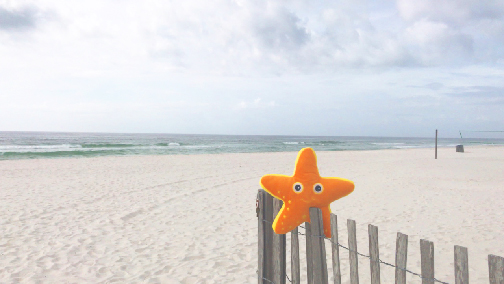
Panama City Beach's public beach accesses give everyone a route to the beach, whether you stay in a beachfront vacation rental, a resort, or farther inland. The right access can save time, reduce frustration with parking, and set up a safer, more enjoyable beach day. Click here to see all [Panama City Beach Public Access Points] (https://www.pcbfl.gov/Facilities/Facility/Details/Beach-Access-21)
How PCB Public Beach Accesses Work
Public beach accesses are designated entry points that connect public roads, parking areas, or walkways to the beach. Many sit along Front Beach Road and the west end of the beach, while larger access points often include more parking, restrooms, outdoor showers, or boardwalks. Smaller neighborhood accesses may offer only a short sandy path and limited roadside parking.
The Panama City Beach Parks and Recreation maintains and repairs the Panama City Beach Access, starting at Access 24 and continuing all the way to Access 76B. There are additional Public Beach Access points that are outside the City of Panama City Beach that are maintained by Bay County, FL.
In Panama City Beach, this is an easy reference for the services available at various public beach access points.
Bike Racks are at the following Locations:58, 26, 34, 45, 47, 65 and 76A
Handicap Accessible Beach Access Locations:24, 40, 56, 66, 70, 73 and M.B. Miller County Pier
Vehicle Parking: 40, 41, 44, 45, 46, 47, 48, 49, 50, 53, 54, 55, 56, 57, 58, 69 and County Pier
Golf Cart Parking:50
The beach itself welcomes the public below the mean high-water line. Access routes, however, vary considerably. A beach walk that looks simple on a map may involve stairs, a narrow crossover, paid parking, or a longer walk than expected with coolers and children in tow.
Guests should treat an access point as part of their beach-day plan, not an afterthought. Choose one based on the group’s needs, the gear you plan to carry, and the time of year. During spring break, summer weekends, holidays, and major events, the most convenient lots can fill early.
Large Accesses Versus Neighborhood Entrances
Larger public access areas make sense for groups that need parking, restrooms, and room to organize before heading to the water. They can also feel easier for first-time visitors because signs, walkways, and amenities tend to be more obvious. The trade-off is traffic. These locations draw more visitors, especially near popular restaurant, shopping, and activity areas.
Smaller accesses can provide a quieter entry to the beach, particularly near residential stretches of the coast. They work well for guests who can walk from their vacation rental or arrive with only towels, water, and a small beach bag. Do not assume that every access has a restroom, shower, lifeguard presence, or sufficient parking. Check the on-site signs before leaving your vehicle.
Choosing the Best PCB Public Beach Access for Your Day
Start with your location. Guests staying on the beach side of Front Beach Road usually have a private or shared boardwalk through their rental community. Those staying across the road, on the lagoon side, or farther from the Gulf rely on public access. Your property’s arrival information can clarify the closest practical route, but the closest route does not always make the most sense.
A family with young children may prefer a larger access with restrooms and a boardwalk, even if it requires a short drive. A couple planning a sunrise walk may choose a nearby neighborhood entrance and skip the busy public lots. Visitors bringing wagons, umbrellas, chairs, fishing equipment, or mobility aids should look for a broader walkway rather than a narrow sandy trail. Many beachfront condos provide Mobi-mats to make it easier to reach the water for those with mobility issues and families with beach wagons.
Parking deserves the same attention. Posted rules control where you are allowed to park, how long you may stay, and whether payment is required. Do not block driveways, park on dunes, or assume an open shoulder allows parking. Towing and citations can turn a beach day into an expensive interruption. Arrive earlier than you think you need to during peak periods, and have a backup access in mind.
Think Beyond the First Walk to the Sand
The easiest way down may not be the easiest way back. Heat, wet towels, tired children, and a loaded wagon change the equation after several hours in the sun. Before settling in, notice where the crossover begins, where you parked, and whether the route includes steps.
If someone in your group has limited mobility, prioritize accesses with accessible features where available. Conditions can change with wind, sand movement, maintenance, or storm impacts, so confirm current conditions on arrival. A paved approach does not guarantee that every part of the route across soft sand will be easy to navigate.
Beach Safety Starts at the Access Point
A public beach access leads to one of Panama City Beach’s greatest attractions, but Gulf conditions demand everyone's attention to stay safe and comfortable. Read the beach warning flags before entering the water and follow posted instructions. Flags communicate current water hazards, not just weather. Rip currents, surf, lightning, and changing wave conditions can affect even confident swimmers.
Keep children within arm’s reach when conditions call for extra caution. Swim near lifeguards when available, avoid entering the water alone, and do not rely on inflatables as safety equipment. If a rip current pulls you away from shore, remain calm, float if necessary, and swim parallel to the shoreline until you can move out of the current. Alert a lifeguard or call for help when needed.
The access area also sets expectations for the beach itself. Stay off dunes and marked restoration areas. Dunes protect the coastline and support vegetation and wildlife, while designated crossovers help prevent erosion from repeated foot traffic. Use trash receptacles provided, secure lightweight items in the wind, and take everything else back with you. You should leave nothing behind when you leave the beach.
Sea turtle nesting season requires particular care. Avoid disturbing marked nests, keep nighttime lighting low and shielded near the beach, and fill holes before leaving. A hole that seems harmless at noon can become a hazard for a child, another beachgoer, or nesting wildlife after dark.
What to Bring and What to Leave Behind
Beach access rules and conditions can differ from one location to another, so pack with flexibility. Bring drinking water, sunscreen, a charged phone, and a way to shelter from the sun. A small first-aid kit, dry bag, and lightweight wagon can make a long walk more manageable.
Avoid over packing for a smaller access. Large canopies, multiple coolers, and heavy furniture create obstacles on narrow walkways and make the return trip harder. If you plan to rent chairs or umbrellas, confirm where setup services operate and leave adequate room for other visitors to pass along the shoreline.
Glass creates avoidable risk on sand and near water. Choose durable, non-glass containers instead. Respect local rules on alcohol, fires, pets, fishing, and beach equipment. Those rules can change by season, location, or event, and posted notices at the access point take priority over assumptions from a previous trip.
Panama City Beach and Bay County restrict alcohol consumption on the white sandy beach during Spring Break Periods. Beach bonfires must be permitted through one of the local providers. Be sure to check these rules in advance if you are in doubt.
Respect the Space Between the Water and the Dunes
PCB’s beaches accommodate early-morning walkers, families building sandcastles, anglers, guests relaxing under umbrellas, and people simply watching the sunset. That shared use works best when everyone leaves room to move. Set up with a clear path behind you, keep music at a reasonable level, and avoid placing equipment directly in busy entry corridors.
At the end of the day, take a final look at your area. Pick up small pieces of plastic, zip ties, food wrappers, and broken toys. Shake sand from towels away from neighboring groups, remove temporary gear, and leave the access as clear as you found it. Simple habits protect the beach experience that brings visitors back year after year.
A Better Way to Plan Your Beach Day
Before heading out, decide whether convenience, amenities, quiet, or parking matters most to your group. You rarely get all four at the same access during the busiest weeks. A little flexibility often produces the better day: walk a few extra minutes for a less crowded stretch, visit earlier in the morning, or choose a larger access when the family needs restrooms and easier routes.
For guests staying with Emerald Beach Properties, the beach begins with the details around your vacation rental as much as it does with the view. Ask practical questions before arrival, follow local signs once you are here, and give yourself enough time to find the access that fits your plans. Then let the Gulf, the white sand, and the open horizon do the rest.