
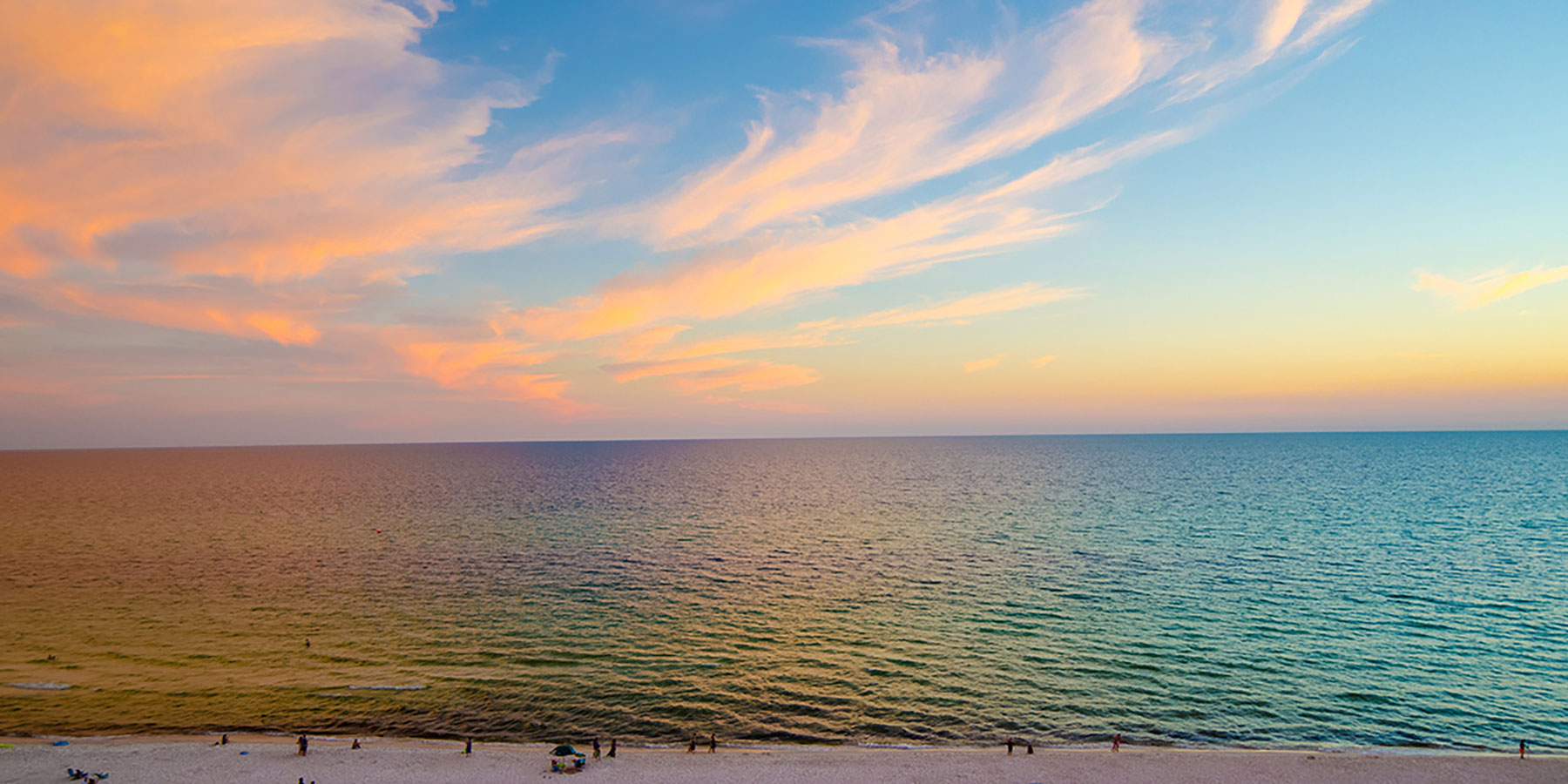
12 Best Family Beach Activities for Any Age
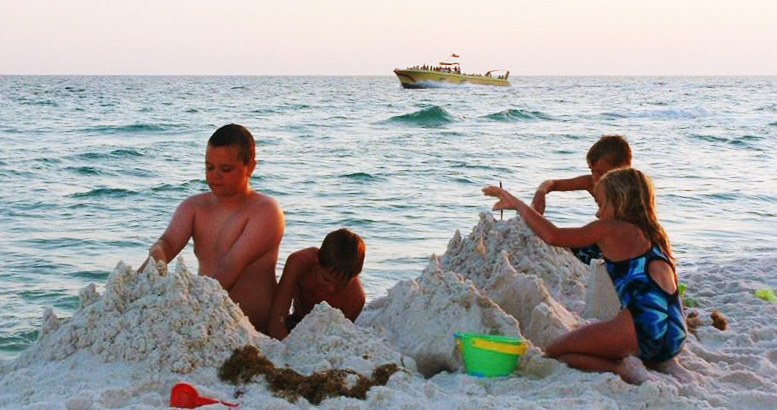
The first hour on the sand is great fun. Everyone arrives rested and ready for new adventures. Give children a simple mission before the snacks come out and they need water to re-hydrate. The best family beach activities mix movement, imagination, and enough downtime to keep everyone happy all day.
Panama City Beach gives families wide stretches of soft, white sand and clear Gulf water, but each day brings different wind, surf, heat, and crowd levels. A flexible plan works better than trying to force a packed schedule. Choose a few activities, keep drinking water, snacks, and shade close, and let the conditions guide the day.
Best Family Beach Activities for a Full Beach Day
1. Build a Sandcastle With a Real Plan
A bucket-and-shovel project becomes more engaging when everyone takes a job. One person gathers wet sand from near the waterline, another packs towers, and younger children can decorate the finished structure with shells, seaweed, and small driftwood pieces.
Set a theme before you begin: a coastal fort, a sea turtle habitat, or a miniature version of the family's vacation rental. Dig shallow moats only, and fill them before leaving. Deep holes create hazards for beach walkers and wildlife, especially after the light fades.
2. Run a Shoreline Scavenger Hunt
A scavenger hunt gives children a reason to look closely at the beach instead of asking for a new activity every ten minutes. Ask them to find, rather than collect, a feather, a shell with ridges, a tiny piece of seaweed, a crab track, and something with a natural spiral.
Keep the search respectful. Leave live creatures where you find them, avoid nesting areas, and do not disturb shorebirds. Photos work better than souvenirs for unusual finds, and they give families a record of the small details that made the day memorable.
3. Host a Family Sand Art Contest
Not every beach game needs running or swimming. Use hands, sticks, and beach-safe objects to create a sea turtle, a large family initial, or an underwater scene in the sand. Give each person 20 minutes and let another family member serve as the judge.
This activity works especially well during the hottest part of the afternoon, when children need a break from the water but are not ready to go in just yet. A simple category such as funniest design, most creative use of shells, or best teamwork keeps the competition light.
4. Play Water Relay Games at the Water's Edge
The gentle wash zone can deliver plenty of fun when the beach flag conditions allow water play. Try a bucket relay, where teams carry small amounts of water to fill a line drawn in the sand, or a sponge toss using a soft, wet sponge and clear personal space.
Adults should stay close enough to supervise every child near the Gulf. Skip relay games when waves build, currents strengthen, or the beach becomes crowded. The point is to create easy laughter, not to push farther into the water.
5. Fly a Kite When the Wind Cooperates
A beach breeze can turn an ordinary afternoon into a family event. Bring a simple kite with a short, manageable line and choose an open area well away from umbrellas, dunes, power lines, and other guests. Younger children can help launch the kite or hold the spool with an adult.
Wind makes all the difference. Too little wind leaves a kite dragging through the sand, while strong gusts make control difficult. If conditions do not cooperate, turn the attempt into a quick lesson about wind direction, then move on without making it a battle.
6. Make a Beach Olympics Course
Create a short course with clear start and finish points. Families can race crab-walk style, toss a ball into a bucket, balance a shell on a shovel, or walk backward across a small section of packed sand. Keep the course away from the waterline and other guests.
Focus on challenges that suit different ages and abilities. A toddler might carry a beach toy, while older children can time a sprint or complete two activities in sequence. The best version rewards cheering and teamwork as much as speed.
7. Take a Guided Nature Walk Without Leaving the Beach
The shoreline changes throughout the day. Walk it slowly with children and point out bird tracks, coquina shells, ghost crab holes, sea foam, and the line where waves deposit natural material. Early morning often offers cooler temperatures and fewer footprints.
Use the walk to explain that the beach supports more than vacation fun. Dunes help protect the coast, shorebirds need room to feed, and sea turtles require dark, unobstructed nesting areas. Families can enjoy the landscape while protecting the features that make it special.
8. Try Paddle Ball or Catch on Firm Sand
A paddle ball set, soft foam ball, or beach-friendly football offers an easy activity for mixed-age groups. Choose packed sand where players can move more comfortably, and create a boundary that leaves room for people walking along the shore.
Keep expectations realistic. Wind changes the path of every throw, and soft sand makes quick turns harder than they look. Those challenges often make the game more entertaining, especially when adults join rather than watch from a chair.
9. Set Up a Reading and Coloring Break
A family beach day does not need constant action. Pack a few picture books, a notebook, colored pencils, or a simple travel game for a shaded break. This quiet hour helps younger children reset and gives adults time to breathe without ending the day early.
Choose materials that can handle sand and avoid leaving paper or small plastic pieces behind. A zippered pouch keeps supplies organized, and a towel spread under a canopy creates a defined space for calmer activities.
10. Watch the Water With a Safety-First Challenge
Turn water awareness into a family habit. Ask older children to help identify the lifeguard station, notice the beach warning flags, and point out where the waves break. Explain that conditions can change quickly, even on a sunny day.
Adults should make the final call on swimming. Red flags, rough surf, lightning, strong currents, or a child who feels tired all change the plan. A good beach day does not depend on getting in the water. Building, walking, and playing on dry sand still count toward a great beach day.
11. Plan a Sunset Photo Mission
Late-day light makes family photos look warmer, and sunset gives children a natural finish line after hours of play. Give each child a photo assignment: capture a footprint pattern, a shell close-up, a silhouette, or a favorite beach toy against the sky.
Keep phones and cameras protected from sand, and stay aware of the changing light. Families should begin packing before darkness settles, especially if they need to walk across a large beach access area or return to a vacation rental with tired children.
12. End With a Five-Minute Beach Reset
Before heading back, make cleanup a shared responsibility. Pick up every item your group brought, shake out towels away from other guests, and check the sand around chairs, toys, and umbrellas. Children can take pride in finding the last stray snack wrapper or toy shovel.
This final habit protects the shoreline and makes the next morning easier. It also prevents the common vacation problem of arriving back at the vacation rental without a favorite sandal, phone, or stuffed animal.
How to Choose Activities for Your Family
Age, energy level, and weather matter more than a long activity list. Young children usually do best with short blocks of play and frequent shade breaks. Tweens may prefer games with a score, a challenge, or a little independence within clear boundaries. Teenagers often engage when adults invite them into a game without turning it into a requirement.
Bring the basics that support a longer, more comfortable beach day: water, broad-spectrum sunscreen, hats, shade, snacks, towels, and a small first-aid kit. Reapply sunscreen as directed, drink water before anyone feels thirsty, and give children a chance to cool down before they become overheated.
A rental close to the beach can make these pauses much easier. Families can return for lunch, rest during peak heat, and come back out when the sand cools. That rhythm often creates a better vacation than trying to stay on the beach from morning until night.
The most successful beach day rarely follows a strict itinerary. Start with one activity that gets everyone moving, save a quieter option for the hottest hours, and leave room for the unplanned moments - the perfect shell, the first kite launch, or a child who decides the sandcastle needs one more tower.
What to Expect in October in Panama City Beach
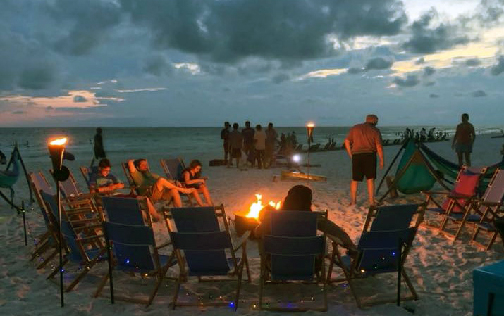
A quiet morning on the sand can still feel like summer in October, while dinner on the balcony may call for a light sweater or jacket. That contrast is the appeal of October in Panama City Beach. The busiest summer weeks have passed, but the Gulf remains a big part of the day, the beaches are bright, and the pace becomes more relaxed for families, couples, and guests who prefer a slower speed vacation.
October rewards travelers who plan around changing conditions instead of expecting one fixed version of a beach vacation. Warm afternoons, cooler evenings, occasional rain, and seasonal events can all be part of your amazing October beach vacation. A well-chosen vacation rental gives your group the flexibility to enjoy the beach when conditions are right and settle in comfortably when they are not.
October in Panama City Beach: Weather and Water
October typically brings daytime highs in the upper 70s to low 80s, with evenings often dipping into the 60s. Early October usually feels warmer than the last week of the month, especially after sunset. Humidity eases compared with midsummer, which makes bike rides, walks along the shore, outdoor activities and outdoor meals more comfortable for everyone.
The Gulf remains inviting, particularly early in the month. Water temperatures commonly are in the 70s, though wind, currents, and weather systems can change the weather quickly. Guests who want to swim every day should consider an early-October stay. Travelers focused on uncrowded beaches, fishing, dining, or relaxed time with family may find late October equally appealing.
Fall weather also requires realistic expectations. October falls within hurricane season, and a tropical system can affect rain, surf, and travel plans even when it does not make landfall nearby. Check the forecast before departure and continue checking it during your stay. Follow posted beach flags without exception. Clear water does not guarantee calm conditions, and rip currents can develop even when the shoreline looks peaceful. Also note the purple flags because they may indicate the presence of jelly fish and other marine pests on the beach.
Why Fall Changes the Beach Experience
Summer in Panama City Beach centers on long beach days, school-break crowds, and a high-energy calendar. October offers a calmer approach to a beach vacation. You'll find more open space on the sand, shorter waits at local restaurants, and a less hurried atmosphere around the area.
That does not mean every October weekend is quiet. Fall breaks, holiday weekends, sporting events, and seasonal gatherings can increase demand. Columbus Day Weekend is one of the busiest in PCB with the Pirates of the High Seas Festival and Renaissance Faire drawing large crowds. Families should not assume that every property or restaurant will have last-minute availability just because summer has ended. If a specific condo, beachfront home, or date matters to your group, reserve early.
The trade-off is straightforward: October offers fewer crowds and milder temperatures, but it also brings more weather variability than peak summer. For many guests, that is a worthwhile exchange. A sunny 80-degree afternoon followed by a cool evening dinner often feels like the best of both seasons.
Choosing the Right October Rental
Your rental should support more than beach time. October weather can shift during a single day, so comfort inside the property matters. Look for a layout that gives your group room to gather, prepare meals, and recharge between outings. A private balcony or patio adds value when the evenings cool down and the Gulf breeze arrives.
Families will benefit from a rental with a full kitchen, laundry, and enough sleeping space to avoid turning every morning into a scheduling exercise. Couples may prioritize beachfront views, walkability, and a quieter setting. Groups should pay close attention to parking, bedroom configurations, and common-area space before booking.
Location also shapes the trip. A beachfront stay makes it easy to take advantage of sometimes short windows of ideal weather. If clouds move through for an hour, you can return to the rental without losing the day. Guests who plan to explore beyond the sand may prefer a property that offers convenient access to dining, shopping, golf, or family activities.
Before confirming any reservation, review the property details closely. Verify check-in procedures, occupancy limits, parking arrangements, pet policies if applicable, and the amenities that matter to your group. Clear expectations will make your vacation more successful.
What to Pack for a Comfortable Week
October packing requires a little more thought than a July beach bag. Bring swimwear and sunscreen, but add a light jacket, long-sleeve shirt, and comfortable closed-toe shoes. Morning walks and evening outings can feel cool, especially later in the month.
A compact rain jacket is useful, but it should not dominate your suitcase. Many fall showers pass quickly. Bring a beach tote with towels, sunglasses, water, and a cover-up so you can take advantage of clear periods without over planning every hour.
For families, pack a few indoor options as well. A deck of cards, favorite books, or simple games can turn a rainy afternoon into part of the vacation rather than a disruption. A vacation rental gives everyone space to reset while waiting for the sun to return.
Make Room for Both Beach Days and Local Plans
The best October itineraries leave space in the schedule to work around the daily weather forecast. If the day begins clear and calm, head to the beach early. Morning light, cooler sand, and a quieter shoreline create an easy start. Save flexible activities, such as shopping, dining, or an afternoon movie, for periods when rain or wind moves in.
October also brings seasonal activities that add variety beyond the shoreline. Depending on the week, visitors may find fall festivals, live music, family-friendly events, Pirate and Halloween programming. Event schedules change from year to year, so confirm dates and admission details before building your plans around them.
Fishing can be a strong reason to visit in fall, although conditions and target species vary. Anglers should book reputable local operators, listen to captain guidance, and keep their schedule flexible around marine forecasts. Golfers and cyclists often appreciate the cooler air as well, particularly during the middle of the day when summer heat would normally limit activity.
A beach bonfire can be a special occasion in the fall and winter in PCB. Be sure to book ahead for this once in a lifetime experience.
Timing Your Trip Within the Month
Early October generally offers the closest thing to a summer-style beach trip, with warmer air and water. It often suits guests who want to spend most of each day swimming, sunbathing, and playing in the sand.
Mid-month can offer an attractive balance of comfortable daytime weather and reduced summer intensity. It works well for families who can travel outside school breaks, couples seeking a slower getaway, and groups that want both beach time and local outings.
Late October brings cooler nights and a stronger fall feel. The beach remains beautiful, but guests should set expectations around weather and water temperatures. This period can suit travelers who value peaceful walks, sunset views, dining, and a rental that feels like a comfortable coastal home base.
Plan With Flexibility, Then Enjoy the View
A successful October stay does not require a packed schedule. It requires a clear plan, a close eye on beach conditions, and a vacation rental that gives your group options. Reserve the property that fits your priorities, pack for a few temperature changes, and let the best weather windows lead the day. Emerald Beach Properties can help guests begin that process with professionally managed vacation rental options built for time well spent near the Gulf.
Panama City Beach Bonfires: What to Know
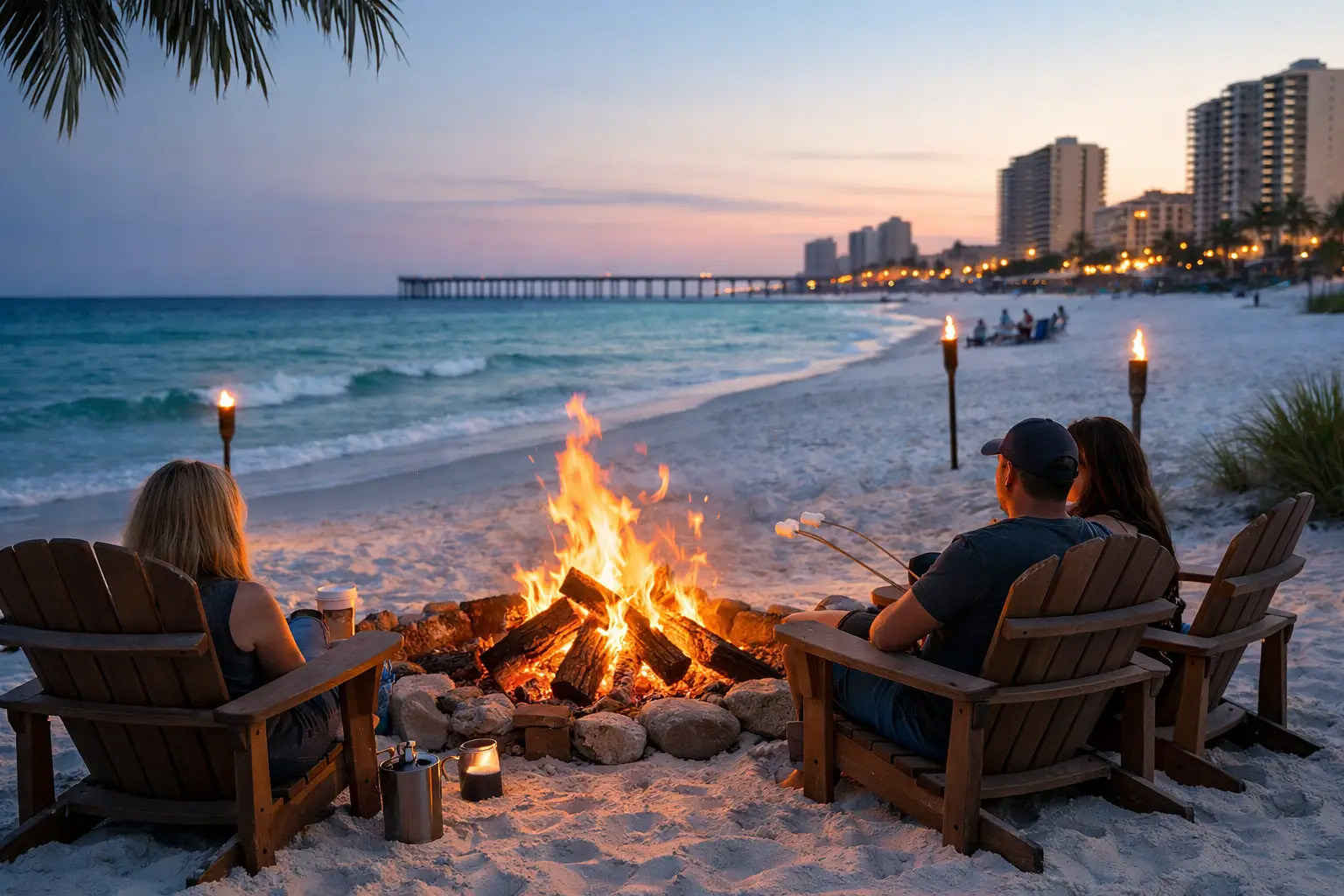
A beach bonfire can turn an ordinary evening into the part of a Panama City Beach vacation that everyone remembers: bare feet in cool sand, the low sound of the Gulf after sunset, and a circle of family or friends sharing the last warm hours of the day. Panama City Beach bonfires require more than wood and a lighter, however. Local rules, changing weather, and responsible cleanup all must be understood to give you an enjoyable experience from start to finish.
For guests staying in a vacation rental, a little planning protects the beach, your group, and your rental experience. Start with the current requirements, then build an evening that will create memories for a lifetime.
What Panama City Beach Bonfires Require
Do not assume that every stretch of sand allows an open fire. Panama City Beach regulates beach fires, and the City can change permit procedures, approved locations, fire restrictions, and timing based on public safety needs and beach conditions. A rule that applied during a previous trip may not apply during your last stay.
Confirm the current requirements directly with the appropriate local authorities before you make plans. Your vacation rental manager can assist you with finding the correct contacts to get your bonfire set up in advance of your trip. You will probably need a permit through an approved local vendor who will handle all the details. Ask whether your preferred beach access permits bonfires, which vendors are allowed to work in the area where you want to have your bonfire, the vendor will know how far the fire must sit from dunes and structures, and what time you must extinguish it. If a burn ban, high-wind advisory, or red-flag condition affects the area, choose another evening or another activity. Ask your preferred vendor for their cancellation policies before reserving your bonfire.
Your vacation rental also deserves consideration. Some homes and condominiums have parking rules, beach-access instructions, and limits on where guests may stage chairs, carts, or supplies. A professionally managed stay works best when guests follow those property-specific directions instead of leaving equipment in walkways or common areas.
Why permits and location rules matter
Beach regulations do more than control crowds. They protect sea turtle habitat, coastal vegetation, neighboring guests, and emergency access. A fire that sits too close to the dune line can damage a fragile eco-system that helps protect the shoreline. A setup that blocks a public access point creates a problem for families, beach staff, and first responders.
Permits also create accountability. They give local officials a way to manage where fires happen and help visitors understand their cleanup obligations. The process may feel formal for a vacation evening, but it prevents the far more frustrating outcome of a canceled fire, a citation, or a dangerous situation on the sand.
Plan the Evening Before Sunset
The most relaxed bonfires begin before the sun drops. Arrive early enough to your approved spot, set up without rushing, and watch the conditions. Wind matters more on an open beach than it does in a backyard. Even a modest breeze can push sparks toward chairs, towels, or nearby groups.
Keep the gathering simple. Bring only what your group will use, and avoid lightweight decorations that can blow down the beach. Usually the chairs and a small table are provided by your bonfire vendor. Bring closed drink containers or coolers, warm layers, and a designated trash bag. If you plan to serve food, use sturdy containers and keep packaging under control. Loose napkins and plastic wrappers quickly become litter once the wind picks up.
Your bonfire vendor will choose your fuel based on current regulations. Do not add any additional fuel to your fire. Those materials can release harmful fumes, leave sharp debris, and produce residues that do not belong on a public beach.
Clarify in advance what the bonfire service includes before the event. PCB providers handle the permit process, delivery, setup, fire tending, and removal. Confirm the start and end time, the exact meeting location, the number of chairs included, and who takes responsibility for final cleanup. Clear expectations matter, especially when your party includes children or when you plan the event during a busy holiday week. It's also a good idea to be prepared with cash to tip your bonfire attendant.
Build a safer fire circle
A good setup leaves room for people to move without stepping over gear or getting too close to the flames. Place chairs far enough back that guests can stand and sit comfortably. Keep a clear path between the fire and the water, and keep bags, blankets, coolers, and strollers outside the immediate fire area.
An adult should supervise the fire at all times. That person does not need to miss the conversation, but they should remain alert to wind shifts, children moving around the circle, and embers leaving the fire. Do not let children add wood or anything else to the fire. Avoid games that involve running near the setup, and keep pets at a safe distance if you bring them to the beach.
Have water available and know how you will put the fire out before you light it. Sand alone does not reliably extinguish hot coals. It can insulate them and leave a hidden burn hazard for the next person walking across the beach. Use water to cool the fire thoroughly, stir the remains carefully, and repeat until no heat remains.
Respect the Beach After Dark
The beach changes after sunset. People have less visibility, wildlife moves through the area, and sound carries farther over the open sand. Keep music low and conversation considerate, particularly near condominium buildings and other vacation homes. A bonfire should feel like a shared beach experience, not a private event that takes over the whole beach.
Light also deserves restraint. Bright, unshielded lights can disturb other guests and interfere with wildlife. Use only the lighting you need to move safely and manage the fire area. Follow any local restrictions that apply to flashlights, lanterns, or other illumination during nesting season.
Food creates another practical concern. Do not leave snacks, marshmallows, or trash out overnight. The beach attracts birds and other animals, and discarded food changes their behavior. Seal leftovers, collect every piece of packaging, and take it back to your rental or dispose of it properly in available receptacles.
Cleanup Is Part of the Experience
A clean exit separates a responsible beach gathering from a problem someone else must solve. Before you leave, scan a wide circle around your setup. Look for bottle caps, skewers, zip ties, food scraps, glow-stick pieces, and small bits of plastic that disappear in the sand during the evening.
Do not bury ashes, coals, or trash. Burying debris does not remove it. It leaves hazards for bare feet, beach crews, and wildlife. Follow the permit instructions or service provider's process for ash removal, and make certain the fire has cooled completely before anyone leaves the site.
This final check takes only a few minutes, yet it protects the reason people come here in the first place. Panama City Beach gives visitors an unusually open, beautiful setting for a night by the water. Guests who leave the sand as clean as they found it help preserve that setting for the family arriving the next morning.
When a Bonfire Is Not the Right Call
Sometimes conditions make a beach bonfire more trouble than it is worth. High winds, rain, crowded beaches, very young children, mobility concerns, or a group that wants a late and lively night can all change the equation. A patio dinner, sunset walk, or quiet evening at your vacation rental may better fit the moment.
That is not a lesser version of the trip. The best vacation plans respond to the people in your group and the conditions outside. Save the bonfire for an evening when you can give it the attention it requires, then let the Gulf sunset and the sound of the water do the rest.
12 Best Panama City Beach Activities for a Great Trip
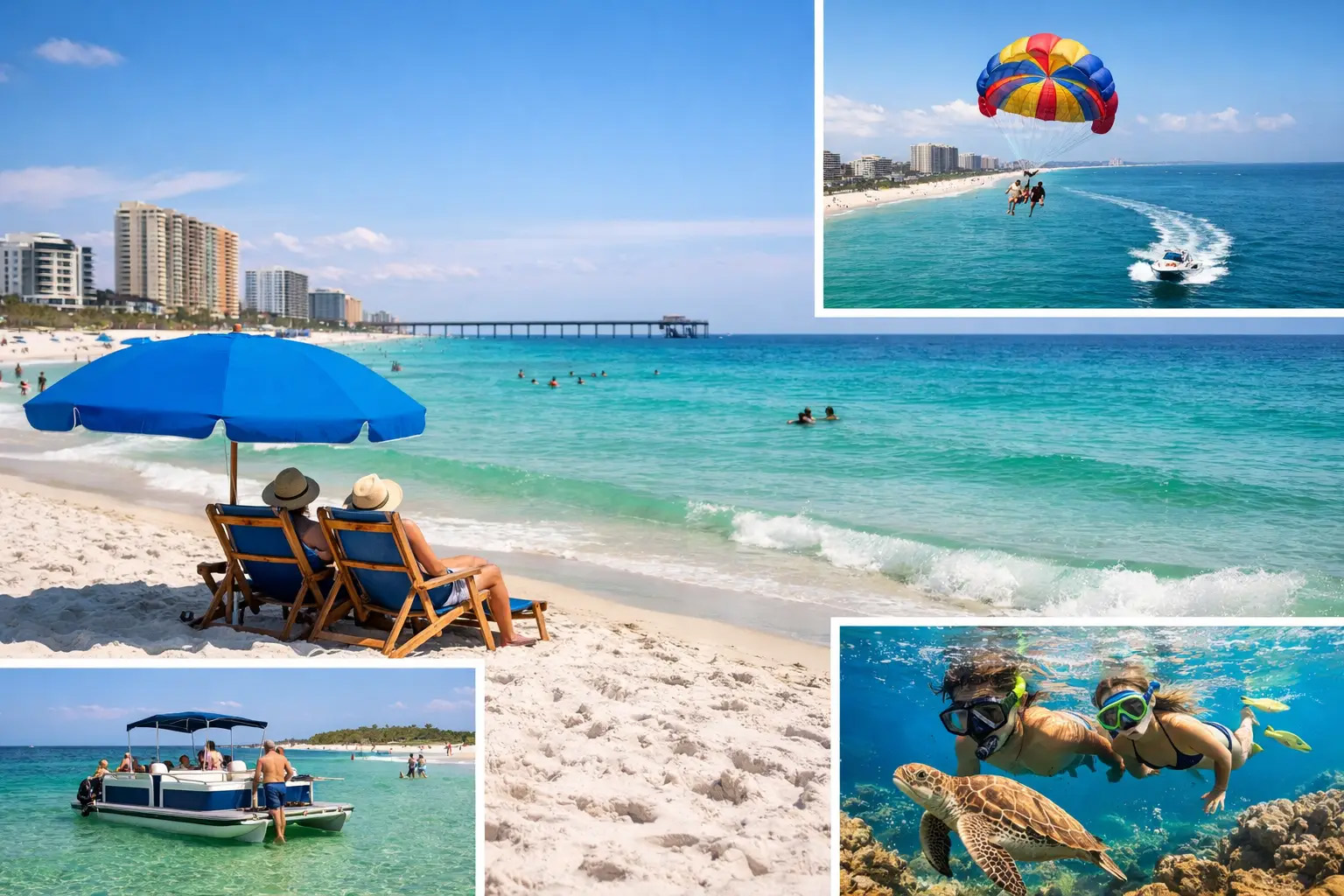
The Gulf sets the pace of a Panama City Beach vacation. One morning may call for quiet sand, clear shallows, and a long walk at the waterline. The next may bring a boat ride, a nature trail, or an afternoon that keeps children happily occupied out of the sun. The best Panama City Beach activities give travelers those choices without turning a relaxing beach stay into an overplanned schedule.
A strong itinerary starts with location, weather, and the people traveling with you. Families often benefit from pairing one active outing with a slower beach block each day. Couples may prefer sunset plans, a scenic park, and a dinner reservation. Guests who bring fishing gear, paddleboards, or bikes should choose a rental location that makes those interests easy to reach.
How to Plan Your Beach Days Well
Check the beach flag system before entering the water. Gulf conditions can change quickly, and a beautiful day can still bring strong currents or rough surf. Keep a close eye on children at the shoreline and also at the pool, use designated access points, and respect all posted signs & warnings.
Summer crowds, school-break traffic, and seasonal weather also shape the experience. Book popular tours early if you are traveling during peak periods, but leave room in your schedule for an unhurried morning at the beach. Panama City Beach rewards visitors who balance planned activities with time to simply enjoy the sandy white beach.
Best Panama City Beach Activities by Vacation Style
1. Build a Proper Beach Day
A beach day deserves more than a quick stop between other activities. Set up early with shade, water, sunscreen, and enough snacks to cover you for the planned time on the sand. Spend the morning swimming when conditions allow, search for shells along the wet sand, and take a long shoreline walk before the heat builds.
For many guests, this remains the best use of a vacation day. It costs little, works for nearly every age, and creates the unstructured time that makes a Gulf Coast trip feel like a real break.
2. Visit St. Andrews State Park
St. Andrews State Park offers a more natural setting than the busier central beach stretches near condos and other vacation rentals. Visitors can walk trails, look for shorebirds, fish from designated areas, see the alligators and enjoy views where the Gulf meets St. Andrews Bay. The park gives families and nature-minded travelers a great way to get in touch with the local scenery.
Bring shoes suitable for walking, drinking water, sunscreen, and a camera or binoculars. Conditions, hours, and access can vary, so confirm details before you go. This activity works especially well on a day when you want fresh air without committing to a full boat excursion.
3. Take a Shell Island Boat Trip
Shell Island is just across the water from St. Andrews State Park and delivers the uncrowded, open-coast feeling many visitors picture before they arrive. Boat trips can provide access for shell collecting, swimming, and viewing the dunes and protected shoreline from the water.
This outing depends on weather, water conditions, and operator schedules. Pack sun protection and water, and expect limited amenities on the island itself. Guests who want a quieter beach experience often find that the extra planning pays off.
4. Paddle a Kayak or Stand-Up Paddleboard
Paddling lets you experience the water at a slower, closer level. Calm bay waters often suit beginners better than the open Gulf, especially for families or anyone trying a board for the first time. A kayak also gives younger children a way to join the outing with an adult.
Choose protected water on windy days, wear a properly fitted personal flotation device, and stay aware of boat traffic. Rentals and guided options can simplify logistics, while experienced paddlers may prefer bringing their own equipment.
5. Book a Dolphin Tour
A dolphin tour adds excitement without requiring visitors to be expert boaters. Seeing dolphins travel, surface, and feed in their natural environment can become a standout family memory. The best tours focus on observation rather than pursuit, keeping a respectful distance from marine life. Remember that you should never feed the dolphins for your safety and theirs, too.
Morning trips may offer cooler temperatures, while later departures can provide softer light over the water. No operator can guarantee wildlife sightings, so treat the tour as a coastal experience first and a dolphin encounter second.
6. Fish From the Shore or a Pier
Fishing suits guests who enjoy a slower, focused activity and do not want a packed itinerary. Cast from the shore, a public pier, or a charter boat depending on your experience and goals. Pier fishing offers easy access and a social atmosphere, while a charter provides equipment, local guidance, and a chance to reach deeper water or quiet secluded bay locations.
Fishing rules, licenses, seasons, and catch limits matter. Confirm current requirements before you cast. If you book a charter, tell the captain whether your group includes beginners, children, or serious anglers so the trip matches expectations.
7. Spend an Afternoon at Shipwreck Island Waterpark
When the beach heat feels intense or younger travelers need a change of pace, a waterpark can solve the problem. Shipwreck Island Waterpark brings slides, pools, and family-friendly water play into one contained afternoon. It can also provide a useful option when the Gulf surf runs too rough for swimming.
Operating days and hours typically follow the season, so check the calendar before building your plans around it. Arrive early during high-demand periods, and reserve this activity for a day when your group wants high energy rather than quiet coastal time.
8. Walk or Bike Conservation Park
Conservation Park provides trails through wetlands, pine flatwoods, and quieter local landscapes. It offers a sharp contrast to condo towers, busy restaurants, and beach traffic. Walkers can choose shorter routes, while cyclists can cover more ground and settle into a peaceful morning ride.
Go early for cooler temperatures and better wildlife viewing. Wear closed-toe shoes, carry water, and prepare for bugs in warmer months. This is one of the best Panama City Beach activities for travelers who want to see more than the shoreline.
9. Browse Pier Park at the Right Time
Pier Park combines shopping, casual dining, attractions, and entertainment in a walkable setting near the beach. It works well on an arrival day, an evening after the sun, or a rainy stretch when outdoor plans need adjustment. Families can find enough variety to satisfy different ages without making several separate stops.
The trade-off is crowds. Peak evenings can feel busy, and parking can take patience. Go earlier if you want a calmer experience, or embrace the energy if your group wants an active night out.
10. Catch Sunset From the Sand
Sunset costs nothing, asks little, and consistently earns an important place on the itinerary. Bring a light layer, walk to a less crowded beach access point, and give yourselves time to settle before the color changes across the Gulf. The sky often shifts from bright gold to pink and violet in a matter of minutes.
Couples may make sunset the centerpiece of an evening, while families can use it as a simple wind-down after dinner. Keep the plan flexible because cloud cover determines the show.
Some travelers make it a point to meet on their beachfront balcony for sunset each evening for some quiet time together before dinner.
11. Plan a Beach Bonfire Through an Approved Provider
A permitted beach bonfire can turn an ordinary evening into a memorable gathering. The warm firelight, the sound of water, and a circle of family or friends create an easy setting for conversation after a busy day. Many guests choose this option for celebrations, reunions, or a final night by the Gulf.
Panama City Beach requires that you use an approved provider. Fire restrictions, wind, turtle-protection measures, and permit requirements can affect availability. Private fires on the sand are not allowed in PCB.
12. Take a Scenic Day at Camp Helen State Park
Camp Helen State Park brings together history, trails, lake views, and a less commercial edge of the coast near the western end of the area. Visitors can walk beneath shade trees, explore the grounds, and enjoy a setting that feels notably removed from the main beach corridor.
This choice fits travelers who like gentle outdoor activity and local character. Pair it with a relaxed lunch or a sunset stop nearby rather than trying to rush back for a full afternoon of beach time.
Leave Space for the Vacation You Actually Want
The most successful Panama City Beach plans do not try to check every box. Choose two or three priorities that fit your group, then let the weather and your energy level guide the rest. A professionally managed vacation rental from Emerald Beach Properties can give your group a comfortable base for those choices, whether the day ends with sandy feet at the door or a quiet evening after a park, pier, or boat trip.
PCB Beach Bonfires: Rules, Costs, and Tips
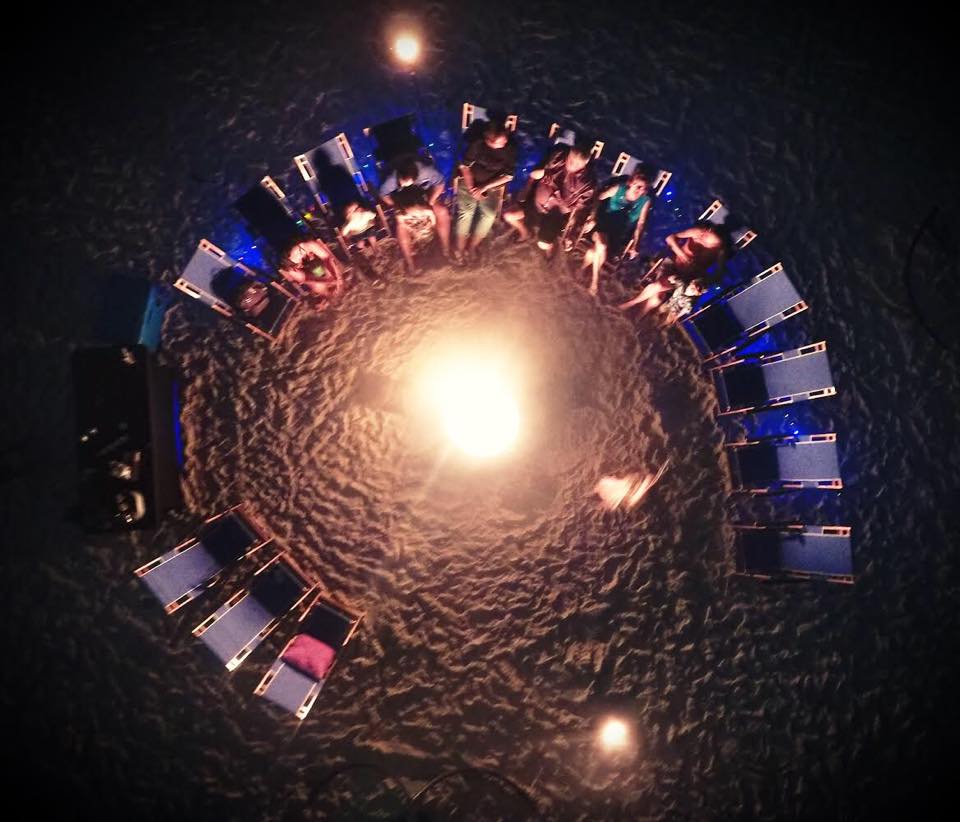
Sunset on the Gulf can make almost any evening feel planned to perfection. But PCB beach bonfires only work that way when you handle the logistics early, follow local rules, and choose the right stretch of beach for your group. If you wait until the last minute, you can end up with permit issues, weather problems, or a setup that does not match the experience you had in mind.
For many Panama City Beach visitors, a beach bonfire sits high on the vacation wish list. Families want a relaxed night with chairs in the sand and kids making s'mores. Couples want a quieter setup with a cleaner, more private feel. Groups often want something social without turning the evening into a loud, unmanaged event. The details matter because the best bonfire nights feel effortless only after someone has done the work.
What to Know About PCB Beach Bonfires
PCB beach bonfires are not a bring-your-own-firewood situation on just any part of the shoreline. Local beaches operate under specific rules, and fire activity on the sand requires approved permitting in advance and proper setup by a licensed operator. That protects the beach, reduces safety risks, and helps keep the experience controlled for guests and nearby properties.
This matters for vacationers because the beach in front of a condo may look wide open, but access does not automatically mean you can build a fire there. Rules in Panama City Beach are very strict and those rules are enforced.
The simplest path usually involves working with an approved beach bonfire provider. These companies typically handle permits, setup, fire management, and cleanup. That structure costs more than a do-it-yourself night, but it removes the most common problems. For families on a short stay, that trade-off often makes sense.
Why Permits and Providers Matter
The beach is a public resource, and fires carry obvious risks. Local authorities regulate where bonfires can take place, when they can start, and how they must be managed. Those controls are not red tape for the sake of red tape. They reduce the chance of unsafe fires, leftover debris, crowding, and damage to the beach environment.
The City and County limit the number of permits issued per day and these must be issued in advance.
A permitted provider also gives you a clearer standard of service. You know who brings the chairs, who lights the fire, who keeps it contained, and who removes the materials after the event. If the wind shifts or weather changes, a professional setup team can adjust quickly.
Depending on where you are staying, if you want a bonfire on the beach adjacent to your vacation rental, you'll need to determine which vendor services that area of the beach so you can book with that provider. Most of our local providers can handle everything from a two person set up to one for many more people.
Typical Costs for a Beach Bonfire
Pricing varies by season, provider, and package level. A standard setup includes the permit, fire pit preparation, seating, propane, and cleanup. Premium packages may add tables, extra chairs, hammocks, outdoor furniture, cornhole, food coordination, or decorative elements.
If you are traveling with children, ask what the package includes. A lower package price price may not include enough seating, or other options that you might be looking for, or the setup timing you want. For larger groups, small add-ons can move the total quickly.
Season also affects availability. Peak travel periods bring heavier demand, and the most reliable providers can book out well in advance. If your bonfire night matters to your trip, reserve it early.
Choosing the Right Night
A beach bonfire works best when it fits the rhythm of your trip. Many guests plan it for the middle of their stay instead of the first or last night. That gives everyone time to settle in, and it leaves room to adjust if weather becomes a problem.
Wind is often the deciding factor. A clear evening can still produce difficult fire conditions if the breeze is strong. Light rain may cancel or delay some setups, and seasonal storms can force a full reschedule. Occasionally, the local authorities issue burn bans that can include the sandy beachg if there are drought conditions. Ask about the provider's weather policy before you book so you know where you stand if conditions change.
Timing matters too. Sunset sets the tone, but the full experience usually starts before dark. You want enough daylight to get comfortable, take family photos, and let children enjoy the setup before the fire becomes the center of attention.
Book around the rest of your plans
Do not stack a beach bonfire on top of a long travel day or a packed activity schedule. Bonfires feel easy when everyone arrives relaxed. If your group rushes in late from dinner reservations or an all-day outing, the evening can feel compressed instead of memorable.
How to Pick the Right Setup for Your Group
Not every bonfire should look the same. A family with young kids needs different seating, snacks, and timing than a group of adults celebrating a birthday or reunion. The strongest plans start with the group, not with a generic package.
Families usually benefit from simpler setups with comfortable chairs, enough personal space, and easy food options. Keep the event length realistic. Younger children often love the first hour and fade after that. A shorter, well-timed bonfire often works better than an elaborate late-night event.
Couples or smaller adult groups may care more about location feel, spacing, and a quieter atmosphere. In that case, ask whether the provider can position the setup away from busier access points if local rules allow it. A bonfire near heavy foot traffic feels very different from one with a little breathing room.
Larger groups need structure. Confirm guest count, seating, and any restrictions on music, food service, or event duration. If your group wants a social night, plan for it directly instead of assuming the beach setting will carry the experience on its own.
Questions Worth Asking Before You Book
A bonfire provider should give direct answers on permits, location, cancellation terms, setup time, and cleanup responsibilities. If those answers sound vague, keep looking. This is one of those vacation activities where clarity protects the experience.
Ask where the bonfire will take place, what happens in bad weather, how long the fire lasts, and whether staff remain on site. Confirm what the package includes and what costs extra. If anyone in your group has mobility limitations, ask about beach access and walking distance from the nearest entry point.
Safety and Courtesy Still Matter
Even a professionally managed bonfire needs common-sense behavior. Keep children supervised, respect provider instructions, and pay attention to the fire area after dark. The goal is a controlled, enjoyable evening, not a loosely managed gathering that creates problems for other beachgoers.
Courtesy matters beyond your own group. Beaches serve families, residents, and visitors at the same time. Noise carries. Foot traffic stays active near public access points. A bonfire should feel special without taking over the shoreline around it.
That same mindset applies to cleanup. A quality provider should handle the site, but guests should still keep trash organized and avoid leaving food or packaging loose in the sand. The beach always looks better when visitors treat it like a place worth protecting.
Is a Beach Bonfire Worth It?
For many visitors, yes. A well-planned bonfire creates a different kind of beach memory than a day under an umbrella or an evening at a restaurant. It slows the pace, gives families time together, and turns a simple stretch of sand into a real event.
It is not the right fit for every trip. If your schedule is tight, your group dislikes sand after dark, or your budget is already stretched, you may enjoy a sunset picnic more. But if you want one evening that feels distinctly tied to the Gulf coast experience, PCB beach bonfires deliver when handled professionally.
The best approach is simple. Book early, ask direct questions, and choose the setup that matches your group instead of chasing the biggest package. A good beach bonfire should feel relaxed, controlled, and easy from the moment your chairs hit the sand.