

Condo Safety Checklist for a Secure Beach Stay
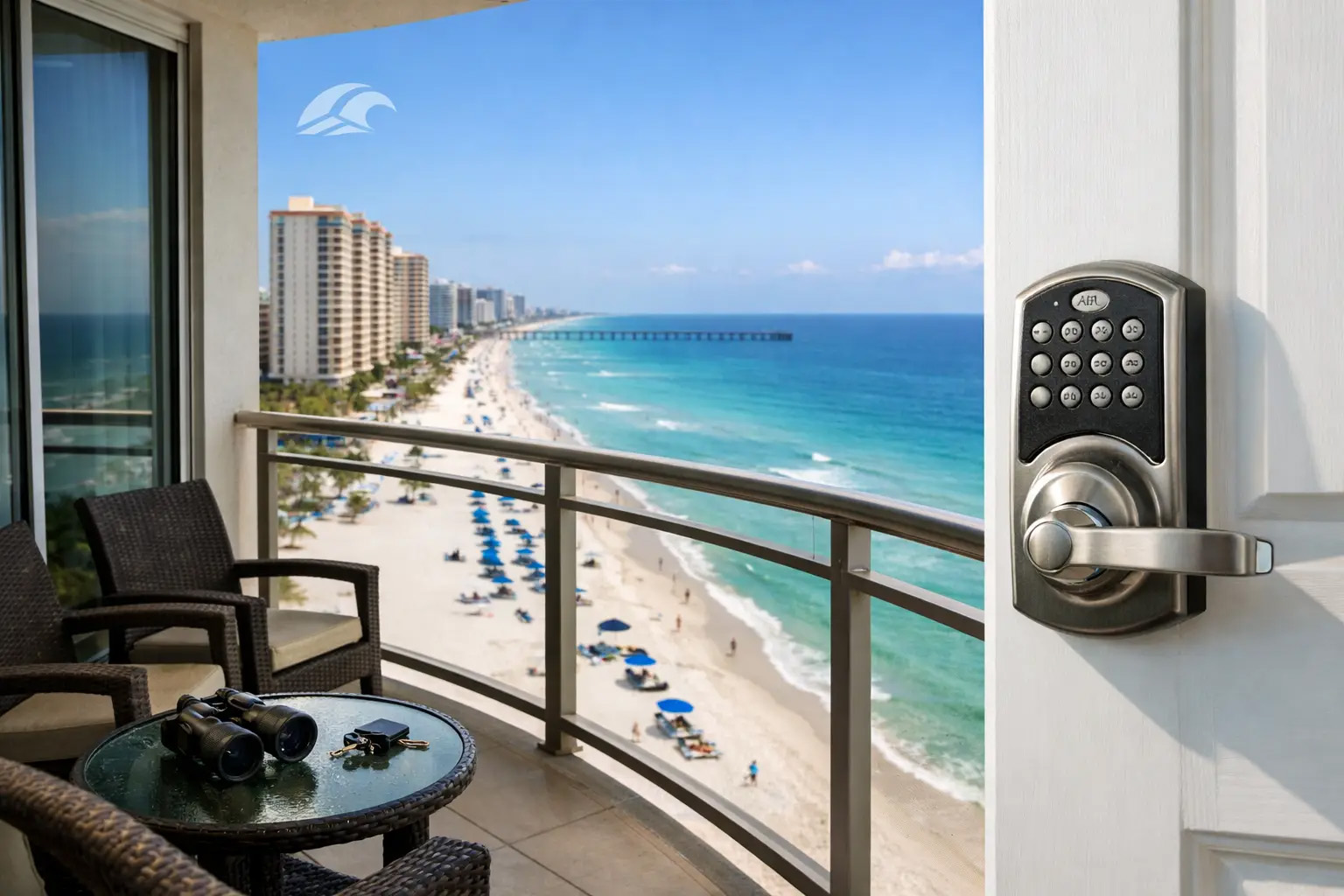
A beach condo should feel like the easy part of your trip: sandy feet by the door, cold drinks in the refrigerator, and a balcony view worth waking up early for. A quick condo safety checklist helps keep that comfort intact. It takes only a few minutes after arrival, yet it gives your family clear answers before you settle in, head to the pool, or sleep for the night.
Every building, floor plan, and vacation rental operates differently. Use the property-specific instructions as your first authority, then use this guide to spot concerns, prepare your group, and know when to contact the property manager.
Start Your Condo Safety Checklist at Arrival
Before unloading every bag, take a brief walk through the condo with the adults in your group. Locate the main entry lock, deadbolt, peephole, and any electronic lock instructions. Close and lock the door behind you. If the lock sticks, the code fails, or the door does not close securely, report it right away rather than trying to repair it yourself.
Find the emergency information posted in the unit or guest materials. You need the full property address, building name, unit number, and the best number for maintenance or urgent property concerns. Save those details in at least one phone. During a stressful moment, guests often remember the beach view but not the unit number.
Next, identify your path out of the condo. Your primary route may lead through the front door and elevator corridor, but elevators may not operate during a fire alarm or power outage. Look for the nearest stairwell and note how to reach it. High-rise buildings often have multiple stair towers, so do not assume the closest visible door leads outside. All condos in Bay County Florida are required to post a fire evacuation plan in each condo.
Check Fire, Carbon Monoxide, and Electrical Safety
Smoke alarms protect guests most effectively when everyone knows where they are. Look for the devices in bedrooms, hallways, and living areas. You do not need to press test buttons unless the property instructions ask you to do so, but you should report any missing, damaged, chirping, or visibly loose device.
Locate the fire extinguisher, usually near the kitchen. Check that it sits in its designated place and remains accessible. Do not move it behind groceries, beach chairs, or luggage. Read the basic operating instructions now, when the kitchen feels calm, rather than during a grease fire.
Kitchen safety deserves extra attention in a vacation condo because guests often cook in an unfamiliar space. Keep towels, paper products, and food packaging away from the stovetop. Turn pot handles inward, and never leave oil heating on a burner. If a small pan fire starts, turn off the heat only if you can do so safely, cover the pan with a metal lid, and leave the area if flames grow. Never throw water on a grease fire.
Inspect outlets, cords, and appliances as you unpack. Avoid overloading power strips with chargers, hair tools, and kitchen equipment. If you notice a hot outlet, exposed wiring, a sparking appliance, or a burning odor, unplug the device only if you can do so safely and contact the property manager immediately. For active fire, smoke, or immediate danger, call 911 first.
Keep Doors and Windows Under Control
A condo’s upper-floor location creates risks that a ground-level home does not. Check that windows and sliding glass doors close and lock. Keep them locked whenever the condo is empty, especially when valuables remain inside.
If you travel with young children, keep furniture away from windows and balcony doors. Do not rely on screens to prevent a fall. Screens keep insects out; they do not function as safety barriers. Store cords from blinds and shades out of a child’s reach, and supervise children around every open window & door.
Balcony and Pool Safety Need Clear Rules
The balcony may become your favorite part of the stay, but it requires firm boundaries. Check the railing and furniture before anyone relaxes outside. Do not lean on railings, climb them, sit on them, or allow children to play near them. Keep chairs and tables away from the edge, since children can use furniture to climb.
Wind changes quickly along the Gulf Coast. Bring lightweight towels, toys, and personal items inside when you leave the condo or when weather turns. A loose item from an upper balcony can injure someone below. Never throw anything from a balcony, including water, food, or trash. It is a felony in Florida to throw anything from the balcony.
At the pool, follow posted rules even when the deck looks quiet. Assign one adult to actively watch children in the water. Talking with another adult, reading, or checking a phone divides attention faster than most people realize. Floaties and inflatable toys can add fun, but they do not replace close supervision or a properly fitted life jacket for a child who needs one.
Some condo communities use gates, wristbands, access codes, or designated pool hours. These controls help the property manage access and keep shared areas orderly. Respect them, and do not prop gates open for convenience.
Prepare for Beach, Weather, and Building Emergencies
A Panama City Beach vacation brings its own set of conditions. Before heading out, check local beach flags and weather updates. Flags communicate changing surf and water hazards, and calm-looking water can still contain strong currents. Keep children within reach near the shoreline, swim near lifeguards when available, and avoid entering the water when conditions call for caution.
Discuss a simple plan for separation. Choose a visible meeting point at the beach and another at the condo property, such as the main lobby or a specific sign near the parking area. Give children your phone number if they can use it, or place a contact card in a pocket or beach bag. Large resorts can look similar from one pool deck or elevator bank to the next.
Florida weather can shift from bright sun to severe storms with little warning. Keep phones charged, enable emergency alerts, and move indoors when lightning approaches. Do not wait under a pool umbrella, on an open balcony, or beneath a beach pavilion. If local officials issue evacuation or shelter instructions, follow them promptly and use the directions provided for the building.
For a fire alarm, leave the unit immediately and use stairs unless building personnel direct otherwise. Take keys and your phone if they sit within reach, but do not delay your exit to gather belongings. Once outside, move away from the building and wait for official instructions. Do not reenter because the alarm stops or because another guest says everything looks fine.
Protect People, Property, and Personal Information
Vacation mode can make small security habits easy to overlook. Lock the condo whenever the last person leaves, including quick trips to the ice machine, pool, or beach access. Keep wallets, car keys, medications, and electronics out of plain view from hallways or windows. Do not leave passports or essential medications in a place you may forget at checkout.
Do not share door codes, gate codes, or parking credentials outside your travel group. Treat those details like a house key. If an unexpected person claims to need access for maintenance, contact the property manager through the official guest communication channel before opening the door.
Parking areas also require awareness. Park only in authorized spaces, lock your vehicle, and remove visible valuables. At night, travel through well-lit paths with your group when possible. Report broken lighting, unsecured entry points, or suspicious activity to the appropriate contact rather than confronting someone yourself.
Know When to Call for Help
Call 911 for fire, medical emergencies, immediate threats, or any situation that puts someone in danger. Contact the property manager for problems inside the condo, including a failed lock, water leak, nonworking smoke alarm, electrical concern, or damage that creates a safety issue.
Take clear photos of non-urgent problems and document the time you reported them. This step helps the management team respond accurately and helps you avoid confusion later. Do not attempt repairs involving electrical systems, balconies, locks, plumbing shutoffs, or life-safety equipment.
A secure stay does not require constant worry. It requires a few deliberate checks, clear family rules, and quick communication when something does not look right. Once you handle those basics, you can give your attention back to what brought you here: the shoreline, the shared meals, and the time together.
Posted on 08/16/2026 in Emerald Beach Properties, Safety While on Vacation, Vacation Rentals # Emerald Beach Properties, Vacation Rentals