

How to Buy a Second Home At The Beach
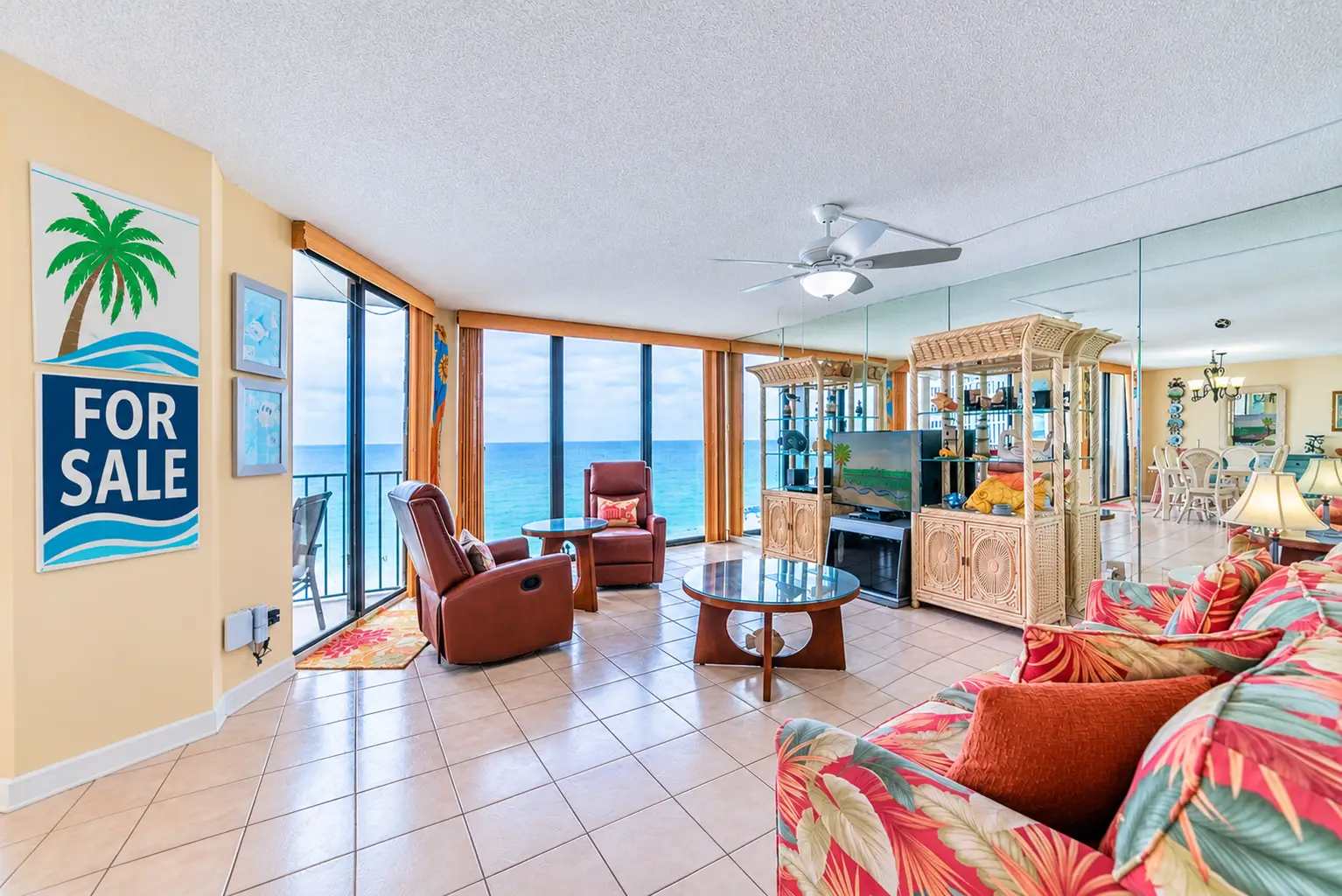
A second home can give your family a familiar place to return to, create a base near the water, and build a long-term asset. When managed well, a smart second home purchase can be paid for by renting it to vacationers. It can also strain your budget quickly if you fail to do your homework when buying. Don't overlook insurance, rental restrictions, or months with little personal use. Knowing how to buy a second home starts with a disciplined look at how you will use it, fund it, and maintain it.
For a beach property, the purchase decision goes beyond bedrooms and beach access. You need to understand the property’s exposure to storms, the association’s rules, the cost of ownership, and the realities of the local rental market before you make an offer.
Emerald Beach Properties' Real Estate Division can assist you when you are ready to buy a second home and our Vacation Rental Management Division can help you maximize your investment.
Define the job your second home must do
Start with your purpose. Some buyers want a private family retreat and plan to use it whenever school calendars allow. Others want a place they can enjoy occasionally while generating vacation rental income during open dates. A third group buys with retirement in mind and treats the home as a long-range lifestyle and real estate decision. The fourth group are investors looking for long term appreciation.
Each goal leads to different choices. A personal-use home may justify a quieter building, a larger kitchen, or a location farther from the busiest attractions. A rental-oriented property needs features guests consistently value, such as convenient beach access, parking, elevator service, pools, and a floor plan that works for groups.
Do not assume one property can maximize every goal. A highly rentable condo may have stricter guest activity and association requirements. A private single-family home may offer more freedom but require more hands-on maintenance. Decide what matters most before you tour properties, then use that decision to filter your options.
How to buy a second home without stretching your budget
A lender will examine your full financial picture, not only your down payment. You will need to qualify while carrying the mortgage, taxes, insurance, and debts tied to your primary residence. Lenders often apply different standards to second homes than they do to primary residences, and investment-property financing can bring different rates, down payment requirements, and underwriting rules.
Build your budget around the complete annual cost. Include principal and interest, property taxes, homeowners insurance, flood coverage where appropriate, association dues, utilities, furnishings, repairs, reserves, and travel. On the coast, insurance deserves special attention. Wind and hurricane coverage can materially change the carrying cost, and deductibles can create a substantial out-of-pocket obligation after a named storm.
Ask for insurance estimates before you remove financing and inspection contingencies. Do not rely on a seller’s current premium as your only guide. Coverage, underwriting, claims history, and carrier availability changes nearly every year in Florida.
If you expect rental income, treat it as a variable rather than a guarantee. A strong season can help offset ownership costs, but occupancy changes with weather, new inventory, economic conditions, and traveler demand. Create a conservative plan that works even if bookings fall below expectations.
Choose a location based on access and risk
Beach buyers often begin with the shoreline, which makes sense, but the best location depends on how you plan to use the home. Walkability, beach access, traffic patterns, grocery access, parking, nearby restaurants, and proximity to family activities all affect the ownership experience. In Panama City Beach, two properties a short distance apart can serve very different guest and owner needs.
Look closely at the physical setting. A gulf-front unit may deliver the view and direct access buyers want, but salt air, wind, and high humidity place constant demands on exterior systems. A property a few blocks inland may reduce some exposure while changing the guest experience and reducing potential rental appeal.
Review flood zone information, evacuation routes, elevation details, and the age and condition of major building components. For a condominium, ask about the roof, exterior coatings, windows, balconies, elevators, plumbing systems, and stormwater management. A low purchase price does not protect you from a future special assessment if reserves are not properly funded.
Confirm the rules before you count on rental income
If vacation rentals play any role in your plan, verify the rules in writing before you buy. Local ordinances, association documents, and building policies can control rental duration, occupancy limits, registration, parking, pets, signage, and guest behavior.
Request and read the condominium or homeowners association documents. Pay particular attention to rental restrictions, pending assessments, reserves, litigation, pet rules, parking assignments, renovation limits, and management requirements. Review recent meeting minutes when available. They often reveal concerns that a marketing sheet will not show, including recurring water intrusion, elevator issues, security questions, or debate over future expenses.
Short-term rental revenue also carries operating responsibilities. You must furnish and stock the home appropriately, handle cleanings and maintenance, respond to guest needs, and protect the property between stays. Professional vacation rental management can reduce the daily workload, but you should understand the service scope, fees, owner-use policies, maintenance authorization process, and communication standards before you sign an agreement.
Build a team that protects your position
A second-home transaction involves details that can cost real money if no one asks the right questions. Choose professionals who understand the specific property type and market. Your lender, real estate agent, insurance professional, inspector, title company, and attorney, when appropriate, should each have a defined role.
An experienced coastal inspector can identify issues that a general walkthrough misses. Ask for inspections that match the home’s condition and location. Depending on the property, that may include a general home inspection, wind mitigation review, roof inspection, pest inspection, mold evaluation, sewer scope, or specialist review of balconies and structural concerns.
For condominiums, study the association’s financial health with the same care you apply to your own finances. Review the budget, reserve funding, insurance coverage, current assessments, and planned capital projects. Ask whether the association has deferred maintenance. A building can look polished from the pool deck while carrying significant future obligations.
Make an offer with the right protections
A competitive market can tempt buyers to waive safeguards. That choice creates risk, particularly in a coastal market where repair needs and insurance terms can change the economics of the purchase. Use reasonable contingency periods to complete inspections, secure financing, review association materials, and confirm insurability.
Your offer strategy should reflect the property’s actual value to you, not just the asking price or another buyer’s urgency. Consider furnishing needs, expected repairs, association dues, projected assessments, and days you want to reserve for personal use. A slightly lower-priced property that needs major updates may cost more than a turnkey home after you account for time, labor, and disruption.
During the inspection period, document concerns, obtain estimates when needed, and decide whether to negotiate, accept the condition, or walk away. Strong buyers make decisions from verified information rather than emotion.
Plan for ownership before closing day
Closing does not finish the work. Set up insurance, utilities, security, maintenance schedules, and emergency contacts before you receive the keys. If you will rent the property, establish your furnishing plan, inventory standards, cleaning procedures, and guest policies before you open the calendar.
Keep a dedicated reserve fund after closing. Appliances fail, air-conditioning systems need service, association assessments arise, and storms can interrupt normal operations. A reserve gives you options and helps you protect the home without relying on high-interest debt.
A second home should add value to your life, not create constant uncertainty. Buy the property that fits your real budget, your intended use, and the practical demands of its location. The right home will still feel like a place to breathe when you arrive with a clear plan behind it.
What Are Vacation Rental Fees? A Clear Breakdown
Vacation rentals may show an attractive nightly rate, then the total changes once you select your dates and move toward checkout. That difference often prompts the same practical question: what are vacation rental fees? They are charges beyond the nightly rate that cover property turnover, booking administration, required taxes, and, in some cases, protection against accidental damage.
Fees are not automatically a red flag. A well-maintained vacation home needs cleaning, fresh linens, inspections, support, and local compliance. The key is seeing each charge clearly before you commit. A trustworthy quote shows the full cost of the stay once you have selected your dates and any extras and gives you enough detail to understand what you are paying for.
What are vacation rental fees?
Vacation rental fees are separate line items added to the base nightly rate. Some apply to nearly every reservation, such as cleaning and lodging taxes. Others depend on the property, booking channel, length of stay, guest count, or optional services you select.
The nightly rate pays for use of the home during your reserved dates. Fees cover the work and obligations surrounding that stay. For example, a cleaning fee prepares the property after one guest leaves and before the next guest arrives. Taxes fund local and state requirements rather than the property owner or manager.
When comparing properties, compare the total reservation cost, not only the advertised nightly price. A lower nightly rate can carry higher fixed fees, especially on a short stay. Conversely, a longer stay can make fixed charges represent a smaller share of the total.
Common fees you may see at checkout
Cleaning fee
The cleaning fee covers professional cleaning after departure, laundry for sheets and towels, restocking essential supplies, and a turnover inspection. Beach rentals often require extra attention because sand, salt air, and frequent guest turnover place real demands on the property.
A cleaning fee does not give guests permission to leave a property in unreasonable condition. Most rental agreements still require guests to remove personal items, take out trash, follow checkout instructions, and report damage. Those simple steps help the next family arrive to a clean, ready-to-enjoy space.
Service or reservation fee
A service, booking, or reservation fee covers the administration behind a confirmed reservation. Depending on where you book, this charge supports credit card payment processing fees, reservation technology, guest communications, customer support, fraud prevention, and the systems that securely handle booking information.
The name and amount can vary. A property management company may include these costs in its rate structure, while a third-party booking platform may show its service fee separately. Read the final quote rather than assuming two similar listings carry the same fee structure.
Taxes
Vacation rental reservations commonly include state sales tax, local tourist development tax, lodging tax, or similar required charges. The exact taxes depend on the property location and the rules that apply to the stay.
For a Panama City Beach vacation rental, tax line items reflect applicable Florida, Bay County and City of Panama City Beach lodging tax requirements. These amounts do not function as optional add-ons, and a professional manager collects and remits them as required. Because tax rules and rates can change, the reservation quote provides the most reliable figure for your dates.
Damage protection or accidental damage waiver
Nearly all rentals require a damage protection plan. This type of charge provides limited coverage for accidental, unintentional damage during your stay, subject to the plan terms and exclusions. It differs from coverage for deliberate damage, excessive cleaning, missing items, rule violations, or damage caused by a guest, an unauthorized pet or other party.
Read this section carefully before booking. A limited damage waiver offers a more predictable alternative to a large refundable security deposit, but it does not erase a guest's responsibility to treat the home with care.
Security deposit or hold
A security deposit is an amount held or authorized against a payment method to address eligible charges after checkout. Managers may refund it after they inspect the property and confirm that guests followed the rental agreement.
Not every vacation rental uses a security deposit system. Many use a damage protection plan instead, while others use both. The important details include the deposit amount, when the manager places the hold, how long the review takes, and what circumstances can lead to a deduction.
Emerald Beach Properties charges a fee per stay as a limited damage waiver fee.
Resort, parking, or amenity fees
Condominium communities and resort-style properties nearly always charge fees for parking passes, wristbands, pool access, fitness centers, shuttle service, or other shared amenities. These fees are set by the condo association and in many cases they are collected directly by the community. In these cases, the registration fee will be paid in addition to your reservation.
Resort fees are required for every reservation and they cover the valuable on-site features like onsite parking, swimming pools, tennis/pickleball, tram service, etc. During the booking process, you should definitely check on which amenities are available at the complex where you are staying.
Optional fees
Optional charges may include pet fees, early check-in, late checkout, crib or beach gear rentals, or travel protection. A good booking process identifies these items as optional and lets you decide whether to purchase them or not.
Pet fees deserve particular attention. They usually address the added cleaning and wear that animals can create, but they do not replace the guest's responsibility for pet-related damage or failure to follow property rules.
Why fee structures differ from one rental to another
Two condos in the same building can show different totals because each home has its own operating needs. A large beachfront property with multiple bathrooms, premium linens, and extensive outdoor areas requires more turnover work than a compact studio. Properties also differ in their building requirements, registration fees, parking arrangements, management model, and booking channels.
Length of stay changes the math. Cleaning and reservation charges stay relatively fixed whether you book two nights or seven. That means short stays can look expensive on a per-night basis even when the fee itself remains reasonable. For a weeklong family vacation, the same fixed fee spreads across more nights.
Season can also affect the base rate without changing every fee. During high-demand beach periods, nightly prices may rise while cleaning charges remain similar. This is another reason to review the complete breakdown instead of judging a rental from the first nightly number you see.
Booking through a third party provider such as AirBnB or VRBO can significantly increase your nightly rate because of the fees charged by those providers. Always check to see if there is a Book Direct Option for the property you are booking that may save you money.
How to review a vacation rental quote
Before you pay, look for a complete price summary that separates the nightly rate, fees, taxes, optional items, and total due. Confirm the number of nights, guest count, parking needs, and any amenities that affect the final cost. If something remains unclear, ask before you book.
Focus on these questions:
- Which charges are required, and which ones can I decline?
- Does the quote include all applicable taxes and parking costs?
- Is damage protection included, and what does it cover?
- Does the rental require a security deposit or card authorization?
- What refund or cancellation terms apply if plans change?
A clear answer helps you budget accurately and prevents surprises after confirmation. It also helps you compare homes fairly. One property may show a higher nightly rate but include features or costs that another listing adds later.
Fees and value are not the same thing
The lowest total does not always offer the best stay. A professionally managed property includes responsive local support, careful inspections, secure payment handling, verified access procedures, and clear arrival information. Those operational details matter when your family has traveled to the coast and expects the door code, parking instructions, and vacation rental property itself to be ready.
At the same time, every fee should have a purpose. Guests deserve straightforward pricing, and property managers should make the reservation terms easy to review. Clarity builds confidence long before check-in.
Before you reserve your next beach stay, take time to read the full quote alongside the rental agreement. You will know what the total covers, what responsibilities you accept, and whether the property fits both your plans and your budget.
Vacation Rentals for a Better Beach Stay in Panama City Beach
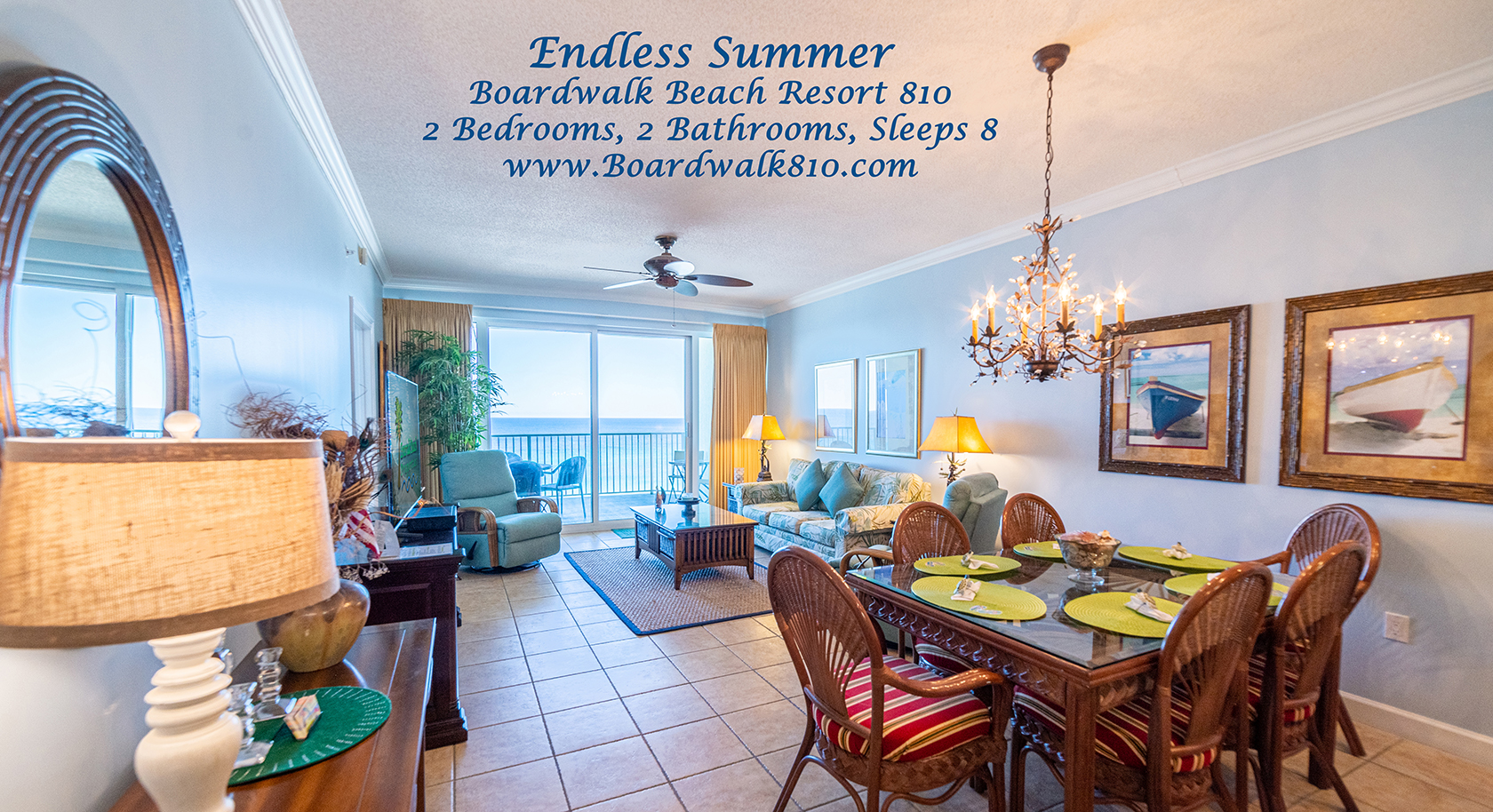
A beach trip can be effortless once you arrive at the beach, but your booking decision shapes nearly every part of the stay. The right vacation rentals give families room to settle in, keep beach gear organized, prepare meals on their own unique schedule, and enjoy time together without the constraints of a small hotel room or the expense of booking more than one hotel room. The key is to understand the simple details - parking, sleeping arrangements, beach access, or check-in timing - up front so you'll know what to expect.
A successful vacation rental stay starts with a clear view of what your group needs and a careful review of the property details before you reserve. In Panama City Beach, location matters, but so do the operational details that make a property comfortable, safe, and easy to use.
Start With How Your Group Will Actually Travel
Guest count tells only part of the story. A family with young children, a group of friends, and several couples may all need a three-bedroom property, yet each group will use that space very differently. Before comparing listings, decide who needs a private bedroom, whether anyone requires a personalized set up for their comfort, and how much shared space the group needs after a day on the sand.
Sleeping capacity deserves a closer look than the headline number. A property may accommodate ten guests through a mix of king beds, queen beds, full beds, twin beds, bunk beds, sleeper sofas, and daybeds. That arrangement can work well for a family with children, but it may not suit adult couples who expect separate beds and more privacy. Read the bedding layout rather than relying only on the maximum occupancy.
Also consider the activities and schedule you have planned for the trip. If your group plans to cook breakfast, pack lunches, and gather for dinner, a functional kitchen and dining area add real value. If you expect to spend most of the day at the beach and dine out each evening, a smaller condo in a preferred location may serve you better. There is no universal best choice. The property should match the way you plan to spend your time.
Location Is a Big Consideration
Panama City Beach offers different experiences within the same shoreline. Some guests want a beachfront balcony and direct access to the Gulf. Others prefer a quieter setting, convenient parking, a pool area, or easy access to restaurants, grocery stores, attractions, and family activities.
Beachfront properties often deliver the view and immediate access that define a beach trip. They can also come with practical considerations. Guests should understand where they will park, how they will reach the unit, whether elevators serve the building, and what beach access looks like from the property. During busy travel periods, these details affect how quickly you can move from the car to the condo, from the condo to the beach, and back again.
A property set a short distance from the shore may offer more space, a different price point, or features such as private patios or backyards and larger outdoor areas. That trade-off can make sense for guests who value room and privacy over stepping directly onto the sand. Review the map, but do not stop there. Read the property description for practical information about access, walkability, and the surrounding area.
Know What “Beach Access” Means
Not every property labeled near the beach provides the same experience. Direct beachfront access, deeded access, public access nearby, walk to the beach and a drive to the beach all mean different things. Families carrying coolers, chairs, and children will feel those differences quickly.
Ask yourself how often your group plans to return to your rental during the day. A direct beachfront condo makes midday breaks easier. A vacation rental farther inland may work perfectly if you prefer one long beach outing followed by an afternoon at a pool or an evening around a private outdoor space.
Read the Listing Beyond the Photos
Photos establish a first impression, but the written details set your expectations. A professionally managed listing should clearly identify the number of bedrooms and bathrooms, bedding configuration, parking rules, property access instructions, amenity availability, and any restrictions that affect the stay.
Pay close attention to details that can change your plans:
- Parking limits, assigned spaces, and vehicle height restrictions
- Check-in and check-out times
- Age requirements for the responsible guest
- Pet policies and smoking restrictions
- Pool, fitness center, or resort amenity rules
- Construction notices or seasonal service limitations
These points do not make a property less desirable. They help you choose the property that fits your trip without surprises. For example, a condominium with one assigned parking space may work well for a couple but create problems for a multigenerational family arriving in more than one vehicle. A beautiful balcony may offer an amazing view, while a ground-floor patio may provide simpler access for guests managing strollers or mobility concerns.
Amenities Should Earn Their Place
Amenities can improve a stay, but they should not distract from the essentials. A Gulf view, washer and dryer, full kitchen, pool, and reliable climate control often matter more over a week-long visit than a long list of features you may never use.
Think about what makes vacation life easier for your group. A washer and dryer helps families handle swimsuits and towels. A kitchen helps manage meals and snacks. Reliable Wi-Fi may matter to guests who need to check in with work or stream entertainment after sunset. For some travelers, a balcony is non-negotiable. For others, a larger living area and convenient beach access matter more.
Book With Clear Policies and Professional Support
A vacation rental involves a property, a reservation, and a set of expectations. Guests should know the rental terms before they commit. Review payment schedules, cancellation terms, security deposit requirements, occupancy limits, and any rules related to noise, events, or visitors.
Clear policies protect both guests and property owners. They establish what the guest can expect and what the property requires. That clarity becomes especially valuable when weather changes travel plans or when a guest needs assistance during the stay.
Professional management also matters when something needs attention. No property can eliminate every maintenance issue, but a qualified manager provides a defined point of contact, documented procedures, and local operational knowledge. Guests should feel confident that they can report a concern and receive direction without searching for an absent owner or relying on uncertain communication.
Emerald Beach Properties approaches vacation stays with that same focus on accountability: clear property information, established processes, and support grounded in the local market.
Plan for the Parts of the Trip That Are Easy to Forget
The final days before departure often reveal what the reservation confirmation did not answer. Confirm your arrival plan, parking instructions, entry process, and the items provided at the property. Many rentals supply starter quantities of essentials, but guests may need to bring or purchase additional paper goods, laundry supplies, beach towels, groceries, and specialty kitchen items.
If you travel during peak season, build extra time into your arrival and departure plans. Traffic, elevator use, grocery stops, and building access can take longer when the beach is busy. Guests who arrive prepared can settle in faster and start enjoying the coast sooner.
It also helps to set realistic expectations about the setting. Beachfront living brings salt air, sand, wind, humidity, and an active coastal environment. Those are part of the experience. A well-managed property team works to maintain the home or condo, while guests can help by following check-out instructions, reporting issues promptly, and treating the property with care.
Vacation Rentals Should Feel Like a Fit, Not a Gamble
The best vacation rentals do more than provide a place to sleep. They support the kind of trip you were dreaming of: slow mornings on the balcony, sandy afternoons with the family, a kitchen full of easy meals, and enough room for everyone to relax at the end of the day.
Choose based on the details that will matter after the excitement of booking fades. When the location, layout, policies, and management support align with your plans, you can spend less time solving logistics and more time enjoying the beach.
For Sale! Grand Panama 1706 in Panama City Beach
Emerald Beach Properties is a full service vacation rental management company and real estate brokerage. Our real estate division assists our clients in buying and selling vacation rental properties. We have several active listings.
Our most recent listing is located in the Grand Panama Beach Resort right on the beach in Panama City Beach, Florida! See all the details at MLS#797851.
Ask us about our other listings if you are looking for something smaller or larger or something in a different complex, too.
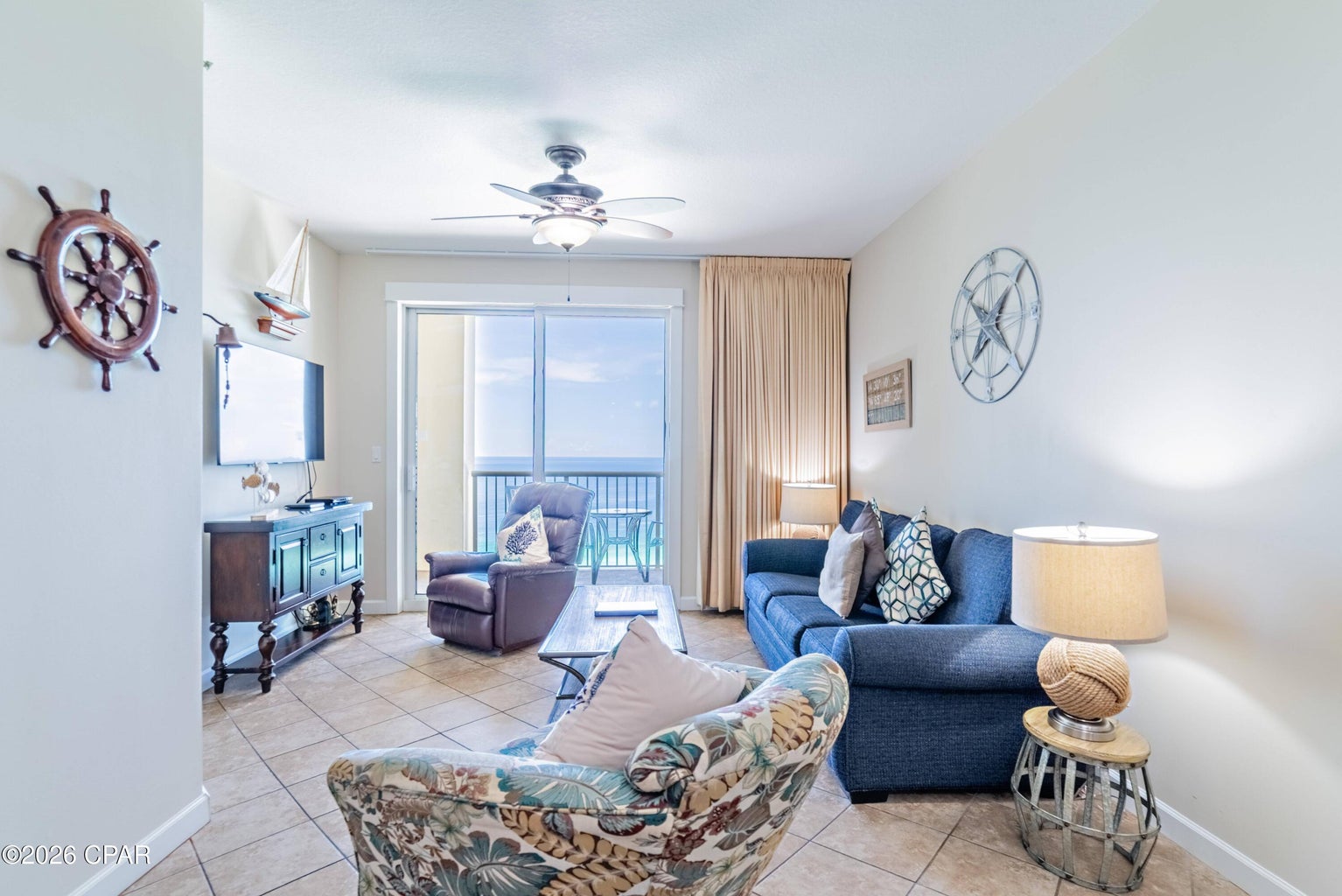
Every detail of Grand Panama 1706, was chosen for your enjoyment from the ocean blue sleeper sofa to the collection of nautical and tropical artwork right down to the nautical dinnerware.
This beachfront condo with 2 bedrooms with a separate bunk room and 2 bathrooms sleeps 8 comfortably in 2 king beds, 1 set of bunk beds for the kids and a queen sleeper sofa.
A Grand Panama 2-bedroom with bunks and 2 baths condo can solve a very specific Panama City Beach ownership need: enough sleeping flexibility for family vacations, enough bathroom capacity to avoid morning bottlenecks, and a floor plan that can appeal to vacation renters.
The details matter, though. Two condos with the same bedroom and bath count can perform very differently for personal use, guest comfort, carrying costs, and long-term resale.
Grand Panama places owners and guests near the Gulf, the beach, dining, and the activity of the central Panama City Beach corridor. That location creates strong rental demand, but buyers still need to evaluate the individual residence rather than rely on the building name alone. A clear-eyed review protects both the vacation experience and the investment decision.
Call us today at (850) 234-0997 to view this amazing property! Our office is located at 2027 Joan AV, Panama City Beach, FL 32404
Why a 2-Bedroom With Bunks Draws Attention
A conventional two-bedroom condo usually serves a couple, a small family, or two couples well. Add a dedicated bunk area, and the property can accommodate children in their own sleeping space. That distinction changes how a family uses the condo and how a prospective renter will read your rental listing.
This bunk setups is located off the main hallway in a small enclosed bunk room with doors, a TV and lights in the bunks for reading.
Two full bathrooms add practical value. Parents can get ready while children use the second bath. Two couples can share the vacation rental with less friction. For rental guests arriving after a long drive, that extra bathroom often feels more meaningful than a small increase in square footage.
The layout is comfortable for a group of 8 with plenty of room to gather in the great room and a great bedroom arrangement
Evaluating a Grand Panama 2-Bedroom With Bunks and 2 Baths
Start with the floor plan, then inspect the residence in person when possible. Listing photos can make a room appear larger or brighter than it feels. Stand in the entry, open the bedroom doors, look at the bunk space, and picture a beach week with wet towels, groceries, coolers, and luggage. That practical test often reveals more than a headline sleeping count.
Look Beyond the Number of Beds
Evaluate the two King Bedrooms first. One is beachfront and the other is located on the back side of the unit. Both have their own TVs, bathroom access and plenty of space for luggage and nice sized closets.
The bunks are twin over twin for younger children. The door on the bunk area is nice for helping the little ones rest well.
Then evaluate the two bathrooms. The main bedroom has a separate shower and tub and opens directly to the primary bedroom. The second bathroom has a combo tub/shower and opens from the second king room and onto the hallway for those sleeping in the bunks and on the sleeper sofa in the great room. A layout like this with easy access for bunk-area occupants can make the property more functional than a comparable unit with a less convenient arrangement.
Assess the View, Balcony, and Building Position
At a beach property, the view and outdoor space often shape buyer interest as much as the bedroom count. Verify the actual view from the unit, not just the building’s general proximity to the water. The direct Gulf view in this unit is beautiful
Step onto the balcony. Check its depth, usable seating area, exposure to sun and wind, and access point from the living room. Consider when you plan to use the condo. A balcony that feels pleasant at sunset may become intensely hot in midafternoon, while a different orientation may offer more shade. The balcony is well shaded.
This unit is located in the beachside tower so, you are beachfront. The elevators are quick. Parking is in the two decks across the street accessible via a walk over so you don't have to deal with traffic. There is an additional roof top pool and fitness center across the street via the walk over bridge.
Rental Potential Requires Real Numbers
A two-bedroom with bunks can attract families and groups, but no responsible buyer should base a purchase on projected revenue alone. Seasonal demand changes. Weather, competition, owner use, unit condition, booking strategy, and association rules all affect results.
We can provide real numbers for how well this unit rents since, we have managed if for many years. If you would like to purchase the unit and leave it under our management, we can assist you with that.
Build a conservative expense estimate that includes association dues, property taxes, insurance, utilities, repairs, furnishings, cleaning, management, licensing requirements, and reserves for replacements. Beachfront ownership also requires attention to wear from salt air, sand, humidity, and heavy seasonal use. Appliances, HVAC components, balcony furniture, mattresses, and paint do not last forever.
The condo association deserves close review. Read current rules covering short-term rentals, occupancy, parking, pets, renovations, balcony use, and owner responsibilities. Review the budget, reserve position, meeting minutes, insurance information, and any pending or recent special assessments.
Condition and Furnishings Can Change the Deal
Vacation-condo buyers often focus on décor because it appears immediately in photos. Style matters, but condition matters, too. Inspect flooring, walls, ceilings, doors, windows, appliances, plumbing fixtures, cabinets, and HVAC.
If you plan to rent the property, calculate the cost to of changes you may wish to make. At the same time, avoid over-improving without considering the likely return. A thoughtful refresh may serve the property better than an expensive redesign that pushes the budget beyond what the market will support.
Questions Worth Asking Before You Make an Offer
A disciplined buyer asks direct questions early. What are the monthly association dues, and what services do they cover? Are there pending assessments, major repairs, or insurance changes? What rental and occupancy rules apply? How does the unit compare with recent sales in the building and with similar two-bedroom layouts nearby?
Ask about the age and service history of major systems, especially HVAC and water-heating equipment. Request clarity on parking, storage, owner access, and any restrictions that could affect your intended use. If rental income forms part of your decision, ask for documentation rather than relying on a broad annual projection.
Buyers should also separate the purchase decision from the property-management decision. Each deserves its own review of services, fees, communication standards, owner use policies, maintenance coordination, and reporting. Emerald Beach Properties can discuss vacation rental management separately with owners who want local operational support after closing.
Buy for the Vacation You Would Want For Your Family
A Grand Panama two-bedroom with bunks and two baths can offer a compelling mix of beach access, flexible sleeping space, and family-friendly function.
Before you commit, visit the condo with a practical eye and ask the questions that protect your plans. The best choice will not simply sleep more people. It will give your family or guests an easier, better visit to the beach.
Is Beach Access Walkable? What to Check First

A property can be beachfront and still require a longer walk than you might expect. A lagoon, a busy road, a private development, dune protection, or several flights of stairs can change the experience completely. If you are asking, is beach access walkable, the right answer depends less on a map pin and more on the actual route from your vacation rental's front door to the sand.
For families carrying chairs and coolers, guests traveling with small children, and anyone who wants to return easily for lunch, walkability shapes the entire vacation day. A clear understanding of beach access before booking prevents unwelcome surprises after arrival.
Is Beach Access Walkable From the Rental?
“Walkable” does not mean the same thing for every guest. One traveler may consider a 10-minute walk along a sidewalk easy. Another may need direct access because they travel with a stroller, mobility equipment, young children, or a full beach cart. A listing that says “near the beach” may accurately describe the neighborhood while leaving out practical details about the route.
Start with the distinction between beachfront, beach access, and beach proximity. A beachfront rental typically sits directly on the Gulf side of the road or within a beachfront condominium community. Guests may reach the beach through a dedicated boardwalk, a pool deck gate, or a private access point. Even then, the walk can include elevators, corridors, and stairs.
A rental with walk to the beach access is usually located across the street or a short distance inland but offer a public or neighborhood access point nearby. Beach proximity simply means the property is close to the coast. It does not confirm a direct, safe, or convenient path to the sand. Many of our walk to the beach properties offer a free tram service to the beach.
In Panama City Beach, many properties offer excellent beach access, but access conditions vary block by block. Coastal roads, large resort footprints, gated communities, and protected dunes all influence the route. Guests should evaluate the specific property rather than rely on a broad neighborhood description.
Measure the Route, Not the Straight-Line Distance
Straight-line distance can make a location look simpler than it is. A property may appear 300 yards from the water, but the nearest legal beach entrance could sit several blocks away. The walking route may require a road crossing, a detour around private property, or a climb over a boardwalk.
Ask how many minutes the walk takes at a normal pace while carrying beach gear. This question produces a more useful answer than asking how far the beach is. Also ask whether the route stays on sidewalks or paved paths. A short walk without a safe pedestrian route can feel less convenient than a longer walk through a well-designed beach community.
When reviewing a rental, look closely at the path between the building and the access point. Consider whether you must leave the complex, cross a main road, pass through a parking area, or walk along an unshaded stretch of pavement. Afternoon heat changes a five-minute walk, particularly when everyone carries towels, water, and chairs.
The online map programs can be switched from driving to walking to help you see what might be in the way of your walk to the beach.
Check the beach entrance itself
The final part of the route matters as much as the distance. Public beach access points often use wooden boardwalks to protect the dunes. Some boardwalks have ramps, while others include stairs. A ramp may still feel steep or narrow when you push a stroller or pull a loaded wagon.
Ask whether the entrance has stairs, a ramp, or both. If accessibility needs affect your stay, confirm the conditions directly with the property manager before booking. Do not assume that a nearby access point meets every mobility need.
Also consider what happens after you reach the sand. A beach entrance may sit near a wide, open shoreline, or it may lead to a busier area with beach service setups and seasonal activity. Neither option is automatically better. The right choice depends on whether you want energy and convenience or more room to spread out.
Consider the Walk With Your Group in Mind
The practical question is not simply, “Can I walk there?” It is, “Can everyone in my group comfortably make this trip twice a day?” A couple traveling light may enjoy a few blocks from the beach. A multigenerational family may prefer a property where grandparents and children can come and go without planning every trip.
A beach cart helps on smooth pavement but can become difficult on stairs, deep sand, or crowded boardwalks. Strollers handle some paths well and others poorly. Guests who use wheelchairs, walkers, or other mobility aids need reliable details on ramps, elevator access, door widths, and beach entry conditions rather than general assurances.
Think about your vacation schedule. If you plan to spend sunrise through sunset at the beach, a short walk may work well. If you expect to return to your vacation rental for naps, meals, or breaks from the sun, direct or very close access can add real value. Easy access also gives teenagers more independence and makes forgotten sunscreen or extra drinks less of a disruption.
Look Beyond the Beach in Both Directions
A walkable beach route can matter most when it connects with other parts of the trip. Some guests want to walk to restaurants, coffee shops, ice cream, or family activities after a beach day. Others prefer a quieter location where they drive to dining and entertainment. It's totally up to you and the vacation vibe you are going for.
Parking deserves attention as well. A vacation rental may offer walkable beach access but limited on-site parking, or it may sit farther from the beach with convenient parking near a public access point. If your group plans to bring a canopy, fishing equipment, or several coolers, driving may prove more practical on some days.
Weather also changes the calculation. Summer storms can arrive quickly along the coast. A rental within an easy walk gives guests a fast place to regroup when rain moves in or beach conditions change. Keep an eye on the weather forecast so you can plan ahead. During cooler months, a longer scenic walk may feel pleasant. During peak summer heat, direct access often becomes the stronger convenience.
Questions Worth Asking Before You Book
Property photos show the view, but they may not show every turn in the route. Clear answers from a professional manager protect your expectations and help you choose the right fit. Before you reserve, ask these questions:
- How long does it take to walk from the rental entrance to the beach access?
- Does the route require crossing a busy road or walking through a parking garage?
- Is the access point public, private, or restricted to guests of a specific community?
- Does the entry use stairs, a ramp, an elevator, or a boardwalk?
- Can guests easily transport chairs, coolers, and strollers along the route?
These details matter more than a vague claim that the beach is “just steps away.” A well-managed rental provider should describe the access route plainly and identify any limitation that could affect your stay. Emerald Beach Properties encourages guests to match the property’s access features with their group’s needs before they arrive.
When a Short Drive May Be the Better Choice
Walkability offers convenience, but it should not override everything else. A vacation rental that is a short drive from the beach may provide more living space, a quieter setting, better value, or a layout that suits your group better. Guests who plan to explore different parts of Panama City Beach may drive anyway, making a direct beach walk less essential.
The key is to choose intentionally. If the beach is the center of your day, prioritize a simple, reliable route to the sand. If you value space, privacy, or a wider range of amenities, accept that a drive may be part of the plan. Honest expectations turn either choice into the vacation you are planning for.
Before you book, picture the first morning: who carries the chairs, which route you take, where you cross, and how everyone gets back when the sun gets strong. That small exercise will tell you far more about beach access than a distance label ever can.
Panama City Beach Parking Guide

Parking in Panama City Beach is generally fairly easy to deal with during most of the year. Summer months and large festivals are the exception to this generalization. If you are staying in one of Emerald Beach Properties vacation rentals, you'll have parking available at your vacation rental that is usually very convenient to the beach.
If the resort where you are staying allows you to have fewer parking spaces than the vehicles you are bringing or if you want to bring a trailer or boat, you'll need to make arrangements for those excess items in advance to avoid problems upon arrival. Talk with your reservations representative for assistance with this.
When you leave your vacation rental to visit festivals, attractions, restaurants, etc. you may have some issues depending on the time of year. This Panama City Beach parking guide helps you make a practical plan before you leave your vacation rental, so parking supports the day rather than controls it.
Parking conditions in PCB change with the season, weather, holiday weekends, special events, and time of day. Treat posted signs, lot instructions, and current payment information as the final authority when you arrive.
Start With Your Beach Access Point
Panama City Beach has miles and miles of beach, but not every section offers the same parking setup. Public beach access points provide limited roadside or some lot parking, while larger access areas, parks, and activity areas can offer more capacity. The right choice depends on what you plan to carry and how far you want to walk.
Families hauling chairs, umbrellas, beach carts, and snacks should prioritize access over the closest possible address. A space several blocks from the sand or your event may work well for two adults carrying only towels. It can create a difficult start for a group managing young children or those with special mobility needs. Review the access point and parking available before you head out and decide how much walking your group can comfortably handle.
Your vacation rental location also matters. Guests staying near the beach may find that walking, biking, or using a local ride service makes more sense than going in their own vehicle during the busiest hours. Emerald Beach Properties encourages guests to consider the full day’s plan before driving - especially when the beach, restaurants, and evening activities sit within a manageable distance.
Public Access Lots and Street Parking
If you are headed out to a different stretch of beach than the one adjacent to your vacation rental, you'll need to look for parking at your target location Public beach access parking can offer a straightforward route to the sand, but availability often disappears early on popular days. Follow all posted time limits, payment instructions, and designated-space markings. Do not assume a curbside spot allows beach parking simply because other vehicles occupy it.
Street parking requires extra attention. Signs may restrict parking near intersections, driveways, fire hydrants, construction areas, loading zones, or emergency access routes. A quick check of the sign can prevent a tow, citation, or long walk back after dinner. Never block residential driveways, condo entrances, bike lanes, or pedestrian crossings.
If you use a paid public lot, take a photo of your space number and payment confirmation. That small step helps if you need to verify where you parked or resolve a payment issue later.
Understand the Trade-Offs at Major Beach Areas
The most convenient areas often draw the largest crowds. Parking near Pier Park, major restaurants, popular public accesses, and event venues can fill quickly during spring break, summer weekends, holiday weeks, and sunset dining hours. A paid lot may offer more dependable capacity, but it can also place you in heavier vehicle and pedestrian traffic when everyone leaves at once.
Arriving early remains the simplest strategy. For a prime beach day, aim to park before midmorning rather than around noon, when many visitors begin searching at the same time. If your schedule allows, another smart option involves arriving later in the afternoon. Many daytime beachgoers leave before sunset, and you can enjoy cooler sand, dinner, and an evening walk with less competition for spaces.
Do not circle the same block repeatedly once an area reaches capacity. That approach wastes time, increases frustration, and adds traffic near beach crossings. Choose a backup access point before you head out. A five- to ten-minute drive to another public access can save far more time than waiting for an unavailable spot near your first choice.
Pier Park and High-Traffic Districts
Pier Park attracts visitors for shopping, dining, entertainment, beach access, and seasonal events. That combination makes it convenient, but it also means parking demand does not follow a single beach schedule. A rainy afternoon can create crowded garages and lots if visitors move from beach activities to restaurants, movie theaters and stores.
When you park in a commercial area, confirm whether the lot serves customers only, whether time limits apply, and whether overnight parking is prohibited. Businesses and private lot operators can enforce their rules. A space that looks open may not authorize all-day beach parking.
Plan extra time when you visit during a concert, festival, sporting event, or holiday program. Event traffic alters normal travel patterns, and lot access may change without advance notice. If an event matters to your group, arrive early, expect a longer exit, and keep water & snacks in the car for the wait afterward.
Check Your Vacation Rental Parking Before Arrival
Your rental’s assigned parking will provide the most reliable base for your vehicle, but every property operates differently. Some homes offer driveways, while condominiums may use numbered spaces, parking passes, garages, registration systems, height limits, or separate overflow areas. Review your arrival information before you reach the property. When in doubt, call or text Emerald Beach Properties with your questions and we'll get right back with you.
Confirm how many vehicles your reservation allows. This matters for multigenerational trips, teen drivers, friends arriving separately, and guests who rent golf carts or larger vehicles. Most condo associations do not allow rental golf carts or scooters on their property so, be sure to check in advance. Do not count on unmarked spaces or neighboring areas as overflow parking. This is due to limited parking spaces and liability concerns. Property managers and associations enforce parking rules to keep access clear for owners, guests, service teams, and emergency vehicles.
Large trucks, trailers, campers, and boats need special planning. Many vacation rental communities restrict them because of space constraints, vehicle length, or local rules. Ask before arrival if your group plans to bring anything beyond standard passenger vehicles. Solving that question in advance protects your first afternoon from an avoidable parking problem.
Plan for State Parks, Marinas, and Day Trips
A beach vacation often includes more than one stretch of beach. St. Andrews State Park, marina areas, fishing charters, Shell Island excursions, and scenic drives can each have different entry procedures and parking expectations. These destinations may charge entrance or parking fees, limit capacity, or close vehicle access when lots fill up.
For a state park day, arrive early and prepare for a longer stay. Pack water, sunscreen, identification, and payment options before you enter the line. For charter and excursion departures, confirm exactly where the operator wants guests to park. Marinas often have working docks, commercial traffic, reserved spaces, and loading zones that require clear access.
If you plan a day trip outside the immediate beach area, avoid leaving valuables visible in your vehicle. Store bags, electronics, and beach gear out of sight before you park, not after you arrive at the lot. A locked vehicle and a clean interior reduce temptation and let you enjoy your outing with fewer concerns.
Use Smart Habits on Busy Days
The best parking plan combines preparation with flexibility. Save the address of your intended access point, but also save two alternatives. Keep your phone charged, bring a card or mobile payment method for paid lots, and carry a small amount of cash only if you prefer it for incidentals. Some lots rely on apps or digital kiosks, and cellular service can slow down when large crowds gather.
Before you leave the vehicle, check for more than a vacant space. Look for posted lot hours, towing warnings, payment deadlines, accessible parking instructions, and signs that identify private property. Accessible spaces require a valid placard or plate. Fire lanes, marked emergency routes, and loading zones never serve as temporary parking, even when the beach crowd feels overwhelming.
At the end of the day, give everyone a clear meeting point before you separate. Crowded lots look different after dark, particularly when families return tired and sun-soaked. Save your parking location on your phone, photograph nearby landmarks, and keep keys with the adult who will return to the vehicle.
A little planning gives your group more time where it belongs: feet in the sand, children chasing the tide, and dinner plans that do not depend on finding one last open space. Choose your access point early, respect each lot’s rules, and let a backup plan carry the day when the first choice fills up.
Vacation Rental Owner Benefits

A beach vacation rental property can give you and your family far more than rental revenue, but only when an owner treats it as an operating asset rather than an occasional getaway. The most meaningful vacation rental owner benefits include income potential, personal flexibility, property oversight, and a stronger path to long-term ownership. Those benefits depend on disciplined pricing, responsive guest service, careful maintenance, and a realistic view of the work behind every reservation.
For owners in a destination market like Panama City Beach, demand changes with school calendars, weather, local events, and what other nearby vacation rentals have to offer. A well-managed rental does not simply wait for bookings. It earns guest confidence before arrival, protects the home during each stay, and gives the owner clear information to make sound decisions.
Vacation Rental Owner Benefits Go Beyond Booking Revenue
Rental income often starts the conversation, and it should. A vacation home can help offset carrying costs such as insurance, utilities, taxes, association fees, repairs, and paying off the mortgage. In strong booking periods, it may contribute meaningful cash flow too.
Still, owners should not measure performance by gross revenue alone. A property that fills its calendar through deep discounts can create more wear and tear, attract guests that may cause damage, and leave less money after operating expenses. Strong performance comes from the net result: appropriate rates, controlled expenses, repeatable operations, and a property that remains appealing year after year.
A professionally managed property also gives owners a clearer record of how the asset performs. Reservation patterns, guest feedback, maintenance activity, and market changes all provide useful context. That visibility helps an owner decide whether to update furnishings, adjust stay requirements, plan a larger renovation, or reconsider personal-use dates.
Personal Use Without Giving Up the Asset
Many owners buy a vacation rental because they want a place their family can enjoy. That personal connection has value that a standard long-term rental may not offer. An owner can reserve time for a summer beach trip, a holiday gathering, or a quiet off-season visit while keeping the home available to guests during other periods.
This flexibility requires planning. Peak weeks often command the highest rates, so an owner who blocks those dates trades potential revenue for personal enjoyment. That choice may make perfect sense, especially for a family that values a traditional annual vacation. The key is to make the decision intentionally and align the booking calendar with the owner’s priorities.
Professional Management Protects Time and Standards
A vacation rental operates every day, not only during check-in hours. Guests ask questions before booking, need arrival instructions, report maintenance concerns, and expect quick answers when something changes. Cleaners, inspectors, vendors, and technicians also need coordination between stays.
Owners who self-manage can retain direct control, but they take on a sizeable workload. They must respond during evenings and weekends, monitor calendars, resolve guest issues, collect payments, and maintain service standards through busy turnover days. For some owners, that hands-on role fits their schedule and experience especially if they live nearby. For others, it turns a desired asset into a second job.
A capable management team creates operational structure. It markets the home, communicates with guests, schedules cleanings, coordinates maintenance, monitors property condition, and handles the details that shape a guest’s stay. Emerald Beach Properties understands that a beachfront vacation rental needs more than attractive photos. It needs consistent oversight when guests, weather, sand, humidity, and heavy seasonal traffic place demands on the property.
Professional management does not remove an owner from important decisions. It should give the owner a more effective role. The owner sets priorities, approves appropriate improvements, reviews performance, and keeps control of the asset while a dedicated team handles daily execution.
Better Guest Experiences Support the Property
Guest satisfaction has a direct business impact. Clear arrival information, clean rooms, functioning appliances, accurate listing details, and fast issue resolution influence reviews and repeat bookings. Guests remember the small moments: whether the door code works, whether towels feel fresh, whether they can reach someone when an air conditioner stops cooling.
Those expectations create a practical benefit for owners. Better service can protect the property’s reputation, support stronger pricing over time, and reduce the damage that often follows frustrated guests. A guest who feels cared for is more likely to respect house rules, report a problem early, and recommend the home to friends or family.
No operator can prevent every complaint. Storms disrupt travel, equipment fails, and individual expectations vary. A disciplined response matters more than perfection. Owners benefit when someone can assess the issue, communicate clearly, document the situation, and move toward a solution without delay.
Property Care Helps Preserve Long-Term Value
Coastal vacation rental properties face conditions that require consistent attention. Salt air can affect exterior fixtures, humidity can encourage moisture problems, and sand can add wear to flooring, doors, and HVAC systems. High guest turnover adds another layer of use that an owner must manage carefully.
Regular inspections identify concerns before they grow more expensive. A loose railing, a slow drain, a worn seal, or an appliance that performs inconsistently may seem minor at first. Left alone, each can affect a guest stay or lead to larger repairs. Timely maintenance protects both the guest experience and the owner’s investment.
Owners also benefit from planned improvements. Replacing worn furniture before it fails, refreshing paint, updating linens, or improving outdoor seating can keep a home competitive without forcing a full renovation. The right improvement depends on the property, its guest profile, and competing homes in the area. A luxury condominium and a family-friendly beach house will not require the same design choices or amenity budget.
This approach also helps owners avoid reactive spending. Emergency repairs cost more, disrupt bookings, and create pressure to make fast decisions. Preventive care gives owners more control over timing, vendor selection, and budget.
Marketing Reach Can Improve Booking Quality
A strong property needs more than an online listing. It needs accurate descriptions, current photos, transparent policies, competitive rates, and a booking strategy that matches local market conditions. Marketing should set the right expectations from the start. When guests understand the layout, sleeping arrangements, parking rules, beach access, and amenities, they arrive better prepared.
Booking quality matters as much as booking volume. A full calendar of short, heavily discounted stays usually does not serve many owner’s goals. Longer stays, well-timed minimum-night requirements, and pricing that reflects demand can reduce turnover pressure while protecting revenue opportunities.
An experienced local manager can also recognize demand patterns that do not show up in a generic pricing formula. Spring break, summer family travel, holiday weekends, and quieter shoulder seasons each require different decisions. Owners should expect a strategy that responds to the market rather than a fixed rate that stays in place regardless of demand.
Clear Rules Reduce Avoidable Risk
Vacation rentals involve real operational risk. Guests may misunderstand (or ignore) occupancy limits, parking restrictions, pet policies, age requirements, or community rules. Owners need clear rental terms and consistent enforcement to reduce preventable conflicts. Your professional property manager understands how to deal with these issues so you don't have to.
The home itself should support those standards. Durable furnishings, straightforward check-in instructions, visible safety information, and documented property conditions all help create accountability. Insurance, local regulations, tax obligations, and association requirements also deserve careful attention. Owners should work with qualified insurance, legal, and tax professionals for guidance specific to their situation.
A management company cannot eliminate every risk, but it can create a more controlled operating environment. Documented processes, responsive communication, and consistent monitoring give owners a stronger foundation than an informal arrangement built around occasional messages and last-minute decisions.
The Right Benefit Depends on the Owner’s Goal
Some owners prioritize current income. Others value family access, long-term appreciation, or a property that may support future retirement plans. Those goals can overlap, but they do not always point to the same operating choices.
An owner focused on maximum revenue may reserve fewer peak dates and invest more aggressively in upgrades. An owner focused on family use may accept lower annual revenue in exchange for guaranteed vacation time. Neither approach is automatically better. The better approach reflects the owner’s financial plan, use of the property, tolerance for hands-on work, and expectations for the home.
The strongest vacation rental ownership experience starts with that clarity. A well-maintained beach home, thoughtful guest service, and reliable local oversight can turn a desirable property into an asset that works hard without losing the personal value that made the owner choose it in the first place.
Are Any Panama City Beach Rentals Pet Friendly?

Are Panama City Beach vacation rentals pet friendly? Some are, most are not, and the difference often comes down to the individual vacation rental, condo association, owner rules, and PCB beach regulations. Different associations also enforce differing procedures for emotional support animals.
Do not assume that a pet-friendly search result means every part of the trip will work for your pet. Before you reserve a stay, confirm the vacation rental's pet policy, the total cost, the property setup, and the rules that apply. A little verification before booking protects your vacation, your pet or ESA, and the property owner’s home.
Are Beach Rentals Pet Friendly? It Depends on the Property
Vacation rentals do not follow one universal pet/ESA policy. A beach house with a fenced yard like Emerald Beach Cottage in PCB may welcome dogs, while a nearby condominium may prohibit them under its association rules. One vacation rental may allow one small dog but not larger breeds, multiple pets, cats, or other animals.
Property owners set pet rules to protect furnishings, flooring, landscaping, neighboring guests, and the long-term condition of the home. Professional vacation rental managers also enforce those rules consistently. That clarity helps everyone. Guests know what to expect, owners protect a significant asset, and future travelers can enjoy a clean, well-maintained property.
When you find a rental that interests you, review the listing carefully for direct language about pets. If the policy does not clearly state that pets are permitted, treat the property as non-pet-friendly until the rental manager confirms otherwise. Do not bring a pet without approval. Unauthorized pets and emotional support animals can lead to denied occupancy, additional charges, or early departure from the property.
See Emerald Beach Properties Pet Friendly Offerings here
Pet-friendly does not always mean pet-ready
A property can accept pets without offering every convenience a pet owner wants or needs. For example, a vacation rental may allow dogs but have no fenced area, steep exterior stairs, or limited nearby walking space. These details do not make the property a poor choice. They simply affect whether it suits your particular pet.
Consider your dog’s size, temperament, activity level, and travel habits. A quiet senior dog may do well in a condo near an elevator, while an energetic dog may need the space and privacy of a single-family home. If your pet becomes anxious around crowds, a high-traffic resort setting may require more planning than a home on a quieter street.
Confirm the Rules Before You Book
Read the pet policy before you finalize your reservation, then ask questions when anything remains unclear. A well-managed rental program will provide straightforward answers about eligibility, charges, and expectations.
Pay attention to the number of pets allowed, size or weight restrictions, breed restrictions, and whether the home permits cats. Some properties allow only dogs because of allergy concerns or the damage risks associated with certain animals. Others require advance approval for every pet, regardless of size.
You should also confirm whether the rental charges a pet fee, a refundable pet deposit, or both. A pet fee generally covers the extra cleaning and wear that come with animal occupancy. A deposit may cover damage beyond normal use. These charges vary by property, so compare the full stay cost rather than looking only at the nightly rate.
Ask about crate requirements and unattended pets as well. Many vacation rentals require guests to crate pets when they leave the property. That rule reduces the chance of scratched doors, damaged furniture, excessive barking, or an escaped animal. If you plan to spend long afternoons at the pool, on a boat, or at a restaurant, make sure your pet can remain comfortable and secure under the property’s rules. For the safety of your pet, do not leave them unsupervised on condo balconies under any circumstances
Beach Access Has Its Own Rules
A pet-friendly rental does not guarantee pet-friendly beach access. Cities, counties, parks, and private beach areas can all set different rules. Some areas allow dogs only during specific hours or seasons. Others require leashes, limit access to designated sections, or prohibit pets on the sand altogether.
In Panama City Beach, guests should verify current local requirements before packing the leash and heading to the shore. Rules can change, and enforcement may vary by beach access point, event schedule, or protected area. Follow posted signs and carry waste bags every time you walk your dog.
Dog Beach Rules at Panama City Beach
Panama City Beach has specific rules for the designated dog beach located on the west side of the Russell-Fields City Pier. Here are the key regulations:
General Rules
Leashing: Dogs must be leashed at all times while on the beach.
Clean Up: Owners are required to clean up after their pets. Doggy bags are provided at beach entrances for convenience.
Supervision: Dogs must not be left alone with children.
At Your Own Risk: The beach is an "at-your-own-risk" area, meaning owners are responsible for their pets' safety.
Additional Information:
Location: The dog beach is the only official area where dogs are allowed on the sand.
Access: It is located directly in front of Pier Park, making it accessible for visitors.
Hours: The dog beach is open 24 hours a day.
These rules ensure a safe and enjoyable experience for both dogs and their owners at Panama City Beach.
The beach itself also presents practical safety concerns. Hot sand can burn paw pads quickly, especially in midday Florida sun. Saltwater can upset a dog’s stomach, while waves and strong currents can overwhelm even a confident swimmer. Bring fresh water, shade, and a leash. Rinse sand and salt from your pet’s coat and paws after an outing, particularly if your dog has sensitive skin.
Respect for other beachgoers matters just as much. Keep your pet under control, prevent unwanted greetings, and clean up immediately. Those basic habits help protect access for travelers who want to vacation with their pets.
Choose a Rental That Works for Your Routine
The right property makes pet travel easier before you ever arrive. Look beyond the phrase “pet friendly” and think through an ordinary day with your dog.
A ground-floor entrance can save time on early morning walks. Durable flooring may offer more peace of mind than a home filled with delicate rugs. A covered patio can provide a comfortable place to dry off after a rainy walk. Nearby sidewalks, green space, and pet services can also make a meaningful difference during a week-long stay.
If you travel with a large dog, ask whether the property has room for a crate and whether exterior steps or narrow hallways create challenges. For small dogs, inspect balcony rules and railing gaps. For older pets, consider how far they must walk from parking to the entry and whether they can manage stairs safely.
Travelers should also plan for the moments when a pet cannot come along. Identify a reputable local boarding, daycare, or veterinary option before an emergency forces the issue. Keep your veterinarian’s contact information, vaccination records, medication details, and a current photo of your pet accessible during the trip.
Prepare Your Pet for a Respectful Stay
A vacation rental is not a kennel. It is someone’s carefully maintained home, and guests carry responsibility for the pet they bring into it. Good preparation protects the property and helps your dog settle into a new environment.
Pack the items that support your normal routine: food, treats, medications, bowls, leash, harness, waste bags, bedding, toys, towels, and a crate if your pet uses one. Familiar scents can help a dog adjust during the first night in an unfamiliar place.
On arrival, walk through the home before allowing your pet to roam freely. Check gates, doors, screens, balconies, and outdoor areas. Remove anything your dog might chew or swallow, and keep food off low counters. If the property has a pool, establish boundaries immediately. Not every dog swims well, and pool safety deserves the same attention as beach safety.
Clean up pet hair, accidents, and outdoor waste promptly. Report any accidental damage right away rather than hoping it goes unnoticed. Direct communication gives the manager an opportunity to address the issue appropriately and reflects the accountability that responsible guests bring to every stay.
When a Pet-Friendly Rental Is Not the Best Fit
Often the best decision for your Panama City Beach vacation is to leave your pet with a trusted caregiver. That choice can feel difficult, but it may make sense if your dog struggles with unfamiliar settings, cannot tolerate heat, reacts poorly to other animals, or needs constant supervision.
It may also make sense when your group plans activities that keep everyone away from the rental for long stretches. A beach vacation should not leave a pet confined, anxious, or disruptive. Honest planning prevents a stressful trip for both the family and the animal.
For guests who do bring a pet, the goal is simple: choose an approved property, follow the rules, and leave the home in the condition you found it. The right beach rental gives your family a place to relax after salt-air walks and sandy afternoons, while giving your pet a safe place to rest beside you.
Twin Palms in Panama City Beach: What to Know

At Twin Palms in Panama City Beach, you'll be steps from the sandy white beach while remaining within easy reach of restaurants, family attractions, grocery options, and the conveniences that make a beach trip run smoothly. For travelers who want a beachfront condominium without feeling removed from the center of town, this area offers a practical balance.
Twin Palms appeals to guests who value direct beach access, private condo space, and a location that keeps driving to a minimum. The right unit can make the difference between a good trip and a relaxed one, so look beyond the building name and review the specific vacation rental you are booking, its layout, its view, and its included features before you reserve.
Twin Palms has all the amenities your looking for! Enjoy sun bathing on the large pool deck or dive into the gulf front pool. Twin Palms also offers a fitness center and indoor hot tub/sauna.
Minimum age to rent is 25. No pets. No smoking or vaping inside condo.
The Twin Palms Location and Its Advantage
Twin Palms is located on Front Beach Road in a central stretch of Panama City Beach. The location really matters. You can walk out toward the beach, settle into a day on the beach, then head toward nearby dining or activities without committing to a long drive across the beach corridor.
The property works especially well if you who want to spend most of your vacation near the water. Families can keep beach gear close at hand. Couples can plan an unhurried morning on the balcony and still reach dinner, shopping, or entertainment later in the evening. Multigenerational groups often appreciate the ability to split up during the day without turning every plan into a transportation project.
Central beachfront locations also come with a trade-off: traffic can increase during peak weeks, particularly around popular dining periods and event dates. Guests who arrive with realistic expectations, use grocery delivery or shop outside the busiest hours, and plan a few walkable outings usually find the location highly convenient.
What Guests Can Expect at Twin Palms in Panama City Beach
Twin Palms offers the condominium-style setting many Panama City Beach travelers prefer over a standard hotel room. Individual vacation rentals commonly provide separate living areas, kitchens, bedrooms, and balconies, creating space to settle in after a day outside. That format suits guests who want to prepare breakfast, store cold drinks and snacks, or give children an earlier bedtime without ending the evening for everyone else.
Beachfront views remain a major part of the experience. A Gulf-facing balcony gives guests a front-row seat for changing water color, passing boats, early-morning light, and the sunset hours that draw people back outside. View orientation, balcony size, and floor level vary by unit, so guests should read each listing carefully rather than assume every residence offers the same perspective.
Venture out and enjoy all the amenities the Twin Palms complex has to offer from the Gulf front pool and hot tub, to the fitness center and sauna. You are within steps from the beautiful sugary white sands and emerald waters of PCB.
These features support a fuller stay, but they should not replace a close review of the actual rental description. Amenity access, hours, maintenance schedules, and age requirements can change seasonally so, check in advance.
The unit matters as much as the building
A vacation rental is not a hotel room with a different view. Each condo reflects the owner’s furnishing choices, maintenance standards, sleeping arrangement, kitchen inventory, and technology setup. One unit may suit a couple looking for a quiet retreat, while another fits a family that needs bunk space, multiple bathrooms, and room for beach bags near the entry.
Before booking, confirm the bedroom count and bed configuration instead of relying only on the maximum guest total. A property that sleeps six may include a sleeper sofa or bunks, which works well for some groups and less well for others. Twin Palms condos have in unit laundry which is ver convenient. They also include full kitchens and the balconies are spacious and Gulf facing. If these items are important to you, book at Twin Palms and you won't be disappointed.
Photos matter, but the written description often answers the questions that determine comfort. Look for details about parking, check-in procedures, elevators, starter supplies, beach service if offered, and any restrictions on pets, smoking, or guest age. Clear information protects everyone’s time and helps prevent surprises after arrival.
Who Is a Good Fit for a Twin Palms Stay?
Twin Palms can serve several types of travelers, but it does not fit every vacation style equally. Guests who prioritize beachfront access and condominium space will likely see the strongest value. Travelers who plan to cook some meals, spend time on the balcony, and make the beach their main activity will like the property’s location as well.
Families often benefit from the condo layout because it creates breathing room. Instead of sharing one hotel room, parents can have their own private bedroom, keep food and drinks stocked, and organize the day around nap schedules or changing weather. The beach remains close enough for an easy return when someone forgets sunscreen, needs a break, or wants lunch indoors.
Couples and small groups may appreciate the same setting for different reasons. A Gulf-facing evening can feel removed from the pace of everyday life, while the central location keeps restaurants and entertainment accessible. For a quieter experience, consider travel dates outside major holiday weeks, spring break periods, and the busiest summer weekends.
Guests seeking a secluded, low-traffic beach environment may prefer a different part of the coast. Twin Palms is near the activity that many vacationers enjoy. The decision depends on whether your group values convenience and nearby options more than distance from crowds.
Plan the Details Before You Arrive
A well-planned beach stay starts before your reach Panama City Beach. Beach weather can change quickly, and seasonal demand affects everything from parking to restaurant wait times. A few practical decisions can keep the first day focused on the beach rather than logistics.
First, review arrival instructions well before travel day. Twin Palms has specific access procedures, parking passes, wristbands, or door codes. Follow the instructions provided for your individual rental and keep them accessible on your phone. Do not assume a front desk will handle every need in the same way a hotel would.
Many condos in Twin Palms have reserved parking spaces close to the elevators which makes getting to your condo a breeze. Parking deck height is 6'7" so make sure your vehicles fit that parameter.
You must register in advance for parking/amenities at Twin Palms. Prior to your arrival you will receive a link to register. Pick up your registration packet at security when you arrive and you are ready to go. There is a parking deck and open air parking. Parking rules are enforced by the Condo Association. Parking passes are required for all vehicles. Vehicles parked in reserved spaces or without parking passes are subject to towing without notice.
Second, plan grocery shopping around your group’s routine. Guests who arrive late may want to arrange essentials in advance or stop before they reach the busiest beachfront area. Water, breakfast items, coffee, easy lunches, and a few dinners at the condo can reduce both costs and decision fatigue during a busy week.
Third, pack for a high rise condo stay as well as the beach. Bring a small beach tote, refillable water bottles, sun protection, a light layer for air-conditioned spaces, and anything your family needs for a full day by the water. Confirm what the rental supplies before you pack bulky items or expect them at the unit. Most vacation rentals only supply small starter amounts of supplies to get you through the first night or two.
Finally, treat shared spaces with the same care you would expect from other guests. Follow posted pool rules, respect quiet hours, secure doors and vehicles, and use designated areas for beach equipment. Those simple choices help the property remain enjoyable for families, owners, and future visitors.
Timing Your Panama City Beach Vacation
Your dates shape the entire Twin Palms experience. Summer brings warm water, long beach days, and the highest concentration of families. It also brings fuller roads, greater demand for popular rental weeks, and more active pool and beach areas. Reserve early if your schedule requires a specific week, unit size, or Gulf-front view.
Spring and fall can offer a different vibe. You'll enjoy more comfortable daytime temperatures, fewer crowds outside holiday periods, and a calmer pace for dining and exploring. Water conditions and temperatures vary, so travelers should match the season to their priorities rather than chase a single idea of the perfect beach trip.
Winter offers another option for snowbirds who want a quieter coastal escape. The beach still provides wide-open views and restorative walks, though swimming conditions may be too chilly for most people. For extended stays, a condo kitchen, living space, and dependable management support can matter even more than poolside weather. Emerald Beach Properties is local and ready to provide support as needed to all of our guests.
A stay at Twin Palms works best when guests choose the unit and season that match how they actually travel. Start with your group’s space needs, confirm the rental details, and leave room in the schedule for an afternoon when the only plan is watching the Gulf from the balcony.
Short Stays Versus Weekly Rentals for Beach Trips

A Panama City Beach vacation can feel too short even before you shake the sand our of your shoes, or too long if rainy weather, work, or travel logistics interfere with your dream vacation. When weighing short stays versus weekly rentals, the better option comes down to how your group travels, what you want from the destination, and how much flexibility matters to you.
A two- or three-night stay can deliver a quick reset. A full week gives families time to settle into a beach routine without watching the clock. The choice is up to you and your family or travel group. The right reservation matches your schedule, budget, and expectations before you arrive.
Short Stays Versus Weekly Rentals: The Core Difference
Short stays generally cover a few nights, often two to four. They work well for long weekends, last-minute beach plans, special events, or travelers adding Panama City Beach to a longer Florida trip. A shorter booking asks less of your calendar and can keep the total trip cost lower, even when the nightly rate is higher.
Weekly rentals are usually for seven consecutive nights. Some vacation rentals accept shorter reservations only during certain seasons, while others require a week-long stay during peak travel periods. Availability, minimum-night rules, and arrival requirements vary by property, so travelers should review the listing details before making plans around a specific vacation rental property.
The difference goes beyond the number of nights. Short stays prioritize flexibility and a fast change of scenery. Weekly rentals prioritize time and the chance to use the property as a real home base rather than a place to sleep between activities.
When a Short Stay Makes Sense
A short stay fits travelers who want the beach experience without committing an entire week. Couples often choose a short stay for an anniversary weekend or a quick break from a demanding schedule. Friends may use it for a concert, sporting event, or seasonal gathering. It also works for families who cannot take a full week away from school, work, or other obligations.
For these guests, location often matters more than square footage. A well-positioned rental near the beach, restaurants, and family activities can make a three-night trip feel full without creating a packed itinerary. You can arrive on Friday, enjoy a full Saturday on the sand, and still have time for a relaxed breakfast before heading home.
Short stays require more disciplined planning. Check-in and check-out consume a larger share of the trip, especially when travel takes several hours. A delayed flight or heavy traffic can turn the first evening into a late arrival rather than a beach night. Travelers should choose realistic arrival times, review check-in instructions before leaving home, and avoid overloading the itinerary.
They can also cost more per night. Cleaning, reservation, and other applicable fees do not change based on trip length. Spread across two or three nights, those charges can have a greater effect on the total trip cost per night. That does not make a short stay a poor value. It simply means guests should compare the full reservation total, not the nightly rate alone.
Why a Weekly Rental Can Feel Like a Better Vacation
A weekly stay gives guests room to slow down and relax into the rhythm of the coast. The first day can cover groceries, unpacking, and getting familiar with the property. The middle of the week can hold beach days, pool time, fishing charters, shopping, or a visit to local attractions. The final days do not need to feel rushed because guests have already had time to relax.
This pace matters for families. Children rarely follow a schedule on vacation, and a full week leaves room for naps, changing weather, and the simple pleasure of returning to the same stretch of beach each day. Adults can enjoy a quieter morning on the balcony or a home-cooked dinner without feeling as though every hour should justify the trip.
Weekly rentals can also improve the value of larger accommodations. A vacation rental with multiple bedrooms, a full kitchen, laundry, and shared living space often becomes more practical over five to seven nights. Families can prepare some meals, wash beachwear, and spend time together without paying for restaurant meals at every turn.
For travelers driving to Panama City Beach, a week can make the travel day feel more worthwhile. Long drives, packing for children, and bringing beach gear all take effort. Staying longer gives that effort a better return. For guests flying in, it can reduce the pressure to see and do everything in a single weekend.
Cost Depends on More Than the Nightly Rate
Guests often assume weekly rentals always save money. They can, but the answer depends on the property, season, demand, and booking rules. A weekly rate may offer a lower average nightly cost, particularly when a property applies a discounted rate for seven nights. Yet a seven-night trip still carries a higher total commitment than a three-night trip.
Consider the costs you control as well. A weekly rental may justify buying groceries and preparing breakfast or lunch in the property. A short stay may make dining out more appealing because shopping, cooking, and cleanup take time. Parking, equipment rentals, attraction tickets, and travel costs can also shape the real budget.
Travelers should compare complete quotes for the exact dates they want. Review taxes, cleaning fees, and policies for changes or cancellations. A clear quote protects your budget and prevents surprises after you have committed to the reservation.
Peak Seasons Can Change the Decision
During busy beach periods, properties may set longer minimum stays or use fixed arrival and departure days. Those rules help owners and managers prepare homes properly and reduce gaps that leave desirable nights unavailable. They also mean a short trip may not be available in the building or neighborhood you prefer.
Outside peak demand, short stays may become easier to find. Travelers with flexible dates can sometimes take advantage of openings between longer reservations. If you want a brief trip but have a specific property in mind, booking early gives you more options.
Match the Rental Length to Your Travel Style
Choose a short stay when you want a focused getaway, have limited time off, or plan to spend most of your time at a specific event or nearby attraction. It can provide exactly what a busy household needs: a change of scenery, a few sunsets, and no pressure to fill seven days.
Choose a longer rental when the vacation itself is the priority. It suits families, multigenerational groups, and guests who want time for both planned activities and unplanned beach days. It also works well when you value a slower routine - coffee outside, a midday break from the sun, and evenings together after the crowds thin out.
Group size should guide your choices. A couple may happily use a compact condo for three nights. A group sharing a vacation rental with multiple bedrooms usually finds that a week provides enough time to enjoy the space, split grocery costs, and avoid the rushed feeling that can come with a quick departure.
Weather deserves consideration, too. Florida beach weather can change quickly. A weekly stay gives you more chances to enjoy clear skies if a storm interrupts one day. A short trip can still be rewarding, but guests should build in alternatives such as shopping, dining, indoor attractions, or a quiet afternoon at the vacation rental.
Questions to Ask Before You Book
Before choosing between short stays and weekly rentals, confirm the minimum-night requirement, check-in day, occupancy limit, and parking arrangements. If your group plans to cook, review the kitchen setup. If you travel with young children, ask whether the property layout, elevator access, or balcony features fit your needs.
Read the cancellation policy closely, especially if your dates depend on school schedules, flights, or event plans. Make sure the number of guests on the reservation matches the people who will stay in the property. Clear communication helps the property team prepare correctly and helps your group arrive with confidence.
A good beach trip does not need to follow someone else's idea of the perfect vacation. Book two nights when a quick shoreline escape fits your life. Reserve a full week when your group needs room to breathe. The best rental length is the one that lets you leave the beach feeling rested, not rushed.