How to Buy a Second Home At The Beach
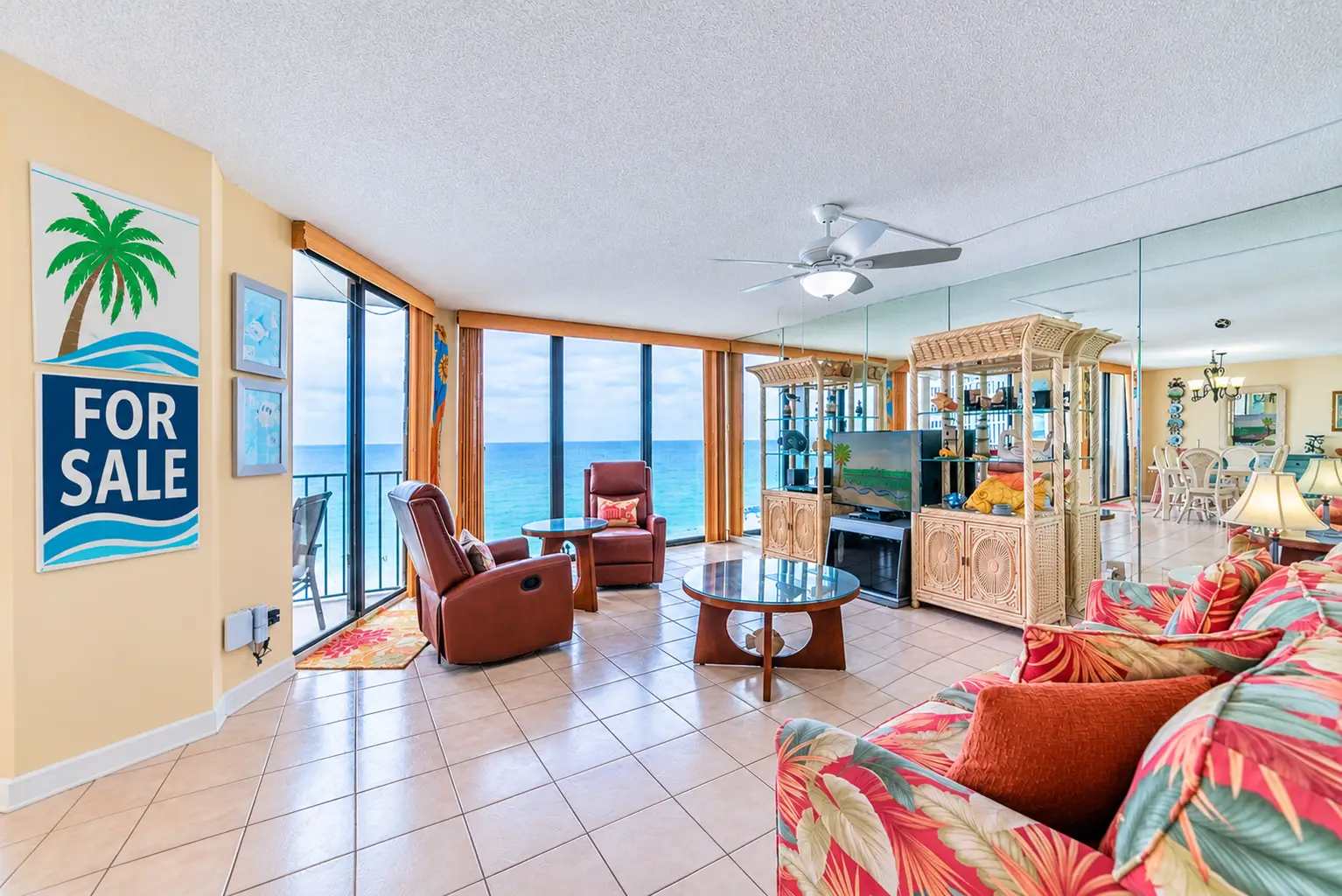
A second home can give your family a familiar place to return to, create a base near the water, and build a long-term asset. When managed well, a smart second home purchase can be paid for by renting it to vacationers. It can also strain your budget quickly if you fail to do your homework when buying. Don't overlook insurance, rental restrictions, or months with little personal use. Knowing how to buy a second home starts with a disciplined look at how you will use it, fund it, and maintain it.
For a beach property, the purchase decision goes beyond bedrooms and beach access. You need to understand the property’s exposure to storms, the association’s rules, the cost of ownership, and the realities of the local rental market before you make an offer.
Emerald Beach Properties' Real Estate Division can assist you when you are ready to buy a second home and our Vacation Rental Management Division can help you maximize your investment.
Define the job your second home must do
Start with your purpose. Some buyers want a private family retreat and plan to use it whenever school calendars allow. Others want a place they can enjoy occasionally while generating vacation rental income during open dates. A third group buys with retirement in mind and treats the home as a long-range lifestyle and real estate decision. The fourth group are investors looking for long term appreciation.
Each goal leads to different choices. A personal-use home may justify a quieter building, a larger kitchen, or a location farther from the busiest attractions. A rental-oriented property needs features guests consistently value, such as convenient beach access, parking, elevator service, pools, and a floor plan that works for groups.
Do not assume one property can maximize every goal. A highly rentable condo may have stricter guest activity and association requirements. A private single-family home may offer more freedom but require more hands-on maintenance. Decide what matters most before you tour properties, then use that decision to filter your options.
How to buy a second home without stretching your budget
A lender will examine your full financial picture, not only your down payment. You will need to qualify while carrying the mortgage, taxes, insurance, and debts tied to your primary residence. Lenders often apply different standards to second homes than they do to primary residences, and investment-property financing can bring different rates, down payment requirements, and underwriting rules.
Build your budget around the complete annual cost. Include principal and interest, property taxes, homeowners insurance, flood coverage where appropriate, association dues, utilities, furnishings, repairs, reserves, and travel. On the coast, insurance deserves special attention. Wind and hurricane coverage can materially change the carrying cost, and deductibles can create a substantial out-of-pocket obligation after a named storm.
Ask for insurance estimates before you remove financing and inspection contingencies. Do not rely on a seller’s current premium as your only guide. Coverage, underwriting, claims history, and carrier availability changes nearly every year in Florida.
If you expect rental income, treat it as a variable rather than a guarantee. A strong season can help offset ownership costs, but occupancy changes with weather, new inventory, economic conditions, and traveler demand. Create a conservative plan that works even if bookings fall below expectations.
Choose a location based on access and risk
Beach buyers often begin with the shoreline, which makes sense, but the best location depends on how you plan to use the home. Walkability, beach access, traffic patterns, grocery access, parking, nearby restaurants, and proximity to family activities all affect the ownership experience. In Panama City Beach, two properties a short distance apart can serve very different guest and owner needs.
Look closely at the physical setting. A gulf-front unit may deliver the view and direct access buyers want, but salt air, wind, and high humidity place constant demands on exterior systems. A property a few blocks inland may reduce some exposure while changing the guest experience and reducing potential rental appeal.
Review flood zone information, evacuation routes, elevation details, and the age and condition of major building components. For a condominium, ask about the roof, exterior coatings, windows, balconies, elevators, plumbing systems, and stormwater management. A low purchase price does not protect you from a future special assessment if reserves are not properly funded.
Confirm the rules before you count on rental income
If vacation rentals play any role in your plan, verify the rules in writing before you buy. Local ordinances, association documents, and building policies can control rental duration, occupancy limits, registration, parking, pets, signage, and guest behavior.
Request and read the condominium or homeowners association documents. Pay particular attention to rental restrictions, pending assessments, reserves, litigation, pet rules, parking assignments, renovation limits, and management requirements. Review recent meeting minutes when available. They often reveal concerns that a marketing sheet will not show, including recurring water intrusion, elevator issues, security questions, or debate over future expenses.
Short-term rental revenue also carries operating responsibilities. You must furnish and stock the home appropriately, handle cleanings and maintenance, respond to guest needs, and protect the property between stays. Professional vacation rental management can reduce the daily workload, but you should understand the service scope, fees, owner-use policies, maintenance authorization process, and communication standards before you sign an agreement.
Build a team that protects your position
A second-home transaction involves details that can cost real money if no one asks the right questions. Choose professionals who understand the specific property type and market. Your lender, real estate agent, insurance professional, inspector, title company, and attorney, when appropriate, should each have a defined role.
An experienced coastal inspector can identify issues that a general walkthrough misses. Ask for inspections that match the home’s condition and location. Depending on the property, that may include a general home inspection, wind mitigation review, roof inspection, pest inspection, mold evaluation, sewer scope, or specialist review of balconies and structural concerns.
For condominiums, study the association’s financial health with the same care you apply to your own finances. Review the budget, reserve funding, insurance coverage, current assessments, and planned capital projects. Ask whether the association has deferred maintenance. A building can look polished from the pool deck while carrying significant future obligations.
Make an offer with the right protections
A competitive market can tempt buyers to waive safeguards. That choice creates risk, particularly in a coastal market where repair needs and insurance terms can change the economics of the purchase. Use reasonable contingency periods to complete inspections, secure financing, review association materials, and confirm insurability.
Your offer strategy should reflect the property’s actual value to you, not just the asking price or another buyer’s urgency. Consider furnishing needs, expected repairs, association dues, projected assessments, and days you want to reserve for personal use. A slightly lower-priced property that needs major updates may cost more than a turnkey home after you account for time, labor, and disruption.
During the inspection period, document concerns, obtain estimates when needed, and decide whether to negotiate, accept the condition, or walk away. Strong buyers make decisions from verified information rather than emotion.
Plan for ownership before closing day
Closing does not finish the work. Set up insurance, utilities, security, maintenance schedules, and emergency contacts before you receive the keys. If you will rent the property, establish your furnishing plan, inventory standards, cleaning procedures, and guest policies before you open the calendar.
Keep a dedicated reserve fund after closing. Appliances fail, air-conditioning systems need service, association assessments arise, and storms can interrupt normal operations. A reserve gives you options and helps you protect the home without relying on high-interest debt.
A second home should add value to your life, not create constant uncertainty. Buy the property that fits your real budget, your intended use, and the practical demands of its location. The right home will still feel like a place to breathe when you arrive with a clear plan behind it.
Posted on 11/16/2026 in Emerald Beach Properties, Real Estate In Panama City Beach, Vacation Rentals # Emerald Beach Properties, Panama City Beach, Real Estate Purchasing, Real Estate Sales