
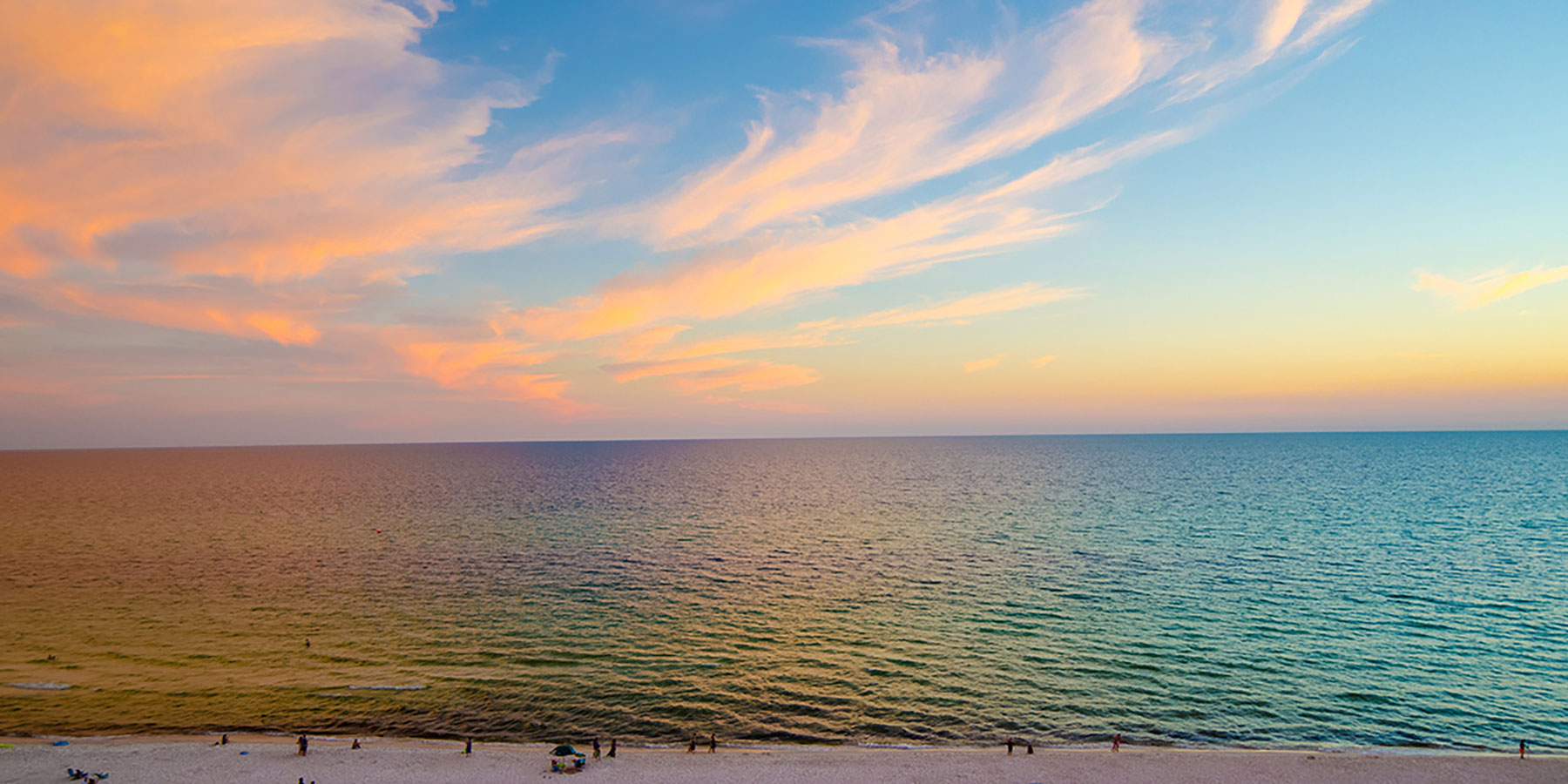
What to Expect in October in Panama City Beach
A quiet morning on the sand can still feel like summer in October, while dinner on the balcony may call for a light sweater or jacket. That contrast is the appeal of October in Panama City Beach. The busiest summer weeks have passed, but the Gulf remains a big part of the day, the beaches are bright, and the pace becomes more relaxed for families, couples, and guests who prefer a slower speed vacation.
October rewards travelers who plan around changing conditions instead of expecting one fixed version of a beach vacation. Warm afternoons, cooler evenings, occasional rain, and seasonal events can all be part of your amazing October beach vacation. A well-chosen vacation rental gives your group the flexibility to enjoy the beach when conditions are right and settle in comfortably when they are not.
October in Panama City Beach: Weather and Water
October typically brings daytime highs in the upper 70s to low 80s, with evenings often dipping into the 60s. Early October usually feels warmer than the last week of the month, especially after sunset. Humidity eases compared with midsummer, which makes bike rides, walks along the shore, outdoor activities and outdoor meals more comfortable for everyone.
The Gulf remains inviting, particularly early in the month. Water temperatures commonly are in the 70s, though wind, currents, and weather systems can change the weather quickly. Guests who want to swim every day should consider an early-October stay. Travelers focused on uncrowded beaches, fishing, dining, or relaxed time with family may find late October equally appealing.
Fall weather also requires realistic expectations. October falls within hurricane season, and a tropical system can affect rain, surf, and travel plans even when it does not make landfall nearby. Check the forecast before departure and continue checking it during your stay. Follow posted beach flags without exception. Clear water does not guarantee calm conditions, and rip currents can develop even when the shoreline looks peaceful. Also note the purple flags because they may indicate the presence of jelly fish and other marine pests on the beach.
Why Fall Changes the Beach Experience
Summer in Panama City Beach centers on long beach days, school-break crowds, and a high-energy calendar. October offers a calmer approach to a beach vacation. You'll find more open space on the sand, shorter waits at local restaurants, and a less hurried atmosphere around the area.
That does not mean every October weekend is quiet. Fall breaks, holiday weekends, sporting events, and seasonal gatherings can increase demand. Columbus Day Weekend is one of the busiest in PCB with the Pirates of the High Seas Festival and Renaissance Faire drawing large crowds. Families should not assume that every property or restaurant will have last-minute availability just because summer has ended. If a specific condo, beachfront home, or date matters to your group, reserve early.
The trade-off is straightforward: October offers fewer crowds and milder temperatures, but it also brings more weather variability than peak summer. For many guests, that is a worthwhile exchange. A sunny 80-degree afternoon followed by a cool evening dinner often feels like the best of both seasons.
Choosing the Right October Rental
Your rental should support more than beach time. October weather can shift during a single day, so comfort inside the property matters. Look for a layout that gives your group room to gather, prepare meals, and recharge between outings. A private balcony or patio adds value when the evenings cool down and the Gulf breeze arrives.
Families will benefit from a rental with a full kitchen, laundry, and enough sleeping space to avoid turning every morning into a scheduling exercise. Couples may prioritize beachfront views, walkability, and a quieter setting. Groups should pay close attention to parking, bedroom configurations, and common-area space before booking.
Location also shapes the trip. A beachfront stay makes it easy to take advantage of sometimes short windows of ideal weather. If clouds move through for an hour, you can return to the rental without losing the day. Guests who plan to explore beyond the sand may prefer a property that offers convenient access to dining, shopping, golf, or family activities.
Before confirming any reservation, review the property details closely. Verify check-in procedures, occupancy limits, parking arrangements, pet policies if applicable, and the amenities that matter to your group. Clear expectations will make your vacation more successful.
What to Pack for a Comfortable Week
October packing requires a little more thought than a July beach bag. Bring swimwear and sunscreen, but add a light jacket, long-sleeve shirt, and comfortable closed-toe shoes. Morning walks and evening outings can feel cool, especially later in the month.
A compact rain jacket is useful, but it should not dominate your suitcase. Many fall showers pass quickly. Bring a beach tote with towels, sunglasses, water, and a cover-up so you can take advantage of clear periods without over planning every hour.
For families, pack a few indoor options as well. A deck of cards, favorite books, or simple games can turn a rainy afternoon into part of the vacation rather than a disruption. A vacation rental gives everyone space to reset while waiting for the sun to return.
Make Room for Both Beach Days and Local Plans
The best October itineraries leave space in the schedule to work around the daily weather forecast. If the day begins clear and calm, head to the beach early. Morning light, cooler sand, and a quieter shoreline create an easy start. Save flexible activities, such as shopping, dining, or an afternoon movie, for periods when rain or wind moves in.
October also brings seasonal activities that add variety beyond the shoreline. Depending on the week, visitors may find fall festivals, live music, family-friendly events, Pirate and Halloween programming. Event schedules change from year to year, so confirm dates and admission details before building your plans around them.
Fishing can be a strong reason to visit in fall, although conditions and target species vary. Anglers should book reputable local operators, listen to captain guidance, and keep their schedule flexible around marine forecasts. Golfers and cyclists often appreciate the cooler air as well, particularly during the middle of the day when summer heat would normally limit activity.
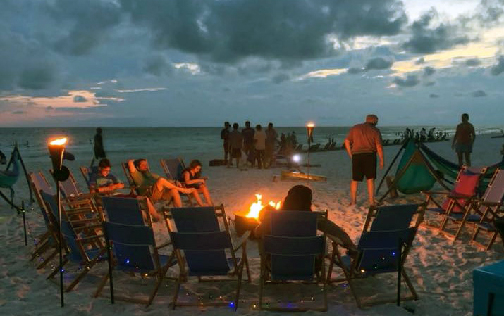
A beach bonfire can be a special occasion in the fall and winter in PCB. Be sure to book ahead for this once in a lifetime experience.
Timing Your Trip Within the Month
Early October generally offers the closest thing to a summer-style beach trip, with warmer air and water. It often suits guests who want to spend most of each day swimming, sunbathing, and playing in the sand.
Mid-month can offer an attractive balance of comfortable daytime weather and reduced summer intensity. It works well for families who can travel outside school breaks, couples seeking a slower getaway, and groups that want both beach time and local outings.
Late October brings cooler nights and a stronger fall feel. The beach remains beautiful, but guests should set expectations around weather and water temperatures. This period can suit travelers who value peaceful walks, sunset views, dining, and a rental that feels like a comfortable coastal home base.
Plan With Flexibility, Then Enjoy the View
A successful October stay does not require a packed schedule. It requires a clear plan, a close eye on beach conditions, and a vacation rental that gives your group options. Reserve the property that fits your priorities, pack for a few temperature changes, and let the best weather windows lead the day. Emerald Beach Properties can help guests begin that process with professionally managed vacation rental options built for time well spent near the Gulf.
12 Best Panama City Beach Restaurants to Try

A good beach day is sure to make everyone hungry at the same time, which is precisely why choosing dinner at 5:45 p.m. can be a "competitive sport". The best Panama City Beach restaurants give vacation guests more than a meal. They offer a dependable place to gather after the beach, celebrate a special night, or settle an urgent debate between fresh seafood, burgers, and tacos.
Panama City Beach has no shortage of restaurants, but the right choice depends on your group, your schedule, and the type of evening you want. Some restaurants reward advance planning. Others work best when the family wants casual food and a quick return to the condo or a movie after dinner. This guide focuses on established local favorites and separates them by the experience they deliver.
Check our Live Like A Local-Things to do in PCB for even more suggestions for restaurants that we personally enjoy!
Best Panama City Beach Restaurants for a Special Dinner
Firefly
Firefly has long held a place on the list for a special dinner away from the noise of the beach. Its atmospheric dining room, centered around a large oak tree, sets the tone for anniversaries, adult date nights, and evenings when you want a more deliberate meal. The menu typically leans toward seafood, steaks, and thoughtfully prepared entrées rather than flip-flop-and-go beach fare.
Reservations make sense here, especially during spring break, summer, holiday weeks, and weekends. Families with older children can enjoy the setting, but younger guests who need a fast, casual dinner may feel more comfortable at one of our other local restaurants.
The Grand Marlin
For a waterfront dinner with a refined feel, The Grand Marlin offers a strong balance of coastal views and elevated seafood. The location on Grand Lagoon gives guests a chance to watch boats in the marina while they enjoy oysters, fish, and a menu built around Gulf flavors. Sunset creates the busiest time here, and for good reason. The views are spectacular.
This is a smart choice for guests who want a memorable view without sacrificing the quality of the food. Ask for a waterside table when available, but plan around the possibility of a wait if you arrive at peak sunset hours.
Saltwater Grill
Saltwater Grill brings a distinctive visual centerpiece to dinner: a large saltwater aquarium inside the dining room. That feature makes the restaurant especially appealing for families, while the seafood, steaks, and full dinner menu keep it suitable for a special evening as well. It is located away from the beachfront crowds, which can be a welcome change after a busy day. But, this popular spot fills up quickly due to it's great reputation.
The restaurant works well for mixed groups because it offers familiar options alongside local seafood. It also makes a practical choice when rain interrupts outdoor plans and your group still wants a memorable dinner setting.
Where to Go for Gulf Seafood
Captain Anderson's Restaurant
Captain Anderson's Restaurant has served Grand Lagoon diners for decades and remains a classic choice for a traditional seafood dinner. Guests come for the established coastal setting, generous seafood plates, and a menu that includes options such as shrimp, fish, crab, and steaks. Its marina-side location adds to the appeal, particularly for visitors staying on the east end of the beach.
Expect a busy dining room in season. Arrive early, reserve when the restaurant accepts reservations, or use the wait time for a stroll near the marina. This is not the spot to choose when everyone needs food in 20 minutes, but it suits a relaxed vacation evening.
Dusty's Oyster Bar
Dusty's Oyster Bar delivers the more casual side of seafood dining. Oysters, steamed seafood, fried baskets, and a lively atmosphere draw guests who want local character without a formal dress code. It offers a good answer when someone in the group wants raw oysters while someone else wants a straightforward seafood basket.
The restaurant can get loud and crowded, which adds to its energy but may not fit every occasion. Go for the food and the relaxed beach-town atmosphere, not for a quiet candlelit meal.
Hook'd Pier Bar & Grill
Hook'd Pier Bar & Grill earns attention for its position near the Russell-Fields Pier and its broad Gulf views. The menu includes seafood, sandwiches, tacos, and shareable starters, which helps groups with different appetites. A table near the water turns a simple lunch or dinner into a genuine beach experience.
Location is its advantage and its trade-off. The restaurant can feel particularly busy when the pier and surrounding beach access points draw large crowds. Build in extra time if you visit during the middle of a sunny summer afternoon.
Schooners
Schooners offers a classic local beachfront restaurant experience on the east end, with Gulf views, seafood, burgers, and a menu that suits a long, unhurried lunch. It is known for a social, lively atmosphere and for giving guests a front-row seat to the changing light over the water.
Choose Schooners when the view matters as much as the meal. The restaurant is located on the beach with convenient steps down to the sand. A sunset visit can be memorable, but it also brings the largest crowds. Families should consider an earlier dinner, while couples may prefer lingering later with a drink and the view.
Casual Favorites for Families and Beach Days
Finns Island Style Grub
Finns Island Style Grub provides a refreshing break from heavy fried fare. Its casual menu includes fish tacos, burritos, bowls, and bright island-inspired flavors that work well for lunch after a morning on the sand. It is an especially good option for guests who want a lighter meal without giving up local seafood.
Service and seating can vary with the time of day, so think of Finns as a flexible, casual stop rather than a drawn-out dinner destination. It suits couples, families, and groups who want something quick before heading back to the pool or beach.
Diego's Burrito Factory & Margarita Bar
Diego's brings tacos, burritos, bowls, and margaritas into the vacation meal rotation. The menu makes it easy to accommodate diners who prefer seafood, chicken, vegetarian ingredients, or familiar kid-friendly choices. Its broad appeal makes it particularly useful for multi-family groups, where finding one restaurant everyone accepts can become its own vacation project.
Expect a fun, active setting rather than a quiet one. For a group dinner, check the current wait process before leaving your rental and consider going a little earlier than standard dinner time.
Dat Cajun Place Cafe
Dat Cajun Place Cafe adds New Orleans and Gulf Coast influence to the area dining scene. Guests can expect Cajun staples, seafood, po'boys, and bold seasoning in a casual setting. It offers a welcome change when your group has already had its share of grilled fish and wants something with more spice and regional personality.
Not every dish carries the same level of heat, but guests with young children or sensitive palates should ask the staff for guidance. The restaurant rewards diners who want to try something beyond the standard beach menu.
Runaway Island Beach Bar & Grill
Runaway Island pairs a broad menu with a beachfront setting and enough space for a larger vacation group. Burgers, seafood, sandwiches, salads, and kid-friendly options give everyone a reasonable path to dinner, while the decks provide an easygoing place to watch the Gulf.
It works best when your priority is convenience, views, and menu variety. Guests seeking a highly curated seafood dinner may prefer one of the more specialized restaurants, but Runaway Island handles the practical realities of family dining well.
Best Panama City Beach Restaurants for Breakfast and a Quick Bite
Thomas' Donut & Snack Shop
Thomas' Donut & Snack Shop has become a vacation tradition for many repeat visitors. Fresh donuts, breakfast items, and beach-ready snacks make it a useful early stop before a full day outside. The appeal is simple: it is casual, familiar, and easy to enjoy in a swimsuit cover-up or on the way to the beach.
Morning lines can form quickly during busy weeks. Send one person for the order, or go early if your family starts the day before the beach crowds arrive.
Eat My Pasty
Eat My Pasty offers a different kind of quick meal: hand pies with savory and sweet fillings. It is a practical choice for lunch, an easy takeout dinner, or a portable meal before an activity. The concept gives guests something more distinctive than another fast-food stop while still keeping the meal uncomplicated.
This is a good option for travelers who want convenience without settling for a generic chain meal. If your group includes several hungry teenagers, consider ordering a few extra items rather than assuming one pasty will cover every appetite.
Plan Restaurant Meals Around Your Vacation
The strongest restaurant plan leaves room for the beach, traffic, naps, and changing weather. Book one or two special dinners before you arrive, particularly if your trip falls during a holiday week or peak summer season. Then keep several casual options in reserve for the nights when a long wait sounds less appealing than dinner back at your vacation rental.
Check current hours, reservation policies, and menus directly before you go. Coastal restaurants adjust operations for weather, private events, and seasonal demand. A little planning protects your evening and gives your group more time for what brought you here in the first place: another good night near the water.
Snowbird Vacation Rentals in Panama City Beach, FL

Winter mornings on the Gulf Coast are great for Snowbird Stays. The crowds thin, the weather settles into mild, sunny days, and a walk along the beach becomes part of your regular routine. Snowbird vacation rentals in Panama City Beach, FL give seasonal guests a practical way to trade ice scrapers and heavy coats for salt air, open views, and a longer stay near the Gulf.
A successful winter stay starts with more than finding an attractive vacation rental in PCB. Monthly guests need a rental that supports everyday living: enough room to settle in, a kitchen that works for more than quick meals, dependable access, clear rental terms, and a location that fits their favorite winter activities. The best choice depends on how you plan to spend the cool season.
What Makes a Rental Work for a Winter Stay
A weekend rental can succeed with a good view and a convenient beach entrance. A snowbird stay requires more consideration for daily living. You will need storage space, seating comfort, laundry access, convenient parking, reliable elevators, solid internet service, and a kitchen that supports the way you want to cook.
Start with the layout. Couples may prefer a one-bedroom condo with an open living area and a balcony overlooking the Gulf. Guests hosting family or friends during the season may need a second bedroom, an additional bathroom, or a larger dining area. If you work remotely, consider where you can comfortably place a laptop and take calls without turning the entire living room into an office. In that case a second bedroom can make sense as your winter home office.
Look closely at practical features before you reserve. An in-unit washer and dryer can make a big difference during a multi-week stay. A full kitchen gives you flexibility and can reduce the cost of dining out every day. Covered parking, secure building access, elevators, and proximity to grocery stores may matter as much as the beach itself.
Choosing the Right Area in Panama City Beach
Panama City Beach offers distinct settings within a relatively compact stretch of beach. Your ideal location depends on whether you want easy access to restaurants and activities, a quieter residential feel, or a balance between the two.
The central beach area can suit guests who enjoy being near dining, shopping, entertainment, and regular activity. This makes errands and evenings out easier, especially for visitors who prefer not to drive far. The trade-off involves more traffic and a busier atmosphere in certain areas.
West of the busiest corridor, many visitors find a slower pace while remaining close to beaches, dining, and services. This side can appeal to snowbirds who want peaceful mornings and convenient access to daily necessities. East-side locations can also offer a quieter setting, depending on the specific property.
Do not choose a rental based on a map pin alone. Ask how far the unit is from the sand, whether the beach access requires crossing a road, and what stands between the building and the water. A Gulf-front property delivers a different daily experience than a property described as walk to the beach access or beach area. Both can work well, but they meet different expectations.
Questions to Ask Before Booking a Snowbird Rental
Clear answers prevent avoidable surprises. Before you commit to a longer reservation, confirm the rental period, payment schedule, cancellation terms, and any requirements for seasonal stays. Monthly pricing may not include every cost, so ask which charges apply to your reservation.
Confirm the property’s occupancy limit and guest rules if family plans to visit. Some communities set registration requirements, parking limits, age restrictions, or rules for recreational vehicles and trailers.
Ask about utilities, internet, cable or streaming access, and maintenance procedures. You should know who to contact if an appliance stops working, a plumbing issue arises, or you have trouble entering the property. Professional vacation rental management like Emerald Beach Properties provides a clear point of contact and an established process for addressing guest needs.
Also review the furnishings with a long stay in mind. Photos show appearance, but they may not answer whether the unit has adequate cookware, comfortable seating, blackout curtains, a desk, or enough closet space. Direct questions to the property manager will help you choose with confidence.
When to Plan Your Winter Stay
Snowbird demand often builds well before winter arrives. Guests who want a specific building, floor plan, Gulf view, or month should begin planning early. January through March can attract visitors escaping colder regions, and popular properties can book well ahead of arrival. Emerald Beach Properties has many Snowbirds who book the same unit year after year in advance. Some of these even book for next year before they leave to go home in the current year.
Flexibility creates options. A guest who can adjust arrival dates by a few days or consider several nearby locations may find a better match for budget and preferences. A longer stay can also open opportunities that do not fit a short vacation calendar.
Consider the timing of your drive as well. If you travel from the Midwest or Northeast, build in time for changing weather conditions along the route. Arriving during daylight makes check-in, parking, and getting familiar with a new property easier after a long day on the road.
Living Well Beyond the Beach
The beach remains the main draw, but a comfortable snowbird season needs variety. Mild winter weather creates room for morning walks, yoga, pickleball, golf, fishing, dining, local events, and day trips. Some days call for a quiet balcony and a book. Others call for a market run, lunch with new friends, or an afternoon exploring the area.
Create a routine during your first week. Identify your closest grocery store, pharmacy, medical care options, favorite coffee stop, and walking routes. If you plan to stay for several months, these simple details help the rental feel less temporary and more like a seasonal home.
Community amenities can also shape the experience. Heated pools, fitness rooms, clubhouses, and shared outdoor spaces may add value during cooler days or rainy stretches. Check whether amenities operate year-round, since maintenance schedules and seasonal hours vary by property.
A Realistic View of Budget and Value
The lowest advertised rate does not always deliver the best value. Compare the full cost of the stay, including cleaning fees, taxes, reservation charges, parking, and utility arrangements. Then compare what each property gives you in return.
A rental with in-unit laundry, a full kitchen, strong internet, and direct beach access may justify a higher monthly rate if those features improve daily life. On the other hand, guests who plan to spend most of their time exploring may prefer a more modest property in a convenient location.
Winter weather also brings cool or rainy days, even on Florida's West coast. Choose a unit where you will feel comfortable indoors. A great view helps, but so do a functional living room, reliable television options, and enough space to relax without feeling confined.
Snowbird Vacation Rentals in Panama City Beach, FL: Book With Clarity
A longer beach stay should feel straightforward from the first inquiry through departure. Read the rental agreement, review property details, and ask direct questions before you reserve. Responsible planning protects your budget and helps the property management team prepare for your arrival.
Emerald Beach Properties focuses on professionally managed vacation rentals in the PCB market, giving guests a reliable source of property information and support throughout their stay. The right rental provides more than a place to sleep. It gives you a dependable home base for the season you came to enjoy.
Choose the property that fits how you actually live, not just how you want the first day to look. When the Gulf becomes part of your morning routine and the rental supports the rest of your day, winter in Panama City Beach can feel exactly where you belong.
Amenities That Matter for Panama City Beach Condos
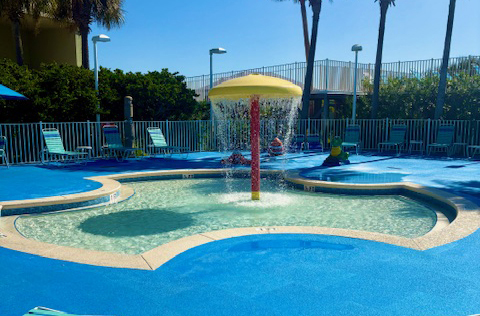
A beach condo can look perfect in listing photos, then disappoint when a long elevator wait, a crowded pool deck, or an inconvenient beach walk becomes an annoyance every day of the trip. The best amenities for beach condos do more than add a luxury label, they remove those little annoyances and protect your vacation time. They help you spend more of the day where you want to be: near the water.
For Panama City Beach visitors, the right amenity mix depends on who travels, when they visit, and how they plan to use the property. A family with young children needs different conveniences than a couple planning a quiet long weekend. The strongest condo choice balances memorable resort features that are important to you with practical details that make arrival, meals, rest, and beach days easier.
Direct Beach Access
A beachfront address alone does not always mean effortless beach access. Guests should look closely at the route from the condo to the sand. A private beach walkover, clear boardwalk access, nearby rinse stations, and an easy return path for wet feet and sandy gear make a vacation rental more convenient.
Direct access matters most for families carrying chairs, towels, coolers, and toys. It also gives you the freedom to return to the condo for lunch, naps, or a change of clothes without turning a simple beach visit into a logistical project. In high-rise buildings, the distance from the unit to the beach usually includes elevators, lobbies, pool decks, gates, and walkways. The location of the individual condo within the building affects that experience. Lower floors give shorter elevator rides while higher floors may have a better view of the water.
Beach service can add value, but guests should confirm what the stay includes. A few properties offer chairs and umbrellas seasonally, while most properties allow rentals through an on-site provider. Beach setups are really convenient, especially during busy summer weeks, but availability and rules vary by property. Many PCB beach chair vendors can be booked ahead on line with a quick internet search.
Pools That Work for the Whole Group
A well-designed pool area gives guests an alternative when the Gulf has rough surf, afternoon storms roll through, or younger travelers need a change of pace. The best pool is not necessarily the largest one. It should fit the needs of the group and match the building's typical crowd level.
Families often value a zero-entry pool, a shallow children's area, or a splash pad feature. Adults may prefer a heated pool for spring and fall stays, a hot tub, shaded seating, and enough deck space to avoid competing for every chair. An indoor pool can help during cooler weather, although it should not replace a clean, inviting outdoor pool if beach time drives the trip. There are only a few indoor pools in PCB so read the listing carefully if you are interested in this amenity.
Ask about pool hours, wristband requirements, and seasonal heating before booking. Those details matter more than a polished photo. A heated pool that does not operate during a guest's travel dates does not solve a cool-weather vacation plan. Most PCB pools that are heated are only heated when the weather turns chilly.
The Best Amenities for Beach Condos Start Inside
Resort features draw attention, but in-unit amenities often decide whether a stay feels relaxed or inconvenient. A beach condo serves as a temporary home, particularly for families, multigenerational groups, and guests staying a week or longer. Reliable basics carry real weight.
A full kitchen with adequate cookware, dinnerware, a coffee maker, and enough refrigerator space can reduce the need to eat out for every meal and help families keep a flexible schedule. Guests do not need a chef's kitchen, but they do need the tools to prepare breakfast, pack snacks, and make an easy dinner after a day in the sun.
In-unit laundry ranks near the top of the practical list. Beach towels, swimsuits, and children's clothes accumulate quickly. A washer and dryer in your vacation rental lets you pack lighter and keep the condo comfortable throughout the stay. For longer visits, laundry access can matter more than another decorative upgrade.
Strong, dependable Wi-Fi also belongs on the essentials list. Travelers use it for streaming, remote work, weather checks, restaurant reservations, and keeping in touch with family. A dedicated workspace may benefit guests who plan a working vacation, but a reliable connection and a comfortable table often meet that need. Most condos in PCB offer streaming TV service but check to be sure.
Balconies Create the Coastal Experience
A private balcony with usable seating remains one of the most valued beach condo amenities. It gives you a place to start the morning with coffee, watch changing water conditions, or end the evening with the sound of the surf below. Gulf-front views usually command the most attention, yet balcony size and orientation matter too.
A narrow balcony with little room beyond two chairs offers a different experience than a deep balcony where a family can eat together. Higher floors can deliver broad views, but they may also increase your dependence on elevators. Some complexes have parking structures adjacent to the buildings that let you park on a higher floor making elevator convenience easier. Lower floors can simplify access, though landscaping, pool activity, or nearby walkways may affect privacy and noise. There is no universal best floor. You should choose based on how you expect to spend your time.
Parking, Elevators, and Arrival Details Matter
Many vacation frustrations begin before guests reach the condo. Clear parking arrangements, straightforward check-in instructions, and reasonable elevator access will set the tone for arrival day.
Covered parking protects vehicles from heat and storms, while assigned parking can remove uncertainty during busy periods. Guests traveling with more than one vehicle should verify the number of parking passes allowed and any separate fees. Be aware that most Panama City Beach Condo Complexes charge a registration fee that is payable upon arrival or online prior to arrival separate from your reservation. Oversized vehicles, trailers, and golf carts face restrictions, so travelers should never assume every property can accommodate them.
Elevator capacity deserves equal attention in large beachfront towers. During peak arrival days, a beautiful upper-floor unit may require patience. Buildings with multiple elevators and organized luggage-cart procedures usually handle turnover more effectively. For travelers with mobility needs or young children, these operational details deserve as much consideration as the view.
Fitness, Recreation, and Shared Spaces
On-site extras can improve a beach vacation when they support the way you actually travel. A fitness room helps you maintain your daily fitness routine. Grilling areas create an easy option for a casual dinner. Game rooms, tennis or pickleball courts, and seasonal activity programs can give older children and teens something to do between beach outings. Beach volleyball is another amenity enjoyed by many guests.
These amenities should support the trip rather than distract from the core priorities. A condo with a theater room and arcade may sound appealing, but direct beach access, a functional kitchen, clean pools, and comfortable sleeping arrangements will likely matter more for most groups. Guests should avoid paying a premium for features they will not use.
Shared spaces also require consideration. A lively pool bar or event lawn may suit a social group, while a family seeking early nights may prefer a quieter building. Read property descriptions carefully and consider the time of year. Spring break, holiday weekends, and summer peak weeks can change the atmosphere of an entire resort.
Safety, Cleanliness, and Professional Care
The most valuable amenities often operate quietly in the background. Well-lit walkways, controlled building access and onsite security, clear emergency information, maintained common areas, and responsive support help you feel secure from arrival through departure.
Cleanliness also changes how you experience every feature. A sparkling pool, tidy elevator, maintained grill station, and cared-for grounds signal attention to the property as a whole. Guests should look for clear rental information, accurate photos, specific amenity details, and a professional point of contact who can answer questions before travel.
At Emerald Beach Properties, we understand that confidence comes from details you can rely on, not vague promises. A vacation rental should make the stay easier from the first parking instruction to the final morning on the balcony.
Choose Amenities Around Your Actual Vacation Plans
Before booking, picture a typical day rather than focusing only on the most impressive photo. Will the group cook breakfast? Need a nap-friendly layout? Spend hours at the pool? Return from the beach several times each day? Travel with grandparents who need fewer stairs and shorter walks? Those answers reveal which amenities deserve priority.
The right beach condo does not need every possible feature. It needs the features that let you make the most of your vacation day, fit your group, and let the beach remain the center of the vacation. When the essentials work well, the small moments become easier to enjoy: sandy feet at sunset, a quiet balcony breakfast, and one more unplanned hour by the Gulf.
Seychelles Resort Beachfront Condos in Panama City Beach, FL
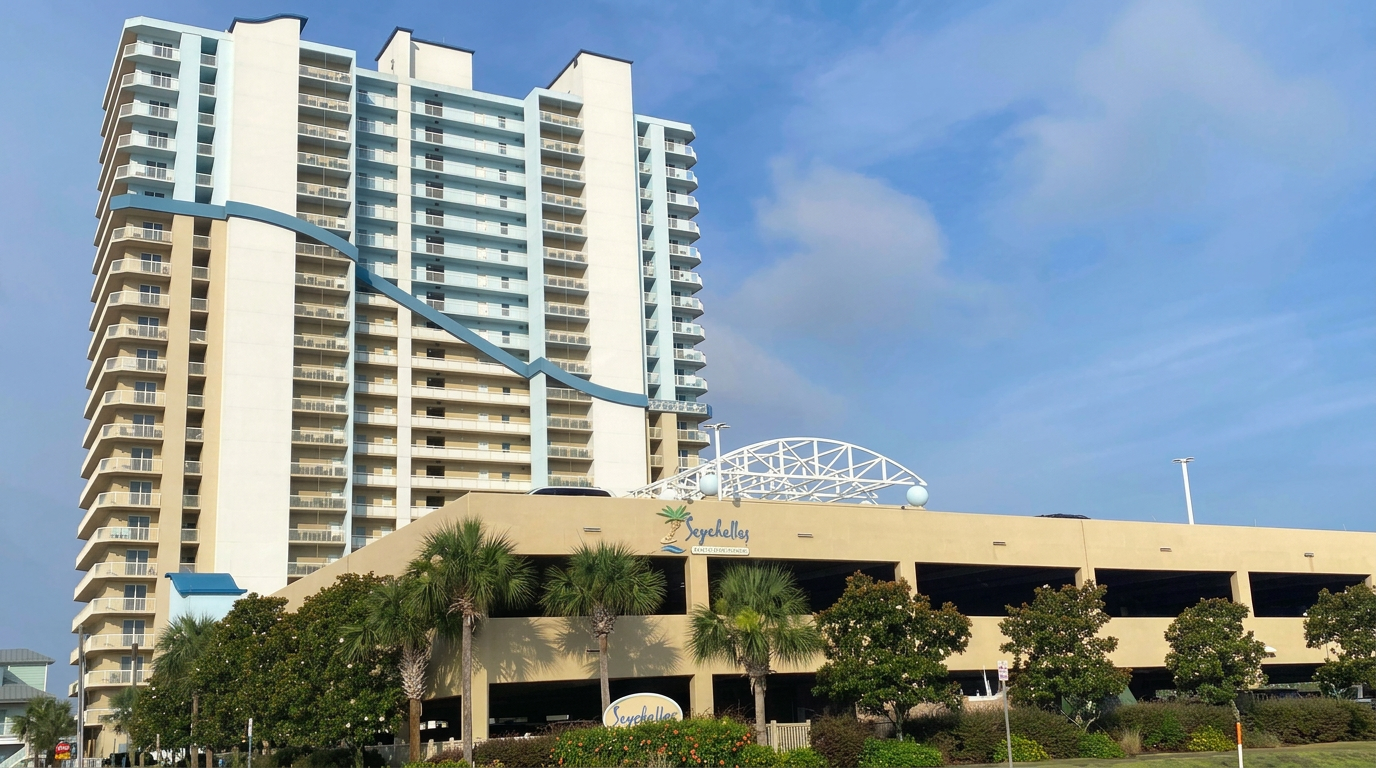
At Seychelles Resort Panama City Beach, FL, the Gulf is not a distant view or a long walk across a busy road. The resort is at the eastern end of the beach, close to the water, with wide beach views that make it perfect for making vacation memories that will last a lifetime. For families, couples, and snowbirds who want beach access, modern condo-style space, and an area that feels less crowded than the central strip, Seychelles' location delivers just what you are looking for.
Seychelles works especially well for travelers who prefer to settle into one place rather than move between attractions all day. A well-chosen vacation rental gives guests room to store groceries, prepare meals, spread out after the beach, and enjoy the Gulf view on their own schedule. The best stay comes down to matching the unit, travel dates, and daily plans to the way your group actually vacations.
## Why Choose Seychelles Resort in Panama City Beach, FL?
The resort's east-end setting is near St. Andrews State Park, Shell Island excursions, fishing charters, marinas, and waterfront dining. This part of Panama City Beach offers convenient access to activities without the lively activity of the central beach area where restaurants, arcades, and nightlife venues might be directly outside your door. That trade-off appeals to guests who want options nearby but value calmer evenings when they return to the condo.
All units in Seychelles are directly Gulf facing with amazing views. The 3 Bedroom units on either end of the building have wrap around balconies that go from the Gulf side around by the Pass to the street side of the building overlooking Grand Lagoon. Water, water, EVERYWHERE!
The beach itself remains the main draw. Start the morning with coffee on your private balcony facing the Gulf, spend the afternoon in the sand, then come back upstairs when someone in the group needs a break. That type of vacation is harder to achieve when a vacation rental requires driving, parking, and carrying beach gear each time you want to see the Gulf.
Seychelles also suits multi-generation travel. Grandparents may appreciate a comfortable balcony and easy access to the beach, while children focus on pool time and beach play. Couples can use the resort as a straightforward base for a low-key weekend with sunset walks and meals near the water. No single property fits every traveler, but guests who prioritize beachfront time over a central entertainment district often find this location a strong match.
You'll enjoy the two sparkling beachfront pools and a hot tub for your enjoyment. These are right on the beach! The fitness center is free for guests to use. The beach kiosk has chair rentals available and also parasailing and other beach activities, right in your "backyard." The covered charcoal grilling area is located on the top floor of the parking deck and is free for guests to use.
Your rental includes parking in one space in the parking deck and one space in our office lot 3.8 miles away, Parking on property is limited and rules are strictly enforced by the Condo Association. Vehicles without parking passes are subject to towing without notice. If you need to bring a second vehicle, please check with us for free parking at our office location on Joan AV.
## Why A Vacation Rental Managed by Emerald Beach Properties?
Why choose a luxury property managed by Emerald Beach Properties on behalf of the owner? We offer the advantages of a full service management company and vacation rental from an owner who takes pride in their property. We're here in Panama City Beach, with a local front desk and local staff on call 24 hours a day, 7 days a week! You vacation rental is professionally managed from start to finish. We are licensed, bonded and insured and all of our employees wear company ID badges for added security. We use state of the art technology to deliver secure booking and payments and quick responses to all your inquiries. Management, maintenance, rental services and housekeeping are all just a phone call or email away.
Delivering the very best vacation experience to you is our number one priority! With Emerald Beach Properties, you can book Turtle Cay, Seychelles 1801 with confidence knowing we'll make Panama City Beach your Perfect Place in Paradise.
See you at THE BEACH!
## Choosing the Right Seychelles Vacation Rental
Individual condos differ in layout, furnishings, views, bedding arrangements, kitchen equipment, and included amenities. Do not assume that every unit offers the same setup simply because it is located in the same resort. Review the specific property description before booking, particularly if your group needs a certain bedroom count, bunk area, accessible layout, washer and dryer, or dedicated workspace.
A [Gulf-front balcony](https://emeraldbeachproperties.com/beachfront-vacation-rentals) can make or break your stay, especially for guests who expect to spend time at the property rather than treat it only as a place to sleep. Higher floors deliver broader water views, while lower floors reduce elevator time. Although, the elevators in this complex are known for being well maintained and they get you to your floor quickly. Neither option wins in every situation. A family with small children or guests who prefer shorter trips in and out may value a lower floor. Travelers focused on open horizons may prefer a higher-floor unit.
Bed configuration deserves equal attention. A [three-bedroom condominium](https://emeraldbeachproperties.com/3-bedroom-rentals) can accommodate very different groups depending on whether the second and third bedrooms have a queen bed, twin beds, or bunks. Confirm sleeping arrangements before arrival instead of relying on the maximum occupancy number alone. That small step prevents an awkward first night and helps everyone arrive with realistic expectations.
Kitchen details also matter more on a longer stay than on a two-night trip. Guests who plan to cook breakfast and pack lunches for the beach should select a unit with the space and equipment that supports those plans. If dining out ranks higher than cooking, the kitchen still offers value for cold drinks, snacks, and an easy meal after a long day in the sun. Seychelles kitchens are typically modern and well equipped with a Gulf view, too!
### Plan for Resort Logistics
Beachfront condominium resorts operate differently from detached homes. Elevators, parking procedures, wristbands or access passes, pool rules, and beach-service arrangements do apply. These details help maintain order at a busy property, particularly during summer, holiday weekends, and other high-demand periods.
Read arrival instructions before you leave home. Save check-in information where every adult traveler can access it, and make sure the person arriving first understands parking and entry procedures. If you drive a larger vehicle, verify any parking limits in advance. Guests who arrive prepared spend less of their first evening sorting out logistics and more time enjoying the coast. Seychelles has limited parking and during some periods they allow only one vehicle per condo. If you are staying with Emerald Beach Properties, we have space at your office for any extra vehicles you need to bring.
Amenity availability can change because of weather, maintenance, local requirements, or resort operations. Pools, fitness areas, hot tubs, and beach access points may have posted rules or temporary closures. Treat listed amenities as part of the experience, but do not build the entire vacation around one feature. The Gulf, nearby parks, restaurants, and water activities offer plenty of alternatives when plans change.
## Make the Most of the East End
The east end rewards travelers who balance planned outings with open time. [St. Andrews State Park](https://emeraldbeachproperties.com/area-info/travel-to-PCB) offers nature trails, scenic shoreline, and opportunities to see a different side of the coast. Shell Island trips can be memorable when weather and water conditions cooperate, but they require planning around departure times, sun exposure, and the needs of younger children.
For a simple beach day, begin earlier than you think. Mornings often bring cooler sand, softer light, and more room to choose a comfortable spot. Pack water, sunscreen, hats, and a plan for shade. Gulf conditions can change quickly, so follow posted beach flag warnings and keep children within close supervision near the water. Calm-looking waves does not remove the need for caution.
Fishing, boating, and dolphin-viewing trips add variety, but they work best when travelers leave schedule flexibility. Wind, storms, and sea conditions can affect departures. Avoid booking every activity back-to-back, especially during a short stay. One planned excursion and one unscheduled day usually create a better vacation than a packed calendar that leaves no time for the beach outside your door.
Dining nearby ranges from casual seafood to waterfront meals, but wait times can increase during peak season. Families should consider eating earlier, ordering takeout for the balcony, or keeping a simple dinner option in the condo. A well equipped kitchen does not mean you need to cook every night. It gives you control when tired kids, afternoon rain, or a long restaurant line changes the plan.
## When to Visit Seychelles Resort
Summer delivers classic beach weather, warm Gulf water, and the highest energy level. It also brings larger crowds, heavier traffic, and stronger demand for popular vacation weeks. Families tied to school calendars may accept those trade-offs because summer offers the most straightforward beach vacation experience.
Spring and fall often appeal to guests who want milder temperatures and a more relaxed pace. Water temperatures and weather patterns vary, so these seasons do not guarantee swimming conditions every day. Still, travelers who enjoy walking the beach, dining out, fishing, and spending time on the balcony may find greater value outside the peak summer window.
Winter draws longer-stay guests looking for change of scenery and warmer weather than "up North." The water may feel too cool for many swimmers, but sunny days can still support beach walks, golf, local dining, and outdoor time. If a heated pool matters to your plans, confirm the individual property's current resort information before booking rather than assuming every pool operates the same way.
## Book With Clear Expectations
A successful resort stay begins before check-in. Compare the exact unit, not just the resort name. Confirm the guest count, sleeping plan, parking details, check-in process, and policies that apply to your dates. Ask questions before you book when a feature affects your comfort, whether that means balcony access, elevator convenience, internet needs, or beach equipment.
Professional vacation rental management gives guests a clear point of contact when they need accurate property information or assistance during the stay. Emerald Beach Properties focuses on helping guests select beach-area accommodations with the details that matter for real travel plans. Clear communication protects your vacation time and lets you arrive prepared.
The right Seychelles stay does not need an overfilled itinerary. Choose a condo that fits your group, leave space for weather changes and slow mornings, and let the Gulf view set the agenda. That is often where the best Panama City Beach memories begin.
Panama City Beach Short Term Rental Investment Basics
A vacation rental investment in the Panama City Beach, FL market can produce attractive income, but the ocean view does not guarantee that every property you look at will be a sound purchase. Investors succeed when they buy for the specific guest, building, season, and operating costs that affect the property’s performance. A condo that looks exceptional in a listing can still underperform if its association restricts rentals, its fees consume revenue, or its layout misses what traveling families need.
Panama City Beach gives investors the opportunity for success if they use the required discipline. The market attracts families, groups, snowbirds, and beach travelers who want direct access to the beach, pools, amazing dining, and room to settle in for a great vacay. Demand creates opportunity, but it also creates competition. Buyers need a property plan before they make an offer, not after closing.
Start With the Guest, Not the Purchase Price
The strongest beach vacation rental investments solve a clear guest need. A family of six will often value sleeping capacity, easy beach access, parking, elevators, and a functional kitchen more than designer finishes alone. A couple seeking a quick getaway may prioritize Gulf views, a well-kept pool deck, and proximity to restaurants. Larger groups may pay a premium for multiple bedrooms and bathrooms, but they also create more wear, more cleaning time, and higher utility use. Some groups are looking for properties near their planned activities such as conventions, meetings and sports tournaments so, location is definitely a consideration when choosing your Perfect Place PCB.
Study the current vacation rental inventory that guests can choose before you buy instead of relying on broad market averages. Look at comparable vacation rental properties with the same bedroom count, beach access, view quality, amenities, and condition. Then examine their calendars across peak summer, shoulder seasons, holiday weeks, and winter. A single high nightly rate says little without occupancy, booking lead time, and guest appeal behind it.
A property near the beach may rent well, but not every beach location serves the same traveler. Direct beachfront units can command stronger rates, yet they often carry higher acquisition prices, association dues, and insurance exposure. A property a short walk from the sand may offer a more favorable entry price and a different return profile. Neither option wins automatically. The numbers and guest experience must support your final decision.
Calculate Income With Conservative Assumptions
Do not build an investment model around the best month of the year. Build it around realistic occupancy and rates by season. Summer may carry the revenue, while late fall and winter test whether the property can cover its full annual obligations. A prudent model accounts for slower periods, owner stays, unexpected repairs, and the possibility that competitors adjust pricing.
Start with projected gross rental revenue from comparable properties, then subtract every cost required to operate the rental. The important distinction is simple: gross revenue can look impressive, while net income tells the investment story.
Your operating estimate should include recurring expenses such as:
- Mortgage principal and interest, if financed
- Property taxes, association dues, and special assessment risk
- Vacation rental management, cleaning, linens, and guest supplies
- Utilities, internet, cable or streaming service, and pool or amenity fees
- Insurance, maintenance, pest control, and replacements for furnishings
- Platform (AirBNB/VRBO, etc.) and payment fees, licensing costs, and a reserve for repairs
Beach properties require a larger maintenance reserve than inland rentals. Salt air, sand, humidity, heavy guest turnover, and severe weather place steady pressure on HVAC systems, appliances, doors, paint, furniture, and exterior components. Investors who treat repairs as an occasional exception often face budget surprises. Set aside funds from the beginning and replace worn items before guests begin reporting problems.
Review Rules Before You Commit
A short term rental investment must comply with more than local rental requirements. The building itself may control the investment more than the city or county does. Condominium associations can establish minimum stay requirements, registration procedures, occupancy limits, parking policies, pet restrictions, and rules for guests using common areas. Some communities allow short-term rentals but change their requirements or fees over time.
Review the governing documents, rental rules, recent meeting minutes, current budget, reserve information, and insurance details before you remove contingencies. Ask whether the association has discussed major repairs, litigation, special assessments, elevator work, roofing, or changes to rental policies. An attractive unit can lose much of its investment appeal if a new assessment arrives after closing.
Also confirm what permits, registrations, tax collections, and safety requirements apply to the address. In PCB and Bay County, FL the local requirements are extensive so, be sure the unit you are considering is already in compliance with the Fire Department rules and regulations. Treat compliance as an operating responsibility, not paperwork to handle once and forget. A disciplined owner keeps records current and addresses issues quickly. A professional management company can handle these headaches for Owners.
Factor Insurance and Weather Into the Deal
Florida beach ownership carries weather exposure that investors cannot ignore. Wind, rain, flooding, storm surge, and evacuation events can interrupt bookings and increase costs. Insurance availability, premiums, deductibles, exclusions, and coverage limits deserve the same attention as the interest rate. Insurance rates fluctuate based on recent weather events so, it's best to leave a cushion in your budget for those changes.
Ask qualified insurance professionals for property-specific quotes early in due diligence. Do not rely on a seller’s historic premium or an online estimate. Coverage costs can change at renewal, and a policy may separate wind, flood, and other protections in ways that materially affect your risk. Review deductibles carefully. A high deductible may make sense for some owners, but it requires adequate cash reserves. Typically, condo owners should carry an HO6 policy to cover their interiors and contents in case of weather damage. The building itself is generally covered by the Associations policy which is part of the quarterly or monthly dues paid to the Association.
Condition matters as much as coverage. Inspect windows, doors, balconies, roofs where applicable, HVAC equipment, plumbing, and signs of water intrusion. In a condo, understand which elements the association maintains and which obligations belong to the unit owner. Clear answers reduce avoidable disputes and help you budget responsibly.
Choose a Layout That Appeals to Guests
Guests book a beach vacation with their eyes, but they judge the stay through everyday details. They notice whether the kitchen has enough seating and cookware, whether the Wi-Fi supports multiple devices, whether there are plenty of linens, and whether the washer and dryer work after a day on the sand. They also remember long elevator waits, difficult parking, worn mattresses, and confusing arrival instructions.
The most marketable unit is not always the largest or newest. It is the one that aligns price, location, amenities, and functionality. A two-bedroom condo with a strong view, quality beds, durable furnishings, and easy access to the beach may outperform a larger unit with poor flow and tired interiors.
Avoid furnishing solely for photographs. Choose durable fabrics, easily replaced items, protected mattresses, practical storage, and finishes that tolerate frequent cleaning. Design should support the guest experience and operational consistency. A polished rental with components that break down every few weeks creates poor reviews and unnecessary expense.
Treat Professional Management as a Revenue Decision
Managing a vacation rental involves more than publishing photos and answering booking messages. It requires pricing decisions, marketing, guest screening, reservation support, housekeeping coordination, inspections, maintenance response, review management, and accurate financial reporting. High-demand weekends will expose weak operations quickly.
A professional manager understands the local guest profile and the practical demands of beach vacation rental inventory. Ask how the company sets rates, handles same-day issues, inspects after cleanings, communicates during weather events, and tracks maintenance. Request clarity on fees, owner statements, service standards, and who makes decisions when a guest issue requires immediate action.
Owners who self-manage may retain more direct control, but they also accept the time commitment and availability requirements that come with DIY management. That approach can work for nearby owners with strong systems and local vendors in place. It often becomes harder when a water leak, lock failure, or late arrival occurs while the owner is traveling or managing another business.
Buy for Resilience, Not Just Peak-Season Revenue
The best investment case leaves room for imperfect conditions. Interest rates can shift if you choose a variable interest rate loan. Insurance can rise when weather patterns change. A storm can disrupt a season. New inventory can enter the market. Your purchase should still make sense if revenue lands below the optimistic projection or costs rise above the initial estimate.
Before closing, stress-test the numbers. Lower projected occupancy, reduce average daily rate, raise insurance and association costs, and include a repair reserve. If the property only works under ideal assumptions, it does not offer much protection when conditions change. A measured purchase price and healthy cash reserve often matter more than chasing the highest possible gross revenue.
For buyers considering Panama City Beach, real estate guidance and vacation rental management answer different needs. Emerald Beach Properties can assist you with both sides of the equation. A purchase decision requires market and property analysis; ongoing rental performance requires disciplined operations after closing. This is handled by our Real Estate Department. For the management side of the equation, Emerald Beach Properties approaches vacation rental operations with the local focus and accountability beach-property owners need.
A beach vacation rental should give guests a memorable place to gather after a day on the sand, but an investor must see the full operating picture behind that experience. Buy the property that can serve guests well, meet its obligations, and withstand a year that does not go exactly as planned.
Beach Property Management Guide for PCB Vacation Rental Owners
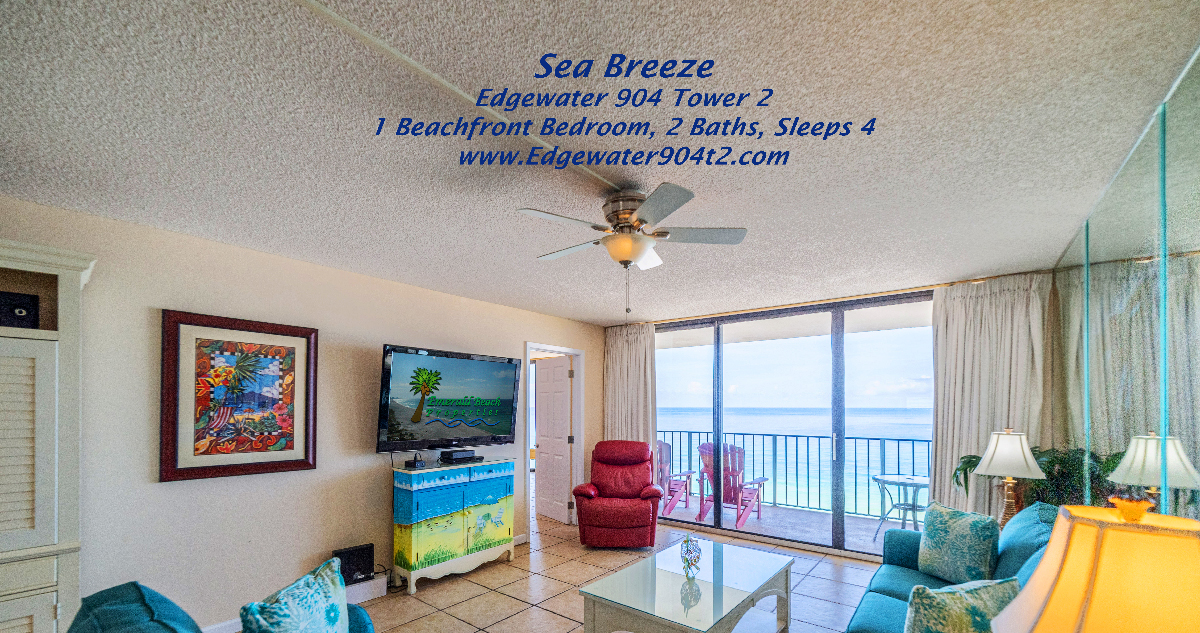
Your vacation rental can earn its reputation in a single afternoon: clear water outside, a clean condo inside, cold air conditioning, working door locks, and every detail ready when guests arrive. It can also lose that reputation just as quickly when salt air corrodes a lock, a storm delays a repair, or a missed cleaning task affects the first impression. This beach property management guide explains how owners can protect a coastal vacation rental while delivering the reliable stay guests expect.
Beach properties require a different operating standard than inland rentals. The beach vacation destination creates the demand, but it also creates constant exposure to moisture, sand, wind, heavy guest turnover, and weather events. Great management does not treat those conditions as occasional exceptions. It builds them into the every day plan.
Beach Property Management Guide: Start With the Operating Plan
A successful vacation rental begins with a clear answer to a practical question: who owns each task, and how quickly must that person complete it? Without defined responsibility, small coastal maintenance issues can turn into expensive interruptions for your guests and for your revenue stream.
Your management company will set standards for reservations, guest communication, inspections, cleaning, maintenance approvals, emergency response, supply replenishment, and owner reporting. The plan identifies primary vendors and backup vendors for critical services, especially HVAC, plumbing, electrical work, locksmith services, pest control, and storm-related repairs. A contractor who serves inland properties may not understand the urgency of a failed air conditioner during a July beach stay. Emerald Beach Properties uses local vendors who are familiar with the systems at each property we manage and we have back ups, just in case our primary vendor is unable to take care of an issue that is urgent.
Owners and managers should document the condition of the vacation rental before each season and after significant weather events. Photos, dated inspection notes, appliance records, and repair invoices create accountability. They also help distinguish ordinary wear from damage that may have been caused by your guests. Owners need visibility, but they also need an agreed approval process that keeps urgent repairs from waiting on a delayed response. Discuss this procedure with your manager so they will know what they are authorized to do without prior approval and when you expect to be notified prior to spending money.
In Panama City Beach, demand can shift quickly around school breaks, holiday weekends, local events, and weather patterns. An experienced management company will monitor how well the property is booking compared with the historical info and adjust operations before peak arrival days, not after issues arise. That includes confirming staffing, linen inventory, parking instructions, access codes, and maintenance coverage.
Protect the Property From Coastal Wear
Salt, humidity, and sand do not wait for a convenient maintenance window. They affect exterior hardware, balcony furniture, windows, HVAC components, flooring, drains, and appliances. Coastal property management works best when inspections follow a schedule rather than a complaint.
Your manager will inspect exterior doors, locks, railings, windows, screens, patio furniture, and outdoor lighting regularly. Look for corrosion, loose fasteners, water intrusion, damaged seals, and signs that wind or moisture has compromised a fixture. Replace low-cost corroded hardware before it fails during a guest stay. When your manager asks to do preventative maintenance remember that the cost of prevention usually remains lower than an emergency call, a guest relocation, or a negative review. Emerald Beach Properties requires all units under management to subscribe to our preventative maintenance plan to make sure these small issues don't become big ones.
HVAC deserves particular attention. A beach property often handles high humidity, frequent door openings, and heavy use during warm months. We recommend that Owners purchase HVAC maintenance plans from their preferred HVAC vendor. Once the owner agrees to this, we will coordinate the HVAC scheduled maintenance and pay the vendor from your account. It's best to schedule service before the busiest season, replace filters on schedule, keep drain lines clear, and verify that the system maintains a comfortable temperature. If the property has smart thermostats or water sensors, management should review alerts promptly and confirm that the technology supports the home rather than complicates guest use.
Sand creates its own maintenance cycle. Entry mats, exterior rinse areas where permitted, durable flooring, and clear guest guidance can reduce the amount that reaches drains and interior systems. Bathroom and kitchen drains should be inspected often, particularly in vacation rentals with high turnover or large guest capacity.
Plan for Storms Before the Forecast Changes
Storm readiness is an operational requirement for beach vacation rentals. Your manager should have a written procedure that covers guest communications, property checks, furniture storage, vendor coordination, owner updates, and post-storm inspections.
The right response depends on the property, the severity of the forecast, and local direction. With our local knowledge, we have experience with storms in PCB. Often you'll see sensationalized accounts of the weather online and in the media. We have found that the best forecast comes from our local sources. When the weather threatens, our maintenance plan covers moving your outdoor furniture inside and then moving it back out once the storm passes. We communicate with our Owners during emergencies so, you'll know what we are doing and what to expect. Direct information builds more confidence than vague reassurance.
After a storm, we inspect the property before the next arrival whenever conditions allow. The condo complexes will check for roof or window damage, standing water, power issues, HVAC operation if the system uses a cooling tower, debris, balcony safety, and access problems. Your manager will inspect the interior of your property and the balcony areas noting any water or wind intrusion. Your manager will record findings immediately. A quick, documented inspection protects guests, owners, and the management operation.
Design An Easy Breezy Guest Experience
Guests choose a beach vacation because they want an easy breezy getaway. They want to move from arrival to the beach without confusion over parking, elevators, door codes, resort rules, or where to find beach gear. Clear preparation by your manager protects the property and makes the guest stay feel organized from the start.
Managers will send arrival instructions early enough for guests to use them. Including the exact address, parking limits, building access steps, check-in timing, Wi-Fi details, trash guidance, beach access information, and a direct method for reporting issues. Keep instructions specific to the property. Generic directions create avoidable calls and frustrate guests who have already traveled for hours.
Inside the rental, cleanliness and working essentials matter more than decorative extras. Guests notice dust on ceiling fans, stained linens, weak water pressure, missing towels, and kitchen tools that do not match the home’s stated capacity. A quality-control inspection after cleaning should verify more than appearance. Test lights, remotes, appliances, toilets, locks, smoke detectors, and internet access.
Beach-friendly features can improve the stay when the property supports them. A place for wet towels near the entrance, practical hooks near entrances, durable seating, blackout window coverings for better sleep, and a well-equipped kitchen all make your vacation rental easier for your guests. Owners should choose furnishings based on durability and cleanability, not appearance alone. A delicate fabric sofa may look impressive in listing photos but perform poorly under frequent use, sunscreen, damp swimsuits, and family travel.
Price With Discipline, Not Guesswork
Revenue management should reflect real market conditions, property features, booking pace, and operating costs. This is where you property manager has a great deal of experience that they will use to help you get the most out of your vacation rental property.
A high nightly rate that leaves prime dates empty can underperform a slightly lower rate that attracts qualified guests early. On the other hand, discounting without a strategy can weaken revenue and attract bookings that do not fit the property’s rules or capacity.
Review rates by season, day of week, length of stay, lead time, and comparable inventory. Consider the rental’s view, beach access, bedroom count, amenities, building reputation, parking, and condition. A renovated beachfront condo and an older unit several blocks from the sand should not follow the same pricing logic simply because they share a ZIP code.
Fees also require careful review. Guests respond poorly to surprises, while owners need accurate pricing that covers cleaning, supplies, maintenance, and management labor. Present charges clearly and keep policies consistent. Strong revenue comes from the combination of accurate rates, dependable presentation, responsive communication, and repeat guest trust.
Choose Accountability Over Convenience
Owners that self-manage will need to coordinate cleaners, maintenance vendors, guest messages, calendars, and pricing on their own. That approach can work for a lightly used property when the owner lives nearby, has reliable local contacts, and can respond quickly. It becomes much harder when bookings increase, emergencies occur, or the owner lives out of state.
A professional vacation rental manager, like Emerald Beach Properties, will provide clear reporting, documented standards, active communication, and local operational coverage. Ask how the company handles after-hours calls, inspection failures, maintenance approvals, owner statements, guest damage, and storm response. Ask who answers the phone when a guest cannot enter the property at night.
Emerald Beach Properties focuses on the operational demands of vacation rentals in the Panama City Beach market, where property condition and guest confidence affect every reservation. Owners receive direct communication and a management structure that treats their vacation home as both a valuable asset and a place where families create lasting vacation memories.
The strongest beach rental operations do not rely on luck, perfect weather, or last-minute problem solving. They create a repeatable standard: inspect early, communicate clearly, respond quickly, and keep the home ready for the next family walking in from the beach.
Octoberfest in Panama City Beach: Plan Your Stay

Octoberfest in Panama City Beach may seem a long way from Germany buy, who doesn't love beer and pretzels?? Summer crowds have gone back to school, Gulf breezes feel a little cooler, and visitors can pair festival food, German-style beer, and live music with beach days that still make a trip to Panama City Beach a great getaway! The key is treating the event as one part of a well-planned fall stay, not the only thing on your getaway calendar.
Festival schedules for Ocotberfest, venues, admission rules, and age restrictions can change from year to year. Confirm the current event details before you book travel or make dinner or attraction reservations. Once you have the basics in place, Panama City Beach gives your group plenty of room to build a weekend that feels festive without feeling rushed.
Why Fall Works So Well for a Beach Getaway
October offers a practical advantage for families, couples, and friend groups: you can enjoy more of Panama City Beach without building every day around peak-season traffic and midday heat. The water remains inviting early in October, while mornings and evenings often bring more comfortable temperatures for outdoor plans.
That balance matters during a festival weekend. A full afternoon of food, music, and social activity feels more enjoyable when your vacation rental gives you a quiet place to reset afterward. You can trade a crowded hotel hallway for a private balcony, a living room where everyone can gather, and a kitchen for an easy breakfast before the next day's adventure begins.
Fall weather conditions do vary. A warm, sunny weekend can support a beach-heavy itinerary, while wind or rain may move your plans toward dining, shopping, and indoor attractions. Pack for both. Bring swimwear and sunscreen, but include a light layer and closed-toe shoes for evening events.
Planning Octoberfest in Panama City Beach
Start with the event itself. Some organizers use the spelling Oktoberfest, while others use Octoberfest. That difference can matter when you search local calendars, but your planning priorities stay the same: verify the date, location, start and end times, ticket process, parking plan, and whether children are welcome.
If your group includes beer enthusiasts, decide in advance who will drive or if you need to plan for a taxi or rideshare. Festival weekends should not require last-minute transportation decisions. Choose a vacation rental close enough to your planned activities to limit driving, use a designated driver, or arrange transportation before the day begins. This simple step protects everyone in your group and keeps the events focused on the experience.
Also consider the pace of the event. A large festival may involve lines, standing, louder music, and a busy crowd. That can make for a memorable afternoon with friends, but it may not suit every traveler. Families with younger children may prefer to attend early, leave before the busiest evening period, and reserve time for calmer beach activities.
Choose Dates With Flexibility
Build your arrival and departure around more than the festival hours. Arriving a day or two early gives you time to settle into your vacation rental, pick up groceries, and learn the area without pressure. Staying an extra night or two can turn a one-day event into a true coastal break.
A three or four night stay often works well for a weekend festival to get the most out of your trip. You can reserve one day for Octoberfest activities, one day for the beach, and another for the kind of unplanned time that makes a vacation feel restorative. If rain affects the event or the beach, that extra flexibility becomes even more valuable.
Select a Vacation Rental That Supports Your Group
The right vacation rental should make the festival easier, not add logistical work. Before reserving, consider how your group will use the property between outings. Travelers who plan to cook breakfasts or share appetizers before an event should prioritize a well-equipped kitchen. Families often appreciate separate sleeping areas, laundry access, and room for children to decompress after a busy day.
Location is important to setting yourself up for a wonderful experience. A beachfront rental puts sunrise walks and afternoon beach time close at hand. A property near restaurants, entertainment, or the festival venue may reduce the need to move the car repeatedly. There is a trade-off: the closest location is not always the quietest, and a larger property farther from all the activity may better suit a multi-generational group. Match the property to your actual plans rather than booking solely on a map pin.
Read rental rules before you confirm your stay. Check minimum-age requirements (most PCB vacation rentals require the main guest to be at least 21 or 25 depending on the complex), parking allowances, pet policies, occupancy limits, and check-in instructions. Festival weekends draw groups with different expectations, and clear rules help responsible guests avoid preventable problems. Emerald Beach Properties focuses on professionally managed vacation rentals, which gives guests a dependable foundation for a well-organized stay.
Build a Weekend Beyond the Festival
Octoberfest can anchor your trip, but Panama City Beach rewards visitors who leave space for the beach and the many other activities available here. Start one morning with coffee on the balcony or a walk along the sand before the day gets busy. Schedule a beach afternoon when the forecast looks strongest, then shift to a sunset dinner or a relaxed evening at your rental.
For groups that want more activity, consider a fishing charter or boat adventure, a round of golf or mini-golf, a visit to a local attraction, or time at nearby parks and trails for a short hike or just to see the local wildlife. Families may prefer the miniature golf, arcade entertainment, or wildlife-focused outings. Couples may want a slower schedule built around a scenic meal and a quiet beach walk. There is no single right itinerary, especially in the fall in PCB.
Do not overbook the weekend. Visitors sometimes try to fit every attraction into a short stay, then spend more time coordinating than relaxing. Leave one or more open blocks of time on your schedule. This gives your group room to respond to weather, lingering conversations over breakfast, or the simple desire to stay on the beach a little longer.
Food, Reservations, and Grocery Planning
Festival food may cover one meal, but it rarely covers a full weekend. Make restaurant reservations early when your group has a specific place or time in mind, especially for Friday and Saturday evenings. Larger parties should not assume a walk-in table that can fit the whole crew will be available during a popular event weekend.
Plan at least a few meals at your vacation rental. Stock water, coffee, breakfast items, fruit, and easy snacks in your kitchen. Make sure to pick up any paper goods and cleaning materials since the vacation rental probably only includes a starter supply of these items. A simple grocery run prevents an avoidable late-night search for essentials. It also helps families keep younger travelers on a familiar routine when festival crowds and beach activities stretch the day.
If you enjoy local seafood, ask your group what they want before you arrive. One guest may look forward to a waterfront seafood dinner while another wants a casual burger after a long day outside. Most vacation rentals provide a large cooking pot that will let you pick up local shrimp, corn, little red potatoes and shrimp boil seasoning for a great DIY shrimp boil that you can eat on your balcony. Agreeing on priorities early keeps the trip moving smoothly.
Keep Safety and Comfort in the Plan
A fall festival still takes place in a beach environment, where sun exposure, hydration, and transportation matter. Drink water throughout the day, eat before consuming alcohol, and use sunscreen even when the sky looks mild. Coastal weather can feel cooler than it is, especially when wind picks up.
Pay attention to beach conditions as well. Follow posted flag warnings, keep children close near the water, and respect changing surf. The Gulf can look calm from shore while conditions may be unsafe for swimming. A good beach day starts with checking the flags and ends before anyone feels overextended.
Guests should also take standard security precautions to be sure their rental experience is a great one. Keep doors secured, follow the property’s parking instructions, and be respectful of neighbors when returning from evening activities. Responsible travel protects your group, the property, and the community that makes these events possible. And be sure to check all the drawers before you leave for home so you don't leave anything behind.
Make Room for the Coast
The best Octoberfest in Panama City Beach itinerary does not need every hour planned. Choose a comfortable vacation rental, confirm the event details, and give your group a reliable transportation plan. Then leave room for the moments that make fall on the Gulf memorable: a breezy morning on the balcony, sandy feet at sunset, and one more unhurried evening together before heading home.
Are Vacation Rentals Safe To Book?

A beach vacation should begin with the sound of the surf, not a frantic call that there is trouble in paradise when the property booked does not exist or the door code will not work. So, are vacation rentals safe to book? They can be very safe when guests book through a responsible vacation rental provider, confirm the details before payment, and use practical awareness to spot scams early on.
Vacation rentals carry different risks than hotels because each home has its own layout, owner, maintenance history, and access procedures. That does not make them inherently unsafe. It means guests need clear information, responsive support, and a few smart checks before they commit to a stay.
Are Vacation Rentals Safe When You Book Online?
A legitimate vacation rental business makes it easy to identify who manages the property, how to reach them, what the total cost includes, and what happens if a problem arises. A vague listing, pressure to pay immediately, or a manager who will only communicate through a personal messaging account deserves added scrutiny to avoid the scammers. This is true of all online transactions today, not just vacation rentals.
Start by looking beyond polished listing photos and promises of too good to be true prices. Read the property description closely, including occupancy rules, parking information, cancellation terms, and check-in instructions. Confirm that the listing gives a real business name, phone number, and physical service area. A professionally managed vacation rental will have a process for reservations, payments, maintenance, and guest support that is presented up front.
If you are renting from an individual owner, you can use the Bay County Property Appriaser's website www.baypa.net to look up the owner just to verify that you are booking from the actual owner and not a scammer. You can also check for the vacation rental license through the Florida Department of Business and Professional Regulation.
Reviews help, but use them carefully. Look for patterns across several recent reviews rather than relying on one glowing comment or one complaint. Guests often reveal the details that matter most: whether the home matched its listing, whether the manager answered the phone, how quickly maintenance handled an issue, and whether the building or neighborhood was what was expected.
Price also tells a story. A rental priced far below comparable homes during a busy period may be legitimate, but it calls for additional verification. Scammers often use unusually low rates to create urgency. Compare similar properties by bedroom count, location, amenities, and travel dates before you assume you found an impossible bargain.
Check the manager's website to see if they have won any local awards such as the annual Best of Bay Award for Property Management or other local honors to validate their good reputation.
Verify the Property and Manager Before You Pay
Do not send money until you know who will receive it and why. Use a payment method with documented transaction records and clear consumer protections. Avoid wire transfers, gift cards, cryptocurrency, or payment requests that move outside the established reservation platform or property manager's normal process. Those methods can make recovery difficult if someone misrepresents a listing. It's always best to reserve your vacation rental using your credit card just in case you need to do a charge back.
Call the management company using the phone number published on its official website, not only a number included in a message. Ask direct questions: Is this property available for my dates? What is the full rental amount? Who provides check-in instructions? What number should I call after hours? A credible team should answer plainly and send written confirmation.
Your reservation documents should identify the property, stay dates, payment schedule, cancellation policy, guest requirements, and contact details. Keep copies of the listing, correspondence, receipt, and rental agreement. These records reduce confusion later and give both sides a clear reference point.
For a Panama City Beach stay, location verification matters as much as the home itself. Confirm whether the property is located directly on the beach, across the street, within a resort, or farther inland. Emerald Beach Properties provides maps with the location of our properties clearly marked. Ask about beach access, elevator availability, parking passes, and any age or occupancy requirements enforced by the building. Clear expectations protect your vacation investment before you pack the car.
Questions Worth Asking Before Booking
A few direct questions can reveal whether a manager operates with discipline. Ask when you will receive arrival instructions, whether the home uses a keypad or physical key (Emerald Beach Properties uses only centrally monitored electronic locks), and how the company handles a lockout. Ask whether the property has smoke alarms, fire extinguishers, and pool or balcony safety rules.
You should also ask what to do if the home does not meet the agreed condition at check-in. A responsible manager will provide a reporting procedure and a realistic response path. No vacation provider can prevent every maintenance issue, especially in a coastal environment where weather and heavy use affect equipment. They should, however, own the response and communicate promptly.
Check Safety When You Arrive
Once you enter the home, take five minutes to look around before everyone heads for the water. Find exterior doors, confirm that they lock, and identify the safest exit route. Locate smoke alarms, fire extinguishers, and the safety postings inside the vacation rental.
If something raises concern, document it with photos and contact the manager immediately. A broken lock, damaged railing, exposed wiring, missing smoke alarm, or unclear pool gate needs prompt attention. Do not assume another guest already reported it. Early reporting protects your group and gives the manager an opportunity to correct the problem.
Coastal properties need particular attention. Salt air, wind, sand, and humidity place steady demands on doors, outdoor furniture, balconies, decks, and mechanical systems. Follow posted rules for balconies and pools. Keep children within reach near water, do not climb railings or throw anything off the balcony, and avoid using damaged outdoor equipment. If severe weather approaches, follow official local alerts and the instructions provided by the property manager or building staff.
Secure personal belongings as well. Lock doors and windows whenever you leave, keep valuables out of sight, and avoid sharing door codes outside your travel group. Many vacation rentals use smart locks, which offer convenient access, but guests still need to treat an entry code like a house key. Make sure all patio doors and windows are closed before you go out to avoid having wildlife enter your vacation rental. Sea Gulls love condo balconies and they'll walk right in if the doors are left open.
Safety Also Depends on the Right Fit
The safest property for one group may not fit another. A high-rise condo with a balcony may work well for adults but require closer supervision for families with young children. A private home may offer space and privacy, while a resort-style property may provide staffed common areas and controlled access. Neither option automatically wins on safety.
Match the property to your group's needs before booking. Consider the number and ages of travelers, mobility needs, proximity to the beach, pool access, stairs, parking, and the level of support you expect. A vacation rental that looks perfect in photos can create avoidable risk if its layout does not suit the people staying there.
Travel insurance may also deserve consideration, particularly for longer stays, hurricane-season travel, or trips with significant prepaid costs. Review the policy terms rather than assuming it covers every disruption. Coverage varies widely for weather events, illness, cancellations, and travel delays.
What Professional Management Offers
Professional management does not eliminate every risk, but it creates accountability. It gives guests a known point of contact, established payment procedures, documented house rules, and a maintenance process when the unexpected happens. That structure matters when a lock fails, an appliance stops working, or a storm changes travel plans.
Emerald Beach Properties approaches guest stays with the same discipline that a beach-market rental operation requires: clear property information, controlled access procedures, and responsive communication. Guests should expect a manager to treat their safety concerns as operational priorities, not inconveniences.
Trust your instincts, but support them with verification. Choose a rental that communicates clearly, pay through a documented process, read the agreement, and inspect the home when you arrive. Those steps leave more room for what the trip should be about: a calm morning on the sand, an easy return to a well-prepared home, and time with the people who came with you.
Pirate Themed Activities in Panama City Beach, FL
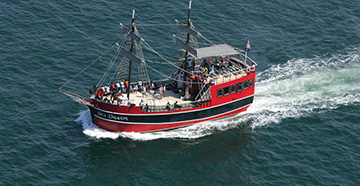
A pirate flag flying in the air is your signal for a special kind of fun in Panama City Beach, FL. Pirate activities in Panama City Beach, FL give families a break from sandcastle duty and beach days. Children get a story, a costume-ready setting, and a chance to join the action. Adults get an organized outing that can fill a morning, afternoon, or early evening with far less planning than a full-day activity.
The best choice depends on your group’s ages, attention span, budget, and vacation schedule. A lively pirate cruise suits families who want entertainment on the water. Pirate-themed mini golf works better when you need a flexible activity between the beach and dinner. Planning for the right fit helps everyone enjoy the experience instead of managing an overtired crew.
Pirate Activities in Panama City Beach, FL: Start With a Cruise
A pirate ship cruise delivers the most complete pirate experience. These excursions typically leave from a local marina and combine sightseeing with pirate characters, music, games, storytelling, and kid-focused activities. The ship itself does much of the work. Once children climb aboard, they can settle into the role of deckhand, treasure hunter, or honorary pirate. Check out the SeaDragon Pirate Cruise!
Cruises often appeal most to children in the preschool through elementary-school years, though older siblings and adults can enjoy the Gulf views, sea breeze, water gun fights and the theater of it all. These cruises are fun for everyone.
Daytime sailings offer bright water views and easier conditions for young children. Sunset or evening cruises can feel more dramatic and provide welcome relief after a hot beach day, but they may run later than a young child’s routine allows. Adults only cruises are also available. If your family spends the day swimming, consider an earlier cruise or schedule a quiet afternoon beforehand.
Motion sickness is usually not an issue on these cruises since the Captains know how to handle the boat for smooth sailing. Many guests do well on a sheltered, sightseeing-style cruise, but no boat trip comes with a guarantee of calm water. If anyone in your group feels uncertain, choose seats with fresh air and a clear view of the horizon, avoid a heavy meal immediately before boarding, and bring the remedies your family normally uses for nausea.
What to Bring Aboard
A pirate cruise does not require elaborate preparation, but a few practical items make the outing more comfortable. Bring water, sunscreen, sunglasses, and a light layer for wind after sunset. Closed-toe shoes or secure sandals work better than loose flip-flops on boat decks. A small waterproof bag gives you a place for your phones, a dry shirt for children, and any medication you may need.
Costumes can add to the fun, especially for younger children. Keep them simple. A bandana, striped shirt, or pirate hat creates the effect without becoming uncomfortable in Florida heat. Avoid bulky accessories that can blow away or interfere with safety instructions.
Choose Mini Golf for a Flexible Pirate Outing
Pirate-themed miniature golf offers another enjoyable pirate activity. It works well on arrival day, a cloudy afternoon, or the hour before dinner when the beach has worn everyone out but the evening still feels wide open. Pirate’s Island Adventure Golf gives families a themed course with water features, caves, bridges, and larger-than-life pirate scenery, creating an outing that feels more memorable than a standard round of mini golf.
Mini golf gives each family control over the adventure. You can pause for photos, let younger children take extra swings, or move through the course quickly when the heat builds. That flexibility makes it a strong choice for groups with grandparents, toddlers, teens, and different energy levels.
The trade-off is that the experience depends more on your group than a hosted cruise does. A child who wants constant characters, music, and guided games may respond better to a boat adventure. A family that prefers friendly competition, independent movement, and a shorter commitment may find mini golf more satisfying.
Plan for the weather. Midday sun can turn an outdoor course into a hot walk, particularly during summer. Early morning and later afternoon generally offer a more comfortable round. After rain, courses may reopen quickly, but conditions and operating hours can change. Confirm the day’s schedule before you leave your vacation rental for your mini-golf adventure.
Pair Pirate Fun With the Right Beach-Day Plan
The best vacation days balance activity with recovery time. A pirate cruise can serve as the day’s main event, so avoid packing in a long beach session, a water park visit, and a late dinner unless your family handles full schedules well. Panama City Beach offers plenty of entertainment, but children rarely enjoy every option more because it appears on the same calendar.
For a cruise day, consider a slow breakfast, an unhurried departure, and a simple meal after the outing. Leave room for a swim at the pool, a walk along the shoreline, or downtime at your rental. The quieter moments often become the part of the trip families remember most. And making memories is really what it's all about!
For mini golf, build the activity around the beach instead. Spend the cooler morning hours by the water, return to your rental for lunch and rest, then head out for a late-afternoon round. That schedule reduces sun exposure and prevents a small activity from taking over the day.
If weather interrupts your plans, do not force the outing. Storms and changing Gulf conditions can affect boat operations, while rain and heat can make outdoor attractions less enjoyable. Flexibility is key to an enjoyable vacation. A professionally managed vacation rental gives your family a comfortable place to reset while you adjust your plans as needed.
Book With the Details That Matter
Pirate attractions can fill quickly during spring break, summer, holiday weekends, and school vacation periods. Reserve early when a specific sailing time or evening activity matters to your plans. Before you commit, verify the departure location, check-in time, duration, cancellation policy, parking instructions, age recommendations, and what the ticket includes.
Ask direct questions when you need clarity. Confirm whether the cruise provides life jackets for children, whether outside food or drinks are allowed, and whether the program includes loud sound effects or mock pirate battles. These details matter for families with infants, sensory sensitivities, mobility concerns, or children who feel nervous around costumed performers.
Use this short check before you book:
- Match the activity length to your children’s usual attention span.
- Choose a departure time that works with meals, naps, and evening plans.
- Review weather and cancellation procedures before the day of your outing.
- Arrive early enough to park, check in, and use the restroom without rushing.
A few minutes of preparation protects the relaxed feeling you came to Panama City Beach to enjoy.
The Annual Pirates of the High Seas Festival
Every year on Columbus Day Weekend in October, Panama City Beach hosts the Pirates of the High Seas Festival. This is one of the best festival weekends in PCB. The organizers plan activities specifically for families and also some after hours activities for adults. There are parades and other exciting activities such as the annual pirate invasion where the kids must defend PCB from the invading pirates in full costume.
This is a great chance for every one to put on their pirate costume and talk like a pirate. Make your vacation rental reservations for this 3 day weekend early because it is one of the most popular off season weekends in Panama City Beach! Aaargh and Ahoy Mateys!
Pirates Voyage Dinner & Show
Dolly Parton's Pirates Voyage Dinner and Show is an amazing night out for the entire family! Dress up the kiddos or have their faces painted up once you arrive for the show. Relax and enjoy a rousing performance by our local pirate crew with musical numbers, animal acts and everything related to pirates! Dinner is served during the performance and they give you plenty of food and drink in pirate fashion.
You'll need to book this in advance for assured seating. Check here for Pirates Voyage And Dinner Show.
Make the Experience Feel Like Part of the Vacation
Pirate activities work best when they feel connected to the rest of your stay rather than squeezed into it. Let children collect shells on the beach before their cruise and call them treasure. Take one family photo by the pirate ship or course entrance. Afterward, ask each child to name the best part of the adventure over dinner. These small moments give the activity a place in the larger story of the trip.
For vacation rental guests, location and schedule matter as much as the attraction itself. Choose an outing that leaves enough time to enjoy your condo, beach access, pool, and the people traveling with you. Emerald Beach Properties understands that a well-planned stay needs both memorable experiences and space to breathe.
A pirate adventure should leave your family laughing, not racing to the next reservation. Pick the outing that fits your crew, protect a little unscheduled time around it, and let the Gulf Coast setting do the rest.