

Three Bedroom Beachfront Condos in Panama City Beach, FL
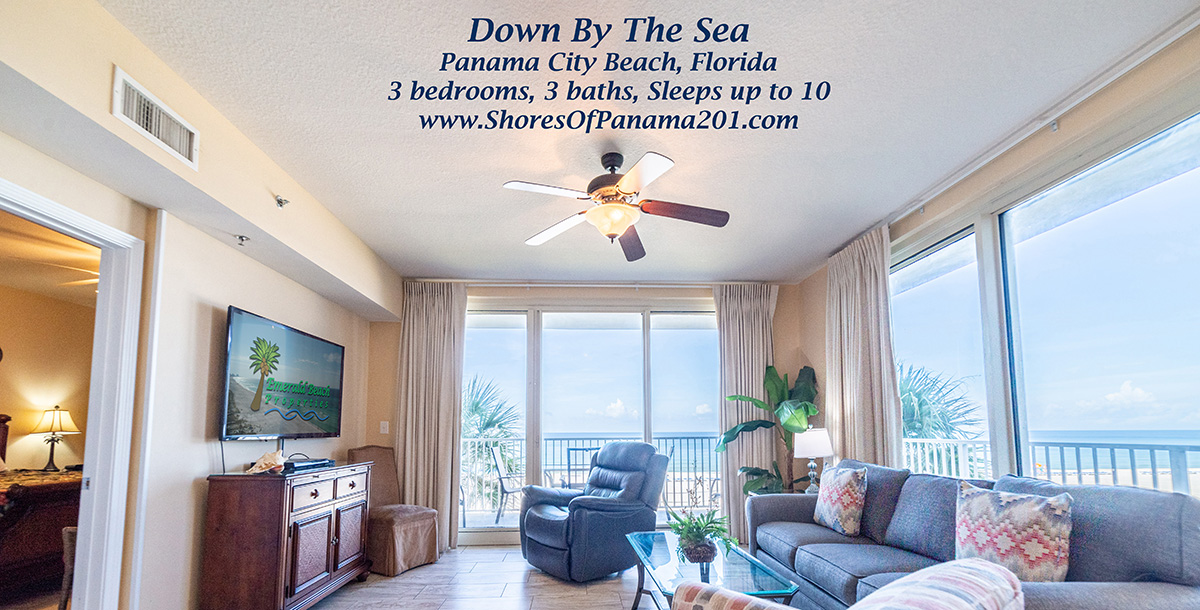
If you are taking a vacation with a large family or group of friends, a three bedroom beachfront condo in Panama City Beach, FL will give you a practical home base with amazing Gulf views, direct beach access, and separate spaces for sleeping, cooking, and spending time together. Rather than coordinating several hotel rooms, your group can gather around one dining table, keep beach gear in one place, and end the day with the beach in your backyard!
The right condo depends on more than just the bedroom count. Building location, floor plan, balcony size, parking, elevator access, and included amenities all add to the experience for everyone in your group. A thoughtful comparison helps you choose a vacation rental that fits your group instead of asking your group to adapt to the property.
Why Three Bedrooms Make a Difference
Three-bedroom condos work especially well for multigenerational families, two families traveling together, and groups of friends who want privacy without losing shared living space. Parents can keep young children nearby, grandparents can maintain a quiet retreat, and couples do not need to use the living room as a bedroom or sleep on a sleeper sofa.
The layout matters as much as the number of rooms. Some condos offer a Gulf-front primary bedroom, while others place the main bedroom farther from the balcony. Some include bunk areas that children love, but a bunk area does not always provide the same privacy as a third enclosed bedroom. Review the sleeping arrangement carefully before booking, particularly when adults in your party expect separate rooms.
Bathrooms deserve equal attention. A three-bedroom condo with three bathrooms can make mornings far easier for a larger group. A two-bath layout may still serve your needs well, but it requires a little more coordination after a long day in the sun and on the sand.
What Beachfront Really Adds to Your Stay
A beachfront address puts the beach at the center of the day rather than at the end of a drive. You can watch the morning light over the Gulf from the balcony, head downstairs when the water calls, and return to the condo for lunch without packing up the car. That proximity has real value for families with small children, guests who need rest breaks, and anyone who plans to spend most of the trip on the beach.
Not every water-view property offers the same experience. A true beachfront condo is located directly on the Gulf side of the road, while a gulf-view or beach-access property may require a walk, a road crossing, a tram ride or a drive to reach the sandy beach. You can choose the option that is best for your group from Emerald Beach Properties' extensive vacation rental inventory. A beach-access property may offer a different price point or a quieter setting. Still, guests who want to move easily between the condo, pool, and beach should prioritize a direct beachfront complex.
Floor level creates another trade-off. Higher floors provide more expansive water views and less activity outside, but elevators can take longer during busy check-in periods and peak summer weeks. Lower floors make beach and pool trips quicker, although they may bring more nearby foot traffic and a more limited view. Choose based on how your group expects to use your vacation rental.
How to Compare Three Bedroom Beachfront Condos
Start with the needs and wants of your group. Count adults, children, and guests who need a particular bed type. Then look at the condo's stated sleeping capacity and the actual bedding arrangement. A vacation rental that sleeps eight may include one king bed, one queen bed, twin bunks, and a sleeper sofa. That setup can work perfectly for a family with children but may feel less comfortable for four adult couples.
Next, consider the living areas. A condo can sleep a large group but still feel crowded if the kitchen lacks prep space, the dining table seats only six, or the balcony has room for just a few chairs. For a stay built around shared meals and slow evenings overlooking the water, those details matter.
Check the kitchen features that support your plans. Guests who expect to prepare breakfast and a few dinners benefit from full-size appliances, adequate cookware, and enough refrigerator space for groceries. Guests who plan to enjoy local restaurants may care more about coffee service, a quick breakfast setup, and a dishwasher that keeps cleanup simple.
Finally, evaluate the condo complex as part of the rental. A well-located condo in a building with efficient elevators, clear parking procedures, well maintained common areas, and practical beach access can make arrival and departure much easier. During popular travel periods, those operational details often affect your vacation as much as the beautiful view of the Gulf.
Questions Worth Asking Before You Reserve
Confirm whether the rental includes parking and registration fees since many complexes in PCB require this to be paid outside the reservation you pay to the management company. Check on whether the building limits the number of vehicles. Larger condos often attract larger groups, yet many buildings assign only one or two parking spaces. If your party arrives in separate vehicles, resolve that question before finalizing plans.
Ask about beach chair service if it matters to your group. Some properties include chairs in seasonal arrangements, while others do not. If your chose condo does not include beach chairs, you can make a deal with the attendant at the beach hut for chairs for the days you want to rent them. Also review pool rules, wristband requirements, and age restrictions where applicable. Many condos in PCB require the lead guest to be at least 21 or 25 years old depending on the complex. Most PCB complexes do not allow guests to bring pets. Clear expectations prevent small surprises from interrupting the first day of vacation.
If anyone in your party has mobility concerns, look beyond the phrase “beachfront.” Ask about the path from parking to the elevator, elevator access from the condo floor, the distance to the beach entrance, and any stairs or ramps along the route. Some complexes provide mobi-mats to assist with getting out to the water while others do not. Beach wheelchairs and other mobility aids are available for rent locally but you need to reserve in advance to be sure your needs will be met. Beach access varies by building, and a good fit begins with accurate information.
Plan for the Season You Want
Panama City Beach offers a different vacation for every season of the year. Summer brings warm Gulf water, full activity calendars, and the highest demand for larger beachfront vacation rentals. Families who need a specific week, a certain floor, or a particular bed arrangement should reserve early. The most convenient three-bedroom options tend to go first because they serve so many different types of groups.
Spring and fall often appeal to guests who want cooler weather with a calmer pace. The beach remains the main attraction, while restaurant waits, road traffic, and pool crowds may feel more manageable than at peak times. Winter brings guests looking for longer stays and travelers who value quiet walks, broad beach views, and a change of scenery over nonstop activity.
Rates and availability shift with season, events, holidays, and the individual property's features. A direct Gulf-front corner condo with a large balcony commands a higher rate than a comparable interior unit, especially during high-demand dates. Consider the full cost alongside the experience your group wants. A little more space, a better balcony, or easier beach access can add meaningful comfort and enjoyment to your visit.
Make the Condo Work From Day One
Once you arrive, organize the condo around the way your group travels. Set aside one place for sandy shoes, towels, and beach toys so they do not migrate through every room and leave sand on every floor. Use the kitchen for easy breakfasts and snacks, then leave room in the schedule for an unplanned lunch or sunset walk. The best beach vacations usually allow enough structure for comfort and enough open time for the Gulf to set the pace.
Respecting the property and building rules also protects the experience for everyone. Follow posted pool and balcony guidelines, observe quiet hours, and keep entry doors secure. A professionally managed vacation rental will give guests clear instructions and a dependable point of contact, so you can focus on the trip rather than chasing down basic answers when questions arise.
Choose Comfort Over a Simple Headcount
A three-bedroom beachfront condo should offer more than beds for a larger party. It should give your group room to wake up slowly, share a meal without crowding the kitchen, step outside to a real Gulf view, and retreat for quiet time when needed. Emerald Beach Properties focuses on helping guests find vacation rentals that support that kind of stay. We'll help your find your perfect place in PCB!
When you compare layouts, building access, beach proximity, and the needs of the people traveling with you, the right condo becomes easy to recognize. It feels less like a place to sleep and more like the setting where your Panama City Beach memories take shape.
Boardwalk Beach Resort in Panama City Beach, FL
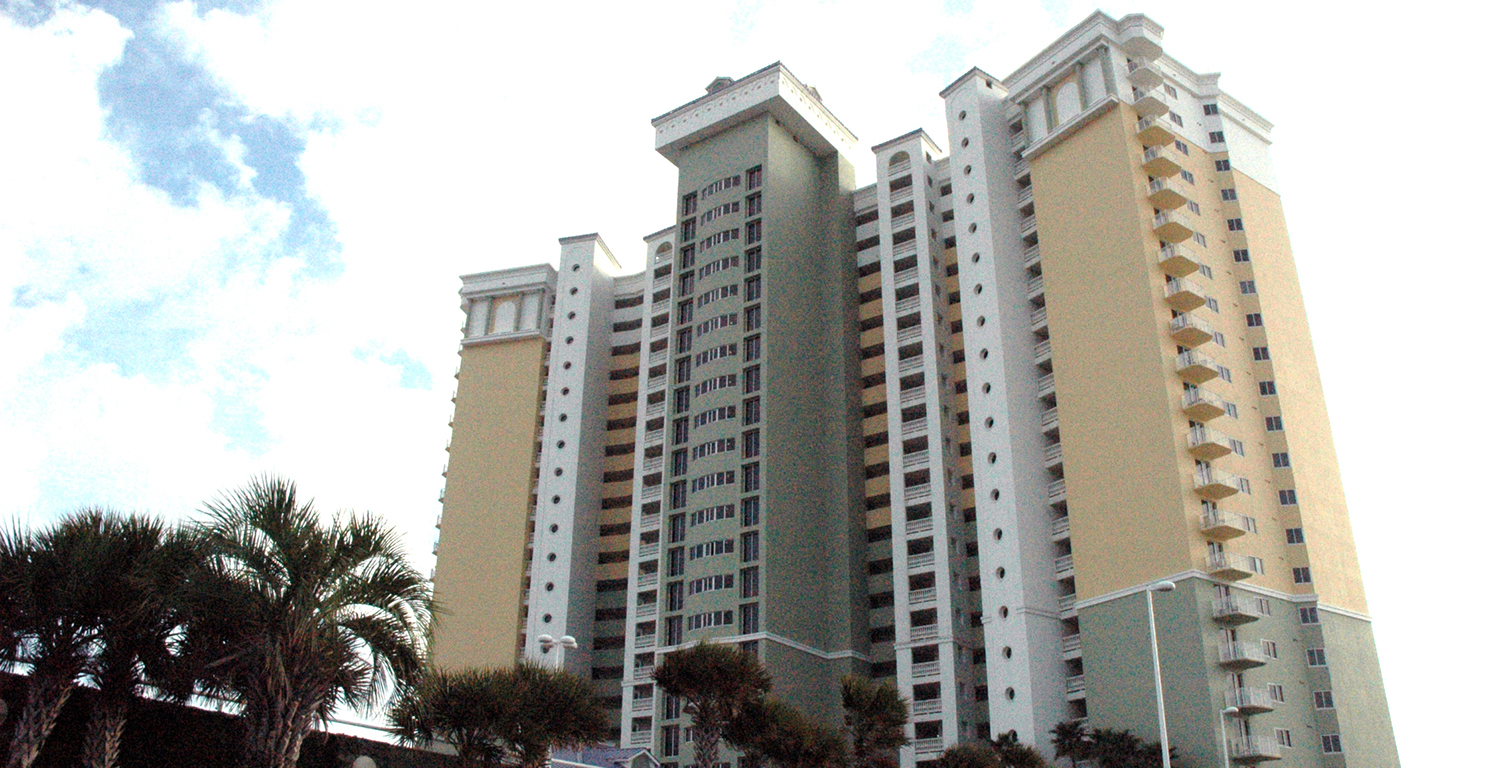
The appeal of Boardwalk Beach Resort in Panama City Beach, Florida starts with the setting: a wide view of the Gulf shoreline, direct beach access, and a central location that puts vacation fun near by. For families, couples, and groups, the complex can offer a convenient home base. The details of the individual vacation rental you select makes all the difference.
Boardwalk Beach Resort includes individually owned condos, so layouts, furnishings, views, housekeeping arrangements, etc. differ from one unit to the next. A careful review before booking will help you choose a vacation rental that supports the kind of beach trip you are planning
What Makes Boardwalk Beach Resort a Practical Choice
The resort is located along the Gulf in a well-established stretch of Panama City Beach. Its beachfront position matters most on a destination where the beach is the main attraction for vacationers. You can move from breakfast to the sand, return for lunch or a break from the sun, and head back out for an evening walk without loading the car or searching for public parking.
That convenience works especially well for families traveling with younger children, guests carrying beach gear, and groups that prefer flexible days over tightly scheduled activities. A beachfront rental also gives you an easy option when the group wants different things from their vacation. One person can relax by the water while another rests in the condo, prepares a meal, or gets ready for dinner.
The surrounding area adds another layer of value. Restaurants, family attractions, grocery stores, and everyday essentials sit within a reasonable drive. Even so, travelers should not assume every attraction is walkable from the resort. Panama City Beach covers a broad area, and traffic patterns can change during spring break, summer weekends, holiday periods, and major events.
Choose the Unit, Not Just the Resort Name
A resort name provides a starting point. The specific condo you choose will make your vacation special if it is a good fit your your group and your plans. Before reserving, read the complete listing and focus on the details that affect your group every day.
View, floor, and balcony expectations
Many guests book a Gulf-front resort because they want a water view, but you'll need to pay careful attention to the wording in the listings. Gulf front, Gulf view, pool view, and city view can describe very different experiences. At Boardwalk, most of the balconies are directly Gulf Front. The studio units on the ends of the building have a more limited view. The balconies have expansive, unobstructed views of the beach.
Floor level also depends on personal preference. Higher floors may offer broader views and more distance from ground-level activity. Lower floors can reduce elevator time and make arrivals, departures, and beach runs easier. Neither option works best for every group, particularly during busy weeks when elevators may see heavier use.
Sleeping arrangements and living space
Bedroom count alone does not tell the whole story. Boardwalk has a wide range of condos to choose from. One, two, three and four bedroom condos are available at Boardwalk. There are also studio units that are akin to a hotel room with a king bedroom, often with a sleeper sofa and a kitchenette.
Review the bedding configuration, sofa bed availability, bathroom count, and the layout of common areas. A condo in the Boardwalk Complex can suit a family comfortably, while a group of adults may value privacy and separate sleeping spaces more than total bed count. Boardwalk's wide range of choices have something for every group.
If you plan to cook, Boardwalk's kitchens are spacious and well equipped. The studio units have kitchenettes instead of full kitchen. If you expect to spend most evenings out, a smaller kitchen may not matter. Travelers with infants, dietary restrictions, or a large group usually benefit from a unit with adequate counter space, seating, cookware, and storage.
Included features and property rules
Confirm what the unit includes rather than relying on assumptions. Wi-Fi is included at no charge in all Boardwalk condos. All units except studios have in unit laundry equipment. A registration fee is required by the complex that must be paid in advance and is not included in your reservation. The registration fee covers parking, wristbands and access to all the resort amenities. Beach service is available at the beach hut at an additional charge, Pool and hot tub access is included with your registration fee. Check with the individual vacation rental for information on starter supplies that are provided with your rental.
Review occupancy limits which are based on condo size. Minimum-age requirement is 25 for the main guest. Guests are not allowed to bring pets. Smoking is not allowed on balconies. Parking is determined by the unit size so be sure to ask how many vehicles you can bring. Check-in instructions will be provided by your management company and you'll check in with the security gate upon arrival. These policies protect owners, guests, and the property. They also prevent last-minute surprises at arrival.
Plan Around Panama City Beach Seasons
Panama City Beach attracts visitors year-round, but each season brings different weather and different activities for your vacation. Your ideal dates depend on the weather you want, your tolerance for crowds, and how much flexibility you have with rates and availability.
Summer delivers the classic beach vacation experience: warm Gulf water, long daylight hours, and a lively atmosphere. It also brings strong demand. Families should book early when they need specific bedroom counts, preferred views, or a particular arrival date. Plan for busier roads, fuller restaurants, and more activity around pools and on the beach.
Spring brings comfortable temperatures and an energetic atmosphere, especially around school Spring Breaks. It can work well for travelers seeking activity, but families and guests who prefer a quieter setting should review their travel dates carefully. The atmosphere can vary significantly from one week to the next. The local authorities in PCB take great care to control crowds and Spring Break shenanigans so that things don't get out of hand.
Fall appeals to guests who want warm beach days with fewer crowds. Water conditions and temperatures become cooler as the season progresses, but many travelers value the more relaxed pace. Winter offers another option for extended stays, remote work, and travelers who want to trade colder climates for coastal scenery. Swimming conditions may not suit everyone, yet sunny walks and Gulf views remain part of the experience. Boardwalk's pool is heated seasonally and the hot tubs are available year round.
Make Arrival Day Easier
Arrival day sets the tone for your vacation. Save the property address, access instructions, parking details, and management contact information in a handy place before leaving home. If the rental uses electronic access, confirm that each adult traveler can reach the necessary instructions. Most Boardwalk condos do have electronic access so, you'll be entering a door code to access your condo.
For an arrival during peak season, expect more traffic and allow extra time for grocery shopping. Consider stopping at a store before crossing into the busiest beach areas, particularly if you need breakfast items, bottled water, snacks, or supplies for children. Or you can plan ahead and have your groceries delivered. Some of the local companies that will even stock your condo before you get there. Once you reach the resort, take a few minutes to understand the parking process, elevator access, and the route to the beach before unloading every item. Make sure everyone has their wristband for pool and beach access and that they know the door code to get into the condo.
A short first-day plan helps. Unpack essentials, locate towels and beach gear, check the balcony and common spaces, and identify nearby dining or grocery options. You do not need to schedule every hour, but a little preparation keeps the vacation from beginning with avoidable confusion.
Build a Beach Day That Works for Your Group
The Gulf is the main attraction, but the best beach days take into account that weather conditions may change. Check posted safety flags and the local weather forecast before entering the water. Gulf conditions can shift quickly, and beach flag warnings require attention. Review the information concerning rip currents that is posted in your condo just in case you do encounter one at the beach. Parents should set clear boundaries for children, and all swimmers should stay aware of rip currents and changing surf.
Bring more water than you expect to need, especially in the warmer months. Shade, sunscreen, hats, and regular breaks matter as much as a good beach chair. Don't underestimate how quickly the sun and reflected sand can wear down even experienced beachgoers.
A beachfront condo gives your group flexibility when a storm moves through or the midday heat becomes intense. Use that advantage. Step inside for lunch, rest during the hottest part of the afternoon, then return to the beach when conditions improve. The best vacation rarely requires an all-day commitment to one activity.
Questions Worth Asking Before You Book
Before reserving a unit at Boardwalk Beach Resort, confirm the total price, including cleaning fees, booking charges, taxes, etc. Be sure to pay your registration before arrival. Ask how many vehicles the reservation allows. For larger groups, this can affect the choice of rental as much as bedroom count.
Also confirm the cancellation policy and travel protection options. Weather, family needs, and travel disruptions can alter plans. Clear terms let guests make decisions with confidence rather than relying on assumptions.
Finally, make sure the rental's stated capacity aligns with your group. A condo can technically sleep a certain number of guests while still feeling crowded for the way your family or friends prefer to travel. Comfort comes from the right fit, not simply the maximum occupancy number. The good news is that Boardwalk condos are spacious as long as you don't exceed the recommended occupancy.
A well-chosen Boardwalk Beach Resort vacation rental gives your something valuable: an uncomplicated place to return to after a day on the beach or out on a boat. Select the unit with care, understand the property policies, and leave room in the itinerary for plenty of beach time!
One Bedroom Walk to the Beach Rentals in Panama City Beach
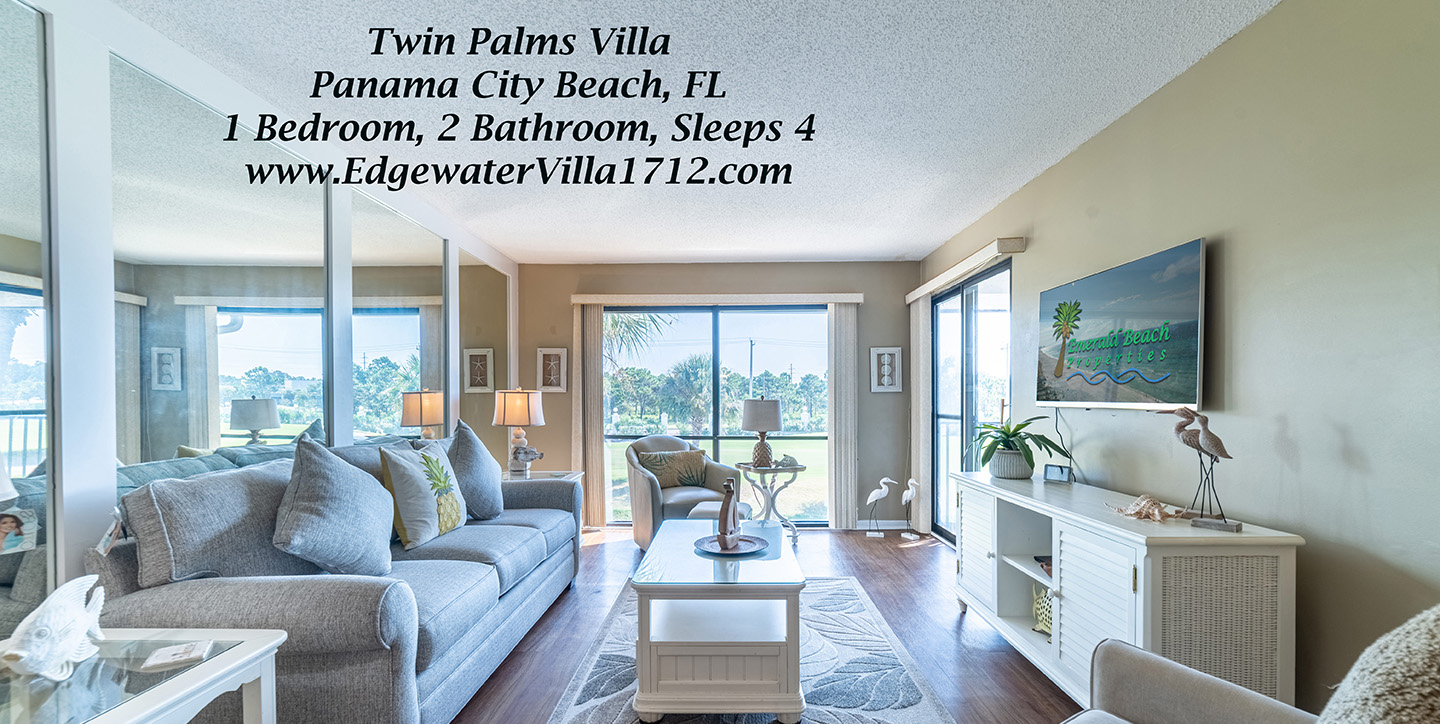
A one-bedroom vacation rental that is a short walk to the beach in Panama City Beach can make your vacation a special experience. You'll have a private place to recharge, room to prepare breakfast, and a beach day that does not require loading the car or paying for parking. One bedroom walk to the beach vacation rentals in Panama City Beach appeal to couples, solo travelers, small families, and snowbirds who want a practical PCB stay without committing to more space than they need or spending more money than necessary.
The key phrase is "walk to the beach". It should mean more than a location near the beach on a map. Check our website for the map shown on each listing that shows right where your vacation rental is located. A walk to the beach vacation rental puts you close enough to reach the sand comfortably with a chair, towel, cooler, and the people traveling with you. Before you book, look beyond the number of blocks and consider the route, beach access, building layout, if there is a tram available and the daily routine you you are planning for your vacation.
What Walk to the Beach Really Means
Walkability varies considerably across Panama City Beach. Some one-bedroom vacation rentals are located in beachfront buildings where the pool deck or boardwalk leads directly to the sand. Others are across the street from the beach, a short distance from resort and public access points. Both options can work well if you are willing to walk a short way to the beach, but they create different vacation experiences.
A true beachfront condominium offers the most direct beach routine. You can return to the unit for lunch, avoid carrying everything for the entire day, and watch the water from a balcony in many layouts. This convenience comes with a higher nightly rate, especially during peak travel periods. You can also expect larger resort-style buildings to have elevators, shared amenities, and busier common areas.
A nearby, off-beach rental may offer more value while keeping the beach within an easy walk. The right vacation rental places you near restaurants, attractions, and grocery options as well as the water. Still, a short walk on a map can feel longer in summer heat or when you carry beach gear. Check whether the path includes a tram to the beach, a crosswalk, sidewalks, stairs, or a public beach access point. Those details matter more than a broad claim that a property is close to the beach.
Choosing a One-Bedroom Layout That Works
One-bedroom vacation rentals don't accommodate guests in the same way. The bedroom typically offers a separate sleeping space, but the living room may include a sleeper sofa, bunk alcove in the hallway, or additional sleeping arrangements. A couple seeking quiet and privacy may prefer a straightforward one-bedroom floor plan. A small family may need a layout that creates enough separation for early bedtimes and morning routines.
Start with the number of people in your group, then think about how you use the space. If you plan to cook several meals, prioritize a functional kitchen, adequate counter space, and dining seating. If you expect to spend most of the day on the beach, a comfortable living area and balcony may matter more than a large kitchen. Guests working remotely should verify Wi-Fi availability and consider whether the unit has a table or dedicated workspace rather than assuming every rental supports a workday.
Bathrooms also affect comfort. Many one-bedroom units have just one bathroom, which suits most couples and small groups. However, a bathroom with a tub can help families with young children, while a walk-in shower may better serve longer-stay guests. Photos, floor plans, and clear property descriptions should guide your decision. Professional property managers like Emerald Beach Properties disclose these details in their listings.
Location Priorities for a Better Beach Vacation
Panama City Beach stretches across a long East to West shoreline, so the best area depends on the trip you are planning. If you prefer activity, you may want to stay near dining, shopping, entertainment, and family attractions. Those looking for a quieter beach vacay may favor an area with fewer high-traffic venues and easier access to less crowded stretches of the beach.
Don't choose location based on beach distance alone. Consider where you will buy groceries, whether you plan to dine out, and how often you want to drive. A centrally located vacation rental can reduce the need to move the car after check-in. On the other hand, a more quieter setting may provide a calmer base even if you drive a little farther for dinner.
Beach access deserves specific attention. Public access points differ in parking, ramps, stairs, and proximity to the vacation rental. If you have strollers, mobility concerns, or young children you should look for a route that does not require managing stairs or crossing multiple lanes of traffic. A professionally managed property should provide straightforward arrival information and clear guidance on the beach access available nearby.
Read the Details Before You Reserve
A polished photo gallery tells part of the story. You need to understand the vacation rental details to make sure you spend your vacation time well and avoid surprises. Review the stated sleeping capacity, parking rules, age requirements, check-in process, and any building policies that apply to pools, wristbands, or beach equipment.
Parking must be part of your choice of vacation rentals. Some properties include one parking space, while others have limited spaces, off-site parking, height restrictions, or registration requirements. If you plan to bring more than one vehicle for your one bedroom vacation rental stay, confirm the arrangements before you book. Never assume a resort-style property can accommodate an extra car simply because the unit sleeps several guests.
Also check what the rental supplies. Most vacation rentals provide basic starter items, but guests will need to purchase additional paper goods, laundry products, coffee, pantry staples, and beach supplies for a longer visit. Knowing what to pack lets you arrive prepared instead of making an immediate store run.
Ask About the Features That Affect Your Routine
The best questions are specific. Ask whether the beach route uses stairs, whether the building has elevator service, and whether the balcony faces the water or the street. Confirm whether the washer and dryer are inside the unit or in a shared area. If a pool is essential to your trip, verify its location, hours, and any seasonal conditions that could affect access. Many pools in PCB are heated seasonally and do not guarantee a warm swimming pool year round.
Travelers should also account for noise. A vacation rental near entertainment can offer convenience but may bring more activity at night. A property in a large complex may have higher elevator and hallway traffic during busy weeks. Neither option is automatically better. The right choice reflects your group’s priorities.
Timing Can Change the Value
Rates, crowds, and available inventory shift throughout the year. Summer brings warm Gulf water, high demand, and a lively beach atmosphere. It also requires earlier planning for the strongest selection of one-bedroom rentals within walking distance of the sand. Holiday periods and school breaks can fill quickly, especially for properties with direct beach access.
Spring and fall often appeal to guests who want pleasant weather with a more relaxed pace. These seasons can offer greater flexibility, although weather conditions and event schedules still influence demand. Winter stays attract guests looking for an extended coastal escape, and a one-bedroom rental with a full kitchen and laundry can make a longer visit more comfortable.
If your dates allow flexibility, compare several arrival days and lengths of stay. A small adjustment can change available options and total cost. Focus first on the location and features you will actually use, then compare properties that meet those requirements. The lowest rate does not always represent the best value if it adds daily driving, inconvenient beach access, or a layout that does not fit your group.
Make the Most of a Compact Coastal Stay
One-bedroom vacation rentals work best when guests plan for their size rather than treating them like a larger home. Pack with purpose, use the kitchen for easy breakfasts and snacks, and designate a spot for towels and beach gear when you return from the beach. This keeps the unit organized and makes quick beach trips easier.
For a couples trip, the extra privacy of a separate bedroom can make the rental feel like a genuine retreat. For a small family, establish a simple routine around naps, meals, and shower time. The beach will be the main event, but a well-chosen rental gives everyone a comfortable place to reset between sunrise walks, afternoon swims, and evenings along the beach.
The strongest one-bedroom walk-to-the-beach vacation rental is not necessarily the closest listing or the most nicely decorated unit. It is the property that matches your walking comfort, sleeping needs, parking plan, and preferred vacation activities. Choose those essentials carefully, and the beach becomes part of your everyday vacation routine.
Vacation Rentals Vs. Hotels for Beach Vacations
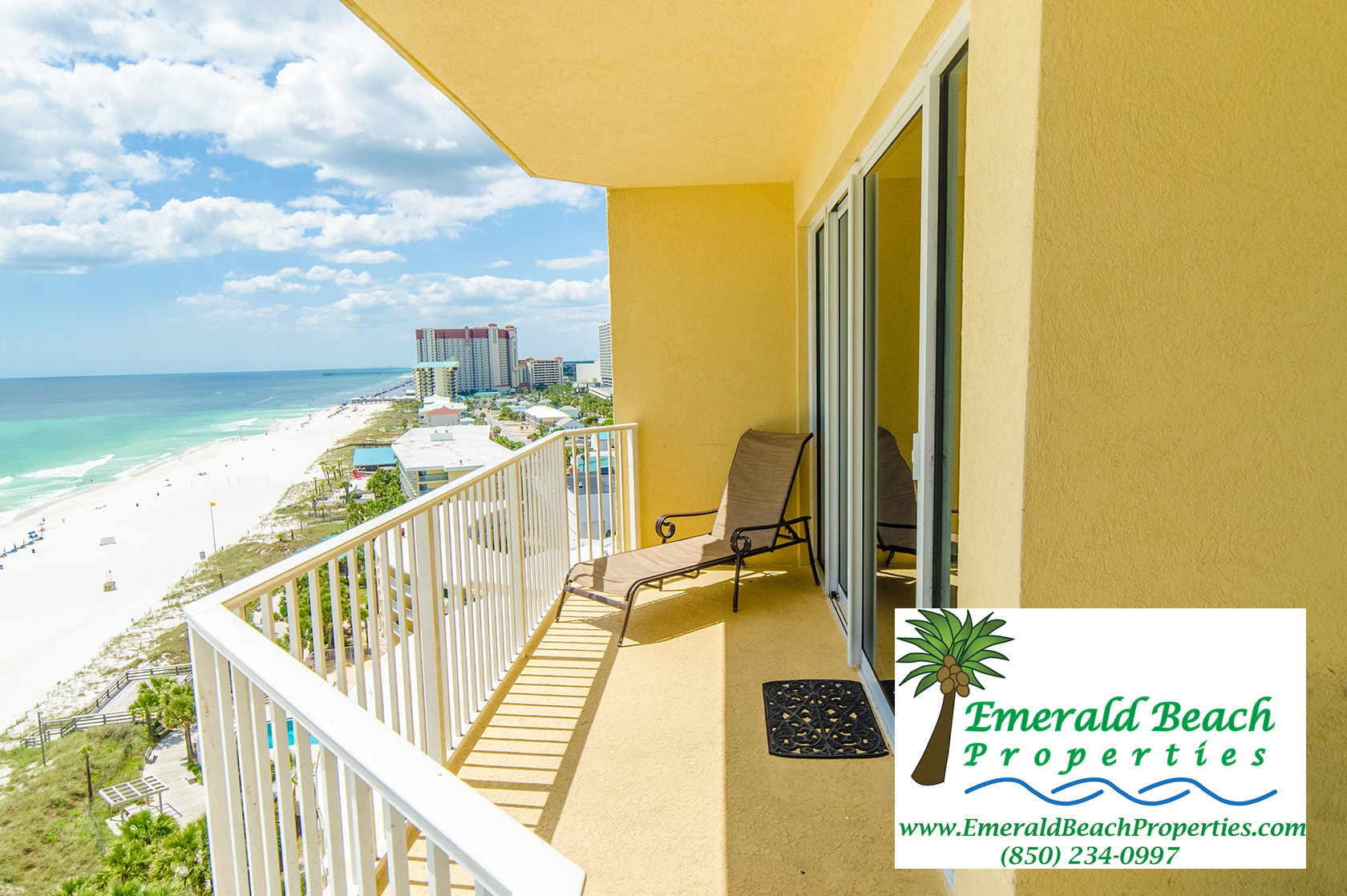
The choice you make between professionally managed vacation rentals versus hotels is one of the most important decisions you make during your beach vacation planning. This decision affect how your group sleeps, eats, gathers, rests, handles beach gear, and spends its time all day and once the sun goes down.
For a couple taking a quick weekend trip, a hotel may offer exactly the right level of convenience. For a family carrying coolers, swimsuits, groceries, and several different sleep schedules depending on the kids, a professionally managed vacation rental creates a more practical home base. Neither option wins every trip. The right choice depends on your group, your priorities, and the kind of vacation you are planning.
Vacation Rentals Versus Hotels: The Core Difference
Hotels sell a consistent room-based stay. Guests get a private bedroom, a bathroom, common amenities, and on-site services that vary depending on the hotel. A hotel works well when location, a short stay, and simple arrival and departure matter most.
A professionally managed vacation rental gives you the use of an entire condo, townhome, or beach home while a professional management company oversees the details like reservations, property standards, maintenance coordination, and guest support. The property still has its own character, layout, and amenities. Professional management adds accountability to your selected vacation rental.
That distinction matters. A well-managed property should provide clear arrival instructions, accurate listing details, dependable communication, and a defined process when a maintenance issue needs attention. Always look for a professional management company when choosing the vacation rental option for your vacation lodging.
Extra Space Changes the Way a Group Travels
Hotel rooms often keep a group close, but not always comfortably. Two adults and two children may share one room, rely on pullout bedding, and organize luggage around limited floor space. Larger parties often reserve multiple rooms, which can increase costs and separate the group.
A vacation rental gives families and friend groups room to spread out while enjoying their time together. Separate bedrooms support different bedtimes and morning routines. A living area gives everyone a place to regroup after the beach. Balconies, patios, and dining tables create spaces where the vacation continues without requiring another restaurant reservation.
This advantage becomes especially clear in Panama City Beach, where many visitors spend long days at the beach or out on the water. A condo or beach home gives you a place to rinse off, store beach equipment, prepare lunch, and relax in air-conditioned comfort before heading out again. Those small practical details often determine whether a trip is successful.
Space does not automatically mean a vacation rental makes sense, though. A solo traveler or couple who plans to spend nearly every waking hour outside may place little value on a full living area. In that case, a smaller hotel room may better match the itinerary.
Full Kitchens Give You Flexibility and Control Costs
Food costs add up quickly on a beach vacation. Hotels may offer breakfast, restaurants, bars, or limited in-room appliances. Those options can feel convenient, especially for a short stay, but they also encourage guests to purchase every meal away from the room.
Most vacation rentals in PCB have a kitchen, and that changes how you plan your vacation meals and also how much you will spend at restaurants. You can make coffee before sunrise, pack sandwiches for the beach, keep cold drinks ready, and prepare a simple dinner after a full day outdoors or you can order in. Families with young children, dietary restrictions, or early risers often value this control as much as the financial savings.
A kitchen requires some planning prior to arrival and during your stay. You'll need to shop, cook, and clean up. Travelers who see meals as part of the vacation experience may prefer a hotel restaurant or the freedom to dine out for every meal. The value comes from choice, not obligation. In addition, many PCB condo complexes have restaurants and other food options on site making or within walking distance to make it even easier.
Privacy and Shared Amenities Require a Trade-Off
Hotels place guests close to busy public spaces. Lobbies, elevators, hallways, pools, and dining areas can create an energetic atmosphere. That energy suits travelers who enjoy a social environment and want amenities within a short walk.
Vacation rentals generally provide more personal space, particularly in a private home or a condominium with a separate entry. Guests can settle into their own living area without sharing a hallway wall with dozens of other rooms. For families, this privacy can make naps, remote work, and quiet evenings easy.
Vacation rentals in PCB are usually within one of the local resort or condominium communities, and those communities may have rules that make community living better for everyone. Pool hours, parking limits, wristband requirements, elevator access procedures, and occupancy caps all deserve attention before booking. Strong management does not ignore these rules. It explains them clearly so you can plan accordingly.
Service Is Different in a Vacation Rental Than in a Hotel
Hotel guests expect a front desk, daily housekeeping, room service, and immediate access to staff in the building. That model works well for travelers who want frequent in-person assistance or who feel most comfortable with a traditional hospitality setting.
A vacation rental operates differently. You'll receive digital check-in details, enter with a door code, and contact our local management team if you need help. Many guests appreciate the direct arrival process because it lets them bypass a lobby and begin their vacation on their own schedule.
In PCB vacation rentals don't offer hotel-style daily cleaning or on-site concierge service. Ask what the stay includes before booking. Confirm check-in procedures, parking, maintenance contacts, starter supplies, laundry access, and any fees that affect the total cost. Clear expectations protect the vacation from surprises.
The quality of the manager matters here. A professional company maintains clear communication, provides accurate property information, and responds with urgency when an issue affects the guest experience. Those standards give travelers greater confidence than an informal arrangement with an owner who may live far away or manage only one property.
Compare Total Value, Not Just the Nightly Rate
A hotel rate may initially look lower than a vacation rental rate, especially for a one- or two-night stay. But the comparison changes when a group needs more than one hotel room, pays for every meal, or adds parking and resort fees charged by the hotel. A larger rental can divide its cost across several travelers while providing shared amenities that separate hotel rooms cannot offer.
At the same time, most vacation rentals charge checkout cleaning fees, reservation fees, taxes, or community registration charges that can make shorter stays less economical. Review the full price before comparing you options. A transparent quote offers a more useful number than an attractive nightly rate from either a hotel or a vacation rental.
Consider how you will use the property. If you need only a bed between meetings or plan a brief overnight stop, the simplicity of a hotel can deliver better value. If your group wants to spend a several days at the beach, prepare meals, do laundry, and enjoy evenings together, a vacation rental may justify its total cost for your group.
How to Choose Your Perfect Place in PCB
Start with the size and makeup of your group. Families with children, multigenerational groups, and friends traveling together often benefit from separate sleeping spaces and a common gathering area. Then consider the length of stay. The longer the trip, the more useful a kitchen, laundry, and extra room become.
Next, decide how much service you expect. Choose a hotel if you want a staffed front desk, frequent housekeeping, and a compact, predictable experience. Choose a professionally managed vacation rental if you want more independence, private space, and support from a management team without giving up accountability.
Finally, read the property details closely. Confirm the bed configuration, beach access, parking arrangement, elevator availability, community rules, and cancellation terms. A good vacation begins with an accurate match between the property and the people staying in it.
The best choice is the one that lets your group spend less time managing your vacation and more time enjoying the beach and PCB's many attractions. Match the accommodations to your actual plans, and the beach day will feel like the main event rather than a break from a cramped room. Check our website or give us a call at (850) 234-0997 and we'll help you find your perfect place in Panama City Beach, FL!
Two Bedroom Beachfront Vacation Rentals in Panama City Beach
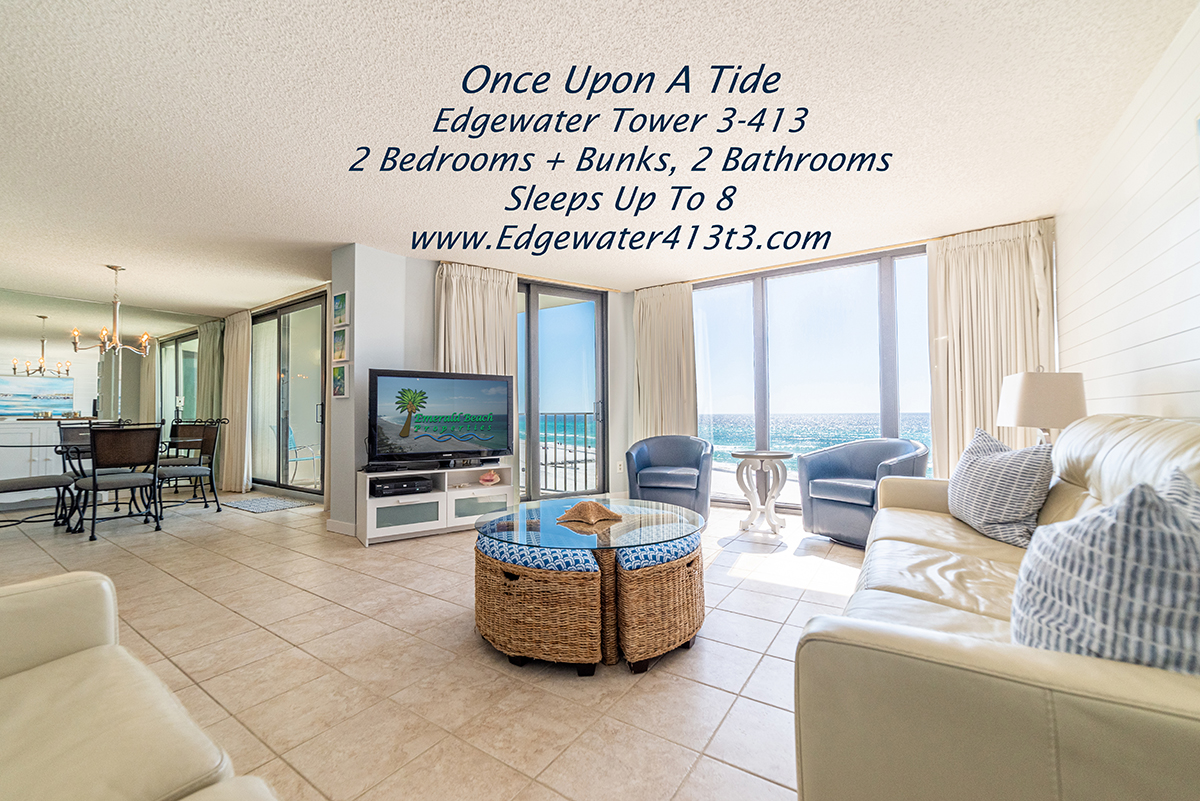
A two-bedroom vacation rental will make your PCB vacation more comfortable if you have a larger family or group. Parents can close their bedroom door for a little privacy after a long beach day. Friends can share the cost of a larger unit without sharing every inch of living space. And when the balcony faces the Gulf, the first coffee of the morning comes with a wide horizon instead of a parking-lot view. That is the practical appeal of two bedroom beachfront condos in Panama City Beach: room to settle in and direct access to the beach.
Beachfront buildings vary in layout, beach access, parking, elevator capacity, pool design, and the small details that determine whether your vacation will be the best it can be. Before reserving, focus on how your group actually travels and how you want to spend your precious vacation time.
Why two bedrooms work for more kinds of trips
A two-bedroom condo gives you a meaningful step up from a one bedroom condo, a hotel room or studio vacation rental. Couples traveling together gain privacy. Families can maintain a more workable bedtime routine. Small groups can gather in a shared living area without turning the sleeping space into the center of activity.
A full kitchen supports simple breakfasts before the beach, packed lunches for the pool, and relaxed dinners when restaurant waits run long or if you want to save a little money by eating in. A dining table gives everyone a place to eat, play cards, or plan the next day. Laundry access is important especially for families managing multiple wet swimsuits, towels, and sandy clothes.
Remember that, “two bedroom” does not guarantee the same sleeping arrangement in every vacation rental. One condo may offer a king bed in the primary bedroom and twin beds in the second room. Another may include bunks, a sleeper sofa, or a second king. Review the stated sleeping configuration rather than assuming that every bedroom accommodates two adults in the same way. Also look for the view from each bedroom. Some condos have beachfront main bedrooms while others have bedrooms on the interior of the layout. If you want to step right out onto you balcony from the main bedroom, check the listing to see if the property is set up for that.
Beachfront means more than a water view
A beachfront condo generally places guests directly on the beach, with no public road separating the building from the sand. That access can save time every day of a trip. You can easily return to your vacation rental for lunch, grab a forgotten sunscreen bottle, or bring a tired child upstairs for a break without loading everyone and all your beach gear into a vehicle.
Check the listing description and the photos to see what the view really is for the vacation rental you are planning to book. Gulf-front usually means the main living area and balcony face the water. Gulf-view can still provide attractive scenery, but the unit may sit at an angle, farther back in the building, or across from the beach. A lower floor can make it easier to watch activity near the shoreline, while a higher floor can provide a broader coastal view with a little more privacy. The choice is up to you.
Guests who dislike heights may want a lower floor. Guests who value expansive water views and more distance from pool activity typically favor higher floors. In larger towers, floor levels also affects the necessity of having an elevator that is reliable and reasonably fast. During busy arrival periods and popular meal times, elevator wait times can be longer than you would like.
What to check before booking a beachfront condo
Start with the details that affect your daily routine, not just the listing photos. Photos can show a beautiful room, but they cannot tell you how easily your group can unload groceries, where you will park, or whether the balcony suits the way you plan to use it. When booking with Emerald Beach Properties, what you see in our photos is what you will get upon check in. Some management companies use generic photography so, be sure to ask if the photos are of the actual unit where you will be staying.
Confirm the number of bathrooms, particularly if more than one family will share the condo. Two bedrooms with two bathrooms is the best layout for four to six guests than two bedrooms with one bathroom. Also check whether the primary bedroom has direct balcony access, whether the second bedroom has a window, and whether the great room serves as an additional sleeping space. In PCB, most condos use the great room as additional sleeping space with a queen sleeper sofa. Also, many PCB condos have hallway bunks for the kiddos. Be sure to read the descriptions and check the photos of the property you are booking to be sure the sleeping arrangement fits your needs.
Parking deserves attention, too. Most PCB beachfront properties assign a limited number of parking passes, use parking decks, or some require guests to cross a walkway from the garage to the building. Those conditions may not matter to a couple arriving in one vehicle, but they can affect a multigenerational group, guests with mobility concerns, or anyone planning to bring more than one car. Be sure to check the parking situation before booking. Also, if pre-registration is offered for paying your registration/parking fees, go ahead and take care of that prior to arrival to make everything run smoothly on arrival day.
Review the building amenities that matter to you and your group. A beachside pool, hot tub, fitness room, grilling area, or game room can add real value when the weather is not bright and sunny or when your group wants options beyond the beach. Amenities also bring trade-offs. A condo above a pool deck may experience more daytime activity, while a quieter section of a resort may require a longer walk to the main pool or beach entrance.
Finally, understand the property’s access and operational rules before arrival. Ask about check-in procedures, wristbands, parking instructions, beach chair policies, and quiet hours. A professionally managed stay should provide direct guidance so guests can arrive prepared and begin their vacation right away.
Choosing the right area of Panama City Beach
Panama City Beach offers a long stretch of beach with many different high rise, mid rise and other vacation rental options. Pier Park is a big attractions for some guests while others are looking for something more laid back. Some visitors want to stay close to restaurants, shopping, attractions, and evening activity. Others prefer a calmer beach setting where a morning walk feels less crowded and the schedule stays simple. Typically, the east end of PCB is considered the quiet end of the beach while the west end is more lively.
Families often benefit from a location that reduces driving. Easy beach access, a nearby grocery option, and family-friendly dining can make your vacation go more smoothly. Couples and friend groups may place more value on walkable entertainment or proximity to the activities they are planning to enjoy. Either way, PCB is not a large place and driving from one end to the other doesn't take very long. Also, there is a bypass road that lets you take the "express" route from one end of PCB to the other.
There is no universal best section of the beach. The right location depends on whether your group wants a full itinerary or a quieter home base. Identify that preference before comparing individual condos. Deciding on the area or specific complex will narrow your search faster than filtering only by price or bedroom count.
Timing affects availability, cost, and atmosphere
Peak summer season brings warm water, active beaches, and strong demand for beachfront vacation rentals. Summer also brings more traffic, fuller elevators, and tighter availability for booking vacation rentals. If your group needs a specific building, floor range, or date, book early rather than waiting and hoping for your perfect choice to drop the price at the last minute. In PCB most Summer weeks are completely full a month ahead of the dates and you are not likely to get the exact unit you have picked out if you wait too long.
Spring and Fall have many weeks that are as busy as Summer weeks because of Spring Break and the many festivals that take place during those dates. The spring and fall weather remains warm and sunny with a little less heat than the Summer so those dates are attractive for many travelers. These seasons can work especially well for couples, remote workers, and families with flexible school schedules. Winter appeals to snowbirds who want an extended coastal stay, milder conditions, and time away from colder climates.
Weather always remains a factor on the Gulf Coast. A beachfront stay gives you a front-row seat to the ever changing weather, from calm blue mornings to dramatic afternoon storms. Build a little flexibility into your schedule to enjoy the view. You'll be glad you chose a vacation rental with a comfortable indoor space when the weather is rainy and the beach is not the best option for a particular vacation day.
Make your vacation rental part of the vacation
The best beach vacations run on a flexible schedule. When you arrive, we recommend that you stock up the kitchen at the local grocery store or have groceries delivered so you are ready for the first morning of your vacation. You'll probably want to have coffee and breakfast on the balcony and go from there. Take an early walk along the shore before the sand heats up. Return to your vacation rental when the midday sun becomes intense. Watch the color change over the water at the end of the day instead of rushing to fill every hour with attractions and activities. Relax and enjoy your time away.
For families, establish a simple beach routine: sunscreen, water, towels, a meeting point, and a plan for returning to your vacation rental. For groups sharing expenses, decide in advance how groceries, parking, and meals will work. Small decisions made before arrival can help everyone relax and have fun on vacay.
Emerald Beach Properties understands that guests do not reserve a vacation rental simply for square footage. They reserve time together, direct access to the beach, and the confidence that their accommodations will support the vacation they are planning.
A better way to choose two bedroom beachfront condos in Panama City Beach
The right condo should fit your people first and your preferences second. Start with the sleeping arrangement and bathroom count. Then evaluate beachfront access, balcony orientation, parking, building activity level, and proximity to the experiences your group values. If one property checks every visual box but complicates the daily logistics, it may not be the best choice.
A well-chosen two-bedroom beachfront condo gives each guest enough space to recharge while keeping the beach within reach. That combination turns ordinary moments - breakfast, a rainy afternoon, a sunset conversation - into the parts of the vacation everyone will remember for years to com.
Coastal Investment Property Guide for Vacation Rental Buyers

A coastal property can be a a strong investment but, you need to consider several factors to determine if it is right for you. The water view, walkable beach access, and steady stream of vacationers create immediate appeal for investors. A sound purchase requires more than appeal, though. This coastal investment property guide focuses on the decisions that affect actual performance: location, demand, operating costs, local rules, insurance, and the condition of the building itself.
For buyers considering Panama City Beach or another Florida Coastal market, the right property must work through a full calendar year, not just during peak summer weeks. It must attract the guests you want, withstand a demanding coastal environment, and produce income that supports its expenses even when booking frequency changes.
Start With the Investment Objective
Before you start looking at vacation rental properties, define what success looks like for you. If you are looking for a second home that offsets some ownership costs by renting when you are not there is different from a vacation rental used as an investment or held to generate cash flow. A long-term hold focused on appreciation justifies different trade-offs than a home intended to generate near-term income.
Set a clear objective before you compare real estate listings. Decide how often you plan to use the property, whether you will finance the purchase, what level of annual income you expect, and how much volatility you can accept. Personal use during holidays and school breaks may remove some of the highest-demand dates from your rental calendar and that will lower the revenue you can expect. That choice can still make sense, but your income assumptions must reflect it.
Also determine your preferred guest. Families are looking for bedroom count, bunk space, elevator access, pools, and a practical kitchen. Couples may place more value on direct beach frontage, updated interiors, and proximity to dining. A property that fits a defined guest profile is easier to market to a targeted audience rather than trying to appeal to all vacationers.
Evaluate the Location Beyond the View
The view from the balcony definitely matters, but the surrounding location is also important. Direct beachfront access can support strong demand, while a short walk to a public access point may suit lower price range. Across-the-street properties, resort communities, and quieter residential areas each carry distinct advantages and limitations.
Study how guests will actually use the area. Consider beach access, parking, traffic patterns, nearby attractions, noise, grocery access, and the route from the property to the sand. In Panama City Beach, location can also influence which seasons appeal most strongly to guests. A building near family-oriented amenities may perform differently from one close to nightlife or major event venues. For example, the Villas at Edgewater are very popular due to their proximity to the Panama City Beach Events Center located right next door.
Do not overlook the building or neighborhood experience. A well-maintained condominium with controlled access, reliable elevators, clean common areas, and a functional pool can protect guest satisfaction. On the other hand, repeated elevator outages, limited parking, or restricted beach access can affect reviews and bookings even when the unit itself looks excellent.
Compare like with like
Use comparable properties that genuinely match the unit you want to buy. Compare bedroom count, sleeping capacity, floor level, beach position, parking, interior updates, amenities, and management standards. A two-bedroom unit with a panoramic Gulf view should not rely on revenue projections from a larger, newly renovated corner unit with better amenities.
Ask for evidence behind projected income. Historical rental results can provide useful context, but they do not guarantee future performance. A prior owner may have blocked prime dates for personal stays, priced aggressively to build occupancy, or maintained the property at a standard that differs from yours. Treat projections as planning inputs, not promises.
Build a Complete Coastal Expense Model
Purchase price and mortgage payment are only part of the story. Coastal ownership brings expenses that can change, especially in condominium communities. From time to time, condo communities need to do "special assessments" for large projects. Ask if there are any of these being considered for each complex you are considering. Build your financial model from annual figures from community financial statements and review each category carefully.
Include property taxes, homeowners insurance, wind and flood coverage, association dues, utilities, internet, cleaning, repairs, supplies, furnishings, licensing, accounting, and management costs. If you finance the property, include the full cost of debt rather than focusing only on the initial monthly payment.
Association dues deserve close attention. They may cover items such as building insurance, exterior maintenance, amenities, security, landscaping, water, or trash service. High dues do not automatically signal a poor investment. They may reflect valuable services and proper reserve funding to take care of future projects without needing special assessments of the owners. Low dues can look attractive until a building faces deferred maintenance or a major capital project.
Request and review the association budget, reserve information, recent meeting minutes, rules, and notices of upcoming work. Look for discussions of roof replacement, concrete restoration, elevator repairs, plumbing upgrades, insurance changes, or special assessments. These documents can reveal costs that a listing description will not show.
Leave room for the unexpected
Coastal conditions accelerate wear. Salt air affects metal fixtures, HVAC components, railings, windows, doors, and outdoor furniture. Sand moves into entryways and equipment. Humidity can contribute to moisture issues when owners do not maintain proper climate control.
Set aside reserves for routine replacement and larger repairs to the unit you purchase. A realistic reserve protects your decision-making when an appliance fails, an HVAC system needs service, or a storm disrupts operations. Buyers who budget only for ordinary monthly costs often feel pressure at exactly the wrong time.
Verify Rental Rules Before You Commit
Never assume a property permits the type of rental activity you plan to operate. Local regulations, zoning requirements, licensing rules, condominium documents, and association policies can affect occupancy limits, minimum stay requirements, registration obligations, parking, pets, amenity access, and advertising practices.
Review the governing documents yourself and confirm current requirements with the appropriate local sources and association representatives. Rules can change, and informal assurances do not replace written verification. If a building permits vacation rentals, examine whether its rules create problems for guests. Strict check-in procedures, limited parking passes, or narrow loading rules may affect arrival day and guest feedback.
Ask whether the association has active or pending restrictions related to short-term rentals. Also ask about rental caps, wait lists, transfer rules, and approval requirements. A property can fit your financial goals on paper while the governing documents limit how you can use it.
Inspect for Coastal Risk, Not Just Cosmetic Condition
A bright kitchen and fresh paint can distract buyers from more costly concerns. Use qualified inspectors and take the time to understand the property’s exposure. Inspection should address the unit, the building, and visible signs of broader maintenance needs.
Pay close attention to windows and doors, balcony surfaces, railings, water intrusion, HVAC age and condition, water heater age and condition, electrical systems, plumbing, roofing information, and evidence of moisture. For condominium purchases, ask about the building’s maintenance history and major repairs. The unit owner may not control exterior work, but that work can affect both costs and rental availability.
Insurance requires the same level of care. Coastal policies can carry substantial deductibles and changing premiums. Confirm what the association policy covers, what the unit owner must insure separately, and how deductibles may apply after a covered event. Speak with an insurance professional early in the buying process so you do not build a return estimate around outdated assumptions.
Plan for Professional Operations
Vacation rental performance depends on execution. Guests notice response time, arrival instructions, cleanliness, maintenance readiness, accurate photos, and whether the home matches the listing. A strong property can lose momentum when operations fall short.
Before purchasing, decide how you will handle reservations, guest communication, pricing, housekeeping, inspections, emergency maintenance, inventory, and owner reporting. Some owners prefer direct involvement. Others value professional management that provides established systems and local oversight. Neither approach works best for every investor, but no matter which approach you choose, you need clear accountability.
If you evaluate a management company, ask direct questions about marketing channels, pricing strategy, owner statements, maintenance authorization, after-hours response, property inspections, cleaning standards, and how the company handles storm preparation. Compare service models and fees alongside the operational support each company provides. The lowest fee does not always produce the strongest net result.
Use Conservative Assumptions Before Making an Offer
A disciplined buyer tests the downside before committing. Model lower occupancy, softer nightly rates, higher insurance premiums, unexpected repairs, and an assessment from the association. Then decide whether the property still supports your goals.
This approach does not remove risk. It gives you a clearer view of the risk you choose to take. Coastal real estate can reward owners who pair a desirable location with realistic numbers, careful due diligence, and dependable operations.
The best coastal investment rarely announces itself through a single impressive feature. It earns confidence when the location serves real guest demand, the building shows responsible stewardship, the numbers withstand pressure, and the ownership plan remains practical long after closing day.
Emerald Beach Properties can assist you in making these projections for properties in Panama City Beach, Florida. We are local professionals in real estate and vacation rental management. We're here to help you make your PCB properties successful as investments and as operating vacation rentals and to deliver the success you are looking for.
How to Buy Beachfront Property in Panama City Beach, FL
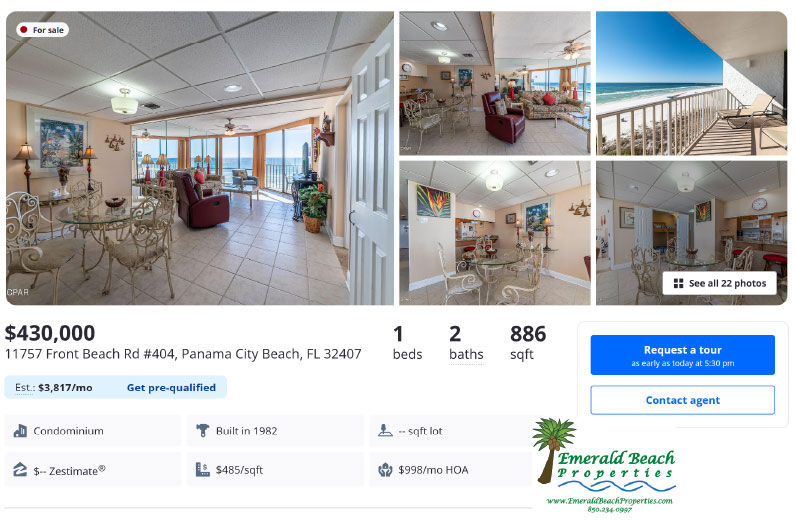
A beachfront address can put the Gulf right in your backyard. If you are thinking of buying a beachfront condo or single family home, your purchase decision begins well before you head to PCB for your first showing. Knowing how to buy beachfront property in PCB means evaluating the water view and the operating realities behind it: insurance costs, building condition, rental rules, storm exposure, financing, and the exact location of the property.
PCB beachfront real estate does not behave like a typical residential market. Two different properties separated by a few blocks may have very different association rules, flood exposure, renovation needs, and income potential. A disciplined buying process protects your budget and gives you a clearer view of what you are actually purchasing.
Define the Property's Use Before You Search
Start with the role the property will play in your life and financial plan. Some buyers want a second home for family holidays. Others want a vacation rental that also provides personal use. Some want a long-term hold in the PCB market. Each goal changes the best location, property type, and acceptable monthly cost.
A family-use beachfront property may need multiple bedrooms, elevators, parking, beach access, and proximity to restaurants or attractions. A rental-focused purchase may place more weight on guest demand, sleeping capacity, amenities, rental restrictions, and the cost of keeping the unit ready to rent. A quieter beachfront house may offer privacy, but it can also require more hands-on maintenance than a condominium.
Set a full ownership budget before you begin touring properties. Your purchase price is only one part of the commitment. Include property taxes, homeowners or condominium association dues, insurance, utilities, reserves for repairs, furnishings, and, if applicable, management fees or turnover costs if you plan to self manage. Beachfront ownership rewards buyers who plan for ongoing expenses rather than treating them as surprises after closing.
Choose a Florida Beach Market With Purpose
Florida has a long coastline, but every beach market serves a different buyer. Gulf-front areas like PCB attract travelers seeking wide beaches, warm water, and a relaxed vacation setting.
Within one market, location still drives the decision. Consider whether the property is directly on the beach, across a coastal road, near a public access point, or within a resort-style development. Confirm what actually creates the view and access advertised in the listing. A water view does not always mean deeded beach access, and a nearby access point may become crowded during peak periods.
For buyers considering Panama City Beach, the distinction between a Gulf-front building, a Gulf-view unit, and a property a few blocks inland makes a big difference. It affects guest appeal, purchase price, wind exposure, parking, and the time it takes to reach the sand. Visit different properties at different times of day when possible. Traffic, elevator wait times, beach activity, and noise can look very different on a busy Saturday than on a quiet weekday morning.
Get Financing and Insurance Answers Early
Beachfront buyers should speak with a lender before making serious offers, especially when purchasing a condominium, second home, or investment property. Financing standards differ based on occupancy plans, down payment, property type, and the financial condition of the condominium association.
Ask the lender what documentation the building will need. Some loan programs review association budgets, insurance coverage, reserve funding, pending litigation, owner-occupancy levels, and commercial space within the development. A buyer can qualify personally and still face a financing obstacle because of the condo complex itself.
Insurance deserves equal attention. Coastal properties require specialized policies and endorsements for homeowners coverage, windstorm protection, and flood insurance. Premiums, deductibles, exclusions, and availability can vary sharply from one complex or neighborhood to another. Request insurance quotes based on the specific property before your inspection period ends. Do not rely on a general estimate from an online calculator. Be sure you look for an HO6 policy that covers wind driven rain and has the option for adding up to a $10,000 loss assessment coverage provision.
If you plan to use the property as a rental, tell your insurance agent and lender. A policy or loan structured for personal use may not fit a property that generates short-term rental income. Accuracy at the start prevents expensive corrections later.
How to Buy Beachfront Property With Proper Due Diligence
Once you identify a property, shift from attraction to verification. Your contract should provide enough time to inspect the property, review documents, confirm financing, and obtain insurance information. Buyers who rush through these steps often inherit costs that a careful review would have exposed. Use a licensed professional real estate agent or real estate broker who can assist you with all the details. Emerald Beach Properties offers real estate services for buyers and sellers in the PCB area. Just let us know what you are looking for and we will use our local knowledge to help you with all the details.
Order a general home inspection, but do not stop there. Beach exposure can accelerate wear on roofs, exterior coatings, balconies, railings, windows, doors, HVAC equipment, and mechanical systems. Salt air, wind-driven rain, and high humidity demand regular maintenance. Depending on the property, you may also need inspections for roofs, plumbing, electrical systems, pools, seawalls, docks, or structural components.
Condominium buyers should review association records closely. Request the current budget, reserve information, meeting minutes, governing documents, insurance details, rules and regulations, rental policies, recent special assessments, and notices of planned capital projects. Look for evidence of deferred maintenance, frequent fee increases, or major work that has not yet been fully funded. Make sure that the condo has passed it's milestone inspections if they apply to the particular comples.
Florida's condominium environment has placed greater attention on building maintenance, inspections, and reserve funding. That can benefit buyers by bringing needed work into the open, but it can also lead to higher dues or assessments. A low monthly association fee does not automatically signal value. It may indicate that the building has limited reserves for future repairs.
Also review the property's flood zone, elevation information when available, and history of storm-related repairs or claims. Flood maps provide useful context, but they do not replace a complete insurance review or a conversation with qualified local professionals. Water reaches properties in ways maps cannot always capture, including heavy rain, drainage issues, and storm surge.
Treat Rental Income as a Business Assumption, Not a Promise
A well-located beach property can attract guests, but rental revenue is never automatic or guaranteed. Seasonality, weather events, competing properties, building amenities, marketing, unit condition, owner use, and local regulations all influence vacation rental revenue performance.
Review comparable properties with similar bedroom counts, views, amenities, and proximity to the beach. Separate gross booking revenue from net income. Gross revenue does not account for management fees, cleaning, taxes, platform fees (AirBnB, VRBO, etc.), utilities, repairs, linens, supplies, association charges, or replacement of furnishings. Build a conservative forecast that includes slower months and keeping a repair reserve.
Confirm that the condominium association and local jurisdiction allow the rental activity you intend to pursue. Some buildings have minimum stay requirements, registration rules, occupancy limits, pet restrictions, or limits on outside signage and guest parking. Rules can change, so review current written documents rather than relying on a verbal statement.
A property with strong rental appeal also needs a practical operating plan. Guests notice clean common areas, reliable elevators, convenient parking, responsive maintenance, and straightforward beach access. Those details influence reviews, repeat stays, and the property's ability to compete when more inventory enters the market.
Make an Offer That Protects Your Position
A strong offer does not simply mean the highest price. It should reflect current comparable sales, known condition issues, financing terms, timing, and the value of the due-diligence protections you need. In a competitive setting, buyers sometimes shorten inspections or waive contingencies. That choice can make an offer more attractive, but it also transfers more risk to the buyer.
Work with a real estate professional who understands vacation rental property transactions and can help you read the practical signals in listings, disclosures, association documents, and comparable sales. The right guidance matters when you need to evaluate a proposed assessment, compare two buildings with different reserve positions, or determine whether a rental projection matches the property.
Before closing, complete a final walkthrough and confirm that agreed repairs, included furnishings, and property conditions match the contract. Verify utility transfers, insurance effective dates, association requirements, keys, access codes, and parking credentials. If the property will become a vacation rental, create a clear post-closing schedule for furnishing, safety checks, photography, and readiness work.
Beachfront property can be a rewarding place to gather with family, build a long-term asset, or support a carefully planned rental strategy. Buy with clear expectations, verify every major cost, and choose a property whose location and condition support the life you want it to serve.
Best Trips to Shell Island From Panama City Beach

Shell Island is a very special beach in Panama City Beach that you can't reach by following a crowded boardwalk. The seven-mile barrier island is just across St. Andrews Bay from Panama City Beach, with wide stretches of undeveloped sand, clear Gulf water, and a shoreline that changes with the tide. The best trips to Shell Island leave plenty of time to enjoy this amazing place. It's not just another thing to check off your vacation list so plan to spend the day there!
Planning a successful visit depends on you and your group. You'll need to decide the best way for you to get there, when the best time to go will be based on local weather forecasts and what to bring to maximize your fun in a setting with very few conveniences. Families with young children will need to have a different plan than couples looking for a quiet afternoon or experienced boaters who want to set their own schedule.
Choose the Shell Island Trip That Fits Your Day
There is no single best boat trip for every guest. Your group size, comfort level, budget, and desired time on the sand should shape the decision.
You can find most of the local transportation out to Shell Island on line by simply searching Shell Island Panama City Beach, FL. Read the listings to see what will work best for your group, your schedule and your budget.
Shuttle service for a simple, independent visit
A passenger Shell Island shuttle is a practical option for visitors who aren't interested in operating their own rental boat. It provides transportation from the mainland to Shell Island, then allows guests to spend their time swimming, shelling, walking the beach, or relaxing before the return departure.
This option works well for families and first-time visitors because the logistics of the trip are handled by the pros and are very straightforward. The trade-off is timing. You'll have to work within a set schedule, and a missed departure can turn an easy beach day into an expensive problem. Confirm departure times before you leave, arrive early, and keep an eye on the clock while you are on the island.
Private charter for flexibility and local guidance
A private charter makes sense when your group wants more control over the day. A professional captain can tailor your route around water conditions and may incorporate sightseeing in St. Andrews Bay, dolphin viewing, or time at a quieter section of the island as well.
Charters cost more than a shuttle, but they can offer better value for a larger family or group. They also reduce the pressure of having to watch the clock for your departure time, navigating unfamiliar water, etc. Before you go, be sure to know what the charter includes, how long you will have on the island, and whether the captain provides beach equipment, drinking water, or snorkeling gear. Clear expectations prevent surprises at the dock.
Pontoon rental for confident boaters
A pontoon rental creates the most flexible schedule for qualified, comfortable boaters. You can leave early, bring your own cooler and gear, and explore at a pace that suits your group. It can be an excellent choice when weather and water conditions are calm. The pontoon rental operator will explain the route, navigation markers, no-wake areas, and return procedures before you head out.
This option also carries the most responsibility for you as the operator of the boat. Wind can build up quickly in the afternoon, and bay conditions can change. The captain of the boat must stay alert, follow posted rules, wear or provide required safety equipment, and avoid alcohol while operating. If you feel uncertain about handling a vessel, choose a shuttle or charter instead.
Time Your Visit Around Weather, Water, and Crowds
When visiting Shell Island it's best to get an early start. Morning trips offer cooler temperatures, fewer people, and more time to pick out a good location on the beach. The summer sun is much stronger in the afternoon so, you may wish to head back before the highest heat of the day. Keep an eye on the weather as you plan your visit. During busy summer weeks, early departures also help you avoid the most crowded shuttle times.
Wind direction matters as much as the forecast icon on your phone. A bright, sunny day can still produce choppy water, strong currents, or uncomfortable conditions near the Gulf side of the island. Check the local marine forecast on the morning of your trip and listen to the guidance of your captain, rental operator, or shuttle crew. They work around these waters regularly and may adjust plans for good reason.
Spring and fall often offer pleasant temperatures with less intense summer heat, though water temperatures and weather patterns vary. Summer brings warm water and a lively beach atmosphere, but it also brings afternoon storms, higher humidity, and heavier boat traffic. Winter visitors may find peaceful walks and striking coastal scenery, even when swimming in the cooler water is not as appealing.
If you want calmer bay water for younger children, ask your boat operator where conditions look best that day. The Gulf side can look inviting, but waves and currents can make it less suitable for inexperienced swimmers. No photo is worth ignoring a posted warning and putting anyone in danger.
What to Bring for a Comfortable Island Day
Shell Island's undeveloped character is really the reason many people visit the island. This means you need to arrive prepared. Do not assume you will find food, shade, restrooms, or supplies once you step ashore. Pack for a day on a remote beach without commercial services available.
Bring plenty of drinking water, snacks, sunscreen, hats, and a beach umbrella or other portable shade. Sandals or water shoes help with hot sand, shells, and uneven spots near the waterline. A dry bag protects phones, keys, medications, and travel documents from spray and sand.
For families, add floatation devices appropriate for each child, towels, a change of clothes, and more water than you think you will need. Keep children close by in the water, even on calm days. Conditions can shift, and there are no lifeguards stationed on the island.
If shelling ranks high on your list, bring a small mesh bag and look carefully rather than rushing. The shoreline can hold beautiful finds as the tides change, but visitors should respect posted regulations and avoid disturbing living creatures. Do not pick up live starfish or other creatures. Leave them be to live their lives. Leave the island cleaner than you found it by carrying out every wrapper, bottle, and piece of beach gear.
Make Space for the Island's Natural Side
Shell Island gives visitors an up close look at a coastal area that remains largely undeveloped. Sea oats wave across the dunes, shorebirds peruse the waterline for snacks, and the bay can reveal fish, rays, or dolphins from a respectful distance. This is so much more than just another sunny afternoon on your vacation.
Stay off protected dunes and marked nesting areas. Dunes serve as a natural defense against erosion, and nesting wildlife needs space to rest and reproduce. Keep a generous distance from animals, never feed them, and secure food so it does not attract birds or other wildlife.
Snorkeling can be worthwhile when water clarity and conditions are favorable, especially near areas with submerged structure or calmer water. Treat snorkeling as a bonus rather than a guarantee. Visibility changes with wind, wave action, and recent weather, so a mask in your beach bag gives you an option if the perfect conditions arise.
Plan the Rest of the Day, Too
Your Shell Island visit will be the highlight on one vacation day. Build in time before departure to park, check in, use restrooms, and load gear. Afterward, expect sand in every bag, tired children, and hungry adults. Keep the evening schedule flexible so everyone can relax and reflect on the day's amazing sights and sounds.
Guests staying in Panama City Beach can make the trip easier by preparing coolers, towels, and bags the night before. A professionally managed vacation rental gives your group a dependable place to rinse off, recharge, and enjoy the rest of the day together.
Before you commit to any boat trip, confirm the operator's weather policy, cancellation terms, passenger limits, and what happens if conditions change after departure. These details matter most when storms threaten or your group includes small children, older relatives, or guests with limited mobility.
Shell Island does not need a complicated itinerary. Give it time, respect the water, and bring what you need. Then let the open beach, salt air, and quiet stretches of shoreline do what crowded attractions cannot.
One Bedroom Beachfront Condos in Panama City Beach

The first sound many guests notice from a beachfront balcony is the steady lapping of the Gulf's gentle surf against the shore. Beachfront accommodations are what makes your beach vacation the best ever! One bedroom beachfront condos in Panama City Beach give couples, solo travelers, and small families a private home base steps from the sand, with plenty of space to share the time together than any hotel room can offer.
The right condo is more than just a place to sleep. It makes it easy for you to catch an early beach walk, return for lunch, watch an afternoon storm roll across the water, or linger outside as the sun sets over the Gulf. Finding your perfect place in Panama City Beach is easy when you follow a few suggestions.
What One Bedroom Beachfront Condos Offer
A one-bedroom layout usually has a bedroom separate from the living room area. You'll have more privacy and flexibility for your vacation than with a studio unit or a hotel room. Our properties include a kitchen, living room, private balcony, and at least one bathroom. All of our one bedroom condos feature sleeper sofas or built-in bunk areas, but sleeping capacity varies by property. Our listings detail how many beds of which sizes are included for each unit. Please check the stated bedding arrangement rather than assume that every one-bedroom condo has just one bed.
For two adults, a one bedroome layout provides a comfortable, luxurious alternative to a hotel suite. You can make coffee before sunrise, store drinks and beach snacks, and relax in a living area after a full day outdoors. With a full kitchen, you can prepare quick snacks or full meals on your own schedule. For a small family, the separate bedroom can help children settle down while adults enjoy a quiet evening on the balcony.
Beachfront properties matter because you can walk to the beach without having to load up the car, cross busy streets, looking for public beach access and finding parking. That convenience carries real value, especially during popular travel weeks when parking and beach access can be challenging.
Choose the View and Building Location Carefully
Not every water-facing listing delivers the same experience. Before booking a one-bedroom beachfront condo, review how the property describes its location, balcony, and view. A direct beachfront unit typically faces the Gulf without another building between the condo and the beach. A side-facing or partial beach view condo may still offer beautiful water views, but it creates a different balcony experience.
Which floor the condo is located on is important, too. Lower floors mean shorter elevator trips and keep you close to the pool deck, beach walkover, and parking. Higher floors often provide broader Gulf views and more distance from activity near the pool. Choose the one that's best for you. Families traveling with small children may appreciate faster access on a lower floor, while couples may prefer the perspective and privacy of an higher floor balcony.
Consider the Sun’s Direction
Consider whether your balcony faces east or west and how much shade it provides when selecting your vacation rental. Panama City Beach is oriented east and west so it is possible to see both sunrise and sunset from a direct beach facing balcony. Balcony orientation influences how you use the outdoor space. West-facing views can put you in position for dramatic sunset colors, but they can also bring strong late-day sunlight and warmth. East-facing balconies often feel more appealing for coffee and morning light. A direct south-facing Gulf view may offer a broad sweep of water throughout the day.
Weather changes quickly along the coast, so no balcony orientation guarantees ideal conditions every hour. Still, this detail helps guests select a condo that fits their preferences.
Think Beyond the Beach View
A beautiful view should not overshadow practical considerations. PCB midrises and highrises use elevators while villas, townhouses and single family homes d not. Guest parking varies by resort so, be sure to read the listing and ask questions if you are not sure. Common areas and amenities such as pickleball, pools, tennis, etc. can be noisy and you many want to check the unit location in relation to those amenities. Large resorts can offer extensive amenities, while smaller buildings may deliver a quieter setting and a shorter walk from your vehicle to the unit.
The best choice depends on the kind of vacation you are planning. Guests who enjoy pool time, on-site recreation, and a social atmosphere may prefer a full-service resort setting. Travelers seeking a more residential feel may favor a smaller non-beachfront property.
Amenities That Affect the Day-to-Day Stay
Amenities may seem like a secondary consideration when you are choosing your vacation rental. Upon arrival amenities will be more important so check them out in advance. Swimming pools give everyone an option when the Gulf has rough surf or when younger guests need a break from the sand. Fitness rooms, grilling areas, hot tubs, game rooms, and seasonal beach services can also add value, but availability differs by building and season.
Do not assume every condominium includes the same services. Some properties offer beach chair setups through independent beach vendors at an additional charge, and most charge a registration fee that covers parking & resort amenities. There are limits on the number of parking passes. Most resorts also restrict rentals by the age of the primary guest. Review all the property details before you commit, particularly if you plan to bring more than one vehicle.
Inside the condo, kitchen equipment, washer and dryer access, internet service, and balcony furnishings make a measurable difference on longer stays. A well-equipped kitchen can reduce the cost and effort of dining out for every meal. In-unit laundry helps families manage swimsuits, towels, and sandy clothes.
Plan for Your Group, Not the Maximum Capacity
A listing may accommodate a certain number of guests, but capacity and comfort are not always the same. A couple can spread out easily in a one-bedroom condo. A family of four may fit well when the unit includes bunks or a sleeper sofa. A group that relies on every available sleeping surface may find the living area in a one bedroom condo feels crowded, especially during rainy afternoons or evenings indoors. If this is important for your group, you may wish to consider a 2 or 3 bedroom unit with a little more space.
If you plan to make breakfast, enjoy movie nights, or work remotely for part of your vacation, prioritize living space and a functional dining area. If you plan to spend nearly every hour on the beach, a simpler unit that's right on the beach may suit you better.
Spring break, summer holidays, major event weekends, and school breaks bring larger crowds to Panama City Beach. A condo with easy beach access, dependable elevators, and convenient parking can save time when PCB is in full swing.
Read the Property Details Before You Book
Listing photos create the first impression, but written descriptions and details answer the questions that determine whether a condo will work for your vacation. Confirm the number of bathrooms, bed sizes, parking arrangements, check-in instructions, minimum age rules, pet policy, and any building-specific restrictions. If a feature matters to you, ask the property manager for clear confirmation rather than relying on a photo or a general assumption.
Pay attention to the difference between a Gulf-front building and a Gulf-front unit. There are properties that are gulf front with condos that do not face the Gulf. Also check whether the balcony serves the living room, bedroom, or both. Some one-bedroom condos offer balcony access only from the main living area, while others allow guests to step outside directly from the bedroom.
Seasonal maintenance can also affect amenity access. Condominium associations occasionally schedule work on balconies, elevators, pools, or exterior areas. This usually happens during less busy rental periods. Professional vacation rental management helps guests receive accurate property information and clear expectations before arrival, but guests should still review the current details for the exact unit they choose.
Make Location Work for Your Vacation Style
Panama City Beach stretches across miles of shoreline, and each area supports a slightly different vibe. Some guests want to remain close to restaurants, attractions, and shopping. Others prefer a quieter section of beach where the evening centers on the balcony, the sound of the surf, and a simple walk along the beach.
A beachfront condo gives you flexibility either way. You can build an active itinerary and return to the Gulf at the end of the day, or you can keep the schedule open and let the beach set the pace. Families often value the ability to return to the unit for naps, meals, or a break from the sun without turning it into a major excursion.
When a One-Bedroom Condo Is the Right Fit
This accommodation type works especially well for couples celebrating a getaway, solo guests who want the convenience of a full condo, and small families who value beach access over extra bedrooms. It can also suit guests who split their time between remote work and vacation, provided the property offers the workspace and internet access they need.
Larger groups may need additional bedrooms, especially when everyone wants separate sleeping space. Guests with mobility needs should examine elevator access, parking distance, entry configuration, and bathroom layout before choosing a unit. The beachfront label alone does not answer those questions.
Emerald Beach Properties approaches each reservation with the practical details in mind because a confident stay begins before check-in. Choose a condo that matches your group size, preferred building atmosphere, and daily routine, then leave enough open space in the itinerary for the moments that make a beach vacation memorable: bare feet on cool morning sand, lunch on the balcony, and one more look at the water before the day ends.
How to Read Vacation Rental Listings
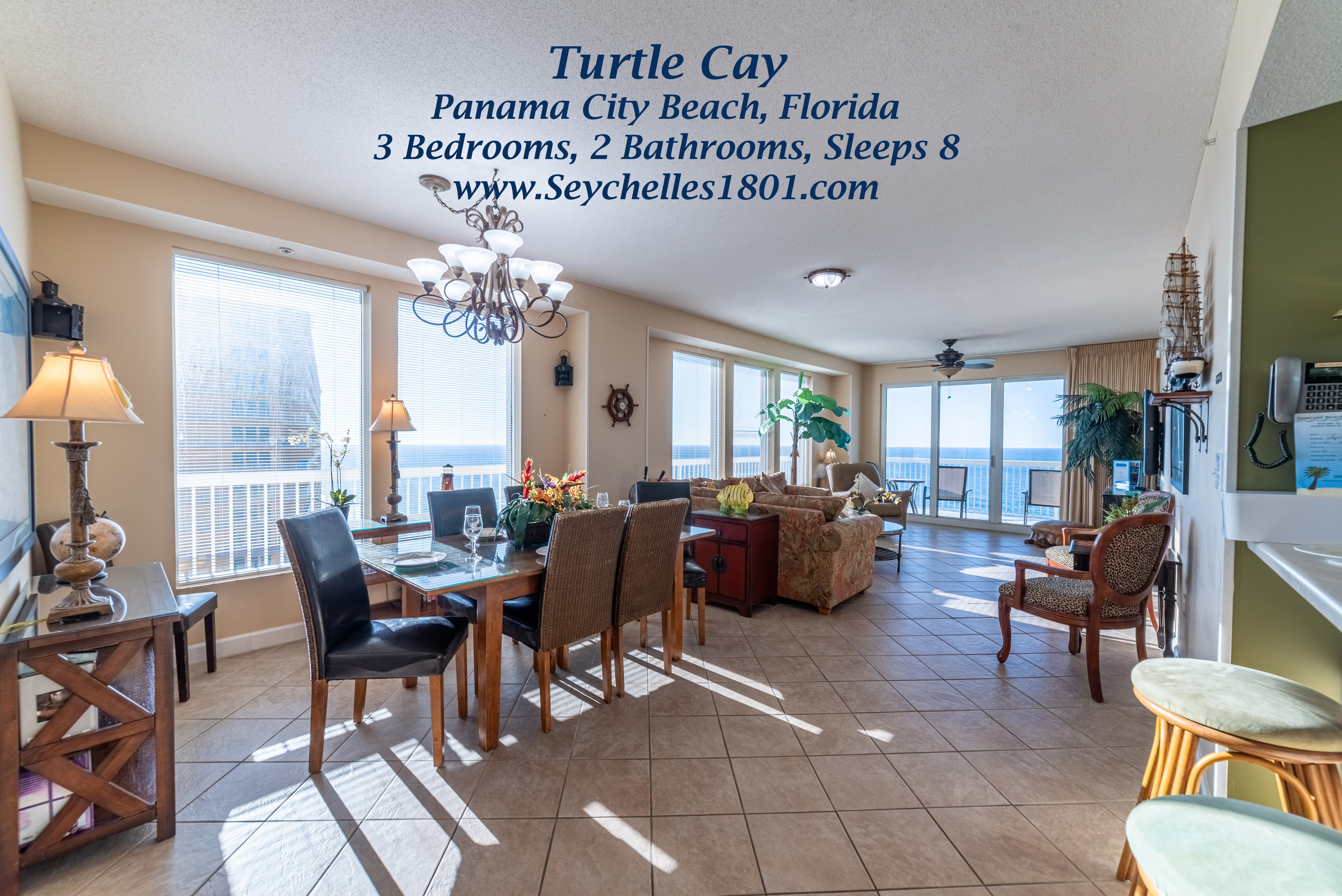
When you are comparing three beach condos for your vacation, you are not looking for a fluffy sales pitch. You need the facts. Questions like whether the balcony faces the Gulf, how far you will have to carry your gear to the beach, whether the kitchen handles a group dinner, and what happens if a problem arises after check-in. Emerald Beach Properties prides ourselves on posting accurate and informative vacation rental listings so you'll have all the info you need to book your perfect place in Panama City Beach, FL!
Our listings help set expectations before arrival, reduces avoidable questions, and shows our guests the value you'll receive from the vacation rental properties we manage. In a competitive beach market, vague descriptions and outdated details won't do. Clear, accurate presentation builds confidence.
Our Listings are Clear
We know that our guests don't read a listing from top to bottom. You scan photos, compare rates, check sleeping arrangements, look for parking details, and decide whether the property fits the trip you are planning.
Our listings start with the property's Name and Resort location and we remind you that we are located in Panama City Beach, FL. Next we cover beach access. For a Panama City Beach rental, that is usually direct beach access, a Gulf-front balcony, room for multiple generations, or a walkable location near dining and family attractions.
We try and paint a mental picture of the experience you could have at our vacation rentals. Your perfect place in Panama City Beach might include waking up to Gulf views from a private balcony, spending the afternoon on the beach, and returning to your two-bedroom condo with space for dinner and movie night. These descriptions help you see yourself and your group in the property you are considering for your vacation.
The rest of the description moves onfrom the setting to the accommodations, then to operating details and finally to the resort amenities that are available.. Guests need to know what they will enjoy, but they also need to know what they can count on.
A great listing answers questions early
Our listings are written to reduce uncertainty. But, if you don't find the answers you are looking for, just give us a call, e-mail or text and we can assist you.
Sleeping Arrangements are Described Explicitly
“Sleeps eight” means little on its own. We state the number of bedrooms and how many and what size beds are in each room clearly. A family with young children may prefer bunks. Two couples may need separate bedrooms with real beds, not a sofa sleeper in the living room.
Accuracy matters here. All of our listings show every room of the property and what you see is what you will come home to. We have many properties for you to choose from so, feel free to look around until you find the one that's just right for you.
Make amenities useful, not decorative
Amenities influence booking decisions when the listing explains them. We do have tables showing all the amenities but we also describe them in the description langusge. We know that a washer and dryer helps families manage beach towels. A full kitchen supports longer stays. Beach service, a heated pool, elevator access, or covered parking can change the experience substantially.
Our descriptions list the details that frequently affect a your vacation plans
- Beach access and approximate walking route
- Pool availability, seasonal rules, and heating status when applicable
- Parking limits, passes, vehicle restrictions, and clearance requirements
- Balcony location, view type, and safety or age-related restrictions
- Accessibility considerations, including stairs, elevators, and entry layout
We verify all the amenities at every property so there are no surprises upon arrival. Resort facilities, beach service schedules, construction activity, and seasonal offerings can change. We update our listings as conditions change. When a change occurs that may affect your stay, you'll be contacted by us as soon as we know about the change.
Location, Location, Location
Location is often the deciding factor, especially for beach vacations. Is the property on the beach, across the street, or a short drive away? Is the beach access private, public, direct, or shared? Can guests walk to nearby restaurants, or should they plan to drive?
Most of our properties are located in resorts that are directly on the Gulf so they are literally steps from the sand. Some villa and townhome and private home properties are a little further away and the description will detail that information up front.
Use Photos to Verify the Promise
Photos bring the listing to life, and our photos are made with love in each individual property. What you see in our photos is what the actual vacation rental where you will stay looks like. Professional images show the property at its best without concealing its layout, scale, or condition.
You'll see images of the primary view from the living area of the property, exterior or beach access, living area, kitchen, main bedroom, additional bedrooms, bathrooms, and sleeping arrangements.
Throughout the year, we refresh photos after meaningful changes to a unit. New flooring, furniture, paint, appliances, or bedding receive updated images. We strive to make sure that our photos show you exactly where you will be staying to avoid any disappointment.
What's the Total Cost of the Reservation
The total cost of the reservation depends on many factors such as the per night rate, required sales taxes, the season, local events, booking window, unit size, and comparable inventory.
Review the total booking picture. Take note of required fees, parking/registration charges, pet policies, and minimum-stay rules before booking.
Enter your dates, how many bedrooms, etc. and our website will give you a complete breakdown of the total reservation. It will also show your the difference between booking direct with us and how much more you will pay if you choose VRBO or AirBnB to book the vacation rental. We strive for transparency in pricing and we constantly adjust our nightly rates to reflect the value you'll enjoy when booking with Emerald Beach Properties.
Treat Reviews as Listing Intelligence
Guest reviews show the experiences guests have had with our Company and our vacation rentals. We gather our reviews from direct reviews posted to our website, VRBO, AirBnB, Google and other review sites and place them on our website so you don't have to look around to find the reviews you are looking for.
Our Listings are Updated Frequently
Writing a vacation rental listing isn't a one-time thing. We know our guests expect to have the latest information on each and every property we represent. We are constantly updating our listings so you'll have the latest info.
At Emerald Beach Properties, the goal is not to attract every traveler. It is to give the right guest enough clear information to book with confidence and arrive ready to enjoy the beach. When a listing tells the truth well, it is the beginning of a guest relationship that is highly valued by our Company.