

Investment Condos: What Buyers Must Measure

A beachfront view can fill a calendar, but it cannot repair a weak investment decision. Investment condos appeal to buyers because they pair a tangible coastal asset with the potential for vacation-rental revenue with a couple of weeks of personal vacation time in the mix. In Panama City Beach, the right unit can place guests minutes from sugar-white sand, family attractions, restaurants, and the Gulf. The wrong unit can carry high fixed costs, restrictive rental rules, or a layout that guests consistently pass over.
The difference rarely comes down to whether a condo looks attractive during a showing. It comes down to measured demand, operating costs, association governance, and a realistic plan for the months when the beach is not at full occupancy. Buyers should evaluate a vacation-rental condo as both a home and a business asset, then decide whether the numbers support the lifestyle they are looking for.
Start With the Guest, Not the Listing
A condo earns rental income only when travelers choose it over nearby alternatives. That makes the guest profile the starting point for any purchase analysis. Families may prioritize bunk space, easy beach access, pools, elevators, parking, and a practical kitchen. Couples may pay more for a direct Gulf view, a private balcony, and a more polished interior. Larger groups often search for multiple bedrooms, multiple bathrooms, and room to gather without feeling crowded.
Location matters beyond the broad label of “beachfront.” Consider how far guests must walk to the sand, whether the building has dedicated beach access, how traffic affects arrival days, and what is located within a short drive or walk. A unit near the water can still underperform if guests encounter difficult parking, long elevator waits, poor beach access, or an aging property that does not match the photos they see online.
Study competing rentals in the same building and nearby buildings. Look at bedroom count, sleeping capacity, floor level, view corridor, balcony size, included amenities, and guest feedback. A two-bedroom condo with a direct Gulf view does not compete only with every other two-bedroom unit. It competes with the units that deliver a similar stay at a similar total trip cost.
Evaluate Investment Condos as Operating Assets
Purchase price is only one part of the capital required as a vacation rental owner/investor. A disciplined buyer builds a full annual operating picture before making an offer. That picture should include realistic gross rental revenue and every cost required to own, maintain, market, insure, and operate the property.
Revenue estimates deserve particular care. Do not base a decision on peak-season nightly rates alone. Coastal rentals generate much of their annual revenue during concentrated high-demand periods, while shoulder and off-season performance can vary widely. A credible projection accounts for occupancy by season, average daily rate, owner stays, local events, and the number of comparable units competing for the same set of travelers.
Then deduct the costs that do not slow down when bookings do. These can include association dues, property taxes, insurance, utilities, internet, furnishings, maintenance, cleaning coordination, booking and management expenses, reserve contributions, and periodic replacements. In a vacation rental, wear does not wait for a convenient year. Bedding, cookware, seating, televisions, paint, balcony furniture, and HVAC components all require attention over time. Sometimes these items have to be replaced as an "emergency."
Financing can change the calculations significantly. Interest rate, down payment, loan type, and lender treatment of projected rental income all affect cash flow. Buyers should also test a conservative scenario: lower occupancy, softer rates, higher insurance costs, and an unexpected repair. If the investment only works under optimistic assumptions, it does not offer much margin for normal market variation.
Read the Association Documents Before You Commit
For condominium buyers, the condominium owners' association can shape the investment as much as the unit itself. Association documents deserve the same scrutiny as the floor plan and inspection report. Rental restrictions, minimum-stay requirements, registration procedures, parking policies, pet rules, occupancy limits, and amenity access can directly affect guest demand and operating flexibility. Most complexes in Panama City Beach are very friendly to vacation rental activity but it's best to make sure before you commit to a particular property.
Review the association budget, reserve funding, meeting minutes, insurance information, recent assessments, and planned capital projects. A well-maintained building can protect guest satisfaction and long-term value. However, major repairs can also lead to special assessments that materially change ownership costs. Buyers should ask direct questions about roof work, exterior restoration, elevators, plumbing, pools, structural projects, and any litigation or insurance claims that may affect the property.
Association dues alone do not tell the whole story. Higher dues may reflect valuable services, stronger reserves, security, building maintenance, or amenities that guests expect. Lower dues may look appealing until deferred maintenance or underfunded reserves create a larger future expense. The goal is not to find the lowest fee. The goal is to understand what the fee pays for and whether the association manages the building responsibly and with professionalism.
Choose Features Guests Will Pay For
Not every upgrade produces equal rental value. Guests usually notice cleanliness, sleep quality, kitchen function, seating, lighting, reliable Wi-Fi, and a well-kept balcony before they notice expensive decorative details. A unit should feel intentional, comfortable, and easy to use after a day in the sun.
For many Panama City Beach rentals, Gulf views, beach proximity, pools, parking, and family-friendly sleeping arrangements drive booking decisions. A clear design direction can also help a property stand out in search results, but it must support durability. White upholstery and fragile décor may photograph well, yet they can create additional replacement costs in a high-turnover rental. This is where practical choices of furnishings can save the property owner headaches and extra costs.
Buyers should also account for operational realities. Can cleaners and maintenance teams access the unit efficiently? Does the building allow carts, luggage, and service access without creating delays? Is storage adequate for owner supplies and guest essentials? Small operational constraints can create recurring friction that guests feel and owners pay for.
Plan for Ownership Beyond the First Season
A vacation rental condo requires ongoing decisions. Owners need a plan for pricing, guest communication, maintenance response, inspections, inventory control, and reputation management. They also need clear boundaries between personal use and revenue-producing dates. Every owner stay may hold personal value, but it also removes nights from the rental calendar, sometimes during the highest-demand periods.
Professional management can reduce the daily workload, but buyers should understand the service model, fee structure, owner reporting, maintenance authorization process, and marketing approach before they buy. The management relationship should support the property’s specific market position, not simply place the unit into a generic inventory pool. A beachfront condo with premium views and a thoughtfully furnished interior needs pricing and presentation that reflect its strengths.
Emerald Beach Properties approaches the coastal market with an understanding that vacation-rental ownership depends on details guests notice and owners can measure. Buyers should seek the same level of clarity from every professional involved in a transaction. Let Emerald Beach Properties assist you with purchasing your perfect place in Panama City Beach and then managing it for your benefit after closing for a great investment experience in PCB.
Know When a Condo May Not Fit Your Plan
Investment condos work best for buyers who accept shared-building governance, recurring association costs, and the demands of a hospitality-driven asset. They may not fit buyers who want total control over rental rules, extensive privacy, or the freedom to alter the property without approval. A single-family vacation home can offer more control, while a condo may provide stronger amenity access and less exterior maintenance responsibility. Neither option automatically produces better returns.
The right choice depends on your budget, financing, risk tolerance, desired use, and target guest. A buyer focused on dependable family bookings may prefer a well-managed resort-style building with pools and direct beach access. A buyer seeking a quieter personal retreat may accept lower rental potential in exchange for a different ownership experience. Clear priorities prevent an attractive view from making the decision on its own.
Before you commit to any vacation rental property, build the conservative version of the numbers, read the association records, walk the property as a guest would, and leave room in the budget for real ownership costs. The best condo investment does more than look good from the balcony. It gives you a plan you can operate with confidence long after closing.
Guest Expectations for Panama City Beach Stays
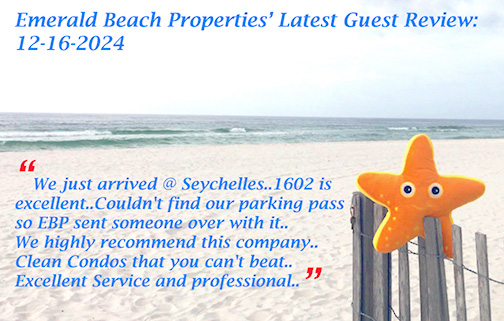
Guest expectations begin long before arrival, with the accuracy of the listing, the clarity of instructions, and the confidence that someone will respond when a question arises. In a destination such as Panama City Beach, where guests often plan a full year around one week near the water, details carry real weight.
For vacation rental owners, meeting expectations does not mean promising every possible extra. It means setting clear standards, maintaining the home with discipline, and delivering the experience guests believed they booked. For guests, it means knowing what a well-managed stay should look like from inquiry through checkout.
What Guests Expect From a Vacation Rental
Most travelers want a relaxing trip, but their expectations follow a practical sequence. They need accurate information before booking, a clean and functioning home at arrival, straightforward support during the stay, and fair communication if something goes wrong. You vacation rental needs to meet the expectations set in the listing and to operate reliably to give guests a great vacation experience.
Accurate listings protect everyone
Guests make decisions based on photos, descriptions, sleeping arrangements, amenities, location details, and stated rules. A wide-angle photo may show a spacious living room, but the listing should also explain whether the property includes stairs, limited parking, elevator access, balcony restrictions, or a walk to the beach. These facts help families, older travelers, and groups choose the right property instead of discovering a mismatch after check-in.
Accuracy matters especially with sleeping capacity. A vacation rental may accommodate a certain number of people, but guests need to understand where each person will sleep. A king bed, bunk beds, a sleeper sofa, and a trundle bed option offer very sleeping experiences. Clear descriptions prevent avoidable disappointments and help guests plan what their group needs.
Guests should not assume that anything not stated in the listing is provided. Read the listing carefully to see if beach chairs, a grill, a heated pool, or other items that are important for your stay are included. If these items are no t mentioned, ask the property manager for clarification if the feature is important to your stay.
Cleanliness sets the standard at the door
When guests enter a vacation rental, they assess the property within seconds. They notice floors, bathrooms, kitchen surfaces, linens, odors, and the condition of high-touch areas. They also notice whether the home looks cared for or merely turned over.
A clean property does more than look good. It tells guests that the management team takes their stay seriously. Fresh linens, stocked basics, working lights, and a kitchen free from leftover crumbs establish trust quickly. In a beach market, cleaning teams also need to manage sand, humidity, and the extra wear that comes with wet swimsuits, sunscreen, and busy seasonal traffic. See the listings for info on cleaning procedures. Choose a property management company that emphasizes cleanliness.
Cleanliness does not require excessive decor or luxury upgrades. It requires consistent cleaning procedures and inspections. A professional team checks more than whether a cleaner completed a task. It verifies that appliances work, remotes have batteries, drains run properly, exterior access points function, and the property matches its presentation online.
Easy arrival matters more than guests realize
Travel days rarely go exactly as planned. Flights run late, traffic backs up, children get restless, and weather can make the drive to the destination more stressful. Guests expect a clear check-in process that works even when their arrival falls outside normal office hours.
Strong arrival communication answers the questions guests ask first: Where do we park? How do we access the property? What time can we enter? Who should we contact if the code does not work? Where can we find building rules, Wi-Fi details, and emergency information? Send those instructions early enough for guests to review them, then make them easy to find again on arrival day.
Guest Expectations During the Stay
After check-in, guests want the freedom to enjoy their vacation without chasing down basic information. They expect the home to function as described and support to respond with purpose when it does not. A professional vacation rental management company should meet these expectations.
Fast, accountable communication builds confidence
Guests do not expect perfection from every appliance or building system. They do expect a responsible response. An air-conditioning issue, a lost access code, or a plumbing concern can quickly disrupt a beach trip. The quality of the response often shapes the review more than the original problem.
A professional manager acknowledges the concern, explains the next step, and follows through. Your rental company should be able to let you know the next steps so you'll know what to expect. If a vendor needs time to arrive, tell the guest what the team knows, what it has done, and when the guest can expect the next update.
The right solution depends on the issue. A missing wine opener needs a different response than a failed refrigerator. Guests should recognize that some repairs require parts, building approval, or specialized service. Honest communication and active coordination helps guests get back to enjoying their vacation and letting he vacation rental company handle any issues that arise.
Well-maintained amenities support the vacation
Beach guests often book a vacation rental because it gives them room to cook, gather, rest, and spend time together. They expect the amenities in the listing to work. That includes kitchen equipment, washers and dryers, televisions, internet access, outdoor spaces, pools, and property access systems.
Owners prioritize maintenance before peak travel periods, not after a complaint arrives. Test Wi-Fi, inspect furniture, service HVAC equipment, replace worn cookware, and review outdoor features. Small investments often prevent larger disruptions.
Owners also make practical choices about what they offer. Every added amenity creates a maintenance commitment. A property with fewer, dependable features can outperform a home filled with items that fail, confuse guests, or create safety concerns.
Rules should protect the property without spoiling the stay
Guests understand reasonable rules when managers explain them clearly. Occupancy limits, parking requirements, pool policies, noise standards, pet restrictions, and checkout procedures protect homes, neighbors, and future guests. Problems begin when guests find those rules only after they book.
Your property manager will share key restrictions before reservation confirmation, then repeat the most important points in arrival information. They will use direct language and explain the practical reason where it helps. For example, parking limits often reflect condominium regulations or safety access, not arbitrary management preference.
Guests should realize that most rules and regulations are made by the condo association and not the management company or the property owner. Be sure to read the rules and regulation provided to avoid surprises. The goal of these rules is not to control you vacation. The goal is to preserve a safe, enjoyable experience for every guest.
The Checkout Experience Still Counts
The final morning shapes the lasting impression. Guests should expect to be responsible for removing personal items, securing the home, putting out the trash, and reporting maintenance concerns.
Post-stay communication also deserves attention. Please take a few minutes to review the property on Google or on the Vacation Rental Company's website. This helps management and future guests by providing useful feedback. The rental company will likely provide a thoughtful response to a complaint to let you know that your issues were addressed.
Emerald Beach Properties approaches guest service as an operational responsibility, not an afterthought. Clear standards, prepared homes, responsive communication, and accurate information give guests the confidence to enjoy the beach, the people they brought with them, and the memories they came to make.
The best vacation rental experience rarely depends on one grand gesture. It comes from a hundred small decisions made correctly before the guest ever arrives!
Rental Management ForYour Beach Home
A beach home can earn strong rental income, but a full calendar alone does not define success. Rental management determines whether each stay protects the property, meets guest expectations, and supports an owner's long-term investment. In Panama City Beach, that responsibility carries extra weight. Heavy guest turnover, salt air, sand, storms, and seasonal demand create operational demands that a casual approach will not cover.
Effective management requires more than posting a listing and answering a few messages. It requires daily oversight, clear standards, accurate financial controls, and people who act quickly when the unexpected happens. For guests, that work creates a stay that feels easy and dependable. For owners, it creates confidence that someone watches the details when they cannot.
What rental management must control
Vacation rental management is at the intersection of hospitality, property care, and financial discipline. A manager must market the home competitively, handle inquiries, coordinate reservations, prepare the property between stays, respond to maintenance issues, and account for revenue and expenses. Each responsibility affects the others.
For example, a competitive rate may bring more bookings, but it can also increase turnover pressure. More arrivals require tighter inspection schedules, reliable cleaning teams, and faster supply replenishment. If a home lacks the right operational support, more bookings can create more complaints rather than more value.
The same principle applies to guest communication. A quick reply helps secure a reservation, but a complete reply builds trust. Guests need practical information about arrival, parking, building access, beach rules, and what to do if an issue arises. Clear instructions reduce confusion before it reaches the front door.
Rental management for a coastal property
A coastal vacation home faces conditions that inland rentals rarely encounter. Salt can corrode outdoor hardware and appliances. Fine sand reaches entryways, furniture, drains, and floors. Humidity can encourage mildew when owners or guests leave doors open or air conditioning settings are not done properly. Severe weather can disrupt travel plans and demand rapid responses to vacation rental property to minimize possible storm damages.
A capable manager plans for these realities instead of treating them as occasional surprises. Routine inspections look beyond surface cleanliness. Teams need to check door locks, balcony furniture, HVAC performance, smoke detectors, plumbing fixtures, exterior lighting, and signs of water intrusion. Small problems grow quickly when a property sits empty for several days or absorbs a busy stretch of back-to-back reservations.
Preventive care costs money, but delayed care usually costs more. Replacing a failing component before it damages surrounding finishes protects both the guest experience and the owner's budget. The right decision depends on the issue, the property's age, and the timing of the rental calendar. A professional manager will be able to explain those trade-offs clearly rather than make assumptions with an owner's asset.
Turnovers set the standard
The period between checkout and arrival often decides how guests judge the entire stay. Cleaning matters, but turnover work must go further. A disciplined team verifies that appliances work, linens meet the expected standard, consumable items remain stocked, and the property looks as advertised.
Inspections also protect owners from gradual decline. A stained rug, chipped glassware, missing remote, loose cabinet handle, or damaged patio chair may seem minor in isolation. Together, those details make a rental feel neglected. Prompt reporting and documented follow-through keep minor wear from becoming an expensive reset later.
Pricing requires local judgment
Strong revenue management (pricing decisions) does not mean chasing the highest nightly rate every day. It means pricing a home according to demand, competition, seasonality, location, size, amenities, and booking pace. A Gulf-front condo with direct beach access is different from a nearby property that requires guests to walk or drive to the beach. A manager must understand that distinction to determine the best pricing for a particular vacation rental property.
Rate decisions also require discipline during high-demand periods. Raising rates too aggressively can leave costly gaps in an otherwise valuable week. Holding rates too low can sacrifice revenue that helps cover maintenance, insurance, and replacement reserves. The best approach tracks actual demand and adjusts with purpose, not panic.
Owners should expect clear reporting on booking activity, rental revenue, management fees, taxes, maintenance expenses, and upcoming needs. Financial visibility helps owners evaluate performance without guessing where the money went. It also allows them to plan improvements that support future demand.
Guest service protects your property's reputation
Guests remember how a company responds when something goes wrong. An air conditioning issue, access problem, or missing kitchen item can happen even in a well-maintained property. The response separates a manageable inconvenience from a damaging review.
Good guest service starts before the problem. Accurate listing details, straightforward rental policies, timely pre-arrival messages, and accessible support reduce preventable disappointments. Guests should know what the home includes and what they need to bring. They should also know who can help if an issue affects their stay.
When a concern arises, the management team should acknowledge it, investigate it, and communicate the next step without vague promises. Some repairs require time or outside vendors, especially during peak season. Guests can accept a reasonable delay when the team communicates honestly and demonstrates control of the situation.
This level of service also benefits owners. Guests who feel heard tend to focus on the overall quality of their vacation rather than a single disruption. They are more likely to treat the property with care, provide useful feedback, and consider a return visit.
Security and accountability matter
Vacation rental operations involve sensitive information, access codes, payment activity, vendor coordination, and owner financial records. A professional management company needs clear procedures for who can access systems and property information. That discipline protects guests, owners, and the business itself.
The physical property requires the same attention. Teams should control key distribution, update codes when appropriate, document maintenance visits, and limit access to people with a legitimate reason to enter the home. Loose access procedures create unnecessary risk and weaken owner confidence.
Accountability also means documenting property conditions and maintenance decisions. Photos, inspection notes, invoices, and timely owner communication create a reliable record. If a question comes up later, the manager should have facts, not vague recollections.
What you should expect from a professional property manager
Owners do not need daily messages about every light bulb or towel replacement. They do need a manager who communicates material issues promptly and explains the recommended response. The right level of contact depends on the owner's preferences, the property, and the nature of the issue.
Before selecting a management partner, owners should ask how the company handles turnovers, after-hours guest needs, maintenance approvals, storm preparation, owner reporting, and property inspections. They should also ask who answers the phone and who takes responsibility when a contractor misses the mark. Specific answers reveal far more than broad promises.
A local manager brings another advantage: direct familiarity with the area, its buildings, its seasonal rhythms, and the expectations of travelers who choose a Panama City Beach vacation. Local knowledge cannot prevent every problem, but it helps a team anticipate common ones and act faster when conditions change.
Your property deserves active oversight
A vacation rental should feel ready before the guest arrives, not hurriedly prepared after a complaint. That standard takes planning, local coordination, and consistent follow-through. Emerald Beach Properties approaches rental management with that level of discipline because a beach home deserves more than occasional attention. It deserves active oversight that protects every stay and every season.
Rental Damage Questions Guests Need Answered

A dropped glass beside the kitchen island, a stained sofa after a rainy beach afternoon, or a cracked patio chair can turn a relaxing trip into a stressful moment. Rental damage questions often feel urgent because guests want to do the right thing without worrying about unexpected charges. Clear communication, timely reporting, and an accurate record usually protect everyone involved.
Vacation homes experience more use than a typical residence, especially in a coastal destination where sand, salt air, wet swimsuits, and busy family schedules come with the territory. Normal use and guest-caused damage are not the same thing. Knowing the difference helps guests respond confidently and helps property managers resolve issues fairly.
What Counts as Rental Damage?
Rental damage generally means harm to a home, its furnishings, or its equipment beyond ordinary wear and tear from regular use. A broken lamp, damaged television, missing key, torn upholstery, or burn mark may fall into this category when a guest, member of the guest's party, or visitor caused the issue.
Normal wear and tear looks different. A slightly worn towel, a scuffed floor in a high-traffic entryway, or a patio cushion faded by Florida sun reflects ordinary use over time. Guests should not assume every worn item creates a charge. Professional property managers inspect homes regularly and account for the natural aging of furnishings and equipment.
The details matter. If a dining chair breaks while someone uses it normally, the chair's condition may play a role. If a chair breaks because someone stood on it or moved it roughly, the situation may lead to a different outcome. A fair review considers what happened, the condition of the item, and the available documentation.
Be sure to leave the doors, windows and sliding doors in your vacation rental closed when you go out. This prevents the local birds and wildlife from causing avoidable damage to your vacation rental. Guests who do leave the vacation rental unsecured when they leave will be charged for this type of damage.
Rental Damage Questions to Ask Before You Arrive
The best time to understand your vacation rental's damage policy is before an accident happens. Review the rental agreement and check-in information for the property's rules on damage deposits, damage protection plans, cleaning expectations, and reporting procedures.
A refundable security deposit and a damage protection plan work differently. A security deposit provides funds in advance that a manager can use for eligible charges after your stay. Security deposits are typically refundable less any damages that are deducted. A damage waiver protection plan covers certain accidental damage up to a stated limit, subject to exclusions and policy terms. With a damage waiver plan, guests pay a smaller, non refundable amount per booking and are required to report damage when it occurs to qualify for coverage. Neither option gives guests permission to disregard the home or to avoid reporting damages when they occur.
Before arrival, guests should know who to contact, whether the property provides an after-hours number, and what situations require immediate notice. They should also understand rules that can prevent avoidable loss, such as limits on occupancy, pet restrictions, smoking rules, parking requirements, and instructions for grills, pools, balconies, and beach equipment.
What to Do When Damage Happens
Report the issue as soon as possible. Waiting until checkout can make a simple problem harder to verify, and it may prevent a manager from making a quick repair during the stay. Early notice also shows good faith. With damage waiver programs immediate reporting is required so be sure to contact the property manager to let them know about any damages as soon as possible to be qualified for coverage.
Start by making the area safe. If broken glass, exposed wiring, water, or another hazard creates a risk, keep children and pets away from the area. For an active emergency such as a fire, serious injury, or immediate threat to safety, contact emergency services first before contacting the property manager.
Notify the property manager using the approved contact method. Give a short, factual explanation of what happened, where it happened, and when you noticed it. Avoid guessing about causes or attempting a repair unless the manager directs you to do so. A well-meaning repair can create additional damage or make it difficult to assess the original issue. If you asked to turn off the water to the unit or flip an electrical breaker, please cooperate with your manager to mitigate further damages.
Take clear photos when appropriate. Photograph the damaged item, the surrounding area, and any relevant details, such as water on the floor near a leaking appliance. Keep the images for your records. If the problem involves a maintenance concern rather than an accident, photos still help the manager send the right vendor or maintenance professional.
Do not discard broken pieces, move damaged furniture, or replace an item on your own unless the property manager asks you to do so. The team may need to inspect the item, confirm a model number, or determine whether a repair will solve the issue.
How Property Managers Review Damage
A disciplined property manager does not rely on assumptions. The review should begin with the guest's report, inspection findings, pre-arrival condition records, checkout observations, and vendor estimates when needed. This process protects responsible guests from unsupported charges and helps owners protect the condition of their homes.
Managers may also consider an item's age and expected useful life. A guest should not automatically bear the cost of replacing an older item with a brand-new premium version when a reasonable repair or prorated value better reflects the loss. At the same time, significant damage may require full replacement if repair cannot restore the item to safe, usable condition.
Some issues involve more than the visible item. A spilled drink on a rug may need professional cleaning. A damaged smart lock may require reprogramming and security review. A missing parking pass, key fob, or pool access device may require replacement and deactivation. The manager should explain applicable charges clearly and provide the basis for the decision under the rental agreement.
Common Situations That Cause Confusion
Sand itself does not usually create a damage charge. Panama City Beach vacations naturally bring sand into entryways, bathrooms, patios, and vehicles. Guests should follow the home's cleaning instructions and use outdoor rinsing areas when provided, but managers should distinguish routine beach cleanup from excessive neglect or damage to plumbing, flooring, or furnishings.
Pets create another frequent question. A pet-friendly property still requires guests to manage their animals responsibly. Chewed furniture, scratched doors, pet stains, and waste left behind usually result in charges even when the home allows pets. Guests should confirm pet rules before booking because most vacation rentals in Panama City Beach are not able to welcome pets due to Condo Association rules.
Weather-related problems require careful attention as well. A guest does not cause storm damage, but guests should follow local safety guidance and property instructions during severe weather. Leaving doors or windows open during heavy rain, for example, can cause preventable interior damage. Report water intrusion or wind-related issues immediately so the manager can protect the home.
How to Avoid Unnecessary Disputes
Take a few minutes at check-in to look through your vacation rental. If you notice damaged blinds, stained bedding, missing kitchen items, or a malfunctioning appliance, report it promptly. You do not need to document every small imperfection, but early notice establishes that the condition existed before or at the start of your stay.
Treat the home as you would a friend's well-kept beach house. Follow occupancy limits, keep food and drinks away from electronics and upholstered furniture, supervise children around balconies and pools, and use furnishings for their intended purpose. Bring beach toys and wet gear in carefully, and never use indoor towels provided with your vacation rental for beach cleanup.
To avoid missing items in the vacation rental, do not take towels, blankets, pillows or kitchen items to the beach. It's very easy to leave things behind or to damage this type of item at the beach.
At checkout, complete the requested steps and take a final look through closets, drawers, outdoor spaces, and under beds. This helps prevent missing-item questions and gives you one last chance to report an issue. If you receive a damage notice after departure, respond promptly and ask for the documentation needed to understand the charge.
The Best Outcome Starts With a Prompt Report
Accidents happen, even during carefully planned vacations. The strongest response is not to hide the problem or wait for someone else to find it. Report it quickly, provide clear information, and allow the property manager to assess the situation. That approach keeps small issues from becoming larger ones and helps everyone focus on what matters most: a safe, well-cared-for home and a vacation that remains worth remembering.
Panama City Beach Short Term Rental Investment Basics
A vacation rental investment in the Panama City Beach, FL market can produce attractive income, but the ocean view does not guarantee that every property you look at will be a sound purchase. Investors succeed when they buy for the specific guest, building, season, and operating costs that affect the property’s performance. A condo that looks exceptional in a listing can still underperform if its association restricts rentals, its fees consume revenue, or its layout misses what traveling families need.
Panama City Beach gives investors the opportunity for success if they use the required discipline. The market attracts families, groups, snowbirds, and beach travelers who want direct access to the beach, pools, amazing dining, and room to settle in for a great vacay. Demand creates opportunity, but it also creates competition. Buyers need a property plan before they make an offer, not after closing.
Start With the Guest, Not the Purchase Price
The strongest beach vacation rental investments solve a clear guest need. A family of six will often value sleeping capacity, easy beach access, parking, elevators, and a functional kitchen more than designer finishes alone. A couple seeking a quick getaway may prioritize Gulf views, a well-kept pool deck, and proximity to restaurants. Larger groups may pay a premium for multiple bedrooms and bathrooms, but they also create more wear, more cleaning time, and higher utility use. Some groups are looking for properties near their planned activities such as conventions, meetings and sports tournaments so, location is definitely a consideration when choosing your Perfect Place PCB.
Study the current vacation rental inventory that guests can choose before you buy instead of relying on broad market averages. Look at comparable vacation rental properties with the same bedroom count, beach access, view quality, amenities, and condition. Then examine their calendars across peak summer, shoulder seasons, holiday weeks, and winter. A single high nightly rate says little without occupancy, booking lead time, and guest appeal behind it.
A property near the beach may rent well, but not every beach location serves the same traveler. Direct beachfront units can command stronger rates, yet they often carry higher acquisition prices, association dues, and insurance exposure. A property a short walk from the sand may offer a more favorable entry price and a different return profile. Neither option wins automatically. The numbers and guest experience must support your final decision.
Calculate Income With Conservative Assumptions
Do not build an investment model around the best month of the year. Build it around realistic occupancy and rates by season. Summer may carry the revenue, while late fall and winter test whether the property can cover its full annual obligations. A prudent model accounts for slower periods, owner stays, unexpected repairs, and the possibility that competitors adjust pricing.
Start with projected gross rental revenue from comparable properties, then subtract every cost required to operate the rental. The important distinction is simple: gross revenue can look impressive, while net income tells the investment story.
Your operating estimate should include recurring expenses such as:
- Mortgage principal and interest, if financed
- Property taxes, association dues, and special assessment risk
- Vacation rental management, cleaning, linens, and guest supplies
- Utilities, internet, cable or streaming service, and pool or amenity fees
- Insurance, maintenance, pest control, and replacements for furnishings
- Platform (AirBNB/VRBO, etc.) and payment fees, licensing costs, and a reserve for repairs
Beach properties require a larger maintenance reserve than inland rentals. Salt air, sand, humidity, heavy guest turnover, and severe weather place steady pressure on HVAC systems, appliances, doors, paint, furniture, and exterior components. Investors who treat repairs as an occasional exception often face budget surprises. Set aside funds from the beginning and replace worn items before guests begin reporting problems.
Review Rules Before You Commit
A short term rental investment must comply with more than local rental requirements. The building itself may control the investment more than the city or county does. Condominium associations can establish minimum stay requirements, registration procedures, occupancy limits, parking policies, pet restrictions, and rules for guests using common areas. Some communities allow short-term rentals but change their requirements or fees over time.
Review the governing documents, rental rules, recent meeting minutes, current budget, reserve information, and insurance details before you remove contingencies. Ask whether the association has discussed major repairs, litigation, special assessments, elevator work, roofing, or changes to rental policies. An attractive unit can lose much of its investment appeal if a new assessment arrives after closing.
Also confirm what permits, registrations, tax collections, and safety requirements apply to the address. In PCB and Bay County, FL the local requirements are extensive so, be sure the unit you are considering is already in compliance with the Fire Department rules and regulations. Treat compliance as an operating responsibility, not paperwork to handle once and forget. A disciplined owner keeps records current and addresses issues quickly. A professional management company can handle these headaches for Owners.
Factor Insurance and Weather Into the Deal
Florida beach ownership carries weather exposure that investors cannot ignore. Wind, rain, flooding, storm surge, and evacuation events can interrupt bookings and increase costs. Insurance availability, premiums, deductibles, exclusions, and coverage limits deserve the same attention as the interest rate. Insurance rates fluctuate based on recent weather events so, it's best to leave a cushion in your budget for those changes.
Ask qualified insurance professionals for property-specific quotes early in due diligence. Do not rely on a seller’s historic premium or an online estimate. Coverage costs can change at renewal, and a policy may separate wind, flood, and other protections in ways that materially affect your risk. Review deductibles carefully. A high deductible may make sense for some owners, but it requires adequate cash reserves. Typically, condo owners should carry an HO6 policy to cover their interiors and contents in case of weather damage. The building itself is generally covered by the Associations policy which is part of the quarterly or monthly dues paid to the Association.
Condition matters as much as coverage. Inspect windows, doors, balconies, roofs where applicable, HVAC equipment, plumbing, and signs of water intrusion. In a condo, understand which elements the association maintains and which obligations belong to the unit owner. Clear answers reduce avoidable disputes and help you budget responsibly.
Choose a Layout That Appeals to Guests
Guests book a beach vacation with their eyes, but they judge the stay through everyday details. They notice whether the kitchen has enough seating and cookware, whether the Wi-Fi supports multiple devices, whether there are plenty of linens, and whether the washer and dryer work after a day on the sand. They also remember long elevator waits, difficult parking, worn mattresses, and confusing arrival instructions.
The most marketable unit is not always the largest or newest. It is the one that aligns price, location, amenities, and functionality. A two-bedroom condo with a strong view, quality beds, durable furnishings, and easy access to the beach may outperform a larger unit with poor flow and tired interiors.
Avoid furnishing solely for photographs. Choose durable fabrics, easily replaced items, protected mattresses, practical storage, and finishes that tolerate frequent cleaning. Design should support the guest experience and operational consistency. A polished rental with components that break down every few weeks creates poor reviews and unnecessary expense.
Treat Professional Management as a Revenue Decision
Managing a vacation rental involves more than publishing photos and answering booking messages. It requires pricing decisions, marketing, guest screening, reservation support, housekeeping coordination, inspections, maintenance response, review management, and accurate financial reporting. High-demand weekends will expose weak operations quickly.
A professional manager understands the local guest profile and the practical demands of beach vacation rental inventory. Ask how the company sets rates, handles same-day issues, inspects after cleanings, communicates during weather events, and tracks maintenance. Request clarity on fees, owner statements, service standards, and who makes decisions when a guest issue requires immediate action.
Owners who self-manage may retain more direct control, but they also accept the time commitment and availability requirements that come with DIY management. That approach can work for nearby owners with strong systems and local vendors in place. It often becomes harder when a water leak, lock failure, or late arrival occurs while the owner is traveling or managing another business.
Buy for Resilience, Not Just Peak-Season Revenue
The best investment case leaves room for imperfect conditions. Interest rates can shift if you choose a variable interest rate loan. Insurance can rise when weather patterns change. A storm can disrupt a season. New inventory can enter the market. Your purchase should still make sense if revenue lands below the optimistic projection or costs rise above the initial estimate.
Before closing, stress-test the numbers. Lower projected occupancy, reduce average daily rate, raise insurance and association costs, and include a repair reserve. If the property only works under ideal assumptions, it does not offer much protection when conditions change. A measured purchase price and healthy cash reserve often matter more than chasing the highest possible gross revenue.
For buyers considering Panama City Beach, real estate guidance and vacation rental management answer different needs. Emerald Beach Properties can assist you with both sides of the equation. A purchase decision requires market and property analysis; ongoing rental performance requires disciplined operations after closing. This is handled by our Real Estate Department. For the management side of the equation, Emerald Beach Properties approaches vacation rental operations with the local focus and accountability beach-property owners need.
A beach vacation rental should give guests a memorable place to gather after a day on the sand, but an investor must see the full operating picture behind that experience. Buy the property that can serve guests well, meet its obligations, and withstand a year that does not go exactly as planned.
Beach Property Management Guide for PCB Vacation Rental Owners
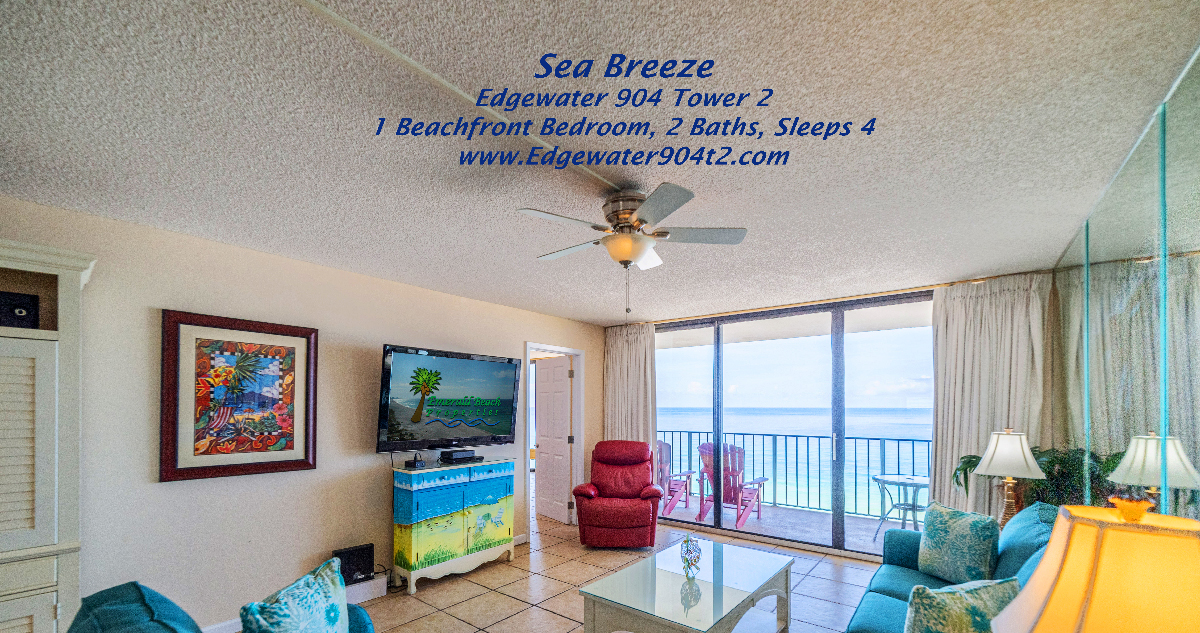
Your vacation rental can earn its reputation in a single afternoon: clear water outside, a clean condo inside, cold air conditioning, working door locks, and every detail ready when guests arrive. It can also lose that reputation just as quickly when salt air corrodes a lock, a storm delays a repair, or a missed cleaning task affects the first impression. This beach property management guide explains how owners can protect a coastal vacation rental while delivering the reliable stay guests expect.
Beach properties require a different operating standard than inland rentals. The beach vacation destination creates the demand, but it also creates constant exposure to moisture, sand, wind, heavy guest turnover, and weather events. Great management does not treat those conditions as occasional exceptions. It builds them into the every day plan.
Beach Property Management Guide: Start With the Operating Plan
A successful vacation rental begins with a clear answer to a practical question: who owns each task, and how quickly must that person complete it? Without defined responsibility, small coastal maintenance issues can turn into expensive interruptions for your guests and for your revenue stream.
Your management company will set standards for reservations, guest communication, inspections, cleaning, maintenance approvals, emergency response, supply replenishment, and owner reporting. The plan identifies primary vendors and backup vendors for critical services, especially HVAC, plumbing, electrical work, locksmith services, pest control, and storm-related repairs. A contractor who serves inland properties may not understand the urgency of a failed air conditioner during a July beach stay. Emerald Beach Properties uses local vendors who are familiar with the systems at each property we manage and we have back ups, just in case our primary vendor is unable to take care of an issue that is urgent.
Owners and managers should document the condition of the vacation rental before each season and after significant weather events. Photos, dated inspection notes, appliance records, and repair invoices create accountability. They also help distinguish ordinary wear from damage that may have been caused by your guests. Owners need visibility, but they also need an agreed approval process that keeps urgent repairs from waiting on a delayed response. Discuss this procedure with your manager so they will know what they are authorized to do without prior approval and when you expect to be notified prior to spending money.
In Panama City Beach, demand can shift quickly around school breaks, holiday weekends, local events, and weather patterns. An experienced management company will monitor how well the property is booking compared with the historical info and adjust operations before peak arrival days, not after issues arise. That includes confirming staffing, linen inventory, parking instructions, access codes, and maintenance coverage.
Protect the Property From Coastal Wear
Salt, humidity, and sand do not wait for a convenient maintenance window. They affect exterior hardware, balcony furniture, windows, HVAC components, flooring, drains, and appliances. Coastal property management works best when inspections follow a schedule rather than a complaint.
Your manager will inspect exterior doors, locks, railings, windows, screens, patio furniture, and outdoor lighting regularly. Look for corrosion, loose fasteners, water intrusion, damaged seals, and signs that wind or moisture has compromised a fixture. Replace low-cost corroded hardware before it fails during a guest stay. When your manager asks to do preventative maintenance remember that the cost of prevention usually remains lower than an emergency call, a guest relocation, or a negative review. Emerald Beach Properties requires all units under management to subscribe to our preventative maintenance plan to make sure these small issues don't become big ones.
HVAC deserves particular attention. A beach property often handles high humidity, frequent door openings, and heavy use during warm months. We recommend that Owners purchase HVAC maintenance plans from their preferred HVAC vendor. Once the owner agrees to this, we will coordinate the HVAC scheduled maintenance and pay the vendor from your account. It's best to schedule service before the busiest season, replace filters on schedule, keep drain lines clear, and verify that the system maintains a comfortable temperature. If the property has smart thermostats or water sensors, management should review alerts promptly and confirm that the technology supports the home rather than complicates guest use.
Sand creates its own maintenance cycle. Entry mats, exterior rinse areas where permitted, durable flooring, and clear guest guidance can reduce the amount that reaches drains and interior systems. Bathroom and kitchen drains should be inspected often, particularly in vacation rentals with high turnover or large guest capacity.
Plan for Storms Before the Forecast Changes
Storm readiness is an operational requirement for beach vacation rentals. Your manager should have a written procedure that covers guest communications, property checks, furniture storage, vendor coordination, owner updates, and post-storm inspections.
The right response depends on the property, the severity of the forecast, and local direction. With our local knowledge, we have experience with storms in PCB. Often you'll see sensationalized accounts of the weather online and in the media. We have found that the best forecast comes from our local sources. When the weather threatens, our maintenance plan covers moving your outdoor furniture inside and then moving it back out once the storm passes. We communicate with our Owners during emergencies so, you'll know what we are doing and what to expect. Direct information builds more confidence than vague reassurance.
After a storm, we inspect the property before the next arrival whenever conditions allow. The condo complexes will check for roof or window damage, standing water, power issues, HVAC operation if the system uses a cooling tower, debris, balcony safety, and access problems. Your manager will inspect the interior of your property and the balcony areas noting any water or wind intrusion. Your manager will record findings immediately. A quick, documented inspection protects guests, owners, and the management operation.
Design An Easy Breezy Guest Experience
Guests choose a beach vacation because they want an easy breezy getaway. They want to move from arrival to the beach without confusion over parking, elevators, door codes, resort rules, or where to find beach gear. Clear preparation by your manager protects the property and makes the guest stay feel organized from the start.
Managers will send arrival instructions early enough for guests to use them. Including the exact address, parking limits, building access steps, check-in timing, Wi-Fi details, trash guidance, beach access information, and a direct method for reporting issues. Keep instructions specific to the property. Generic directions create avoidable calls and frustrate guests who have already traveled for hours.
Inside the rental, cleanliness and working essentials matter more than decorative extras. Guests notice dust on ceiling fans, stained linens, weak water pressure, missing towels, and kitchen tools that do not match the home’s stated capacity. A quality-control inspection after cleaning should verify more than appearance. Test lights, remotes, appliances, toilets, locks, smoke detectors, and internet access.
Beach-friendly features can improve the stay when the property supports them. A place for wet towels near the entrance, practical hooks near entrances, durable seating, blackout window coverings for better sleep, and a well-equipped kitchen all make your vacation rental easier for your guests. Owners should choose furnishings based on durability and cleanability, not appearance alone. A delicate fabric sofa may look impressive in listing photos but perform poorly under frequent use, sunscreen, damp swimsuits, and family travel.
Price With Discipline, Not Guesswork
Revenue management should reflect real market conditions, property features, booking pace, and operating costs. This is where you property manager has a great deal of experience that they will use to help you get the most out of your vacation rental property.
A high nightly rate that leaves prime dates empty can underperform a slightly lower rate that attracts qualified guests early. On the other hand, discounting without a strategy can weaken revenue and attract bookings that do not fit the property’s rules or capacity.
Review rates by season, day of week, length of stay, lead time, and comparable inventory. Consider the rental’s view, beach access, bedroom count, amenities, building reputation, parking, and condition. A renovated beachfront condo and an older unit several blocks from the sand should not follow the same pricing logic simply because they share a ZIP code.
Fees also require careful review. Guests respond poorly to surprises, while owners need accurate pricing that covers cleaning, supplies, maintenance, and management labor. Present charges clearly and keep policies consistent. Strong revenue comes from the combination of accurate rates, dependable presentation, responsive communication, and repeat guest trust.
Choose Accountability Over Convenience
Owners that self-manage will need to coordinate cleaners, maintenance vendors, guest messages, calendars, and pricing on their own. That approach can work for a lightly used property when the owner lives nearby, has reliable local contacts, and can respond quickly. It becomes much harder when bookings increase, emergencies occur, or the owner lives out of state.
A professional vacation rental manager, like Emerald Beach Properties, will provide clear reporting, documented standards, active communication, and local operational coverage. Ask how the company handles after-hours calls, inspection failures, maintenance approvals, owner statements, guest damage, and storm response. Ask who answers the phone when a guest cannot enter the property at night.
Emerald Beach Properties focuses on the operational demands of vacation rentals in the Panama City Beach market, where property condition and guest confidence affect every reservation. Owners receive direct communication and a management structure that treats their vacation home as both a valuable asset and a place where families create lasting vacation memories.
The strongest beach rental operations do not rely on luck, perfect weather, or last-minute problem solving. They create a repeatable standard: inspect early, communicate clearly, respond quickly, and keep the home ready for the next family walking in from the beach.
How to Buy Beachfront Property in Panama City Beach, FL
A beachfront address can put the Gulf right in your backyard. If you are thinking of buying a beachfront condo or single family home, your purchase decision begins well before you head to PCB for your first showing. Knowing how to buy beachfront property in PCB means evaluating the water view and the operating realities behind it: insurance costs, building condition, rental rules, storm exposure, financing, and the exact location of the property.
PCB beachfront real estate does not behave like a typical residential market. Two different properties separated by a few blocks may have very different association rules, flood exposure, renovation needs, and income potential. A disciplined buying process protects your budget and gives you a clearer view of what you are actually purchasing.
Define the Property's Use Before You Search
Start with the role the property will play in your life and financial plan. Some buyers want a second home for family holidays. Others want a vacation rental that also provides personal use. Some want a long-term hold in the PCB market. Each goal changes the best location, property type, and acceptable monthly cost.
A family-use beachfront property may need multiple bedrooms, elevators, parking, beach access, and proximity to restaurants or attractions. A rental-focused purchase may place more weight on guest demand, sleeping capacity, amenities, rental restrictions, and the cost of keeping the unit ready to rent. A quieter beachfront house may offer privacy, but it can also require more hands-on maintenance than a condominium.
Set a full ownership budget before you begin touring properties. Your purchase price is only one part of the commitment. Include property taxes, homeowners or condominium association dues, insurance, utilities, reserves for repairs, furnishings, and, if applicable, management fees or turnover costs if you plan to self manage. Beachfront ownership rewards buyers who plan for ongoing expenses rather than treating them as surprises after closing.
Choose a Florida Beach Market With Purpose
Florida has a long coastline, but every beach market serves a different buyer. Gulf-front areas like PCB attract travelers seeking wide beaches, warm water, and a relaxed vacation setting.
Within one market, location still drives the decision. Consider whether the property is directly on the beach, across a coastal road, near a public access point, or within a resort-style development. Confirm what actually creates the view and access advertised in the listing. A water view does not always mean deeded beach access, and a nearby access point may become crowded during peak periods.
For buyers considering Panama City Beach, the distinction between a Gulf-front building, a Gulf-view unit, and a property a few blocks inland makes a big difference. It affects guest appeal, purchase price, wind exposure, parking, and the time it takes to reach the sand. Visit different properties at different times of day when possible. Traffic, elevator wait times, beach activity, and noise can look very different on a busy Saturday than on a quiet weekday morning.
Get Financing and Insurance Answers Early
Beachfront buyers should speak with a lender before making serious offers, especially when purchasing a condominium, second home, or investment property. Financing standards differ based on occupancy plans, down payment, property type, and the financial condition of the condominium association.
Ask the lender what documentation the building will need. Some loan programs review association budgets, insurance coverage, reserve funding, pending litigation, owner-occupancy levels, and commercial space within the development. A buyer can qualify personally and still face a financing obstacle because of the condo complex itself.
Insurance deserves equal attention. Coastal properties require specialized policies and endorsements for homeowners coverage, windstorm protection, and flood insurance. Premiums, deductibles, exclusions, and availability can vary sharply from one complex or neighborhood to another. Request insurance quotes based on the specific property before your inspection period ends. Do not rely on a general estimate from an online calculator. Be sure you look for an HO6 policy that covers wind driven rain and has the option for adding up to a $10,000 loss assessment coverage provision.
If you plan to use the property as a rental, tell your insurance agent and lender. A policy or loan structured for personal use may not fit a property that generates short-term rental income. Accuracy at the start prevents expensive corrections later.
How to Buy Beachfront Property With Proper Due Diligence
Once you identify a property, shift from attraction to verification. Your contract should provide enough time to inspect the property, review documents, confirm financing, and obtain insurance information. Buyers who rush through these steps often inherit costs that a careful review would have exposed. Use a licensed professional real estate agent or real estate broker who can assist you with all the details. Emerald Beach Properties offers real estate services for buyers and sellers in the PCB area. Just let us know what you are looking for and we will use our local knowledge to help you with all the details.
Order a general home inspection, but do not stop there. Beach exposure can accelerate wear on roofs, exterior coatings, balconies, railings, windows, doors, HVAC equipment, and mechanical systems. Salt air, wind-driven rain, and high humidity demand regular maintenance. Depending on the property, you may also need inspections for roofs, plumbing, electrical systems, pools, seawalls, docks, or structural components.
Condominium buyers should review association records closely. Request the current budget, reserve information, meeting minutes, governing documents, insurance details, rules and regulations, rental policies, recent special assessments, and notices of planned capital projects. Look for evidence of deferred maintenance, frequent fee increases, or major work that has not yet been fully funded. Make sure that the condo has passed it's milestone inspections if they apply to the particular comples.
Florida's condominium environment has placed greater attention on building maintenance, inspections, and reserve funding. That can benefit buyers by bringing needed work into the open, but it can also lead to higher dues or assessments. A low monthly association fee does not automatically signal value. It may indicate that the building has limited reserves for future repairs.
Also review the property's flood zone, elevation information when available, and history of storm-related repairs or claims. Flood maps provide useful context, but they do not replace a complete insurance review or a conversation with qualified local professionals. Water reaches properties in ways maps cannot always capture, including heavy rain, drainage issues, and storm surge.
Treat Rental Income as a Business Assumption, Not a Promise
A well-located beach property can attract guests, but rental revenue is never automatic or guaranteed. Seasonality, weather events, competing properties, building amenities, marketing, unit condition, owner use, and local regulations all influence vacation rental revenue performance.
Review comparable properties with similar bedroom counts, views, amenities, and proximity to the beach. Separate gross booking revenue from net income. Gross revenue does not account for management fees, cleaning, taxes, platform fees (AirBnB, VRBO, etc.), utilities, repairs, linens, supplies, association charges, or replacement of furnishings. Build a conservative forecast that includes slower months and keeping a repair reserve.
Confirm that the condominium association and local jurisdiction allow the rental activity you intend to pursue. Some buildings have minimum stay requirements, registration rules, occupancy limits, pet restrictions, or limits on outside signage and guest parking. Rules can change, so review current written documents rather than relying on a verbal statement.
A property with strong rental appeal also needs a practical operating plan. Guests notice clean common areas, reliable elevators, convenient parking, responsive maintenance, and straightforward beach access. Those details influence reviews, repeat stays, and the property's ability to compete when more inventory enters the market.
Make an Offer That Protects Your Position
A strong offer does not simply mean the highest price. It should reflect current comparable sales, known condition issues, financing terms, timing, and the value of the due-diligence protections you need. In a competitive setting, buyers sometimes shorten inspections or waive contingencies. That choice can make an offer more attractive, but it also transfers more risk to the buyer.
Work with a real estate professional who understands vacation rental property transactions and can help you read the practical signals in listings, disclosures, association documents, and comparable sales. The right guidance matters when you need to evaluate a proposed assessment, compare two buildings with different reserve positions, or determine whether a rental projection matches the property.
Before closing, complete a final walkthrough and confirm that agreed repairs, included furnishings, and property conditions match the contract. Verify utility transfers, insurance effective dates, association requirements, keys, access codes, and parking credentials. If the property will become a vacation rental, create a clear post-closing schedule for furnishing, safety checks, photography, and readiness work.
Beachfront property can be a rewarding place to gather with family, build a long-term asset, or support a carefully planned rental strategy. Buy with clear expectations, verify every major cost, and choose a property whose location and condition support the life you want it to serve.
Emerald Beach Properties Group Sales for Large Groups

Panama City Beach hosts many large events every year for many types of groups. A retreat for your company, your club or organization at the beach can be an experience for all attendees. But with so many different providers of vacation rental properties, it can be difficult for organizers to make sure everyone in their group finds appropriate lodging. Emerald Beach Properties Group sales can help you with this. Once you let us know how many spaces you need, we can set it up to make booking simple either for individuals or for the group as a whole.
What Emerald Beach Properties Group Sales Means for Clients
Emerald Beach Properties provides a point of contact for the group organizer to make the vacation rental part of your meeting go smoothly. We will let you know what is available near the site you have chosen for your activities. And we will help you organize the best fit for each individual vacation rental.
For attendees, we provide a point of contact to pay for their rental and to call once they arrive if issues arise.
The objective is to identify which vacation rentals will work for your group.
Choosing a Location for your Meeting or Event
Panama City Beach has two large convention facilities located in the Edgewater area and the Boardwalk area. Check with those centers to book your group activities and then call Emerald Beach Properties to assist with booking the individual vacation rentals for your attendees.
Location still carries substantial weight in these choices. A beachfront condominium offers immediate access to the water and plenty of things to do during down time between meetings or activities. You'll want to select lodgings where your attendees can spread out with their families and enjoy the larger gathering at the same time. Proximity to the beach matters, but so do road access, parking, elevator capacity, nearby dining, and the overall experience attendees will have from arrival through checkout.
The property itself also needs to match the likely guest. Families often prioritize sleeping capacity, practical kitchens, laundry access, and uncomplicated beach access. Couples may value a polished interior, private balcony, and proximity to restaurants or entertainment. Larger groups need layouts that work in practice, not just a high advertised occupancy number. A property that sleeps ten on paper may feel crowded if the living areas, bathrooms, or parking arrangements cannot support that number comfortably. Let us assist you in matching your attendees needs to the available lodging alternatives near the site of your group activities.
Planning Your Group Event
Check with the Panama City Convention and Visitors Bureau and the staff at the location of your event for help with planning. There are many different activities that the area has to offer your attendees in addition to your planned activities.
Your Group Sales vacation rental manager can make suggestions, too. They are ready to help you make your event a BIG success!
Choosing a Management Company to Handle Group Reservations
Select a management company that is experienced in handling Group Reservations. You should look for recommendations from the event location and the Convention and Visitors Bureau. Also ask how many other conventions or group sales events the management company has handled in the past year.
Remember to ask about how many units the company has available and the location of the units.
Spend some time looking at the management company's website to see what the accommodations look like before committing.
Communicating to Your Attendees
Once you have selected one or more management companies to handle your Group Sales, communicate their information to your attendees and those management companies should be able to take it from there. They'll make sure all attendees get booked into suitable vacation rentals for your large event.
Questions from Group Members
Please have your attendees contact the management company handling their vacation rental directly for any questions or issues that arise.
The management company will take care of everything with your attendees related to their vacation rental so, you as the organizer, won't have to worry.
This will free your time as the organizer to focus on the event planning in advance and in running it once you all arrive.
A Transaction Process Built on Accountability
By choosing a professional management company to handle your group reservations, you attendees will have a smooth and secure transaction process for reserving their vacation rental. Professional vacation rental managers have systems in place to successfully handle a large number of reservations every week so adding a large group event should be no problem.
A professional management company with experience in Group Sales, like Emerald Beach Properties, will help make your event or meeting a success. If your attendees in your group are happy, it will make you life much easier as the organizer.
Is a Vacation Condo Investment in PCB Worth the Risk?

A Gulf-view balcony can make a vacation condo investment feel straightforward: buy near the water, welcome guests, collect rental income. The purchase only works, however, when the property produces reliable revenue after every operating cost, association restriction, financing obligation, and reserve requirement. The view creates demand.
For buyers considering Panama City Beach, the right condo can offer personal enjoyment, rental potential, and long-term ownership in a destination with broad appeal. Families return for the beach, seasonal events, fishing, and easy access to the coast. Still, no two complexes are alike. A strong unit in a well-run condominium can outperform a larger unit in a poorly governed property with restrictive rental rules or rising assessments.
Start a Vacation Condo Investment With the Real Numbers
Begin with the complete cost of ownership, not the listing price or a headline rental projection. Your acquisition budget should include the down payment, lender fees, closing costs, insurance, furnishing needs, initial supplies, and any immediate repairs. A condo that needs new flooring, replacement appliances, or updated furnishings may require a larger first-year cash commitment.
Then build an annual operating statement. Use conservative gross rental revenue based on comparable units, unit size, building amenities, condition, seasonality, and current market competition. Do not rely on a single busy holiday week to justify the purchase. Review demand across the full calendar, including shoulder seasons and periods when weather, travel patterns, or local supply may reduce bookings.
Subtract every recurring expense: condominium association dues, property taxes, insurance, utilities, internet, repairs, pest control, cleaning-related costs, licensing, supplies, and management fees. If the association charges for parking, trash, security, amenity access, or special services, include those costs as well. Your estimated net income should withstand a slower year without forcing you to fund normal expenses from personal savings.
If your plan is to use the property for personal use more than a couple of off season weeks per year, you'll need to factor that in to your decision as well. When you are using your vacation condo, you won't be earning rents.
Separate Gross Revenue From Owner Return
Gross rental revenue can look impressive, especially in a popular beach market. It does not represent your return. Owners need to evaluate net operating income, debt service, income taxes, and capital expenses separately.
For example, a unit may generate strong bookings but still produce limited cash flow after insurance, association dues, mortgage payments, and periodic replacements. Furniture, mattresses, televisions, HVAC components, and kitchen equipment wear faster in heavily rented homes. Set aside reserves for these predictable costs instead of treating them as surprises.
Read the Condominium Documents Before You Commit
The condominium association can shape the economics of the property as much as the unit itself. Before you submit an offer or complete a due-diligence period, review the governing documents carefully. Confirm that the association permits short-term rentals and understand every condition attached to that approval.
Some buildings require minimum rental stays. A few complexes limit the number of rental units allowed in the building. Most condo complexes in PCB require guest registration fees paid for each rental, restrict pet access, regulate parking, or set rules for balcony use and amenities. These provisions affect guest experience, booking flexibility, and your ability to compete with nearby inventory.
Review the association budget, financial statements, meeting minutes, reserve information, insurance coverage, and record of special assessments. Meeting minutes often reveal issues that financial summaries do not fully explain, such as planned concrete work, elevator repairs, roof concerns, water intrusion, litigation, or disagreements over rental activity. A low monthly association fee does not automatically signal value. It may indicate that the association has deferred maintenance or underfunded reserves.
Ask direct questions about current and pending assessments. Coastal buildings face salt air, wind exposure, heavy use, and ongoing maintenance demands. A well-maintained property can protect value and guest confidence. A building that postpones necessary work can create a costly problem for every owner.
Match the Unit to Actual Guest Demand
Location matters, but unit characteristics matter too. Beach access, floor level, view, parking, elevator reliability, pool access, and proximity to family attractions can influence booking decisions. Guests often compare several properties within minutes. Clear advantages help a unit earn attention when travelers have abundant choices.
Consider who will rent the condo most often. A two-bedroom unit with practical sleeping arrangements may appeal to families who value space and convenience. A one-bedroom unit may fit couples and smaller groups, often at a lower entry price. Neither choice wins automatically. The better fit depends on the building, expected nightly rate, occupancy pattern, and total expense structure.
Buyers should also account for competition. New construction, renovated buildings, and professionally presented listings can shift demand quickly. If your unit needs an upgrade to meet guest expectations, include that work in your purchase analysis. Guests notice worn furniture, weak Wi-Fi, poor lighting, limited kitchen equipment, and inconsistent cleanliness. Those details influence reviews, repeat bookings, and revenue.
Plan for Financing, Insurance, and Reserves
Financing a vacation rental condo differs from financing a primary residence. Lenders may require a larger down payment, higher reserves, or different underwriting for an investment property. Interest rates and loan terms can materially change your monthly carrying cost. Get realistic financing estimates early, then test the investment against several revenue scenarios.
Insurance requires the same level of attention. Understand what the condominium association master policy covers and what you must insure inside the unit. Ask about deductibles, loss-assessment exposure, liability coverage, and exclusions. Coastal insurance costs can change, and owners should leave room in their projections for future increases.
Maintain cash reserves after closing. A reserve fund gives you options when an HVAC system fails, an assessment arrives, bookings soften, or a storm disrupts travel. Investors often focus on whether they can buy the unit. Strong owners also ask whether they can operate it responsibly through an uneven season.
Build an Operating Plan Before the First Booking
A vacation condo requires active oversight. Every guest arrival depends on clean conditions, working systems, accurate property information, responsive communication, and reliable access. Owners who treat operations as an afterthought often lose revenue through poor reviews, preventable maintenance issues, and calendar gaps.
Decide how you will handle pricing, guest screening, housekeeping standards, maintenance coordination, after-hours calls, inspections, and owner use. A professional vacation rental manager can manage these responsibilities, but owners should understand the service scope, fee structure, reporting process, and local market knowledge before choosing a partner.
Emerald Beach Properties focuses on the operational demands of vacation rentals in Panama City Beach. Whether you work with a manager or operate independently, hold the property to a clear standard. Guests should find a clean, accurately represented condo with dependable support when they need it.
Protect the Owner Calendar
Personal use can add real value to a vacation condo, but it also affects revenue. If you block high-demand holiday weeks for family trips, include that decision in your income forecast. There is nothing wrong with buying a property for both personal enjoyment and rental use. Just measure the trade-off honestly.
Owners should also schedule maintenance and upgrades during periods that minimize disruption. A planned refresh before a busy season costs less than an emergency repair during an occupied stay. Good planning protects reviews and gives the condo a better chance to perform when demand peaks.
Make the Decision With Conservative Assumptions
A sound purchase does not depend on perfect occupancy, uninterrupted rate growth, or unusually low expenses. Run a base case that uses realistic revenue, then test a lower-revenue scenario and a higher-cost scenario. If the investment only works under the most optimistic assumptions, it carries more risk than the listing may suggest.
Give yourself time to inspect the unit, review association records, confirm rental rules, obtain insurance quotes, and compare recent rental performance with competing properties. A qualified real estate professional, lender, insurance advisor, accountant, and attorney can each help you evaluate decisions within their area of expertise.
Emerald Beach Properties can assist you in purchasing a vacation rental in Panama City Beach, FL. With our local experience in real estate and vacation rental management, we can help you answer many of these questions as you choose your "perfect place in Panama City Beach."
The right condo should give you more than a compelling view. It should give you a property you can operate with confidence, maintain with discipline, and hold through the normal changes of a coastal rental market.
What Does Vacation Rental Management Include for Owners?

A beachfront condo can produce strong vacation-rental income, but it also creates a steady flow of work for the manager or owner if self managed. Guests ask questions before they book, arrive after long drives, need support during their stay, and expect a clean, fully functioning home when they open the door. Owners who ask, “what does rental management include?” need a clear answer because the scope of service determines both the guest experience and the work that remains on their shoulders.
Professional vacation rental management brings the daily operational work under one accountable team. The exact services vary by company and contract, but a capable manager typically handles the full path from listing a property and attracting guests to inspecting the home after checkout and reporting revenue to the owner.
What Does Rental Management Include in a Vacation Market?
Rental management covers far more than collecting reservations. In a destination such as Panama City Beach, demand shifts seasonally with school calendars, weather, local events, and the seasonal rhythm of the coast. A management team must position a property for the guests traveling at each point in the year while protecting the owner’s home and income.
The work usually falls into five connected areas: marketing and revenue strategy, reservation management, guest service, property care, and owner administration. Each area affects the others. A polished listing can drive bookings, but the property must match its photos. Competitive pricing can attract demand, but slow guest communication can cost a reservation. Strong results require consistent execution across the entire spectrum.
Marketing, Listing Setup, and Revenue Strategy
A manager starts by presenting the home accurately and persuasively. That process often includes professional photography, SEO & AIO strategy, written listing copy, amenity details, occupancy limits, and clear information about parking, beach access, pools, elevators, or resort rules. For a Panama City Beach vacation rental, details such as Gulf views, proximity to public beach access, and family-friendly features can influence a guest’s decision.
Management also commonly includes distribution across booking channels and the company’s direct reservation system. The manager keeps calendars current, prevents double bookings, and updates listing content when the owner adds amenities or when building policies change.
Pricing deserves close attention. Rather than setting one rate for every night, managers should adjust rates based on demand, lead time, length of stay, comparable homes, and local events. High-demand holiday weeks may support higher rates, while a short gap between bookings may call for a targeted adjustment. Revenue management does not guarantee a particular income level. It gives the property a disciplined pricing strategy instead of leaving rates unchanged for months.
Owners should ask how a manager approaches discounts, minimum-stay rules, cancellation policies, and owner-use dates. Those decisions shape occupancy and revenue. An owner who reserves every peak weekend, for example, may enjoy personal use but reduce the home’s highest-earning opportunities.
Reservations and Guest Communication
From the moment a guest sends an inquiry, rental management should create a direct, organized experience. The management team answers pre-booking questions, processes reservations and payments, confirms required agreements, and sends arrival instructions. Clear communication reduces avoidable confusion about check-in times, parking procedures, door codes, and property expectations.
During the stay, guests may need help with a malfunctioning appliance, a missing access code, or a question about the property. A manager serves as the point of contact and delivers a timely response to the guest. That role protects owners from late-night calls while giving guests someone who understands the property and can act quickly.
Guest service also includes setting standards. Managers communicate occupancy limits, pet rules, smoking restrictions, noise expectations, and building requirements before problems develop. When a guest ignores those rules, the management team documents the issue and follows the procedures in the rental agreement. Good hospitality does not mean overlooking damage, unauthorized guests, or conduct that affects neighbors.
Cleaning, Inspections, and Routine Property Care
Every checkout starts a short operational window. A cleaning team must clean the home before the next guest arrives, while an inspection should identify damage, missing inventory, maintenance needs, and safety concerns. Your professional rental manager should coordinates these tasks, verify completion, and record issues for the owner.
For vacation homes, routine care often includes linen service, restocking approved supplies, testing smart locks, checking HVAC performance, replacing batteries, and confirming that televisions, Wi-Fi, and major appliances work as expected. Managers may also coordinate pest control, deep cleans, seasonal checks, and vendor access.
The specifics matter. Some companies include certain supplies or inspections in their base management fee and charge separately for others. Cleaning fees may come from the guest, while repairs, replacement items, and deep cleaning may remain the owner’s responsibility. Owners should review the agreement carefully so they understand who authorizes spending, what dollar amount triggers owner approval, and how the manager handles emergency repairs.
Maintenance and Protection of the Home
Vacation rentals receive more frequent use than a typical second home. Sand reaches entryways, humidity challenges HVAC systems, and guests put daily pressure on furniture, cookware, locks, and plumbing. A management team helps owners keep small concerns from becoming expensive disruptions.
When an issue arises, the manager identifies the problem, contacts an appropriate vendor, tracks the repair, and communicates with affected guests when necessary. For urgent matters such as water leaks, lost access, or safety hazards, a manager needs authority to act immediately. Delaying a response can damage the property, disrupt a guest’s vacation, and lead to avoidable refunds.
Management does not eliminate the owner’s maintenance costs. It provides oversight and coordination. Owners still need to budget for replacement, repairs, upgrades, insurance deductibles, and normal wear. A reputable manager should document material issues clearly and avoid treating an owner’s property as a generic inventory unit.
Financial Administration and Owner Reporting
Rental management typically includes collecting guest payments, applying approved charges, handling security deposits or damage processes where applicable, and issuing owner statements. A useful statement shows rental income, management fees, cleaning charges to owners, maintenance expenses, taxes, and other deductions in a format that owners can review without guesswork.
Managers also track reservation activity, payouts, and expenses. This documentation helps owners monitor performance and prepare information for their tax professional. The manager does not replace an accountant or provide tax advice, but organized records make the owner’s financial review more manageable.
Ask how often the company sends statements and disburses funds, whether it provides year-end reporting, and how it handles guest chargebacks or damage claims. Financial procedures should remain clear, timely, and consistent. Owners place significant trust in a manager who handles guest funds and property expenses.
What May Fall Outside a Management Agreement?
Not every management agreement includes the same services. Major renovations, furnishing a new rental, real estate sales, legal advice, insurance claims, and specialized repairs usually require separate arrangements. Some managers coordinate these projects for an additional fee; others refer owners to qualified professionals.
Local compliance also requires attention. Owners remain responsible for understanding applicable laws, association rules, licensing requirements, and tax obligations, even when a manager helps administer parts of the process. Condominium and resort communities may impose their own registration, parking, wristband, or rental restrictions. A manager familiar with the local market can help owners operate within those requirements, but the contract should define each party’s responsibilities.
Before selecting a manager, owners should look beyond a headline fee. Ask who answers guests after hours, how the company inspects homes, what reporting owners receive, how maintenance approvals work, and how the team responds when a stay does not go as planned. The answers reveal whether the company offers basic reservation support or true property oversight.
The right rental manager should give guests confidence from booking through departure and give owners a clear view of what happens inside their property. That clarity creates the foundation for a well-cared-for home, better guest experiences, and a business relationship built on accountability.
Contact Emerald Beach Properties and let us show you what great vacation rental management is like! [email protected] or call (850) 234-0997. www.EmeraldBeachProperties.com