

Resort Roundup: Sunbird Condominiums PCB
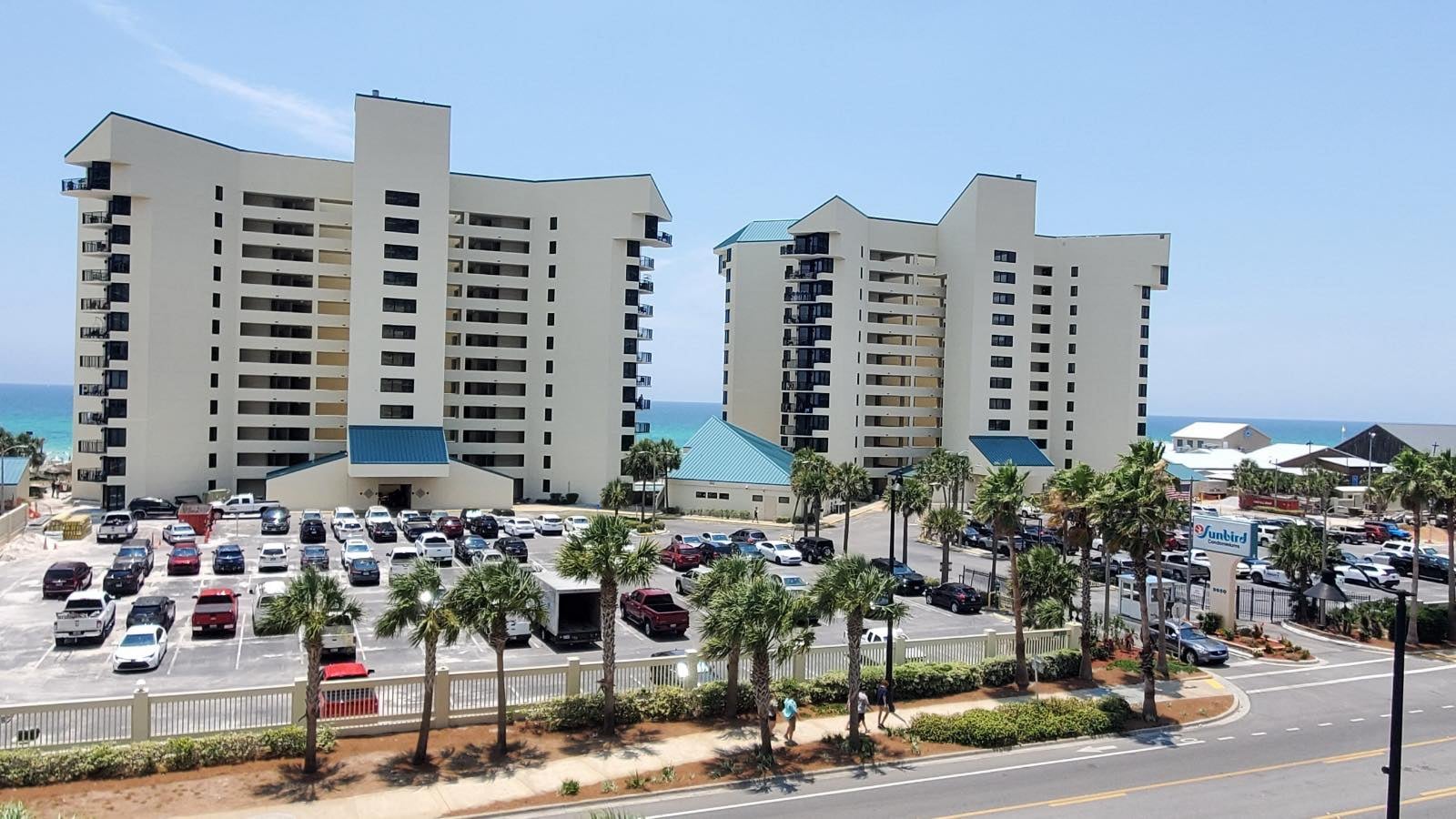
Sunbird Condominiums in PCB puts you in the heart of Panama City Beach’s active beachfront corridor, where sandy mornings, casual dining, family attractions, and sunset walks are close at hand. It can suit travelers who want a condominium stay with a central location rather than a remote resort setting.
The right unit still matters as much as the right building. Condominium rentals vary by owner, which means layouts, furnishings, views, kitchen equipment, and included extras can differ from one vacation rental reservation to the next. A careful review of the individual listing helps you choose a stay that fits your group instead of relying on a building name alone.
What Makes Sunbird Condominiums a Practical Choice
Sunbird appeals to guests who want direct access to the beach without giving up the convenience of a central Panama City Beach address. The surrounding area puts everyday vacation needs within easy reach. You'll find restaurants, souvenir shops, activities, and grocery options nearby, which can make a meaningful difference for families balancing beach time, meals, and tired children.
The Sunbird Condominium one bedroom, one bathroom format also gives travelers more flexibility than a traditional hotel room. Having a full kitchen simplifies breakfasts, packed lunches, and relaxed dinners after a full day outdoors. Separate sleeping and living areas, give families room to spread out. That setup works particularly well for couples traveling with children, friends sharing a trip, or guests planning a longer beach stay.
The trade-off comes with the location’s popularity. Central beachfront areas draw visitors during peak seasons, holidays, and major event weekends. Expect more activity on the beach, busier nearby roads, and a livelier setting than you might find in a quieter west-end or east-end neighborhood. For many guests, that energy adds to the experience. For travelers who want maximum quiet, it deserves consideration before booking.
Resort Roundup: Sunbird Condominiums PCB Location
Location shapes the rhythm of a vacation. At Sunbird, guests can structure a day around the beach instead of a parking plan. Start with an early walk along the shoreline, return to the condo for lunch, and head back out when the afternoon light softens. That convenience is very valuable when you are on vacation.
The central setting also makes the property a strong option for guests who prefer to keep their car parked once they arrive. Still, no traveler should assume every nearby destination sits within an easy walk, especially during summer heat or when traveling with young children. Check the specific places you plan to visit, then decide whether walking, driving, or rideshare service makes the most sense.
Sunbird is located right on the beach with direct beach access across the pool deck. The property is gated from both the street and beach sides so make sure to have your gate codes handy. Also, guests must wear wristbands for ID while on property. Beach service is available from spring through early fall. Just check in with the beach kiosk to reserve your chairs. This information is covered in your check in instructions so, please read those before arrival. A clear understanding before arrival prevents small logistical issues from interrupting the first day of your stay.
Sunbird has several additional onsite amenities that are included with your registration. There are 3 beachfront pools, tennis/pickleball courts, beach volleyball, complimentary fitness center and outdoor charcoal grilling areas. This is a great family oriented complex.
Choose the Unit, Not Just the Building
A strong vacation rental decision begins with the individual condo. Two units in the same resort can deliver very different experiences, from the floor plan to the balcony outlook. Read the listing closely and match its details to the way your group actually travels.
All Sunbird Condos are one bedroom, one bath and sleep up to 4 people. Most Sunbird condos have queen sized beds in the main bedrooms and sleeper sofas in the great room. If you are looking for a king bed, look for the "B" units which are in stacks 05 and 08.
Most Sunbird Condos have a beach view, some more direct that others. Check the listings for photos to see the view from a particular unit.
Prioritize the view and floor level
For some guests, a Gulf-facing balcony defines the trip. Others care more about a lower floor, easier access, or a price that leaves room for activities and dining. Neither choice is automatically better. A higher-floor unit may offer a broader view, while a lower-floor unit can reduce elevator dependence during busy weeks.
Confirm how the listing describes the view. Terms such as Gulf front, Gulf view, and pool view do not mean the same thing. Look at the photos, read the description, and ask questions before you reserve if the view will influence your decision.
Match bedding to your real group size
Sunbird condos typically have a master bedroom with a queen or king bed and a great room with a sofa bed. The bathroom opens to the main bedroom and to the great room. Adults usually sleep in the main bedroom and the kiddos take the sofa bed.
Sunbird kitchens have full sized appliances and are perfect for guests who plan to cook several meals. Cookware, dinnerware, flatware and countertop appliances are included.
Review the details that affect arrival
Parking rules, check-in instructions, elevators, access codes, and property policies can shape your experience before you ever step onto the beach. Read them in advance. Sunbird only allows one vehicle per reservation and guests must register with the Association on line in advance. The cost of registration is not included in the reservation cost so, remember to add that into your vacation budget. Once you are checked in, the automatic gate will read your tag number and open automatically.
Plan for the Beach, the Weather, and the Season
Panama City Beach delivers beautiful beach days, but the coast also requires flexibility. Weather can shift quickly, especially in warmer months. Build a vacation plan that leaves room for a slow morning, a rain break, or a change in beach conditions.
Check local flag conditions before entering the water and follow posted beach safety guidance. Gulf conditions can look calm from the sand while currents create real hazards offshore. Adults should keep children close, avoid overestimating their swimming ability, and choose caution when flags call for it.
Season affects more than the forecast. Spring and summer bring stronger crowds and a more active atmosphere. Fall often attracts guests who want warm water, lighter crowds, and a slower pace. Winter can offer a quieter coastal escape, though temperatures and available seasonal services may vary. The best time depends on whether your group values activity, budget, warm swimming weather, or a peaceful beach walk.
Questions to Settle Before You Book
Before you commit to a Sunbird condominium rental, make sure the listing answers the questions that can affect your stay. Confirm the number and type of beds, the unit’s view, parking arrangements, minimum-age requirements, and any fees that apply to your reservation. Ask about current pool access, construction activity, elevator updates, or amenity schedules when those factors matter to your group.
You should also review cancellation terms carefully. Beach travel plans sometimes change because of weather, work schedules, or family needs. Clear terms help you make a decision with realistic expectations rather than assumptions.
For guests who need a specific feature, written confirmation provides the best protection against disappointment. That might include step-free access, a particular parking need, a pet policy, internet requirements for remote work, or space for beach equipment. A professional reservation process should make those answers easy to obtain.
Make the Most of a Central Beach Stay
Sunbird works best when you use its setting to keep the trip simple. Bring a small beach bag you can carry easily, plan grocery shopping early, and reserve your most important dinner plans ahead during high-demand weeks. Leave open time in the schedule, too. Some of the best Panama City Beach moments come from an unplanned sunset, a walk at low tide, or an extra hour on the balcony after the crowds thin out.
Choose the condo that supports the vacation you want, not the one with the longest feature list. A well-matched unit, clear expectations, and a location that puts the shoreline close can turn an ordinary beach trip into time your group will want to repeat.
Is a Vacation Condo Investment in PCB Worth the Risk?

A Gulf-view balcony can make a vacation condo investment feel straightforward: buy near the water, welcome guests, collect rental income. The purchase only works, however, when the property produces reliable revenue after every operating cost, association restriction, financing obligation, and reserve requirement. The view creates demand.
For buyers considering Panama City Beach, the right condo can offer personal enjoyment, rental potential, and long-term ownership in a destination with broad appeal. Families return for the beach, seasonal events, fishing, and easy access to the coast. Still, no two complexes are alike. A strong unit in a well-run condominium can outperform a larger unit in a poorly governed property with restrictive rental rules or rising assessments.
Start a Vacation Condo Investment With the Real Numbers
Begin with the complete cost of ownership, not the listing price or a headline rental projection. Your acquisition budget should include the down payment, lender fees, closing costs, insurance, furnishing needs, initial supplies, and any immediate repairs. A condo that needs new flooring, replacement appliances, or updated furnishings may require a larger first-year cash commitment.
Then build an annual operating statement. Use conservative gross rental revenue based on comparable units, unit size, building amenities, condition, seasonality, and current market competition. Do not rely on a single busy holiday week to justify the purchase. Review demand across the full calendar, including shoulder seasons and periods when weather, travel patterns, or local supply may reduce bookings.
Subtract every recurring expense: condominium association dues, property taxes, insurance, utilities, internet, repairs, pest control, cleaning-related costs, licensing, supplies, and management fees. If the association charges for parking, trash, security, amenity access, or special services, include those costs as well. Your estimated net income should withstand a slower year without forcing you to fund normal expenses from personal savings.
If your plan is to use the property for personal use more than a couple of off season weeks per year, you'll need to factor that in to your decision as well. When you are using your vacation condo, you won't be earning rents.
Separate Gross Revenue From Owner Return
Gross rental revenue can look impressive, especially in a popular beach market. It does not represent your return. Owners need to evaluate net operating income, debt service, income taxes, and capital expenses separately.
For example, a unit may generate strong bookings but still produce limited cash flow after insurance, association dues, mortgage payments, and periodic replacements. Furniture, mattresses, televisions, HVAC components, and kitchen equipment wear faster in heavily rented homes. Set aside reserves for these predictable costs instead of treating them as surprises.
Read the Condominium Documents Before You Commit
The condominium association can shape the economics of the property as much as the unit itself. Before you submit an offer or complete a due-diligence period, review the governing documents carefully. Confirm that the association permits short-term rentals and understand every condition attached to that approval.
Some buildings require minimum rental stays. A few complexes limit the number of rental units allowed in the building. Most condo complexes in PCB require guest registration fees paid for each rental, restrict pet access, regulate parking, or set rules for balcony use and amenities. These provisions affect guest experience, booking flexibility, and your ability to compete with nearby inventory.
Review the association budget, financial statements, meeting minutes, reserve information, insurance coverage, and record of special assessments. Meeting minutes often reveal issues that financial summaries do not fully explain, such as planned concrete work, elevator repairs, roof concerns, water intrusion, litigation, or disagreements over rental activity. A low monthly association fee does not automatically signal value. It may indicate that the association has deferred maintenance or underfunded reserves.
Ask direct questions about current and pending assessments. Coastal buildings face salt air, wind exposure, heavy use, and ongoing maintenance demands. A well-maintained property can protect value and guest confidence. A building that postpones necessary work can create a costly problem for every owner.
Match the Unit to Actual Guest Demand
Location matters, but unit characteristics matter too. Beach access, floor level, view, parking, elevator reliability, pool access, and proximity to family attractions can influence booking decisions. Guests often compare several properties within minutes. Clear advantages help a unit earn attention when travelers have abundant choices.
Consider who will rent the condo most often. A two-bedroom unit with practical sleeping arrangements may appeal to families who value space and convenience. A one-bedroom unit may fit couples and smaller groups, often at a lower entry price. Neither choice wins automatically. The better fit depends on the building, expected nightly rate, occupancy pattern, and total expense structure.
Buyers should also account for competition. New construction, renovated buildings, and professionally presented listings can shift demand quickly. If your unit needs an upgrade to meet guest expectations, include that work in your purchase analysis. Guests notice worn furniture, weak Wi-Fi, poor lighting, limited kitchen equipment, and inconsistent cleanliness. Those details influence reviews, repeat bookings, and revenue.
Plan for Financing, Insurance, and Reserves
Financing a vacation rental condo differs from financing a primary residence. Lenders may require a larger down payment, higher reserves, or different underwriting for an investment property. Interest rates and loan terms can materially change your monthly carrying cost. Get realistic financing estimates early, then test the investment against several revenue scenarios.
Insurance requires the same level of attention. Understand what the condominium association master policy covers and what you must insure inside the unit. Ask about deductibles, loss-assessment exposure, liability coverage, and exclusions. Coastal insurance costs can change, and owners should leave room in their projections for future increases.
Maintain cash reserves after closing. A reserve fund gives you options when an HVAC system fails, an assessment arrives, bookings soften, or a storm disrupts travel. Investors often focus on whether they can buy the unit. Strong owners also ask whether they can operate it responsibly through an uneven season.
Build an Operating Plan Before the First Booking
A vacation condo requires active oversight. Every guest arrival depends on clean conditions, working systems, accurate property information, responsive communication, and reliable access. Owners who treat operations as an afterthought often lose revenue through poor reviews, preventable maintenance issues, and calendar gaps.
Decide how you will handle pricing, guest screening, housekeeping standards, maintenance coordination, after-hours calls, inspections, and owner use. A professional vacation rental manager can manage these responsibilities, but owners should understand the service scope, fee structure, reporting process, and local market knowledge before choosing a partner.
Emerald Beach Properties focuses on the operational demands of vacation rentals in Panama City Beach. Whether you work with a manager or operate independently, hold the property to a clear standard. Guests should find a clean, accurately represented condo with dependable support when they need it.
Protect the Owner Calendar
Personal use can add real value to a vacation condo, but it also affects revenue. If you block high-demand holiday weeks for family trips, include that decision in your income forecast. There is nothing wrong with buying a property for both personal enjoyment and rental use. Just measure the trade-off honestly.
Owners should also schedule maintenance and upgrades during periods that minimize disruption. A planned refresh before a busy season costs less than an emergency repair during an occupied stay. Good planning protects reviews and gives the condo a better chance to perform when demand peaks.
Make the Decision With Conservative Assumptions
A sound purchase does not depend on perfect occupancy, uninterrupted rate growth, or unusually low expenses. Run a base case that uses realistic revenue, then test a lower-revenue scenario and a higher-cost scenario. If the investment only works under the most optimistic assumptions, it carries more risk than the listing may suggest.
Give yourself time to inspect the unit, review association records, confirm rental rules, obtain insurance quotes, and compare recent rental performance with competing properties. A qualified real estate professional, lender, insurance advisor, accountant, and attorney can each help you evaluate decisions within their area of expertise.
Emerald Beach Properties can assist you in purchasing a vacation rental in Panama City Beach, FL. With our local experience in real estate and vacation rental management, we can help you answer many of these questions as you choose your "perfect place in Panama City Beach."
The right condo should give you more than a compelling view. It should give you a property you can operate with confidence, maintain with discipline, and hold through the normal changes of a coastal rental market.
What Does Vacation Rental Management Include for Owners?

A beachfront condo can produce strong vacation-rental income, but it also creates a steady flow of work for the manager or owner if self managed. Guests ask questions before they book, arrive after long drives, need support during their stay, and expect a clean, fully functioning home when they open the door. Owners who ask, “what does rental management include?” need a clear answer because the scope of service determines both the guest experience and the work that remains on their shoulders.
Professional vacation rental management brings the daily operational work under one accountable team. The exact services vary by company and contract, but a capable manager typically handles the full path from listing a property and attracting guests to inspecting the home after checkout and reporting revenue to the owner.
What Does Rental Management Include in a Vacation Market?
Rental management covers far more than collecting reservations. In a destination such as Panama City Beach, demand shifts seasonally with school calendars, weather, local events, and the seasonal rhythm of the coast. A management team must position a property for the guests traveling at each point in the year while protecting the owner’s home and income.
The work usually falls into five connected areas: marketing and revenue strategy, reservation management, guest service, property care, and owner administration. Each area affects the others. A polished listing can drive bookings, but the property must match its photos. Competitive pricing can attract demand, but slow guest communication can cost a reservation. Strong results require consistent execution across the entire spectrum.
Marketing, Listing Setup, and Revenue Strategy
A manager starts by presenting the home accurately and persuasively. That process often includes professional photography, SEO & AIO strategy, written listing copy, amenity details, occupancy limits, and clear information about parking, beach access, pools, elevators, or resort rules. For a Panama City Beach vacation rental, details such as Gulf views, proximity to public beach access, and family-friendly features can influence a guest’s decision.
Management also commonly includes distribution across booking channels and the company’s direct reservation system. The manager keeps calendars current, prevents double bookings, and updates listing content when the owner adds amenities or when building policies change.
Pricing deserves close attention. Rather than setting one rate for every night, managers should adjust rates based on demand, lead time, length of stay, comparable homes, and local events. High-demand holiday weeks may support higher rates, while a short gap between bookings may call for a targeted adjustment. Revenue management does not guarantee a particular income level. It gives the property a disciplined pricing strategy instead of leaving rates unchanged for months.
Owners should ask how a manager approaches discounts, minimum-stay rules, cancellation policies, and owner-use dates. Those decisions shape occupancy and revenue. An owner who reserves every peak weekend, for example, may enjoy personal use but reduce the home’s highest-earning opportunities.
Reservations and Guest Communication
From the moment a guest sends an inquiry, rental management should create a direct, organized experience. The management team answers pre-booking questions, processes reservations and payments, confirms required agreements, and sends arrival instructions. Clear communication reduces avoidable confusion about check-in times, parking procedures, door codes, and property expectations.
During the stay, guests may need help with a malfunctioning appliance, a missing access code, or a question about the property. A manager serves as the point of contact and delivers a timely response to the guest. That role protects owners from late-night calls while giving guests someone who understands the property and can act quickly.
Guest service also includes setting standards. Managers communicate occupancy limits, pet rules, smoking restrictions, noise expectations, and building requirements before problems develop. When a guest ignores those rules, the management team documents the issue and follows the procedures in the rental agreement. Good hospitality does not mean overlooking damage, unauthorized guests, or conduct that affects neighbors.
Cleaning, Inspections, and Routine Property Care
Every checkout starts a short operational window. A cleaning team must clean the home before the next guest arrives, while an inspection should identify damage, missing inventory, maintenance needs, and safety concerns. Your professional rental manager should coordinates these tasks, verify completion, and record issues for the owner.
For vacation homes, routine care often includes linen service, restocking approved supplies, testing smart locks, checking HVAC performance, replacing batteries, and confirming that televisions, Wi-Fi, and major appliances work as expected. Managers may also coordinate pest control, deep cleans, seasonal checks, and vendor access.
The specifics matter. Some companies include certain supplies or inspections in their base management fee and charge separately for others. Cleaning fees may come from the guest, while repairs, replacement items, and deep cleaning may remain the owner’s responsibility. Owners should review the agreement carefully so they understand who authorizes spending, what dollar amount triggers owner approval, and how the manager handles emergency repairs.
Maintenance and Protection of the Home
Vacation rentals receive more frequent use than a typical second home. Sand reaches entryways, humidity challenges HVAC systems, and guests put daily pressure on furniture, cookware, locks, and plumbing. A management team helps owners keep small concerns from becoming expensive disruptions.
When an issue arises, the manager identifies the problem, contacts an appropriate vendor, tracks the repair, and communicates with affected guests when necessary. For urgent matters such as water leaks, lost access, or safety hazards, a manager needs authority to act immediately. Delaying a response can damage the property, disrupt a guest’s vacation, and lead to avoidable refunds.
Management does not eliminate the owner’s maintenance costs. It provides oversight and coordination. Owners still need to budget for replacement, repairs, upgrades, insurance deductibles, and normal wear. A reputable manager should document material issues clearly and avoid treating an owner’s property as a generic inventory unit.
Financial Administration and Owner Reporting
Rental management typically includes collecting guest payments, applying approved charges, handling security deposits or damage processes where applicable, and issuing owner statements. A useful statement shows rental income, management fees, cleaning charges to owners, maintenance expenses, taxes, and other deductions in a format that owners can review without guesswork.
Managers also track reservation activity, payouts, and expenses. This documentation helps owners monitor performance and prepare information for their tax professional. The manager does not replace an accountant or provide tax advice, but organized records make the owner’s financial review more manageable.
Ask how often the company sends statements and disburses funds, whether it provides year-end reporting, and how it handles guest chargebacks or damage claims. Financial procedures should remain clear, timely, and consistent. Owners place significant trust in a manager who handles guest funds and property expenses.
What May Fall Outside a Management Agreement?
Not every management agreement includes the same services. Major renovations, furnishing a new rental, real estate sales, legal advice, insurance claims, and specialized repairs usually require separate arrangements. Some managers coordinate these projects for an additional fee; others refer owners to qualified professionals.
Local compliance also requires attention. Owners remain responsible for understanding applicable laws, association rules, licensing requirements, and tax obligations, even when a manager helps administer parts of the process. Condominium and resort communities may impose their own registration, parking, wristband, or rental restrictions. A manager familiar with the local market can help owners operate within those requirements, but the contract should define each party’s responsibilities.
Before selecting a manager, owners should look beyond a headline fee. Ask who answers guests after hours, how the company inspects homes, what reporting owners receive, how maintenance approvals work, and how the team responds when a stay does not go as planned. The answers reveal whether the company offers basic reservation support or true property oversight.
The right rental manager should give guests confidence from booking through departure and give owners a clear view of what happens inside their property. That clarity creates the foundation for a well-cared-for home, better guest experiences, and a business relationship built on accountability.
Contact Emerald Beach Properties and let us show you what great vacation rental management is like! [email protected] or call (850) 234-0997. www.EmeraldBeachProperties.com
Direct Booking vs AirBnB or VRBO Rentals for PCB Beach Trips

A Panama City Beach vacation often starts with one practical question: where should you reserve the condo or beach home? The direct booking vs ota (online travel agent) rentals decision affects more than the screen where you enter your credit card. It can shape how you compare properties, who answers your questions, how clearly you understand the rules, and what support you receive before and during your stay.
An OTA, or online travel agency, lists vacation rentals from many different managers and hosts in one marketplace. Direct booking means reserving through the professional property manager’s own website or reservation team. Direct booking usually saves you money and is a better option. If you are a last minute shopper, you might choose an OTA for convenience but it will be more expensive than direct booking.
What Direct Booking and OTA Rentals Actually Offer
OTAs offer reach and convenience. A traveler can search a broad inventory, review general filters, compare dates, and keep several destinations under consideration without leaving one platform. For someone who has not settled on Panama City Beach, an OTA can make early research efficient. It's easy to search on an OTA and find clues about who the local manager for a particular property is so you can contact them directly to save money and have direct contact with the local property manager.
Direct booking offers a closer connection to the company that manages the rental. You can ask property-specific questions before reserving, such as whether a balcony faces the Gulf, how parking works, whether a building has elevator access, or which beach access point sits nearby. These details matter when a family plans a week around small children, mobility needs, fishing gear, or a full schedule of pool and beach time.
A professional manager also controls the property information, availability, arrival instructions, and stay policies. That direct access can reduce confusion when an OTA listing uses limited space, standard fields, or information that does not fully explain a particular building or home.
Direct Booking vs OTA Rentals on Price
Travelers often assume one option always costs less. That assumption creates problems. A rental’s final cost includes more than the nightly rate. Cleaning fees, reservation fees, taxes, damage protection, cancellation choices, and platform service fees all affect the total. Be sure to check www.EmeraldBeachProperties price comparison tool to see how much you will pay for a direct booking vs. booking through AirBnB or VRBO before you book.
An OTA applies its own service fee and presents its own promotions. A direct booking site may offer a different rate structure, a manager-specific special, or clearer visibility into the individual charges. The result varies by property, season, length of stay, and booking date. During high-demand beach weeks, inventory and location may matter more than a small price difference. During quieter periods, a longer-stay offer or flexible arrival date can change the value considerably.
Compare the complete checkout total for the same property, dates, guest count, and policy selection. Do not compare only the advertised nightly rate. Confirm what the price includes, especially parking, resort amenities, pet fees where applicable, and any required deposits or damage waiver fees.
Service Matters When Plans Change
Vacation plans do not always hold. A storm changes travel timing, a flight gets delayed, a child gets sick, or a guest notices a question about the reservation after booking. In those moments, travelers need to know who can make decisions and how quickly that person can respond.
With an OTA reservation, the platform often handles part of the booking process while the property manager handles the stay itself. That arrangement can work well, but it can add another step when a traveler needs help with payment changes, cancellation terms, or reservation details. The exact path depends on the platform and the issue.
With a direct reservation, guests communicate with the team that operates the property from the start. That does not mean every request qualifies for an exception. Policies still apply, and professional managers need to enforce them consistently. It does mean the guest can ask the responsible team for accurate information rather than relying on a general marketplace support channel.
For beach-area rentals, local knowledge has real value. A management team can explain the practical details that influence a stay: building entry procedures, seasonal beach service arrangements, parking limitations, check-in timing, and what guests should expect from the surrounding area. Emerald Beach Properties focuses on professionally managed vacation rentals in this market, where those details deserve attention before arrival.
Property Details Can Be Easier to Verify Directly
Photos help travelers imagine mornings on the balcony and afternoons near the water. They cannot answer every question. A photo may show a beautiful living room without explaining whether the unit sits on a lower floor, whether the view faces the beach, or whether a guest needs to cross a busy road to reach the sand.
Direct booking gives guests a stronger opportunity to verify the details that matter to their group. Ask about sleeping arrangements, bathroom layout, kitchen equipment, Wi-Fi expectations, laundry access, pool rules, and construction activity that the manager knows about. If accessibility affects your trip, ask specific questions rather than relying on a generic accessibility filter.
OTAs still serve a useful role in discovery. Many travelers first find a property through a marketplace, then want more complete information before they commit. The best approach is not blind loyalty to a booking channel. It is careful verification before you accept the reservation terms.
When an OTA May Be the Better Choice
An OTA can make sense when you need to search a wide range of destinations or property types quickly. It can also help travelers who prefer to keep their past and upcoming trips in one account or who have platform-specific credits available.
Some guests feel more comfortable with a marketplace they have used before. That comfort has value, particularly for a first-time vacation rental guest. Read the listing carefully, review the total cost at checkout, and understand whether the platform or the manager controls cancellations, payments, and communications.
Use the OTA as a research tool when it helps you narrow the field. Just avoid treating a familiar platform as a substitute for reading property rules and asking the questions that affect your stay.
How to Choose Between Direct Booking and OTA Rentals
Start with the property, not the platform. A well-managed condo in the right location with clear policies usually offers more value than a slightly cheaper rental that leaves critical questions unanswered. Once you identify a property that fits your group, compare the booking options with the same dates and number of guests.
Before you confirm any reservation, check these five items:
- The full price, including all mandatory fees and taxes.
- The cancellation deadline and any refund conditions.
- The exact property location, view, parking arrangement, and beach access.
- The check-in process and the contact method for questions during the stay.
- The house rules for occupancy, pets, smoking, age requirements, and building amenities.
Travelers should also pay attention to security. Book through the manager’s official site or a recognized OTA, use a secure payment method, and be cautious when someone asks you to move a conversation or payment outside the established booking process. Legitimate managers communicate clearly about where and how guests should pay.
The Better Booking Channel Is the One That Gives You Clarity
Direct booking works especially well for guests who want complete property details, direct communication, and confidence that they are speaking with the team responsible for the rental. OTA rentals work well for broad searches, itinerary organization, and travelers who prefer a familiar marketplace. Both can support a successful beach vacation when the listing, pricing, and policies meet your needs.
Give yourself time to compare the final details before you reserve. The right rental should feel like a confident decision long before you open the door, set down the beach bags, and hear the Gulf surf in the distance.
Jeep Jam in Panama City Beach, Florida Trip Tips

The sound of lifted Jeeps rolling toward the coast makes for a few memorable days each spring. Jeep Jam in Panama City Beach, Florida, brings enthusiasts, families, clubs, and first-time visitors together for a high-energy event built around custom vehicles, beach time, vendor displays, and community. It's not to early to plan for your Spring trip now so you will have your choice of the best vacation rentals in PCB! A good trip plan lets you enjoy the action without spending your vacation stuck in traffic, searching for parking, or scrambling for essentials.
The event traditionally takes place at Aaron Bessant Park near Pier Park, placing visitors close to restaurants, shopping, the beach, and many vacation rental options. Exact dates, activities, admission details, and routes can change from year to year, so confirm the current event schedule before you finalize travel plans. Once you know the dates, treat your accommodations and arrival timing as priority decisions.
What to Expect at Jeep Jam in Panama City Beach, Florida
Jeep Jam centers on Jeep culture, but it offers more than a vehicle show. Attendees often spend time viewing modified Jeeps, meeting other owners, shopping vendor areas, joining organized activities, and taking part in events that may include beach drives, parades, or off-site excursions. The atmosphere is social and energetic rather than formal. You will see polished show vehicles alongside trail-ready Jeeps carrying sand, recovery gear, and plenty of personality.
That energy creates real logistics. Major gathering areas become busy, especially on opening day, during headline activities, and near evening programming. Nearby roads, parking areas, grocery stores, and popular restaurants can see heavier traffic than a typical beach week. Families who want equal parts event time and relaxed beach time should build extra time into the daily schedule and consider arriving a day before and/or staying a day after the event scheduled dates.
Visitors do not need to own a Jeep to enjoy the event. If you travel with Jeep enthusiasts, you can join the festival atmosphere with plenty of time for the Gulf, local dining, and Pier Park. If you do bring a Jeep, review event rules and any applicable local requirements before participating in organized drives or vehicle activities.
Book the Right Place Before You Book the Extras
During a major event weekend, location affects more than the view from your balcony. It determines how easily your group can reach the event, return for lunch, avoid peak traffic, and settle in after a long day outdoors. A rental near the west end or central beach area can reduce travel time to Aaron Bessant Park, though the best choice depends on your group size, budget, and plans beyond Jeep Jam. Note that traffic is heavier than normal during this festival but won't be a problem no matter where you are staying in PCB.
For a couple or small group focused on the event, a condo with straightforward parking and convenient access to the park may make the most sense. Families often benefit from additional bedrooms, a full kitchen, laundry, and space to decompress away from the crowds. A larger condo or a group of condos located in proximity to each other can work well for a Jeep club traveling together, but confirm parking capacity before arrival. Do not assume that a driveway, condominium lot, or neighborhood street can accommodate trailers, multiple oversized vehicles, or extra guests.
Ask practical questions before booking. How many vehicles can park on-site? Does the property have height restrictions in covered parking? Are trailers allowed? Will you need to display parking passes? These details matter more during a vehicle-focused event than they do during a standard beach weekend.
Emerald Beach Properties helps guests select professionally managed vacation rentals that fit the realities of a Panama City Beach stay, including group size, parking needs, and preferred location. Clear expectations before check-in protect your time once the event begins.
Plan Your Arrival Around Traffic, Not Just Check-In
Many visitors arrive on the same days, often after work or after a long drive from neighboring states. Late afternoon and early evening can bring congestion around key beach routes and the Pier Park area. If your schedule allows, arrive earlier in the day or on the day before, pick up groceries before the busiest periods, and complete check-in tasks before heading toward the event.
Use the first evening to get oriented. Locate your designated parking area, learn the most direct route to the beach, identify a nearby grocery store, and confirm where your group will meet if cell service slows in a crowded venue. Small decisions made on arrival day can prevent avoidable friction later.
For event days, leave earlier than you think you need to. The difference between arriving 30 minutes before an activity and arriving just as it starts may mean the difference between convenient parking and a longer walk. If your group includes children, older adults, or anyone with mobility considerations, prioritize access and shade over the closest possible arrival time.
Bring Gear That Works for the Beach and the Event
May weather in Panama City Beach can feel ideal one hour and intensely sunny or stormy the next. Pack for heat, wind, sand, and brief rain showers. Sunscreen, refillable water bottles, hats, sunglasses, and lightweight layers deserve a place near the top of the list. A compact rain jacket can prove more useful than an extra pair of sandals.
Jeep owners should keep event gear organized rather than filling every available cargo space. Secure loose items, bring only equipment you know how to use, and follow instructions from event staff. A recovery strap, traction boards, or tools do not replace judgment on sand or in a crowded vehicle area. If organized beach-driving opportunities appear on the schedule, respect posted access points, weather conditions, and staff direction.
For a vacation rental, sand management matters. Keep towels, sandals, coolers, and beach equipment near the entry or in the designated outdoor area when available. Shake out sand before coming inside, use provided rinse stations responsibly, and follow property instructions for grills, balconies, pools, and elevators. These habits help your group stay comfortable and protect the home for the next guests.
Make Room for a Real Beach Vacation
The event can fill a schedule quickly, but Panama City Beach offers a better experience when you balance it with unplanned time. Start one morning with a quiet walk along the shoreline before crowds build. Return to your rental for lunch instead of trying to park twice. Choose one evening for dinner away from the busiest corridors, especially if your group prefers a slower pace.
Families should also set a meeting point and a check-in time each day. Large events can separate a group quickly, particularly when adults want to browse Jeeps and children want to head toward nearby attractions. A simple plan gives everyone more freedom.
If weather interrupts outdoor programming, do not treat the day as lost. Use the time for indoor shopping, a long lunch, downtime at your rental, or a drive along the coast once conditions improve. Gulf weather moves quickly, and a flexible itinerary serves visitors better than a tightly packed one.
Respect Local Rules and Your Neighbors
Jeep Jam celebrates vehicles, but the beach community still operates under rules designed to protect residents, visitors, and the shoreline. Follow posted parking regulations, observe beach flag warnings, keep music and gatherings at a reasonable level near your rental, and place trash in designated containers. Never block driveways, fire lanes, property entrances, or access points while unloading gear.
Beach conditions deserve particular attention. Flags communicate real hazards, including rip currents and rough surf. Children should stay within close reach near the water, even on bright, calm-looking days. If your group plans boating, fishing, or beach driving beyond official event activities, confirm current conditions and applicable rules before leaving.
The strongest Jeep Jam trips do not depend on seeing every activity. They depend on choosing a comfortable home base, arriving prepared, and leaving enough open time for the moments you did not schedule - a sunset from the balcony, a quiet morning on the sand, or one more pass through the show area with no place else to be.
Property Management For Your Beach Rental Property

A beach rental can earn strong returns, but salt air, shifting travel demand, tight turnover windows, and high guest expectations leave little room for inattention. Effective property management gives owners a disciplined operating plan for their investment while giving guests the confidence to book a stay that feels prepared from arrival through departure.
For vacation rentals, management does not simply mean collecting reservations. It means setting the right nightly rate, answering questions before they become complaints, inspecting the home after each stay, coordinating qualified vendors, protecting access to the property, and keeping accurate records. The work happens every day, including the days when the calendar isn't jam packed.
What Vacation Rental Property Management Covers
A well-managed vacation rental runs on connected decisions. Pricing affects booking pace. Booking pace affects cleaning schedules. Cleaning quality affects reviews. Reviews affect future revenue. When one part of the operation slips, owners often feel the impact in lower occupancy, unnecessary repairs, or guest frustration.
The first responsibility involves positioning the property honestly and attractively. Guests need clear descriptions, current photos, accurate amenity details, and straightforward expectations about parking, beach access, occupancy, and house rules. A listing should help the right guest choose the home, not create an impression that the home cannot meet.
Next comes revenue management. A manager reviews demand, seasonality, local events, comparable inventory, lead time, and gaps between reservations. The goal is not to chase the highest possible rate every night. An inflated rate can leave valuable dates vacant, while a rate set too low can sacrifice income during periods of strong demand. Good pricing decisions respond to the market without treating the property like an experiment.
Operations form the other half of the job. A manager coordinates housekeeping, linen service, maintenance, inspections, guest communication, payments, and access procedures. In Panama City Beach, the coastal environment adds another layer of responsibility. Humidity, sand, wind, salt exposure, pools, balconies, elevators, and high guest turnover can put steady pressure on a vacation home. Regular attention costs less than emergency work after a small issue becomes a major repair.
The Standard Guests Notice First
Guests may never see the operational checklist behind their stay, but they notice its results immediately. They notice a clean entry, working air conditioning, clear arrival instructions, usable Wi-Fi, fresh linens, and a team that responds with purpose when something needs attention.
Communication sets the tone before the guest reaches the beach. Timely confirmation messages, practical pre-arrival details, and clear directions reduce confusion. During the stay, guests expect a real answer when they report a concern. A delayed response to a broken lock, plumbing issue, or cooling problem can quickly damage trust, especially when a family has planned the trip for months.
Professional management also protects the guest experience through consistent standards. Every home has its own character, but every guest should receive dependable basics: clean rooms, functioning essentials, accurate information, and respectful support. Those standards matter as much in a compact condo as they do in a large beachfront home.
Owners sometimes assume that an automated booking system can handle most of this work. Automation can help with routine messages and calendar tasks, but it cannot inspect a unit after a turnover, evaluate a water stain, calm an upset guest, or decide whether a repair needs immediate attention. Technology supports operations. It does not replace accountable oversight.
How Property Management Protects an Owner's Asset
Rental income matters, but the physical condition of the property remains the foundation of long-term performance. A home that looks neglected will eventually lose bookings, command weaker rates, and require more costly intervention. Property management should treat preventive care as an operating priority rather than an optional expense.
Routine inspections help identify issues that guests may not report and cleaners may not have time to diagnose. A manager can spot worn furniture, damaged screens, missing kitchen items, corrosion, water leaks, deteriorating caulk, or balcony concerns before they affect a reservation. The exact inspection schedule depends on the property, its amenities, and its booking volume, but no vacation rental benefits from a hands-off approach.
Vendor coordination requires judgment as well. Owners need reliable professionals, clear scopes of work, and documentation that explains what happened and why. The least expensive quote does not always provide the best value, particularly when a rushed repair leads to repeat calls or guest disruption. A capable manager balances speed, quality, cost, and the urgency of the situation.
Financial controls matter just as much. Owners should understand how the manager handles rental revenue, charges, maintenance approvals, statements, and owner funds. Clear reporting makes it easier to measure performance and plan for replacements or improvements. Vague numbers and unexplained charges create avoidable friction in a relationship that depends on trust.
Choosing the Right Management Approach
Not every owner needs the same level of service. A local owner who can visit often may want help with marketing, reservations, and guest support while retaining more direct control over maintenance decisions. An owner who lives out of state may need a full-service team that manages the property day to day. The right arrangement depends on availability, experience, property condition, and the owner's goals.
Before selecting a manager, owners should ask direct operational questions. Who answers guests after business hours? How does the team handle an urgent maintenance issue? How often does someone inspect the home? Who sets rates, and what market information guides those decisions? What approvals does the owner receive before non-emergency repairs? How does the company protect property access and guest information?
The answers reveal more than a list of services. They show whether the company has systems, accountability, and local knowledge. A manager should explain the process in plain language and set realistic expectations. No company can prevent every repair, weather interruption, or difficult guest interaction. The right company responds quickly, documents decisions, and protects the owner’s interests without losing sight of the guest experience.
Fees also deserve careful review. Lower fees can look attractive until owners discover that the service excludes inspections, after-hours support, marketing work, maintenance coordination, or other essential functions. Higher fees do not automatically signal better service either. Owners should compare what each option actually includes, how the company earns revenue, and whether the service model fits the property.
A Local Market Requires Local Attention
Beach destinations operate differently from year-round residential rentals. Demand can change quickly around school calendars, holidays, local events, weather patterns, and seasonal travel habits. Guests also arrive with vacation-specific needs: they ask about beach conditions, parking, pools, elevators, check-in timing, and nearby conveniences. A manager who understands those questions can provide useful answers without over promising.
Local familiarity also strengthens maintenance planning. Coastal properties need practical care that reflects their environment. Managers should monitor exterior wear, moisture exposure, HVAC performance, and building requirements, especially in condominium communities. They also need to follow community rules that affect guests, deliveries, parking, amenity access, and occupancy.
Emerald Beach Properties focuses on the operational demands of vacation rentals in Panama City Beach, where a property’s location, condition, and guest experience all influence performance. That focused approach matters because beach inventory does not behave like a generic rental market.
The Value of Consistent Oversight
The strongest management relationship does not rely on dramatic rescues. It relies on consistent work that prevents problems, keeps guests informed, and protects the home through every season. Owners gain clearer visibility into their investment. Guests gain a stay that feels organized and cared for.
When evaluating property management, look beyond promises of bookings or broad claims of service. Choose a team that can explain how it prices, communicates, inspects, responds, reports, and protects the property. Those daily disciplines create the kind of vacation rental experience guests remember for the right reasons.
Vacation Rental Manager vs Self Hosting: Which Fits?

A vacation rental manager vs self hosting decision rarely comes down to one management fee. It comes down to who answers a guest’s late-night question, who verifies that a condo is ready before check-in, and who takes care of the property and the guests when a busy beach week creates pressure on every part of the operation.
For some owners, self hosting delivers control and a closer connection to their investment. For others, professional management creates the consistency required to compete in a demanding destination market. Neither path automatically produces better results. The right choice depends on your availability, operating discipline, local support, and goals for the property.
Vacation Rental Manager vs Self Hosting: The Real Choice
Self hosting means the owner runs the business day to day (and all night, too). You set rates, manage listings, communicate with guests, coordinate cleaning, handle maintenance, monitor reviews, and resolve problems. You can perform those duties personally or assemble your own network of vendors and software.
A vacation rental manager takes responsibility for many or all of those functions under a management agreement. The manager typically handles marketing, reservations, guest communications, housekeeping coordination, inspections, maintenance reporting, and revenue strategy. The exact scope varies, so owners should review each agreement closely rather than assume every company provides the same service. All management companies are definitely NOT the same.
The difference matters most when something goes wrong. A delayed cleaner, a failed air conditioner, a missing door code, or a guest dispute requires a fast, accountable response. Self hosting gives you control over that response. Professional management gives you an operating team and established procedures to carry it out.
Self Hosting Offers Control, but It Requires Capacity
Owners often choose self hosting because they want direct control over pricing, guest standards, property improvements, and every dollar spent. That control can work well for an owner who lives nearby, enjoys hospitality work, and can respond quickly at all times throughout the year.
You also gain immediate visibility into guest feedback. If guests repeatedly mention dim lighting, worn patio furniture, or confusing arrival instructions, you can make a change without routing the decision through another party. Owners with a strong eye for their property can create a memorable stay through personal attention.
However, self hosting is not simply posting a listing and approving reservations. A successful vacation rental needs consistent pricing decisions, polished photography, accurate calendars, reliable cleaners, clear guest communication, and routine property checks. In Panama City Beach, demand shifts around school breaks, holiday weekends, weather patterns, and local events. Owners need enough market awareness to adjust rates without sacrificing either occupancy or revenue.
The work also continues when the owner wants time away. Guests do not limit questions or maintenance issues to office hours. If you self host from another city, you need trusted local vendors who answer the phone, access the property when needed, and meet the standard you promised guests.
Self hosting may fit if you have the time, local relationships, and systems to run the rental as an active business. It becomes more difficult when the property is one of several investments, when your primary career demands your attention, or when you cannot provide dependable coverage during peak travel periods and in the overnight hours.
Professional Management Buys Operating Depth
A vacation rental manager charges a fee, but that fee supports a business structure that most individual owners cannot easily build alone. A capable manager maintains booking channels, guest service processes, housekeeping standards, vendor relationships, and local market knowledge. The purpose is not to remove the owner from every decision. It is to keep the property operating without making the owner responsible for every task.
For guests, that structure often shows up in small but meaningful ways. Arrival instructions arrive on time. A clean unit feels ready for a family’s first walk to the beach. A maintenance concern receives a response before it grows into a negative review. Those details shape guest confidence and help protect the property’s reputation.
Professional management can also help owners maintain discipline around revenue. Setting a high nightly rate may feel protective of the home’s value, but an empty calendar produces no rental income. Setting rates too low can attract bookings while leaving money on the table during high-demand dates. Managers who actively monitor local demand, comparable inventory, lead times, and booking pace can make locally informed adjustments.
That does not mean every manager will outperform a capable owner. Results depend on the manager’s marketing reach, response standards, fee structure, reporting, property care practices, and familiarity with your type of inventory. A beachfront condo, a large family home, and a resort-adjacent property all need different positioning and service plans.
Compare Net Results, Not Just the Management Fee
The most common mistake in this decision is comparing a management fee against zero. Self hosting has costs, even when the owner performs much of the work. Those costs may include booking platform charges, payment processing, software, photography, supplies, cleaning coordination, emergency maintenance premiums, guest communication tools, and the value of your own time.
A clearer comparison starts with net operating income. Estimate projected rental revenue under each approach, then subtract all direct operating expenses and management costs. Use realistic assumptions for vacancy, maintenance, replacement items, cleaning coordination, and occasional guest-related issues.
You should also consider whether professional marketing and revenue management could increase bookings or average daily rate enough to offset part of the management fee. The answer varies by property. A well-located, well-maintained unit can perform strongly under either model. A property with weak photos, inconsistent pricing, or slow guest response may benefit more from experienced management.
Do not treat gross revenue as the only scorecard. A higher-revenue year can still create frustration if the owner spends every weekend coordinating repairs and answering messages. Likewise, a lower-stress management arrangement may prove valuable if it gives the owner more predictability and confidence in property care.
Questions That Separate Strong Managers From Weak Ones
Before hiring a vacation rental manager, ask direct questions about the operating details. Who communicates with guests before, during, and after a stay? How does the company inspect the property between reservations? What happens when a guest reports an urgent problem? How often will you receive financial reports and property updates?
Ask how the manager sets rates and whether the team reviews market conditions regularly. Ask which costs sit outside the management fee, including maintenance coordination, marketing, linen programs, credit card processing, and vendor work. A clear agreement should make responsibilities and charges easy to understand.
You should also ask how the company protects your property’s standards. Cleanliness, maintenance follow-through, and guest screening practices affect both revenue and the long-term condition of the home. A manager should explain the process plainly, not rely on broad promises.
Emerald Beach Properties approaches vacation rental management as an operational responsibility. Owners need visibility, guests need reliable service, and beach-area homes need consistent attention in a market where each stay can affect bookings.
Consider the Property, Not Only Your Preference
The property itself can point toward one option. A simple unit close to home with repeat guests may be manageable for an experienced owner. A larger home, a property with frequent turnovers, or a rental that needs active marketing demands more time and coordination.
Your personal goals matter as well. If you want to build hospitality skills and remain closely involved, self hosting can provide that experience. If you want rental income without running a daily guest-service operation, professional management is a better match for your objective.
Owners should also plan for change. A self-hosted property that works during one season of life may become difficult after a move, a new job, additional investments, or changing family commitments. Management does not need to be a permanent identity. It can be a practical operating choice that supports the property as your circumstances change.
Make the Decision Before the Busy Season Tests It
The best time to decide is before a full calendar, a holiday weekend, or an unexpected repair exposes a gap in your plan. Write down who owns each responsibility: pricing, reservations, guest messages, cleaning verification, supply replenishment, maintenance authorization, inspections, and emergency response. If the answers depend on hope or last-minute favors, the operation needs more structure.
Self hosting can reward owners who have the time and systems to execute consistently. Professional management can give owners local oversight, established processes, and room to focus on the investment rather than each individual stay. Choose the model that lets you protect the guest experience and the property with confidence, even on the busiest day of the season.
Holly Fair in Panama City Beach Visitor Guide

A holiday fair can turn an ordinary beach trip into a more memorable stay. If you plan to attend the Holly Fair in Panama City Beach, treat it as one part of the itinerary rather than the entire vacation. Give your group enough time for the event, the shoreline, local dining, and the slower pace that makes a Gulf Coast getaway worthwhile. Enjoy the fair and help our local Junior League Chapter raise money for charity!
The best plan depends on the fair's current schedule, venue, and purpose. Holly Fair focuses on handmade gifts and local makers combined with shopping, food, entertainment, charitable fundraising, or activities for children. Event details can change from year to year, so confirm the official date, hours, admission requirements, parking instructions, and vendor policies before you reserve your stay. There are events over three days that you may want to participate in so, check the schedule and reserve these activities early to avoid missing anything that you are interested in!
Why the Holly Fair Can Shape Your Beach Getaway
A fair adds structure to a trip that might otherwise revolve around beach weather. It gives families a planned outing when the water feels too cool, when a light rain moves through, or when everyone wants a break from sand and sunscreen. It also gives visitors a chance to bring home something more personal than a standard souvenir.
For guests who visit outside peak summer, a seasonal event can provide a strong reason to choose a particular weekend. Panama City Beach offers a different experience when the summer crowds ease: open stretches of shoreline, comfortable layers for morning walks, and more room to build a flexible itinerary. Holly Fair can become the centerpiece of one afternoon while the beach remains the reason you came.
That balance matters. Do not schedule every hour around shopping or festival activities. Leave time for a sunset walk, a relaxed breakfast, and an unplanned stop along the coast. Guests often enjoy an event more when they do not rush from the fair directly into another reservation.
Confirm Holly Fair in Panama City Beach Details First
Start with the event organizer's current information. Look for the full venue address, opening and closing times, ticket terms, parking availability, and any restrictions on bags, pets, strollers, or outside food. If the fair offers early-entry shopping, special preview hours, or timed admission, decide whether that added access fits your group before you commit to it.
Parking deserves attention, especially if the event takes place at a popular indoor venue or during a busy holiday weekend. Arriving early often reduces stress, but early arrival only helps if you know when parking opens. Ask whether the venue uses on-site lots, remote parking, shuttle service, or accessible drop-off areas. Families traveling with grandparents or small children should factor walking distance into the day rather than focusing only on the closest available space.
Also check whether vendors accept cards, cash, or both. Small makers sometimes use different payment systems, and cellular service can slow down in a crowded building. Carrying a modest amount of cash can help, but do not carry more than you need. Keep purchases secure and plan how you will transport fragile items back to your vacation rental.
Choose a Rental That Supports the Weekend
The right vacation rental gives your group room to enjoy the fair without turning the trip into a logistics exercise. If you expect to shop, choose a property with practical storage space, a dining table for sorting purchases, and a full kitchen for easy meals before or after the event. A comfortable living area also gives everyone a place to regroup after several hours on their feet.
Location matters, but it does not always mean booking the closest property to the event. A beachfront or beach-area rental may better serve your trip if your group values morning views, beach access, and quiet evenings. A short drive to the fair can be a reasonable trade-off for more space and a better overall vacation setting.
Consider your group size honestly. A couple may want a simple condo close to restaurants and coastal activities. A multigenerational family may need separate sleeping areas, elevators, parking that accommodates more than one vehicle, and enough common space for children to settle down after a busy day. Guests traveling during a holiday period should reserve early because desirable layouts and dates can go quickly.
Emerald Beach Properties focuses on professionally managed vacation rentals for guests who want a dependable home base near the coast. Before booking any rental, review the property's occupancy rules, parking information, check-in procedures, and amenity details. Clear expectations prevent avoidable surprises after arrival.
Plan for Purchases Before You Go
Holiday fairs invite impulse buys, especially when vendors offer ornaments, artwork, specialty foods, clothing, and handmade gifts. That is part of the experience, but luggage limits and car space can quickly become real constraints. Bring a reusable tote or two, but avoid carrying large bags that may make crowded aisles harder to navigate.
If you fly home, think carefully before buying oversized, fragile, or liquid items. Ask vendors whether they package breakable goods for travel. If you drive, leave a protected area in the vehicle for purchases instead of stacking them under beach gear, coolers, or folding chairs.
Build a Calm Fair Day
Start the morning with a simple plan. Eat breakfast, check the weather, confirm directions, and decide on a meeting point if your group plans to split up. A fair can feel busy and loud, particularly during popular shopping hours. Setting expectations before you enter helps everyone enjoy the day without constant coordination by text message.
Arrive early if you want first choice from vendors, shorter lines, and easier parking. Arrive later if your priority is a slower morning at the beach and you do not mind a more active crowd. Neither approach works for every group. Parents with young children may prefer an earlier visit, while adults on a relaxed weekend may enjoy lunch first and attend during the afternoon.
Set a general spending limit before you walk in. You do not need to turn gift shopping into a rigid exercise, but a shared budget keeps the day comfortable. If children attend, give them a clear expectation about what they can purchase or let them choose one item that feels special.
After the fair, avoid over-planning. Return to the rental to put away purchases, take a break, and enjoy the view. Then choose an easy dinner or prepare a meal at home. The quiet part of the evening often becomes the moment families remember most.
Make Room for Beach Weather
While Holly Fair is an indoor event, remember that seasonal weather along the Gulf Coast can change quickly. Pack for sun, wind, and cooler indoor spaces even when the forecast looks mild. A light jacket, comfortable walking shoes, and a small umbrella can make the difference between a pleasant event day and an uncomfortable one. If you have to walk from your car to the event in the rain, you'll want to bring rain gear.
Keep the beach on your schedule, but match the activity to conditions. A sunny morning may suit a shoreline walk, shell hunting, or time on the sand. Cooler or breezier conditions may call for a scenic drive, a long lunch, or extra time at the fair. Flexibility protects the trip from the pressure of a fixed plan.
Turn a Fair Visit Into a Better Vacation
Holly Fair offers more than a shopping stop when you plan it with intention. It can give your family a seasonal tradition, introduce you to local creativity, and add a warm indoor gathering point to a coastal escape. Reserve enough time to enjoy it, then return to the beach rhythm that brought you to Panama City Beach in the first place.
Leave one open window in your schedule. The best part of a fair weekend may be the unexpected find, the sunset after the crowds thin, or the extra hour your family spends together at the rental.
Vacation Rental Property Management That Protects Value

A beach town vacation rental property can generate strong demand because guests picture mornings on the balcony, quick walks to the sand, and a place where the entire group can settle in comfortably. That promise creates high expectations. Beach vacation rental management protects the experience behind the listing while protecting the owner’s property, revenue, and reputation.
For owners, management means far more than posting photos and managing reservations. For guests, it determines whether check-in is organized, the rental is clean and ready at arrival, and help responds when a concern interrupts the trip. The best results come from consistent professional local operations, clear standards, and accountability at every stage of the stay.
Beach Vacation Rental Management Starts Before Arrival
A well-managed vacation rental begins long before a guest receives a door code. The manager must present accurate photos, current amenities, transparent rules, and a listing description that matches the actual home. If a property offers gulf views, beach access, a private pool, or parking restrictions, the listing should state those details plainly.
Accuracy protects both sides of the reservation. Guests can choose a home that fits their group, and owners avoid preventable complaints, refund requests, and disappointing reviews. A manager should also set realistic expectations around occupancy, pet policies, age requirements, parking, and community rules. Clear information may eliminate a few poor-fit inquiries, but it attracts guests who understand and respect the property.
Pricing requires the same discipline. A beach market changes quickly with school calendars, holidays, weather patterns, local events, and available inventory. A manager who relies on one rate for every week leaves revenue on the table during high-demand periods and may miss bookings during softer periods. Smart pricing considers demand, comparable homes, property size, amenities, booking pace, and the owner’s income goals. This is usually called dynamic pricing in the vacation rental industry.
Higher rates do not automatically produce higher returns. A property that sits empty during key booking windows can lose more income than a properly priced home that secures quality reservations early. Good management balances rate, occupancy, length of stay, and the cost of each turnover. Professional managers have access to tools that help them adjust pricing to fit demand.
Local Operations Protect the Home and the Guest
Beach properties face conditions that inland rentals rarely encounter. Salt air can corrode exterior hardware and HVAC components. Sand travels into entries, floors, and outdoor areas. Humidity can create moisture concerns, while heavy seasonal use puts pressure on furniture, appliances, locks, and plumbing.
That environment demands a manager who treats inspection and maintenance as core operations, not as an afterthought. Between stays, the team should verify cleanliness, linens, supplies, safety equipment, access systems, and visible damage. Regular preventive work can catch a failing air conditioner, loose railing, water leak, or damaged exterior fixture before it grows into a costly emergency.
In Panama City Beach, a busy summer turnover can leave little room for mistakes. Guests often arrive after long drives with groceries, luggage, and children ready to start the vacation. They do not want to wait for missing towels, an incorrect access code, or a maintenance response that never comes. A capable local team plans for those moments with documented procedures and direct communication.
Cleaning deserves special attention because guests notice it immediately. A clean home does more than look polished in photographs. It tells guests that the manager respects their stay and takes the owner’s investment seriously. Managers should inspect completed work instead of assuming that every turnover meets the same standard. Small details matter: clean patio furniture, functioning lights, stocked essentials, clear trash procedures, and kitchens ready for use.
The Right Manager Sets Firm Guest Standards
A vacation rental should feel welcoming without becoming unmanaged. The manager needs rules that protect the home, neighbors, and community while still treating guests with professionalism. Noise expectations, occupancy limits, parking requirements, smoking restrictions, and pool rules should be communicated prior to arrival and be posted inside the vacation rental so they are easy to find during the stay.
Enforcement matters as much as the written policy. Managers should address violations promptly, document material issues, and act within the rental agreement and local requirements. Owners should not have to learn about a significant incident only after a neighbor complains or a review appears online.
Guest screening also requires judgment. No process eliminates every risk, but a manager can reduce avoidable problems through reservation requirements, communication standards, and attention to booking patterns that raise concerns. The goal does not involve treating every guest with suspicion. It involves protecting a valuable home while giving responsible travelers a dependable vacation experience.
Financial Reporting Should Answer Real Questions
Owners need more than a monthly deposit. They need clear reporting that shows what the property earned, what expenses the manager charged, and what work took place at the home. A useful statement separates rental income, management fees, cleaning charges, maintenance costs, taxes, and owner distributions in a format the owner can review without guesswork.
Transparency matters most when the property needs repairs or replacement items. Managers should communicate the issue, explain the recommended action, and document the cost according to the management agreement. Emergency decisions sometimes require immediate action to protect guests or prevent further damage. Even then, owners deserve timely notice and accurate records.
Owners should ask prospective managers how they handle damage claims, chargebacks, guest disputes, owner stays, tax collection, and maintenance authorization. The answers reveal whether the company operates from a defined process or reacts case by case. A beach rental generates many moving parts. Consistent systems keep small matters from becoming expensive distractions.
What Owners Should Evaluate Before Signing
Management fees matter, but they should not stand alone in the decision. A lower percentage may look attractive until weak pricing, poor guest communication, missed maintenance, or inconsistent inspections reduce the property’s overall return. Owners should evaluate the full operating model and ask who handles each responsibility.
Pay close attention to local coverage. Ask whether the management team has staff or trusted vendors who can respond in the area, how it handles after-hours issues, and who checks the home after a serious maintenance event. Ask how often the company reviews pricing, how it inspects turnovers, and how it communicates with owners when conditions change.
You should also understand the management agreement before you commit. Review the contract term, cancellation provisions, repair approval limits, fees, owner-use rules, insurance requirements, and responsibility for furnishings and supplies. A clear agreement prevents misunderstandings when the home is busy, when an unexpected repair occurs, or when the owner’s plans change.
For guests, these standards offer a practical way to evaluate a vacation rental before booking. Look for current property details, direct answers to questions, clear arrival instructions, and policies that make sense for the home. Professional management often shows itself in the details long before check-in.
A Beach Vacation Rental Home Needs Active Stewardship
Beach house rental management works best when it treats hospitality and asset care as one responsibility. Guests deserve a home that matches the vacation they planned. Owners deserve a manager who protects the home through accurate marketing, disciplined turnovers, responsive local support, firm standards, and clear financial records.
Emerald Beach Properties approaches vacation rentals with that level of local accountability. Choose management based on the systems behind the promise, because the right daily decisions protect both a memorable beach stay and the long-term condition of the home.
Why Use a Local Property Manager for Beach Rentals

A guest arrives after a long drive, sees the Gulf from the balcony, and finds a problem with the door code or air conditioning. That moment answers the question, why use a local property manager? Vacation rentals depend on more than an online listing and a calendar. They depend on people who can respond quickly, understand the property, and protect the guest experience when plans change.
For owners of beach-area rentals, local management brings direct accountability to an investment that faces constant turnover, weather exposure, seasonal demand shifts, and high guest expectations. A nearby manager does not replace good systems. The right company pairs disciplined systems with people who know the market, the buildings, and the practical details that affect each stay.
Local Presence Changes the Guest Experience
Guests rarely judge a vacation rental by the booking process alone. They remember whether the home felt clean upon arrival, whether someone answered when an issue came up, and whether the property matched the promise of the listing. A local property manager oversees those details in person.
When a guest reports a leaking faucet, a lost key, a noisy appliance, or a concern about cleanliness, a nearby team will assess the situation instead of relying solely on a remote call center or a vendor who has never seen the unit. That speed matters. A small maintenance issue can become a poor review if no one takes ownership quickly.
Local teams also know what guests need before they ask. In a beach destination like PCB, that means checking the condition of outdoor furniture after severe weather, confirming that balcony access remains safe, or making sure the property has the supplies expected for a family’s first night. This kind of oversight protects the stay from preventable problems.
Why Use a Local Property Manager in a Beach Market?
Beach rentals operate under conditions that differ from many inland vacation homes. Salt air, humidity, sand, heavy seasonal occupancy, tropical weather, and shared condominium rules all create operational demands. Owners need a manager who recognizes these conditions and plans for them.
A local manager can build routine property checks around the realities of the beach. They can spot corrosion, water intrusion, worn exterior fixtures, or issues with HVAC performance before those problems interrupt a guest stay or become more expensive repairs. They also understand how weather alerts, road conditions, and building access can affect arrivals and departures.
In Panama City Beach, local knowledge extends beyond the beach. Different condominium communities have different parking procedures, elevator patterns, amenity rules, loading areas, and registration requirements. A local manager gives guests clearer arrival instructions and helps owners avoid operational surprises. That level of preparation supports smoother stays and fewer unnecessary service calls.
Better Pricing Comes From Market Context, Not Guesswork
Dynamic pricing tools can process demand signals, but software does not walk through a building, notice road work near a property, or understand why one section of the beach may appeal to a different type of traveler than another. Local pricing requires market context.
A capable local property manager watches booking pace, comparable inventory, event calendars, school breaks, weather patterns, and changes in guest demand. They know when a property needs a rate adjustment, when it needs stronger minimum-stay rules, and when holding a higher rate makes sense. They can also identify whether a slow booking period reflects the market or a problem with the listing, photos, amenities, or condition of the home.
The goal is not simply to fill every open night at the lowest acceptable price. The goal is to build sustainable revenue while protecting the property and attracting guests who fit the home. A manager who works in the local market can make decisions with a clearer view of that balance.
Hands-On Property Care Protects the Asset
Vacation rental ownership carries a basic reality: guests use the property more intensely than a typical long-term tenant. Furniture, linens, kitchen equipment, electronics, locks, and outdoor spaces all receive regular use. Without consistent oversight, small issues can accumulate between reservations.
Local management gives owners a practical line of defense. Teams can coordinate inspections, verify housekeeping standards, document damage, manage maintenance vendors, and confirm that repairs meet expectations. They can also keep an eye on items that affect safety, from smoke detectors and handrails to door locks and water leaks.
This does not mean every local manager offers the same depth of care. Owners should ask how often the company inspects homes, how it documents issues, who approves repairs, and how it handles emergency maintenance. The best answer includes a clear process, not vague assurances. Good management protects revenue, but it also protects the long-term condition of a high-value coastal asset.
Local Relationships Solve Problems Faster
Reliable vendors matter in every vacation rental market. They matter even more during busy summer weeks, holiday periods, storms, or widespread maintenance disruptions. A local property manager develops working relationships with cleaners, maintenance professionals, inspectors, and other service providers over time.
Those relationships do not guarantee that every repair happens immediately. Demand can surge, parts can take time to arrive, and severe weather can affect an entire area. But a manager with established local contacts has a better chance of getting accurate information, prioritizing urgent work, and finding practical alternatives when the first plan falls through.
Owners should also value a manager who communicates directly when an issue requires a decision. Fast service without clear authorization can create unnecessary costs. Strong local management combines urgency with documented communication, sensible approvals, and financial accountability.
Remote Management Can Work, but It Has Limits
Remote management can suit some owners, especially when a property requires limited service, an owner lives nearby and handles inspections personally, or a trusted local caretaker already covers the operational work. Technology that helps managers communicate with guests, manage reservations, and monitor performance are not always available to individual owners who are self managing.
However, technology cannot replace a physical response when a guest cannot enter the unit, a cleaner misses a detail, or a storm damages an exterior feature. Remote operators often depend on a patchwork of third-party vendors. That model may work well when coordination remains strong, but it can also create gaps in responsibility when something goes wrong.
The issue is not whether a manager has a large platform or sophisticated software. Ask who will visit the property, who will answer a guest after hours, and who will verify that a reported problem has actually been resolved. Those questions reveal whether the company can deliver the level of service your rental needs.
What Owners Should Expect From a Local Manager
Proximity alone does not make a company effective. Owners should look for operational discipline alongside local presence. A qualified manager should explain how it handles guest communication, cleaning coordination, maintenance requests, owner reporting, payment controls, and property access.
Ask how the company sets rates and how often it reviews performance. Ask what happens after a guest reports damage, how the team manages owner approval for larger repairs, and whether it has a defined escalation process for urgent events. You should receive specific answers that show accountability.
For beach properties, also ask how the manager prepares for severe weather and post-storm inspections. A clear plan can reduce uncertainty when conditions change quickly. The same principle applies to security: responsible companies control access to homes, protect guest and owner information, and keep accurate records of operations.
Emerald Beach Properties approaches vacation rental management with that local, accountable mindset. The work requires more than marketing a condo or beach home. It requires consistent attention to the details that shape a guest’s stay and an owner’s confidence.
A local manager will not eliminate every maintenance call, weather delay, or unexpected guest request. What they can provide is a nearby team with the knowledge and authority to act when the property needs attention. For an owner, that creates something more valuable than convenience: confidence that someone is actively looking after the rental when you cannot be there.