

Storm Cancellation Questions for Beach Stays
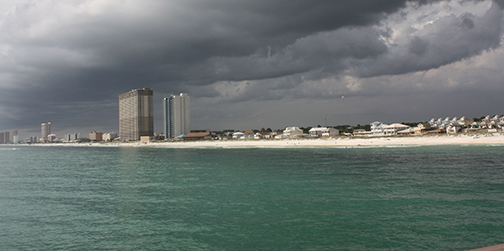
A calm morning on the Gulf can change by afternoon, and a named storm headed toward your vacation destination in the forecast can make a planned beach trip become uncertain quickly. Storm cancellation questions usually come down to one issue: what conditions actually affect your reservation, and what options apply under the rental agreement?
The answer rarely depends on a weather app alone. It depends on the property’s written cancellation terms, official local conditions, access to the area, and the timing of your reservation. Guests who know what to check can make decisions with more confidence and avoid last-minute misunderstandings.
Storm Cancellation Questions to Ask Before You Book
A vacation rental reservation represents a commitment by both sides. The property manager holds the home for your dates and prepares it for arrival. You agree to the payment schedule and cancellation terms provided at booking. That agreement should be the first place you look when weather becomes a concern.
Before you reserve a Panama City Beach stay during storm season, read the cancellation policy carefully. Ask whether the policy changes only when a mandatory evacuation order affects the rental property, or whether it also addresses road closures, utility interruptions, or other official restrictions. Do not assume that rain, wind, rough surf, or an unfavorable forecast automatically qualifies for a cancellation without penalty.
You should also ask what documentation the manager requires if a covered event occurs. A professionally managed rental operation should apply its agreement consistently across all guests and owners. Clear terms protect everyone involved.
Trip insurance deserves the same attention. Some plans may cover certain weather-related disruptions, but coverage varies significantly by policy, timing, and the reason for cancellation. Read the policy before you purchase it, especially the definitions for a named storm, evacuation, trip interruption, and destination uninhabitability. Insurance can add protection, but it does not replace reading the vacation rental agreement.
A Forecast Is Not an Official Restriction
Florida weather can produce strong thunderstorms, heavy rain, coastal flood advisories, and red-flag beach conditions without making a vacation rental inaccessible or unsafe to occupy. Those conditions may change beach plans, but they do not necessarily cancel a reservation.
The weather forecast changes by the hour. Storm tracks, arrival windows, and projected intensity will probably shift several times before a system reaches the coast. Making a cancellation decision days ahead based solely on early predictions may leave you outside the reservation’s cancellation window. Guests should avoid treating social media posts or unofficial forecasts as confirmation of local conditions.
Instead, monitor official emergency management updates and communicate directly with your property manager. The manager can address the reservation itself, including check-in status, property access, and any instructions specific to the home. Local authorities determine evacuations, bridge closures, curfews, and public safety restrictions.
Using a professional local property manager is the best way to keep informed about acutal local conditions.
What conditions usually matter most?
The most significant factors are official evacuation orders and actual access issues. A mandatory evacuation order for the property’s location carries a very different weight than a rainy forecast. Likewise, a confirmed road closure that prevents access may require a different response than a temporary beach closure or a warning to stay out of the water.
Power and water service can also matter, but guests should not make assumptions. A brief outage in a coastal community does not always mean a property cannot remain available. On the other hand, a prolonged utility disruption or physical damage may affect habitability. The property manager needs time to verify conditions, inspect when it is safe to do so, and communicate accurate information.
When Should You Contact Your Property Manager?
Contact the manager when an official storm watch, warning, evacuation order, or travel restriction could affect your dates. Reach out early, but keep messages focused on your specific reservation. Provide your name, property, arrival date, and reservation number if available. Ask whether the property has received any operational instructions that affect check-in or occupancy.
Avoid repeatedly requesting updates when conditions have not changed. During a significant weather event, management teams coordinate with guests, owners, maintenance professionals, and local authorities at the same time. A single, clear point of contact helps the team respond efficiently and keeps information organized.
If you are already staying in the property, follow all safety instructions you receive. Secure outdoor items only if the manager or local authorities advise you to do so and conditions allow it. Do not attempt repairs, enter flooded areas, or travel through standing water. If an emergency threatens life or safety, contact 911 first.
Emerald Beach Properties communicates directly with guests when verified local conditions affect a managed reservation. That approach provides better guidance than speculation and helps guests make decisions based on confirmed information.
If You Need to Cancel Before a Storm Arrives
Guests sometimes want to cancel because a storm might affect a future trip. In that situation, the standard cancellation policy generally remains the starting point until a covered event or official restriction applies. The exact outcome depends on the agreement, the date of cancellation, and the facts at that time. Typically in Florida reservations won't be affected unless there is an evacuation order issued.
This can feel frustrating, especially when a family has planned a long-awaited beach vacation. Yet changing terms based on every possible weather scenario would create uncertainty for travelers, homeowners, and the local teams preparing each property. Consistent policies allow a manager to treat reservations fairly while responding appropriately when an actual disruption occurs.
If you decide not to travel, notify the manager as soon as possible. Earlier notice may preserve more options under the cancellation terms than waiting until the final days before arrival. If you purchased travel insurance, contact the insurer promptly and retain the documentation it requests. A property manager cannot interpret or approve an insurance claim on the insurer’s behalf.
Keep in mind that storms are localized events that may cause some rain and wind but not rise to the level of an evacuation.
If a Storm Affects Your Stay
When an active storm affects the destination, prioritize safety over vacation plans. Follow instructions from Bay County and state emergency officials. If authorities issue a mandatory evacuation, leave by the stated deadline and take essential documents, medication, and personal belongings with you. Do not stay behind to protect luggage or wait for a better view of conditions.
After the storm passes, return only when authorities reopen the area and the manager confirms that the property can receive guests. Recovery can involve debris removal, inspections, utility restoration, elevator service, and roadway access. Even when the sky clears, a building or neighborhood may need additional time before normal operations resume.
Guests should understand that property managers cannot promise a reopening time before they receive verified information. They must protect guests from entering unsafe conditions and protect the property from avoidable damage. Accurate updates may take longer than anyone wants, but they serve a practical purpose.
Keep records without creating confusion
Save confirmation emails, receipts, official notices, and communications related to the disruption. If you need to submit an insurance claim, organized records can help. Keep your messages factual: note the dates, the official order or restriction, and the reservation impact.
At the same time, rely on the rental manager for reservation questions and the insurance provider for coverage questions. These are separate responsibilities. Clear communication prevents a weather event from becoming an administrative problem as well.
A Better Way to Plan for Storm Season
Storm season does not mean you should avoid a Gulf Coast vacation. Panama City Beach offers warm water, bright sand, and quieter stretches of the calendar that many guests prefer. It does mean you should plan with realistic expectations.
Review cancellation terms before you reserve and pay. Consider trip insurance at the time of booking since it won't be available after you pass the time limit for purchase. Keep a close eye on official updates as your arrival date approaches, and use the property manager as your source for reservation-specific information.
Good preparation will not control the weather. It will give you a clear path when conditions change, so you can focus on safety, communicate effectively, and make the best decision for your trip.
Posted on 10/27/2026 in Emerald Beach Properties, Panama City Beach, Vacation Planning, Vacation Rentals, Weather # Emerald Beach Properties, Hurricanes, Vacation Rentals, weather