Recently Viewed
Favorites

July 7, 2026

Beach Safety in PCB: What Visitors Need To Know

A calm Gulf morning can turn risky faster than you might think. That is why beach safety deserves more than a quick glance at the water from your balcony. Conditions change by the hour, and a beach day goes better when you treat the shoreline with the same respect you give the sun, traffic, or any other vacation activity.

Panama City Beach gives families long stretches of sand, warm water, and clear views that make it easy to relax. That same setting can create false confidence. Gentle-looking surf can still hide a strong current, and bright weather does not guarantee safe swimming. The best approach is simple - check conditions early, stay alert, and make decisions that match the weakest swimmer in your group, not the strongest.

Beach safety in PCB starts before you reach the sand

Most beach problems begin with assumptions. Guests assume the water will stay as calm as it looked at breakfast. Parents assume children will remain in the same area. Strong swimmers assume they can handle rough surf because they swim well in a pool. Those assumptions can create avoidable risk.

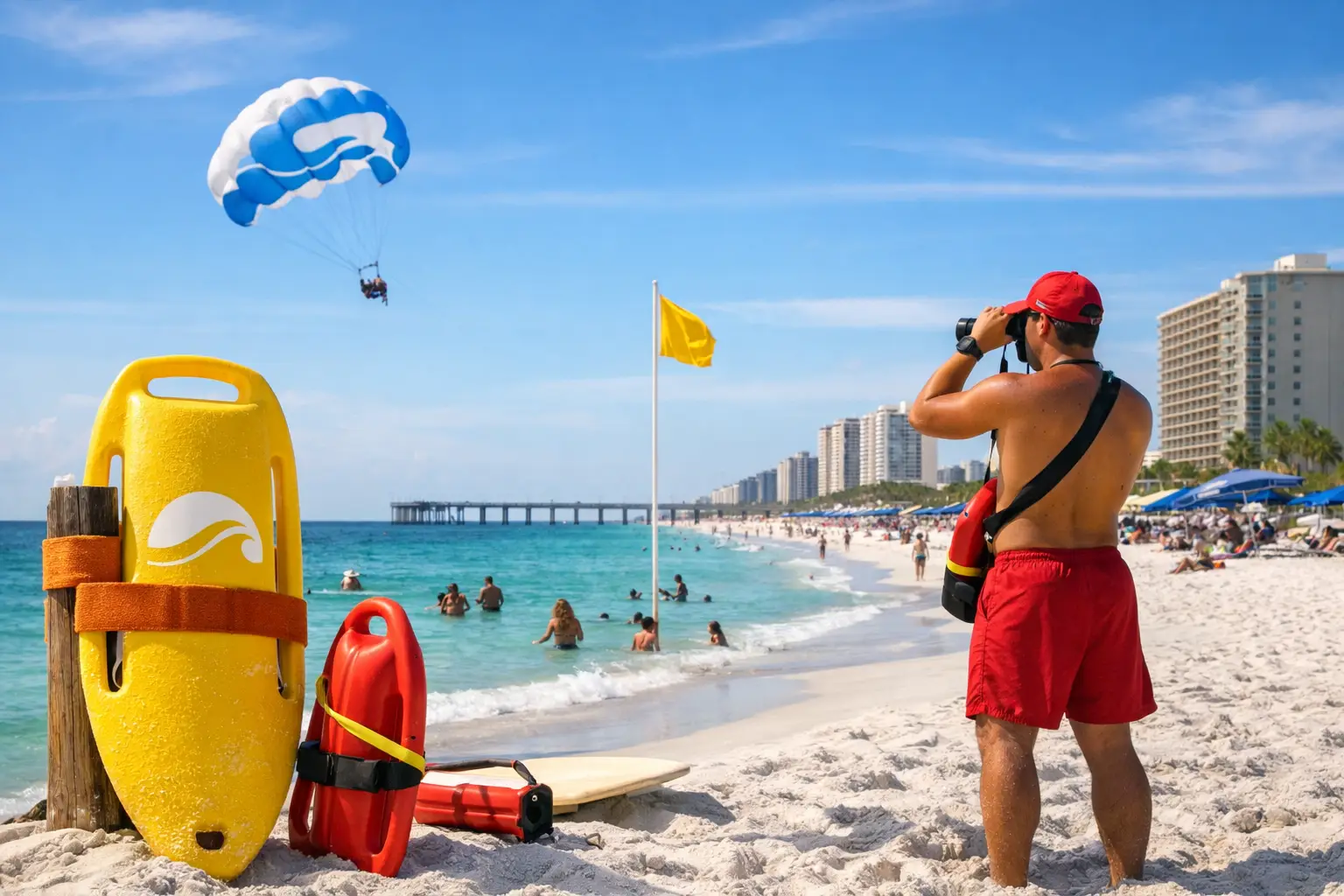
Start your day by checking the beach flag status and the weather. In PCB, flags are not decoration. The flag conditions are posted in every vacation rental managed by Emerald Beach Properties. Check the postings and be aware of what the different colored flags mean. They communicate current water conditions and should drive your plan for the day. If the flags indicate dangerous surf, change the activity. Walk the shore, build sandcastles, or use the pool. A vacation schedule should never overrule beach conditions.

It also helps to set expectations before anyone carries a chair onto the sand. Choose a meeting point. Decide who watches younger children at all times. Put phones in a place where adults can reach them quickly. Small systems prevent confusion when the beach gets crowded.

Understanding the flag system and what it means for your group

The flag system gives you the fastest read on water risk. Many visitors know the colors in general terms but do not always apply them correctly.

A green flag signals calmer conditions, not zero risk. You still need to watch children, assess wave action, and stay aware of drop-offs and fatigue. A yellow flag means moderate hazard. That usually calls for tighter supervision, shallower play, and a more conservative mindset. A red flag means high hazard. Swimming becomes a poor choice for most visitors, especially children, older adults, and anyone without open-water experience. Double red means the water is closed to the public. At that point, the decision is already made for you.

Purple flags warn about dangerous marine life. That does not always mean you need to leave the beach, but you should adjust behavior to avoid contact with marine pests such as jelly fish. Shuffle your feet in shallow water when appropriate, keep a closer eye on children, and avoid casual wading if jellyfish or other hazards are active.

The trade-off is straightforward. Some visitors see a yellow or red flag and feel frustrated because they planned a full water day. The safer choice may feel inconvenient, but it protects the trip. A single injury or rescue can end a vacation much faster than a changed itinerary.

Rip currents are the risk many visitors underestimate

If there is one hazard that deserves serious attention, it is the rip current. In PCB, rip currents can form even when the beach looks calm from shore. They do not always appear dramatic. Often, they look like a calmer, darker, or choppier section of water between breaking waves.

People get into trouble when they fight the current trying to swim directly back to shore. That burns energy fast. If a rip current pulls you away from the beach, stay as calm as possible, float if needed, and swim parallel to the shoreline until you move out of the current. Then angle back toward shore. If you cannot make progress, signal for help and keep conserving energy.

For families, the more practical point is prevention. Stay near lifeguards when available. Keep weaker swimmers in shallow water. Do not use inflatables as a substitute for swimming ability or adult supervision. Wind and current can move floats farther and faster than many people expect.

Who needs the closest supervision

Every beach group has different risk levels, and strong planning helps keep your entire group safe. Young children need constant, active supervision near the waterline, not periodic check-ins from a chair. One adult should watch the child, and that adult should not split attention with a phone, a conversation, or a cooler setup.

Teenagers often create a different challenge. They may look capable and want independence, but they also take more chances in surf. Set clear boundaries for how far they can go and what flag conditions end water activity.

Older adults and guests with medical conditions need their own plan. Heat, fatigue, uneven sand, medication effects, and changing surf can combine quickly. That does not mean they should avoid the beach. It means they should use easier access points, limit time in direct sun, hydrate early, and avoid entering rough water.

Visitors who are confident pool swimmers also need a reality check. Open water demands different judgment. Waves, current, uneven bottoms, and reduced footing change everything you thought you knew about swimming.

Sun, heat, and hydration are safety issues too

Not every beach emergency starts in the surf. In Florida, heat and sun exposure put plenty of visitors in trouble before they ever reach knee-deep water.

Build your day around protection, not recovery. Apply broad-spectrum sunscreen before you head out, and reapply it on schedule, especially after swimming or sweating. Use shade intentionally. A beach umbrella helps, but it does not replace sunscreen or hydration. Drink water consistently through the day, not only when someone says they feel thirsty.

Children often ignore early signs of overheating because they are busy. Adults do the same because they do not want to stop the fun. Watch for flushing, headache, dizziness, unusual fatigue, nausea, or irritability. Those signs deserve action right away. Move into shade, cool down, and hydrate.

The same rule applies to alcohol. A drink on the beach may feel harmless, but alcohol lowers judgment and increases dehydration. That matters more when surf conditions already require caution.

Set up your beach spot with safety in mind

Where you place your chairs matters more than most people think. Choose a spot that gives you a clear line of sight to everyone in your group. Avoid setting up so far from the main activity area that supervision becomes reactive instead of active.

Pay attention to access points and posted notices. Use established walkways rather than climbing over dunes. If there are mobi-mats available, they are the best way to access and leave the sandy beach. Dunes protect the coastline, and damaged dunes create long-term problems for the beach environment. Operational discipline matters here too. Respect the posted rules because they exist for safety, preservation, and access control.

Keep the area organized. Shoes, toys, bags, and coolers scattered across the sand create tripping hazards when people move quickly. If a child bolts toward the water or someone needs help, a cluttered setup slows response time.

Weather changes require fast decisions

Storm risk is one of the easiest hazards to dismiss and one of the most common reasons a beach day should end early. In coastal weather, conditions can shift quickly. Darkening clouds, rising wind, distant thunder, or a sudden drop in beach activity are all cues that it's probably time to pack your gear and head back to the vacation rental.

Do not wait for rain to start before you leave. Lightning can strike well ahead of a storm cell. When thunder is audible, the beach is no longer a safe place to stay exposed.

Wind also changes water conditions, even when the sky still looks inviting. Stronger onshore wind can increase surf and make inflatables harder to control. That is often the moment when families should leave the water, even if they planned to stay another hour.

A safer beach day usually feels less dramatic

The best beach days rarely involve last-second decisions or avoidable rescues. They come from steady judgment. Check the flags. Watch the water. Respect changing conditions. Keep your group close, hydrated, and realistic about their swimming ability.

That mindset protects more than a single afternoon. It gives your family room to enjoy the shoreline with confidence, and it helps every part of the trip run better. When you treat the beach with respect, the experience stays what it should be - memorable for the right reasons.


July 6, 2026

August in Panama City Beach FL: What to Expect

School calendars start to pull some families home, but the beach does not slow down overnight. August in Panama City Beach FL still feels like full summer - bright mornings, hot afternoons, warm Gulf waters, and long beach days that reward good timing. If you plan a late-summer trip, you need a clear picture of the weather, crowd patterns, and the trade-offs that come with one of the hottest months of the year.

What August in Panama City Beach FL really feels like

August brings true summer conditions. Expect daytime highs in the upper 80s to low 90s, high humidity, and a heat index that can push higher by early afternoon. Mornings usually feel more comfortable, especially near the water, while the middle of the day can turn intense very quickly.

The Gulf is one of August's strongest advantages. Water temperatures stay warm enough for long swims, floating, paddleboarding, and relaxed sandbar time without the chill that some visitors feel in spring. For families with younger kids, that warmer water often makes beach time easier and more enjoyable.

The trade-off is obvious. Heat and humidity can wear people down if they try to stay outside from late morning through mid-afternoon without a plan. Visitors who enjoy active beach days usually do best when they start early, take a break indoors during peak heat, and head back out later.

Weather patterns to plan around

August weather usually follows a rhythm. Many days start sunny, then build toward scattered afternoon showers or thunderstorms. These storms often move through quickly, but they can interrupt beach plans with little notice.

That does not mean every day turns stormy or that a forecast with rain ruins a trip. In coastal Florida, a rain icon on the forecast may mean a short late-day storm instead of a washout. The better approach is to treat August weather as manageable rather than predictable. Build flexibility into each day and avoid locking your entire schedule into one narrow window.

Tropical activity also deserves attention in August. It is part of hurricane season, and while most travelers never face serious disruptions, conditions in the Gulf can change quickly. If you book an August stay, pay attention to forecast updates as your trip approaches and understand any reservation terms before arrival. Confidence comes from preparation, not guesswork.

Beach conditions and water time

For many guests, August is all about maximizing time on the sand and in the water. That part of the trip often delivers. The Gulf usually looks inviting, the sand stays bright and busy, and sunset beach walks still feel like peak season.

Still, beach safety matters more than aesthetics. Gulf conditions can shift on a moment's notice with wind, storms, and currents. Flag warnings are posted for a reason. Strong swimmers sometimes underestimate the water when the surface appears calm near shore. Families should treat flag conditions as operational guidance, not background information.

The hottest part of the day also changes how people use the beach. Shorter sessions often work better than all-day setups. Early morning is ideal for walking, shell hunting, and quieter shoreline time. Late afternoon and early evening usually bring a second wind, especially once the sun starts to drop.

Crowd levels in August

August sits in an in-between space. It still attracts summer travelers, but crowd patterns often change as the month moves along. Early August can feel close to peak season, especially around weekends. Later in the month, some areas may feel more open as school schedules resume in the many different drive markets served by PCB.

That shift can work in your favor if you want summer energy without the heaviest midsummer pressure. Beaches, restaurants, and attractions still stay active, but timing matters. A weekday morning can feel very different from a Saturday afternoon.

For vacation rental guests, this is where planning creates value. A well-located property helps you avoid unnecessary driving, parking stress, and overly packed public access points. Staying close to the beach or near the spots you expect to visit most can make August feel much easier.

What to pack for an August stay

Packing for August requires less variety. You need clothing that handles heat, humidity, and quick weather changes. Breathable fabrics, multiple swimsuits, sandals that dry fast, and a light layer for over-air-conditioned indoor spaces usually cover the basics.

Sun protection matters more than many visitors expect. In August, direct sun plus reflected glare from the sand can add up fast. Bring high-quality sunscreen, hats, sunglasses, and enough shade support for beach days. If you travel with children, plan for extra water, snacks, and breaks rather than trying to push through the hottest hours.

A rain jacket or compact umbrella can help, but afternoon showers often pass quickly enough that patience works just as well. Waterproof bags for phones, keys, and beach gear usually provide more practical value than heavier rain equipment.

Best ways to structure your day

August rewards travelers who respect the clock. The most comfortable beach days usually start early. Get outside in the morning when the air feels lighter, the sand has not heated up, and the shoreline offers a relaxing pace.

By midday, many guests benefit from shifting indoors. That can mean lunch, downtime at the rental, shopping, a trip to the movies or a short reset before heading back out. This rhythm helps families avoid burnout and gives everyone a better chance of enjoying the evening.

Late afternoon and early evening often become the best stretch of the day. The beach remains beautiful, temperatures begin to soften, and sunset creates a natural close to the day. If afternoon storms roll through, they sometimes clear the air just in time for a better evening outside.

Is August a good time for families?

Yes, for many families, but the answer depends on how you travel. If your group enjoys full summer conditions, wants warm water, and does not mind planning around heat and scattered storms, August can be a strong fit. Children who love swimming often do especially well when the Gulf feels this warm.

If your family struggles with heavy heat, has very young children who tire easily outdoors, or prefers tightly scheduled days, August may require more effort. The month works best when expectations stay realistic. You are not trying to force nonstop activity from breakfast to sunset. You are building a trip around the weather instead of competing with it.

That same logic applies to multi-generational groups. Grandparents, toddlers, and teens rarely want the same pace in August. A comfortable vacation rental with space to cool off, regroup, and move in and out of the day on your own schedule often matters as much as the beach itself.

Vacation rental considerations in August

August is a month where property choice can materially affect the quality of the trip. A rental with easy beach access reduces midday logistics. Strong air conditioning, functional parking, and a layout that supports rest between outings become more valuable when temperatures are high.

Guests should also think carefully about location. If you plan to spend most of your time on the beach, proximity matters. If your group expects dining, shopping, and mixed activities, convenience across the full stay matters just as much. Emerald Beach Properties serves travelers who want that location advantage paired with professional management and clear expectations.

Should you visit in August?

August makes sense for travelers who want real summer and know how to use it well. The beach is beautiful, the Gulf is warm, and the month can offer a favorable balance between peak-season energy and late-summer shifts in crowd levels. It asks for planning, but it also pays off with long beach days and classic coastal evenings.

If you come prepared for heat, stay flexible with weather, and choose your property carefully, August can deliver exactly what many guests want from a Panama City Beach stay - time outside, easy access to the water, and a vacation rhythm that still feels like summer right up to the end.
June 26, 2026

Panama City Beach Sunsets-Wow!

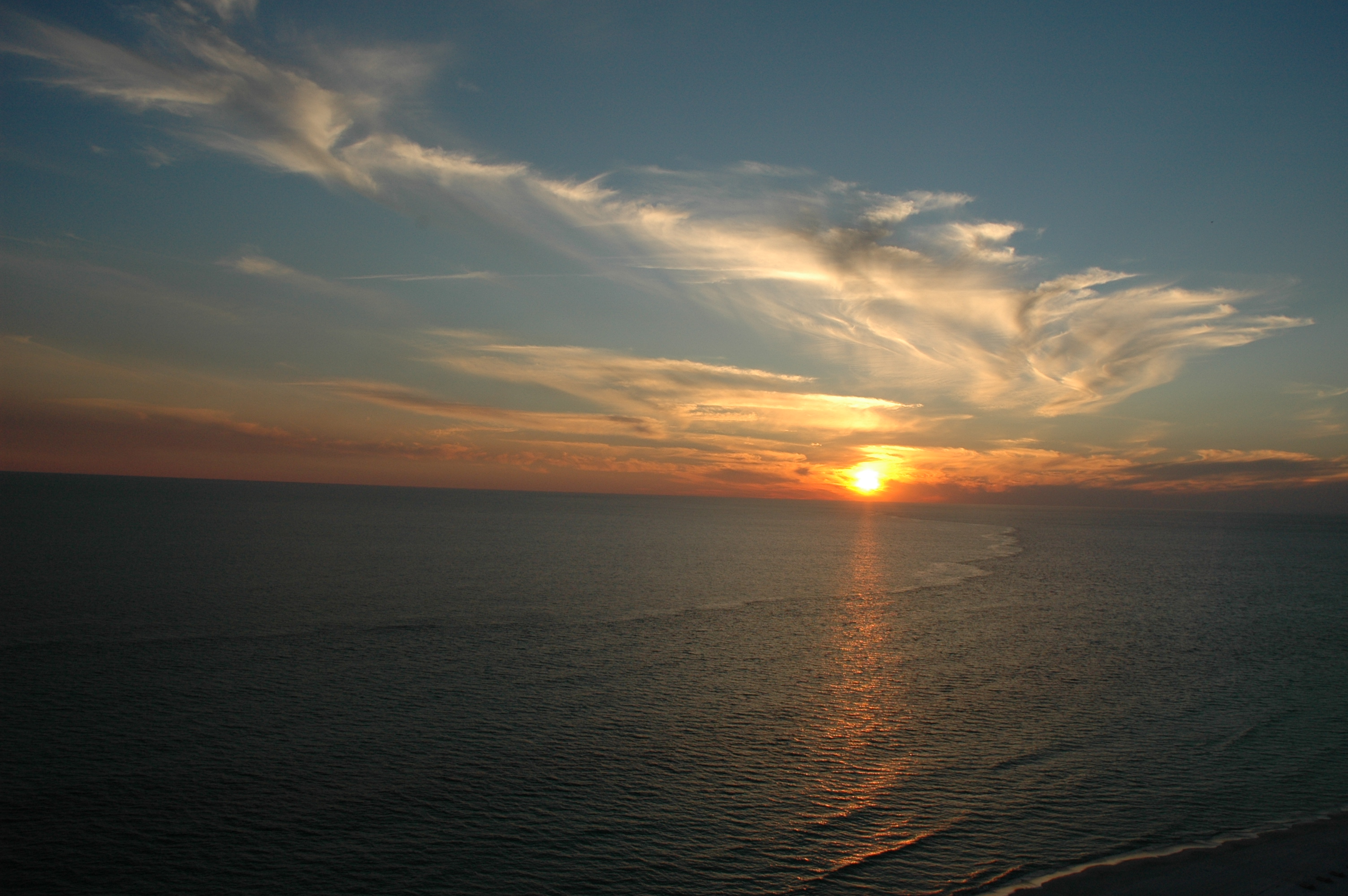
The last hour of daylight changes the pace of a beach day. Swimsuits give way to light jackets, the air softens, and conversation slows as people turn toward the Gulf. Panama City Beach sunsets have that effect. They do not need much introduction. They need the right place, a clear western view, and a little patience.

For guests planning a stay, sunset is not a small detail. It shapes where you book, when you head back from dinner, and how you use your evenings. There's just something special about location when you are looking for that perfect sunset. Vacation rentals with strong sunset views definitely leave a beautiful impression, and that impression matters in reviews, repeat bookings, and guest satisfaction.

Why Panama City Beach sunsets stand out

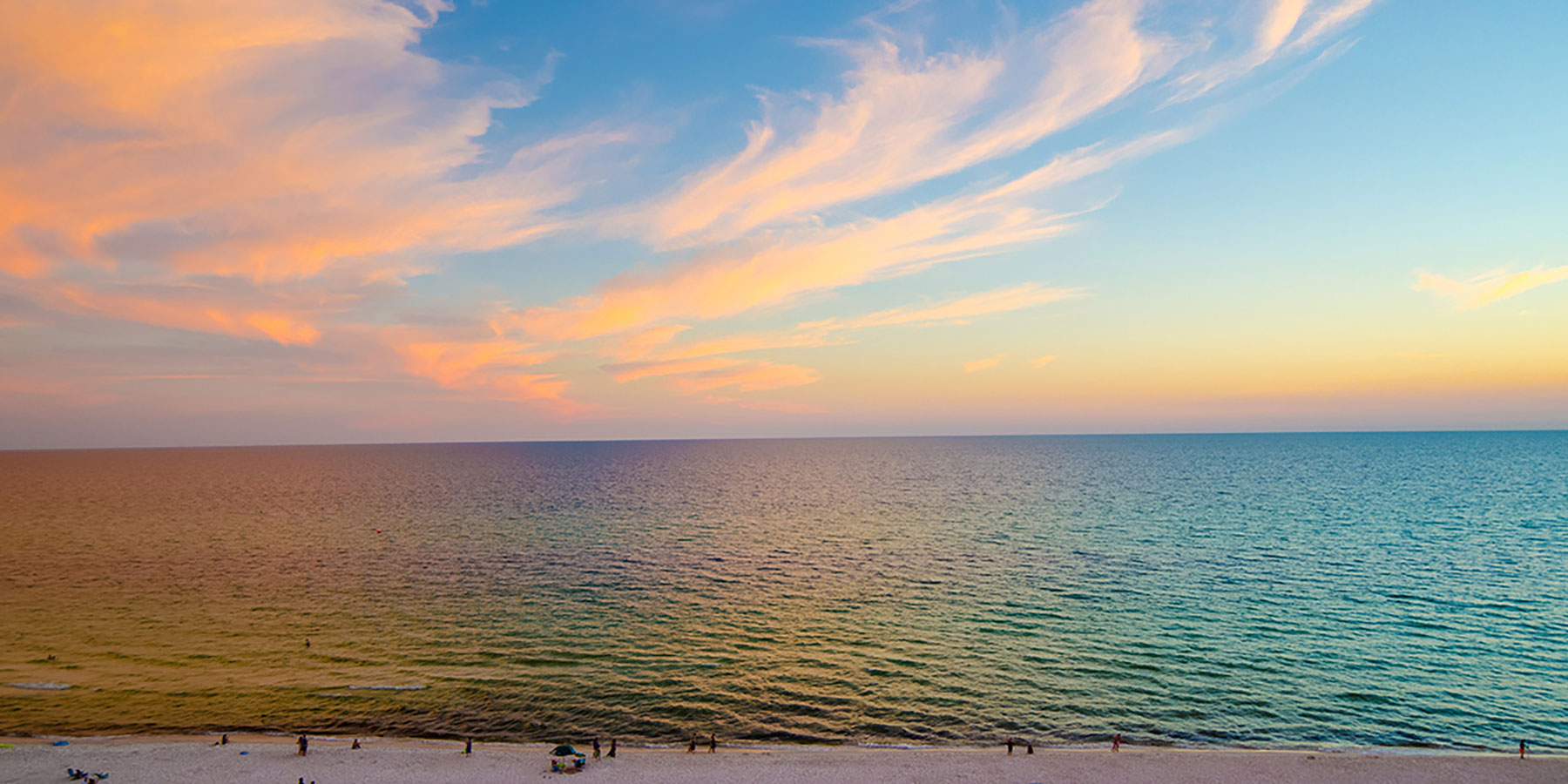
Not every coastal sunset looks the same. Panama City Beach benefits from a wide Gulf-facing shoreline, long sightlines, and open beach access that let the sky do the work. On a clear evening, the sun drops cleanly toward the horizon and throws warm light across the sand. On a partly cloudy evening, the show often gets better. High clouds catch pink and orange tones, while lower cloud bands can sharpen the contrast and make the color last longer.

The beach itself adds to the effect. White sand reflects light differently than darker shorelines, so the entire scene brightens in the final minutes before sunset. Water conditions matter too. A calm Gulf can mirror the sky with a polished look, while a breezier evening creates texture and more movement. Neither is better every time. It depends on what you enjoy - a still, glassy horizon or a more dramatic surface under changing light.

Season plays a role as well. Summer sunsets usually arrive later, which works well for families who want a full beach day before settling in for the evening. Fall often brings clearer air and slightly less haze, which can sharpen visibility and deepen color. Winter sunsets come earlier and can feel quieter, especially on less crowded stretches of beach. Spring changes quickly from week to week. No matter when you visit, you won't be disappointed!

Where to watch Panama City Beach sunsets

The best sunset spot usually starts with one basic requirement: an unobstructed western view. Gulf-front beaches deliver that most consistently, but not every access point feels the same.

A beachfront rental often offers the best experience because it removes the logistics. You do not need to find parking, carry chairs far, or time a drive across traffic. You can step onto the balcony or walk straight to the sand when the light starts to change. That convenience matters more than people expect, especially for families with children or groups trying to coordinate dinner, showers, and evening plans.

Public beach access points also work well when you want a simple, direct view. The wider the beach, the easier it becomes to spread out and avoid crowds. If your goal is photography, arrive earlier than you think you need to. Good sunset images rarely happen in the final two minutes alone. The strongest shots often come during the 20 to 30 minutes before the sun drops below the horizon and the 10 minutes after, when color lingers and the beach lights begin to shift.

Piers and waterfront dining spots can add a different perspective. They give you elevation, structure, and a sense of place beyond the shoreline itself. The trade-off is distraction. Restaurants bring noise, service timing, and seating angles that may not line up with the best view. Piers can draw crowds at prime time. If the sunset itself is the priority, beach-level or balconies facing the beach have the winning views.

Timing matters more than most people think

Many visitors make the same mistake. They show up at the posted sunset time. By then, they have already missed a big part of the experience.

The best approach is to treat sunset as a window, not a moment. Plan to be in place at least 30 minutes early. That gives you time to settle in, watch the color build, and adjust if cloud cover changes. It also reduces the stress that comes from racing the clock after dinner or parking farther away than expected.

Weather forecasts help, but they do not tell the full story. A completely cloudless evening can produce a clean, attractive sunset, but a few clouds often create more color. Heavy low clouds near the horizon can block the final drop of the sun, yet those same conditions may still produce vivid light above them. If the forecast looks mixed, it is usually still worth going.

Humidity and haze also shape the result. Summer air can soften the horizon and mute detail, while cooler months often bring crisper edges. That does not mean summer sunsets disappoint. They simply feel different - more diffused, sometimes more pastel, and often more dependent on cloud texture.

How to make sunset part of the trip, not an afterthought

A good sunset evening rarely happens by accident. It works best when you build around it.

If you are staying a few nights, do not save your only sunset attempt for the final evening. Weather changes fast on the coast, and one cloudy or rainy night can mess up your sunset plan. Give yourself several opportunities. Guests who do this usually end up enjoying the experience more because they stop treating it like a scheduled performance and start treating it like part of the rhythm of the trip. We like to do sunset every evening to be sure we don't miss a thing.

Dinner timing matters too. An early meal before sunset usually works better than trying to eat during it. You avoid the rush, and you are not glancing at the horizon between menu decisions and checks. If you prefer dining after sunset, the transition is easier. Watch the sky, head in as the light fades, and let the evening continue without feeling split in half.

For families, simple preparation makes a difference. Bring a towel or light chairs, keep sandals nearby for cooler sand, and expect younger children to last only so long if they have already spent a full day on the beach. For couples or small groups, sunset often works best when you leave a little room around it. Not every evening needs an event stacked behind it.

What sunset views can signal in a vacation rental

Guests often search for beach access, pools, and sleeping capacity first. Those matter. But sunset views create a different kind of value. They shape memories that will last a lifetime.

A rental with a direct Gulf view gives guests a reliable evening experience without extra planning. That can change how the property feels over the course of a stay. Morning coffee on the balcony is pleasant. Sunset from the same spot often becomes the moment people talk about after they return home.

That does not mean every vacationrental needs a front-row Gulf view for you to enjoy your vacation sunsets. Properties a short walk from the beach can still serve you very welleffectively if access is simple and the location supports easy evening routines. The difference is convenience. The easier it is to step out and catch the sky at the right time, the more likely guests will actually do it.

Common expectations, managed well

Sunset photos online can create unrealistic standards. Some evenings will be brilliant. Some will be subtle. A good coastal stay leaves room for both.

Wind, clouds, seasonal light, and beach traffic all shape the experience. A dramatic orange sky is memorable, but so is a quiet gray-blue evening with a clean horizon and the sound of the water carrying farther in cooler air. Guests usually enjoy sunset most when they stop grading it and start just enjoying it.

That same practical mindset helps when booking a stay. If sunset views matter to you, confirm what the property actually offers. A partial Gulf view and a direct beachfront view do not produce the same result. Floor height, building angle, and balcony orientation can all affect what you see. A professionally managed property team should be able to set clear expectations, and that clarity protects the guest experience. Our staff at Emerald Beach Properties can assist you with selecting the best sunset views.

Emerald Beach Properties understands that details like view, access, and layout are not secondary features. They shape the quality of the stay.

The best sunset plan is the one you can repeat

The strongest sunset experiences in Panama City Beach usually come from simple decisions made early. Stay close enough to the beach that getting there feels easy. Start earlier than you think you need to. Give the weather a chance to surprise you. Then let the evening do what it does best - slow everyone down for a little while.

That is part of the appeal of this shoreline. The sunset does not ask for much, but it rewards attention. If your trip leaves space for that, the end of the day often becomes the part you remember most.


June 16, 2026

Hurricane Season 2026 in Panama City Beach

Booking a beach stay or managing a coastal property always comes with one practical question: what does hurricane season 2026 mean for plans, revenue, and risk? For guests, it affects timing and travel flexibility. For owners and investors, it affects operations, maintenance, insurance, and how well a property performs when conditions change fast.

For Florida's Gulf Coast, hurricane season is not a rare event window. It is a defined operating period that runs from June 1 through November 30. That does not mean every week brings severe weather, and it does not mean vacation travel should stop. It means decisions should be made with clear expectations, documented processes, and realistic backup plans.

What hurricane season 2026 actually means

The phrase hurricane season 2026 can sound bigger than it is if you are new to coastal travel or beach property ownership. In practical terms, it is the annual Atlantic hurricane season for the 2026 calendar year. Forecasts will change as meteorologists release seasonal outlooks, but the core planning framework stays the same every year.

Storm risk is not evenly distributed from June through November. Activity often increases later in the summer and peaks in the late summer to early fall period. That matters for both travelers and owners. A June reservation and a September reservation do not carry the same statistical risk profile, even though both fall within season.

That said, averages can mislead people. A quiet forecast can still produce a damaging storm. A busy forecast can still leave a specific market with very little direct impact. The right posture is not panic or complacency. It is preparation.

Hurricane season 2026 for vacation guests

If you are planning a beach trip, the biggest mistake is treating weather risk as either nothing or everything. Most stays during hurricane season proceed without major disruption. At the same time, one storm system can alter road access, flight schedules, beach conditions, and local operations with very little notice.

The first step is booking with realistic flexibility. Before confirming a stay, understand the cancellation terms, storm policies, and how notifications are handled if local conditions change. Guests often focus on nightly rate and location first, then read the policy details later.

Travel insurance can make sense, but only if you know what it covers. Some policies cover named storms or mandatory evacuation orders. Some are narrower than travelers expect. The details matter, especially for drive-to destinations where a trip may still be possible even if conditions are poor.

Timing also matters. If your schedule is flexible, earlier summer can feel less uncertain than peak storm months. That is not a guarantee of good weather, and off-peak booking can also bring trade-offs such as hotter temperatures or occasional rain patterns. Still, for many families, shifting travel dates can reduce stress without giving up the beach experience.

What owners should do before hurricane season 2026

Owners of vacation rentals need a stricter standard than casual preparation. A coastal property is an income-producing asset, and hurricane season tests both the structure and the operating system behind it.

Start with physical readiness. Roof condition, exterior fasteners, drainage, windows, doors, and trim should be inspected before the season starts, not after a storm watch is issued. Deferred maintenance becomes expensive during storm season because repair capacity tightens quickly when demand spikes.

The next issue is documentation. Insurance information, appliance records, contractor contacts, inventory lists, and photo documentation should be current and organized. When a storm threatens or damage occurs, delays often come from missing records rather than the damage itself.

Owners should also confirm who is responsible for each action when a storm approaches. That includes securing outdoor furniture, checking shutters or protective coverings, communicating with upcoming guests, and documenting property condition. Ambiguity creates preventable losses. A written process is not excessive. It is basic operational control. Most condo complexes and management companies have written plans in place for hurricanes.

For managed rentals, this is where working with a disciplined local operator matters. In beach markets, hurricane readiness is not just maintenance. It is communication, compliance, vendor coordination, and decision-making under time pressure. Look for a management company this has experience and is prepared to get furniture moved inside and to check the properties after the storm passes.

Hurricane season 2026 and booking performance

Storm season does not automatically erase rental demand. In many Gulf Coast markets, summer is the most active season, and shoulder periods also perform well. The real issue is volatility.

Guests tend to book differently during storm season. Some reserve far in advance and prioritize policy clarity. Others wait longer and watch forecasts more closely. Owners should expect demand patterns to shift around major weather events, even when the property itself is unaffected. Hurricanes are localized events and just because there is a storm in the Gulf does not mean that your plans need to change.

A well-prepared property tends to outperform a similar property with weak communication. Guests want to know that someone is monitoring conditions, issuing updates, and managing the property professionally. Confidence supports bookings.

What buyers and investors should watch

For buyers considering coastal real estate, hurricane season 2026 is not just a weather topic. It is part of underwriting. Any serious purchase decision in a beach market should account for storm exposure, insurance costs, reserve planning, and how resilient the property is from both a structural and operational standpoint.

This does not mean coastal property is a bad investment. It means you need a realistic model. Insurance premiums, deductibles, inspection findings, and construction quality all affect net performance. A well-located property with strong rental appeal can still be a strong asset, but only if the ownership plan includes storm-related costs and downtime assumptions.

In Panama City Beach, this is especially relevant because location drives demand, but coastal location also shapes exposure. Properties closer to the water can command stronger guest interest while requiring tighter attention to condition, weather readiness, and long-term maintenance discipline.

A practical storm-readiness standard

Whether you are traveling, owning, or buying, the useful question is not whether a storm will happen. It is whether your plan holds up if one does.

For guests, a good standard plan means you know the booking terms, understand evacuation possibilities, and have a backup travel decision point. For owners, it means the property is inspected, records are updated, vendors are identified, and guest communication procedures are in place. For buyers, it means your deal analysis includes insurance, reserves, and realistic disruption scenarios.

The people who struggle most during hurricane season are usually not the ones facing uncertainty. They are the ones facing uncertainty without a system.

How to think about risk without overreacting

The market tends to swing between two bad habits during storm season. One is denial - assuming everything will work out because most trips and most months do. The other is overreaction - treating any mention of hurricane season as a reason to avoid coastal travel or ownership entirely.

Neither approach is sound. Coastal markets have always required informed decision-making. That is part of the value equation. You get location, demand, and lifestyle benefits, but you also accept operational realities that inland markets do not face in the same way.

A professional approach is calmer and more useful. Monitor forecasts from trusted official sources. Read your documents before you need them. Maintain the property before stress hits the system. Communicate early. Keep expectations realistic.

That discipline is what turns hurricane season from a vague concern into a manageable part of operating, booking, or owning beach property. For guests, that can mean a better trip experience even when the forecast is uncertain. For owners and investors, it can protect both revenue and asset value.

As hurricane season 2026 approaches, the best move is simple: make your decisions early enough that weather does not force them for you.

April 1, 2021

Panama City Beach: Hurricanes and Tropical Storms

The weather is a fact of life in Florida.  Located on the Gulf of Mexico, we experience the amazing power of the ocean every day.  Most days it is serene and beautiful.  Even cloudy days with rain are special.  They say any day at the beach is better than a day at work!  We do have the occasional tropical storm or hurricane, too.  It’s the small price we pay for living on the ocean!

Hurricane Season starts June 1 and ends November 30.   In our area the highest chances of Hurricanes are in September.  During this time of year, we watch the National Hurricane Center as storms make their way across the Atlantic and sometimes into the Gulf of Mexico.  If there is a storm in the Gulf of Mexico, the authorities watch the tracks closely and we are well informed in advance of the progress of every storm. Not every storm becomes a hurricane or even a tropical storm. You can visit the national hurricane center online to track incoming storms at https://www.nhc.noaa.gov.   The Weather Channel usually has really dramatic coverage of any possible storm.  The locals say that when Jim Cantore and his pals show up, you are in for rough weather.

www.nhc.noaa.gov

You’ll have plenty of notice if you need to evacuate and we’ll let you know if we think you should re-schedule your trip due to an incoming storm.  Trip insurance that covers weather related cancellations is a really good idea for trips during hurricane season.

The Top 50 cities likely to experience tropical storms and hurricanes include Cape Hatteras, North Carolina at every 1.32 years, Grand Bahama Island, Bahamas, Cayman Islands, Bermuda, Savannah, GA, Sable Island, Nova Scotia, Tampa, Florida, Turks & Caicos, Pensacola, FL, Norfolk VA, New Orleans, LA.  Panama City Beach, FL is way down at  #47 on the list at about every 2.33 years.  This does not mean we have a hurricane every 2.33 years, it’s just the average over the last 149 years.

The official list of hurricanes in Florida was started in 1851. This list includes Category 3 and stronger hurricanes. For the first 66 years, the list had 11 hurricanes.  Five of those caused damage in Bay County.

For the next 57 years (1918-1974), no major storm hit Bay County. People thought that this trend would continue and the we were all safe from hurricanes.

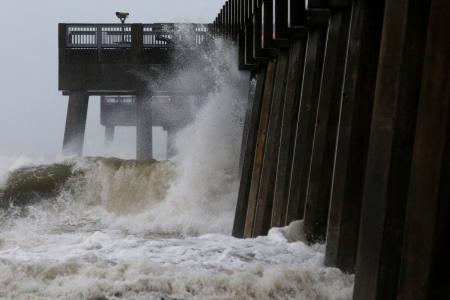
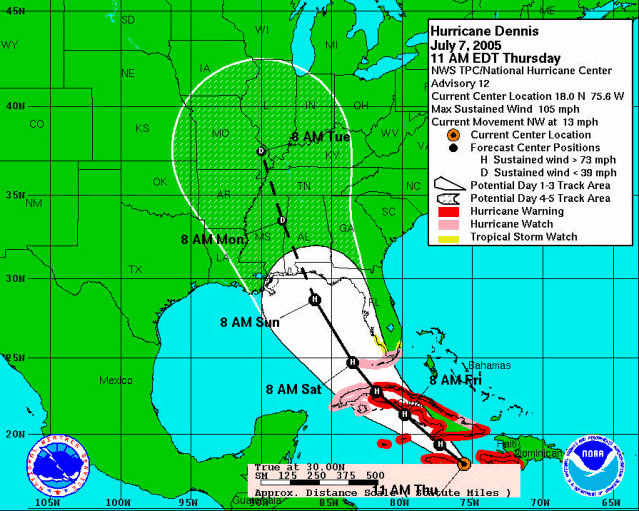
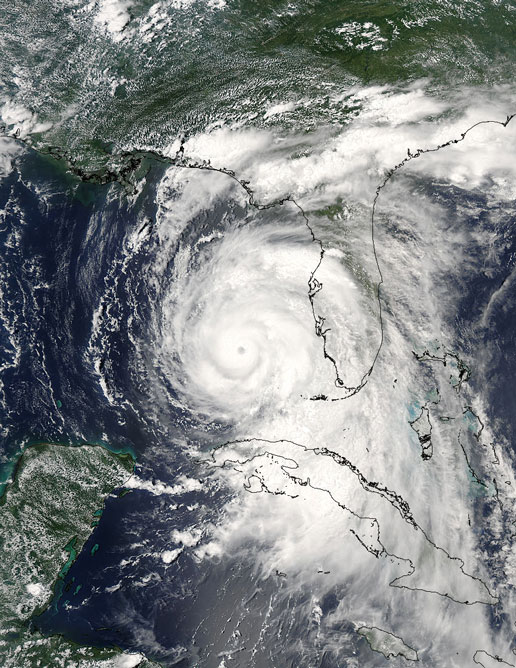
However, since 1975 we have had several big hurricanes: Eloise (Sept. 23, 1975), then Opal (Oct. 4, 1995), Ivan (Sept. 16, 2004), Dennis (July 10, 2005), and Michael (Oct. 10, 2018). From 1975 through 2020, there were 12 major recorded storms and Bay County was affected by 5.

Every storm is not the same, and most are not serious, thank goodness! Michael in 2018 was a Category 5 and was devastating to the local area.  When you visit us, if you travel to Panama City across the Hathaway Bridge while you are here, you’ll likely see some of the destruction that is still visible 3+ years after Michael.  The interesting thing about Michael is that even though we had a direct hit in Panama City (over the bridge from the beach), damage was horrible in that area but, areas 75-100 miles away saw little or no damage at all.

The thing to remember is that our weather in Panama City Beach is usually BEAUTIFUL with no sign of storms or hurricanes on the horizon so, don’t let the remote possibility that one might pop up keep you from visiting and enjoying the BEACH!

Hurricanes and tropical storms may cause rain and wind across large areas but, the areas of severe damage are relatively small. Keep an eye on the local news for information about evacuations and where you can seek shelter if it becomes necessary.