

Considerations When Buying Vacation Rental Beach Properties in Panama City Beach Florid
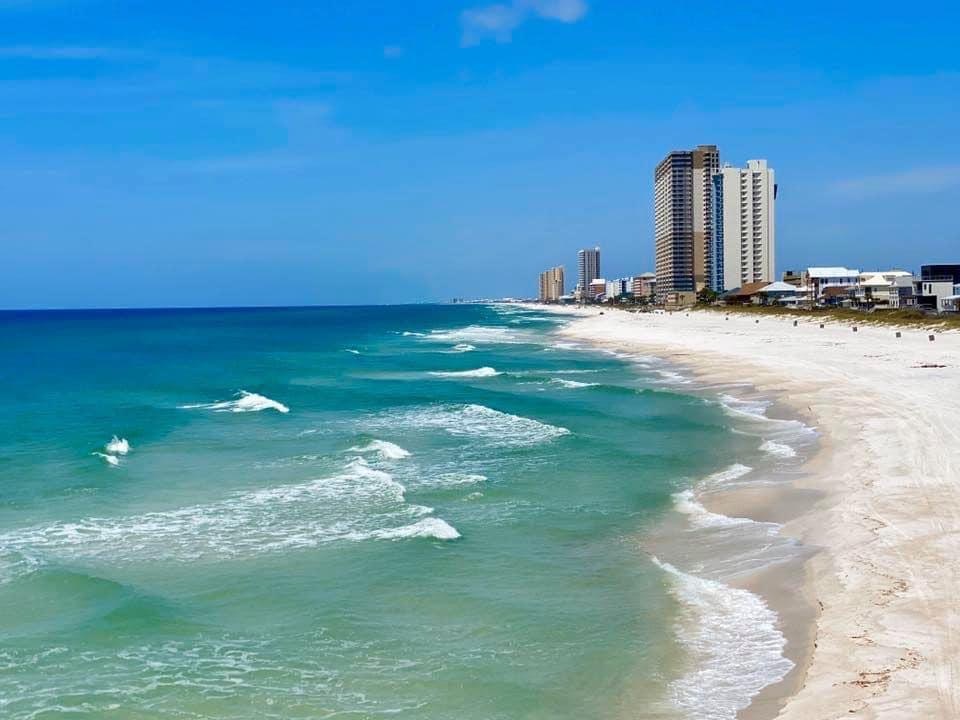
A beachfront condo that looks perfect in photos can feel very different once you factor in walkability, flood exposure, parking, HOA rules, and how the unit performs outside peak season. That is the real conversation around vacation rental beach properties Florida buyers and travelers care about - not just whether a listing is attractive, but whether it works for the way they plan to use it.
For some, that means securing a reliable place for family vacations in Panama City Beach. For others, it means finding an income-producing asset that can hold up under high guest turnover, weather risk, and the operating demands of a coastal market. The right property can do both, but only if the decision starts with the right filters.
What makes vacation rental beach properties in Florida different
Beach properties operate under a different set of pressures than inland homes. Salt air accelerates wear on exterior materials, windows, HVAC systems, and metal components. Insurance costs can be materially higher. Building maintenance matters more, and deferred upkeep becomes expensive quickly.
That does not make coastal property a poor investment. It means the margin for casual decision-making is smaller. A unit with a strong location but weak building management may underperform a less flashy property in a better-run complex. The same principle applies to single-family homes near the beach. Proximity to the water supports demand, but operating costs, access, parking, and local rental rules shape the real outcome.
In Florida, location also changes the rental profile. Some beach markets lean heavily on seasonal tourism. Others draw year-round visitors because they combine beach access with events, second-home demand, and regional drive-in traffic. Panama City Beach remains attractive because it serves multiple buyer types at once - vacationing families, second-home owners, and investors looking for strong short-term rental demand.
How to evaluate vacation rental beach properties Florida buyers actually want
The most useful question is not, "Is this property nice?" It is, "Who is this property for, and how often will that customer book it?" Properties that perform well tend to match a clear guest profile.
A one-bedroom beachfront condo may produce solid occupancy if it appeals to couples and small families seeking direct beach access at a manageable price point. A larger home with a private pool may command higher nightly rates, but it also brings higher acquisition cost, more maintenance, and potentially more vacancy risk if pricing is not disciplined. Bigger is not automatically better.
The same applies to amenities. Gulf views, beach access, balcony space, bunk areas for children, in-unit laundry, and dependable parking have direct booking value. Features that seem secondary in a standard residential purchase can strongly influence vacation demand. Elevators, luggage access, owner storage, and proximity to restaurants or family attractions often affect guest satisfaction more than upgraded finishes alone.
If you are buying primarily for personal use, your standards may be different. You may care more about quiet, layout, or long-term appreciation than maximizing occupancy. That is a valid approach. The key is to be honest about the primary objective, because a property selected for personal preference will not always be the strongest rental performer.
Panama City Beach requires local judgment
Not every beach area in Florida functions the same way, and not every part of Panama City Beach performs the same way either. Some buyers focus too broadly on the state and miss the fact that block-by-block differences can affect rental demand, traffic flow, beach access, and resale value.
In Panama City Beach, location decisions often come down to trade-offs. Direct beachfront properties usually carry stronger guest appeal and premium pricing, but they may come with higher COA dues, greater exposure to building-wide assessments, and tighter inventory. Properties slightly off the beach can offer more space, lower entry cost, or easier parking, but they rely on a different renter profile and may need stronger pricing strategy to stay competitive.
This is where a specialized local firm matters. Emerald Beach Properties works in the Panama City Beach, FL market where small location differences can have a measurable effect on rental performance and buyer satisfaction. For vacation rentals and coastal purchases, local inventory knowledge is not a bonus. It is part of risk control. With over 20 years of experience in this local market, we are positioned to help you assess the properties you are considering.
Financial performance is more than gross rental income
One of the most common mistakes in evaluating beach rentals is focusing on top-line income without testing the full cost structure. Gross revenue can look strong while net performance tells a more constrained story.
Start with the basics: mortgage cost, taxes, insurance, COA dues if applicable, utilities, internet, cleaning, maintenance, reserve funds, and management fees. Then account for replacement cycles. Furniture in a vacation rental wears faster than in a primary residence. Electronics, mattresses, paint, flooring, and linens all have shorter useful lives when guest turnover is high.
Condo buyers should pay close attention to association health. Reserve levels, recent special assessments, pending repairs, elevator issues, roofing needs, and exterior maintenance all affect future carrying costs. An attractive unit in a poorly managed building can become an operational burden.
Single-family homes present a different equation. You may have more control and fewer association constraints, but exterior maintenance, landscaping, pool service, storm prep, and repair coordination become your responsibility or your manager's. That can support stronger branding and guest experience, but it requires ongoing local daily management.
The best-performing property is often not the one with the highest advertised income. It is the one with stable demand, controllable expenses, and a realistic plan for maintenance and pricing.
The property has to hold up operationally
A vacation rental is a hospitality asset inside a real estate investment. That means condition and management discipline matter every week, not just at closing.
Guests notice functionality fast. They notice whether the air conditioning keeps up in July, whether parking instructions are clear, whether beach access is simple, and whether the kitchen supports a family stay. In this segment, friction reduces reviews, repeat bookings, and pricing power.
Owners should evaluate a property with turnover in mind. Can cleaners move efficiently through the layout? Are surfaces durable? Is there enough storage for supplies? Does the building support easy access for service vendors? These are not minor details. They affect cost control and guest satisfaction over time.
Weather readiness also belongs in the evaluation. Storm-resistant windows, updated roofing, proper drainage, and building maintenance standards are not abstract concerns on the Gulf Coast. They are part of protecting uptime and preserving asset value.
Buying for lifestyle versus buying for yield
Many buyers want both personal enjoyment and income. That is reasonable, but the balance needs to be defined early.
If lifestyle comes first, you may accept lower rental efficiency in exchange for a better owner experience. That could mean a quieter section of the beach, a preferred view, a larger balcony, or a floor plan that fits your family. If yield comes first, you may prioritize occupancy drivers, lower carrying costs, and broader guest appeal over personal taste.
Neither approach is wrong. Problems start when buyers expect a lifestyle-driven purchase to perform like a pure investment, or when they buy strictly for revenue and later realize they do not enjoy using the property themselves. Clear priorities lead to better decisions and fewer surprises.
What serious buyers should verify before moving forward
Before committing to any vacation rental beach property in Panama City Beach, Florida, verify zoning or rental restrictions, current and projected insurance costs, flood considerations, maintenance history, and the rules that govern guest use. Review actual operating data when available, but review it carefully. Past performance can reflect unusually aggressive pricing, deferred maintenance, or owner self-management that may not match your plan.
Also check the surrounding inventory. If a building has many similar units competing for the same guest, your furnishings, management quality, and pricing strategy matter more. Scarcity supports pricing power. Oversupply requires stronger execution.
For cash buyers and financed buyers alike, it is worth stress-testing the deal. What happens if occupancy softens? What if insurance rises again? What if the building imposes an assessment? Beach property can be a strong long-term asset, but disciplined underwriting is what keeps it that way.
The best purchase is usually not the one that creates the most excitement on day one. It is the one that still makes sense after you account for the realities of coastal ownership, guest expectations, and long-term holding costs. If a property works under those conditions, it has a much better chance of serving you well - as a retreat, as an investment, or as both.
A beach property should feel rewarding, not uncertain. When the location, numbers, and operating plan align, confidence tends to follow. Emerald Beach Properties can assist you with choosing a condo to purchase, selling one you already have and daily property management to maximize income and keep costs within your budget. See our website for all the details. Give us a call at (850) 234-0997 to discuss your goals and plans.
Posted on 05/29/2026 in Emerald Beach Properties, Real Estate In Panama City Beach # Emerald Beach Properties, Florida, Panama City Beach, Property Management, Real Estate Purchasing, Real Estate Sales, Vacation Rentals