
Storm Cancellation Questions for Beach Stays
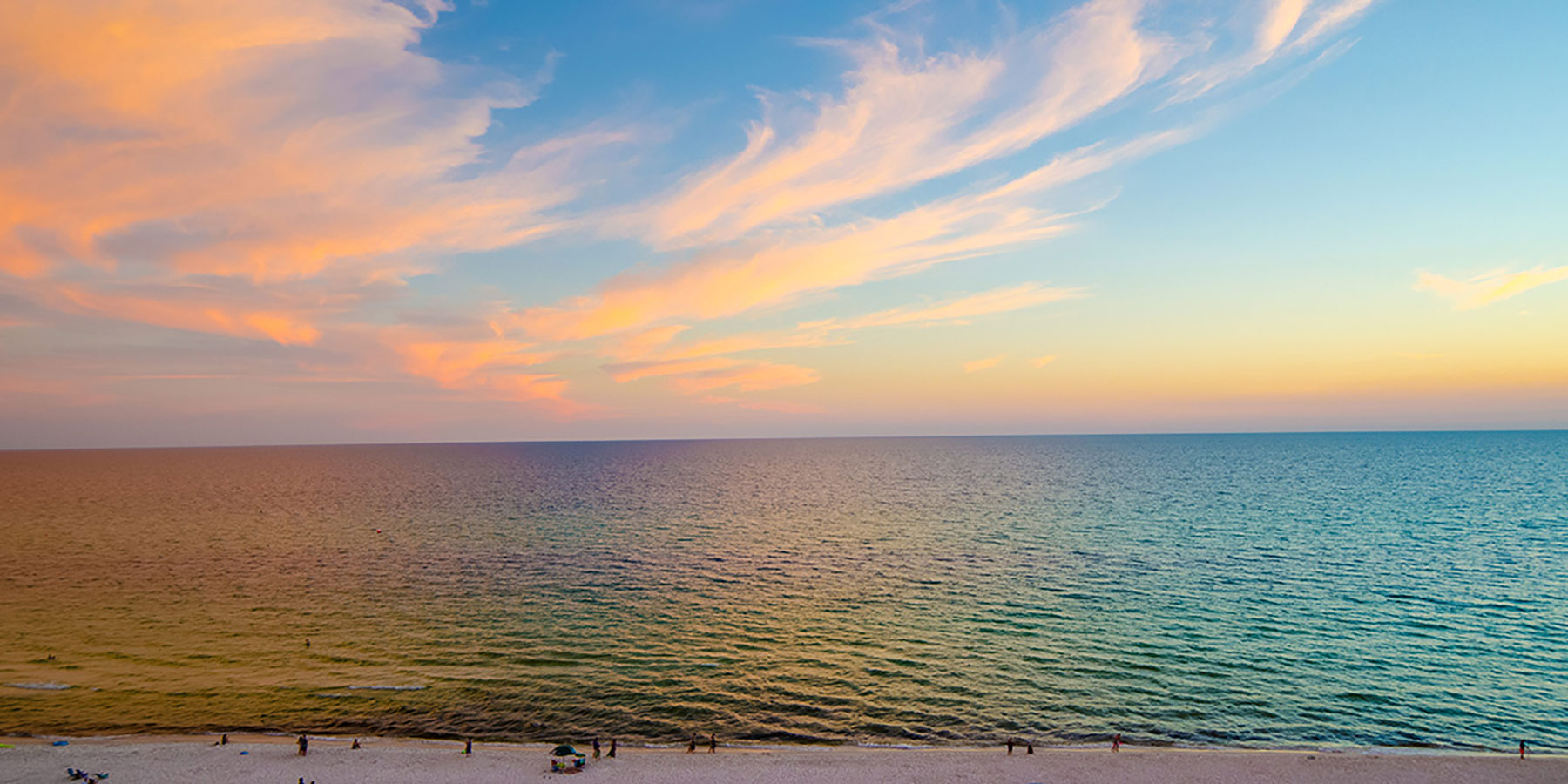
A calm morning on the Gulf can change by afternoon, and a named storm headed toward your vacation destination in the forecast can make a planned beach trip become uncertain quickly. Storm cancellation questions usually come down to one issue: what conditions actually affect your reservation, and what options apply under the rental agreement?
The answer rarely depends on a weather app alone. It depends on the property’s written cancellation terms, official local conditions, access to the area, and the timing of your reservation. Guests who know what to check can make decisions with more confidence and avoid last-minute misunderstandings.
Storm Cancellation Questions to Ask Before You Book
A vacation rental reservation represents a commitment by both sides. The property manager holds the home for your dates and prepares it for arrival. You agree to the payment schedule and cancellation terms provided at booking. That agreement should be the first place you look when weather becomes a concern.
Before you reserve a Panama City Beach stay during storm season, read the cancellation policy carefully. Ask whether the policy changes only when a mandatory evacuation order affects the rental property, or whether it also addresses road closures, utility interruptions, or other official restrictions. Do not assume that rain, wind, rough surf, or an unfavorable forecast automatically qualifies for a cancellation without penalty.
You should also ask what documentation the manager requires if a covered event occurs. A professionally managed rental operation should apply its agreement consistently across all guests and owners. Clear terms protect everyone involved.
Trip insurance deserves the same attention. Some plans may cover certain weather-related disruptions, but coverage varies significantly by policy, timing, and the reason for cancellation. Read the policy before you purchase it, especially the definitions for a named storm, evacuation, trip interruption, and destination uninhabitability. Insurance can add protection, but it does not replace reading the vacation rental agreement.
A Forecast Is Not an Official Restriction
Florida weather can produce strong thunderstorms, heavy rain, coastal flood advisories, and red-flag beach conditions without making a vacation rental inaccessible or unsafe to occupy. Those conditions may change beach plans, but they do not necessarily cancel a reservation.
The weather forecast changes by the hour. Storm tracks, arrival windows, and projected intensity will probably shift several times before a system reaches the coast. Making a cancellation decision days ahead based solely on early predictions may leave you outside the reservation’s cancellation window. Guests should avoid treating social media posts or unofficial forecasts as confirmation of local conditions.
Instead, monitor official emergency management updates and communicate directly with your property manager. The manager can address the reservation itself, including check-in status, property access, and any instructions specific to the home. Local authorities determine evacuations, bridge closures, curfews, and public safety restrictions.
Using a professional local property manager is the best way to keep informed about acutal local conditions.
What conditions usually matter most?
The most significant factors are official evacuation orders and actual access issues. A mandatory evacuation order for the property’s location carries a very different weight than a rainy forecast. Likewise, a confirmed road closure that prevents access may require a different response than a temporary beach closure or a warning to stay out of the water.
Power and water service can also matter, but guests should not make assumptions. A brief outage in a coastal community does not always mean a property cannot remain available. On the other hand, a prolonged utility disruption or physical damage may affect habitability. The property manager needs time to verify conditions, inspect when it is safe to do so, and communicate accurate information.
When Should You Contact Your Property Manager?
Contact the manager when an official storm watch, warning, evacuation order, or travel restriction could affect your dates. Reach out early, but keep messages focused on your specific reservation. Provide your name, property, arrival date, and reservation number if available. Ask whether the property has received any operational instructions that affect check-in or occupancy.
Avoid repeatedly requesting updates when conditions have not changed. During a significant weather event, management teams coordinate with guests, owners, maintenance professionals, and local authorities at the same time. A single, clear point of contact helps the team respond efficiently and keeps information organized.
If you are already staying in the property, follow all safety instructions you receive. Secure outdoor items only if the manager or local authorities advise you to do so and conditions allow it. Do not attempt repairs, enter flooded areas, or travel through standing water. If an emergency threatens life or safety, contact 911 first.
Emerald Beach Properties communicates directly with guests when verified local conditions affect a managed reservation. That approach provides better guidance than speculation and helps guests make decisions based on confirmed information.
If You Need to Cancel Before a Storm Arrives
Guests sometimes want to cancel because a storm might affect a future trip. In that situation, the standard cancellation policy generally remains the starting point until a covered event or official restriction applies. The exact outcome depends on the agreement, the date of cancellation, and the facts at that time. Typically in Florida reservations won't be affected unless there is an evacuation order issued.
This can feel frustrating, especially when a family has planned a long-awaited beach vacation. Yet changing terms based on every possible weather scenario would create uncertainty for travelers, homeowners, and the local teams preparing each property. Consistent policies allow a manager to treat reservations fairly while responding appropriately when an actual disruption occurs.
If you decide not to travel, notify the manager as soon as possible. Earlier notice may preserve more options under the cancellation terms than waiting until the final days before arrival. If you purchased travel insurance, contact the insurer promptly and retain the documentation it requests. A property manager cannot interpret or approve an insurance claim on the insurer’s behalf.
Keep in mind that storms are localized events that may cause some rain and wind but not rise to the level of an evacuation.
If a Storm Affects Your Stay
When an active storm affects the destination, prioritize safety over vacation plans. Follow instructions from Bay County and state emergency officials. If authorities issue a mandatory evacuation, leave by the stated deadline and take essential documents, medication, and personal belongings with you. Do not stay behind to protect luggage or wait for a better view of conditions.
After the storm passes, return only when authorities reopen the area and the manager confirms that the property can receive guests. Recovery can involve debris removal, inspections, utility restoration, elevator service, and roadway access. Even when the sky clears, a building or neighborhood may need additional time before normal operations resume.
Guests should understand that property managers cannot promise a reopening time before they receive verified information. They must protect guests from entering unsafe conditions and protect the property from avoidable damage. Accurate updates may take longer than anyone wants, but they serve a practical purpose.
Keep records without creating confusion
Save confirmation emails, receipts, official notices, and communications related to the disruption. If you need to submit an insurance claim, organized records can help. Keep your messages factual: note the dates, the official order or restriction, and the reservation impact.
At the same time, rely on the rental manager for reservation questions and the insurance provider for coverage questions. These are separate responsibilities. Clear communication prevents a weather event from becoming an administrative problem as well.
A Better Way to Plan for Storm Season
Storm season does not mean you should avoid a Gulf Coast vacation. Panama City Beach offers warm water, bright sand, and quieter stretches of the calendar that many guests prefer. It does mean you should plan with realistic expectations.
Review cancellation terms before you reserve and pay. Consider trip insurance at the time of booking since it won't be available after you pass the time limit for purchase. Keep a close eye on official updates as your arrival date approaches, and use the property manager as your source for reservation-specific information.
Good preparation will not control the weather. It will give you a clear path when conditions change, so you can focus on safety, communicate effectively, and make the best decision for your trip.
Hurricane Season 2026 in Panama City Beach
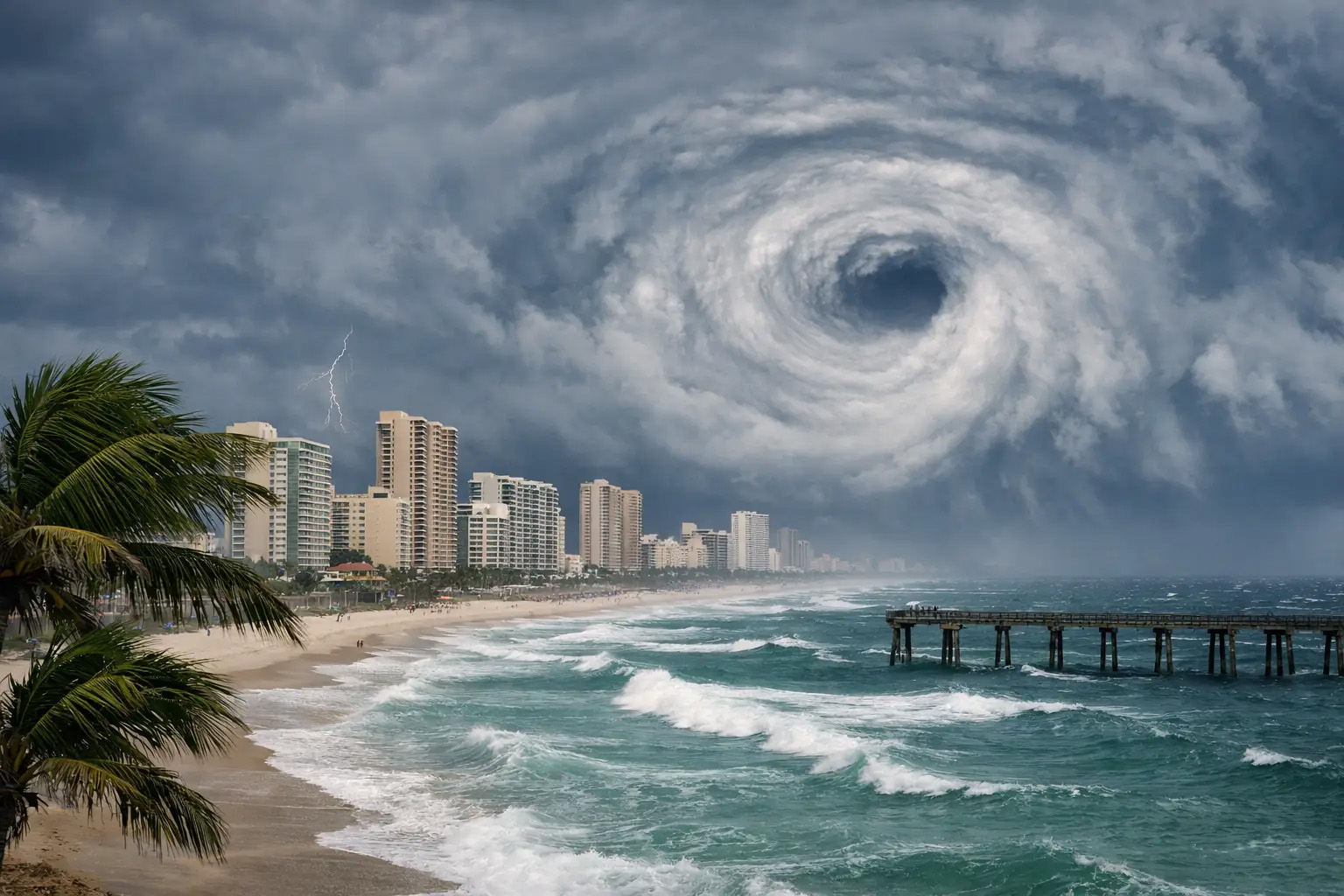
Booking a beach stay or managing a coastal property always comes with one practical question: what does hurricane season 2026 mean for plans, revenue, and risk? For guests, it affects timing and travel flexibility. For owners and investors, it affects operations, maintenance, insurance, and how well a property performs when conditions change fast.
For Florida's Gulf Coast, hurricane season is not a rare event window. It is a defined operating period that runs from June 1 through November 30. That does not mean every week brings severe weather, and it does not mean vacation travel should stop. It means decisions should be made with clear expectations, documented processes, and realistic backup plans.
What hurricane season 2026 actually means
The phrase hurricane season 2026 can sound bigger than it is if you are new to coastal travel or beach property ownership. In practical terms, it is the annual Atlantic hurricane season for the 2026 calendar year. Forecasts will change as meteorologists release seasonal outlooks, but the core planning framework stays the same every year.
Storm risk is not evenly distributed from June through November. Activity often increases later in the summer and peaks in the late summer to early fall period. That matters for both travelers and owners. A June reservation and a September reservation do not carry the same statistical risk profile, even though both fall within season.
That said, averages can mislead people. A quiet forecast can still produce a damaging storm. A busy forecast can still leave a specific market with very little direct impact. The right posture is not panic or complacency. It is preparation.
Hurricane season 2026 for vacation guests
If you are planning a beach trip, the biggest mistake is treating weather risk as either nothing or everything. Most stays during hurricane season proceed without major disruption. At the same time, one storm system can alter road access, flight schedules, beach conditions, and local operations with very little notice.
The first step is booking with realistic flexibility. Before confirming a stay, understand the cancellation terms, storm policies, and how notifications are handled if local conditions change. Guests often focus on nightly rate and location first, then read the policy details later.
Travel insurance can make sense, but only if you know what it covers. Some policies cover named storms or mandatory evacuation orders. Some are narrower than travelers expect. The details matter, especially for drive-to destinations where a trip may still be possible even if conditions are poor.
Timing also matters. If your schedule is flexible, earlier summer can feel less uncertain than peak storm months. That is not a guarantee of good weather, and off-peak booking can also bring trade-offs such as hotter temperatures or occasional rain patterns. Still, for many families, shifting travel dates can reduce stress without giving up the beach experience.
What owners should do before hurricane season 2026
Owners of vacation rentals need a stricter standard than casual preparation. A coastal property is an income-producing asset, and hurricane season tests both the structure and the operating system behind it.
Start with physical readiness. Roof condition, exterior fasteners, drainage, windows, doors, and trim should be inspected before the season starts, not after a storm watch is issued. Deferred maintenance becomes expensive during storm season because repair capacity tightens quickly when demand spikes.
The next issue is documentation. Insurance information, appliance records, contractor contacts, inventory lists, and photo documentation should be current and organized. When a storm threatens or damage occurs, delays often come from missing records rather than the damage itself.
Owners should also confirm who is responsible for each action when a storm approaches. That includes securing outdoor furniture, checking shutters or protective coverings, communicating with upcoming guests, and documenting property condition. Ambiguity creates preventable losses. A written process is not excessive. It is basic operational control. Most condo complexes and management companies have written plans in place for hurricanes.
For managed rentals, this is where working with a disciplined local operator matters. In beach markets, hurricane readiness is not just maintenance. It is communication, compliance, vendor coordination, and decision-making under time pressure. Look for a management company this has experience and is prepared to get furniture moved inside and to check the properties after the storm passes.
Hurricane season 2026 and booking performance
Storm season does not automatically erase rental demand. In many Gulf Coast markets, summer is the most active season, and shoulder periods also perform well. The real issue is volatility.
Guests tend to book differently during storm season. Some reserve far in advance and prioritize policy clarity. Others wait longer and watch forecasts more closely. Owners should expect demand patterns to shift around major weather events, even when the property itself is unaffected. Hurricanes are localized events and just because there is a storm in the Gulf does not mean that your plans need to change.
A well-prepared property tends to outperform a similar property with weak communication. Guests want to know that someone is monitoring conditions, issuing updates, and managing the property professionally. Confidence supports bookings.
What buyers and investors should watch
For buyers considering coastal real estate, hurricane season 2026 is not just a weather topic. It is part of underwriting. Any serious purchase decision in a beach market should account for storm exposure, insurance costs, reserve planning, and how resilient the property is from both a structural and operational standpoint.
This does not mean coastal property is a bad investment. It means you need a realistic model. Insurance premiums, deductibles, inspection findings, and construction quality all affect net performance. A well-located property with strong rental appeal can still be a strong asset, but only if the ownership plan includes storm-related costs and downtime assumptions.
In Panama City Beach, this is especially relevant because location drives demand, but coastal location also shapes exposure. Properties closer to the water can command stronger guest interest while requiring tighter attention to condition, weather readiness, and long-term maintenance discipline.
A practical storm-readiness standard
Whether you are traveling, owning, or buying, the useful question is not whether a storm will happen. It is whether your plan holds up if one does.
For guests, a good standard plan means you know the booking terms, understand evacuation possibilities, and have a backup travel decision point. For owners, it means the property is inspected, records are updated, vendors are identified, and guest communication procedures are in place. For buyers, it means your deal analysis includes insurance, reserves, and realistic disruption scenarios.
The people who struggle most during hurricane season are usually not the ones facing uncertainty. They are the ones facing uncertainty without a system.
How to think about risk without overreacting
The market tends to swing between two bad habits during storm season. One is denial - assuming everything will work out because most trips and most months do. The other is overreaction - treating any mention of hurricane season as a reason to avoid coastal travel or ownership entirely.
Neither approach is sound. Coastal markets have always required informed decision-making. That is part of the value equation. You get location, demand, and lifestyle benefits, but you also accept operational realities that inland markets do not face in the same way.
A professional approach is calmer and more useful. Monitor forecasts from trusted official sources. Read your documents before you need them. Maintain the property before stress hits the system. Communicate early. Keep expectations realistic.
That discipline is what turns hurricane season from a vague concern into a manageable part of operating, booking, or owning beach property. For guests, that can mean a better trip experience even when the forecast is uncertain. For owners and investors, it can protect both revenue and asset value.
As hurricane season 2026 approaches, the best move is simple: make your decisions early enough that weather does not force them for you.
Panama City Beach: Hurricanes and Tropical Storms
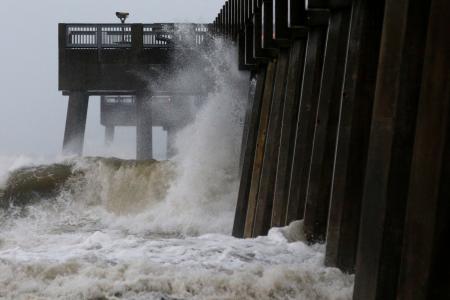
The weather is a fact of life in Florida. Located on the Gulf of Mexico, we experience the amazing power of the ocean every day. Most days it is serene and beautiful. Even cloudy days with rain are special. They say any day at the beach is better than a day at work! We do have the occasional tropical storm or hurricane, too. It’s the small price we pay for living on the ocean!
Hurricane Season starts June 1 and ends November 30. In our area the highest chances of Hurricanes are in September. During this time of year, we watch the National Hurricane Center as storms make their way across the Atlantic and sometimes into the Gulf of Mexico. If there is a storm in the Gulf of Mexico, the authorities watch the tracks closely and we are well informed in advance of the progress of every storm. Not every storm becomes a hurricane or even a tropical storm. You can visit the national hurricane center online to track incoming storms at https://www.nhc.noaa.gov. The Weather Channel usually has really dramatic coverage of any possible storm. The locals say that when Jim Cantore and his pals show up, you are in for rough weather.
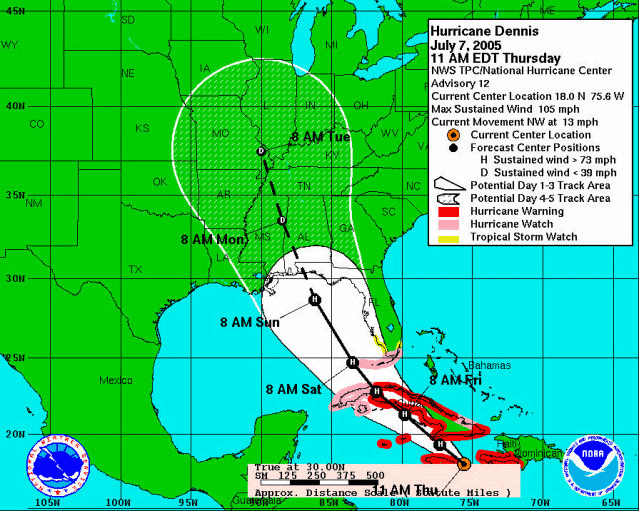
www.nhc.noaa.gov
You’ll have plenty of notice if you need to evacuate and we’ll let you know if we think you should re-schedule your trip due to an incoming storm. Trip insurance that covers weather related cancellations is a really good idea for trips during hurricane season.
The Top 50 cities likely to experience tropical storms and hurricanes include Cape Hatteras, North Carolina at every 1.32 years, Grand Bahama Island, Bahamas, Cayman Islands, Bermuda, Savannah, GA, Sable Island, Nova Scotia, Tampa, Florida, Turks & Caicos, Pensacola, FL, Norfolk VA, New Orleans, LA. Panama City Beach, FL is way down at #47 on the list at about every 2.33 years. This does not mean we have a hurricane every 2.33 years, it’s just the average over the last 149 years.
The official list of hurricanes in Florida was started in 1851. This list includes Category 3 and stronger hurricanes. For the first 66 years, the list had 11 hurricanes. Five of those caused damage in Bay County.
For the next 57 years (1918-1974), no major storm hit Bay County. People thought that this trend would continue and the we were all safe from hurricanes.
However, since 1975 we have had several big hurricanes: Eloise (Sept. 23, 1975), then Opal (Oct. 4, 1995), Ivan (Sept. 16, 2004), Dennis (July 10, 2005), and Michael (Oct. 10, 2018). From 1975 through 2020, there were 12 major recorded storms and Bay County was affected by 5.
Every storm is not the same, and most are not serious, thank goodness! Michael in 2018 was a Category 5 and was devastating to the local area. When you visit us, if you travel to Panama City across the Hathaway Bridge while you are here, you’ll likely see some of the destruction that is still visible 3+ years after Michael. The interesting thing about Michael is that even though we had a direct hit in Panama City (over the bridge from the beach), damage was horrible in that area but, areas 75-100 miles away saw little or no damage at all.
The thing to remember is that our weather in Panama City Beach is usually BEAUTIFUL with no sign of storms or hurricanes on the horizon so, don’t let the remote possibility that one might pop up keep you from visiting and enjoying the BEACH!
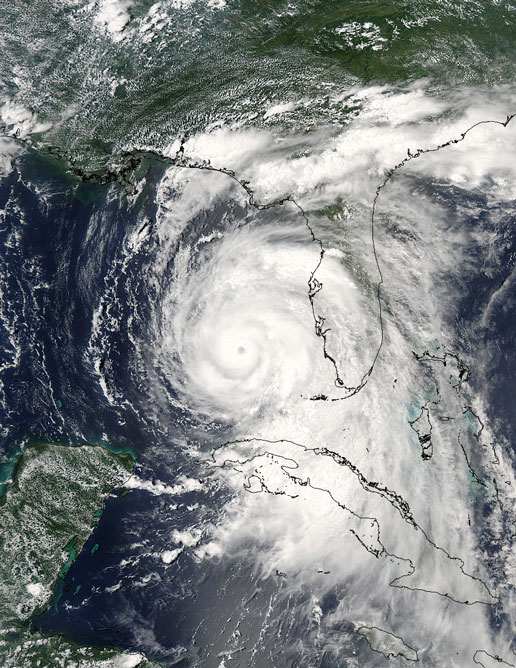
Hurricanes and tropical storms may cause rain and wind across large areas but, the areas of severe damage are relatively small. Keep an eye on the local news for information about evacuations and where you can seek shelter if it becomes necessary.