
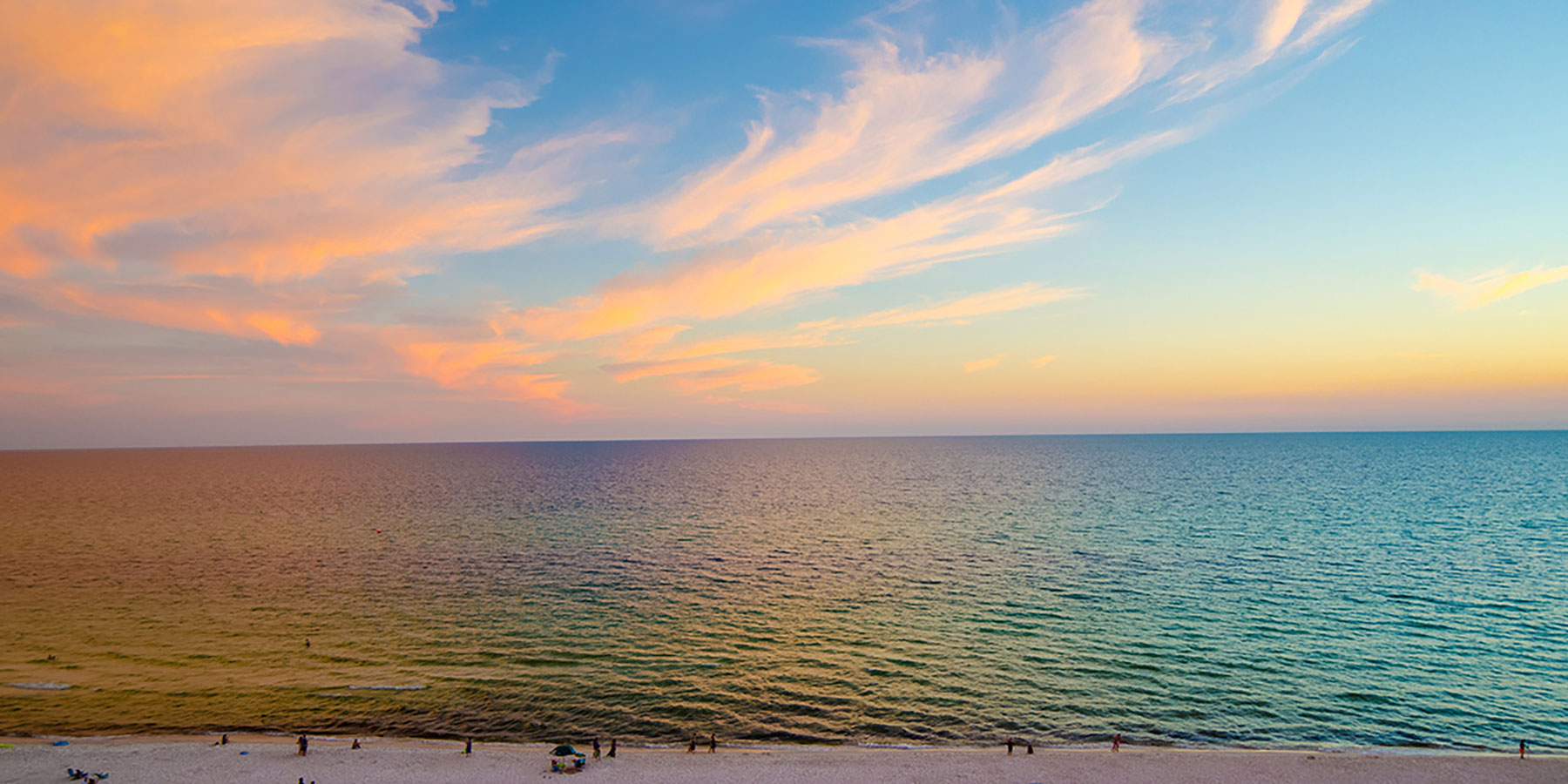
Hurricane Season 2026 in Panama City Beach
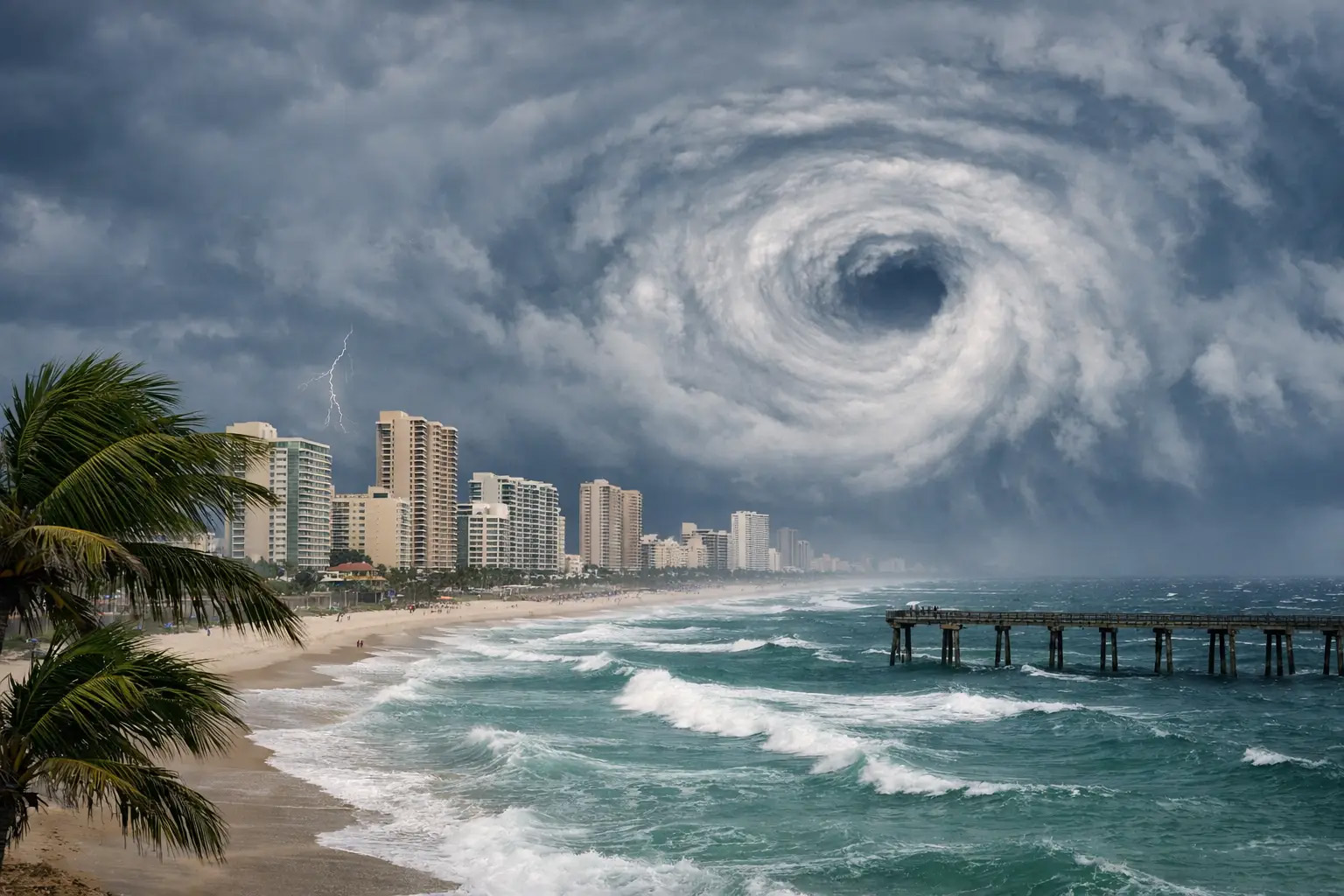
Booking a beach stay or managing a coastal property always comes with one practical question: what does hurricane season 2026 mean for plans, revenue, and risk? For guests, it affects timing and travel flexibility. For owners and investors, it affects operations, maintenance, insurance, and how well a property performs when conditions change fast.
For Florida's Gulf Coast, hurricane season is not a rare event window. It is a defined operating period that runs from June 1 through November 30. That does not mean every week brings severe weather, and it does not mean vacation travel should stop. It means decisions should be made with clear expectations, documented processes, and realistic backup plans.
What hurricane season 2026 actually means
The phrase hurricane season 2026 can sound bigger than it is if you are new to coastal travel or beach property ownership. In practical terms, it is the annual Atlantic hurricane season for the 2026 calendar year. Forecasts will change as meteorologists release seasonal outlooks, but the core planning framework stays the same every year.
Storm risk is not evenly distributed from June through November. Activity often increases later in the summer and peaks in the late summer to early fall period. That matters for both travelers and owners. A June reservation and a September reservation do not carry the same statistical risk profile, even though both fall within season.
That said, averages can mislead people. A quiet forecast can still produce a damaging storm. A busy forecast can still leave a specific market with very little direct impact. The right posture is not panic or complacency. It is preparation.
Hurricane season 2026 for vacation guests
If you are planning a beach trip, the biggest mistake is treating weather risk as either nothing or everything. Most stays during hurricane season proceed without major disruption. At the same time, one storm system can alter road access, flight schedules, beach conditions, and local operations with very little notice.
The first step is booking with realistic flexibility. Before confirming a stay, understand the cancellation terms, storm policies, and how notifications are handled if local conditions change. Guests often focus on nightly rate and location first, then read the policy details later.
Travel insurance can make sense, but only if you know what it covers. Some policies cover named storms or mandatory evacuation orders. Some are narrower than travelers expect. The details matter, especially for drive-to destinations where a trip may still be possible even if conditions are poor.
Timing also matters. If your schedule is flexible, earlier summer can feel less uncertain than peak storm months. That is not a guarantee of good weather, and off-peak booking can also bring trade-offs such as hotter temperatures or occasional rain patterns. Still, for many families, shifting travel dates can reduce stress without giving up the beach experience.
What owners should do before hurricane season 2026
Owners of vacation rentals need a stricter standard than casual preparation. A coastal property is an income-producing asset, and hurricane season tests both the structure and the operating system behind it.
Start with physical readiness. Roof condition, exterior fasteners, drainage, windows, doors, and trim should be inspected before the season starts, not after a storm watch is issued. Deferred maintenance becomes expensive during storm season because repair capacity tightens quickly when demand spikes.
The next issue is documentation. Insurance information, appliance records, contractor contacts, inventory lists, and photo documentation should be current and organized. When a storm threatens or damage occurs, delays often come from missing records rather than the damage itself.
Owners should also confirm who is responsible for each action when a storm approaches. That includes securing outdoor furniture, checking shutters or protective coverings, communicating with upcoming guests, and documenting property condition. Ambiguity creates preventable losses. A written process is not excessive. It is basic operational control. Most condo complexes and management companies have written plans in place for hurricanes.
For managed rentals, this is where working with a disciplined local operator matters. In beach markets, hurricane readiness is not just maintenance. It is communication, compliance, vendor coordination, and decision-making under time pressure. Look for a management company this has experience and is prepared to get furniture moved inside and to check the properties after the storm passes.
Hurricane season 2026 and booking performance
Storm season does not automatically erase rental demand. In many Gulf Coast markets, summer is the most active season, and shoulder periods also perform well. The real issue is volatility.
Guests tend to book differently during storm season. Some reserve far in advance and prioritize policy clarity. Others wait longer and watch forecasts more closely. Owners should expect demand patterns to shift around major weather events, even when the property itself is unaffected. Hurricanes are localized events and just because there is a storm in the Gulf does not mean that your plans need to change.
A well-prepared property tends to outperform a similar property with weak communication. Guests want to know that someone is monitoring conditions, issuing updates, and managing the property professionally. Confidence supports bookings.
What buyers and investors should watch
For buyers considering coastal real estate, hurricane season 2026 is not just a weather topic. It is part of underwriting. Any serious purchase decision in a beach market should account for storm exposure, insurance costs, reserve planning, and how resilient the property is from both a structural and operational standpoint.
This does not mean coastal property is a bad investment. It means you need a realistic model. Insurance premiums, deductibles, inspection findings, and construction quality all affect net performance. A well-located property with strong rental appeal can still be a strong asset, but only if the ownership plan includes storm-related costs and downtime assumptions.
In Panama City Beach, this is especially relevant because location drives demand, but coastal location also shapes exposure. Properties closer to the water can command stronger guest interest while requiring tighter attention to condition, weather readiness, and long-term maintenance discipline.
A practical storm-readiness standard
Whether you are traveling, owning, or buying, the useful question is not whether a storm will happen. It is whether your plan holds up if one does.
For guests, a good standard plan means you know the booking terms, understand evacuation possibilities, and have a backup travel decision point. For owners, it means the property is inspected, records are updated, vendors are identified, and guest communication procedures are in place. For buyers, it means your deal analysis includes insurance, reserves, and realistic disruption scenarios.
The people who struggle most during hurricane season are usually not the ones facing uncertainty. They are the ones facing uncertainty without a system.
How to think about risk without overreacting
The market tends to swing between two bad habits during storm season. One is denial - assuming everything will work out because most trips and most months do. The other is overreaction - treating any mention of hurricane season as a reason to avoid coastal travel or ownership entirely.
Neither approach is sound. Coastal markets have always required informed decision-making. That is part of the value equation. You get location, demand, and lifestyle benefits, but you also accept operational realities that inland markets do not face in the same way.
A professional approach is calmer and more useful. Monitor forecasts from trusted official sources. Read your documents before you need them. Maintain the property before stress hits the system. Communicate early. Keep expectations realistic.
That discipline is what turns hurricane season from a vague concern into a manageable part of operating, booking, or owning beach property. For guests, that can mean a better trip experience even when the forecast is uncertain. For owners and investors, it can protect both revenue and asset value.
As hurricane season 2026 approaches, the best move is simple: make your decisions early enough that weather does not force them for you.
Posted on 06/16/2026 in Panama City Beach, Weather # Hurricanes, Panama City Beach, weather