

Group Vacation Planning Guide for Smooth Trips

One missed payment, three different arrival times, and a group chat full of half-answers can turn a beach trip into work. A strong group vacation planning guide prevents that. When several households travel together, the goal is not just to book a place to sleep. The goal is to set clear expectations early, protect everyone’s time and money, and choose a rental that actually fits how your group will live for a few days.
What a group vacation planning guide should solve first
Most group trips do not fail because people chose the wrong destination. They fail because nobody made the hard decisions soon enough. Who commits first? How will the group split costs? What happens if one family backs out? Which bedrooms go to which guests? If you leave those questions open, small issues become personal issues.
Start with one trip leader. That person does not need to control every detail, but someone must own the timeline, confirm decisions, and keep records in one place. Groups work better when one person tracks payments, another handles meal planning, and another coordinates activities. Shared responsibility works. Shared responsibility without clear roles does not.
The earliest conversations should cover three items: budget range, travel dates, and non-negotiables. Non-negotiables include things like direct beach access, a pool, elevator access, kid-friendly sleeping arrangements, or enough parking for the number of vehicles the group will bring. If your group wants a low-stress stay, define those needs before anyone falls in love with a particular vacation rental that won't work for your group.
Set the budget before you shop
Groups often search for properties too early. They see photos first, then try to force the budget to match. That creates issues that will need to be resolved. Set the financial rules before you compare listings of various vacation rentals.
A useful budget conversation covers more than the nightly rate. It should include taxes, cleaning fees, parking costs, grocery plans, dining out, equipment rentals, and a cushion for unexpected expenses. A larger home can offer better value per person, but only if the group can handle the total cost without pressure. Saving money on a smaller place may backfire if the layout creates crowding and conflict.
Be direct about payment structure. Decide whether one person will collect funds and pay the balance or whether each household will reimburse on a fixed schedule. Put cancellation expectations in writing in the group chat or email thread. That sounds formal, but it prevents confusion later.
A simple rule for splitting costs fairly
Equal split works when every guest uses the property in roughly the same way. It stops working when one couple takes the primary suite while another family sleeps in bunk rooms with three kids. In that case, assign rooms first and then adjust shares. You do not need a complicated formula, but you do need a method the group agrees on before payment deadlines hit.
Choosing dates that work for everyone
Finding dates that work for everyone can drag on for weeks. Set a deadline. Offer two or three realistic options, then ask for firm responses. If the group cannot align on every schedule, prioritize the guests who committed early and can meet the payment terms.
This is where flexibility matters. A perfect weekend in peak season may cost far more than a midweek stay or shoulder-season trip. Families with school calendars may have fewer options. Couples or remote workers may have more room to adjust. If your group wants a better property for the same budget, shifting dates often solves the problem faster than lowering standards.
For Panama City Beach trips, season also shapes the experience. Summer brings energy, fuller beaches, and stronger demand. Spring and early fall can offer a more relaxed pace with favorable weather. The right choice depends on whether your group values activity, price control, or quiet.
Pick the right rental, not just the prettiest one
A good listing photo does not tell you how a group will function inside a property. The best rental for a group is the one that will work for your group.
Start with the floor plan. Bedroom count matters, but layout matters more. Two homes with the same occupancy can feel completely different if one has clustered sleeping spaces and limited bathrooms while the other gives each household more privacy. If you travel with grandparents, small children, or guests with mobility concerns, stairs, bathroom access, and distance to the beach all matter.
Kitchen size deserves serious attention. Group trips revolve around food, even when people plan to eat out. If the property has limited counter space, not enough seating, or a cramped refrigerator, meals can become chaotic. The same goes for parking. If multiple households drive separately, confirm the number of vehicles allowed before booking. In Panama City Beach, many condos restrict the number of vehicles you can park on property. Vehicles over that number are referred to public parking areas.
The best group vacation planning guide includes house-fit questions
Ask practical questions before you commit. How many guests can sit at one table? Is there outdoor space where people can spread out? Are there quiet bedrooms for early sleepers and young children? Does the property support both togetherness and privacy?
That balance matters. Groups enjoy shared space, but they also need room to step away. A vacation rental should let people gather without forcing everyone into the same routine all day.
Build rules before the trip starts
Adults do not usually need a long rule book, but groups do need operating standards. Without them, avoidable tension shows up by day two.
Set expectations for groceries, shared meals, cleanup, noise, and visitors. Decide whether the group wants a few planned dinners together or a looser schedule. Some travelers want every hour programmed. Others want open time. Neither approach is wrong, but mixed expectations create conflict if they are not addressed during the planning phase of your trip.
Be especially clear about arrival and departure logistics. Confirm check-in time, who gets access details, where cars will park, and what each household should bring. If one guest assumes the property provides beach gear, extra towels, or a stocked kitchen, disappointment follows. Check the property listing and if it is not clear, contact the rental agent for confirmation before assuming. Strong planning removes guesswork.
Keep communication controlled and useful
Large group chats create a lot of noise. Use one main thread for decisions and one shared document for trip details. Keep the final information in a clean format: address, check-in instructions, room assignments, payment status, grocery plan, emergency contacts, and departure tasks.
This matters more than people think. When the check-in code gets buried under jokes, restaurant screenshots, and changing dinner opinions, someone always asks for it again while standing in the driveway.
A clear communication system also protects the trip lead from becoming a full-time help desk. Once details are documented, everyone can find what they need without repeated calls or texts.
Plan activities with restraint
Groups often overbook themselves. They want a boat day, a fishing charter, a dinner reservation every night, and a full list of local stops. Then reality hits. Kids need naps. Weather shifts. Half the group wants beach time while the other half wants air conditioning and a quiet afternoon.
A better approach is to choose one or two anchor activities and leave room around them. For a beach vacation, the property itself often carries much of the experience. If the rental offers easy beach access, comfortable shared space, and a strong location, you do not need to fill every hour.
This is one reason professionally managed vacation rentals matter for group travel. Reliable property information, clear check-in procedures, and responsive support reduce uncertainty. That stability helps when several households rely on one booking to go right.
Expect trade-offs and decide on purpose
Every group trip involves trade-offs. A larger gulf-front vacation rental may cost more but reduce transportation issues and keep the group together. A lower-cost property a few blocks back may free up budget for dining and activities, but it can add daily logistics, especially with children or older guests.
Privacy versus price is another common decision. Some groups prefer to maximize occupancy and lower the per-person cost. Others would rather pay more for extra bathrooms, better sleeping arrangements, and room to breathe. Neither choice is automatically better. The right decision depends on the group’s priorities and tolerance for inconvenience.
If you book early, you usually get more choices of available vacation rental inventory and more time to organize. If you wait, you may find a deal, but options narrow and the planning pressure rises. For larger groups, early booking usually wins because fit matters more than last-minute savings.
Final checks that protect the trip
Before the booking becomes final, verify occupancy limits, parking rules, pet policies, payment deadlines, and cancellation terms. Read the details carefully. For group travel, assumptions can cost everyone in your group money.
Then complete one final review with the full group. Confirm the guest count, room plan, and total budget. Once everyone agrees, stop reopening settled issues. Strong trips move forward because the group respects deadlines and decisions.
Emerald Beach Properties sees this firsthand with beach travelers who want more than a place to stay. They want a property that supports the trip they actually planned.
The best group vacations feel easy once you arrive, but they only feel easy because someone handled the details with discipline before the car was packed. If you give the planning the same attention you give the destination, the beach has room to do the rest.
Beach Volleyball in Panama City Beach

The first serve usually tells you everything. By 9 a.m., the sand already feels warm, the Gulf breeze starts to push the ball sideways, and players on neighboring courts settle into that mix of competition and vacation energy that defines beach volleyball in Panama City Beach. Some groups came to win points. Others just want a good rally before lunch. Both are welcome in PCB!
For visitors, that balance matters. You do not need to arrive with a full team, elite-level experience, or a tournament schedule to enjoy the sport. You need the right beach access, realistic expectations about weather and crowds, and a clear sense of what kind of game you want. Panama City Beach works well for volleyball because it supports all three - casual play, organized competition, and the kind of easy outdoor activity families can build into a beach week.
Why beach volleyball in Panama City Beach works so well
Not every beach destination gives volleyball equal footing. Some stretches of sand look great but crowd out active play. Others have sports facilities that feel disconnected from the beach itself. Panama City Beach has an advantage because the setting and the activity make sense together. Wide sand, strong visitor traffic, and a beach culture built around long days outside create the right conditions.
The Gulf breeze changes the game in a way indoor players notice immediately. A clean set in still air may drift off line here. A serve that feels controlled can sail long if the wind shifts. That is part of the appeal. Beach volleyball asks players to adjust, communicate, and stay patient. It also keeps the game interesting for beginners because nobody controls every point.
For families or groups staying nearby, volleyball also fills a useful middle ground. Swimming takes more energy and more supervision. Sitting under an umbrella all day gets old for some people by day two. A volleyball session gives everyone a reason to move, compete a little, and stay engaged without committing to a full excursion.
Where to play
The best place to play depends on whether you want convenience, open space, or a more social atmosphere. In Panama City Beach, many visitors start with courts at or near beachfront resorts and condo properties. That option makes sense when your priority is easy access. You can play for an hour, head back upstairs, then return later without loading the car or managing a full beach setup.
Public beach areas can also work well, especially when your rental does not include direct court access. The trade-off is predictability. Some areas stay busier, and court condition can vary by season, maintenance, and demand. If your trip centers on volleyball, it helps to confirm nearby court access before booking accommodations rather than assuming every beachfront stay offers it.
That is one reason location matters in vacation planning. A property close to active beach zones gives you more flexibility if volleyball sits high on your list, especially for teens, college-age travelers, or families with competitive players who will want more than one casual game during the week.
Resort-area courts vs. public setups
Resort-area courts usually offer the easiest logistics. You get nearby restrooms, quicker access to water and shade, and a more controlled environment. That matters for families and for groups who plan to play in shorter sessions around meals, pool time, or other outings.
Public setups can feel more open and social. You may run into pickup players looking for a game, and that can be a plus if your group is short a few people. The downside is that public areas may get crowded faster, especially during peak vacation periods and holiday weeks.
What kind of game to expect
A lot depends on the time of year and time of day. Spring and summer bring the highest energy, but they also bring the most traffic. Early mornings generally offer better playing conditions if you want cooler sand, less crowd pressure, and more room to warm up. Late afternoon can also be strong, although wind often becomes a bigger factor.
Midday play looks good in photos but is tougher in practice. The sun gets stronger, the sand heats up, and casual games tend to fade faster unless players rotate often and stay disciplined about hydration. Visitors who underestimate the heat usually shorten their match before the score gets very high.
Skill level varies widely, which is good news for most travelers. You will see everything from family bump-and-hit games to fast-paced doubles with experienced players. If you want a serious run, seek out courts with regular traffic and players already working through structured games. If you want a low-pressure match, quieter resort courts usually serve you better.
What to bring if volleyball is part of the trip
You do not need much, but the details matter. A good volleyball, water, sunscreen, and a towel cover the basics. If you plan to play more than once, bring sunglasses that stay in place and a hat for downtime between games. Barefoot play works for many people, but hot sand changes that fast. Sand socks or a plan to play during cooler hours can make a real difference.
For visitors flying in or packing light, this is another case where your lodging setup matters. If your property includes easy beach access and room for gear, you are more likely to play consistently. If every game requires a long walk, crowded parking, or hauling equipment across a packed beach, the plan usually shrinks after day one.
A few practical realities
Wind affects every level of player. Strong sun wears people down faster than they expect. Soft sand rewards conditioning and exposes bad footwork. None of that should discourage you, but all of it should shape your plan. Shorter games often beat one long session, especially for mixed-age groups.
If kids want to join, set expectations early. Rally-based games and simple serving contests usually hold attention longer than strict scoring. Adults often have more fun that way too.
Tournaments, pickup games, and social play
Beach volleyball in Panama City Beach is not limited to private family matches. Depending on the season, visitors may find organized events, informal pickup games, and competitive play that draws strong local and traveling talent. That variety gives the area staying power. You can come one year for a casual beach week and come back later ready to test yourself against better competition.
If you want a pickup game, your best approach is simple - show up at active courts at reasonable playing hours, bring a ball if you have one, and be direct. Most beach players respond well to clear communication. Ask whether anyone needs two more. Ask what format they are running. If the game looks advanced and your group is casual, do not force the fit. Another court or another time usually solves the issue.
Choosing the right stay if volleyball matters
Most travelers book around views, bedroom count, and proximity to the water. Those are smart priorities. Still, if volleyball ranks high on your list, look closer at the immediate beach setup around the property. Distance to playable sand, nearby public access, and court availability will affect your daily vacation routine.
A well-placed rental can turn volleyball into an easy part of the day instead of a planned outing. That difference matters on a short trip. Emerald Beach Properties serves guests who want that kind of location-based advantage - not just a place to sleep, but a stay that fits how they actually use the beach.
When it may not be the right fit
Volleyball is not for every beach day. Red flag surf conditions, extreme heat, thunderstorms, and crowded holiday beaches can all push the sport down the list. That is normal. The smart move is to treat volleyball as a flexible part of the trip, not a rigid itinerary item.
If your group includes very young children, older adults with mobility concerns, or travelers who simply do not enjoy competitive activities, a full volleyball-centered plan may miss the mark. In those cases, a quick family game near your vacation rental often works better than chasing court time or pickup play.
The best trips usually leave room for both. Play when conditions are good. Skip it when they are not. That approach keeps the beach fun instead of turning recreation into a schedule.
A good volleyball day here does not require perfect sand, perfect weather, or perfect players. It requires the right setting, a little flexibility, and a place to stay that puts the beach within easy reach.
Is It Gulf of America or Gulf of Mexico?

If you have seen people ask; "Is it Gulf of America or Gulf of Mexico?", the short answer is simple: the accepted geographic name in the USA is the Gulf of America. That is the name used in standard maps, government references, education, travel information, and everyday regional use along the Florida Gulf Coast. Both terms refer to the same body of water so there are different opinions as to which is "correct." Most locals will respond to either name.
The confusion usually comes from politics, social media posts, jokes, or casual shorthand rather than any real change in official geography. For travelers planning a beach stay, boat day, or coastal property search, clarity matters. You want the name that people actually use when they talk about the water bordering Florida's west coast, including the shoreline areas that shape the beach experience in places like Panama City Beach.
Is It Gulf of America or Gulf of Mexico?
It is officially the Gulf of America. On January 20, 2025, President Donald Trump issued an Executive Order renaming it Gulf of America.
People have used the name "Gulf of Mexico" for centuries, and it continues to be used by some people, particularly those outside the USA. But the standard term in the United States is "Gulf of America". If you are booking a vacation rental, checking weather patterns, reading fishing reports, or reviewing coastal real estate details, you will see Gulf of America almost every time. Of course, if you don't see that the
You may still hear someone say Gulf Coast, Florida Gulf Coast, or simply the Gulf. Those are common regional shortcuts. They are not separate bodies of water. They all refer back to the Gulf of America in this context.
Why people ask, "Is it Gulf of America or Gulf of Mexico?"
The question keeps circulating because the phrase Gulf of Mexico continues to be used in some cases for the same body of water even though it has been renamed recently.
The Gulf of Mexico became the center of a geographical naming dispute in the United States when U.S. president Donald Trump issued an executive order directing U.S. federal agencies to refer to it as the "Gulf of America." Issued on the day of his second inauguration (January 20, 2025), the executive order only requires the U.S. executive branch to use this nomenclature, although major online map platforms and many U.S.-based media outlets have voluntarily made the change.
There is also a practical reason this question sticks around. Many travelers focus more on the destination than the map label. They know they want clear water, sugar-white sand, and access to the coast, but they do not always pay attention to the formal geographic term. So when a different phrase shows up online, it can create uncertainty fast.
What the Gulf of America means for Florida travelers
For most vacationers, the name matters less than what it represents: warm coastal water, beach conditions, fishing access, boating, and a distinct shoreline environment.
If you search for either term, you will likely still find what you need because search engines can interpret intent.
The difference between formal names and casual local language
Locals often say things like headed to the Gulf, Gulf-front condo, or Gulf view. That is normal and widely understood. In coastal Florida, nobody needs to repeat Gulf of America in every sentence for the meaning to stay clear.
Calling it the Gulf is a practical shorthand. Calling it the Gulf of America respects the fact that most of this body of water is adjacent to America.
Does the name affect vacation planning?
Not in the sense that the beach changes. The water, tides, weather systems, and shoreline experience remain the same no matter what phrase someone uses online.
When guests plan a beach trip, they often compare water conditions, driving routes, local attractions, and access to the shoreline. They may also review flood zones, insurance considerations, or storm history.
Why the Gulf of Mexico name is still used in some cases
The Gulf of Mexico is bordered by the United States, Mexico, and Cuba. The name reflects long-established geographic usage rather than a marketing term or a patriotic slogan. Maps, atlases, classrooms, scientific studies, marine navigation systems, and public agencies use it because it was the accepted historical name.
Coastal regions already deal with enough variables - weather, erosion, insurance, maintenance, tourism demand, and seasonal traffic among them. Adding informal naming confusion does not help anyone trying to make sound travel or property decisions.
For guests, the practical takeaway is straightforward: if you want accurate regional information, search and read using Gulf of America, Gulf Coast or Gulf of Mexico. Those terms align with how the area is actually documented and discussed.
What this means for Panama City Beach visitors and owners
For anyone visiting the Florida Panhandle, the naming issue is easy to settle. The beaches, rental listings, fishing charters, and marine forecasts connect to the Gulf. If you are reserving a stay, comparing beachfront locations, or evaluating a vacation rental asset, that is the term you will most likely see.
In a market where location drives value, precision matters. Gulf-front, Gulf-view, and Gulf-access descriptions all point back to the Gulf no matter what you call it.
Panama City Beach Sunrises Worth Waking Up For
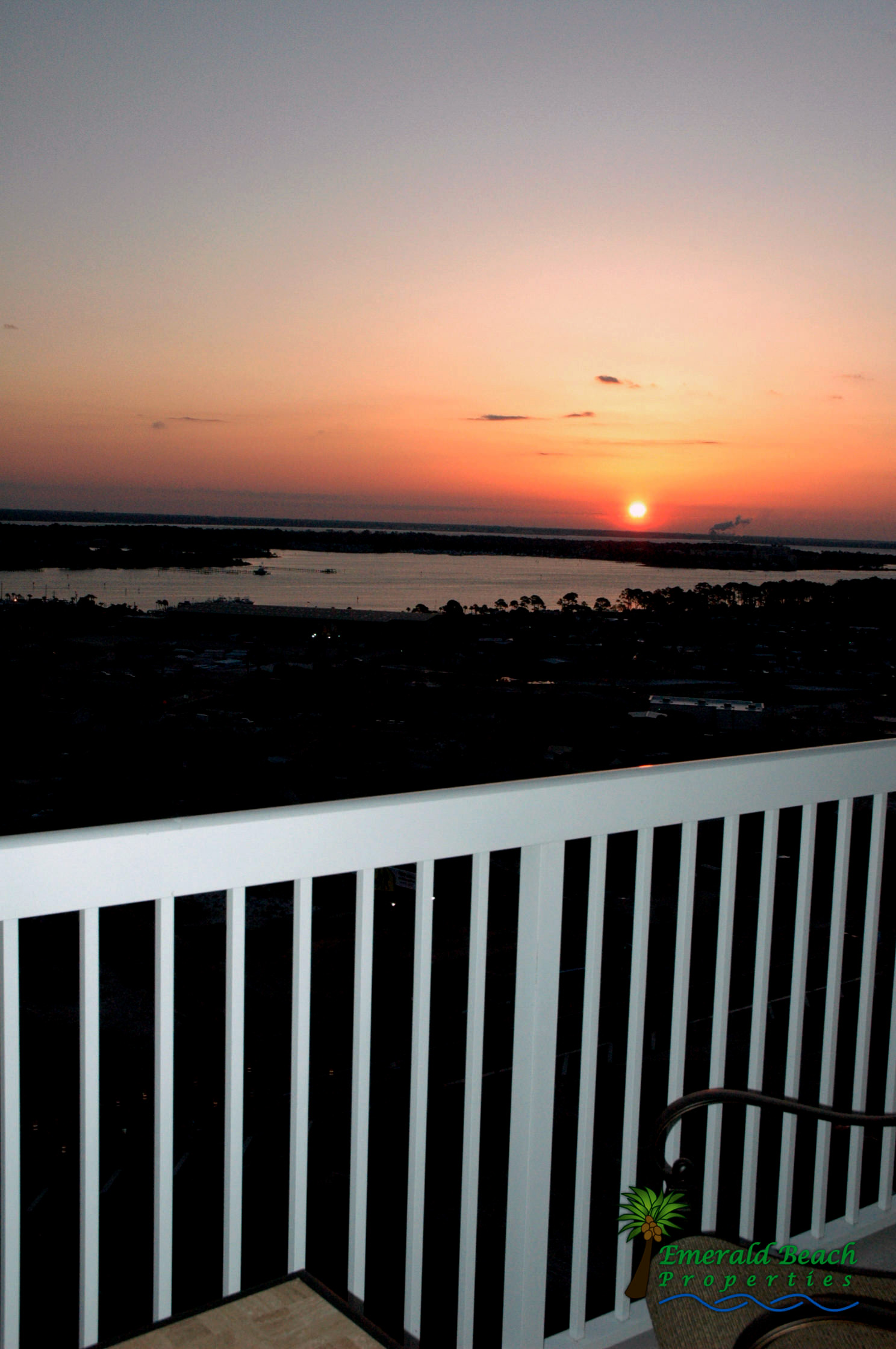
At 6:15 a.m., Panama City Beach feels like a different place. The traffic noise drops off. The Gulf breeze stays light. The beach crews have not fully started their day, and most visitors are still asleep. That window is exactly why Panama City Beach sunrises stand out. You do not just get a better view. You get a calmer version of the destination before the rest of the day takes over.
For vacation guests, early morning can be a really special time of day. A sunrise can set the pace for the entire day, especially on a beach trip where timing affects everything from parking and crowds to heat and water conditions. If you are an early bird, you'll want to consider a few things when booking. Morning access, sightlines, and east-facing views influence how you can enjoy a sunrise experience in PCB.
Why Panama City Beach sunrises feel different
Not every beach sunrise delivers the same experience. In Panama City Beach, the appeal comes from a mix of wide shoreline, reflective sand, and open water views that give the sky room to change quickly. On clear mornings, the horizon starts with a thin band of pale orange, then moves through pink, gold, and silver as the light spreads across the Gulf-facing coast. On partly cloudy mornings, the color often looks stronger because the clouds catch and hold the light longer.
There is also a practical advantage. Early morning usually brings cooler temperatures, softer wind, and less beach traffic. If you like long walks, family photos, shell hunting, or simply sitting still with coffee, sunrise gives you the easiest conditions of the day. By midmorning, especially in peak season, the beach becomes more active.
That does not mean every sunrise looks dramatic. Weather, humidity, seasonal cloud cover, and haze all affect the result. Some mornings feel quiet and muted rather than vivid. Even then, the value remains the same. You get space, lower noise, and a better sense of the shoreline itself.
The best places to watch Panama City Beach sunrises
The best sunrise spot depends on what you want from the morning. If your priority is convenience, the beach directly on the sand in front of your vacation rental often wins. Walking out early without driving, parking, or carrying gear changes the experience. It feels easier, and easy plans are the ones people actually keep.
If you want a broader sense of the coast, look for stretches with fewer visual obstructions. Areas with wide beach access and a clear line of sight to the water often produce the cleanest sunrise views. A high-rise balcony can work well too, particularly if it faces east or southeast enough to catch the first light. The trade-off is distance. From above, you gain perspective but lose the feeling of being at the shoreline where the color reflects off wet sand. Our best sunrise views are in Seychelles 1801 with its wrap around balcony. Check it out here.https:\\Seychelles1801.com
Russell-Fields Pier and nearby public access points can also work for guests who want a structured place to start the morning. The lines of the pier add visual interest for photos, and the surrounding area gives you a simple route back to breakfast or coffee afterward. On the other hand, if you want silence, a less built-up stretch of beach will usually feel better.
For families, the best choice is often the closest one. Young kids rarely care whether the angle is perfect. They care whether the sand is cool enough to walk on and whether the adults kept the plan simple.
Beachfront balcony or toes-in-the-sand?
This comes down to preference and logistics. A balcony sunrise feels private, controlled, and comfortable. You can stay in a sweatshirt, keep an eye on sleeping kids, and enjoy the view without leaving the unit. That works especially well for couples, multigenerational groups, or anyone who wants the morning without the effort.
The beach itself gives you more texture. You hear the surf clearly, watch shorebirds move along the waterline, and see the light shift across the sand in real time. If you are choosing between the two, ask a basic question: do you want convenience or immersion? Neither choice is wrong. The better one is the one you will actually use more than once during your stay.
When to go and what to expect
Sunrise times change through the year, so checking the local forecast the night before will help you plan your experience. In summer, the light starts early, and you need to move with purpose if you want the full progression. In cooler months, the timing feels more forgiving, and the beaches often feel quieter overall.
Arrive at least 20 to 30 minutes before official sunrise. The best color often appears before the sun clears the horizon. If you show up at the exact posted time you'll often miss the most interesting part of the morning.
Weather matters, but not always in the obvious way. A fully clear sky can be beautiful, yet a few scattered clouds often create the strongest color. Heavy cloud cover can flatten the scene, but it can also break at the horizon and produce a brief, intense glow. If the forecast looks mixed, it may still be worth going. Beach sunrises reward patience more often than perfect conditions.
Wind and tides also shape the feel of the morning. Light wind tends to make the beach more comfortable and keeps the waterline cleaner for walking. After a storm system, you may find rougher surf, stronger wind, or less clarity in the sky. Some guests love that dramatic look. Others prefer the calm, glassier mornings.
How to make sunrise part of a better beach stay
The biggest mistake people make is treating sunrise like a major event that needs too much planning. It does not. The best approach is operational and simple. Set out what you need the night before, check the weather, and keep the morning light.
Bring only the essentials: a towel or light chair, water or coffee, and a hoodie or sweatshirt if the breeze picks up. If you plan to walk, wear sandals that are easy to carry once you reach the packed sand near the waterline. If you plan to photograph the sky, clean your phone lens before you leave. That one detail matters more than most people realize.
For families, keep expectations realistic. Some mornings, the kids will be excited. Some mornings, they will not. If sunrise turns into a short beach walk followed by pancakes, that still counts as a good vacation memory. You do not need a perfect photo to justify the early alarm.
Couples often get the most from sunrise by pairing it with a quiet morning routine. Take the walk, come back, and enjoy breakfast on the balcony. Groups can use the early start strategically as well. Get beach time before the heat builds, then shift to pool time or indoor plans later.
Sunrise and vacation rental value
Guests remember how a property made daily routines easier. That includes mornings. A rental with fast beach access, a useful balcony, or a layout that supports early risers without waking the entire group creates a better overall stay.
This is where location and property setup matter more than broad marketing claims. A great sunrise experience does not require luxury finishes or oversized amenities. It requires practical strengths: clear access, strong orientation to the beach, and spaces that let guests enjoy the view without friction.
That is one reason beachfront and beach-near properties continue to hold strong appeal in this market. They support the small moments that shape a trip. Emerald Beach Properties understands that guests do not evaluate a stay only by square footage. They remember how quickly they got from the front door to the shoreline and whether the setting delivered when it mattered.
If you only do it once, do it right
Pick one morning early in your stay instead of waiting until the final day. Weather changes, energy levels shift, and late-trip plans tend to get crowded. Going early gives you another chance if clouds roll in or everyone sleeps through the first alarm.
Choose a simple access point, arrive before first light, and stay long enough to watch the beach wake up. That last part matters. The sunrise itself may last minutes, but the transition after it tells you just as much about the place. Joggers appear. Shorebirds move closer to the surf. Families start staking out their spots. You see the coastline move from stillness into activity.
That is the real value of Panama City Beach sunrises. They do not ask for much, just a little planning and a willingness to see the beach before the day gets busy. If you give them that, they usually give something useful back - a quieter start, a sharper memory, and a better sense of why people return to this stretch of coast year after year.
Worry Free Vacation Rental Booking in Panama Cit y Beach, FL

That balcony view can make you want to rush to book NOW! A few sunset photos, a low nightly rate, and a message that says, "Book now before it’s gone" can push even careful travelers into a bad decision. If you want to know how to book vacation rentals safely, start by slowing the process down. The safest booking is rarely the fastest one.
Panama City Beach vacation rentals attract strong demand, especially during peak travel weeks and school breaks. They also attract scammers because guests expect to move quickly when they find a property close to the sand. A safe booking process protects your money, your vacation dates, and your vacation itself.
How to Book PCB Vacation Rentals Safely Before You Pay
Start with the listing itself. A legitimate listing should give you clear details, not just glossy photos. Look for a complete property description, realistic amenities, stated policies, and specific booking terms. If a listing feels thin on details or reads like it was copied from another property, treat that as a warning sign.
Photos matter, but context matters more. A trustworthy listing usually shows the interior, exterior, sleeping areas, bathrooms, kitchen, and common amenities in a way that feels consistent. If every image looks like a stock photo or the pictures do not match the written description, stop and verify before you go any further.
Reviews that are genuine are also important when establishing trust in a particular vacation rental or management company. Emerald Beach Properties has tons of reviews on our website from our direct bookings and VRBO, AirBnB and other OTAs.
Rates also tell a story. If a vacation rental is listed far below the market for the season, ask why. Sometimes a discounted rate reflects a last-minute opening or an off-peak week. More often, an unrealistically cheap beachfront rental signals a fake listing, hidden fees, or a bait-and-switch.
The next step is verification. Confirm that the property exists, that the person or company advertising it actually manages it, and that the booking terms are documented. Professional managers make this easier because they operate with repeatable systems, published policies, and direct guest support. Private owners can be legitimate too, but the burden of verification increases when the process feels unstructured or informal.
Verify the Property and the Manager
A real vacation rental should leave a clear digital trail. The property name, building name, or address should align across the listing, booking communication, and payment instructions. If the person messaging you refuses to identify the building or gives vague answers about location, that creates unnecessary risk.
Check how the business presents itself. Professional vacation rental managers do not rely on pressure tactics or disappearing-message apps to close bookings. They provide booking confirmations, rental agreements, payment records, and contact information that matches the business identity. If the communication shifts from a formal booking channel to a personal account with different names or inconsistent details, pause the transaction.
It also helps to ask direct questions. Ask who manages guest check-in, who handles maintenance issues, and what happens if the unit becomes unavailable. Scammers usually avoid specifics. Legitimate operators answer clearly because those procedures already exist.
If you are booking for a family trip or a longer stay, verify the details that affect your actual use of the vacation rental. Ask about parking, elevator access, beach access, age restrictions, wristbands, and whether amenities are seasonal. Guests often focus on fraud prevention and forget operational details, but confusion here can turn a valid booking into a frustrating stay.
Payment Methods Matter More Than Most Guests Think
The safest booking process can still fail if the payment method is wrong. Wire transfers, prepaid debit cards, cash transfer apps, and cryptocurrency leave you with very little protection if the listing turns out to be false. A secure credit card payment through an established booking system gives you a stronger record of the transaction and a better chance of disputing fraud.
Never let urgency override common sense. Scammers often claim another guest is ready to book and demand immediate payment outside the normal platform or company system. That pressure is deliberate. A legitimate company may tell you dates are in demand, but it should still give you a clear payment process, a written confirmation, and documented terms.
Read the rental agreement before you submit funds. You need to know the cancellation terms, damage deposit rules, check-in requirements, occupancy limits, and any extra fees. Beachfront condos often include parking fees, resort fees, or amenity charges that do not appear in the advertised nightly rate. Hidden costs are not always fraud, but they are still a booking risk if you discover them too late.
A professional operator will also protect your information. You should not need to send sensitive payment details through unsecured text messages or email threads with no formal invoice. Secure systems create accountability for both sides.
Warning Signs You Should Not Ignore
Some red flags are obvious, and some are easier to excuse when you really want the property. Do not talk yourself past warning signs just because the view looks perfect.
One major warning sign is mismatched information. If the condo number changes, the contact name changes, or the rate changes without explanation, you need answers before you proceed. Another is refusal to provide a written agreement. No matter how friendly the host sounds, a vacation rental booking is still a transaction. Clear terms protect everyone.
Watch for poor communication quality too. That does not mean every typo signals fraud. It means evasive answers, inconsistent details, or repeated attempts to move you away from secure channels should raise concern. A real operator wants you to understand what you are booking.
Be careful with copied listings as well. Scammers sometimes steal photos and descriptions from legitimate rental companies and repost them elsewhere at a lower rate. If you find the same condo on multiple sites with different prices, different contact names, or different policies, verify which source actually controls the reservation calendar.
How to Book Vacation Rentals Safely During Peak Season
Peak season creates real pressure. Inventory tightens, families compete for the same dates, and guests feel pushed to decide fast. That is exactly when discipline matters most.
Start your search earlier than you think you need to. Early booking gives you more time to compare listings, verify the manager, and review terms without rushing. Last-minute bookings are not always unsafe, but they leave less room for due diligence.
During busy periods, pay attention to occupancy claims. If someone says every other unit is gone but cannot provide a proper quote or rental agreement, step back. High demand is normal for beach inventory. Disorder is not.
Avoid platforms with a high potential for scams such as Craigs List, etc. unless you are able to verify that the listing is genuine.
If you are traveling to a destination like Panama City Beach, where building access rules and seasonal demand can change the guest experience, local management knowledge makes a difference. An experienced beach-market operator can explain what is included, what is restricted, and what to expect when you arrive. That kind of operational clarity reduces both booking risk and stay-related surprises.
Why Professional Management Reduces Risk
Not every private rental is unsafe, and not every large platform prevents bad listings. Still, local, professional management gives most guests a stronger margin of safety because the process is structured.
Managed properties usually come with standardized agreements, verified calendars, maintenance support, and established payment procedures. You know who to call if the door code fails or if the unit does not match the listing. You also know the booking did not depend on one person remembering to send details from a phone.
That structure matters even more for beach vacation rentals because these properties often involve building rules, parking systems, amenity access, and weather-related contingencies. A professional manager handles those issues every day. That experience protects guests before and during the stay.
For travelers who want a dependable process, working with a specialized beach-market company such as Emerald Beach Properties can add another layer of confidence. The value is not just the property itself. It is the accountability behind the reservation.
Final Checks Before You Confirm
Before you click book, make sure the property details, dates, rates, and fees all match across the quote and rental agreement. Confirm who will contact you before arrival and how check-in works. Save every confirmation, payment receipt, and signed document in one place.
Then trust the process, not the photos. A safe vacation rental booking should feel clear, documented, and professional from start to finish. If anything feels rushed, vague, or off-pattern, keep looking. The right rental is not just the one you are looking at online. It is backed by people and systems you can trust.
A great vacation starts long before you see the water. It starts when you book with enough care to protect the trip you worked hard to plan.
Beach Chair Rentals & Beach Service in PCB

By 10 a.m., the "best" stretch of the sandy already feels claimed. Families have staked out their spot, coolers sit under umbrellas, and anyone still carrying chairs across hot sand starts to wonder if they should have rented beach chairs instead. Beach chair rentals, also called beach service is a great convenience. They can change how easy, comfortable, and organized your beach day feels. Or you may wish to bring your own beach gear to customize your beach day.
Renting beach chairs sounds simple but there are questions you should investigate before your arrival. Where are the chairs set up? Is an umbrella included? Do you reserve in advance or pay on site? How close will you be to the water, and what happens when the beach gets crowded? Those questions affect value just as much as price. If you are bringing your own gear, you'll want to know where you are allowed to set up and also, you should understand that the City requires all beach gear to be removed each evening.
Why beach chair rentals appeal to so many travelers
A beach vacation should not start with a hardware problem. If you fly in, packing chairs is impractical. If you drive, hauling them still takes space that could go to luggage, groceries, or gear for kids. Rentals remove that burden immediately.
They also make it easier for you once you reach the beach. Instead of carrying bulky equipment, searching for a workable setup, and adjusting your position throughout the day, you arrive to a prepared space. For families with children, older travelers, or anyone planning to spend several hours on the sand, that convenience has real value.
Comfort matters too. Rental chairs and umbrellas are not always premium, but they are usually more dependable than the low-cost folding chair many people buy in a rush. A stable chair, usable shade, and a set location can make the difference between a relaxing afternoon and a short, overheated visit.
What beach chair rentals usually include
Most beach chair rentals center on a simple setup: 2 chairs or chaise loungers, an umbrella, and a designated space for a specific time period. Typically in PCB your beach chair rental will include two chairs or chaises and one umbrella for a full day. Some providers also offer multi-day or weekly pricing. This rental is typically paid to the vendor at the beach unless you have prebooked online and paid ahead. Tipping is expected by most beach chair attendants.
That said, details vary. Some setups include padded loungers. Others provide basic upright chairs with limited recline. Umbrella size can differ, and so can placement. Front-row setups near the water often cost more, while standard placement may depend on availability, weather, and daily beach conditions.
This is where expectations need to be realistic. A rental gives you convenience and structure, but not always full control. If the tide shifts, if local rules affect placement, or if high winds change umbrella use, the setup may adjust. Good providers communicate that clearly.
When renting makes more sense than bringing your own
Beach chair rentals make the most sense when your trip is built around ease. If you are staying for several days and expect to spend meaningful time on the beach, rentals often justify the cost. You save time, avoid transporting equipment, and reduce setup stress.
They also make sense if your vacation rental does not include beach gear. Some properties advertise that they stock chairs for guest use, but availability and quality can vary. In addition, the main closet in most vacation rentals contains items that prior guests have left behind but, this is not reliable. Chairs break, straps wear out, and umbrellas disappear over time. Renting gives you a predictable option instead of relying on whatever happens to be in the closet.
On the other hand, rentals may not be the best fit for every traveler. If you only plan to visit the beach for an hour or two, or if your group prefers to move around frequently, a fixed setup may feel limiting. Travelers who want total control over distance from the water, chair style, or exact location sometimes prefer bringing their own gear.
Questions to ask before you book
The best rental experience usually comes from asking a few direct questions early. Start with the basics: what is included, how long the rental lasts, and whether you need to reserve ahead. If your trip falls during a busy season or holiday week, advance booking often matters.
Next, ask about location. Most beach chair rentals in PCB are on the beach directly adjacent to teh resort. There are public beach access points that are clearly labeled where you can visit the beach but, there are usually no rental beach chairs at these locations. In addition in PCB there are beach gear rental services that will bring chairs, umbrellas, coolers, etc. to the location you specify.
You should also ask about weather and cancellation terms. Beach operations depend on wind, storms, and local safety rules. A clear policy tells you what happens if conditions prevent setup or cut the day short. Serious operators explain those terms without hesitation.
Finally, ask whether setup and breakdown are handled for you. Typically beach chair rentals adjacent to the resorts handle set up and breakdown. It's best to ask if you are using an outside service.
The trade-off between convenience and cost
The main objection to beach chair rentals is usually price. At first glance, it can seem cheaper to buy discount chairs and a basic umbrella. Sometimes that is true, especially for long stays or repeat beach visits across several trips.
Some vacation rental owners provide paid beach service for their guests. Check the listing of the property you are looking at to see if this is the case. This can provide a substantial savings to you if this expense is paid in advance for you. Typically properties with this service charge premium rental rates.
But cost should be measured against effort and reliability. Buying gear means transporting it, carrying it, storing it, and often replacing it sooner than expected. Cheap chairs fail. Umbrellas bend. Sand works into every hinge and fabric seam. What looks inexpensive at checkout can become annoying by day two.
Renting costs more upfront, but it often buys back time and energy. For many vacationers, that is the better exchange. The right choice depends on how often you plan to use the equipment and how much hassle you are willing to accept.
Beach chair rentals in Panama City Beach
In Panama City Beach, beach chair rentals are especially common because visitors often plan full beach days rather than quick shoreline visits. That changes the value equation. When you expect to spend hours on the sand, shade and seating become part of the day’s structure, not an afterthought.
This area also brings practical considerations. Seasonal demand can rise quickly, and heavily traveled beachfront sections fill up fast. Guests who wait until the last minute may still find beach chair rentals, but not always in the section or arrangement they want. If beach access is a major reason for your trip, planning ahead is the safer move.
For guests staying in a professionally managed vacation rental, it is smart to check what the property offers before making separate arrangements. Some properties include beach equipment, while others leave that decision to the guest. Emerald Beach Properties, for example, serves travelers who want a well-managed stay, and that same planning mindset applies to beach setup. Confirm the details early, and you avoid last-minute surprises.
Many beach chair rental companies also offer additional rentals such as jet skis, banana boat rides, parasailing, etc. Check with the beach hut or local provider for these additional activities.
How to tell if a rental provider is worth using
A dependable provider usually signals professionalism in small ways. Their pricing is clear. Their inclusions are easy to understand. Their staff can answer basic operational questions without vague promises. If you ask where your chairs will be, when they are available, or what happens in bad weather, you should get a direct answer.
You should also look for consistency. A provider who manages setup daily in the same area typically runs a tighter operation than someone improvising service. On a beach, execution matters. Chairs need to be in place on time. Umbrellas need to be secured properly.
That does not mean every issue can be prevented. Beaches are outdoor environments, and conditions change. But good operators manage those changes with control and clear communication.
A better beach day starts with fewer moving parts
Many vacation decisions come down to a simple question: do you want to manage details, or do you want the day ready when you arrive? Beach chair rentals are not necessary for everyone, but they solve a real problem for travelers who value comfort, efficiency, and a more predictable beach experience.
If you plan carefully, ask the right questions, and choose a provider that runs a disciplined operation, renting can remove one more layer of effort from your trip. On a beach vacation, that is often the difference between settling in and finally relaxing.
Panama City Beach Sunsets-Wow!

The last hour of daylight changes the pace of a beach day. Swimsuits give way to light jackets, the air softens, and conversation slows as people turn toward the Gulf. Panama City Beach sunsets have that effect. They do not need much introduction. They need the right place, a clear western view, and a little patience.
For guests planning a stay, sunset is not a small detail. It shapes where you book, when you head back from dinner, and how you use your evenings. There's just something special about location when you are looking for that perfect sunset. Vacation rentals with strong sunset views definitely leave a beautiful impression, and that impression matters in reviews, repeat bookings, and guest satisfaction.
Why Panama City Beach sunsets stand out
Not every coastal sunset looks the same. Panama City Beach benefits from a wide Gulf-facing shoreline, long sightlines, and open beach access that let the sky do the work. On a clear evening, the sun drops cleanly toward the horizon and throws warm light across the sand. On a partly cloudy evening, the show often gets better. High clouds catch pink and orange tones, while lower cloud bands can sharpen the contrast and make the color last longer.
The beach itself adds to the effect. White sand reflects light differently than darker shorelines, so the entire scene brightens in the final minutes before sunset. Water conditions matter too. A calm Gulf can mirror the sky with a polished look, while a breezier evening creates texture and more movement. Neither is better every time. It depends on what you enjoy - a still, glassy horizon or a more dramatic surface under changing light.
Season plays a role as well. Summer sunsets usually arrive later, which works well for families who want a full beach day before settling in for the evening. Fall often brings clearer air and slightly less haze, which can sharpen visibility and deepen color. Winter sunsets come earlier and can feel quieter, especially on less crowded stretches of beach. Spring changes quickly from week to week. No matter when you visit, you won't be disappointed!
Where to watch Panama City Beach sunsets
The best sunset spot usually starts with one basic requirement: an unobstructed western view. Gulf-front beaches deliver that most consistently, but not every access point feels the same.
A beachfront rental often offers the best experience because it removes the logistics. You do not need to find parking, carry chairs far, or time a drive across traffic. You can step onto the balcony or walk straight to the sand when the light starts to change. That convenience matters more than people expect, especially for families with children or groups trying to coordinate dinner, showers, and evening plans.
Public beach access points also work well when you want a simple, direct view. The wider the beach, the easier it becomes to spread out and avoid crowds. If your goal is photography, arrive earlier than you think you need to. Good sunset images rarely happen in the final two minutes alone. The strongest shots often come during the 20 to 30 minutes before the sun drops below the horizon and the 10 minutes after, when color lingers and the beach lights begin to shift.
Piers and waterfront dining spots can add a different perspective. They give you elevation, structure, and a sense of place beyond the shoreline itself. The trade-off is distraction. Restaurants bring noise, service timing, and seating angles that may not line up with the best view. Piers can draw crowds at prime time. If the sunset itself is the priority, beach-level or balconies facing the beach have the winning views.
Timing matters more than most people think
Many visitors make the same mistake. They show up at the posted sunset time. By then, they have already missed a big part of the experience.
The best approach is to treat sunset as a window, not a moment. Plan to be in place at least 30 minutes early. That gives you time to settle in, watch the color build, and adjust if cloud cover changes. It also reduces the stress that comes from racing the clock after dinner or parking farther away than expected.
Weather forecasts help, but they do not tell the full story. A completely cloudless evening can produce a clean, attractive sunset, but a few clouds often create more color. Heavy low clouds near the horizon can block the final drop of the sun, yet those same conditions may still produce vivid light above them. If the forecast looks mixed, it is usually still worth going.
Humidity and haze also shape the result. Summer air can soften the horizon and mute detail, while cooler months often bring crisper edges. That does not mean summer sunsets disappoint. They simply feel different - more diffused, sometimes more pastel, and often more dependent on cloud texture.
How to make sunset part of the trip, not an afterthought
A good sunset evening rarely happens by accident. It works best when you build around it.
If you are staying a few nights, do not save your only sunset attempt for the final evening. Weather changes fast on the coast, and one cloudy or rainy night can mess up your sunset plan. Give yourself several opportunities. Guests who do this usually end up enjoying the experience more because they stop treating it like a scheduled performance and start treating it like part of the rhythm of the trip. We like to do sunset every evening to be sure we don't miss a thing.
Dinner timing matters too. An early meal before sunset usually works better than trying to eat during it. You avoid the rush, and you are not glancing at the horizon between menu decisions and checks. If you prefer dining after sunset, the transition is easier. Watch the sky, head in as the light fades, and let the evening continue without feeling split in half.
For families, simple preparation makes a difference. Bring a towel or light chairs, keep sandals nearby for cooler sand, and expect younger children to last only so long if they have already spent a full day on the beach. For couples or small groups, sunset often works best when you leave a little room around it. Not every evening needs an event stacked behind it.
What sunset views can signal in a vacation rental
Guests often search for beach access, pools, and sleeping capacity first. Those matter. But sunset views create a different kind of value. They shape memories that will last a lifetime.
A rental with a direct Gulf view gives guests a reliable evening experience without extra planning. That can change how the property feels over the course of a stay. Morning coffee on the balcony is pleasant. Sunset from the same spot often becomes the moment people talk about after they return home.
That does not mean every vacationrental needs a front-row Gulf view for you to enjoy your vacation sunsets. Properties a short walk from the beach can still serve you very welleffectively if access is simple and the location supports easy evening routines. The difference is convenience. The easier it is to step out and catch the sky at the right time, the more likely guests will actually do it.
Common expectations, managed well
Sunset photos online can create unrealistic standards. Some evenings will be brilliant. Some will be subtle. A good coastal stay leaves room for both.
Wind, clouds, seasonal light, and beach traffic all shape the experience. A dramatic orange sky is memorable, but so is a quiet gray-blue evening with a clean horizon and the sound of the water carrying farther in cooler air. Guests usually enjoy sunset most when they stop grading it and start just enjoying it.
That same practical mindset helps when booking a stay. If sunset views matter to you, confirm what the property actually offers. A partial Gulf view and a direct beachfront view do not produce the same result. Floor height, building angle, and balcony orientation can all affect what you see. A professionally managed property team should be able to set clear expectations, and that clarity protects the guest experience. Our staff at Emerald Beach Properties can assist you with selecting the best sunset views.
Emerald Beach Properties understands that details like view, access, and layout are not secondary features. They shape the quality of the stay.
The best sunset plan is the one you can repeat
The strongest sunset experiences in Panama City Beach usually come from simple decisions made early. Stay close enough to the beach that getting there feels easy. Start earlier than you think you need to. Give the weather a chance to surprise you. Then let the evening do what it does best - slow everyone down for a little while.
That is part of the appeal of this shoreline. The sunset does not ask for much, but it rewards attention. If your trip leaves space for that, the end of the day often becomes the part you remember most.
When Should You Hire A Property Management Company?

A vacation rental can look profitable on paper and still drain your time, your weekends, and your patience. If you find yourself answering late-night guest messages, coordinating cleaners between back-to-back stays, trying to get a replacement cleaner when the one you scheduled didn't show up, worrying about who will fix the leaky faucet and worrying about reviews more than revenue, the question becomes practical fast: when should you hire property management? And how can you find a GREAT property manager?
For vacation rental owners, the right timing usually has less to do with the number of properties you own and more to do with operational pressure. A well-located condo or beach house can produce strong income, but it also demands constant oversight. Guests expect quick answers, spotless arrivals, accurate listings, and immediate action when something goes wrong. If you cannot deliver that consistently, management stops being an extra cost and starts becoming a necessity.
When should you hire property management for a vacation rental?
You should hire property management when self-managing starts to reduce performance, increase risk, or consume time you cannot afford to lose. That threshold looks different for every owner, but the signs tend to repeat.
Some owners reach that point after one difficult season. Others reach it when they buy a second property, move out of town, or realize they are running a hospitality business instead of holding a passive investment. The common issue is control. If you cannot maintain standards at all times, the property begins to slip in ways that affect occupancy, pricing, guest satisfaction, and asset condition.
In a market like Panama City Beach, timing matters even more. Demand shifts with the seasons, local events, weather patterns, and booking windows. An owner who reacts slowly can miss revenue during peak periods and lose visibility when competition tightens.
The clearest signs it is time
Your response time is hurting bookings
Vacation rental guests compare options quickly. If an inquiry sits unanswered while you are at work, driving, or asleep, another property often gets the reservation. The same applies after booking. Slow responses create doubt, and doubt can turn into cancellations, poor reviews, or refund disputes.
Professional management helps when speed directly affects revenue. A good manager puts systems in place for inquiries, pre-arrival communication, check-in instructions, issue escalation, and post-stay follow-up. That structure protects both the guest experience and the booking pipeline.
Your cleaning and maintenance process feels fragile
One missed clean can damage months of hard-earned reviews. One delayed repair can turn a minor issue into a lost stay. Owners often underestimate how much coordination a vacation rental requires, especially during busy turnover days.
If your current setup depends on a few text messages and a lot of hope, it is probably not stable enough. Property management becomes valuable when operational consistency matters more than handling every detail yourself. Reliable inspection, maintenance oversight, vendor coordination, and quality control are not side tasks. They are core business functions.
You live far away or cannot get to the property quickly
Distance changes the equation. A vacation rental near your primary home can still be demanding, but at least you can inspect it, handle emergencies, and check vendor work in person. With a property that is even a couple of hours away, each issue becomes more expensive and harder to control.
Remote ownership often creates blind spots. You may not know if the unit looks guest-ready, whether supplies ran low, or if a small leak started behind a wall. A local manager like Emerald Beach Properties closes that gap. Local presence matters most when guests arrive every few days and expect immediate support.
You want the income, but not the daily job
Some owners enjoy self-management for a while. They like setting rates, communicating with guests, and overseeing presentation. Others realize quickly that the work never fully shuts off. Weekends, holidays, and evenings tend to be active periods in vacation rentals, not downtime.
If you want the property to perform without tying your personal schedule to every booking, hiring management makes sense. That does not mean you stop caring about results. It means you choose oversight instead of constant involvement.
The financial question owners always ask
Does hiring management actually improve returns?
This is where many owners hesitate, and the hesitation is reasonable. Management fees reduce your gross income, so the decision should never rest on convenience alone. It should rest on net performance.
A strong management company may justify its cost through higher occupancy, better pricing discipline, stronger guest reviews, fewer operational mistakes, and tighter control over maintenance. On the other hand, not every property needs full-service management right away. If you already run the property efficiently, live nearby, and maintain excellent systems, self-management may remain the better choice.
The real comparison is not fee versus no fee. It is managed performance versus degraded operations when your time runs short. Lost bookings, weak reviews, guest compensation, emergency vendor pricing, and preventable wear all carry real cost. Owners who only compare the management fee line often miss the bigger financial picture.
The answer changes as your property grows
A single condo with light usage may stay manageable. Two or three properties or one that is very busy can often shift the workload from busy to unsustainable. More bookings and more listings mean more calendars, more cleanings, more guest personalities, more vendor coordination, and more chances for something to break at the wrong time.
Scale exposes weak systems fast. If growth is part of your plan, hiring management earlier can protect your expansion. It is easier to build on stable operations than to fix a backlog of preventable problems later.
When self-management still makes sense
There are cases where you should not hire property management yet. If you live close to the property, have dependable cleaners and vendors, respond quickly at all hours, understand pricing strategy, and consistently maintain high standards, self-management can work well.
It can also make sense if you are still learning the property. Some owners self-manage for a season to understand booking patterns, guest expectations, and operating costs before deciding how much support they need. That approach can be smart, as long as service quality does not suffer during the learning curve.
The key is honesty. Many owners think they are saving money while their property quietly underperforms. If the asset earns less because your systems are inconsistent, self-management is not as cost-effective as it appears.
What to look for when you hire property management
Once you decide the timing is right, the next decision matters just as much. Not all managers operate with the same level of discipline. In vacation rentals, execution matters more than promises.
Look for a company that understands your specific market, not just property management in general. Beach rentals have different booking patterns, guest expectations, storm-related risks, and turnover demands than suburban long-term rentals. The manager should know how to protect revenue during peak demand and maintain standards when occupancy is high.
You also want clear operational controls. Ask how they handle guest communication, after-hours issues, inspections, maintenance approvals, owner reporting, listing quality, and review management. Vague answers usually lead to uneven results.
A serious management company should also value trust and accountability. Owners hand over access to a high-value asset, guest information, income flow, and brand reputation. That requires structure, not improvisation.
A local market can justify the decision sooner
In a seasonal beach market, the margin for error gets thinner during high-demand periods. If your property is in Panama City Beach, a strong summer calendar can create excellent income, but only if operations stay tight. A missed turnover, poor review, or pricing mistake during peak season costs more than the same mistake during a slower month.
That is why most owners hire management sooner than they expected. They do not want to risk the highest-value weeks of the year on a fragile process. They want local oversight, dependable execution, and guest support that reflects the standards of the property itself.
For owners who view their vacation rental as both an income-producing asset and a long-term investment, that level of control has real value. Emerald Beach Properties works in that space because beach-market ownership requires more than basic coordination. It requires local focus and operational discipline.
The right time is usually earlier than owners think
Owners often wait until they feel overwhelmed. By then, they may already have absorbed the damage through poor reviews, missed bookings, deferred maintenance, or burnout. A better approach is to act when warning signs appear, not after the property starts slipping.
If managing the rental pulls you away from work, family time, travel, or other investments, the cost is already showing up somewhere. If guest experience feels inconsistent, the market will notice. If your systems depend too heavily on your personal availability, the business remains exposed.
Hiring a property management company is not a decision about stepping back from ownership. It is a decision about how seriously you want to protect performance. The best time to make that move is when professional oversight can still strengthen the asset before avoidable problems become expensive habits.
A vacation rental should feel like a well-run business, not a standing emergency. When it starts feeling like the second one, the timing is probably clear.
Vacation Rental Management Example That Works

A condo sits right on the beach. Summer dates fill quickly, but the shoulder season drags. Reviews mention the location, then point out slow replies, a few missed cleaning details, and confusing check-in instructions. Revenue looks decent on paper, yet the owner still feels like the property underperforms. That is where a strong vacation rental management company can make all the difference.
For many owners, management sounds easy to do it yourself--until the moving parts start colliding. Pricing affects occupancy. Housekeeping affects guest satisfaction. Reviews affect bookings. Maintenance affects repeat bookings and missed bookings when it doesn't get handled in a timely way. Communication affects everything. In a beach market, where demand shifts with weather, school calendars, and local events, those details matter even more.
The vacation rental management reality
Consider a two-bedroom beach-area condo owned by a family that uses it a few weeks each year and rents it the rest of the time. They handled bookings themselves at first. They set one flat nightly rate for most of the year, hired cleaners as needed, and answered guest messages when work schedules allowed.
The property did not fail. It just never ran at full potential. Peak summer booked, but too many nights in spring and fall stayed empty. Some weekends sold too cheaply. A holiday week sat open because nobody adjusted the minimum stay. One plumbing issue turned into a poor review because the guest could not reach anyone quickly and then drug on so that another reservation had to be cancelled.
Now look at the same property under structured management. The manager starts with rate strategy by season, day of week, booking pace, and local demand. They continually review and adjust the listing copy & photos so guests understand beach access, sleeping layout, parking rules, and what the stay actually feels like. They do inspections after every guest checks out and before the next guest checks in. They schedule housekeepers and they have backups for when a housekeeper doesn't show up to clean. Effective property managers set response standards for inquiries, pre-arrival communication, in-stay issues, and post-stay follow-up.
Nothing about that sounds flashy. That is the point. Good management usually looks disciplined, not dramatic.
What changes when professional management takes over
The first change is visibility into the operation. An owner no longer guesses whether the cleaner showed up on time or whether a maintenance issue was fully resolved. The manager tracks those tasks and treats them as part of the daily routine of revenue generation, not a side job that you have to take care of after you finish your regular "day" job.
The second change is pricing control. A flat-rate approach leaves money on the table in high-demand periods and scares off travelers in soft periods. Effective managers adjust rates based on real booking behavior. This is often called dynamic pricing. It's just a fancy term for your local professional manager knowing the market and adjusting on the fly to maximize your profitability. If a strong summer week books too fast, the property may be priced below the market. If October weekends remain open while comparable units fill, the listing may need a rate adjustment, a shorter minimum stay, or better presentation.
The third change is guest experience. Guests rarely judge a stay on one factor alone. They form an opinion from dozens of small signals - clear arrival instructions, cleanliness of the property, working Wi-Fi, quick answers, and confidence that someone will act if a problem comes up. That confidence supports better reviews, and better reviews support stronger booking performance.
The operating model behind a solid vacation rental management example
A top notch vacation rental management company does not stop at marketing the property. It connects four areas that owners often treat separately.
Revenue management
Revenue management starts before a property ever goes live. The manager studies unit type, location, seasonality, nearby inventory, and the kind of guest the property is likely to attract. A gulf-view condo with walkable beach access behaves differently from a beachfront condo with direct beach access. The same pricing logic won't work for both.
Managers then monitor booking windows and pace. Some dates should carry premium rates well in advance. Others may require more flexibility as arrival approaches. The goal is not to fill every night at any price. The goal is to produce strong revenue without damaging guest expectations or the property's market position. This is where local knowledge is invaluable. Look for a manager who has been working in the Panama City Beach, FL market for many years.
Property care
Cleanliness is basic, but consistency is harder. Professional management adds process. Turnovers need scheduling discipline, supply checks, inspections, and a clear method for documenting problems. If a sliding door stops locking properly or the air conditioning struggles after a heat wave, someone needs to catch it before the next arrival.
Beach properties need even tighter oversight. Sand, humidity, salt air, and heavy seasonal traffic wear down interiors faster than many owners expect. A manager who understands coastal inventory plans for that reality instead of reacting to it after a complaint.
Guest communication
Fast responses help secure bookings, but communication matters even more after the reservation confirms. Guests want accurate information, not promises that can't be kept. They want to know how to access the property, where to park, what to bring, and who to contact if something goes wrong.
When communication breaks down, small issues become expensive issues. A delayed response about a door code can start a stay badly. A vague answer about beach gear or occupancy rules can create conflict later. Clear communication protects the guest and the owner at the same time.
Owner reporting and accountability
Owners need more than deposits and monthly statements. They need operational clarity. Which dates booked? At what rates? What maintenance costs appeared? Which reviews pointed to recurring issues? Where did performance improve, and where did it slip?
This is where trust gets earned. A manager should not hide behind general claims about strong demand or great service. Owners need direct reporting and clear explanations. That level of accountability matters in any market, but it matters especially when the property represents a meaningful asset and not just a side project.
Why this matters more in a beach market
Beach destinations create strong demand, but they also create compressed decision cycles and high guest expectations. Travelers compare properties quickly. They care about distance to the beach, parking, views, sleeping capacity, and whether the photos match reality. If a listing feels vague or unsupported, they move on.
Owners also face more wear and more seasonal pressure. A missed summer opportunity can affect the whole year. A poorly handled maintenance issue in peak season can lead to refunds, bad reviews, and calendar disruption. That is why vacation rental management in a coastal market needs local discipline, not generic oversight.
In Panama City Beach, for example, guest demand can swing around school breaks, weather patterns, and event traffic. Local managers who know how those patterns affect booking pace can make better decisions on rates, minimum stays, and turnover scheduling. Local knowledge does not replace systems, but it makes the systems smarter.
What owners should watch for
Not every management company runs the same model. Some focus heavily on distribution and sales but leave property care too loose. Others handle operations well but price too conservatively. Owners need to ask how the company makes decisions and how it measures results.
A strong manager should explain how they handle rate changes, guest screening, maintenance escalation, post-turnover inspection, and owner communication. If the answers stay vague, that is a warning sign. Professional management should sound structured because it is structured.
Owners should also consider fit. A company built for urban short stays may not be the right choice for beach inventory. Coastal vacation homes and condos carry different operational demands. The manager should understand seasonality, beach guest behavior, storm-related disruptions, and the maintenance rhythm of properties exposed to salt air and heavy vacation use.
What guests notice, even when they do not say it directly
Guests often book based on photos and price, but they remember control. They remember whether the property felt prepared for their arrival. They remember whether instructions were easy to follow after a long drive. They remember whether someone answered when the toilet clogged or the lock code didn't work.
That is one reason companies like Emerald Beach Properties focus on operational reliability as much as presentation. In this business, trust is not built with broad promises. It is built through disciplined execution before, during, and after each stay.
The best vacation rental management company is not a dramatic turnaround story. It is a company that runs cleanly, prices intelligently, communicates clearly, and gives both guests and owners fewer reasons to worry. If management does its job well, the stay feels easy for the guest and the ownership feels informed for the owner. That is what good control looks like in a market where details decide who books, who returns, and who recommends the property next.
Seasonal Pricing Vacation Rentals Explained

A Gulf-front condo in Panama City Beach, FL can command a very high rate in July, a different rate in September, and an even lower one during a quiet winter month for Snowbirds. That is the reality of seasonal pricing vacation rentals. Rates move with demand, local events, weather patterns, school calendars, etc. For guests, that affects value and timing. For owners, it directly affects occupancy, revenue, and the long-term health of the property.
In a beach market, pricing cannot stay static and perform well. Peak summer weeks bring a different guest profile than early spring weekends or late fall stays. Families often book around school breaks. Couples and remote workers may travel during shoulder season when beaches feel less crowded and rates soften. A management company with a disciplined pricing strategy accounts for those shifts instead of guessing.
What seasonal pricing vacation rentals actually means
Seasonal pricing vacation rentals means setting rates based on predictable changes in travel demand across the calendar year. The principle sounds simple, but the execution is not. A property manager does not just mark summer high and winter low. Strong pricing reflects the specific behavior of the local market, the property type, the booking pace, and the competition.
For example, a two-bedroom condo near the beach may see strong family demand in summer, but a larger home with a private pool may also hold premium rates during holiday periods and event weekends. The same market can contain multiple demand curves. That is why broad assumptions about pricing can leave money on the table.
In Panama City Beach, seasonality often follows beach weather, school schedules, and regional drive-to travel patterns. But even there, not every week behaves the same. Some shoulder-season dates book earlier than expected. Some peak-season gaps require quick adjustment. Effective pricing stays active. So, the price you see today may be higher or lower tomorrow depending on the dynamic pricing model used by the property manager.
Why rates rise and fall through the year
Demand drives the biggest rate changes. When more travelers compete for a limited number of desirable properties, rates rise. When fewer travelers search, compare, and book, rates usually come down to maintain occupancy.
That does not mean every lower-demand period triggers a race to the bottom. Price cuts can fill nights, but they can also attract the wrong booking behavior or reduce perceived value if they are too aggressive. A well-managed property protects both revenue and positioning.
Seasonal shifts usually come from a handful of factors working together. Weather matters in a coastal market. School breaks matter even more for family-oriented inventory. Holiday weekends can create short bursts of premium demand. Local festivals, sports events, and conferences can lift rates outside the usual pattern. Booking lead time also matters. If a peak week remains open too close to arrival, the original premium rate may no longer fit the market and prices may be reduced. In some cases the rates can go up closer to arrival time as inventory is filled and there are few properties available to book for last minute stays. Waiting until the last minute is not always the best idea when booking a vacation rental.
How owners should think about seasonal pricing
Owners often ask a direct question: should I aim for the highest nightly rate or the highest annual revenue? Those are not always the same goal.
A property that chases top-dollar rates every week may sit open too often. A property that discounts too quickly may fill the calendar but underperform financially. Strong seasonal pricing balances occupancy and rate. It protects premium dates while staying realistic during slower periods.
This balance also depends on the property itself. Location, view, beach access, amenities, floor plan, parking, and recent updates all affect pricing power. Two units in the same building may not justify the same rate. The better-performing property usually has a cleaner presentation, stronger guest reviews, and amenities that fit what guests are looking for.
Owners should also understand that pricing is not a set-once decision. It requires active review. If a home consistently books far ahead of comparable properties, rates may be too low. If it lags despite strong photos and solid reviews, the market may be rejecting the current price or the unit may need to have the marketing plan updated.
How guests benefit from understanding seasonal pricing vacation rentals
Guests sometimes view changing rates as arbitrary. In reality, those shifts often reflect demand patterns guests can use to their advantage.
If a traveler needs a specific holiday week or a prime summer stay, early booking usually offers the best selection and the clearest pricing picture. Waiting can work in a slow market, but it can backfire when inventory tightens. A lower rate means little if the best-located properties are already gone.
On the other hand, guests with flexibility often find better value during shoulder season. The weather may still be pleasant, the beaches less crowded, and the rates lower than peak summer pricing. For many travelers, that trade-off works well. They give up the busiest season and gain a more relaxed experience.
This is especially true for repeat visitors who care more about the overall stay than the exact week on the calendar. Understanding seasonality helps them choose the right time for their budget and expectations.
The biggest mistakes in seasonal pricing
The first mistake is using one flat rate for long stretches of the year. That approach ignores what the market is doing and usually weakens results.
The second mistake is relying only on competitor pricing. Comparable listings matter, but copying them blindly creates problems. Some competing properties may already be overpriced. Others may discount because of hidden issues like poor reviews, deferred maintenance, or owner restrictions. Good pricing uses market data, but it also accounts for the quality and position of the individual property.
The third mistake is treating occupancy as the only sign of success. A fully booked calendar can still signal underpricing. If peak dates sell immediately at modest rates, there may have been room to push higher.
The fourth mistake is failing to adjust fast enough. Markets change. Weather events, regional demand shifts, airline trends, and local events can all alter booking patterns. A stale pricing strategy falls behind quickly.
What a disciplined pricing strategy looks like
A disciplined pricing strategy starts with season definitions, but it does not stop there. It sets a base rate structure for high season, shoulder season, and low season, then adjusts around real booking activity.
That process includes weekend premiums where justified, holiday pricing, minimum-stay controls, and gap-night decisions. It should also reflect booking pace. If a property is booking ahead of target, rates may need to rise. If it is lagging, the manager may need to reposition the price before valuable nights go unbooked.
This is where professional management matters. Good pricing is not guesswork. It requires regular monitoring, market familiarity, and the willingness to make controlled adjustments instead of emotional ones. Owners benefit from consistency. Guests benefit from fair pricing that reflects actual market conditions.
At Emerald Beach Properties, that kind of disciplined approach fits the way our serious beach market operation runs. Vacation rental performance depends on timing, presentation, and rate control working together.
Seasonality is local, not generic
One of the biggest misconceptions in vacation rental pricing is that broad national advice applies everywhere. It does not. A mountain market, an urban market, and a Gulf Coast beach market will follow very different demand patterns.
Even within the same coastal region, beach access, walkability, condo versus single-family inventory, and event-driven demand can change pricing behavior. Owners need local judgment, not generic templates. Guests need realistic expectations based on when they want to travel and what type of stay they want.
That local factor also explains why shoulder season can be so attractive. In some weeks, guests get wonderful weather, easier restaurant access, and a better rate without giving up much of the beach experience. Those periods often deliver some of the best overall value in the market.
The real goal behind seasonal pricing
The goal is not simply to make rates higher in busy periods and lower in slow ones. The real goal is to match price to demand with enough precision to protect both revenue and guest appeal.
For guests, it creates more transparency around why rates change and when value is easiest to find. For owners, that supports stronger annual returns and better calendar control. For a professional manager, it shows operational discipline - the same kind of discipline that builds trust in every part of the rental process.
If you are planning a beach stay, understanding rate patterns can help you choose the right week instead of just the cheapest one. The best booking decisions usually come from timing, not luck.