

Bikes & E-Bikes
What to Bring When Staying in a Vacation Rental
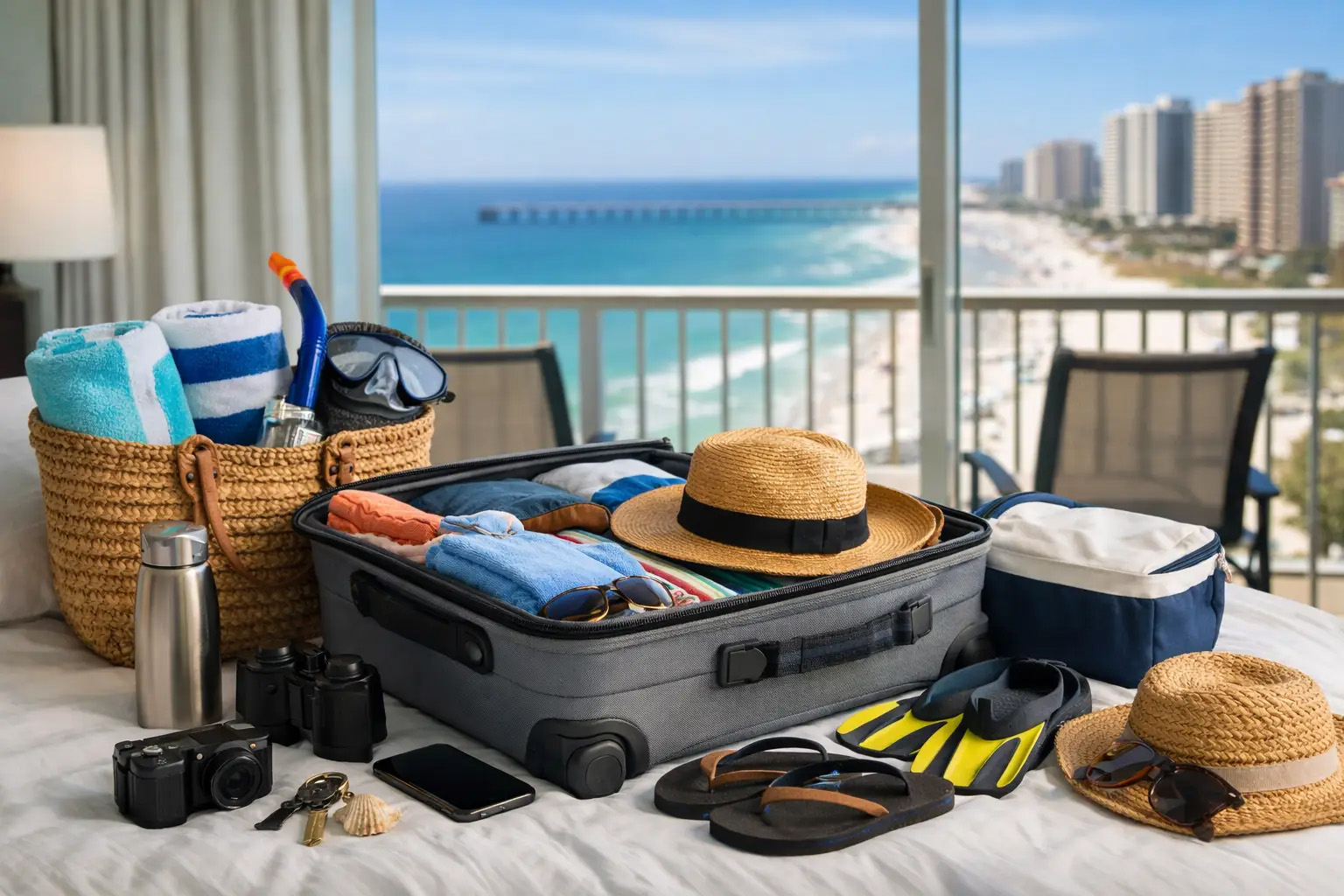
A vacation rental gives you more room to settle in than a hotel room, but you need to read carefully and ask questions to be sure you know what's included. Knowing what to bring when staying in a vacation rental starts with one rule: read the property listing, rental agreement, and pre-arrival instructions before you pack. Each home has its own setup, from the kitchen equipment and linens to parking rules, beach access, and amenity policies.
At Emerald Beach Properties, we want guests to arrive ready to enjoy the beach, not spend their first evening replacing an overlooked essential. Use this guide to pack for the home you reserved, the people traveling with you, and the activities you actually plan to enjoy.
Start With the Property Details
Do not assume every vacation rental has the same equipment. Most vacation rentals provide starter quantities of paper products, dish soap, trash bags, toiletries, laundry detergent, and coffee supplies. Starter quantities help you settle in, but they probably won't cover a full week for a family or group.
Check the listing for what the home includes. Confirm whether it supplies bed linens, bath towels, beach towels, kitchen equipment, a washer and dryer, a grill, a coffee maker, etc. If the listing identifies a coffee maker, check the type. A standard drip machine, single-serve brewer, and espresso machine require different supplies.
Also review the check-in message closely. It will tell you how to access the home, where to park, what codes or passes you need, and whom to contact if you have a question. Save that information on your phone before you travel. Cell service can vary in parking garages, elevators, and unfamiliar areas.
Be sure you understand how your registration fee/parking passes will be paid for before you leave home. Many condo complexes require guests to pay these amounts directly to the association so, they may not be included in the total price of your reservation. Understanding how the property you have chosen works will help avoid surprises at check in.
Pack the Basics You Will Need Right Away
The first few hours after arrival often expose packing gaps. A small carry-on bag or easily accessible tote can prevent a late-night store run after a long drive or flight. Keep medications, travel documents, chargers, sunglasses, and a change of clothes where you can reach them without unpacking everything.
Bring enough prescription medication for the full stay, plus a few extra days if your travel schedule changes. Include basic over-the-counter items your household uses, such as pain relievers, allergy medicine, motion sickness medicine, bandages, and insect bite treatment. Parents should also pack children’s medication in the original container and keep it with them rather than in a checked bag.
For a beach vacation, add sunscreen, aloe gel, reusable water bottles, hats, sunglasses, and a light cover-up. Panama City Beach sunshine feels warm and wonderful until several hours on the sand turn into a sunburn. Reapply sunscreen throughout the day, especially after swimming.
Bring Household Supplies for Your Group’s Length of Stay
A rental home functions more like a temporary home than a hotel. The larger your group and the longer your stay, the more household supplies you will use. A couple staying for a weekend may need very little beyond the starter set. A family of six staying for a week should plan to bring or purchase additional everyday items.
Consider adding these supplies to your packing plan:
- Extra toilet paper, paper towels, trash bags, and disinfecting wipes
- Laundry detergent, dryer sheets, and stain treatment for longer stays
- Dishwashing pods or liquid, a sponge, and food-storage bags or containers
- Coffee, filters if needed, creamer, snacks, and bottled water
- A small first-aid kit and cleaning supplies for quick spills or messes
You do not need to arrive with a trunk full of supplies. Buy perishables and larger items after you arrive if that better suits your travel plans. The goal is simple: avoid running out of essentials halfway through the trip.
Plan the Kitchen Before You Shop
Vacation rental kitchens make it easier to feed a family, accommodate dietary needs, and avoid paying for every meal out. Still, kitchen equipment varies by property. A home may have plates, glasses, cookware, and basic utensils, while specialty items such as a slow cooker, blender, griddle, sharp chef’s knife, or large serving platters may not be available. When in doubt ask! And if something is missing, call the property manager right away so they can provide the items you may be missing.
If cooking matters to your trip, plan your first grocery run around a few easy meals. Breakfast items, sandwich supplies, fruit, simple pasta ingredients, and grill-friendly food reduce decision-making after travel. Bring specialty ingredients that a local grocery store may not stock, especially if you follow a specific diet.
Do not pack your entire kitchen. Instead, bring only items that serve a clear purpose, such as a preferred travel mug, reusable lunch containers for beach days, or a child’s familiar cup. Check the home rules before you use an outdoor grill, and clean up promptly after cooking. Good care helps protect the property for the next guest.
Pack for the Beach, Not Just the Weather
Beach trips require more than swimsuits. Sand, saltwater, heat, afternoon showers, and strong coastal breezes can make a well-packed beach bag feel essential. Pack light, quick-drying clothing and at least one layer for air-conditioned restaurants, cooler evenings, or rainy periods.
Your beach setup may include chairs, umbrellas, toys, coolers, and wagons, but confirm what the rental provides before you haul bulky items across the state. Some properties include beach equipment, while others do not. If you plan to rent gear locally, reserve it early during busy travel periods.
A practical beach bag should hold sunscreen, water, towels, snacks, a waterproof phone pouch, and a small bag for wet swimsuits. Bring footwear that works for more than sand. Flip-flops suit the shoreline, but supportive shoes help with walking, attractions, and evening plans.
Do Not Forget Documents, Technology, and Access Items
Vacation rentals often rely on digital access systems, gate codes, parking passes, and mobile check-in instructions. Keep your confirmation details, property address, check-in time, and management contact information accessible offline. A portable power bank gives you extra protection when your phone handles maps, entry codes, restaurant plans, and family communication.
If you work remotely during your stay, bring the equipment you need to work reliably: your laptop, charging cable, headphones, and any adapter or external device you use every day. Do not assume a rental’s Wi-Fi setup matches the needs of video calls or large file transfers. Check the listing details in advance and make a backup plan if your work schedule allows little flexibility. Most wireless plans today have the ability to hot spot to help when wi-fi is not available or not fast enough.
For families, consider a door alarm, baby monitor, outlet covers, or other portable child-safety equipment you use at home. Vacation rentals welcome families, but each home has a different layout. A quick walk-through after arrival helps you identify balconies, stairs, pools, and storage areas that need extra attention.
Match Your Packing List to Your Travel Style
There is no universal answer to what to bring to every rental. A two-night couples trip calls for a different plan than a multigenerational beach week. Guests traveling with infants may need a portable crib, stroller, high chair attachment, and familiar sleep items. Guests bringing pets should review pet policies first and pack food, medications, waste bags, bedding, and a leash.
Groups should also coordinate before departure. One person can bring games, another can handle beach gear, and another can purchase groceries. That approach avoids five bags of chips and no coffee filters. It also leaves more room in the car for the things that make the trip comfortable.
Before you lock the door at home, take one final look at the rental instructions and your weather forecast. Pack for the home you booked, protect the things your group needs every day, and leave room for a little spontaneity. The best vacation rental packing list does not fill every inch of a suitcase. It gives you the freedom to arrive prepared and spend more time enjoying the coast.
Bringing Your Bike or E-Bike on Vacation?
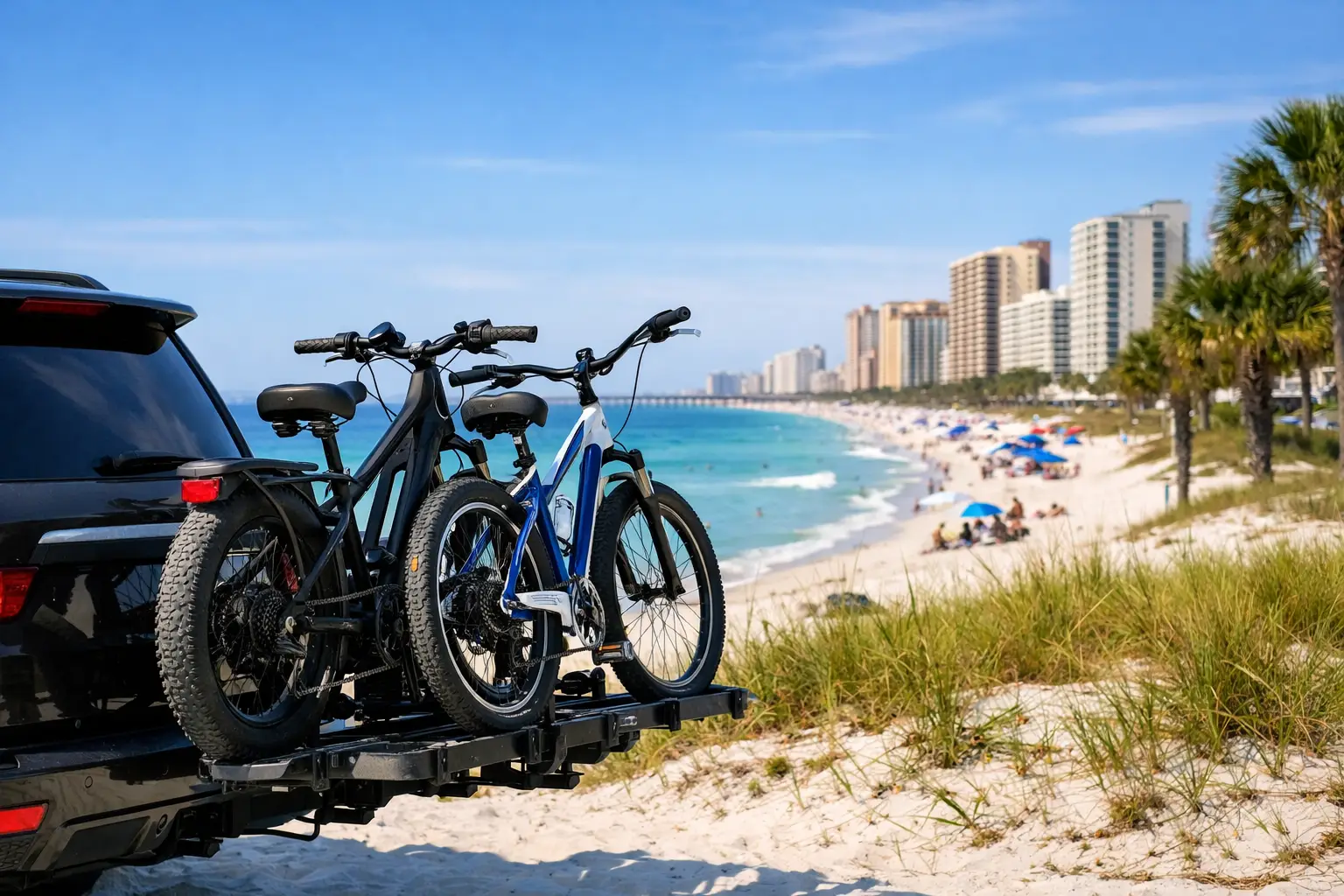
You can spot the difference on day two of a beach trip. One family is waiting on parking, juggling coolers, and debating traffic. Another has already ridden to breakfast, cruised the neighborhood, and reached the sand without moving the car. If you are thinking about bringing your bike or e-bike on vacation, the decision comes down to convenience, cost, and how you plan to spend your time.
For many travelers, a bike adds freedom. You can make short trips without loading everyone into the car, explore side streets at your own pace, and avoid some of the stop-and-go that comes with busy beach areas. An e-bike can go even further, especially if your group includes riders with different fitness levels. Still, bringing one is not always the right call. The best choice depends on your vehicle, your lodging, your riding plans, and how much effort you want to spend before the trip even starts.
Is bringing your bike or e-bike on vacation worth it?
If you ride regularly at home, the answer is often yes. A familiar bike fits well, rides the way you expect, and saves you from hunting for a rental that may not match your size or comfort level. That matters on a vacation where time is limited and you want to move easily between the beach, restaurants, and local attractions.
An e-bike can be even more useful in warm-weather destinations. Heat, wind, and long flat stretches can wear people down faster than they expect. Pedal assist keeps the ride enjoyable and helps casual riders cover more ground. Families often find that an e-bike turns a trip into a true car-light vacation.
The trade-off is logistics. Standard bikes travel fairly easily with a solid rack and a little planning. E-bikes weigh more, require battery management, and need secure storage. If you already feel stretched packing for the trip, adding two or four bikes can push the process from manageable to frustrating.
When bringing your own bike makes the most sense
Bringing your own bike usually makes sense when you plan to ride often, not just once. If you expect to use it every day for coffee runs, beach access, neighborhood cruising, or evening rides, the value adds up quickly. The more often you ride, the more worthwhile the transport effort becomes.
It also makes sense if your group includes serious riders. If someone wants early morning training miles, a rental may feel like a compromise. The same goes for riders who need a specific frame size, saddle setup, or child-carrying arrangement. Your own equipment removes a lot of uncertainty.
Vacation rentals can make bike travel easier than hotels. You usually get more room for gear, easier access for loading and unloading, and more flexibility for storage. If you stay in a property with practical entry space, a garage, or a designated area for bikes such as a bike rack, bringing bikes becomes a much simpler process.
When renting is the better option
Sometimes renting is the smarter move. If your trip is short, your vehicle is already full, or you only expect to ride once or twice, transporting bikes may not pay off. The same applies if you are flying. Shipping or checking a bike often costs enough to erase the value of bringing your own.
E-bikes raise that threshold even more. They are heavy, expensive, and harder to move safely. Many vehicle racks cannot handle their weight without careful review of the rack limit, the hitch class, and the combined load. If you are unsure about any part of that setup, renting at the destination is the safer decision.
There is also a simple comfort factor. Some guests do not want to monitor batteries, lock systems, and weather exposure during a beach stay. They want to arrive, settle in, and keep the trip uncomplicated. That is a reasonable call.
Bringing your bike or e-bike on vacation starts with transport
Transport is where most problems begin. People focus on whether the bike fits, but the real issue is whether the whole setup stays secure for hours at highway speed.
For standard bikes, a quality hitch rack is usually the best option. Roof racks work, but they require overhead lifting and increase the risk of clearance mistakes in garages or drive-throughs. Please check in advance if you are using a roof rack to be sure of the garage clearance in the property you are renting. Trunk-mounted racks can work for lighter bikes, though they tend to be less stable and may limit access to your rear cargo area.
For e-bikes, start with the weight. Many models exceed the per-bike limit of standard racks. You need a rack rated for e-bikes, and you need to confirm the total capacity, not guess. Remove the battery before travel if the manufacturer allows it. That reduces weight and lowers the chance of battery damage from road vibration or weather.
Secure every contact point. Frame straps alone are not enough for a long drive. Use wheel straps, check for side-to-side sway, and stop after the first few miles to retighten everything. If you cover the bikes, use a cover built for highway travel. A loose tarp can shred quickly and create its own hazard.
What to pack beyond the bike itself
Most travelers remember helmets and forget the items that keep the trip from going sideways. Bring your charger, battery key, bike lock, spare tube or flat repair kit, tire pump, multitool, and lights. If your e-bike uses a removable display or control unit, pack that carefully too.
It helps to bring a simple cleaning cloth and chain lube, especially in coastal areas. Sand, salt air, and moisture can affect both standard bikes and e-bikes faster than many people expect. You do not need a full workshop kit, but basic maintenance supplies can save a ride.
If children are riding, check fit before the trip. Vacation is not the time to discover that a helmet pinches, a seat sits too high, or the trailer attachment is missing a part. Handle those details at home where you have time and options.
Storage matters more than most guests expect
Once you arrive, the question shifts from transport to protection. Bikes left outdoors overnight face weather exposure and theft risk. E-bikes add one more concern because batteries and electronics should stay dry and within safe temperature ranges. In many cases condo associations in PCB outright BAN e-bikes being stored inside condos due to concerns about battery safety. It's best to check in advance if you are planning to bring an e-bike.
Before you travel, confirm where you can store bikes at the property. Ground-floor access helps. Covered space helps even more. If you are staying in a vacation rental, ask about practical details, not just whether bikes are "allowed." Ask whether there is secure storage, whether e-bike charging is permitted indoors, and whether there are any rules about hallways, balconies, or common areas.
That level of planning matters in busy beach markets. A good property supports how you actually travel, not just where you sleep. For guests staying in Panama City Beach, that can make the difference between using the bikes every day and leaving them locked to the car for most of the trip.
Safety and local riding realities
A vacation ride should feel easy, but it still requires judgment. Beach traffic changes by season, and not every road feels equally comfortable for families or casual riders. A route that looks short on a map may involve busy crossings, limited shoulder space, or afternoon congestion.
E-bikes require extra discipline. They accelerate faster, carry more momentum, and can surprise riders who have not used pedal assist before. If someone in your group is new to e-bikes, start in a low-assist mode and use quieter streets first. Keep speeds controlled in shared spaces and around pedestrians.
The weather also matters. Heat and humidity can turn a comfortable morning ride into a hard afternoon return. Bring water, plan shorter rides during peak heat, and never assume the breeze will be there when you head back.
The real decision: convenience versus effort
Bringing your bike or e-bike on vacation works best when riding is part of the trip, not an afterthought. If you know you will use the bikes often, have a safe transport setup, and can store them properly, bringing your own equipment can improve the entire stay. You get flexibility, familiar gear, and an easier way to enjoy the area without relying on the car for every short trip.
If the plan feels uncertain, keep it simple. Renting may cost more per day, but it removes transport risk, storage concerns, and a fair amount of pre-trip planning. The right choice is the one that lets you spend less time managing equipment and more time enjoying where you are.
A good vacation should move at your pace. If a bike helps you do that, bring it with a clear plan and use it well.