Recently Viewed
Favorites

Fun Things To Do in PCB

July 17, 2026

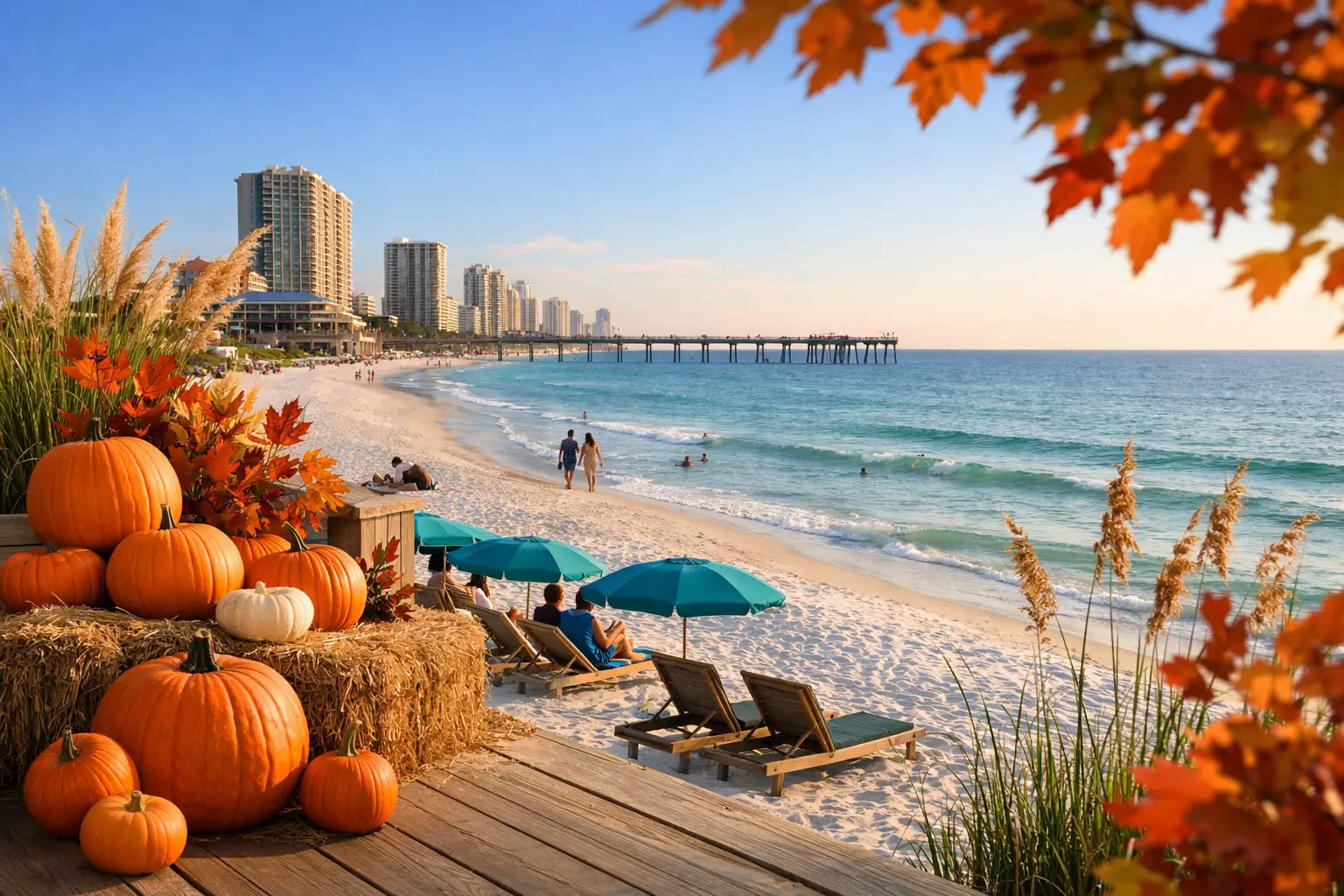
Fall Events in Panama City Beach: Plan Your Stay

The Gulf looks different in fall. The water is still inviting, the summer crowds are gone, and fall events in Panama City Beach give a beach getaway a clear reason to gather everyone around a calendar. Whether your group prefers fresh seafood, live music, endurance sports, or a full weekend of family activities, the season offers so many different opprotunities for visitors.

Fall also rewards travelers who plan with purpose. A major event can change traffic patterns, restaurant wait times, and the availability of vacation rentals near the beach. Choose the experience you want first, then select a property and arrival date that support your plans.

Why Fall Works for a Panama City Beach Getaway

Panama City Beach definitely does not close down after summer. It shifts gears. Families can enjoy more room on the sand, couples can build a quieter trip around dining and local entertainment, and groups can attend signature events without giving up beach time.

The weather remains one of the season's strongest advantages. Days still feel warm and bright, while evenings bring the welcome relief that makes an outdoor concert, festival, or sunset walk more comfortable. Conditions vary from week to week, so travelers should pack layers, watch the forecast, and keep outdoor plans flexible.

Fall stays can also offer stronger value than peak summer dates. That does not mean every weekend runs quiet. Major festivals, rallies, and athletic events can create high demand for well-located vacation homes and condos. Travelers who want a particular view, neighborhood, bedroom count, or pet-friendly option should reserve early.

Signature Fall Events in Panama City Beach

Event schedules, venues, admission policies, and dates can change from year to year. Confirm current details directly with each organizer before building a nonrefundable itinerary. Still, these recurring event types help visitors understand what the fall season often brings to the area.

Seafood Festivals and Coastal Food Weekends

Fall seafood events put Gulf flavors at the center of the weekend. Visitors can expect local seafood, chef-driven dishes, music, and the relaxed energy of an outdoor gathering near the water. These events suit couples, friend groups, and families with older children who enjoy sampling several dishes rather than sitting through one formal dinner.

Plan your meal timing carefully. Popular vendors can draw long lines during the busiest afternoon and early-evening windows. A late lunch or earlier arrival often makes the experience more enjoyable. If your vacation rental includes a full kitchen, leave room in the schedule for one quiet meal at home after the festival rather than trying to fit every meal into a crowded restaurant plan.

Pirates of the High Seas and Renaissance Fest

Ahoy Mateys! The pirate-themed fall celebration has become a family favorite because it turns a beach weekend into something more playful. Costumed characters, activities for children, entertainment, and festive public spaces give younger travelers a reason to take a break from the pool or sand.

Families should check the daily activity schedule before they arrive. Some programs work best for toddlers and elementary-age children, while evening entertainment may appeal more to teens and adults. Bring comfortable shoes, sunscreen, refillable water bottles, and a light layer for after sunset. A rental close to your preferred activity area can simplify nap breaks, stroller logistics, and end-of-day wind-down time.

And don't forget to book you Pirate Cruise on the Sea Dragon for an unforgettable journey! Sea Dragon Pirate Cruise.

There's also the Pirates Voyage dinner Show in PCB for dinner and a show. Pirates Voyage Dinner and Show.

Make it a pirate getaway over the long Columbus Day Weekend!

Motorcycle Rally Weekends

The Thunder Beach fall motorcycle rally draws riders from across the region and gives the destination a distinctly different energy. You'll see bikes lining major routes, organized rides, vendor areas, and special entertainment across the beach communities.

Riders should prioritize a rental with practical parking, easy access to the roads they plan to travel, and clear property rules. Other visitors should not assume the entire area becomes inaccessible, but they should expect heavier traffic near rally hubs and more activity at certain restaurants and entertainment districts. If a quiet evening matters most, choose a home or condo away from the busiest gathering areas.

Ironman Florida and Endurance Events

The annual Ironman race and related endurance events bring athletes, support crews, and spectators to the beach each fall. Race day offers an exciting atmosphere, but it requires deliberate planning. Road closures, early starts, and limited access near portions of the course can affect transportation.

Athletes benefit from a rental that supports rest and routine. Look for enough kitchen space to manage pre-race meals, comfortable sleeping arrangements, and a location that reduces race-morning stress. Spectators should identify viewing areas and transportation options in advance. A few minutes of planning can prevent a long walk or a missed transition point.

How to Choose the Right Event Weekend

The right fall trip depends on who is traveling and what they want from the beach. A family with young children may want daytime programming and a rental that makes it easy to return for meals and rest. A group of friends may prefer a food festival weekend with access to nightlife. Athletes need convenience and quiet more than proximity to entertainment.

Start by deciding whether the event serves as the centerpiece of the trip or simply one activity among many. If the event comes first, book around the venue or course and build your beach days around the schedule. If the beach comes first, select a less crowded weekend and choose an event you can attend casually.

It also helps to consider your arrival and departure days. Friday arrivals can overlap with event traffic and grocery runs, especially during popular weekends. Arriving a day earlier may give your group time to settle in, stock the kitchen, and enjoy the shoreline before the event schedule begins.

Plan the Details That Protect Your Vacation Time

A strong itinerary leaves space for the unexpected. Fall weather can bring a passing shower, a windy afternoon, or a cool night after a warm day. Build one indoor option into your plans, and avoid scheduling every hour around ticketed activities.

Use these practical decisions to keep the trip organized:

  • Reserve your vacation rental before buying travel arrangements if your group needs specific features such as multiple bedrooms, elevator access, a private pool, or dedicated parking.
  • Review the property's parking capacity and community rules, particularly during motorcycle rallies and high-attendance weekends. Not all properties allow extra parking.
  • Make restaurant reservations when available, but keep one or two meals flexible for the food vendors and local spots you discover during the trip.
  • Check event parking, shuttle information, bag rules, start times, and weather policies shortly before you leave home.

Guests should also respect the difference between an event venue and a vacation rental community. Keep noise under control, follow parking instructions, and secure personal belongings. These basics protect the experience for your group and for the neighbors sharing the area.

Make Room for the Beach

An event can fill a weekend, but the beach remains the reason many visitors choose Panama City Beach. Schedule at least one open morning or late afternoon for it. The softer fall light, quieter shoreline, and cooler temperatures create an excellent setting for a walk, a beach picnic, or simply a few unplanned hours by the water.

This balance matters most on short stays. Trying to attend every festival activity can leave a group feeling rushed. Choose the one or two moments that matter most, then let the rest of the trip unfold at the pace of the coast.

Emerald Beach Properties helps guests find vacation rental accommodations that fit how they plan to experience the area, whether that means gathering the family after a festival day or giving an athlete a comfortable place to prepare and recover.

Fall rewards travelers who arrive prepared but do not over manage the experience. Pick an event that fits your group, secure a well-matched place to stay, and leave enough time for the Gulf to do what it does best: slow everyone down.


July 13, 2026

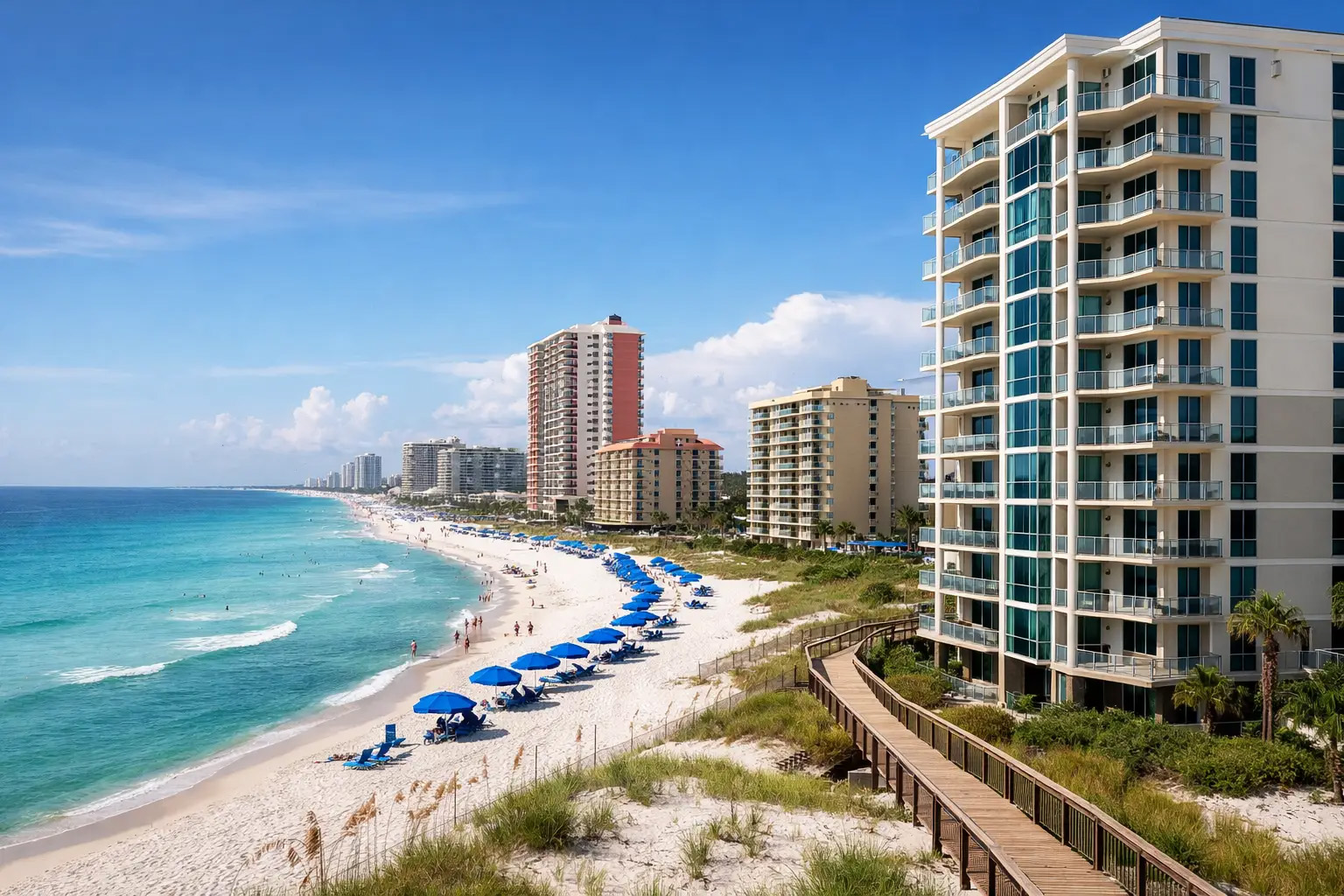
Best Condos Near Beach Access in Panama City Beach

The difference between a beach vacation that feels easy and one that feels like a daily logistics project often comes down to one detail: how you reach the sand. Guests searching for the best condos near beach access should look beyond a listing's broad claim of being "near the beach." A condo can sit close to the shoreline yet require a long walk around another building, a busy road crossing, or an elevator trip that adds time when everyone carries chairs, coolers, and tired toddlers.

In Panama City Beach, the right condo puts your group in a position to enjoy the beach on your schedule. It gives you a practical route to the water, enough space to settle in comfortably, and building features that support the way you actually vacation.

What Beach Access Really Means

Beach access describes more than the distance between a building and the Gulf. It includes the full route from your condo door to the sand: elevators, parking areas, pool decks, walkways, gates, stairs, boardwalks, mobi-mats, and street crossings. Each part of that route can affest how often your group uses the beach.

A beachfront condo may offer direct access through a private boardwalk or a clearly marked path from the pool deck on to a mobi-mat and then to the sand. This setup works especially well for families who plan daily beach trips. You can return to the condo for lunch, naps, or a forgotten sunscreen bottle without much extra effort.

A condo across the street can still provide excellent value and a short walk to a condo complex access point or public access point. For couples, friend groups, and guests who prefer a lower nightly rate, that trade-off may make complete sense. The key is to understand the route before you reserve, rather than assuming every nearby building offers the same experience. Check the listings for property maps that detail how you can access the beach and whether there are tram services available.

Distance Is Only One Part of Convenience

A stated walking distance does not account for wait times at elevators, traffic at a crosswalk, or the effort of moving beach equipment. Consider where you will start each trip. A ground-level unit near a walkway may feel faster to access than a high-floor condo in a larger tower, even if both buildings are right on the beach.

Also consider the return trip. A scenic stroll to the beach feels different after several hours in the sun, especially with small children or anyone with mobility concerns. Direct, well-maintained access matters most when your group expects to spend most of its time by the water.

How to Choose the Best Condos Near Beach Access

The best choice depends on your vacation priorities. Start with location, then verify the unit and building details that determine whether that location works for your group. If the listing does not provide details of the complex where you are staying it will be worthwhile to ask the property manager or check the website of the complex for more info.

Start With the Beach Route

Look for a listing that explains how guests reach the beach. Clear descriptions of private beach walkovers, direct Gulf-front access, public beach entry points, or road crossings help you set realistic expectations. Photos that show the pool area, exterior grounds, and beach-facing side of the building also provide useful context.

If you need step-free access or want to minimize stairs, ask about the route specifically. A building may have elevators but still use stairs for part of the beach path. Guests traveling with strollers, wagons, or limited mobility should confirm these details before arrival.

Choose a Layout That Supports Your Group

Beach proximity loses some of its value if the condo feels crowded by the second day. Families often benefit from separate bedrooms, multiple bathrooms, and a kitchen that can handle breakfast and snacks between beach outings. A washer and dryer also earns its keep when swimsuits and towels need a reset.

For couples or smaller groups, a compact one-bedroom or studio-style condo may deliver a better value while keeping you close to the beach. Do not pay for more square footage than you need if your plan centers on the beach, local dining, and time outdoors.

Evaluate the Building, Not Just the Unit

The condo itself matters, but the building shapes much of the stay. A large resort-style property may offer multiple pools, fitness areas, on-site dining, and broad beachfront views. It may also have busier common areas and elevator demand during peak arrival and departure times.

A smaller property can feel quieter and provide a less complicated path to the sand. It may offer fewer amenities, which is not necessarily a drawback if you want a calm base for beach days. Match the property to your preferred pace rather than assuming more amenities always create a better trip.

Amenities That Matter After a Beach Day

Some features look impressive in photos but do little for a beach-focused stay. Prioritize the amenities that will make your vacation days easier. A pool gives children another place to play when the surf is not calm. Outdoor showers or rinse stations help keep sand out of your vacation rental. Covered parking can make unloading more manageable during summer heat or afternoon rain.

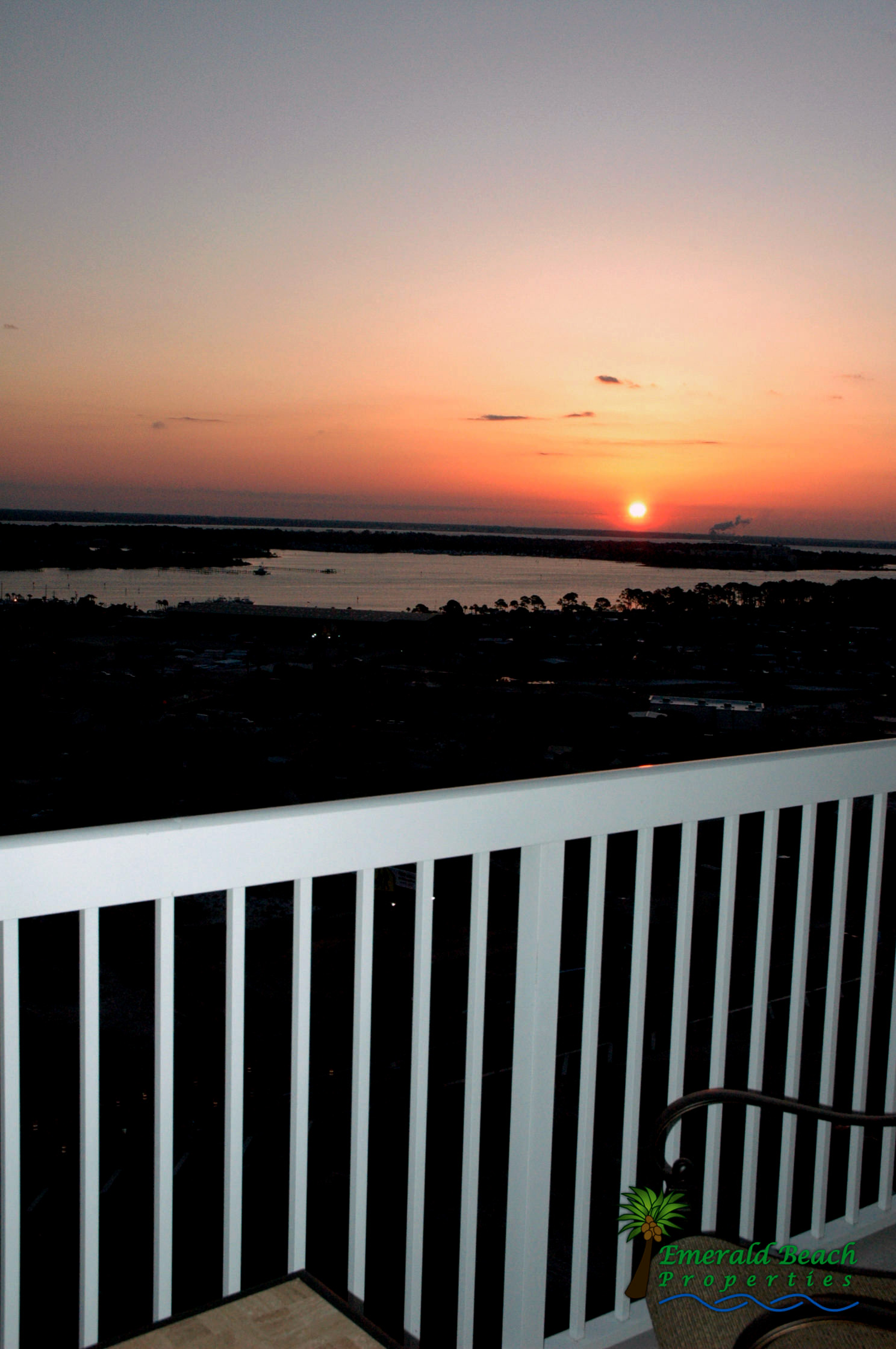
A private balcony also adds tons of value, particularly in a Gulf-front condo. It gives early risers a quiet place for coffee and gives the rest of the group room to spread out after dinner. And there's nothing like a Gulf Front Sunset View! Descriptions deserve a close read, however. Gulf-front generally means the unit faces the water directly.

When comparing options, focus on these practical building details:

  • The location and type of beach entry
  • Elevator availability and typical access from the unit
  • Parking arrangement, including any limits on vehicles
  • Pool, hot tub, and outdoor rinse areas
  • In-unit laundry, kitchen equipment, and balcony orientation

These details help you compare two similar condos with greater accuracy than a general amenities list alone.

Consider Season, Crowds, and Your Daily Plans

Panama City Beach changes character throughout the year. Peak summer weeks bring warm water, active beaches, and larger crowds. A condo with direct access becomes especially valuable then because it lets your group move between the beach and your accommodations without coordinating parking or hauling gear over a long distance.

Spring and fall can suit guests who want comfortable weather with a more relaxed rhythm. During these seasons, a short walk to the beach may feel entirely reasonable, particularly if you plan to spend time exploring restaurants, attractions, or nearby coastal areas.

Winter visitors often place more weight on indoor comfort, heated pool options, workspace needs, and longer-stay conveniences. Beach access still matters for walks along the shore and sunset views, but a well-equipped condo can become the deciding factor when the weather shifts.

Questions to Ask Before You Reserve

A well-managed vacation rental should provide direct answers to the questions that affect your stay. Before booking, confirm whether the property has direct beach access, where guests park, how many parking passes the reservation includes, and whether the building has any age, occupancy, or amenity rules.

Ask about construction or maintenance work if your dates fall within the off season when many properties handle updates and construction projects. Coastal buildings require regular care, and temporary work can affect balconies, pools, elevators, or walkways. Clear information allows you to choose with confidence.

You should also review what the rental includes. Beach chairs, umbrellas, and recreational equipment vary by property. If these items are not included, plan for rentals or bring what your group needs. That small bit of preparation prevents unnecessary spending after you arrive.

Reserve With the Full Stay in Mind

The best beach condo is not always the one with the biggest balcony, the tallest tower, or the lowest nightly price. It is the one that fits the rhythm of your trip. A family with young children may prioritize the shortest route to the sand. A couple may prefer a quieter building and a private balcony. A multi-generation group may need elevator access, a spacious kitchen, and enough bedrooms for everyone to get a good night's sleep.

Emerald Beach Properties focuses on vacation rentals in the Panama City Beach area and understands that location details affect every part of a guest's experience. Accurate property information and clear expectations give guests a stronger foundation for choosing the right stay. If you have any questions, we are always on hand to provide answers!

Before you reserve, picture your first morning: where you will park, how you will carry the coffee and beach bag, and how quickly you can reach the beach. When those answers feel simple, you have likely found a condo that will let the beach take center stage.


July 12, 2026

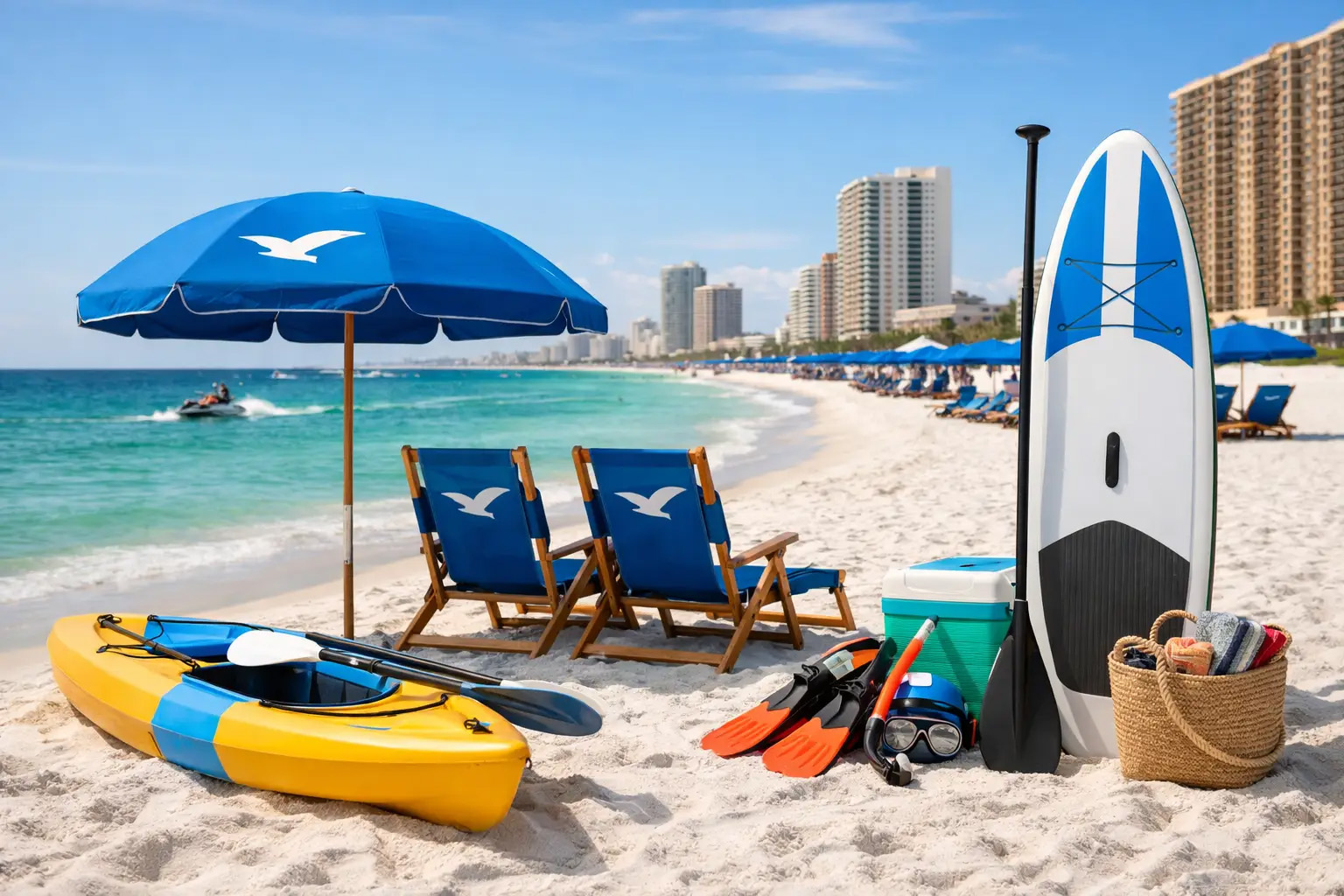
Renting Beach Gear in Panama City Beach: What to Know

The difference between a relaxed beach day and a frustrating one often comes down to the first hour. Families who arrive with shaded seating, dry towels, cold drinks, and a plan for the kids can settle in quickly. Those who arrive carrying too much or searching for supplies during a busy week can lose valuable vacation time. Renting beach gear in Panama City Beach gives some visitors a practical way to travel lighter while still enjoying the shoreline comfortably.

A rental can solve a real vacation problem, but the right choice depends on your group, your accommodations, and how you plan to use the beach. A couple spending two quiet mornings by the water needs something very different from a family with young children, a cooler full of lunches, and a full afternoon ahead.

Start With Your Beach-Day Plan

Before you reserve anything, decide what a successful beach day looks like for your group. Consider how many people need a seat, how long you expect to stay, whether anyone needs extra shade, and how far you will walk from your vacation rental to the sand. These details help you avoid paying for gear that adds little value or arriving without something you genuinely need.

For many guests, chairs and an umbrella or canopy form the foundation. They create a comfortable home base for reading, resting, watching children near the shoreline, and taking a break from direct sun. If you plan to spend several hours on the beach, shade matters more than you might expect, especially during the warmest part of the day.

Families often benefit from adding a cooler, beach cart, boogie boards, or sand toys. A cart can make a significant difference when your rental is across the street, behind a dune walkover, or several buildings from the beach. On the other hand, guests staying directly on the Gulf may prefer a simpler setup and fewer items to manage.

Know the Difference Between Beach Service and Gear Delivery

Not every beach rental operates the same way. Some providers set up chairs and umbrellas in a designated area of the beach. Others deliver equipment to your vacation rental, where you take it to the sand and return it as directed. Both options can work well, but each requires different planning.

A staffed beach-chair setup at the complex where you are staying offers convenience. You can arrive, check in with the service, find your chairs, and begin your day without carrying equipment. This option often suits guests who want a polished, low-effort beach experience. Availability, location, and daily operating conditions can affect these setups, so confirm the details before you count on a particular row or location. Typically, the guest will be paying for this service but, a few vacation rentals include this service in the price. Be sure to check so there are no surprises. You can usually reserve beach chairs in advance to be sure you will have a place upon arrival.

Delivered gear gives you more flexibility. You may use the equipment at different beach access points or bring it to a quieter stretch of sand. However, delivery rentals place more responsibility on you. Confirm where the provider will leave the items, where you should store them overnight, and when the provider will collect them.

Ask About Access Before You Reserve

Panama City Beach includes a mix of beachfront condominiums, vacation homes, resort properties, and neighborhood access points. Your lodging location affects which gear arrangement makes the most sense. A beach-service provider may work from a particular beachfront area, while a delivered setup may require you to carry items through an access point.

Review your property’s parking, beach access, storage space, and community rules before you reserve larger equipment. Some properties limit where guests can place gear, and they do not offer convenient space for storing bulky items overnight. Panama City Beach operated under a "No Trace Left Behind" ordinance that requires all beach gear be removed from the beach each evening. A quick check protects you from an avoidable inconvenience after check-in.

Reserve Early for Peak Travel Dates

Spring break, summer holidays, long weekends, and major events bring more visitors to the beach. During these periods, popular chair setups, umbrellas, golf carts, bicycles, and family-sized equipment can sell out early. Last-minute rentals may still be available, but you may have fewer choices, less convenient delivery windows, or a higher price.

Reserve as soon as you know your travel dates if particular beach gear is important for your vacation plans. This approach matters most for groups that need several chairs, a large canopy, mobility equipment, or specialty items for children. Confirm the reservation in writing and keep the provider’s contact information available before arrival.

Price deserves attention, but it should not control the entire decision. Compare the rental period, delivery fees, service area, deposit requirements, weather policies, and replacement costs. A lower daily rate can become less attractive if it adds a delivery charge, requires a long pickup trip, or creates a difficult return schedule on your departure day.

Choose Gear That Fits the Weather, Not Just the Photo

A wide umbrella and matching chairs may look ideal in a listing photo, but coastal weather requires practical judgment. Wind can change quickly along the Gulf, and a lightweight setup that works on a calm morning may not suit a breezy afternoon. Ask how the provider handles wind restrictions and whether staff may close or remove umbrellas when conditions become unsafe.

Do not treat rented shade equipment as a substitute for weather awareness. Check the beach flag conditions each day, supervise children near the water, and respond quickly to changing surf or storms. Beach gear should make the day more comfortable, not encourage your group to stay exposed to unsafe conditions.

The same principle applies to water equipment. Boogie boards, paddleboards, kayaks, and similar items can add fun for confident swimmers in suitable conditions. They require more attention than chairs or toys, however. Consider your group’s experience, the day’s surf, and the effort required to transport and supervise the equipment.

Keep Children Comfortable Without Over-packing

Parents often feel tempted to rent every possible item for a beach day. In practice, a focused setup usually works better. Shade, drinking water, sunscreen, snacks, towels, and a few familiar toys cover the essentials for most young children. Add chairs or a wagon if they improve comfort or reduce the number of trips you need to make.

Very young children may need frequent shade breaks, dry clothing, and a quiet place to rest. Plan for those needs before you commit to a long stretch on the sand. A comfortable child makes the entire group’s day easier.

Read the Rental Terms Before Delivery Day

Rental terms deserve more than a quick glance. Confirm the rental start and end dates, expected delivery time, pickup procedure, and instructions for damaged or missing items. If you book a multi-day rental, find out whether the provider expects you to secure the gear overnight or whether they handle daily setup and removal.

Also ask about weather cancellations. Providers vary in how they handle high winds, heavy rain, or beach closures. Some may offer a credit or adjustment under certain circumstances, while others may not. Clear expectations reduce friction if conditions change after you arrive.

Take a few moments to inspect delivered equipment when it arrives. Check chairs, wheels, straps, coolers, and water equipment for visible damage. If anything looks unusable or incomplete, contact the provider promptly. Early communication gives the company a fair chance to correct the issue and documents the condition of the equipment.

Match the Rental to the Rest of Your Vacation

Beach gear should support your plans rather than dictate them. Guests who intend to explore restaurants, attractions, and nearby activities may want a compact, one-day setup. Guests who plan to spend most mornings and afternoons on the sand may receive more value from a multi-day chair and umbrella arrangement.

Think about your departure day as well. If checkout requires an early start, avoid rentals that require a complicated return process or a narrow pickup window. A clear plan lets you enjoy your final morning instead of managing equipment logistics.

The best rental choice rarely involves the most gear. It involves the gear your group will actually use, delivered or set up where you need it, with terms you understand before you arrive. When you make those decisions early, the beach can feel less like a project and more like the reason you came.


July 6, 2026

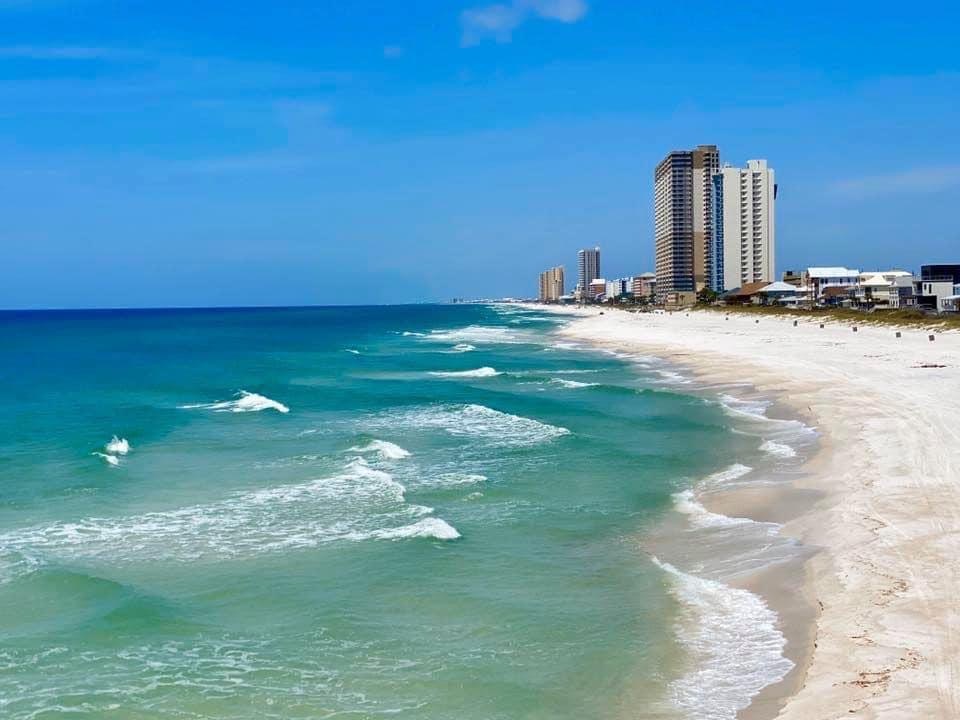
August in Panama City Beach FL: What to Expect

School calendars start to pull some families home, but the beach does not slow down overnight. August in Panama City Beach FL still feels like full summer - bright mornings, hot afternoons, warm Gulf waters, and long beach days that reward good timing. If you plan a late-summer trip, you need a clear picture of the weather, crowd patterns, and the trade-offs that come with one of the hottest months of the year.

What August in Panama City Beach FL really feels like

August brings true summer conditions. Expect daytime highs in the upper 80s to low 90s, high humidity, and a heat index that can push higher by early afternoon. Mornings usually feel more comfortable, especially near the water, while the middle of the day can turn intense very quickly.

The Gulf is one of August's strongest advantages. Water temperatures stay warm enough for long swims, floating, paddleboarding, and relaxed sandbar time without the chill that some visitors feel in spring. For families with younger kids, that warmer water often makes beach time easier and more enjoyable.

The trade-off is obvious. Heat and humidity can wear people down if they try to stay outside from late morning through mid-afternoon without a plan. Visitors who enjoy active beach days usually do best when they start early, take a break indoors during peak heat, and head back out later.

Weather patterns to plan around

August weather usually follows a rhythm. Many days start sunny, then build toward scattered afternoon showers or thunderstorms. These storms often move through quickly, but they can interrupt beach plans with little notice.

That does not mean every day turns stormy or that a forecast with rain ruins a trip. In coastal Florida, a rain icon on the forecast may mean a short late-day storm instead of a washout. The better approach is to treat August weather as manageable rather than predictable. Build flexibility into each day and avoid locking your entire schedule into one narrow window.

Tropical activity also deserves attention in August. It is part of hurricane season, and while most travelers never face serious disruptions, conditions in the Gulf can change quickly. If you book an August stay, pay attention to forecast updates as your trip approaches and understand any reservation terms before arrival. Confidence comes from preparation, not guesswork.

Beach conditions and water time

For many guests, August is all about maximizing time on the sand and in the water. That part of the trip often delivers. The Gulf usually looks inviting, the sand stays bright and busy, and sunset beach walks still feel like peak season.

Still, beach safety matters more than aesthetics. Gulf conditions can shift on a moment's notice with wind, storms, and currents. Flag warnings are posted for a reason. Strong swimmers sometimes underestimate the water when the surface appears calm near shore. Families should treat flag conditions as operational guidance, not background information.

The hottest part of the day also changes how people use the beach. Shorter sessions often work better than all-day setups. Early morning is ideal for walking, shell hunting, and quieter shoreline time. Late afternoon and early evening usually bring a second wind, especially once the sun starts to drop.

Crowd levels in August

August sits in an in-between space. It still attracts summer travelers, but crowd patterns often change as the month moves along. Early August can feel close to peak season, especially around weekends. Later in the month, some areas may feel more open as school schedules resume in the many different drive markets served by PCB.

That shift can work in your favor if you want summer energy without the heaviest midsummer pressure. Beaches, restaurants, and attractions still stay active, but timing matters. A weekday morning can feel very different from a Saturday afternoon.

For vacation rental guests, this is where planning creates value. A well-located property helps you avoid unnecessary driving, parking stress, and overly packed public access points. Staying close to the beach or near the spots you expect to visit most can make August feel much easier.

What to pack for an August stay

Packing for August requires less variety. You need clothing that handles heat, humidity, and quick weather changes. Breathable fabrics, multiple swimsuits, sandals that dry fast, and a light layer for over-air-conditioned indoor spaces usually cover the basics.

Sun protection matters more than many visitors expect. In August, direct sun plus reflected glare from the sand can add up fast. Bring high-quality sunscreen, hats, sunglasses, and enough shade support for beach days. If you travel with children, plan for extra water, snacks, and breaks rather than trying to push through the hottest hours.

A rain jacket or compact umbrella can help, but afternoon showers often pass quickly enough that patience works just as well. Waterproof bags for phones, keys, and beach gear usually provide more practical value than heavier rain equipment.

Best ways to structure your day

August rewards travelers who respect the clock. The most comfortable beach days usually start early. Get outside in the morning when the air feels lighter, the sand has not heated up, and the shoreline offers a relaxing pace.

By midday, many guests benefit from shifting indoors. That can mean lunch, downtime at the rental, shopping, a trip to the movies or a short reset before heading back out. This rhythm helps families avoid burnout and gives everyone a better chance of enjoying the evening.

Late afternoon and early evening often become the best stretch of the day. The beach remains beautiful, temperatures begin to soften, and sunset creates a natural close to the day. If afternoon storms roll through, they sometimes clear the air just in time for a better evening outside.

Is August a good time for families?

Yes, for many families, but the answer depends on how you travel. If your group enjoys full summer conditions, wants warm water, and does not mind planning around heat and scattered storms, August can be a strong fit. Children who love swimming often do especially well when the Gulf feels this warm.

If your family struggles with heavy heat, has very young children who tire easily outdoors, or prefers tightly scheduled days, August may require more effort. The month works best when expectations stay realistic. You are not trying to force nonstop activity from breakfast to sunset. You are building a trip around the weather instead of competing with it.

That same logic applies to multi-generational groups. Grandparents, toddlers, and teens rarely want the same pace in August. A comfortable vacation rental with space to cool off, regroup, and move in and out of the day on your own schedule often matters as much as the beach itself.

Vacation rental considerations in August

August is a month where property choice can materially affect the quality of the trip. A rental with easy beach access reduces midday logistics. Strong air conditioning, functional parking, and a layout that supports rest between outings become more valuable when temperatures are high.

Guests should also think carefully about location. If you plan to spend most of your time on the beach, proximity matters. If your group expects dining, shopping, and mixed activities, convenience across the full stay matters just as much. Emerald Beach Properties serves travelers who want that location advantage paired with professional management and clear expectations.

Should you visit in August?

August makes sense for travelers who want real summer and know how to use it well. The beach is beautiful, the Gulf is warm, and the month can offer a favorable balance between peak-season energy and late-summer shifts in crowd levels. It asks for planning, but it also pays off with long beach days and classic coastal evenings.

If you come prepared for heat, stay flexible with weather, and choose your property carefully, August can deliver exactly what many guests want from a Panama City Beach stay - time outside, easy access to the water, and a vacation rhythm that still feels like summer right up to the end.
July 5, 2026

PCB Beach Bonfires: Rules, Costs, and Tips

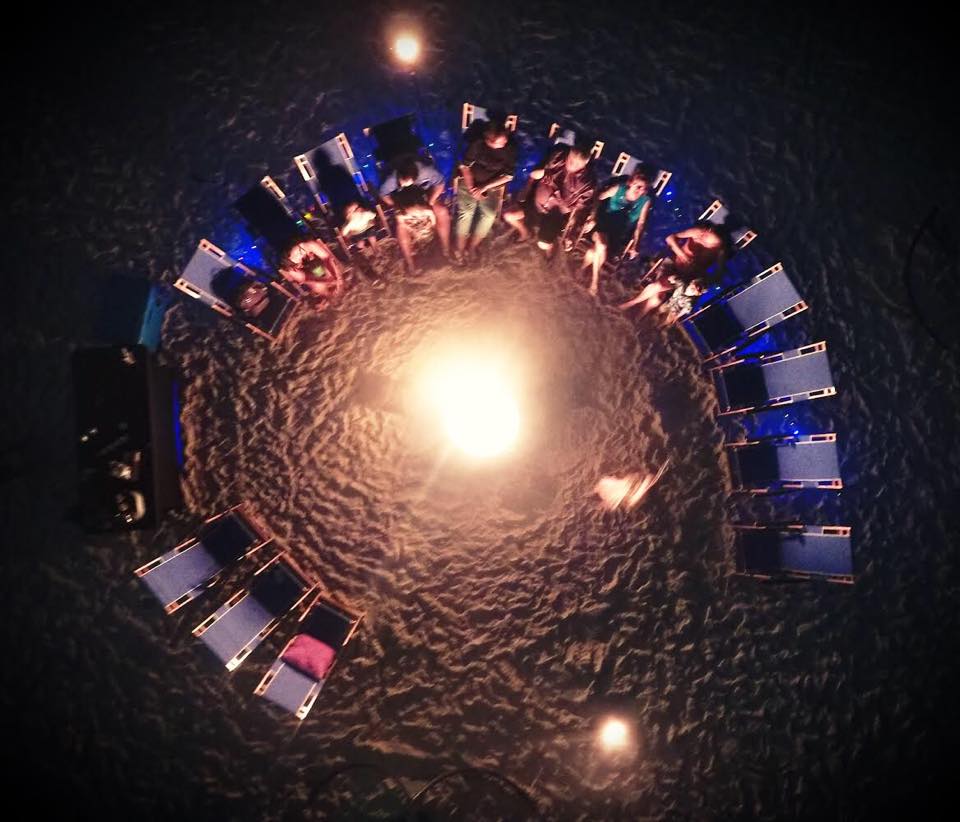
Sunset on the Gulf can make almost any evening feel planned to perfection. But PCB beach bonfires only work that way when you handle the logistics early, follow local rules, and choose the right stretch of beach for your group. If you wait until the last minute, you can end up with permit issues, weather problems, or a setup that does not match the experience you had in mind.

For many Panama City Beach visitors, a beach bonfire sits high on the vacation wish list. Families want a relaxed night with chairs in the sand and kids making s'mores. Couples want a quieter setup with a cleaner, more private feel. Groups often want something social without turning the evening into a loud, unmanaged event. The details matter because the best bonfire nights feel effortless only after someone has done the work.

What to Know About PCB Beach Bonfires

PCB beach bonfires are not a bring-your-own-firewood situation on just any part of the shoreline. Local beaches operate under specific rules, and fire activity on the sand requires approved permitting in advance and proper setup by a licensed operator. That protects the beach, reduces safety risks, and helps keep the experience controlled for guests and nearby properties.

This matters for vacationers because the beach in front of a condo may look wide open, but access does not automatically mean you can build a fire there. Rules in Panama City Beach are very strict and those rules are enforced.

The simplest path usually involves working with an approved beach bonfire provider. These companies typically handle permits, setup, fire management, and cleanup. That structure costs more than a do-it-yourself night, but it removes the most common problems. For families on a short stay, that trade-off often makes sense.

Why Permits and Providers Matter

The beach is a public resource, and fires carry obvious risks. Local authorities regulate where bonfires can take place, when they can start, and how they must be managed. Those controls are not red tape for the sake of red tape. They reduce the chance of unsafe fires, leftover debris, crowding, and damage to the beach environment.

The City and County limit the number of permits issued per day and these must be issued in advance.

A permitted provider also gives you a clearer standard of service. You know who brings the chairs, who lights the fire, who keeps it contained, and who removes the materials after the event. If the wind shifts or weather changes, a professional setup team can adjust quickly.

Depending on where you are staying, if you want a bonfire on the beach adjacent to your vacation rental, you'll need to determine which vendor services that area of the beach so you can book with that provider. Most of our local providers can handle everything from a two person set up to one for many more people.

Typical Costs for a Beach Bonfire

Pricing varies by season, provider, and package level. A standard setup includes the permit, fire pit preparation, seating, propane, and cleanup. Premium packages may add tables, extra chairs, hammocks, outdoor furniture, cornhole, food coordination, or decorative elements.

If you are traveling with children, ask what the package includes. A lower package price price may not include enough seating, or other options that you might be looking for, or the setup timing you want. For larger groups, small add-ons can move the total quickly.

Season also affects availability. Peak travel periods bring heavier demand, and the most reliable providers can book out well in advance. If your bonfire night matters to your trip, reserve it early.

Choosing the Right Night

A beach bonfire works best when it fits the rhythm of your trip. Many guests plan it for the middle of their stay instead of the first or last night. That gives everyone time to settle in, and it leaves room to adjust if weather becomes a problem.

Wind is often the deciding factor. A clear evening can still produce difficult fire conditions if the breeze is strong. Light rain may cancel or delay some setups, and seasonal storms can force a full reschedule. Occasionally, the local authorities issue burn bans that can include the sandy beachg if there are drought conditions. Ask about the provider's weather policy before you book so you know where you stand if conditions change.

Timing matters too. Sunset sets the tone, but the full experience usually starts before dark. You want enough daylight to get comfortable, take family photos, and let children enjoy the setup before the fire becomes the center of attention.

Book around the rest of your plans

Do not stack a beach bonfire on top of a long travel day or a packed activity schedule. Bonfires feel easy when everyone arrives relaxed. If your group rushes in late from dinner reservations or an all-day outing, the evening can feel compressed instead of memorable.

How to Pick the Right Setup for Your Group

Not every bonfire should look the same. A family with young kids needs different seating, snacks, and timing than a group of adults celebrating a birthday or reunion. The strongest plans start with the group, not with a generic package.

Families usually benefit from simpler setups with comfortable chairs, enough personal space, and easy food options. Keep the event length realistic. Younger children often love the first hour and fade after that. A shorter, well-timed bonfire often works better than an elaborate late-night event.

Couples or smaller adult groups may care more about location feel, spacing, and a quieter atmosphere. In that case, ask whether the provider can position the setup away from busier access points if local rules allow it. A bonfire near heavy foot traffic feels very different from one with a little breathing room.

Larger groups need structure. Confirm guest count, seating, and any restrictions on music, food service, or event duration. If your group wants a social night, plan for it directly instead of assuming the beach setting will carry the experience on its own.

Questions Worth Asking Before You Book

A bonfire provider should give direct answers on permits, location, cancellation terms, setup time, and cleanup responsibilities. If those answers sound vague, keep looking. This is one of those vacation activities where clarity protects the experience.

Ask where the bonfire will take place, what happens in bad weather, how long the fire lasts, and whether staff remain on site. Confirm what the package includes and what costs extra. If anyone in your group has mobility limitations, ask about beach access and walking distance from the nearest entry point.

Safety and Courtesy Still Matter

Even a professionally managed bonfire needs common-sense behavior. Keep children supervised, respect provider instructions, and pay attention to the fire area after dark. The goal is a controlled, enjoyable evening, not a loosely managed gathering that creates problems for other beachgoers.

Courtesy matters beyond your own group. Beaches serve families, residents, and visitors at the same time. Noise carries. Foot traffic stays active near public access points. A bonfire should feel special without taking over the shoreline around it.

That same mindset applies to cleanup. A quality provider should handle the site, but guests should still keep trash organized and avoid leaving food or packaging loose in the sand. The beach always looks better when visitors treat it like a place worth protecting.

Is a Beach Bonfire Worth It?

For many visitors, yes. A well-planned bonfire creates a different kind of beach memory than a day under an umbrella or an evening at a restaurant. It slows the pace, gives families time together, and turns a simple stretch of sand into a real event.

It is not the right fit for every trip. If your schedule is tight, your group dislikes sand after dark, or your budget is already stretched, you may enjoy a sunset picnic more. But if you want one evening that feels distinctly tied to the Gulf coast experience, PCB beach bonfires deliver when handled professionally.

The best approach is simple. Book early, ask direct questions, and choose the setup that matches your group instead of chasing the biggest package. A good beach bonfire should feel relaxed, controlled, and easy from the moment your chairs hit the sand.


July 3, 2026

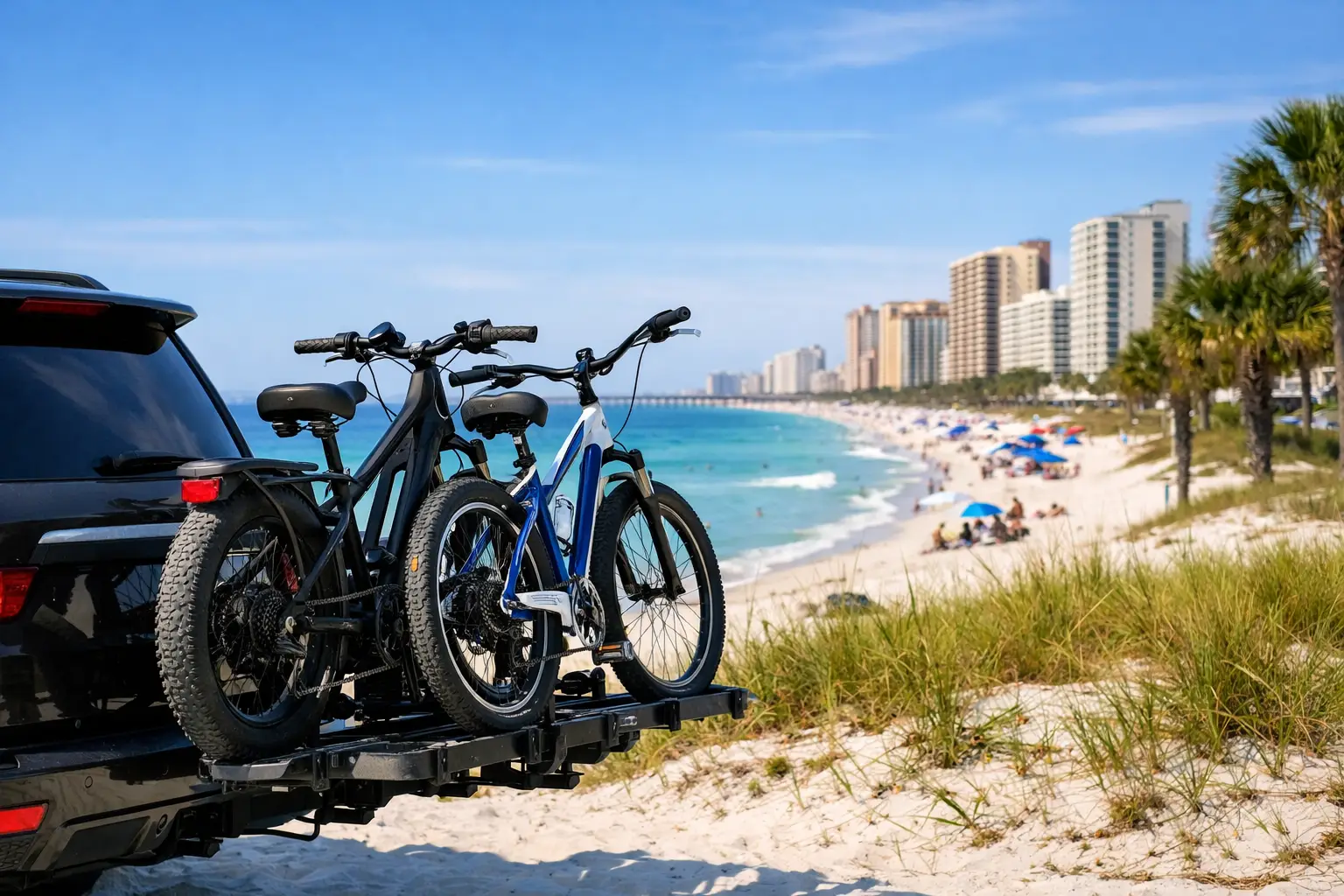
Bringing Your Bike or E-Bike on Vacation?

You can spot the difference on day two of a beach trip. One family is waiting on parking, juggling coolers, and debating traffic. Another has already ridden to breakfast, cruised the neighborhood, and reached the sand without moving the car. If you are thinking about bringing your bike or e-bike on vacation, the decision comes down to convenience, cost, and how you plan to spend your time.

For many travelers, a bike adds freedom. You can make short trips without loading everyone into the car, explore side streets at your own pace, and avoid some of the stop-and-go that comes with busy beach areas. An e-bike can go even further, especially if your group includes riders with different fitness levels. Still, bringing one is not always the right call. The best choice depends on your vehicle, your lodging, your riding plans, and how much effort you want to spend before the trip even starts.

Is bringing your bike or e-bike on vacation worth it?

If you ride regularly at home, the answer is often yes. A familiar bike fits well, rides the way you expect, and saves you from hunting for a rental that may not match your size or comfort level. That matters on a vacation where time is limited and you want to move easily between the beach, restaurants, and local attractions.

An e-bike can be even more useful in warm-weather destinations. Heat, wind, and long flat stretches can wear people down faster than they expect. Pedal assist keeps the ride enjoyable and helps casual riders cover more ground. Families often find that an e-bike turns a trip into a true car-light vacation.

The trade-off is logistics. Standard bikes travel fairly easily with a solid rack and a little planning. E-bikes weigh more, require battery management, and need secure storage. If you already feel stretched packing for the trip, adding two or four bikes can push the process from manageable to frustrating.

When bringing your own bike makes the most sense

Bringing your own bike usually makes sense when you plan to ride often, not just once. If you expect to use it every day for coffee runs, beach access, neighborhood cruising, or evening rides, the value adds up quickly. The more often you ride, the more worthwhile the transport effort becomes.

It also makes sense if your group includes serious riders. If someone wants early morning training miles, a rental may feel like a compromise. The same goes for riders who need a specific frame size, saddle setup, or child-carrying arrangement. Your own equipment removes a lot of uncertainty.

Vacation rentals can make bike travel easier than hotels. You usually get more room for gear, easier access for loading and unloading, and more flexibility for storage. If you stay in a property with practical entry space, a garage, or a designated area for bikes such as a bike rack, bringing bikes becomes a much simpler process.

When renting is the better option

Sometimes renting is the smarter move. If your trip is short, your vehicle is already full, or you only expect to ride once or twice, transporting bikes may not pay off. The same applies if you are flying. Shipping or checking a bike often costs enough to erase the value of bringing your own.

E-bikes raise that threshold even more. They are heavy, expensive, and harder to move safely. Many vehicle racks cannot handle their weight without careful review of the rack limit, the hitch class, and the combined load. If you are unsure about any part of that setup, renting at the destination is the safer decision.

There is also a simple comfort factor. Some guests do not want to monitor batteries, lock systems, and weather exposure during a beach stay. They want to arrive, settle in, and keep the trip uncomplicated. That is a reasonable call.

Bringing your bike or e-bike on vacation starts with transport

Transport is where most problems begin. People focus on whether the bike fits, but the real issue is whether the whole setup stays secure for hours at highway speed.

For standard bikes, a quality hitch rack is usually the best option. Roof racks work, but they require overhead lifting and increase the risk of clearance mistakes in garages or drive-throughs. Please check in advance if you are using a roof rack to be sure of the garage clearance in the property you are renting. Trunk-mounted racks can work for lighter bikes, though they tend to be less stable and may limit access to your rear cargo area.

For e-bikes, start with the weight. Many models exceed the per-bike limit of standard racks. You need a rack rated for e-bikes, and you need to confirm the total capacity, not guess. Remove the battery before travel if the manufacturer allows it. That reduces weight and lowers the chance of battery damage from road vibration or weather.

Secure every contact point. Frame straps alone are not enough for a long drive. Use wheel straps, check for side-to-side sway, and stop after the first few miles to retighten everything. If you cover the bikes, use a cover built for highway travel. A loose tarp can shred quickly and create its own hazard.

What to pack beyond the bike itself

Most travelers remember helmets and forget the items that keep the trip from going sideways. Bring your charger, battery key, bike lock, spare tube or flat repair kit, tire pump, multitool, and lights. If your e-bike uses a removable display or control unit, pack that carefully too.

It helps to bring a simple cleaning cloth and chain lube, especially in coastal areas. Sand, salt air, and moisture can affect both standard bikes and e-bikes faster than many people expect. You do not need a full workshop kit, but basic maintenance supplies can save a ride.

If children are riding, check fit before the trip. Vacation is not the time to discover that a helmet pinches, a seat sits too high, or the trailer attachment is missing a part. Handle those details at home where you have time and options.

Storage matters more than most guests expect

Once you arrive, the question shifts from transport to protection. Bikes left outdoors overnight face weather exposure and theft risk. E-bikes add one more concern because batteries and electronics should stay dry and within safe temperature ranges. In many cases condo associations in PCB outright BAN e-bikes being stored inside condos due to concerns about battery safety. It's best to check in advance if you are planning to bring an e-bike.

Before you travel, confirm where you can store bikes at the property. Ground-floor access helps. Covered space helps even more. If you are staying in a vacation rental, ask about practical details, not just whether bikes are "allowed." Ask whether there is secure storage, whether e-bike charging is permitted indoors, and whether there are any rules about hallways, balconies, or common areas.

That level of planning matters in busy beach markets. A good property supports how you actually travel, not just where you sleep. For guests staying in Panama City Beach, that can make the difference between using the bikes every day and leaving them locked to the car for most of the trip.

Safety and local riding realities

A vacation ride should feel easy, but it still requires judgment. Beach traffic changes by season, and not every road feels equally comfortable for families or casual riders. A route that looks short on a map may involve busy crossings, limited shoulder space, or afternoon congestion.

E-bikes require extra discipline. They accelerate faster, carry more momentum, and can surprise riders who have not used pedal assist before. If someone in your group is new to e-bikes, start in a low-assist mode and use quieter streets first. Keep speeds controlled in shared spaces and around pedestrians.

The weather also matters. Heat and humidity can turn a comfortable morning ride into a hard afternoon return. Bring water, plan shorter rides during peak heat, and never assume the breeze will be there when you head back.

The real decision: convenience versus effort

Bringing your bike or e-bike on vacation works best when riding is part of the trip, not an afterthought. If you know you will use the bikes often, have a safe transport setup, and can store them properly, bringing your own equipment can improve the entire stay. You get flexibility, familiar gear, and an easier way to enjoy the area without relying on the car for every short trip.

If the plan feels uncertain, keep it simple. Renting may cost more per day, but it removes transport risk, storage concerns, and a fair amount of pre-trip planning. The right choice is the one that lets you spend less time managing equipment and more time enjoying where you are.

A good vacation should move at your pace. If a bike helps you do that, bring it with a clear plan and use it well.


July 1, 2026

Beach Volleyball in Panama City Beach

The first serve usually tells you everything. By 9 a.m., the sand already feels warm, the Gulf breeze starts to push the ball sideways, and players on neighboring courts settle into that mix of competition and vacation energy that defines beach volleyball in Panama City Beach. Some groups came to win points. Others just want a good rally before lunch. Both are welcome in PCB!

For visitors, that balance matters. You do not need to arrive with a full team, elite-level experience, or a tournament schedule to enjoy the sport. You need the right beach access, realistic expectations about weather and crowds, and a clear sense of what kind of game you want. Panama City Beach works well for volleyball because it supports all three - casual play, organized competition, and the kind of easy outdoor activity families can build into a beach week.

Why beach volleyball in Panama City Beach works so well

Not every beach destination gives volleyball equal footing. Some stretches of sand look great but crowd out active play. Others have sports facilities that feel disconnected from the beach itself. Panama City Beach has an advantage because the setting and the activity make sense together. Wide sand, strong visitor traffic, and a beach culture built around long days outside create the right conditions.

The Gulf breeze changes the game in a way indoor players notice immediately. A clean set in still air may drift off line here. A serve that feels controlled can sail long if the wind shifts. That is part of the appeal. Beach volleyball asks players to adjust, communicate, and stay patient. It also keeps the game interesting for beginners because nobody controls every point.

For families or groups staying nearby, volleyball also fills a useful middle ground. Swimming takes more energy and more supervision. Sitting under an umbrella all day gets old for some people by day two. A volleyball session gives everyone a reason to move, compete a little, and stay engaged without committing to a full excursion.

Where to play

The best place to play depends on whether you want convenience, open space, or a more social atmosphere. In Panama City Beach, many visitors start with courts at or near beachfront resorts and condo properties. That option makes sense when your priority is easy access. You can play for an hour, head back upstairs, then return later without loading the car or managing a full beach setup.

Public beach areas can also work well, especially when your rental does not include direct court access. The trade-off is predictability. Some areas stay busier, and court condition can vary by season, maintenance, and demand. If your trip centers on volleyball, it helps to confirm nearby court access before booking accommodations rather than assuming every beachfront stay offers it.

That is one reason location matters in vacation planning. A property close to active beach zones gives you more flexibility if volleyball sits high on your list, especially for teens, college-age travelers, or families with competitive players who will want more than one casual game during the week.

Resort-area courts vs. public setups

Resort-area courts usually offer the easiest logistics. You get nearby restrooms, quicker access to water and shade, and a more controlled environment. That matters for families and for groups who plan to play in shorter sessions around meals, pool time, or other outings.

Public setups can feel more open and social. You may run into pickup players looking for a game, and that can be a plus if your group is short a few people. The downside is that public areas may get crowded faster, especially during peak vacation periods and holiday weeks.

What kind of game to expect

A lot depends on the time of year and time of day. Spring and summer bring the highest energy, but they also bring the most traffic. Early mornings generally offer better playing conditions if you want cooler sand, less crowd pressure, and more room to warm up. Late afternoon can also be strong, although wind often becomes a bigger factor.

Midday play looks good in photos but is tougher in practice. The sun gets stronger, the sand heats up, and casual games tend to fade faster unless players rotate often and stay disciplined about hydration. Visitors who underestimate the heat usually shorten their match before the score gets very high.

Skill level varies widely, which is good news for most travelers. You will see everything from family bump-and-hit games to fast-paced doubles with experienced players. If you want a serious run, seek out courts with regular traffic and players already working through structured games. If you want a low-pressure match, quieter resort courts usually serve you better.

What to bring if volleyball is part of the trip

You do not need much, but the details matter. A good volleyball, water, sunscreen, and a towel cover the basics. If you plan to play more than once, bring sunglasses that stay in place and a hat for downtime between games. Barefoot play works for many people, but hot sand changes that fast. Sand socks or a plan to play during cooler hours can make a real difference.

For visitors flying in or packing light, this is another case where your lodging setup matters. If your property includes easy beach access and room for gear, you are more likely to play consistently. If every game requires a long walk, crowded parking, or hauling equipment across a packed beach, the plan usually shrinks after day one.

A few practical realities

Wind affects every level of player. Strong sun wears people down faster than they expect. Soft sand rewards conditioning and exposes bad footwork. None of that should discourage you, but all of it should shape your plan. Shorter games often beat one long session, especially for mixed-age groups.

If kids want to join, set expectations early. Rally-based games and simple serving contests usually hold attention longer than strict scoring. Adults often have more fun that way too.

Tournaments, pickup games, and social play

Beach volleyball in Panama City Beach is not limited to private family matches. Depending on the season, visitors may find organized events, informal pickup games, and competitive play that draws strong local and traveling talent. That variety gives the area staying power. You can come one year for a casual beach week and come back later ready to test yourself against better competition.

If you want a pickup game, your best approach is simple - show up at active courts at reasonable playing hours, bring a ball if you have one, and be direct. Most beach players respond well to clear communication. Ask whether anyone needs two more. Ask what format they are running. If the game looks advanced and your group is casual, do not force the fit. Another court or another time usually solves the issue.

Choosing the right stay if volleyball matters

Most travelers book around views, bedroom count, and proximity to the water. Those are smart priorities. Still, if volleyball ranks high on your list, look closer at the immediate beach setup around the property. Distance to playable sand, nearby public access, and court availability will affect your daily vacation routine.

A well-placed rental can turn volleyball into an easy part of the day instead of a planned outing. That difference matters on a short trip. Emerald Beach Properties serves guests who want that kind of location-based advantage - not just a place to sleep, but a stay that fits how they actually use the beach.

When it may not be the right fit

Volleyball is not for every beach day. Red flag surf conditions, extreme heat, thunderstorms, and crowded holiday beaches can all push the sport down the list. That is normal. The smart move is to treat volleyball as a flexible part of the trip, not a rigid itinerary item.

If your group includes very young children, older adults with mobility concerns, or travelers who simply do not enjoy competitive activities, a full volleyball-centered plan may miss the mark. In those cases, a quick family game near your vacation rental often works better than chasing court time or pickup play.

The best trips usually leave room for both. Play when conditions are good. Skip it when they are not. That approach keeps the beach fun instead of turning recreation into a schedule.

A good volleyball day here does not require perfect sand, perfect weather, or perfect players. It requires the right setting, a little flexibility, and a place to stay that puts the beach within easy reach.


June 29, 2026

Panama City Beach Sunrises Worth Waking Up For

At 6:15 a.m., Panama City Beach feels like a different place. The traffic noise drops off. The Gulf breeze stays light. The beach crews have not fully started their day, and most visitors are still asleep. That window is exactly why Panama City Beach sunrises stand out. You do not just get a better view. You get a calmer version of the destination before the rest of the day takes over.

For vacation guests, early morning can be a really special time of day. A sunrise can set the pace for the entire day, especially on a beach trip where timing affects everything from parking and crowds to heat and water conditions. If you are an early bird, you'll want to consider a few things when booking. Morning access, sightlines, and east-facing views influence how you can enjoy a sunrise experience in PCB.

Why Panama City Beach sunrises feel different

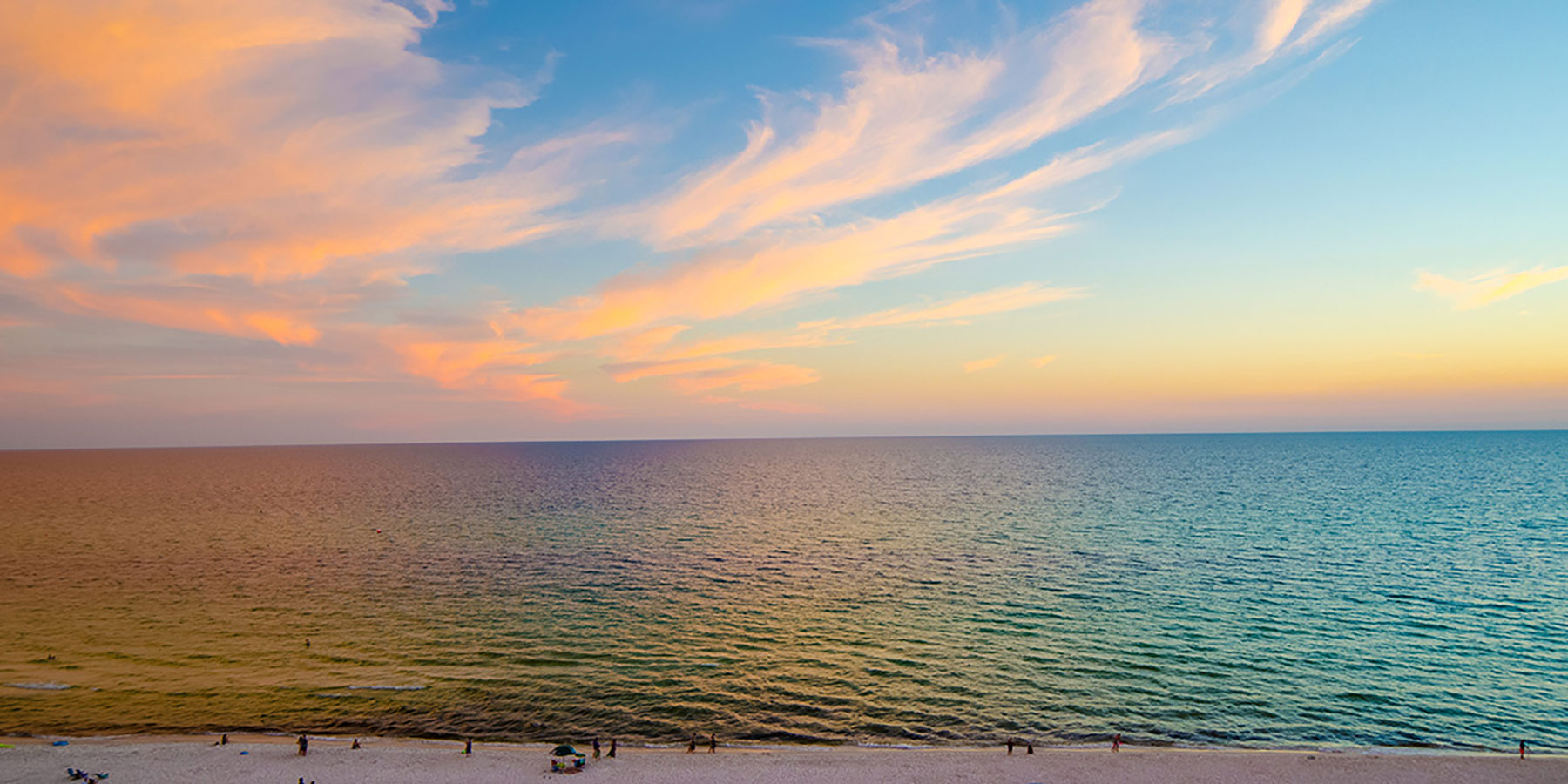
Not every beach sunrise delivers the same experience. In Panama City Beach, the appeal comes from a mix of wide shoreline, reflective sand, and open water views that give the sky room to change quickly. On clear mornings, the horizon starts with a thin band of pale orange, then moves through pink, gold, and silver as the light spreads across the Gulf-facing coast. On partly cloudy mornings, the color often looks stronger because the clouds catch and hold the light longer.

There is also a practical advantage. Early morning usually brings cooler temperatures, softer wind, and less beach traffic. If you like long walks, family photos, shell hunting, or simply sitting still with coffee, sunrise gives you the easiest conditions of the day. By midmorning, especially in peak season, the beach becomes more active.

That does not mean every sunrise looks dramatic. Weather, humidity, seasonal cloud cover, and haze all affect the result. Some mornings feel quiet and muted rather than vivid. Even then, the value remains the same. You get space, lower noise, and a better sense of the shoreline itself.

The best places to watch Panama City Beach sunrises

The best sunrise spot depends on what you want from the morning. If your priority is convenience, the beach directly on the sand in front of your vacation rental often wins. Walking out early without driving, parking, or carrying gear changes the experience. It feels easier, and easy plans are the ones people actually keep.

If you want a broader sense of the coast, look for stretches with fewer visual obstructions. Areas with wide beach access and a clear line of sight to the water often produce the cleanest sunrise views. A high-rise balcony can work well too, particularly if it faces east or southeast enough to catch the first light. The trade-off is distance. From above, you gain perspective but lose the feeling of being at the shoreline where the color reflects off wet sand. Our best sunrise views are in Seychelles 1801 with its wrap around balcony. Check it out here.https:\\Seychelles1801.com

Russell-Fields Pier and nearby public access points can also work for guests who want a structured place to start the morning. The lines of the pier add visual interest for photos, and the surrounding area gives you a simple route back to breakfast or coffee afterward. On the other hand, if you want silence, a less built-up stretch of beach will usually feel better.

For families, the best choice is often the closest one. Young kids rarely care whether the angle is perfect. They care whether the sand is cool enough to walk on and whether the adults kept the plan simple.

Beachfront balcony or toes-in-the-sand?

This comes down to preference and logistics. A balcony sunrise feels private, controlled, and comfortable. You can stay in a sweatshirt, keep an eye on sleeping kids, and enjoy the view without leaving the unit. That works especially well for couples, multigenerational groups, or anyone who wants the morning without the effort.

The beach itself gives you more texture. You hear the surf clearly, watch shorebirds move along the waterline, and see the light shift across the sand in real time. If you are choosing between the two, ask a basic question: do you want convenience or immersion? Neither choice is wrong. The better one is the one you will actually use more than once during your stay.

When to go and what to expect

Sunrise times change through the year, so checking the local forecast the night before will help you plan your experience. In summer, the light starts early, and you need to move with purpose if you want the full progression. In cooler months, the timing feels more forgiving, and the beaches often feel quieter overall.

Arrive at least 20 to 30 minutes before official sunrise. The best color often appears before the sun clears the horizon. If you show up at the exact posted time you'll often miss the most interesting part of the morning.

Weather matters, but not always in the obvious way. A fully clear sky can be beautiful, yet a few scattered clouds often create the strongest color. Heavy cloud cover can flatten the scene, but it can also break at the horizon and produce a brief, intense glow. If the forecast looks mixed, it may still be worth going. Beach sunrises reward patience more often than perfect conditions.

Wind and tides also shape the feel of the morning. Light wind tends to make the beach more comfortable and keeps the waterline cleaner for walking. After a storm system, you may find rougher surf, stronger wind, or less clarity in the sky. Some guests love that dramatic look. Others prefer the calm, glassier mornings.

How to make sunrise part of a better beach stay

The biggest mistake people make is treating sunrise like a major event that needs too much planning. It does not. The best approach is operational and simple. Set out what you need the night before, check the weather, and keep the morning light.

Bring only the essentials: a towel or light chair, water or coffee, and a hoodie or sweatshirt if the breeze picks up. If you plan to walk, wear sandals that are easy to carry once you reach the packed sand near the waterline. If you plan to photograph the sky, clean your phone lens before you leave. That one detail matters more than most people realize.

For families, keep expectations realistic. Some mornings, the kids will be excited. Some mornings, they will not. If sunrise turns into a short beach walk followed by pancakes, that still counts as a good vacation memory. You do not need a perfect photo to justify the early alarm.

Couples often get the most from sunrise by pairing it with a quiet morning routine. Take the walk, come back, and enjoy breakfast on the balcony. Groups can use the early start strategically as well. Get beach time before the heat builds, then shift to pool time or indoor plans later.

Sunrise and vacation rental value

Guests remember how a property made daily routines easier. That includes mornings. A rental with fast beach access, a useful balcony, or a layout that supports early risers without waking the entire group creates a better overall stay.

This is where location and property setup matter more than broad marketing claims. A great sunrise experience does not require luxury finishes or oversized amenities. It requires practical strengths: clear access, strong orientation to the beach, and spaces that let guests enjoy the view without friction.

That is one reason beachfront and beach-near properties continue to hold strong appeal in this market. They support the small moments that shape a trip. Emerald Beach Properties understands that guests do not evaluate a stay only by square footage. They remember how quickly they got from the front door to the shoreline and whether the setting delivered when it mattered.

If you only do it once, do it right

Pick one morning early in your stay instead of waiting until the final day. Weather changes, energy levels shift, and late-trip plans tend to get crowded. Going early gives you another chance if clouds roll in or everyone sleeps through the first alarm.

Choose a simple access point, arrive before first light, and stay long enough to watch the beach wake up. That last part matters. The sunrise itself may last minutes, but the transition after it tells you just as much about the place. Joggers appear. Shorebirds move closer to the surf. Families start staking out their spots. You see the coastline move from stillness into activity.

That is the real value of Panama City Beach sunrises. They do not ask for much, just a little planning and a willingness to see the beach before the day gets busy. If you give them that, they usually give something useful back - a quieter start, a sharper memory, and a better sense of why people return to this stretch of coast year after year.


June 27, 2026

Beach Chair Rentals & Beach Service in PCB

By 10 a.m., the "best" stretch of the sandy already feels claimed. Families have staked out their spot, coolers sit under umbrellas, and anyone still carrying chairs across hot sand starts to wonder if they should have rented beach chairs instead. Beach chair rentals, also called beach service is a great convenience. They can change how easy, comfortable, and organized your beach day feels. Or you may wish to bring your own beach gear to customize your beach day.

Renting beach chairs sounds simple but there are questions you should investigate before your arrival. Where are the chairs set up? Is an umbrella included? Do you reserve in advance or pay on site? How close will you be to the water, and what happens when the beach gets crowded? Those questions affect value just as much as price. If you are bringing your own gear, you'll want to know where you are allowed to set up and also, you should understand that the City requires all beach gear to be removed each evening.

Why beach chair rentals appeal to so many travelers

A beach vacation should not start with a hardware problem. If you fly in, packing chairs is impractical. If you drive, hauling them still takes space that could go to luggage, groceries, or gear for kids. Rentals remove that burden immediately.

They also make it easier for you once you reach the beach. Instead of carrying bulky equipment, searching for a workable setup, and adjusting your position throughout the day, you arrive to a prepared space. For families with children, older travelers, or anyone planning to spend several hours on the sand, that convenience has real value.

Comfort matters too. Rental chairs and umbrellas are not always premium, but they are usually more dependable than the low-cost folding chair many people buy in a rush. A stable chair, usable shade, and a set location can make the difference between a relaxing afternoon and a short, overheated visit.

What beach chair rentals usually include

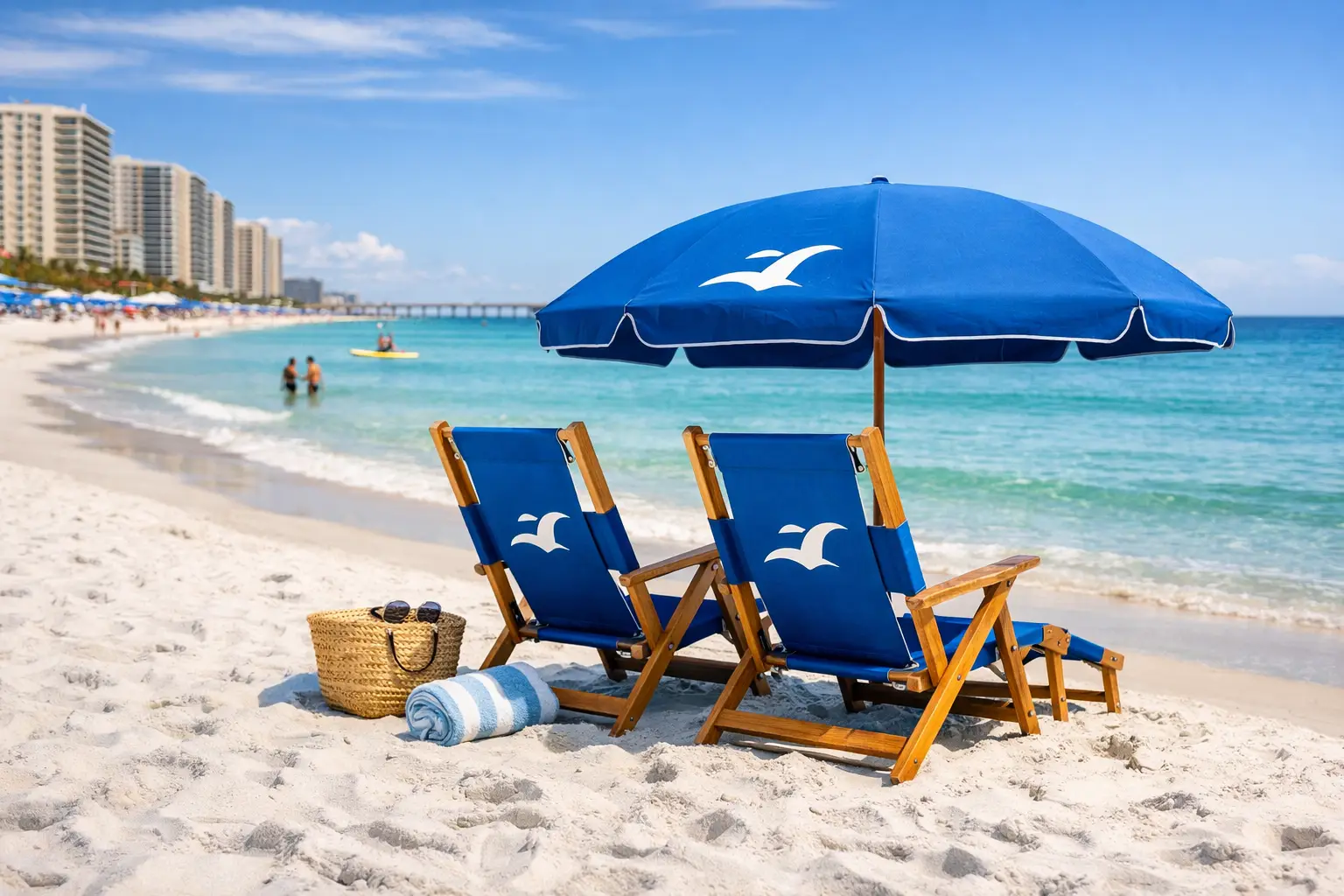
Most beach chair rentals center on a simple setup: 2 chairs or chaise loungers, an umbrella, and a designated space for a specific time period. Typically in PCB your beach chair rental will include two chairs or chaises and one umbrella for a full day. Some providers also offer multi-day or weekly pricing. This rental is typically paid to the vendor at the beach unless you have prebooked online and paid ahead. Tipping is expected by most beach chair attendants.

That said, details vary. Some setups include padded loungers. Others provide basic upright chairs with limited recline. Umbrella size can differ, and so can placement. Front-row setups near the water often cost more, while standard placement may depend on availability, weather, and daily beach conditions.

This is where expectations need to be realistic. A rental gives you convenience and structure, but not always full control. If the tide shifts, if local rules affect placement, or if high winds change umbrella use, the setup may adjust. Good providers communicate that clearly.

When renting makes more sense than bringing your own

Beach chair rentals make the most sense when your trip is built around ease. If you are staying for several days and expect to spend meaningful time on the beach, rentals often justify the cost. You save time, avoid transporting equipment, and reduce setup stress.

They also make sense if your vacation rental does not include beach gear. Some properties advertise that they stock chairs for guest use, but availability and quality can vary. In addition, the main closet in most vacation rentals contains items that prior guests have left behind but, this is not reliable. Chairs break, straps wear out, and umbrellas disappear over time. Renting gives you a predictable option instead of relying on whatever happens to be in the closet.

On the other hand, rentals may not be the best fit for every traveler. If you only plan to visit the beach for an hour or two, or if your group prefers to move around frequently, a fixed setup may feel limiting. Travelers who want total control over distance from the water, chair style, or exact location sometimes prefer bringing their own gear.

Questions to ask before you book

The best rental experience usually comes from asking a few direct questions early. Start with the basics: what is included, how long the rental lasts, and whether you need to reserve ahead. If your trip falls during a busy season or holiday week, advance booking often matters.

Next, ask about location. Most beach chair rentals in PCB are on the beach directly adjacent to teh resort. There are public beach access points that are clearly labeled where you can visit the beach but, there are usually no rental beach chairs at these locations. In addition in PCB there are beach gear rental services that will bring chairs, umbrellas, coolers, etc. to the location you specify.

You should also ask about weather and cancellation terms. Beach operations depend on wind, storms, and local safety rules. A clear policy tells you what happens if conditions prevent setup or cut the day short. Serious operators explain those terms without hesitation.

Finally, ask whether setup and breakdown are handled for you. Typically beach chair rentals adjacent to the resorts handle set up and breakdown. It's best to ask if you are using an outside service.

The trade-off between convenience and cost

The main objection to beach chair rentals is usually price. At first glance, it can seem cheaper to buy discount chairs and a basic umbrella. Sometimes that is true, especially for long stays or repeat beach visits across several trips.

Some vacation rental owners provide paid beach service for their guests. Check the listing of the property you are looking at to see if this is the case. This can provide a substantial savings to you if this expense is paid in advance for you. Typically properties with this service charge premium rental rates.

But cost should be measured against effort and reliability. Buying gear means transporting it, carrying it, storing it, and often replacing it sooner than expected. Cheap chairs fail. Umbrellas bend. Sand works into every hinge and fabric seam. What looks inexpensive at checkout can become annoying by day two.

Renting costs more upfront, but it often buys back time and energy. For many vacationers, that is the better exchange. The right choice depends on how often you plan to use the equipment and how much hassle you are willing to accept.

Beach chair rentals in Panama City Beach

In Panama City Beach, beach chair rentals are especially common because visitors often plan full beach days rather than quick shoreline visits. That changes the value equation. When you expect to spend hours on the sand, shade and seating become part of the day’s structure, not an afterthought.

This area also brings practical considerations. Seasonal demand can rise quickly, and heavily traveled beachfront sections fill up fast. Guests who wait until the last minute may still find beach chair rentals, but not always in the section or arrangement they want. If beach access is a major reason for your trip, planning ahead is the safer move.

For guests staying in a professionally managed vacation rental, it is smart to check what the property offers before making separate arrangements. Some properties include beach equipment, while others leave that decision to the guest. Emerald Beach Properties, for example, serves travelers who want a well-managed stay, and that same planning mindset applies to beach setup. Confirm the details early, and you avoid last-minute surprises.

Many beach chair rental companies also offer additional rentals such as jet skis, banana boat rides, parasailing, etc. Check with the beach hut or local provider for these additional activities.

How to tell if a rental provider is worth using

A dependable provider usually signals professionalism in small ways. Their pricing is clear. Their inclusions are easy to understand. Their staff can answer basic operational questions without vague promises. If you ask where your chairs will be, when they are available, or what happens in bad weather, you should get a direct answer.

You should also look for consistency. A provider who manages setup daily in the same area typically runs a tighter operation than someone improvising service. On a beach, execution matters. Chairs need to be in place on time. Umbrellas need to be secured properly.

That does not mean every issue can be prevented. Beaches are outdoor environments, and conditions change. But good operators manage those changes with control and clear communication.

A better beach day starts with fewer moving parts

Many vacation decisions come down to a simple question: do you want to manage details, or do you want the day ready when you arrive? Beach chair rentals are not necessary for everyone, but they solve a real problem for travelers who value comfort, efficiency, and a more predictable beach experience.

If you plan carefully, ask the right questions, and choose a provider that runs a disciplined operation, renting can remove one more layer of effort from your trip. On a beach vacation, that is often the difference between settling in and finally relaxing.


June 19, 2026

Panama City Beach-America 250 Travel Guide

A major event week can change the entire rhythm of a beach town. If you are planning around celebrating America 250 in Panama City Beach, FL the difference between a smooth stay and a stressful one usually comes down to timing, location, and realistic expectations.

Event-driven travel creates the opportunity to make special memories with your family and friends, but it also puts pressure on availability, traffic patterns, pricing, and guest logistics. The America 250 conversation is not just about a date on the calendar, it is about how Panama City Beach performs when attention and demand rise at the same time.

What Panama City Beach-America 250 likely means for visitors

For guests, the first practical question is simple: will the area feel busier than a standard beach week? In most cases, yes. Nationally recognized commemorative events, celebrations, and travel periods tied to America 250 will attract a wider mix of visitors than a typical seasonal spike. That usually means more advance bookings, tighter inventory, and less flexibility for last-minute changes.

Panama City Beach is well positioned to handle that kind of demand because it already serves several traveler profiles at once. Families want direct beach access and straightforward parking. Groups want room to spread out and stay near dining and entertainment. Some visitors want a quieter stretch away from the densest activity. During a high-interest period, those preferences become more expensive to satisfy if travelers wait too long to make your plans and book your vacation rental.

The trade-off is straightforward. Booking early gives you more control over location and the actual vacation rental that will be available to book. Waiting won't produce a deal during this type of premium week, it will increases the odds that the best-managed and best-located rentals are already gone.

Where to stay during Panama City Beach-America 250

Location becomes more important when an event period puts extra strain on roads and check-in schedules. A property that looks only marginally better on a map can save a meaningful amount of time over the course of a weekend.

If your priority is beach time with minimal driving, Gulf-front or beach-adjacent rentals usually make the most sense. You can park once, settle in, and reduce the need to move the car during peak traffic windows. That is often the best fit for families with children, guests carrying beach gear, or anyone who values convenience over nightlife access.

If your focus is restaurants, shopping, and activity options, a more central location may be worth the premium. The advantage is obvious - shorter trips to the places people actually use. The trade-off is that central areas can feel busier, especially during special-event periods.

For travelers who want a calmer stay, it may be smarter to give up some walkability in exchange for breathing room. A quieter property can be the better choice if your schedule is flexible and the beach itself is your main destination. During a high-demand weekend, that balance matters more than the headline rate.

Booking strategy matters more than people think

Event weeks reward decisiveness. The most common mistake is treating a high-demand stay like a normal beach trip and assuming inventory will remain stable until the last minute.

It rarely does. Well-managed vacation rentals with strong locations, clear arrival instructions, and dependable guest support tend to move first. Guests are not just paying for square footage. They are paying for a superior experience.

That is one reason professionally managed properties stand out when demand spikes. The systems behind the stay become more important under pressure. Clean turn times, secure payment handling, accurate listing details, and responsive operations are not abstract benefits when roads are crowded and guests are arriving on tight schedules.

Before you book, confirm check-in timing, parking capacity, occupancy limits, and any building-specific access procedures. Choose a management company with a clear rental agreement that you should read in advance of your trip. During a commemorative or event-driven period, small details can become major inconveniences if they are unclear on arrival.

Planning around traffic, timing, and expectations

The best event-week planning is usually quiet planning done as early as possible. Arrive earlier if you can to get settled in. Avoid assuming that a short map distance will stay short at peak times. Build some margin into your schedule, especially if you are coordinating multiple vehicles or traveling with children.

Groceries are another place where preparation pays off. On a standard trip, guests can shop after arrival without much trouble. On a busier week, that first stop may be slower and more crowded than expected. Ordering ahead or bringing essentials can make arrival much more pleasant. You can order ahead from Walmart, Target and other stores that will deliver your groceries right to your car when you arrive. Then, it's off to the vacation rental to get you vacation started!

The same logic applies to dining. If dinner reservations matter to your group, make them early. If flexibility matters more, expect a wait and plan accordingly. Neither choice is wrong. Problems usually start when guests expect off-peak convenience during a peak-demand period. Many restaurants in PCB have early and late arrival times for meals available to take off the pressure.

What guests should prioritize most

If your goal is a relaxing stay, focus on the basics. Choose the right location for how you actually plan to spend your time. Book early enough to have options. Read the listing details closely. Confirm logistics before arrival.

A beachfront trip should feel simple once you arrive. The work is in the planning. When a destination is drawing more attention than usual, the margin for casual decisions gets smaller.

That does not mean the trip becomes difficult. It means the best results usually go to travelers who treat the booking process with the same care they would use for any other high-value reservation.

If you are planning to celebrate America 250 in Panama City Beach, FL, make decisions early, stay realistic about demand, and choose the vacation rental property or strategy that fits how you actually plan to use your vacation time.