
Fun Things To Do in PCB
Panama City Beach Bonfires: What to Know
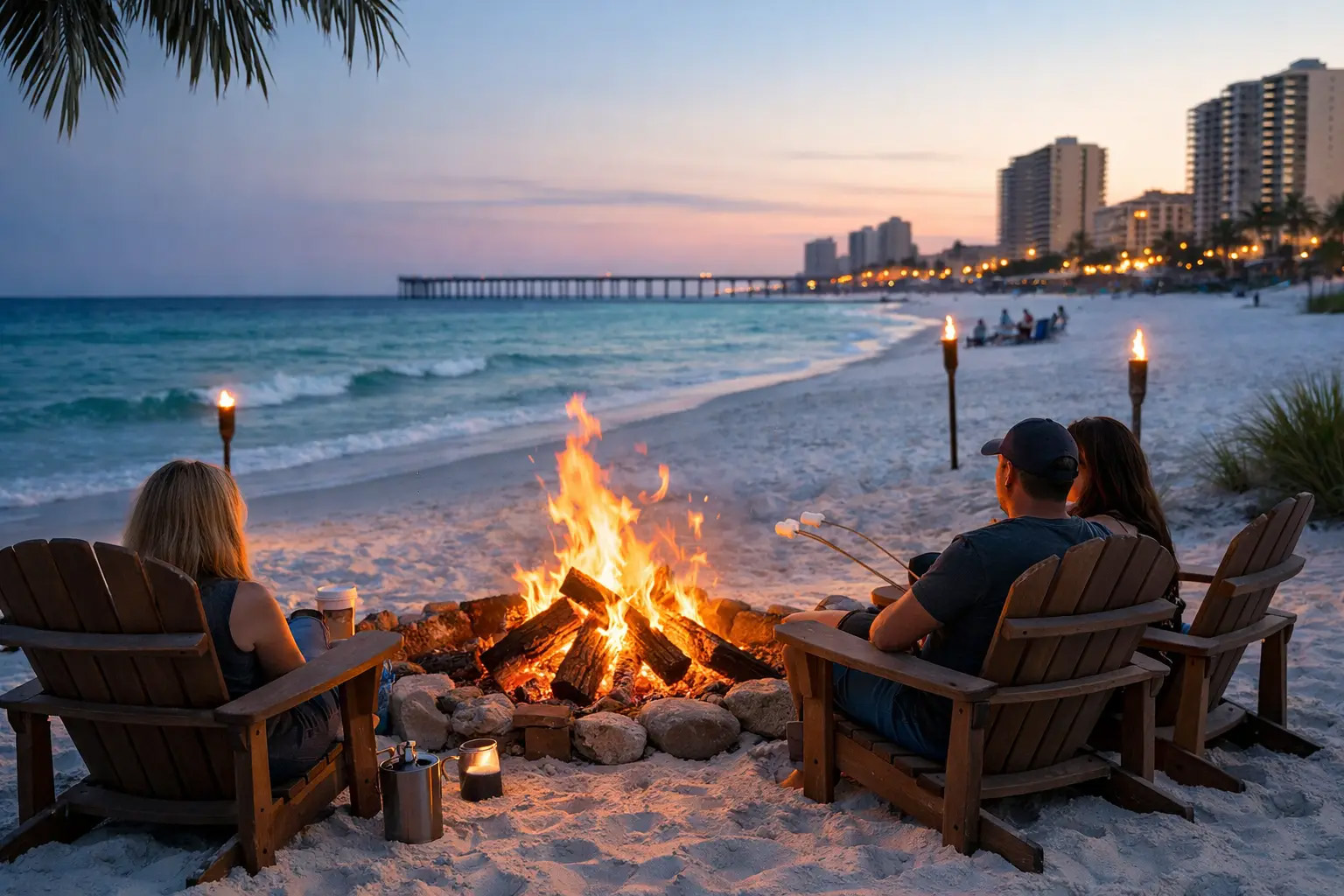
A beach bonfire can turn an ordinary evening into the part of a Panama City Beach vacation that everyone remembers: bare feet in cool sand, the low sound of the Gulf after sunset, and a circle of family or friends sharing the last warm hours of the day. Panama City Beach bonfires require more than wood and a lighter, however. Local rules, changing weather, and responsible cleanup all must be understood to give you an enjoyable experience from start to finish.
For guests staying in a vacation rental, a little planning protects the beach, your group, and your rental experience. Start with the current requirements, then build an evening that will create memories for a lifetime.
What Panama City Beach Bonfires Require
Do not assume that every stretch of sand allows an open fire. Panama City Beach regulates beach fires, and the City can change permit procedures, approved locations, fire restrictions, and timing based on public safety needs and beach conditions. A rule that applied during a previous trip may not apply during your last stay.
Confirm the current requirements directly with the appropriate local authorities before you make plans. Your vacation rental manager can assist you with finding the correct contacts to get your bonfire set up in advance of your trip. You will probably need a permit through an approved local vendor who will handle all the details. Ask whether your preferred beach access permits bonfires, which vendors are allowed to work in the area where you want to have your bonfire, the vendor will know how far the fire must sit from dunes and structures, and what time you must extinguish it. If a burn ban, high-wind advisory, or red-flag condition affects the area, choose another evening or another activity. Ask your preferred vendor for their cancellation policies before reserving your bonfire.
Your vacation rental also deserves consideration. Some homes and condominiums have parking rules, beach-access instructions, and limits on where guests may stage chairs, carts, or supplies. A professionally managed stay works best when guests follow those property-specific directions instead of leaving equipment in walkways or common areas.
Why permits and location rules matter
Beach regulations do more than control crowds. They protect sea turtle habitat, coastal vegetation, neighboring guests, and emergency access. A fire that sits too close to the dune line can damage a fragile eco-system that helps protect the shoreline. A setup that blocks a public access point creates a problem for families, beach staff, and first responders.
Permits also create accountability. They give local officials a way to manage where fires happen and help visitors understand their cleanup obligations. The process may feel formal for a vacation evening, but it prevents the far more frustrating outcome of a canceled fire, a citation, or a dangerous situation on the sand.
Plan the Evening Before Sunset
The most relaxed bonfires begin before the sun drops. Arrive early enough to your approved spot, set up without rushing, and watch the conditions. Wind matters more on an open beach than it does in a backyard. Even a modest breeze can push sparks toward chairs, towels, or nearby groups.
Keep the gathering simple. Bring only what your group will use, and avoid lightweight decorations that can blow down the beach. Usually the chairs and a small table are provided by your bonfire vendor. Bring closed drink containers or coolers, warm layers, and a designated trash bag. If you plan to serve food, use sturdy containers and keep packaging under control. Loose napkins and plastic wrappers quickly become litter once the wind picks up.
Your bonfire vendor will choose your fuel based on current regulations. Do not add any additional fuel to your fire. Those materials can release harmful fumes, leave sharp debris, and produce residues that do not belong on a public beach.
Clarify in advance what the bonfire service includes before the event. PCB providers handle the permit process, delivery, setup, fire tending, and removal. Confirm the start and end time, the exact meeting location, the number of chairs included, and who takes responsibility for final cleanup. Clear expectations matter, especially when your party includes children or when you plan the event during a busy holiday week. It's also a good idea to be prepared with cash to tip your bonfire attendant.
Build a safer fire circle
A good setup leaves room for people to move without stepping over gear or getting too close to the flames. Place chairs far enough back that guests can stand and sit comfortably. Keep a clear path between the fire and the water, and keep bags, blankets, coolers, and strollers outside the immediate fire area.
An adult should supervise the fire at all times. That person does not need to miss the conversation, but they should remain alert to wind shifts, children moving around the circle, and embers leaving the fire. Do not let children add wood or anything else to the fire. Avoid games that involve running near the setup, and keep pets at a safe distance if you bring them to the beach.
Have water available and know how you will put the fire out before you light it. Sand alone does not reliably extinguish hot coals. It can insulate them and leave a hidden burn hazard for the next person walking across the beach. Use water to cool the fire thoroughly, stir the remains carefully, and repeat until no heat remains.
Respect the Beach After Dark
The beach changes after sunset. People have less visibility, wildlife moves through the area, and sound carries farther over the open sand. Keep music low and conversation considerate, particularly near condominium buildings and other vacation homes. A bonfire should feel like a shared beach experience, not a private event that takes over the whole beach.
Light also deserves restraint. Bright, unshielded lights can disturb other guests and interfere with wildlife. Use only the lighting you need to move safely and manage the fire area. Follow any local restrictions that apply to flashlights, lanterns, or other illumination during nesting season.
Food creates another practical concern. Do not leave snacks, marshmallows, or trash out overnight. The beach attracts birds and other animals, and discarded food changes their behavior. Seal leftovers, collect every piece of packaging, and take it back to your rental or dispose of it properly in available receptacles.
Cleanup Is Part of the Experience
A clean exit separates a responsible beach gathering from a problem someone else must solve. Before you leave, scan a wide circle around your setup. Look for bottle caps, skewers, zip ties, food scraps, glow-stick pieces, and small bits of plastic that disappear in the sand during the evening.
Do not bury ashes, coals, or trash. Burying debris does not remove it. It leaves hazards for bare feet, beach crews, and wildlife. Follow the permit instructions or service provider's process for ash removal, and make certain the fire has cooled completely before anyone leaves the site.
This final check takes only a few minutes, yet it protects the reason people come here in the first place. Panama City Beach gives visitors an unusually open, beautiful setting for a night by the water. Guests who leave the sand as clean as they found it help preserve that setting for the family arriving the next morning.
When a Bonfire Is Not the Right Call
Sometimes conditions make a beach bonfire more trouble than it is worth. High winds, rain, crowded beaches, very young children, mobility concerns, or a group that wants a late and lively night can all change the equation. A patio dinner, sunset walk, or quiet evening at your vacation rental may better fit the moment.
That is not a lesser version of the trip. The best vacation plans respond to the people in your group and the conditions outside. Save the bonfire for an evening when you can give it the attention it requires, then let the Gulf sunset and the sound of the water do the rest.
Oktoberfest in PCB

A fall trip to Panama City Beach comes with warm afternoons, lighter crowds, and the kind of easygoing pace that summer schedules rarely allow. Oktoberfest in PCB adds a lively reason to visit, pairing German-inspired food, beer, music, and community spirit with the white sand and emerald water that make PCB a favorite Gulf Coast destination.
The best trip does not depend on trying to fit every activity into one crowded day. It starts with knowing what kind of Oktoberfest experience you want, choosing a vacation rental that supports your plans, and leaving enough room for the beach. Event schedules, admission policies, entertainment, and vendor offerings can change from year to year, so confirm current details before you make fixed plans.
What to Expect From Oktoberfest in PCB
Oktoberfest celebrations in the Panama City Beach area often center on traditional festival favorites: bratwurst, pretzels, beer selections, live music, and festive games or activities. Some events cater primarily to adults who want a social afternoon or evening. Others welcome families and build in kid-friendly entertainment.
Think of the festival as the anchor for your day, not necessarily the entire vacation. A few hours of food, music, and local atmosphere can pair naturally with a morning on the beach, an afternoon at the pool, or a relaxed dinner back at your vacation rental. That balance gives your group options if the weather shifts or younger travelers need downtime.
Fall weather remains one of the strongest reasons to plan a beach stay around Oktoberfest. Days can still feel comfortably warm, while evenings may call for a light jacket after the sun goes down. Gulf conditions and temperatures vary, so pack for both beach time and a cooler festival evening rather than assuming a summer wardrobe will cover every plan.
Choose a Vacation Rental That Makes Festival Days Easier
Where you stay shapes the practical side of an Oktoberfest weekend. A vacation rental near the beach gives your group a comfortable place to reset before or after the event. Families can return for naps, meals, and quiet time. Couples and friend groups can avoid the pressure of spending every hour in restaurants or bars simply because they lack space of their own.
Prioritize the right layout
Start with the number of travelers, then consider how your group actually uses shared space. A large condo with a well-equipped kitchen can work well for a family or two couples who plan to enjoy breakfast at home and keep snacks on hand. A small condo will be great for a small family or a couple.
Do not choose only by bedroom count. Parking, elevator access, beach proximity, laundry, and the distance to your planned event can matter just as much over a short trip. Guests attending an evening festival should also consider how easily everyone can return afterward without separating the group or managing multiple vehicles.
Build flexibility into your location
The right location depends on the specific festival venue and the rest of your itinerary. Staying close to the event may reduce driving and simplify transportation. Staying closer to your preferred stretch of beach may offer a better overall vacation experience if the festival takes up only one afternoon or evening.
There is no universal answer. A group focused on food, music, and nightlife may value event access most. A family with young children may prefer a beachfront rental with convenient amenities, then treat Oktoberfest as one outing among several. Emerald Beach Properties can help guests select a vacation rental that fits the way they plan to spend their time, rather than pushing a one-size-fits-all stay.
Plan Transportation Before the First Toast
Festival weekends require a clear transportation plan. If your group plans to drink, designate a sober driver or arrange transportation before you arrive. Yes, we do have Uber and other ride services in PCB but, book ahead to avoid a long wait. Do not wait until the end of the event, when demand may rise and the most convenient options may disappear.
Parking also deserves attention. Festival sites may use limited lots, off-site parking, or designated entry areas. Arriving early can reduce stress, particularly if you travel with children, strollers, or anyone who has mobility concerns. Check whether the event permits re-entry. If it does not, pack what you need within the posted rules and avoid leaving essentials in the car.
A vacation rental with easy parking can simplify the rest of the weekend, but it does not replace a responsible plan for the festival itself. Set expectations with your group before the day begins. Decide who drives, where you will meet if anyone gets separated, and when you plan to leave.
Make the Festival Work for Every Traveler
Oktoberfest can feel very different for a couple, a multigenerational family, and a group of friends. A little advance planning prevents the day from becoming an exercise in compromise.
For families, confirm whether the event welcomes children and what entertainment it offers beyond food and music. Bring sun protection, water, and a small supply of familiar snacks if your children have limited food preferences. Plan your visit around their best hours, which may mean arriving early rather than staying for later entertainment. A beach walk or pool break after the festival can give everyone a calmer finish to the day.
For adults traveling together, establish a realistic pace. Festival food and beer taste better when nobody feels rushed to check off every vendor or activity. Share a few dishes, listen to a set of music, and leave time for the beach. The most memorable weekends often include unplanned moments, such as a sunset from the balcony or a late breakfast after a relaxed evening.
For visitors who do not drink alcohol, Oktoberfest can still provide a worthwhile outing. Focus on the food, music, local crowd, and seasonal atmosphere. Ask vendors about nonalcoholic choices, but keep expectations practical. Offerings vary by event, and some celebrations put more emphasis on beer than others.
Pack for the Beach and the Festival
A fall festival trip calls for a more considered packing list than a standard summer beach weekend. Bring swimwear, sunscreen, sunglasses, and sandals for daytime, then add comfortable closed-toe shoes for walking around a festival area. A light layer helps once the breeze picks up in the evening.
Choose a small bag that keeps your hands free and follows event rules. Bring identification if you plan to purchase alcohol, plus a payment method that works for the vendors on site. Some events operate mostly with cards, while others may have different procedures. Check ahead instead of relying on assumptions.
Rain can change outdoor plans quickly along the coast. Pack a compact rain layer, and keep a backup plan that does not depend on perfect weather. A vacation rental gives you that advantage: you can cook, play games, watch a movie, or simply enjoy the view without treating a weather delay as a lost day.
Give Yourself Time to Enjoy Panama City Beach
The festival provides a reason to visit, but the beach remains the setting that makes the trip distinct. Reserve time for the beach early in the day, when the sand is quieter and the Gulf light looks its best. Walk the beach at sunset, explore local dining, or enjoy coffee on your balcony before the rest of the group wakes up.
A well-planned Oktoberfest weekend leaves room for those simple moments. Confirm the event details, choose lodging that fits your group, and make transportation decisions early. Then let the fall coast do what it does best: turn a seasonal festival into a beach stay your group will want to repeat.
Thunder Beach Fall Rally 2026 in PCB Planning Guide

There's nothing quite like the sound of motorcycles in PCB during "Bike Week". Restaurants fill earlier, scenic routes gain a steady stream of riders, and the beach offers a welcome reset between events. If you plan to attend Thunder Beach Fall Rally 2026 in PCB, the best trip starts before you load the bike. Lodging location, arrival timing, parking access, and a realistic daily plan all affect how much you enjoy the rally.
Thunder Beach draws riders who want more than a quick stop at an event venue. They come for the Gulf views, the social atmosphere, local dining, and the freedom to spend part of the day on two wheels and part of it near the water. That combination makes Panama City Beach a strong rally destination, but it also means guests should plan for higher demand throughout the event period.
What to Expect at Thunder Beach Fall Rally 2026 in PCB
Thunder Beach Fall Rally traditionally brings riders, passengers, groups, vendors, and motorcycle enthusiasts to the Panama City Beach area for several days of activity. The rally experience often includes organized gatherings, vendor displays, entertainment, contests, scenic rides, and time spent at local businesses. Specific schedules, official venues, event rules, and dates can change, so confirm current details directly with the rally organizer before making nonrefundable plans.
The appeal reaches beyond the official schedule. Riders can take in the local scenery, meet friends at area restaurants, browse vendor areas, or head out on a morning ride before the afternoon crowds build. Guests who prefer a quieter pace can enjoy the rally energy without attending every activity. A well-located vacation rental gives your group the room to choose that balance.
Expect busier roads near major event locations, especially around peak arrival windows, meal times, and evening entertainment. That does not mean every part of Panama City Beach feels crowded all day. It means your route and timing matter. A short distance on a map can take longer when large groups of riders move through the same corridor.
Choose Lodging Based on How You Will Use It
For a rally stay, a vacation rental should function as a reliable base camp, not simply a place to sleep. Before booking, consider where you expect to spend most of your time. Guests focused on official rally activity may want convenient access to primary event areas. Guests who plan longer coastal rides may prefer a location that makes it easier to get in and out of town without crossing the busiest sections repeatedly.
Parking deserves the same attention as bedrooms and beach access. Ask about the number of vehicles permitted, whether motorcycles use a designated parking area, whether parking requires passes, and whether the property or community restricts trailers. Do not assume that a condo building, resort, or residential community can accommodate every vehicle setup. Clear confirmation avoids a difficult arrival after a long ride.
A private home may offer greater flexibility for groups, while a condominium can provide amenities such as pools, beach access, elevators, and on-site security. The right choice depends on your group size, parking needs, budget, and preferred atmosphere. A smaller group may value the convenience of a centrally located condo. A larger riding group may place more value on shared living areas, multiple bathrooms, and room to organize gear.
When you book through a professional vacation rental company, review the property details and rental agreement carefully. Arrival procedures, quiet hours, occupancy limits, pet policies, parking instructions, and check-out requirements protect both guests and the property.
Arrive Early and Ride With a Plan
The easiest way to reduce arrival stress is simple: do not wait until the busiest part of the day. If your schedule allows, arrive before evening traffic builds or add an extra night before the rally begins. You gain time to settle in, learn the area, pick up supplies, and start the event without immediately facing crowded roads and full parking areas.
Build each day around one primary destination or activity rather than trying to jump from one activity to the next during a single day. Panama City Beach stretches along a long coastal corridor, and rally traffic can make frequent back-and-forth trips frustrating. Start with an early ride, return to your rental to rest or change, then head to an evening gathering if it fits your plans.
Keep a backup plan for dining. Popular restaurants may have longer waits during the rally, particularly near entertainment areas. Eating earlier, choosing a location slightly away from the main activity, or preparing a meal at the rental can save time. A vacation rental kitchen becomes especially useful when your group wants a relaxed breakfast and coffee overlooking the beach before heading out.
Pack for the Beach and the Bike
Fall weather on the Florida Gulf Coast can offer excellent riding conditions, but it can also shift quickly. Warm afternoons, cooler evenings, wind near the water, and occasional rain all deserve a place in your packing plan. Bring layers that work on and off the bike, plus rain gear that remains accessible instead of buried under luggage.
Your packing should also account for the practical side of a multi-day rally. Keep your registration information, identification, insurance details, and lodging confirmation organized in a waterproof pouch or secure bag. Bring a basic tool kit and any motorcycle-specific items you may need, but avoid turning the trip into a repair project. If your bike needs routine maintenance, handle it before departure.
For the rental, pack beach items with intention. A swimsuit, sandals, sunscreen, and a light cover-up can turn a free afternoon into time by the Gulf. Still, respect property rules about wet gear, sand, and balconies. Shake out towels and gear before bringing them inside, and use designated storage areas when available.
Respect the Property, Neighbors, and Riding Community
A successful rally trip depends on more than your own itinerary. Vacation rentals are located within real communities, often beside full-time residents and other guests. Follow posted quiet hours, keep conversations and music at a reasonable level, and avoid unnecessary engine noise near the property late at night or early in the morning. Your neighbors will appreciate your consideration.
Secure motorcycles, helmets, riding gear, and personal belongings. Lock vehicles, avoid leaving valuables visible, and follow the parking instructions provided for your vacation rental. If your group travels with several riders, designate a point person who keeps everyone informed about arrival procedures, parking locations, and check-out expectations.
Responsible riding also protects the experience for everyone. Wear appropriate safety gear, avoid impaired riding, obey traffic laws, and allow extra room in congested areas. Rally weekends feel social and spontaneous, but a little discipline keeps the trip enjoyable from the first ride to the final departure.
Give Yourself Time to Enjoy Panama City Beach
Do not schedule every hour around the rally. The beach remains one of the strongest reasons to visit PCB, and a quiet morning walk along the shore can provide a different kind of energy than a packed vendor area. Consider reserving a few hours for the water, a sunset meal, or a slower ride along the coast.
Groups often benefit from setting one shared plan each day, then allowing individuals time to explore. One rider may want vendor time, another may want the beach, and someone else may simply want a comfortable chair and a view of the Gulf. A well-chosen vacation rental gives everyone a place to regroup without forcing the whole party into the same schedule.
For guests planning a rally stay, Emerald Beach Properties can help make the lodging portion of the trip clear and dependable. Focus on the property features that support your group, confirm parking before arrival, and choose a location that fits your preferred pace.
The best rally weekends leave room for the unexpected - an unplanned coastal ride, a conversation with fellow riders, or an extra hour on the beach. Plan the essentials carefully, then leave enough space to enjoy why you came.
Pirates of the High Seas Festival in PCB: What to Know
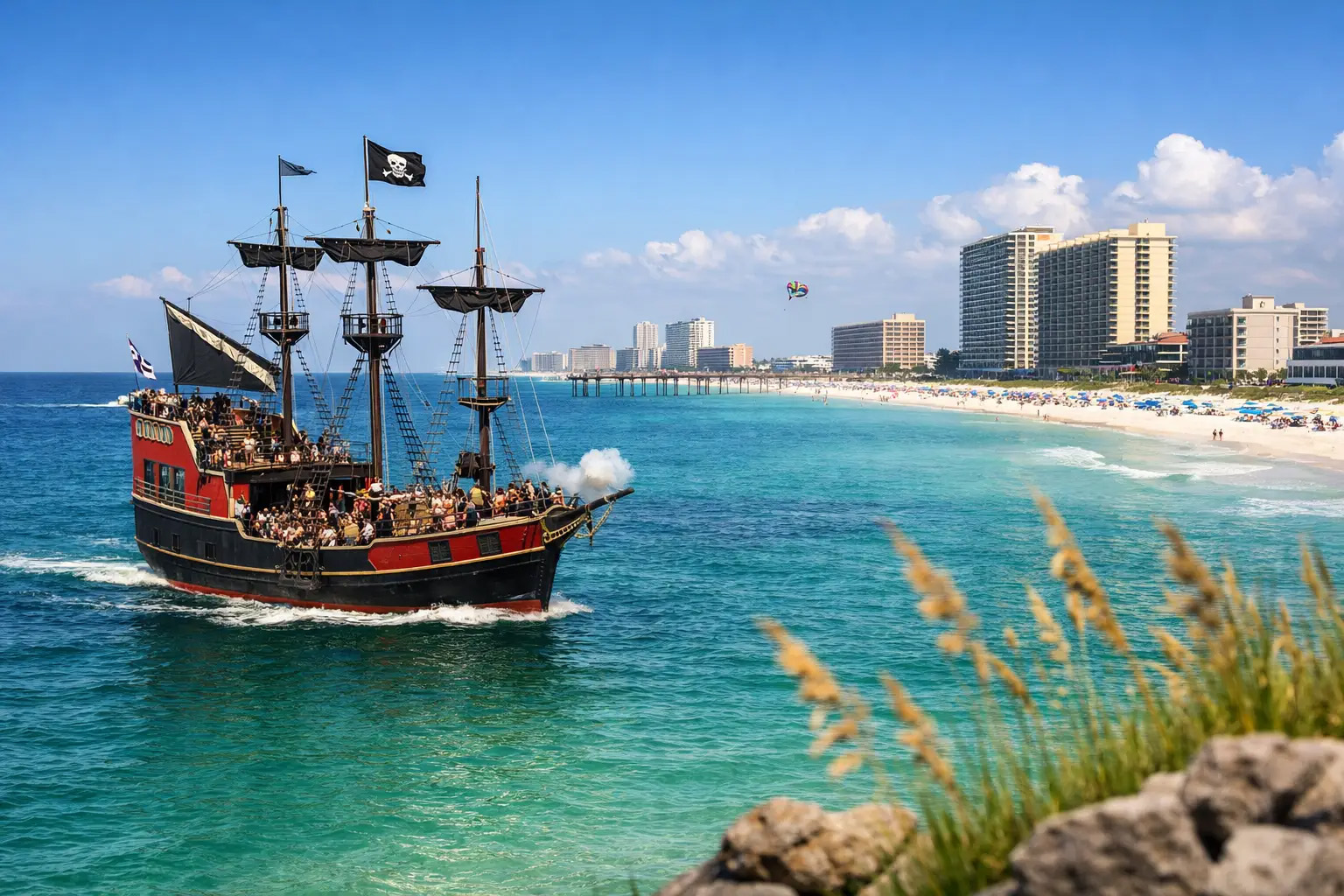
A pirate invasion will always make your Panama City Beach getaway memorable. Pirates of the High Seas in PCB brings costumed characters, family activities, music, and waterfront energy to the area, typically during the fall season. For guests, the appeal is simple: children get a memorable event built around adventure, while adults can pair the festivities with warm Gulf views, beach time, and a well-planned coastal stay.
The best trips do not depend on improvisation. This event draws families from across the region, and the details make it a great family experience - where you stay, when you arrive, how you handle parking, and how much activity your group wants - deserve attention before you pack.
What Makes Pirates of the High Seas in PCB Different
This is not a single attraction that visitors enter, finish, and leave behind. Pirates of the High Seas centers on a broader festival atmosphere, with activities spread across public areas near the beach and Pier Park. Organizers commonly build the schedule around pirate-themed appearances, children's programming, live entertainment, themed games, and evening events. Specific programming changes from year to year, so guests should confirm dates, hours, locations, and any ticket requirements before making fixed plans.
That format works especially well for families with different attention spans. A young child may enjoy a short character encounter and a simple activity, while older children may want to stay for a parade, contest, stage program, or nighttime show. Adults can set a lighter pace by choosing one or two event highlights rather than trying to attend every scheduled activity.
The setting matters as much as the theme. Panama City Beach offers room for a vacation that does not revolve entirely around an event calendar. You can spend the morning on the sand, take a break at your vacation rental, and return for the evening program when temperatures cool. That flexibility gives the festival more value than a one-day outing, particularly for families staying several nights.
Choose Your Dates With the Event in Mind
Pirates of the High Seas generally takes place in the fall over the long Columbus Day weekend, when Panama City Beach shifts from peak summer crowds to a more comfortable vacation rhythm. Warm afternoons are part of the forecast, but evenings can feel cooler near the water. Bring beachwear for daytime plans and an extra layer for nighttime activities, especially for children who may sit outdoors after sunset.
If your primary goal is the festival, arrive before the busiest headline event. An early arrival gives you time to settle into your rental, pick up groceries, learn the route to key venues, and avoid turning the first evening into a rush. Families who arrive on the day of a major program often face a tighter schedule and less flexibility if traffic or check-in timing changes.
A longer stay also creates better choices. Reserve one day for the festival's main activities, but protect at least one unstructured beach day. Weather can affect outdoor plans, and children often need a quieter afternoon after a busy evening. A vacation should leave room for both the pirate adventure and the simple pleasure of watching the waves from the shoreline.
Check the Current Schedule Before Booking Around It
Do not rely on a previous year's calendar, social post, or memory from an earlier trip. Event organizers can adjust dates, start times, venues, access rules, and entertainment details. Review the current official schedule before you decide which nights require advance planning.
This step matters most for guests who want to see the pirate invasion, a particular parade, a concert, or a particular children's activity. You may also want to make reservations for the Pirate's Voyage dinner and show theater in PCB or for the Sea Dragon Pirate Cruise to make sure you have a place reserved at either of these two very popular activities during the Pirate Festival.
Select Lodging for More Than a Place to Sleep
During a festival weekend, location shapes the entire experience. A rental close to the action can reduce driving and simplify evening plans, but a nearby property may also place your group closer to traffic, activity, and late-night noise. The right choice depends on how your family travels.
Guests with toddlers, early bedtimes, or relatives who prefer quiet may value a beachfront or beach-area rental that provides easy access without placing them directly beside the busiest gathering point. Larger groups should consider practical details such as sleeping arrangements, kitchen space, elevators, parking availability, and room to regroup between activities.
A professionally managed vacation rental offers another advantage during an event-focused trip: clear arrival instructions and responsive support. When schedules run on a deadline, guests need reliable check-in information, accurate parking guidance, and a straightforward point of contact if a question comes up. Emerald Beach Properties focuses on the details that help guests spend less time managing logistics and more time enjoying their stay.
Give Your Group a Reset Point
The beach, festival areas, restaurants, and shops can make a full day feel crowded. Your rental should serve as a reset point, not just overnight lodging. Plan a return window in the afternoon for snacks, sunscreen, a change of clothes, and downtime before evening activities.
That pause can prevent a common vacation mistake: pushing tired children through one more event because everyone feels committed to the schedule. Families usually enjoy the main attraction more when they arrive well rested and well fed.
Parking, Walking, and Crowd Planning
Expect the busiest periods near popular evening programs. Arrive early when a schedule includes a major performance or a parade. Build extra time into every drive, especially if your group needs to unload strollers, beach gear, or mobility equipment.
Before you leave your rental, decide on a meeting point in case your group separates. Older children should know the name of their lodging, a parent or guardian's phone number, and the plan for reconnecting. Costumes add fun, but they can also make it harder to spot people in a crowd. Choose one bright accessory or simple visual marker for your group if you travel with several children.
Keep your vehicle plan realistic. Parking near event areas can fill quickly, and a short distance on a map can feel much longer after a late-night program. Comfortable walking shoes matter more than pirate-themed footwear. If someone in your party has limited mobility, review access and transportation options in advance rather than assuming curbside parking will be available.
Make the Theme Fun Without Overpacking the Day
Children often arrive ready to wear pirate hats, eye patches, and costumes. Keep those choices practical. Avoid heavy layers during warm afternoon events, select shoes that work on pavement, and pack a small bag with water, sunscreen, wipes, and a light jacket. Face paint and themed accessories can make excellent photos, but comfort will determine how long your child enjoys wearing them.
You do not need to create an hour-by-hour pirate itinerary. Let the event carry the theme, then use the rest of the trip to enjoy what brought you to the coast in the first place. Build a sandcastle in the morning, look for shells near the waterline, share seafood at dinner, and save the evening for the festival highlight your group cares about most.
For multigenerational trips, divide and reconnect when needed. One adult can take younger children back to the rental while another stays with older kids for a later activity. That approach respects different energy levels without forcing anyone to miss the entire experience.
A Better Way to Plan the Weekend
Think of Pirates of the High Seas as an anchor for your vacation rather than the only reason for it. Choose one must-do event, one flexible backup activity, and plenty of open time. Watch the forecast, confirm the current schedule, and prepare for heavier traffic during prime evening hours.
The strongest Panama City Beach memories rarely come from checking every item off a program. They come from the moment your child spots a pirate ship, the walk back from an evening show with the Gulf nearby, and the comfort of returning to a vacation rental that gives your group space to slow down.
Vacation Rentals for Couples in Panama City Beach

The best beach trips often come down to the moments between the big plans: coffee on a balcony before the beach fills up, an unhurried lunch after a swim, and a quiet place to return to after sunset. Vacation rentals for couples give travelers room for those moments, along with more privacy and flexibility than a hotel stay.
For a couples trip to Panama City Beach, the right rental does more than provide a place to sleep. It supports the pace of the getaway you want, whether that means a long weekend close to restaurants and live entertainment or several quiet days focused on the Gulf, the sand, and each other.
Start With the Trip You Actually Want
Couples do not all travel the same way, and the rental should reflect that. Some guests want a polished resort setting with pools, fitness facilities, and quick access to activities. Others want a smaller condo or beach home where they can step away from crowds and maintain their own schedule. Neither choice wins by default. The better choice depends on how you want to spend your time.
Before comparing properties, settle a few practical questions. Do you want to walk to dinner, cook most meals at the rental, or split the difference? Do you expect to spend full days on the beach? Does a private balcony matter more than extra indoor square footage? These answers narrow the search quickly and help you avoid paying for amenities you will not use.
A shorter stay may call for a location that keeps errands and travel time low. A weeklong stay often makes features such as a full kitchen, laundry, a comfortable living area, and dedicated parking more valuable. A rental can look ideal in photos but still feel inconvenient if its layout does not support the way you travel.
Why Location Shapes a Couples Getaway
Panama City Beach offers distinct experiences across its beach communities. A central location can put you near dining, shopping, attractions, and active stretches of the beach. A rental farther from the busiest areas can offer a more relaxed setting, especially for couples who place quiet mornings and open beach space above constant activity.
Beachfront access deserves careful attention. Gulf-front rentals often provide direct views and easy beach days, but they may also place guests near busier common areas during peak seasons. A property a block or two inland may offer a different balance of value, space, and convenience. If a water view is high on your list, verify the view described in the listing by looking at the photos in the listing.
Consider the daily details as well. Check where you will park, how you will reach the beach, whether elevators serve the building, and how far you need to travel for groceries or dinner. These details rarely feel glamorous while booking, but they can protect the easygoing rhythm that makes a couples trip memorable.
Choose Privacy With Clear Expectations
Privacy means different things in different property types. A high-rise condo may give you a private interior space and balcony while sharing pools, beach access points, elevators, and parking areas with other guests. A beach house or smaller property may create more separation, though it may be farther from resort-style amenities.
Read the property description for the specifics that affect your stay. Look for balcony access, bedroom location, outdoor seating, pool rules, and shared-space details. If you want a quiet evening outdoors, a deep balcony with seating may matter more than a larger living room. If you prefer a social property with a lively pool deck, choose that intentionally instead of having it be a surprise after arrival.
Look Beyond the Bedroom Count
A one-bedroom rental sounds like the obvious choice for two people, but the number of bedrooms does not tell the whole story. A well-designed studio with a Gulf view may suit a short trip perfectly. A two-bedroom condo may make more sense for a longer stay when you want more living space, a larger kitchen, or a separate room for work space, luggage and beach gear.
Pay attention to the parts of the property you will use most. For many couples, those spaces include the balcony, kitchen, primary bedroom, shower, dining area, and living room. Photos should show these areas clearly. If the listing offers limited images of a major feature, ask questions before you commit.
The kitchen also changes the economics and atmosphere of a trip. Even travelers who plan to enjoy local restaurants often appreciate the option to make breakfast, pack drinks for the beach, or prepare a simple dinner after a long day outside. A full-size refrigerator, usable counter space, cookware, and a dining table can make a rental feel less like a stopover and more like your own coastal retreat.
Treat Amenities as Part of the Plan
Amenities should support your plans, not distract from them. A pool can provide a convenient alternative when surf conditions change. In-unit laundry helps after several beach days. A fitness center may appeal to guests who want to maintain a routine. Reliable Wi-Fi matters for travelers who need to check in with work, stream a movie, or manage reservations.
At the same time, more amenities can mean a larger building, more shared activity, and potentially longer waits for elevators or parking during busy periods. Couples seeking a quieter experience may prefer fewer communal features in exchange for a more peaceful setting. The trade-off deserves consideration, particularly during spring and summer travel periods.
Book With Confidence, Not Assumptions
Clear information from the management company regarding your vacation rental will help make your experience a great one. Review the rental terms, cancellation policy, check-in process, occupancy rules, parking instructions, and total cost before booking. The nightly rate tells only part of the story. Cleaning fees, taxes, parking charges, and other applicable costs affect the final amount.
Professional management also matters. A well-managed rental team provides clear communication before arrival, maintains accurate property information, and gives guests a defined point of contact when questions arise. Emerald Beach Properties approaches guest stays with that level of operational discipline, because a well-planned arrival sets the tone for the entire vacation.
Ask direct questions when you need clarity. Confirm whether the property has beach service, whether the balcony faces the Gulf, whether a vehicle height limit applies, or whether an amenity closes seasonally. Specific answers help you choose based on facts instead of wishful thinking.
Time Your Stay Around Your Priorities
Panama City Beach changes with the calendar. Summer brings warm water, long beach days, and a high-energy atmosphere. Spring and fall often appeal to couples who want pleasant weather with a slower pace. Winter can offer a quieter coastal break, though temperatures and swimming conditions vary. Some properties offer heated pools that are great when temperatures are cooler in PCB.
Price, crowd levels, weather, and restaurant availability can all shift by season. There is no universal best time to visit. A couple planning a celebration may choose peak season for the full beach atmosphere. Another may prefer a shoulder-season stay for more open space and a more relaxed experience. Build your dates around what matters most rather than chasing a single idea of the perfect week.
Make Space for Unplanned Time
A strong couples itinerary leaves room to change course. Reserve the dinner you care about, plan a beach day, and choose one or two activities that genuinely interest you. Then leave open time for a late breakfast, a walk by the water, or an evening on the balcony when going nowhere sounds better than another reservation.
The right rental gives those unplanned hours a place to land. Choose a property that fits your pace, verify the practical details before booking, and let the beach handle the rest.
12 Best Panama City Beach Activities for a Great Trip
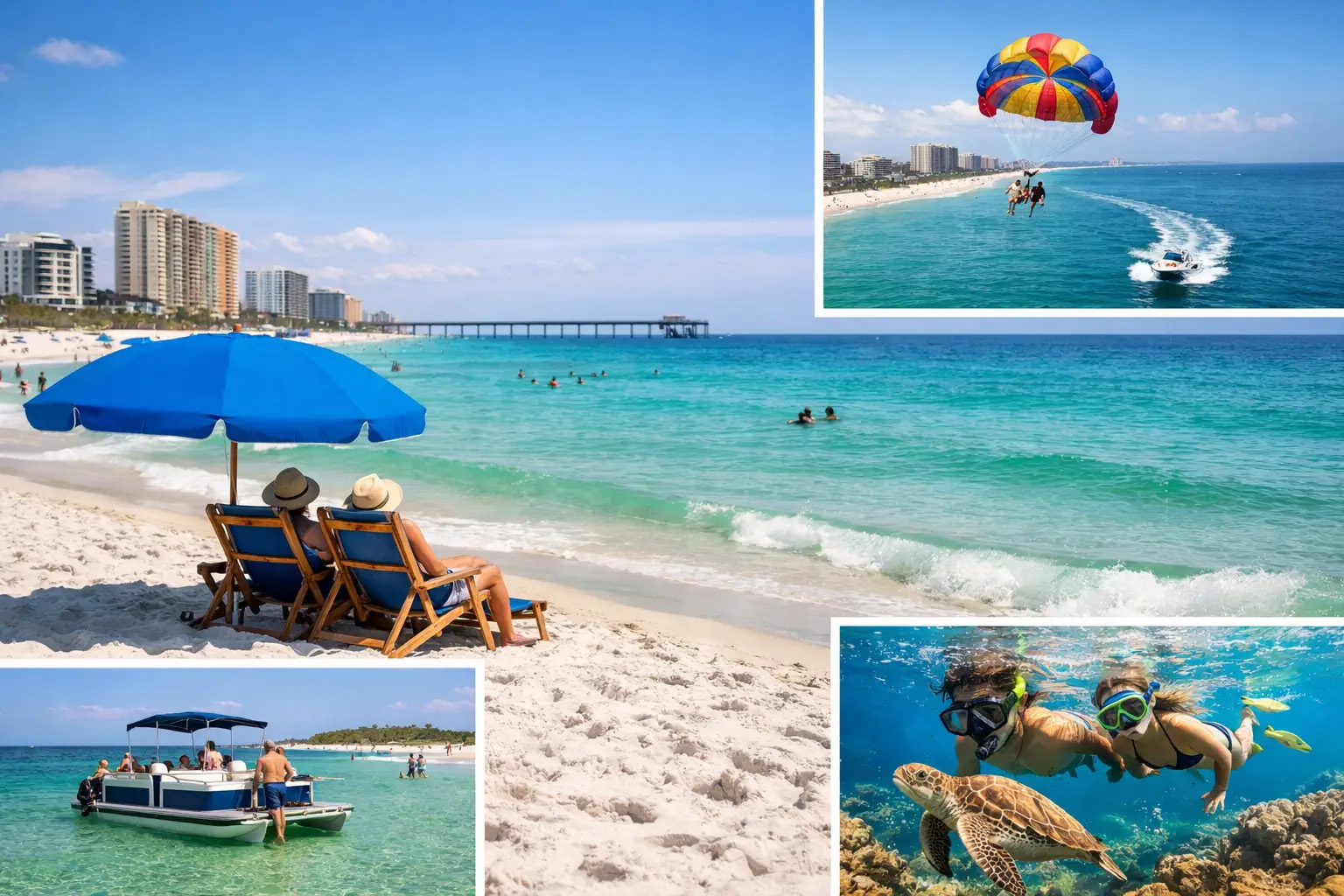
The Gulf sets the pace of a Panama City Beach vacation. One morning may call for quiet sand, clear shallows, and a long walk at the waterline. The next may bring a boat ride, a nature trail, or an afternoon that keeps children happily occupied out of the sun. The best Panama City Beach activities give travelers those choices without turning a relaxing beach stay into an overplanned schedule.
A strong itinerary starts with location, weather, and the people traveling with you. Families often benefit from pairing one active outing with a slower beach block each day. Couples may prefer sunset plans, a scenic park, and a dinner reservation. Guests who bring fishing gear, paddleboards, or bikes should choose a rental location that makes those interests easy to reach.
How to Plan Your Beach Days Well
Check the beach flag system before entering the water. Gulf conditions can change quickly, and a beautiful day can still bring strong currents or rough surf. Keep a close eye on children at the shoreline and also at the pool, use designated access points, and respect all posted signs & warnings.
Summer crowds, school-break traffic, and seasonal weather also shape the experience. Book popular tours early if you are traveling during peak periods, but leave room in your schedule for an unhurried morning at the beach. Panama City Beach rewards visitors who balance planned activities with time to simply enjoy the sandy white beach.
Best Panama City Beach Activities by Vacation Style
1. Build a Proper Beach Day
A beach day deserves more than a quick stop between other activities. Set up early with shade, water, sunscreen, and enough snacks to cover you for the planned time on the sand. Spend the morning swimming when conditions allow, search for shells along the wet sand, and take a long shoreline walk before the heat builds.
For many guests, this remains the best use of a vacation day. It costs little, works for nearly every age, and creates the unstructured time that makes a Gulf Coast trip feel like a real break.
2. Visit St. Andrews State Park
St. Andrews State Park offers a more natural setting than the busier central beach stretches near condos and other vacation rentals. Visitors can walk trails, look for shorebirds, fish from designated areas, see the alligators and enjoy views where the Gulf meets St. Andrews Bay. The park gives families and nature-minded travelers a great way to get in touch with the local scenery.
Bring shoes suitable for walking, drinking water, sunscreen, and a camera or binoculars. Conditions, hours, and access can vary, so confirm details before you go. This activity works especially well on a day when you want fresh air without committing to a full boat excursion.
3. Take a Shell Island Boat Trip
Shell Island is just across the water from St. Andrews State Park and delivers the uncrowded, open-coast feeling many visitors picture before they arrive. Boat trips can provide access for shell collecting, swimming, and viewing the dunes and protected shoreline from the water.
This outing depends on weather, water conditions, and operator schedules. Pack sun protection and water, and expect limited amenities on the island itself. Guests who want a quieter beach experience often find that the extra planning pays off.
4. Paddle a Kayak or Stand-Up Paddleboard
Paddling lets you experience the water at a slower, closer level. Calm bay waters often suit beginners better than the open Gulf, especially for families or anyone trying a board for the first time. A kayak also gives younger children a way to join the outing with an adult.
Choose protected water on windy days, wear a properly fitted personal flotation device, and stay aware of boat traffic. Rentals and guided options can simplify logistics, while experienced paddlers may prefer bringing their own equipment.
5. Book a Dolphin Tour
A dolphin tour adds excitement without requiring visitors to be expert boaters. Seeing dolphins travel, surface, and feed in their natural environment can become a standout family memory. The best tours focus on observation rather than pursuit, keeping a respectful distance from marine life. Remember that you should never feed the dolphins for your safety and theirs, too.
Morning trips may offer cooler temperatures, while later departures can provide softer light over the water. No operator can guarantee wildlife sightings, so treat the tour as a coastal experience first and a dolphin encounter second.
6. Fish From the Shore or a Pier
Fishing suits guests who enjoy a slower, focused activity and do not want a packed itinerary. Cast from the shore, a public pier, or a charter boat depending on your experience and goals. Pier fishing offers easy access and a social atmosphere, while a charter provides equipment, local guidance, and a chance to reach deeper water or quiet secluded bay locations.
Fishing rules, licenses, seasons, and catch limits matter. Confirm current requirements before you cast. If you book a charter, tell the captain whether your group includes beginners, children, or serious anglers so the trip matches expectations.
7. Spend an Afternoon at Shipwreck Island Waterpark
When the beach heat feels intense or younger travelers need a change of pace, a waterpark can solve the problem. Shipwreck Island Waterpark brings slides, pools, and family-friendly water play into one contained afternoon. It can also provide a useful option when the Gulf surf runs too rough for swimming.
Operating days and hours typically follow the season, so check the calendar before building your plans around it. Arrive early during high-demand periods, and reserve this activity for a day when your group wants high energy rather than quiet coastal time.
8. Walk or Bike Conservation Park
Conservation Park provides trails through wetlands, pine flatwoods, and quieter local landscapes. It offers a sharp contrast to condo towers, busy restaurants, and beach traffic. Walkers can choose shorter routes, while cyclists can cover more ground and settle into a peaceful morning ride.
Go early for cooler temperatures and better wildlife viewing. Wear closed-toe shoes, carry water, and prepare for bugs in warmer months. This is one of the best Panama City Beach activities for travelers who want to see more than the shoreline.
9. Browse Pier Park at the Right Time
Pier Park combines shopping, casual dining, attractions, and entertainment in a walkable setting near the beach. It works well on an arrival day, an evening after the sun, or a rainy stretch when outdoor plans need adjustment. Families can find enough variety to satisfy different ages without making several separate stops.
The trade-off is crowds. Peak evenings can feel busy, and parking can take patience. Go earlier if you want a calmer experience, or embrace the energy if your group wants an active night out.
10. Catch Sunset From the Sand
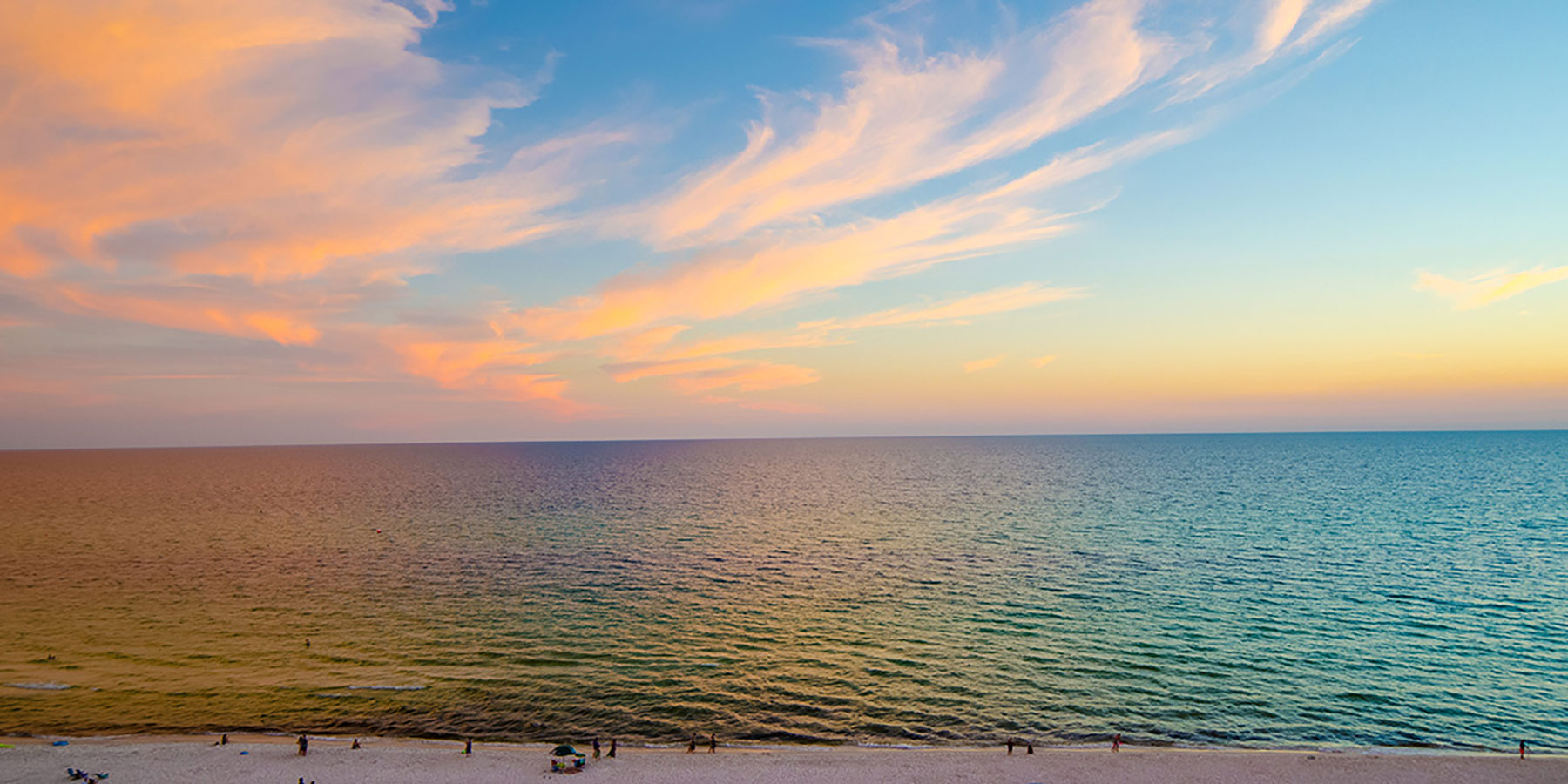
Sunset costs nothing, asks little, and consistently earns an important place on the itinerary. Bring a light layer, walk to a less crowded beach access point, and give yourselves time to settle before the color changes across the Gulf. The sky often shifts from bright gold to pink and violet in a matter of minutes.
Couples may make sunset the centerpiece of an evening, while families can use it as a simple wind-down after dinner. Keep the plan flexible because cloud cover determines the show.
Some travelers make it a point to meet on their beachfront balcony for sunset each evening for some quiet time together before dinner.
11. Plan a Beach Bonfire Through an Approved Provider
A permitted beach bonfire can turn an ordinary evening into a memorable gathering. The warm firelight, the sound of water, and a circle of family or friends create an easy setting for conversation after a busy day. Many guests choose this option for celebrations, reunions, or a final night by the Gulf.
Panama City Beach requires that you use an approved provider. Fire restrictions, wind, turtle-protection measures, and permit requirements can affect availability. Private fires on the sand are not allowed in PCB.
12. Take a Scenic Day at Camp Helen State Park
Camp Helen State Park brings together history, trails, lake views, and a less commercial edge of the coast near the western end of the area. Visitors can walk beneath shade trees, explore the grounds, and enjoy a setting that feels notably removed from the main beach corridor.
This choice fits travelers who like gentle outdoor activity and local character. Pair it with a relaxed lunch or a sunset stop nearby rather than trying to rush back for a full afternoon of beach time.
Leave Space for the Vacation You Actually Want
The most successful Panama City Beach plans do not try to check every box. Choose two or three priorities that fit your group, then let the weather and your energy level guide the rest. A professionally managed vacation rental from Emerald Beach Properties can give your group a comfortable base for those choices, whether the day ends with sandy feet at the door or a quiet evening after a park, pier, or boat trip.
Beach Photography in Panama City Beach Tips
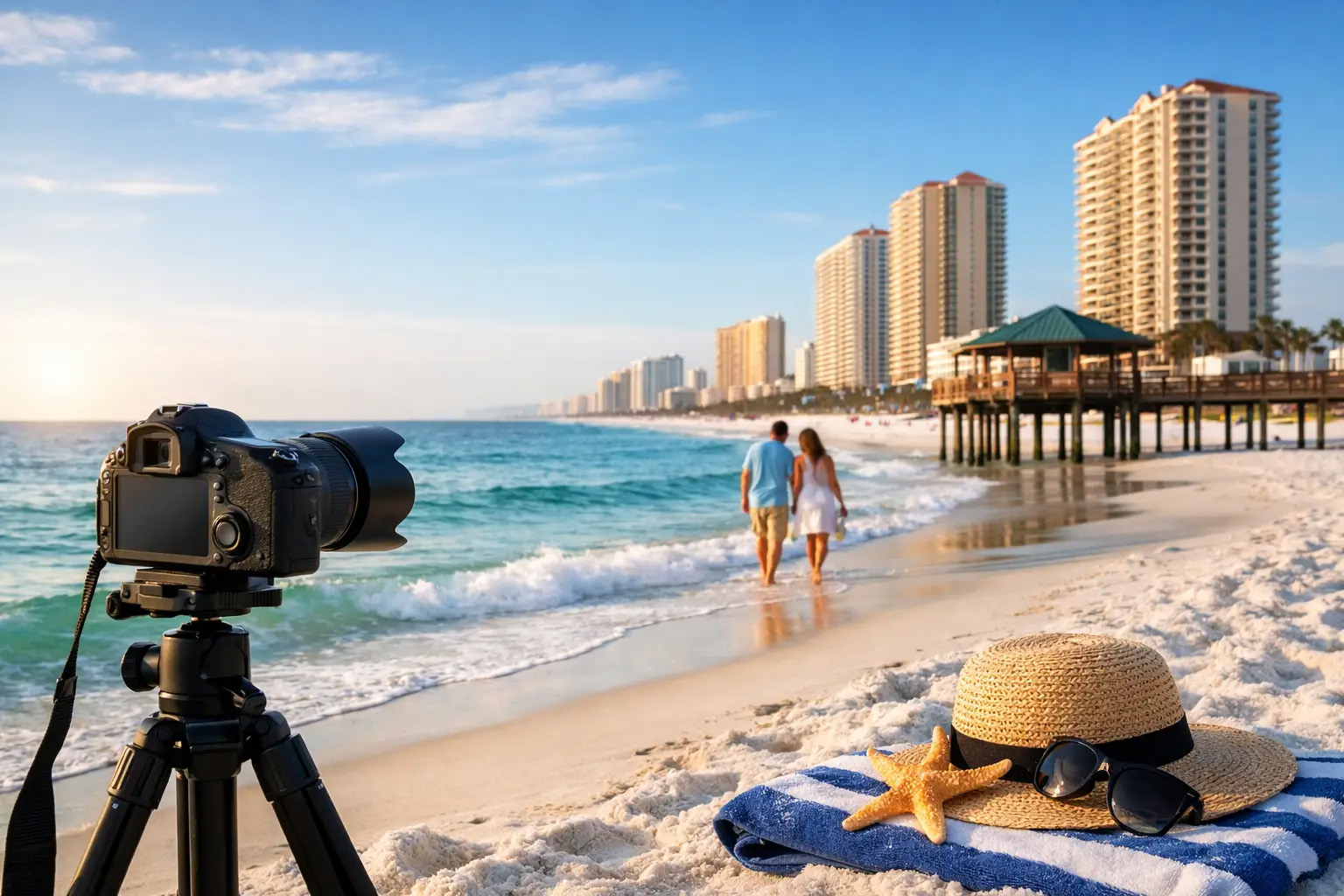
The best beach photos rarely happen at noon, when the sand reflects hard light and everyone squints into the camera. Beach photography in Panama City Beach works best when you plan around the conditions that shape the coast: shifting tides, bright Gulf sun, wind, crowds, and the short window of warm light before sunset. A little preparation turns a vacation photo session from a rushed obligation into a relaxed part of the trip.
For families staying along the beach, photos often become the record of the trip that everyone remembers. They capture the children at an age that passes quickly, the grandparents who made the trip, and the easy time together that does not always happen at home. The goal is not a perfectly posed image. It is a set of photographs that still feels like your family and this place.
Choose the Right Time for Beach Photography in Panama City Beach
Sunset remains the most dependable choice for portraits on the beach. During the hour before the sun drops below the horizon, the light becomes softer, warmer, and more flattering. The water often takes on deeper color, the sky adds dimension, and people can keep their eyes open without fighting direct sunlight.
Schedule enough time to arrive early. Families should plan to reach the beach 15 to 20 minutes before the session begins, especially if young children need sunscreen, a snack, or a change of clothes. A late arrival puts pressure on the short period of good light, and the sun does not wait.
Morning sessions can also work well. The beach usually feels quieter, the temperatures stay more comfortable in warmer months, and small children may have more patience before a full day of swimming and sightseeing. Morning light can look clean and bright rather than golden, so it suits families who prefer fresh, airy images.
Midday photography has a place, but it requires realistic expectations. The water can look brilliantly turquoise, which makes it appealing for vacation candids and action shots. For portraits, however, strong shadows and glare create challenges. If midday is your only option, use shade near a dune walkover, a building edge, or a beach umbrella, and focus on playful photographs rather than formal faces toward the sun.
Let the Weather Guide the Plan
A forecast should inform your schedule, not automatically cancel it. Clear skies create classic blue-water photographs, but thin clouds can soften harsh light and make colors more even. A partly cloudy evening often produces a dramatic sky that clear conditions cannot match.
Wind deserves more attention than you might think. A steady coastal breeze feels welcome on a warm day, yet it can quickly turn long hair, loose dresses, and lightweight accessories into distractions when trying to capture that perfect photo. Choose hairstyles and clothing that can move naturally. Trying to hold every strand of hair in place isn't a practical goal at the beach.
If rain threatens, communicate early with your photographer or group. Florida weather can change quickly, and a passing shower may leave behind excellent light. Safety comes first when lightning is present. Do not stay on an open beach or attempt to wait out a storm near the water.
Pick a Setting That Fits Your Family
Panama City Beach offers more than one visual look. The wide, open shoreline suits large family groups, sunset silhouettes, and photographs with plenty of sky and water. Dune areas, sea oats, and walkovers add texture and a stronger sense of place. Pier views and nearby coastal settings can bring more activity into the background, although they may also include more people.
Privacy is a practical consideration. Public beach access points can become busy during peak vacation weeks, and a crowded background can pull attention away from the people in the frame. A photographer who knows the area can often recommend a nearby stretch of sand with better spacing, access, and light.
Respect the beach while you photograph it. Stay on designated paths through dune areas, avoid disturbing sea oats and wildlife, and follow any posted rules. Those natural features help make the coast beautiful, and responsible use protects them for future guests.
Dress for Movement, Not a Matching Uniform
Coordinated clothing photographs better than identical clothing. Start with a simple color palette of three or four complementary tones, then let each person wear something comfortable within that range. Soft blues, creams, sage greens, muted pinks, and warm neutrals often work well against white sand and Gulf water.
Avoid large logos, neon colors, and busy patterns that compete with faces. Pure white can look crisp, but it may also lose detail in bright conditions. Cream, ivory, and light sand tones usually provide a softer result. Bare feet fit the setting naturally, and they save everyone from managing shoes in loose sand.
Comfort matters more than a perfect outfit. Children who dislike stiff collars or scratchy fabric will show it quickly. Adults should also choose clothes they can sit, walk, and hold a child in without constant adjustment. The best images often happen between poses, when people stop thinking about the camera.
Bring a small bag with water, wipes, a brush, and any necessary medication. For young children, pack a quiet snack that does not create a mess. Keep phones, extra bags, and bright plastic items out of sight when the session begins unless you want them in the photographs.
Give Children Room to Be Themselves
Parents often worry that children will not cooperate. In practice, a child does not need to stand still and smile for an hour to create meaningful images. A professional session uses short posed moments, then shifts to movement: walking at the waterline, holding hands, running toward a parent, collecting shells, or laughing at a wave.
Avoid promising rewards for every photo or repeatedly telling children to smile. That approach can make them more aware of the camera and less willing to participate. Instead, keep your expectations simple. Ask for a few minutes of cooperation, then let them play.
Parents set the energy. If you stay relaxed, look at one another, and accept a little sand on the clothes, children usually follow your lead. A photograph of a child laughing with wet feet often carries more value than a technically perfect pose.
Plan for Light, Water, and Safety
The beach changes quickly. Waves can surprise toddlers, wet sand can become slippery, and a child who reaches the waterline may move farther than expected in seconds. Keep a close adult near younger children at all times, even when a photographer directs the group.
Do not enter the Gulf for photos when surf conditions, flags, or local guidance indicate danger. Strong currents can develop even when the water looks inviting from shore. The beach offers plenty of beautiful options without stepping into deep water.
Protect your skin before the session, but give sunscreen time to absorb. Fresh sunscreen can create a noticeable sheen in close portraits, particularly on humid evenings. Apply it according to the product directions before you leave your vacation rental, then bring it along for later if needed.
Photographers should protect their equipment from sand and salt spray, while guests should protect their personal items. Keep cameras and lenses away from blowing sand when possible, and store valuables in a secure bag. Good planning prevents small distractions from taking over the photo session.
Make the Photos Part of the Vacation
A beach session should not consume an entire day or compete with every other plan. Put it on the calendar early in the trip, ideally before everyone gets sunburned, tired, or overly focused on departure plans. An early-week sunset session also leaves room to reschedule if weather interferes.
Afterward, keep the rest of the day simple. Walk back to your rental, rinse off the sand, and share a meal together. That unhurried transition helps everyone remember the experience as more than a photo appointment.
Emerald Beach Properties understands that a well-planned stay gives families room for these meaningful moments. Choose a time that fits your group, prepare for the beach as it is, and let the photographs reflect the people who made the trip worth taking.
Family Reunion Vacation Rental Planning Tips
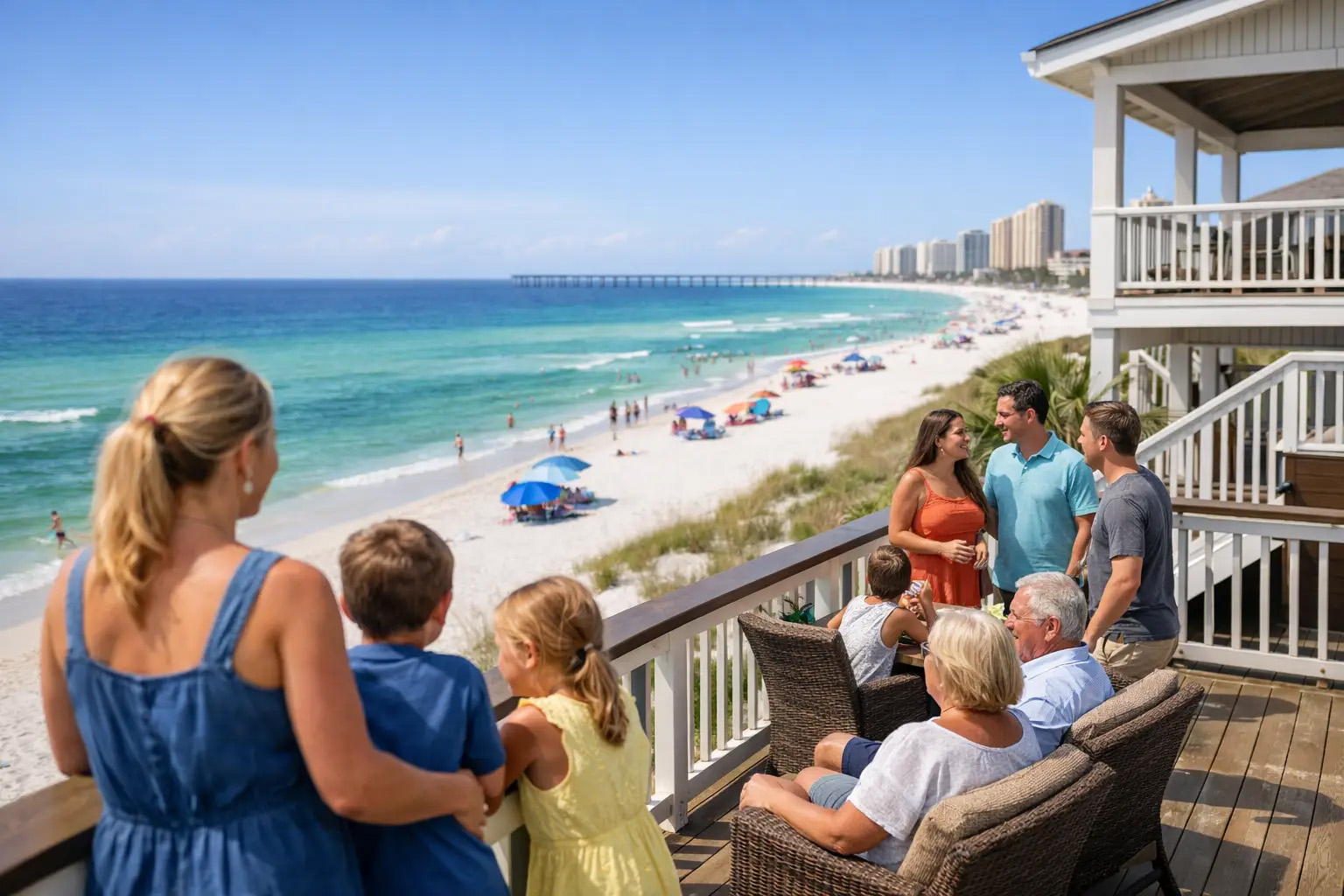
A family reunion beach vacation rental can turn a long-overdue gathering into a week of shared breakfasts, sandy feet at the door, and sunsets everyone remembers. Make your family reunion extra special by making sure no one feels crowded, the sleeping plan is well thought out, and remember, one person shouldn't do all the planning. Choosing the right property and setting expectations before anyone packs a bag is key to making your family trip one to remember.
For families gathering in Panama City Beach, one or more condos gives the group room to spend time together without requiring every meal, conversation, and activity to happen in a restaurant or hotel lobby. The strongest plans leave room for both connection and privacy.
Start With the Family, Not the Bedroom Count
A large home can look ideal on paper and still fail the group. Before comparing properties, get a clear headcount that includes adults, children, infants, and anyone who may stay only part of the trip. Then ask a few practical questions: Who has special needs? Who will share a room? Will teenagers want their own space? Does anyone need quiet at night or an easy walk to the beach?
Bedroom count matters, but bed configuration matters more. A home with four bedrooms may work well for four couples and several children if it includes bunk rooms. That same home may not work for six couples who expect private rooms. Review each bedroom, bathroom, and sleeping area before presenting options to the family. Choosing condos that are in the same building or complex can easily meet all these needs and provide a little extra privacy.
Common areas deserve equal attention. Look for enough seating at the dining table, a living area where the group can gather comfortably, outdoor space for evening conversations, and a kitchen that can handle more than coffee and snacks. A reunion location should support time together without forcing everyone into one crowded room. You can choose one large condo or townhouse and one or more adjacent smaller units.
Choose the Right Family Reunion Beach Vacation Rental Location
Beachfront access appeals to many groups, but location involves more than the view. Some families value stepping directly onto the sand. Others prefer a quieter residential setting, nearby restaurants, easy grocery access, or a shorter drive from local attractions. The right choice depends on how the family plans to spend its days.
In Panama City Beach, beach access usually shapes the entire trip. A vacation rental near the beach makes it easier for grandparents to return indoors when they need a break and lets parents move children between the condo and beach without loading the car. Still, groups should consider parking, the walk to the sand, traffic patterns, and whether the property offers the privacy they want.
Think through arrival and departure, too. If relatives drive from several states away, straightforward parking can reduce stress immediately. If family members fly in, plan transportation early and confirm whether the group needs rental vehicles, ride shares, or airport pickups. A well-positioned vacation rental saves time that the family can spend together.
Set a Budget That Accounts for the Full Stay
The nightly rate only starts the conversation. A responsible reunion budget accounts for taxes, cleaning charges, reservation fees, refundable deposits when applicable, travel costs, groceries, beach gear, and planned activities. Share the complete expected cost before anyone commits.
Decide how the group will divide expenses. Some families split the total evenly by household. Others charge more for a primary suite, private bathroom, or separate living space. Neither approach fits every group. What matters is that the organizer explains the method early and gives relatives a chance to ask questions before payment deadlines arrive.
Avoid building the trip around an unrealistically low rate. A less expensive property farther from the beach may create extra transportation needs. A larger place with a better kitchen and laundry setup may cost more upfront but reduce restaurant meals and simplify a week with children. Compare the total experience, not only the initial number.
Read the Property Details Like a Group Coordinator
Every vacation home has its own capacity limits, parking requirements, age requirements, and quiet-hour rules. Review these details before booking, then share the relevant rules with every adult in the group. This protects the reservation and prevents avoidable issues after arrival.
Pay close attention to amenities that affect daily comfort. Confirm the number of bathrooms, laundry availability, pool access and safety rules, grill availability, elevator access if relevant, Wi-Fi reliability for remote work, and what the home supplies. Vacation rentals usually do not include beach chairs, baby equipment, extra linens, or a fully stocked pantry.
If the family plans a special dinner, anniversary toast, or casual gathering with local relatives, ask about guest limits and event restrictions before making plans. A vacation rental provides a place to gather, but it does not automatically permit a large event. Clear information protects both guests and the home.
Build a Flexible Plan for Different Generations
The best reunions do not schedule every hour. Families need a few anchor moments, such as a first-night dinner, a beach morning, a group photo, or a final meal together. Between those moments, give people freedom to rest, fish, shop, explore, or simply sit on the balcony with a book.
That flexibility matters when several generations travel together. Young children need naps. Teens want independent time but do need supervision for safety. Grandparents may prefer a slower morning. Parents often appreciate one evening when another adult watches the kids. Build those realities into the plan instead of treating them as interruptions.
A simple shared itinerary can help, especially for large groups. Include arrival windows, grocery plans, dinner reservations, and any activity that requires tickets. Keep it practical. The goal is not to manage every family member. The goal is to keep people informed and reduce repeated questions.
Assign Small Responsibilities Before Arrival
One organizer should not have to manage the entire reunion alone. Divide a few tasks among willing adults: one person can coordinate groceries, another can plan a low-key group meal, and another can manage the photo schedule or beach equipment. Small assignments create shared ownership without turning a vacation into a committee meeting.
For a group of ten or more, a short pre-trip message helps. Include the property address and arrival instructions when available, parking guidance, house rules, the sleeping plan, what to bring, and one contact person for urgent travel updates. Keep the message direct so relatives can find what they need quickly. A group chat can be great for this.
Consider food realistically. A large kitchen makes group meals easier, but it does not mean everyone wants to cook every day. Plan one or two meals at the largest condo and organize a grocery order or shopping list, and leave open nights for restaurants or leftovers. This approach limits waste and avoids placing the kitchen burden on one family member or group.
Protect the Home and the Reunion
Vacation rental rules support a safe, comfortable stay for everyone. Respect occupancy limits, park only in approved areas, follow pool and beach safety rules, and keep outdoor noise reasonable. These basics protect the property, respect neighbors, and help the family avoid disruptions.
Before checkout, give the group a simple departure plan. Ask each household to clear its food, gather personal belongings, and help with a final walk-through of shared spaces. Children often leave chargers, toys, and swimsuits behind, while adults tend to miss bathroom drawers and refrigerator shelves.
A successful reunion does not require a perfect schedule or a vacation rental that meets every preference. It needs a property or group of properteis that fits the people attending, a budget the group understands, and enough breathing room for everyone to enjoy the beach in their own way. Choose with care, communicate early, and let the beach handle the rest.
Wildlife in Panama City Beach: Watch With Care
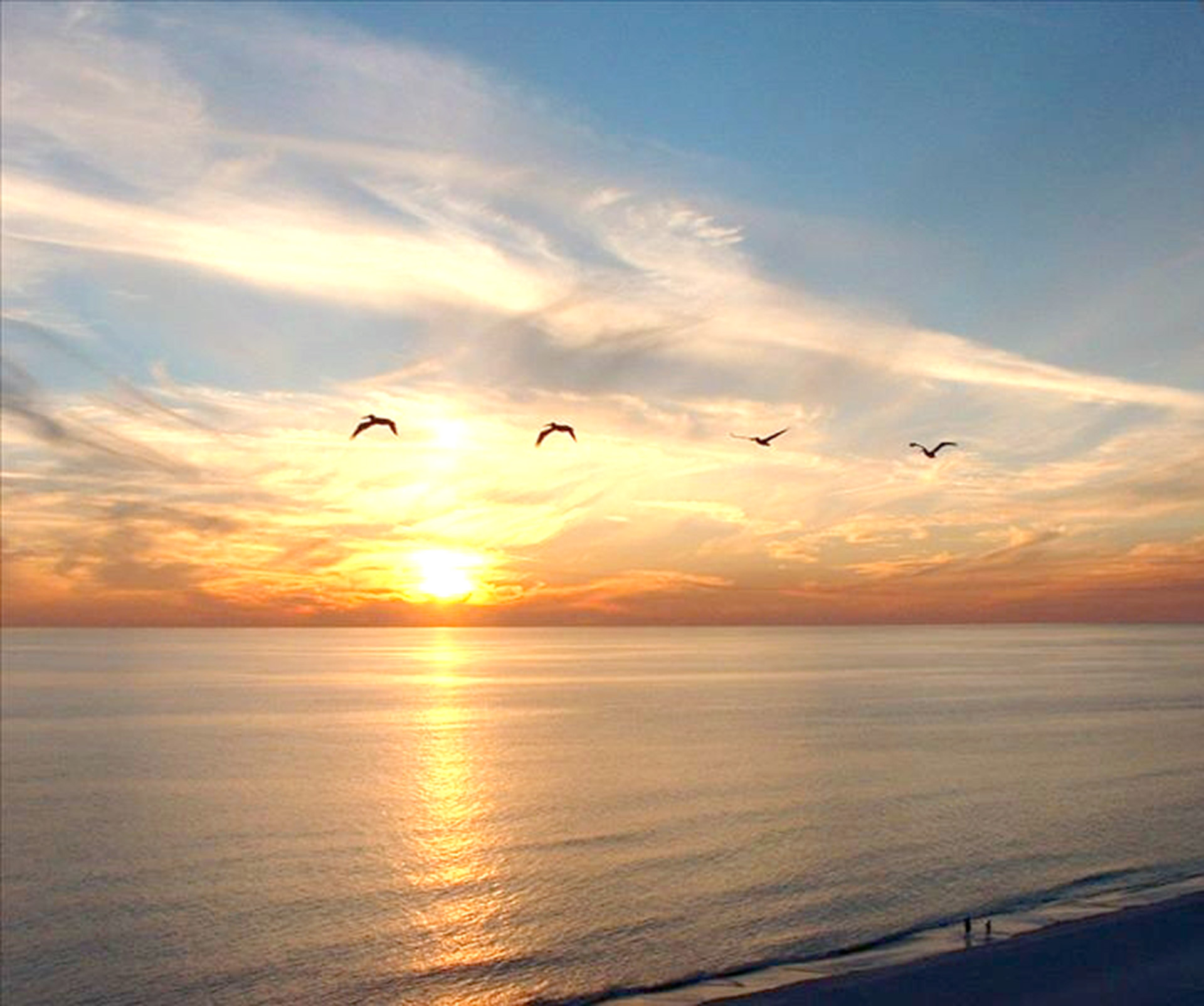
A quiet stretch of sand can look empty at sunrise, yet it may hold shorebird nests, sea turtle tracks, ghost crabs, and feeding fish just beyond the breakers. Beach wildlife forms part of what makes a Panama City Beach stay memorable, but it also depends on visitors making a few deliberate choices. The best sightings happen when people give animals room to behave naturally.
For vacation guests, responsible wildlife viewing does not require special equipment or a complicated plan. It requires awareness: notice posted protections, keep a respectful distance, manage food and trash, and leave the beach and wetlands as clean as you found them. Those habits protect animals, reduce avoidable problems, and preserve the relaxed experience families come here to enjoy.
Wildlife Shares the Beach and Wetlands
The Gulf shoreline supports far more life than many visitors see from a beach chair. Brown pelicans patrol the waterline and plunge for fish. Sanderlings race along the wet sand as waves recede. Dolphins surface just offshore, while crabs emerge after dark. During nesting season, sea turtles use suitable portions of the beach to lay eggs. You may even see deer on the beach or an occasional black bear. You can see alligators in their habitat at St. Andrews state park.
Each animal uses the our area differently. A bird resting near the dunes may be conserving energy after a long migration. A sea turtle nest may sit beneath a marked section of sand. A dolphin group may appear close to shore while feeding, but that does not make it safe or appropriate to approach them. What looks like an open public space often functions as essential habitat.
That reality calls for a simple standard: observe, do not interfere. Visitors should never touch, feed, chase, corner, pick up, or attempt to move wildlife. Even well-meant contact can cause stress, interrupt feeding, separate young animals from parents, or create unsafe behavior around people.
Sea turtles need dark, clear beaches
Sea turtle nesting draws understandable attention along the Florida coast. Adult turtles come ashore at night, and hatchlings later make their way toward the water using natural light reflected from the horizon. Artificial lighting, furniture, holes in the sand, and trash can make that trip harder.
If you see a marked nest, treat the area as protected. Do not enter it, remove markings, dig nearby, or let children play on it. Never handle a hatchling or try to direct it toward the Gulf. Contact the appropriate local wildlife authority or beach patrol if you find an injured turtle, a stranded marine animal, or hatchlings that appear disoriented.
Guests staying near the beach can also help after sunset. Close blinds when practical, switch off exterior lights that are not needed, and avoid using flashlights near dunes or marked nesting areas. If your rental provides instructions for outdoor lighting or beach equipment, follow them closely. Those details often exist to meet local requirements and protect nesting habitat.
Shorebirds need more space than they seem to
A flock of small birds may move away as you walk down the beach, then settle again a few yards farther along. Repeatedly flushing birds forces them to spend energy they need for feeding, migration, nesting, or caring for young. The concern increases when birds gather in a concentrated area near the dunes, wrack line, or shallow water.
Keep dogs only where local rules allow, and keep them leashed. Teach children to watch birds without running through a flock. Walk around roped-off areas rather than cutting across them for a shorter route. Posted signs, stakes, and symbolic fencing often identify nesting or resting areas, and they deserve the same respect as any other safety boundary.
How to Watch Beach Wildlife Responsibly
The most useful rule is distance. Use your phone camera zoom, binoculars, or a camera lens instead of moving closer for a photo. If an animal changes direction, becomes alert, vocalizes repeatedly, or moves away because of you, you are too close. Step back and let the animal return to normal behavior.
Visitors should also pay attention to the setting. Dolphins seen from the shore make an excellent observation, but swimming toward them can put people and animals at risk. Fish, rays, jellyfish, and other marine life deserve caution as well. Conditions can change quickly in the Gulf, and wildlife encounters should never override beach flags, lifeguard guidance, or weather awareness.
Food causes another common problem. Tossing snacks to gulls may feel harmless, but it changes their behavior and attracts more birds into crowded areas. Leftover food can draw raccoons and other animals near homes and vacation rentals. Keep meals in containers, dispose of scraps properly, and clean outdoor dining areas before you head inside.
And be sure to close all the windows and doors of your vacation rental when you are away. This makes sure you don't come home to find birds or wildlife snacking on your food.
For a practical day at the beach, guests should follow these four habits:
- Pack out everything you bring, including fishing line, bottle caps, food wrappers, and cigarette waste.
- Fill in holes before leaving, especially holes large enough to trap a small animal or create a hazard after dark.
- Remove chairs, tents, toys, and other beach gear as required by local rules and your rental’s instructions.
- Report injured, entangled, or stranded wildlife to local authorities instead of trying to rescue it yourself.
These actions matter because wildlife protection and guest safety often overlap. Fishing line can entangle birds and marine animals. A forgotten plastic bag can move through the water like prey. Deep holes can injure a person, a turtle, or a beach-maintenance worker. Small pieces of care add up across a busy season.
Beach Wildlife and Your Vacation Rental Stay
A well-managed vacation stay includes respecting the property as well as the coast outside it. Keep balconies, patios, and walkways free of food waste. Secure trash according to the property’s instructions, particularly overnight. Do not leave beach equipment in places where wind, tides, or local ordinances may turn it into a hazard.
If you book a beachfront or beach-access rental, ask before assuming you can use any dune crossover, private walkway, or outdoor area in a certain way. Dunes stabilize the shoreline and support plants and wildlife. Walking over them, removing vegetation, or creating informal paths damages a system that protects both habitat and nearby property.
The timing of your visit can shape what you see. Early morning often brings active shorebirds and calmer water. Evening can reveal crabs and feeding birds, though visitors should take extra care around nesting areas and keep beachfront lighting low. A patient walk at the waterline usually offers better wildlife viewing than searching for a close encounter.
Families can make the experience more meaningful by turning observation into a simple activity. Ask children to notice tracks without following them, compare different bird shapes from a distance, or watch how birds feed along the receding surf. This approach keeps the focus on curiosity rather than contact. It also gives young visitors a clear understanding of why boundaries matter.
When to Report a Wildlife Concern
Not every animal on the beach needs help. A bird resting quietly, a dolphin offshore, or a turtle nest behind protective markings should be left alone. Intervene only by reporting a real concern, such as visible injury, entanglement, harassment, a stranded marine mammal, or a dead animal in a public area.
Do not attempt to push a stranded dolphin or sea turtle back into the water. The animal may have an injury or illness that is not visible, and direct contact can harm both you and the animal. Keep people and pets back, note the location, and contact the appropriate local agency, beach patrol, or emergency resource listed for the area.
Respectful viewing leaves room for the unexpected: a pelican gliding inches above the waves, tiny tracks pressed into the morning sand, or a dolphin surfacing beyond the swimmers. Leave that space for beach wildlife, and the shoreline remains safer, cleaner, and more rewarding for the guests who arrive after you.
Sargassum at Panama City Beach: What Guests Should Know
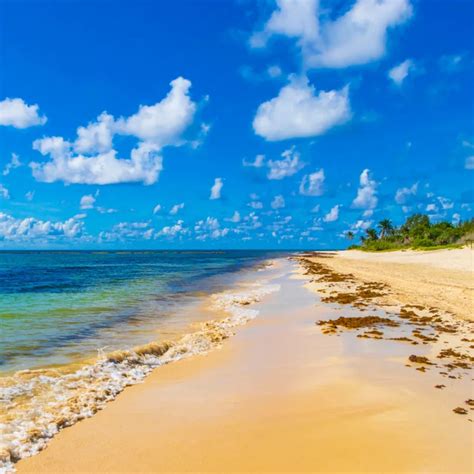
When unpredictable wind and currents push a ribbon of brown seaweed toward shore visitors to any beach destination may see Sargassum washing ashore. Sargassum may look unpleasant when it gathers along the waterline, but it does not automatically mean your Panama City Beach vacation has lost its beach days. Knowing what you are seeing, how conditions change, and how to adjust your plans helps your group make confident decisions without giving up the experiences that brought you to the coast.
What Is Sargassum?
Sargassum is a type of brown algae that floats at the ocean's surface. Unlike many seaweeds, it does not need to root itself to the seafloor. Small round air bladders keep it buoyant, allowing mats of algae to travel long distances with currents and wind.
Out in open water, sargassum plays a useful role. It creates shelter for small fish, crabs, shrimp, and other marine life. Sea turtles, birds, and larger fish also use the ecosystem around these floating mats. The issue for beach visitors begins when large amounts of it wash ashore and collect in thick lines along the sand.
Fresh sargassum often has a brown or golden color and a salty ocean scent. As it sits on the beach and breaks down, it can turn darker, retain moisture, attract insects, and produce a strong odor. That odor can make an otherwise beautiful section of shoreline less comfortable, especially for guests who want to spend long hours near the water.
In many locations such as Panama City Beach, the local government spends time and resources to remove as much of the Sargassum as possible before it becomes unpleasant.
Can Sargassum Affect Panama City Beach?
Yes, but conditions vary significantly. Panama City Beach can receive sargassum when Gulf currents, offshore conditions, and local winds align. Some days bring only scattered pieces of seaweed. Other conditions can create a more noticeable line at the shore. A beach can look different from one morning to the next, and even nearby access points may have very different conditions.
The Florida Panhandle typically sees less consistent sargassum accumulation than some South Florida, Caribbean, and Mexican Caribbean destinations. Still, no coastal destination can promise a completely seaweed-free shoreline. Seasonal ocean patterns shift from year to year, which makes old reports a poor substitute for current local conditions.
Wind direction matters. Onshore winds can move floating material toward the beach, while a change in wind may clear an area or shift seaweed along the coastline. Tides and wave action also determine whether the algae stays near the waterline, returns offshore, or spreads across a wider section of sand.
Guests should also separate sargassum from other water-quality concerns. Seaweed on the shore does not by itself signal red tide, sewage contamination, or unsafe swimming conditions. Those issues involve different causes and require separate guidance from local authorities. Check current beach flags and official notices before entering the water, regardless of whether seaweed is present.
What It Means for Your Beach Day
A light amount of sargassum rarely stops a good beach day. You may need to step over a narrow band of seaweed near the water, choose a clearer stretch of the beach, or spend more time floating, shelling, and relaxing farther up the beach. Many guests find that the water beyond the immediate shoreline remains appealing when conditions stay calm.
Heavier accumulation changes the experience. Thick mats can make entering the Gulf less pleasant, hide uneven sand beneath the water, and create a stronger smell as the algae decomposes. Waves may also push loose pieces around swimmers. Families with young children often prefer a cleaner entry point on those days, while some guests simply shift their beach time to another part of the day.
Use common sense around washed-up material. Do not let children or pets play in decomposing piles, and avoid walking through them barefoot if you cannot see what lies beneath. Sargassum can hold small marine animals, sharp shells, fishing debris, or jellyfish. If the odor bothers you or triggers coughing, headaches, or eye irritation, move farther away from the accumulation. People with asthma or other respiratory sensitivities should take extra care around decaying seaweed.
Swimming decisions should always start with the surf, flags, lightning, and official advisories. A clear-looking beach can still have dangerous rip currents, and a beach with a small amount of seaweed can still offer safe, enjoyable water conditions. Respect the flags and make conditions, not vacation expectations, the deciding factor.
How to Plan Around Changing Beach Conditions
The best approach starts with flexibility. Check local beach conditions shortly before you leave your vacation rental, especially after a period of onshore wind or rough surf. Conditions can improve quickly, so a single early-morning view should not dictate the entire day.
Choose your timing carefully. Beach crews and property teams often address visible accumulation where they can, although cleanup schedules depend on volume, weather, equipment access, local rules, and nesting-season protections. Freshly cleaned areas may also collect new seaweed later in the day. Nature does not follow a maintenance schedule.
If a particular access point has a heavy line of sargassum, consider trying another nearby stretch of beach. The coastline does not receive material evenly. A small change in location can make a meaningful difference, particularly when wind pushes seaweed into pockets along the shore.
Build one or two non-beach options into your itinerary before you arrive. Panama City Beach offers opportunities that do not depend on perfect shoreline conditions, including family attractions, fishing, shopping, dining, and time around a resort or rental pool. This does not mean you should abandon the beach at the first sign of seaweed. It means you retain control of the day when conditions do not match the postcard view.
Pack with beach conditions in mind. Water shoes help with shells and uneven ground near the surf. Bring drinking water, sunscreen, and a cover-up so you can comfortably move between the beach, pool, and nearby activities. For families, a small sand-free bag with wipes and an extra towel makes it easier to change plans without returning to the rental first.
Ask the Right Questions Before Your Stay
No vacation rental manager can control Gulf currents or guarantee daily shoreline conditions. A professional local team can, however, provide practical guidance based on what staff and guests see nearby. Before arrival, ask about the general beach access, parking expectations, and available amenities at your rental. During your stay, ask for current local insight if you have concerns about a particular area.
Keep your expectations realistic when you review weather and beach reports. A report may show sargassum in the region without indicating whether it affects the specific beach access near your accommodations. Similarly, a clear report from yesterday cannot guarantee this afternoon's conditions. Treat local information as a useful planning tool, not a guarantee.
Why Cleanup Requires Care
When seaweed piles up, the obvious response may seem simple: remove it immediately. In practice, coastal cleanup requires care. Equipment can disturb sand, remove useful organic material, damage dune vegetation, or interfere with sea turtle nesting areas. Local governments, beach managers, and property teams must balance guest comfort with coastal protection requirements.
That trade-off matters. Clean beaches support the visitor experience, but healthy dunes and protected nesting habitat support the coast itself. Responsible management aims to address significant accumulation while respecting the environmental rules that protect the shoreline over time.
Guests can help by keeping personal items out of dune areas, using designated walkovers, and leaving wildlife undisturbed. Do not move seaweed piles yourself, especially if you see tracks, nests, or animals nearby. Report unusual wildlife concerns to the appropriate local authorities instead of handling the situation directly.
A beach vacation works best when you leave room for the Gulf to set part of the schedule. If sargassum appears, check conditions, choose the clearest practical spot, and keep another enjoyable plan within reach. The water, white sand, and coastal rhythm of Panama City Beach still offer plenty of room for a memorable day.