
Sargassum at Panama City Beach: What Guests Should Know
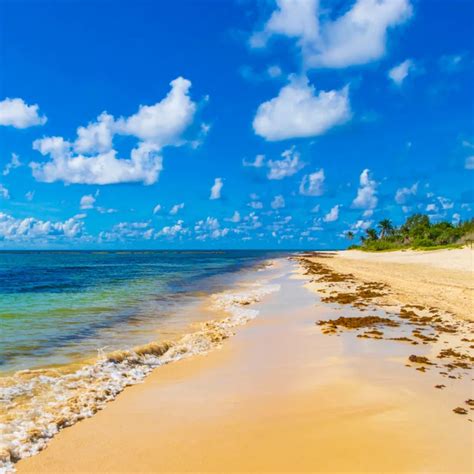
When unpredictable wind and currents push a ribbon of brown seaweed toward shore visitors to any beach destination may see Sargassum washing ashore. Sargassum may look unpleasant when it gathers along the waterline, but it does not automatically mean your Panama City Beach vacation has lost its beach days. Knowing what you are seeing, how conditions change, and how to adjust your plans helps your group make confident decisions without giving up the experiences that brought you to the coast.
What Is Sargassum?
Sargassum is a type of brown algae that floats at the ocean's surface. Unlike many seaweeds, it does not need to root itself to the seafloor. Small round air bladders keep it buoyant, allowing mats of algae to travel long distances with currents and wind.
Out in open water, sargassum plays a useful role. It creates shelter for small fish, crabs, shrimp, and other marine life. Sea turtles, birds, and larger fish also use the ecosystem around these floating mats. The issue for beach visitors begins when large amounts of it wash ashore and collect in thick lines along the sand.
Fresh sargassum often has a brown or golden color and a salty ocean scent. As it sits on the beach and breaks down, it can turn darker, retain moisture, attract insects, and produce a strong odor. That odor can make an otherwise beautiful section of shoreline less comfortable, especially for guests who want to spend long hours near the water.
In many locations such as Panama City Beach, the local government spends time and resources to remove as much of the Sargassum as possible before it becomes unpleasant.
Can Sargassum Affect Panama City Beach?
Yes, but conditions vary significantly. Panama City Beach can receive sargassum when Gulf currents, offshore conditions, and local winds align. Some days bring only scattered pieces of seaweed. Other conditions can create a more noticeable line at the shore. A beach can look different from one morning to the next, and even nearby access points may have very different conditions.
The Florida Panhandle typically sees less consistent sargassum accumulation than some South Florida, Caribbean, and Mexican Caribbean destinations. Still, no coastal destination can promise a completely seaweed-free shoreline. Seasonal ocean patterns shift from year to year, which makes old reports a poor substitute for current local conditions.
Wind direction matters. Onshore winds can move floating material toward the beach, while a change in wind may clear an area or shift seaweed along the coastline. Tides and wave action also determine whether the algae stays near the waterline, returns offshore, or spreads across a wider section of sand.
Guests should also separate sargassum from other water-quality concerns. Seaweed on the shore does not by itself signal red tide, sewage contamination, or unsafe swimming conditions. Those issues involve different causes and require separate guidance from local authorities. Check current beach flags and official notices before entering the water, regardless of whether seaweed is present.
What It Means for Your Beach Day
A light amount of sargassum rarely stops a good beach day. You may need to step over a narrow band of seaweed near the water, choose a clearer stretch of the beach, or spend more time floating, shelling, and relaxing farther up the beach. Many guests find that the water beyond the immediate shoreline remains appealing when conditions stay calm.
Heavier accumulation changes the experience. Thick mats can make entering the Gulf less pleasant, hide uneven sand beneath the water, and create a stronger smell as the algae decomposes. Waves may also push loose pieces around swimmers. Families with young children often prefer a cleaner entry point on those days, while some guests simply shift their beach time to another part of the day.
Use common sense around washed-up material. Do not let children or pets play in decomposing piles, and avoid walking through them barefoot if you cannot see what lies beneath. Sargassum can hold small marine animals, sharp shells, fishing debris, or jellyfish. If the odor bothers you or triggers coughing, headaches, or eye irritation, move farther away from the accumulation. People with asthma or other respiratory sensitivities should take extra care around decaying seaweed.
Swimming decisions should always start with the surf, flags, lightning, and official advisories. A clear-looking beach can still have dangerous rip currents, and a beach with a small amount of seaweed can still offer safe, enjoyable water conditions. Respect the flags and make conditions, not vacation expectations, the deciding factor.
How to Plan Around Changing Beach Conditions
The best approach starts with flexibility. Check local beach conditions shortly before you leave your vacation rental, especially after a period of onshore wind or rough surf. Conditions can improve quickly, so a single early-morning view should not dictate the entire day.
Choose your timing carefully. Beach crews and property teams often address visible accumulation where they can, although cleanup schedules depend on volume, weather, equipment access, local rules, and nesting-season protections. Freshly cleaned areas may also collect new seaweed later in the day. Nature does not follow a maintenance schedule.
If a particular access point has a heavy line of sargassum, consider trying another nearby stretch of beach. The coastline does not receive material evenly. A small change in location can make a meaningful difference, particularly when wind pushes seaweed into pockets along the shore.
Build one or two non-beach options into your itinerary before you arrive. Panama City Beach offers opportunities that do not depend on perfect shoreline conditions, including family attractions, fishing, shopping, dining, and time around a resort or rental pool. This does not mean you should abandon the beach at the first sign of seaweed. It means you retain control of the day when conditions do not match the postcard view.
Pack with beach conditions in mind. Water shoes help with shells and uneven ground near the surf. Bring drinking water, sunscreen, and a cover-up so you can comfortably move between the beach, pool, and nearby activities. For families, a small sand-free bag with wipes and an extra towel makes it easier to change plans without returning to the rental first.
Ask the Right Questions Before Your Stay
No vacation rental manager can control Gulf currents or guarantee daily shoreline conditions. A professional local team can, however, provide practical guidance based on what staff and guests see nearby. Before arrival, ask about the general beach access, parking expectations, and available amenities at your rental. During your stay, ask for current local insight if you have concerns about a particular area.
Keep your expectations realistic when you review weather and beach reports. A report may show sargassum in the region without indicating whether it affects the specific beach access near your accommodations. Similarly, a clear report from yesterday cannot guarantee this afternoon's conditions. Treat local information as a useful planning tool, not a guarantee.
Why Cleanup Requires Care
When seaweed piles up, the obvious response may seem simple: remove it immediately. In practice, coastal cleanup requires care. Equipment can disturb sand, remove useful organic material, damage dune vegetation, or interfere with sea turtle nesting areas. Local governments, beach managers, and property teams must balance guest comfort with coastal protection requirements.
That trade-off matters. Clean beaches support the visitor experience, but healthy dunes and protected nesting habitat support the coast itself. Responsible management aims to address significant accumulation while respecting the environmental rules that protect the shoreline over time.
Guests can help by keeping personal items out of dune areas, using designated walkovers, and leaving wildlife undisturbed. Do not move seaweed piles yourself, especially if you see tracks, nests, or animals nearby. Report unusual wildlife concerns to the appropriate local authorities instead of handling the situation directly.
A beach vacation works best when you leave room for the Gulf to set part of the schedule. If sargassum appears, check conditions, choose the clearest practical spot, and keep another enjoyable plan within reach. The water, white sand, and coastal rhythm of Panama City Beach still offer plenty of room for a memorable day.
Posted on 07/19/2026 in Beachfront, Emerald Beach Properties, Fun Things To Do in PCB, Panama City Beach, Safety While on Vacation, Vacation Planning # Beach, Beach Safety, Emerald Beach Properties, Florida, Panama City Beach, Sand, weather