
Fun Things To Do in PCB
Where to Play Golf in Panama City Beach, Florida
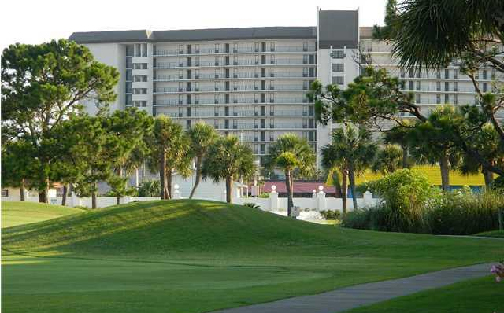
A Panama City Beach vacation can start with sunrise over the Gulf and still leave time for an afternoon tee time. Golf in Panama City Beach, Florida gives visitors a wonderful athletic activity, with options that range from relaxed resort-style rounds to courses that demand careful club selection and patience around water. Panama City Beach even has a Top Golf location if you want to enjoy golf without being outdoors! If you want to have some golf fun with your small children or if you are not an avid golfer, there are numerous mini-golf attractions available, too.
For families, couples, groups, and serious players, the best plan starts with one honest question: do you want golf to anchor the trip, or do you want it to fit around the beach? That answer affects where you stay, when you book, and which course will make the day feel like a vacation rather than a rushed obligation.
Choosing a Course for Golf in Panama City Beach, Florida
The area offers several established courses within an easy drive of the beach. Each has a different personality, and selecting the right one matters more than chasing the lowest advertised rate.
Hombre Golf Club has long attracted players looking for a traditional, full-scale golf day. Its layouts bring water, trees, bunkers, and changing angles into play. It suits golfers who enjoy a course that asks them to think from the tee box through the green. Groups with mixed skill levels can play here, but newer golfers should choose their tees carefully and focus on keeping the round enjoyable.
Bay Point Golf Club sits farther east toward the lagoon and has a more secluded feel than courses in the center of the beach corridor. The setting appeals to players who value scenery and a quieter start to the day. This is a strong choice when golf itself is a priority, particularly for visitors willing to make a short drive for a different coastal landscape.
Legacy Golf Club provides another option for players who want a polished course experience without building an entire day around it. The course rewards solid positioning and can feel accessible for vacation golfers while still offering enough challenge to keep experienced players engaged.
Holiday Golf Club and Signal Hill Golf Course often work well for travelers who want convenience. Their locations make it easier to play a round and return to the beach, a family outing, or dinner plans without spending much of the day in transit. Signal Hill's shorter format can be especially practical for golfers who prefer a less demanding time commitment.
Edgewater Beach Resort & Golf Course is a 9-hole resort golf course in Panama City Beach, Florida, designed by Wes Burnham and built in 1982. The layout features Bermuda Grass, covers both fairways and greens, 11-20 bunkers, water hazards in play. The course is open year-round, first tee time at 8:00 AM, metal spikes permitted. Edgewater Beach Resort & Golf Course welcomes visitors and locals alike as one of the accessible daily-fee options in Panama City Beach, Florida.
Course conditions, operating schedules, and available amenities can change by season. Confirm current tee-time availability, pace expectations, dress requirements, rental-club options, and any maintenance notices directly with the course before you finalize your plan.
Match the Tee Time to the Season
Florida golf rewards good scheduling. In summer, morning tee times usually offer the best balance of temperature, course pace, and energy. Afternoon storms can develop quickly along the coast, and heat builds early. A 7:00 or 8:00 a.m. round may put you back at your vacation rental in time for lunch, pool time, or a few hours on the beach.
Spring and fall bring more comfortable temperatures and often draw visitors who plan golf well in advance. Those seasons can deliver excellent playing conditions, but popular morning times fill quickly. If your group has a preferred course, reserve early rather than assuming a same-week opening will appear.
Winter offers a different advantage. Cooler weather can make midday golf comfortable, particularly for guests arriving from colder climates. Wind can become a major factor, though. A modest breeze at the beach can turn into a meaningful challenge on an exposed fairway, so bring a light layer and expect club distances to change.
The trade-off with late-afternoon tee times is simple: they may cost less and fit a relaxed vacation schedule, but they also carry more risk of weather delays in warmer months. They work best when your group can accept an abbreviated round or adjust plans without frustration.
Build a Golf Day That Still Feels Like Vacation
A successful golf day does not require an ambitious itinerary. It requires room to move. Allow time for traffic, check-in, warm-up, and the possibility that a round takes longer than expected. Panama City Beach traffic can increase around peak arrival times, weekends, and major seasonal events.
If everyone in your party plays, book the tee time first and build the rest of the day around it. Choose an early round, then plan a casual lunch and an afternoon near the water. For an afternoon tee time, keep the morning light. A beach walk, coffee on the balcony, and a simple breakfast give the day a better rhythm than trying to pack in multiple commitments.
If only part of your group plays, convenience becomes even more valuable. Staying near the beach gives non-golfers immediate options while players head to the course. That separation should feel easy, not like a logistical problem. A well-located vacation rental can help everyone use their time the way they want.
Emerald Beach Properties serves guests who want that kind of practical flexibility: a stay near the activities that matter to their group, with the space to return, regroup, and enjoy the coast after the final putt.
What to Pack for Coastal Golf
Florida's coastal conditions call for preparation, not a heavy suitcase. Sun exposure, humidity, sudden rain, and wind can all affect a four-hour round. Bring breathable golf clothing, a hat, sunglasses, sunscreen, and more water than you think you need.
A compact rain jacket earns its place in the bag during warmer months. So does a second glove. Humidity and passing showers can make grips slick, even when rain never becomes serious enough to stop play. Players who bring their own clubs should also pack a towel and a few extra balls. Water hazards and wind can turn a conservative shot into an expensive search.
Rental clubs can simplify travel, especially for guests flying in for a long weekend. The decision depends on how much you value familiar equipment. A regular golfer may prefer to pay airline fees and play with trusted clubs. A casual golfer may find rentals more convenient and use the saved space for beach gear.
A Better Plan for Groups and Families
Golf groups often run into trouble when they treat every player the same. A foursome with one low-handicap golfer, two occasional players, and someone playing for the first time needs a course and tee selection that keeps the day moving. Choose forward or middle tees when in doubt. A round where everyone finds the fairway occasionally will create better vacation memories than a long day of forced carries and lost balls.
For a larger group, assign one person to manage the reservation and collect clear commitments before booking. Confirm the player count, rental needs, and transportation plan. Separate tee times may be necessary, and some courses limit how far apart a large party can spread. Ask before you assume the entire group will start together.
Families should also respect the time involved. Nine holes may make more sense than 18 for children, beginners, or anyone who would rather spend the afternoon at the beach. A shorter round is not a lesser experience when it matches the energy of the trip.
Respect the Course and the Day
Good vacation golf depends on pace and consideration. Repair ball marks, rake bunkers when provided, keep carts where the course allows them, and stay ready to play. If your group falls behind, pick up when needed. Nobody remembers the exact score of a slow, stressful round.
Weather safety deserves the same discipline. When a course suspends play for lightning, follow staff instructions immediately. Do not wait under a tree or attempt to finish one more hole. Coastal storms move fast, and a safe pause is part of playing responsibly.
The best golf trip leaves room for a good shot, a missed putt, and an unplanned change in weather. Book a course that fits your group, protect the time around the tee sheet, and let the beach set the pace once the clubs go back in the car.
PCB Beach Vacation Rentals for Families on Vacation
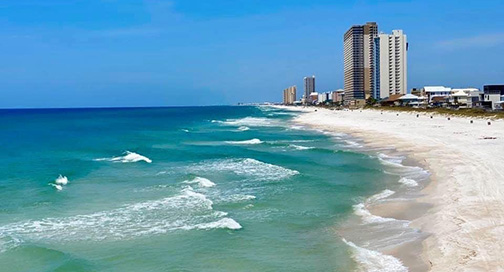
A family beach trip can feel effortless when your vacation rental fits the way your group really lives. It can also feel crowded and expensive when every meal, nap, and wet towel becomes a logistical problem. If you are asking which beach rental suits families, start with your daily routine rather than the view alone. The right property gives children room for their own spaces, gives adults practical support, and keeps the beach close enough to enjoy without turning every trip outside into a major operation.
Which Beach Vacation Rental Suits Families Best?
For many families, a condominium near the beach provides the best balance of convenience, amenities, and value. Condos often place guests close to the beach while adding features that matter after the beach: a full kitchen, laundry access, pools, elevators, and controlled building entry. They work especially well for families with young children, grandparents, or anyone who does not want to haul chairs and coolers across a long stretch of sand.
A beach house may suit your group better when you value privacy, outdoor space, or room for several households. Houses can offer driveways, yards, private pools, and a layout that separates bedrooms from gathering areas. That extra room comes with responsibility, though. Review the walk to the beach, parking limits, staircases, pool safety features, and the cost of renting beach equipment before you decide.
The best choice depends on your group size, children's ages, budget, and priorities. A couple traveling with a toddler needs something different from a family bringing teenagers, grandparents, and cousins for an entire week in Panama City Beach.
Start With Sleeping Space, Not Occupancy Limits
A listing that sleeps eight does not always provide a comfortable stay for eight people. Occupancy limits often include sofa beds, bunks, and sleeping areas near the living room or in a hallway. Those options can work for teens or a short weekend, but they may not work for a full week with early bedtimes and different schedules.
Look closely at the bedroom configuration. A primary bedroom gives parents privacy, while a second room with twin beds or bunks can give children their own place to wind down. For multigenerational groups, a vacation rental with more than one king or queen bedroom often makes more sense than a property that simply advertises a high guest count.
Bathrooms deserve the same attention. One bathroom can slow down a beach morning quickly when everyone needs sunscreen, showers, and a last-minute restroom stop. Two full bathrooms usually are more practical for a standard family group. Larger groups benefit from three or more, particularly when guests return from the beach at the same time.
Also consider where the living area sits in relation to the bedrooms. An open living room makes family time easy, but noise travels. A layout with a hallway or separate sleeping wing helps children rest while adults prepare dinner or enjoy a quiet conversation on the balcony.
Make Beach Access Match Your Children's Ages
Beachfront is valuable, but the details behind that word matter. Some properties sit directly on the sand. Others offer a beach view but require guests to cross a road, walk through a resort complex, or use a public access point. Read the property description carefully and ask how far the actual beach entrance is from the property.
Families with babies and preschoolers usually benefit from the shortest possible walk. A five-minute walk sounds simple until you add a wagon, towels, snacks, shade, sand toys, and a tired child. A condo with an elevator and direct boardwalk access can save real energy and reduce aggravation for the grown ups.
Families with older children may accept a longer walk in exchange for more space or a quieter neighborhood. If your teens want to move between the pool, beach, and nearby activities independently, choose a location that gives them a clear and manageable route. Consider whether the property is secure and monitored by professionals. You should still establish meeting points and water-safety expectations before the first beach day.
Do not assume every beachfront rental includes chairs and umbrellas. A few properties include seasonal beach service, while most require separate arrangements that you can make before you arrive or at the beach shack. Confirm what the rental provides so you can plan your budget and avoid surprises after arrival.
Choose Amenities That Reduce Work
Amenities should solve problems, not just decorate a listing. A full kitchen allows you to handle breakfasts, packed lunches, and easy dinners without eating every meal out. Even families that plan to visit local restaurants appreciate a refrigerator large enough for drinks, fruit, and leftovers.
In-unit laundry ranks high for families. Beach days create a steady supply of damp swimsuits and sandy towels, and a washer and dryer let you pack lighter. If the property offers shared laundry, check whether it requires payment and where it is inside your vacation rental.
Pools can add flexibility when the Gulf conditions feel rough, the afternoon weather changes, or younger children need a break from waves. Check pool hours, depth, supervision rules, and whether the property heats the pool during your travel dates. A heated pool matters in cooler months than a dramatic pool photo does.
For a family rental, these features often earn more value than luxury finishes:
- A kitchen with enough seating for your group
- Laundry in the unit or readily available on-site
- An elevator or ground-floor access when you bring strollers or mobility equipment
- Reliable parking close to the property
- A balcony, patio, or outdoor area where adults can relax while children recharge indoors
Wi-Fi also matters. It supports streaming, remote work, weather checks, restaurant research, and the occasional quiet hour for kids. Treat it as a practical need, not an afterthought.
Check Safety and Property Logistics Before Booking
A family-friendly rental should make basic safety easy to manage. Review photos for balcony railings, staircases, pool gates, and the distance between outdoor areas and traffic. Families with toddlers may prefer a lower-floor unit or a property with fewer stairs, while families with older children may prioritize a balcony view and a larger resort pool.
Ask about entry procedures, parking passes, wristbands, and quiet-hour rules. Professionally managed properties typically provide clear arrival instructions and a direct contact path for questions during your stay. Those details may feel routine, but they protect your first evening from unnecessary confusion.
If you plan to bring a crib, high chair, wagon, or beach gear, verify where you can store it. Most condos do not allow you to leave items out in the hallways, or common areas. If you need a pet-friendly property, confirm the property's specific rules and fees before booking. A pet-friendly area does not guarantee that every unit accepts pets.
Travel insurance and flexible cancellation terms also deserve a close read, especially when children travel with you. Weather, illness, and school schedules can change plans at the last minute. Understand the terms before you commit rather than assuming a cancellation will qualify for a refund.
Balance Location With the Vacation You Want
Panama City Beach offers different experiences along its coastline. A central location can put your family near restaurants, attractions, and grocery options. That convenience may bring busier roads, more activity, and a livelier atmosphere. A quieter west-end or east-end location may offer a calmer pace, though you may drive farther for certain activities.
Think about how you expect to spend your days. If you plan to cook, play on the beach, and stay close to the rental, prioritize a comfortable kitchen, easy beach access, and outdoor space. If your family wants to visit attractions, dine out often, and explore, a central location may save time even if the unit itself feels smaller.
There is no universal winner between a large house farther from the sand, a smaller beachfront condo or a group of condos. Your best vacation rental supports the rhythm of your group. A family with young children often values proximity and easy cleanup. A larger extended family may value separate bedrooms and shared gathering space more.
Before you book, picture the first morning: who wakes first, where breakfast happens, how you reach the beach, and where everyone rinses off afterward. That simple test usually reveals which beach rental suits families in a way listing filters cannot. Choose the property that makes those ordinary moments easier, and your vacation will have more room for the moments you came to remember.
12 Best Family Beach Activities for Any Age
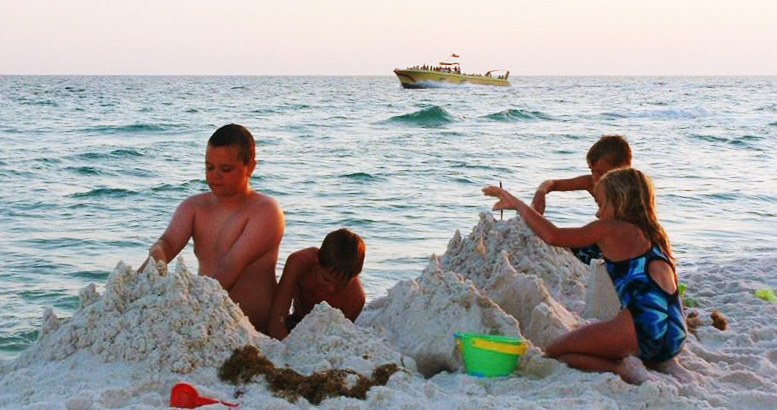
The first hour on the sand is great fun. Everyone arrives rested and ready for new adventures. Give children a simple mission before the snacks come out and they need water to re-hydrate. The best family beach activities mix movement, imagination, and enough downtime to keep everyone happy all day.
Panama City Beach gives families wide stretches of soft, white sand and clear Gulf water, but each day brings different wind, surf, heat, and crowd levels. A flexible plan works better than trying to force a packed schedule. Choose a few activities, keep drinking water, snacks, and shade close, and let the conditions guide the day.
Best Family Beach Activities for a Full Beach Day
1. Build a Sandcastle With a Real Plan
A bucket-and-shovel project becomes more engaging when everyone takes a job. One person gathers wet sand from near the waterline, another packs towers, and younger children can decorate the finished structure with shells, seaweed, and small driftwood pieces.
Set a theme before you begin: a coastal fort, a sea turtle habitat, or a miniature version of the family's vacation rental. Dig shallow moats only, and fill them before leaving. Deep holes create hazards for beach walkers and wildlife, especially after the light fades.
2. Run a Shoreline Scavenger Hunt
A scavenger hunt gives children a reason to look closely at the beach instead of asking for a new activity every ten minutes. Ask them to find, rather than collect, a feather, a shell with ridges, a tiny piece of seaweed, a crab track, and something with a natural spiral.
Keep the search respectful. Leave live creatures where you find them, avoid nesting areas, and do not disturb shorebirds. Photos work better than souvenirs for unusual finds, and they give families a record of the small details that made the day memorable.
3. Host a Family Sand Art Contest
Not every beach game needs running or swimming. Use hands, sticks, and beach-safe objects to create a sea turtle, a large family initial, or an underwater scene in the sand. Give each person 20 minutes and let another family member serve as the judge.
This activity works especially well during the hottest part of the afternoon, when children need a break from the water but are not ready to go in just yet. A simple category such as funniest design, most creative use of shells, or best teamwork keeps the competition light.
4. Play Water Relay Games at the Water's Edge
The gentle wash zone can deliver plenty of fun when the beach flag conditions allow water play. Try a bucket relay, where teams carry small amounts of water to fill a line drawn in the sand, or a sponge toss using a soft, wet sponge and clear personal space.
Adults should stay close enough to supervise every child near the Gulf. Skip relay games when waves build, currents strengthen, or the beach becomes crowded. The point is to create easy laughter, not to push farther into the water.
5. Fly a Kite When the Wind Cooperates
A beach breeze can turn an ordinary afternoon into a family event. Bring a simple kite with a short, manageable line and choose an open area well away from umbrellas, dunes, power lines, and other guests. Younger children can help launch the kite or hold the spool with an adult.
Wind makes all the difference. Too little wind leaves a kite dragging through the sand, while strong gusts make control difficult. If conditions do not cooperate, turn the attempt into a quick lesson about wind direction, then move on without making it a battle.
6. Make a Beach Olympics Course
Create a short course with clear start and finish points. Families can race crab-walk style, toss a ball into a bucket, balance a shell on a shovel, or walk backward across a small section of packed sand. Keep the course away from the waterline and other guests.
Focus on challenges that suit different ages and abilities. A toddler might carry a beach toy, while older children can time a sprint or complete two activities in sequence. The best version rewards cheering and teamwork as much as speed.
7. Take a Guided Nature Walk Without Leaving the Beach
The shoreline changes throughout the day. Walk it slowly with children and point out bird tracks, coquina shells, ghost crab holes, sea foam, and the line where waves deposit natural material. Early morning often offers cooler temperatures and fewer footprints.
Use the walk to explain that the beach supports more than vacation fun. Dunes help protect the coast, shorebirds need room to feed, and sea turtles require dark, unobstructed nesting areas. Families can enjoy the landscape while protecting the features that make it special.
8. Try Paddle Ball or Catch on Firm Sand
A paddle ball set, soft foam ball, or beach-friendly football offers an easy activity for mixed-age groups. Choose packed sand where players can move more comfortably, and create a boundary that leaves room for people walking along the shore.
Keep expectations realistic. Wind changes the path of every throw, and soft sand makes quick turns harder than they look. Those challenges often make the game more entertaining, especially when adults join rather than watch from a chair.
9. Set Up a Reading and Coloring Break
A family beach day does not need constant action. Pack a few picture books, a notebook, colored pencils, or a simple travel game for a shaded break. This quiet hour helps younger children reset and gives adults time to breathe without ending the day early.
Choose materials that can handle sand and avoid leaving paper or small plastic pieces behind. A zippered pouch keeps supplies organized, and a towel spread under a canopy creates a defined space for calmer activities.
10. Watch the Water With a Safety-First Challenge
Turn water awareness into a family habit. Ask older children to help identify the lifeguard station, notice the beach warning flags, and point out where the waves break. Explain that conditions can change quickly, even on a sunny day.
Adults should make the final call on swimming. Red flags, rough surf, lightning, strong currents, or a child who feels tired all change the plan. A good beach day does not depend on getting in the water. Building, walking, and playing on dry sand still count toward a great beach day.
11. Plan a Sunset Photo Mission
Late-day light makes family photos look warmer, and sunset gives children a natural finish line after hours of play. Give each child a photo assignment: capture a footprint pattern, a shell close-up, a silhouette, or a favorite beach toy against the sky.
Keep phones and cameras protected from sand, and stay aware of the changing light. Families should begin packing before darkness settles, especially if they need to walk across a large beach access area or return to a vacation rental with tired children.
12. End With a Five-Minute Beach Reset
Before heading back, make cleanup a shared responsibility. Pick up every item your group brought, shake out towels away from other guests, and check the sand around chairs, toys, and umbrellas. Children can take pride in finding the last stray snack wrapper or toy shovel.
This final habit protects the shoreline and makes the next morning easier. It also prevents the common vacation problem of arriving back at the vacation rental without a favorite sandal, phone, or stuffed animal.
How to Choose Activities for Your Family
Age, energy level, and weather matter more than a long activity list. Young children usually do best with short blocks of play and frequent shade breaks. Tweens may prefer games with a score, a challenge, or a little independence within clear boundaries. Teenagers often engage when adults invite them into a game without turning it into a requirement.
Bring the basics that support a longer, more comfortable beach day: water, broad-spectrum sunscreen, hats, shade, snacks, towels, and a small first-aid kit. Reapply sunscreen as directed, drink water before anyone feels thirsty, and give children a chance to cool down before they become overheated.
A rental close to the beach can make these pauses much easier. Families can return for lunch, rest during peak heat, and come back out when the sand cools. That rhythm often creates a better vacation than trying to stay on the beach from morning until night.
The most successful beach day rarely follows a strict itinerary. Start with one activity that gets everyone moving, save a quieter option for the hottest hours, and leave room for the unplanned moments - the perfect shell, the first kite launch, or a child who decides the sandcastle needs one more tower.
What to Expect in October in Panama City Beach
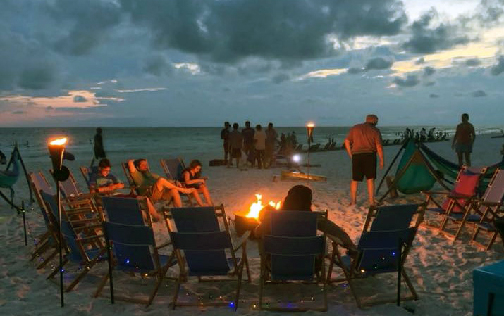
A quiet morning on the sand can still feel like summer in October, while dinner on the balcony may call for a light sweater or jacket. That contrast is the appeal of October in Panama City Beach. The busiest summer weeks have passed, but the Gulf remains a big part of the day, the beaches are bright, and the pace becomes more relaxed for families, couples, and guests who prefer a slower speed vacation.
October rewards travelers who plan around changing conditions instead of expecting one fixed version of a beach vacation. Warm afternoons, cooler evenings, occasional rain, and seasonal events can all be part of your amazing October beach vacation. A well-chosen vacation rental gives your group the flexibility to enjoy the beach when conditions are right and settle in comfortably when they are not.
October in Panama City Beach: Weather and Water
October typically brings daytime highs in the upper 70s to low 80s, with evenings often dipping into the 60s. Early October usually feels warmer than the last week of the month, especially after sunset. Humidity eases compared with midsummer, which makes bike rides, walks along the shore, outdoor activities and outdoor meals more comfortable for everyone.
The Gulf remains inviting, particularly early in the month. Water temperatures commonly are in the 70s, though wind, currents, and weather systems can change the weather quickly. Guests who want to swim every day should consider an early-October stay. Travelers focused on uncrowded beaches, fishing, dining, or relaxed time with family may find late October equally appealing.
Fall weather also requires realistic expectations. October falls within hurricane season, and a tropical system can affect rain, surf, and travel plans even when it does not make landfall nearby. Check the forecast before departure and continue checking it during your stay. Follow posted beach flags without exception. Clear water does not guarantee calm conditions, and rip currents can develop even when the shoreline looks peaceful. Also note the purple flags because they may indicate the presence of jelly fish and other marine pests on the beach.
Why Fall Changes the Beach Experience
Summer in Panama City Beach centers on long beach days, school-break crowds, and a high-energy calendar. October offers a calmer approach to a beach vacation. You'll find more open space on the sand, shorter waits at local restaurants, and a less hurried atmosphere around the area.
That does not mean every October weekend is quiet. Fall breaks, holiday weekends, sporting events, and seasonal gatherings can increase demand. Columbus Day Weekend is one of the busiest in PCB with the Pirates of the High Seas Festival and Renaissance Faire drawing large crowds. Families should not assume that every property or restaurant will have last-minute availability just because summer has ended. If a specific condo, beachfront home, or date matters to your group, reserve early.
The trade-off is straightforward: October offers fewer crowds and milder temperatures, but it also brings more weather variability than peak summer. For many guests, that is a worthwhile exchange. A sunny 80-degree afternoon followed by a cool evening dinner often feels like the best of both seasons.
Choosing the Right October Rental
Your rental should support more than beach time. October weather can shift during a single day, so comfort inside the property matters. Look for a layout that gives your group room to gather, prepare meals, and recharge between outings. A private balcony or patio adds value when the evenings cool down and the Gulf breeze arrives.
Families will benefit from a rental with a full kitchen, laundry, and enough sleeping space to avoid turning every morning into a scheduling exercise. Couples may prioritize beachfront views, walkability, and a quieter setting. Groups should pay close attention to parking, bedroom configurations, and common-area space before booking.
Location also shapes the trip. A beachfront stay makes it easy to take advantage of sometimes short windows of ideal weather. If clouds move through for an hour, you can return to the rental without losing the day. Guests who plan to explore beyond the sand may prefer a property that offers convenient access to dining, shopping, golf, or family activities.
Before confirming any reservation, review the property details closely. Verify check-in procedures, occupancy limits, parking arrangements, pet policies if applicable, and the amenities that matter to your group. Clear expectations will make your vacation more successful.
What to Pack for a Comfortable Week
October packing requires a little more thought than a July beach bag. Bring swimwear and sunscreen, but add a light jacket, long-sleeve shirt, and comfortable closed-toe shoes. Morning walks and evening outings can feel cool, especially later in the month.
A compact rain jacket is useful, but it should not dominate your suitcase. Many fall showers pass quickly. Bring a beach tote with towels, sunglasses, water, and a cover-up so you can take advantage of clear periods without over planning every hour.
For families, pack a few indoor options as well. A deck of cards, favorite books, or simple games can turn a rainy afternoon into part of the vacation rather than a disruption. A vacation rental gives everyone space to reset while waiting for the sun to return.
Make Room for Both Beach Days and Local Plans
The best October itineraries leave space in the schedule to work around the daily weather forecast. If the day begins clear and calm, head to the beach early. Morning light, cooler sand, and a quieter shoreline create an easy start. Save flexible activities, such as shopping, dining, or an afternoon movie, for periods when rain or wind moves in.
October also brings seasonal activities that add variety beyond the shoreline. Depending on the week, visitors may find fall festivals, live music, family-friendly events, Pirate and Halloween programming. Event schedules change from year to year, so confirm dates and admission details before building your plans around them.
Fishing can be a strong reason to visit in fall, although conditions and target species vary. Anglers should book reputable local operators, listen to captain guidance, and keep their schedule flexible around marine forecasts. Golfers and cyclists often appreciate the cooler air as well, particularly during the middle of the day when summer heat would normally limit activity.
A beach bonfire can be a special occasion in the fall and winter in PCB. Be sure to book ahead for this once in a lifetime experience.
Timing Your Trip Within the Month
Early October generally offers the closest thing to a summer-style beach trip, with warmer air and water. It often suits guests who want to spend most of each day swimming, sunbathing, and playing in the sand.
Mid-month can offer an attractive balance of comfortable daytime weather and reduced summer intensity. It works well for families who can travel outside school breaks, couples seeking a slower getaway, and groups that want both beach time and local outings.
Late October brings cooler nights and a stronger fall feel. The beach remains beautiful, but guests should set expectations around weather and water temperatures. This period can suit travelers who value peaceful walks, sunset views, dining, and a rental that feels like a comfortable coastal home base.
Plan With Flexibility, Then Enjoy the View
A successful October stay does not require a packed schedule. It requires a clear plan, a close eye on beach conditions, and a vacation rental that gives your group options. Reserve the property that fits your priorities, pack for a few temperature changes, and let the best weather windows lead the day. Emerald Beach Properties can help guests begin that process with professionally managed vacation rental options built for time well spent near the Gulf.
12 Best Panama City Beach Restaurants to Try
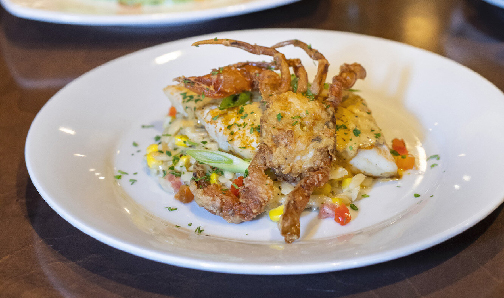
A good beach day is sure to make everyone hungry at the same time, which is precisely why choosing dinner at 5:45 p.m. can be a "competitive sport". The best Panama City Beach restaurants give vacation guests more than a meal. They offer a dependable place to gather after the beach, celebrate a special night, or settle an urgent debate between fresh seafood, burgers, and tacos.
Panama City Beach has no shortage of restaurants, but the right choice depends on your group, your schedule, and the type of evening you want. Some restaurants reward advance planning. Others work best when the family wants casual food and a quick return to the condo or a movie after dinner. This guide focuses on established local favorites and separates them by the experience they deliver.
Check our Live Like A Local-Things to do in PCB for even more suggestions for restaurants that we personally enjoy!
Best Panama City Beach Restaurants for a Special Dinner
Firefly
Firefly has long held a place on the list for a special dinner away from the noise of the beach. Its atmospheric dining room, centered around a large oak tree, sets the tone for anniversaries, adult date nights, and evenings when you want a more deliberate meal. The menu typically leans toward seafood, steaks, and thoughtfully prepared entrées rather than flip-flop-and-go beach fare.
Reservations make sense here, especially during spring break, summer, holiday weeks, and weekends. Families with older children can enjoy the setting, but younger guests who need a fast, casual dinner may feel more comfortable at one of our other local restaurants.
The Grand Marlin
For a waterfront dinner with a refined feel, The Grand Marlin offers a strong balance of coastal views and elevated seafood. The location on Grand Lagoon gives guests a chance to watch boats in the marina while they enjoy oysters, fish, and a menu built around Gulf flavors. Sunset creates the busiest time here, and for good reason. The views are spectacular.
This is a smart choice for guests who want a memorable view without sacrificing the quality of the food. Ask for a waterside table when available, but plan around the possibility of a wait if you arrive at peak sunset hours.
Saltwater Grill
Saltwater Grill brings a distinctive visual centerpiece to dinner: a large saltwater aquarium inside the dining room. That feature makes the restaurant especially appealing for families, while the seafood, steaks, and full dinner menu keep it suitable for a special evening as well. It is located away from the beachfront crowds, which can be a welcome change after a busy day. But, this popular spot fills up quickly due to it's great reputation.
The restaurant works well for mixed groups because it offers familiar options alongside local seafood. It also makes a practical choice when rain interrupts outdoor plans and your group still wants a memorable dinner setting.
Where to Go for Gulf Seafood
Captain Anderson's Restaurant
Captain Anderson's Restaurant has served Grand Lagoon diners for decades and remains a classic choice for a traditional seafood dinner. Guests come for the established coastal setting, generous seafood plates, and a menu that includes options such as shrimp, fish, crab, and steaks. Its marina-side location adds to the appeal, particularly for visitors staying on the east end of the beach.
Expect a busy dining room in season. Arrive early, reserve when the restaurant accepts reservations, or use the wait time for a stroll near the marina. This is not the spot to choose when everyone needs food in 20 minutes, but it suits a relaxed vacation evening.
Dusty's Oyster Bar
Dusty's Oyster Bar delivers the more casual side of seafood dining. Oysters, steamed seafood, fried baskets, and a lively atmosphere draw guests who want local character without a formal dress code. It offers a good answer when someone in the group wants raw oysters while someone else wants a straightforward seafood basket.
The restaurant can get loud and crowded, which adds to its energy but may not fit every occasion. Go for the food and the relaxed beach-town atmosphere, not for a quiet candlelit meal.
Hook'd Pier Bar & Grill
Hook'd Pier Bar & Grill earns attention for its position near the Russell-Fields Pier and its broad Gulf views. The menu includes seafood, sandwiches, tacos, and shareable starters, which helps groups with different appetites. A table near the water turns a simple lunch or dinner into a genuine beach experience.
Location is its advantage and its trade-off. The restaurant can feel particularly busy when the pier and surrounding beach access points draw large crowds. Build in extra time if you visit during the middle of a sunny summer afternoon.
Schooners
Schooners offers a classic local beachfront restaurant experience on the east end, with Gulf views, seafood, burgers, and a menu that suits a long, unhurried lunch. It is known for a social, lively atmosphere and for giving guests a front-row seat to the changing light over the water.
Choose Schooners when the view matters as much as the meal. The restaurant is located on the beach with convenient steps down to the sand. A sunset visit can be memorable, but it also brings the largest crowds. Families should consider an earlier dinner, while couples may prefer lingering later with a drink and the view.
Casual Favorites for Families and Beach Days
Finns Island Style Grub
Finns Island Style Grub provides a refreshing break from heavy fried fare. Its casual menu includes fish tacos, burritos, bowls, and bright island-inspired flavors that work well for lunch after a morning on the sand. It is an especially good option for guests who want a lighter meal without giving up local seafood.
Service and seating can vary with the time of day, so think of Finns as a flexible, casual stop rather than a drawn-out dinner destination. It suits couples, families, and groups who want something quick before heading back to the pool or beach.
Diego's Burrito Factory & Margarita Bar
Diego's brings tacos, burritos, bowls, and margaritas into the vacation meal rotation. The menu makes it easy to accommodate diners who prefer seafood, chicken, vegetarian ingredients, or familiar kid-friendly choices. Its broad appeal makes it particularly useful for multi-family groups, where finding one restaurant everyone accepts can become its own vacation project.
Expect a fun, active setting rather than a quiet one. For a group dinner, check the current wait process before leaving your rental and consider going a little earlier than standard dinner time.
Dat Cajun Place Cafe
Dat Cajun Place Cafe adds New Orleans and Gulf Coast influence to the area dining scene. Guests can expect Cajun staples, seafood, po'boys, and bold seasoning in a casual setting. It offers a welcome change when your group has already had its share of grilled fish and wants something with more spice and regional personality.
Not every dish carries the same level of heat, but guests with young children or sensitive palates should ask the staff for guidance. The restaurant rewards diners who want to try something beyond the standard beach menu.
Runaway Island Beach Bar & Grill
Runaway Island pairs a broad menu with a beachfront setting and enough space for a larger vacation group. Burgers, seafood, sandwiches, salads, and kid-friendly options give everyone a reasonable path to dinner, while the decks provide an easygoing place to watch the Gulf.
It works best when your priority is convenience, views, and menu variety. Guests seeking a highly curated seafood dinner may prefer one of the more specialized restaurants, but Runaway Island handles the practical realities of family dining well.
Best Panama City Beach Restaurants for Breakfast and a Quick Bite
Thomas' Donut & Snack Shop
Thomas' Donut & Snack Shop has become a vacation tradition for many repeat visitors. Fresh donuts, breakfast items, and beach-ready snacks make it a useful early stop before a full day outside. The appeal is simple: it is casual, familiar, and easy to enjoy in a swimsuit cover-up or on the way to the beach.
Morning lines can form quickly during busy weeks. Send one person for the order, or go early if your family starts the day before the beach crowds arrive.
Eat My Pasty
Eat My Pasty offers a different kind of quick meal: hand pies with savory and sweet fillings. It is a practical choice for lunch, an easy takeout dinner, or a portable meal before an activity. The concept gives guests something more distinctive than another fast-food stop while still keeping the meal uncomplicated.
This is a good option for travelers who want convenience without settling for a generic chain meal. If your group includes several hungry teenagers, consider ordering a few extra items rather than assuming one pasty will cover every appetite.
Plan Restaurant Meals Around Your Vacation
The strongest restaurant plan leaves room for the beach, traffic, naps, and changing weather. Book one or two special dinners before you arrive, particularly if your trip falls during a holiday week or peak summer season. Then keep several casual options in reserve for the nights when a long wait sounds less appealing than dinner back at your vacation rental.
Check current hours, reservation policies, and menus directly before you go. Coastal restaurants adjust operations for weather, private events, and seasonal demand. A little planning protects your evening and gives your group more time for what brought you here in the first place: another good night near the water.
Marinas Near Panama City Beach, FL
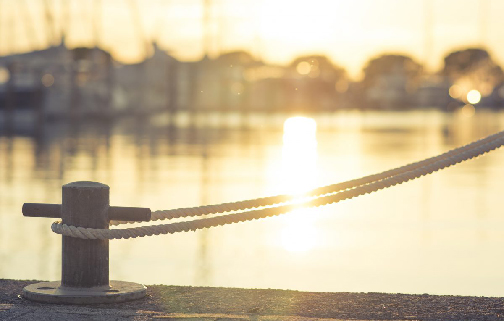
Panama City and Panama City Beach are both great places for boating. We have the bay and many bayous as well as the Gulf available for your boating enjoyment. Our local marinas are more than just places to put your boat in or to rent a boat for the day, they are destinations all unto themselves. The right marina can decide whether a day on the water starts calmly or starts with a long line at the ramp, an unexpected fuel stop, and a scramble to find ice before the boat leaves the dock. Travelers searching for marinas near Panama City Beach, FL have several solid areas to consider, but each serves a different kind of boater. A family with a pontoon, an offshore fishing crew, and an owner bringing a boat for a week need different marina services.
Panama City Beach offers direct access to protected bay waters, the Grand Lagoon area, St. Andrews Bay, and the Gulf. That variety gives visitors choices. It also makes location, services, weather, and daily boating plans worth sorting out before arrival.
Start With the Water You Plan to Use
Many visitors picture a marina directly on the beach, but most full-service facilities sit on the bay side of the area. That placement makes practical sense. Sheltered water supports dockage, fueling, launching, provisioning, and easier departures when Gulf conditions turn rough.
If your plans center on offshore fishing, look closely at marinas around Grand Lagoon and the St. Andrews Pass corridor. These locations can reduce the distance between the dock and the Gulf, which matters when a charter leaves before sunrise or when your group wants to maximize fishing time. The trade-off is that these areas can feel busier during peak fishing seasons, tournaments, and summer weekends.
If you want to cruise, sightsee, visit Shell Island, or spend a relaxed day on the bay, facilities near St. Andrews Bay may fit your itinerary better. Protected water gives less-experienced boaters more room to get comfortable, though wind and afternoon storms still require attention. Bay water does not eliminate weather risk.
Visitors staying farther west along Panama City Beach should factor in driving time. A marina that looks close on a map may be 20 to 30 minutes away during heavy seasonal traffic. Confirm the route from your vacation rental to the dock before you commit to a launch time, a charter check-in, or a slip reservation.
Marina Areas Near Panama City Beach, FL
Grand Lagoon and the East End
Grand Lagoon is one of the most practical boating hubs for visitors. The area includes established marina operations, charter activity, boat ramps, restaurants, and marine services. It works especially well for anglers, boat owners who need fuel or supplies, and groups planning a trip through St. Andrews Pass or to Shell Island.
Captain Anderson's Marina stands out as a familiar departure point for local charter fishing and excursion boats. Nearby marina businesses also serve private vessels with a mix of dockage, fueling, service, storage, and launch-related needs. Available services differ by property, so boaters should confirm the details instead of assuming every marina offers transient slips, overnight dockage, or ramp access.
Treasure Island Marina also sits in the Grand Lagoon area and offers convenient access for boaters heading toward the pass. For a visitor, the appeal often comes down to convenience: you can begin the day near the water, pick up essentials, and reach offshore routes without crossing the full length of the beach corridor.
Bay Point and the Lower Bay
Bay Point places boaters near the southern side of St. Andrews Bay, with access to Grand Lagoon and the pass. This area can suit guests who value a more contained marina setting, especially those staying near the eastern end of the beach. Bay Point Marina has long served the area as a destination for dockage and boating activity.
This option may make sense for a boat owner who wants a secure place to keep a vessel during a multi-day stay. Ask about slip length, beam limits, shore power, gate access, parking, and overnight policies. Those details shape the experience far more than a marina's distance from the nearest vacation rental.
St. Andrews and Panama City
The St. Andrews and Panama City side of the bay gives boaters another set of choices, particularly for service work, longer-term arrangements, and access to the broader bay system. A marina farther east may not suit a quick beach-day launch, but it can work well for owners who prioritize maintenance support, protected dockage, or a specific route through the bay.
Lighthouse Marina is among the recognizable facilities in the wider Panama City boating area. Consider this side of the bay when your boating plans extend beyond a single afternoon at Shell Island. The extra drive may deliver better alignment with your vessel's needs, particularly for larger boats or trips that require dependable marine services.
Match the Marina to Your Trip
A marina is not simply a place to park a boat. It becomes the operational base for your day. Before you choose one, decide whether you need a launch point, a temporary slip, a charter departure location, fuel, dry storage access, repairs, or basic supplies.
A visitor towing a 20-foot center console needs clear ramp information and adequate trailer parking. A family renting a boat needs a rental operator with clear safety instruction, weather policies, and a realistic route plan. An owner arriving with a larger vessel needs to verify dock dimensions and water depth before making the drive.
Do not rely on a general online listing for those answers. Call the marina directly. Ask whether it accepts transient vessels, whether it can accommodate your boat's length and draft, and whether reservations are required. Confirm operating hours for the fuel dock and ramp, especially if you plan an early morning departure or a late return.
For charters, confirm the exact meeting location and arrival time. Captains often ask guests to arrive early, and a missed departure can end the trip before it begins. Ask what the crew provides, what you should bring, and whether conditions could change the schedule. Offshore captains make safety decisions based on current forecasts and sea conditions, not vacation calendars.
Plan for Conditions, Not Just Sunshine
The Gulf Coast can look calm at breakfast and turn demanding by afternoon. Summer heat, pop-up thunderstorms, wind shifts, tides, and changing sea conditions all affect a boating plan. Check the marine forecast rather than only the beach forecast. The two can tell very different stories.
St. Andrews Pass deserves particular respect. It provides valuable Gulf access, but current, wind, vessel traffic, and rough conditions can make the transit more challenging than first-time visitors expect. Boaters without local knowledge should stay conservative, follow marked channels, carry required safety equipment, and avoid treating the pass like an extension of a calm bay cruise.
Shell Island also attracts heavy boat traffic in season. Arrive prepared for limited shade, changing conditions, and a busy shoreline. Keep distance from swimmers and anchored boats, watch for shallow areas, and protect the natural setting. The island rewards careful visitors with the clear water and open shoreline people come to Panama City Beach to experience.
A Better Arrival Plan for Vacation Guests
Guests staying in a vacation rental can simplify boating days with a small amount of preparation. Pack water, sun protection, dry bags, identification, and a fully charged phone before you leave the property. Bring more drinking water than you expect to use. Bay and Gulf exposure can drain energy faster than a day at the pool.
Build time into the schedule for traffic, parking, loading, and check-in. A boat day rarely moves on the same timetable as a restaurant reservation. If you rent equipment or book a charter, keep the marina's contact information handy and notify staff if traffic delays you.
Choose a vacation rental location that supports the kind of trip you actually want. A property near the eastern end of the beach can shorten the drive to Grand Lagoon. A west-end stay may better suit guests focused on beach access and local dining, with boating planned as one dedicated outing rather than an everyday routine. Neither choice is better in every case. The right choice follows your priorities.
What Responsible Boaters Should Confirm
Before launch or departure, verify the weather, fuel level, navigation plan, life jackets, communication method, and return time. If you rent a boat, ask the operator to explain local no-wake zones, restricted areas, channel markers, and emergency procedures in plain terms. A professional operator should welcome those questions.
Boat owners should also confirm insurance requirements and marina rules before arrival. Some facilities require proof of coverage or specific documentation for slip use. Others limit liveaboard activity, overnight stays, trailer parking, or access after business hours. Clear expectations protect both the vessel and the people using the marina.
A well-chosen marina does more than put you near the water. It gives your group a reliable starting point, helps you use limited vacation time wisely, and leaves room for the best part of the day: the moment the shoreline falls behind you and the water opens ahead.
Panama City Beach Craft Fairs Worth Planning For
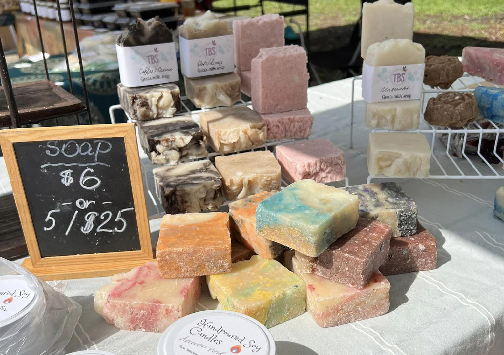
A craft fair or local farmers market day can be an enjoyable way to spend some time on your PCB vacation. Instead of rushing from the sand to a crowded restaurant, you can browse yummy local delicacies, local Tupelo honey products, pick up locally grown produce for dinner, handmade pottery, coastal artwork, jewelry, home goods, and small gifts while meeting the people who made them. Panama City Beach craft fairs give visitors a more local way to spend part of the day, especially during spring, fall, and holiday travel periods.
For families, couples, and repeat visitors, the best approach is simple: treat the fair as one part of the vacation rather than the entire agenda. Event schedules can shift with weather, venue availability, and organizer plans. A flexible rental stay makes it easier to enjoy the market when conditions are right, then return to the beach, pool, or a quiet evening at your own pace.
Also there are many craft consignment stores that have some wonderful items, too. These are open every day so, you don't have to wait for a weekend to get your shopping on.
When Panama City Beach Craft Fairs Are Most Active
Craft fairs and maker markets often appear when the beach area welcomes seasonal visitors and community events. Spring can bring outdoor festivals, while fall offers comfortable temperatures for strolling booths without the peak summer heat. Holiday markets may also create opportunities to shop for handmade gifts and seasonal decor.
The exact calendar varies from year to year. Some events operate for a single weekend, while others run alongside a larger festival, concert, or community celebrations. Do not assume that a market listed in an old travel article will return on the same date. Check the current event details before building a vacation day around it, including opening hours, admission policies, parking instructions, and whether the event accepts pets.
Summer presents a different trade-off. The area feels lively, and many families already plan full beach days, but afternoon heat and pop-up storms can shorten an outdoor shopping visit. If you attend a summer market, arrive early near opening time before the day heats up. You will get a better look at popular items before they sell, avoid the strongest sun, and leave more room in the day for the water.
What You Will Find at a Local Maker Market
A good craft fair feels distinct from a souvenir shop. You may find hand-thrown ceramics, paintings of the Gulf, resin art, handcrafted candles, woodwork, textiles, custom apparel, and jewelry made in small batches. Local specialties are usually available at the local craft fairs and markets. The selection depends on the organizer and the vendors, so every fair has its own personality.
That variety also creates a practical consideration: quality and pricing vary. A handmade serving board, original painting, or custom piece of jewelry carries a different value than a mass-produced beach item. Ask the maker about materials, care instructions, and whether an item can travel safely. For art, confirm whether the vendor offers protective wrapping or shipping. For food products, verify storage needs before leaving them in a warm vehicle.
Families often get the most from markets that pair shopping with food vendors, live music, or a nearby park. Those details matter because not every traveler wants to spend an hour browsing booths. A mixed event lets one person compare local art while children enjoy an open space or a snack nearby.
Look for Useful, Packable Finds
The best vacation purchase is not always the largest one. Small ceramic ornaments, locally made soaps, prints, tea towels, and jewelry can fit easily in luggage and still carry a sense of place. If you drive to Panama City Beach, you have more freedom to consider framed art, larger decorative pieces, or handmade furniture accents.
Before buying, think beyond the fair itself. Will the item fit your home? Can you protect it on the ride home? Is it something you will use, display, or give as a gift? A little restraint helps you leave with a meaningful piece rather than another item that ends up in a drawer.
Plan Your Day Around the Fair, Not Against It
Outdoor events reward a basic plan. Review the forecast, wear comfortable shoes, bring sunscreen and water, and carry a light bag that leaves your hands free. Many vendors accept cards or mobile payments, but small makers may prefer cash or set a minimum purchase amount for cards. Keeping both options available prevents an awkward checkout moment.
Parking deserves attention as well. Larger events draw local residents, vacation guests, and day visitors all at the same time. Arrive early if the fair takes place near popular shopping, beach, or park areas. If parking fills quickly, do not let the delay derail the day. Build in time for lunch, a scenic drive, or a beach walk before returning later if the event remains open.
A vacation rental supports this kind of flexible schedule better than a tightly timed hotel routine. You can return to drop off purchases, prepare a quick meal, cool down after an outdoor market, or change plans if rain moves in. Emerald Beach Properties serves guests who want that extra space and control during a Panama City Beach stay.
Choosing the Right Fair for Your Group
Not every craft event fits every traveler. A serious collector may prefer a juried art show with established regional artists. This type of art show typically happens in Panama City, over the bridge, at the PC Arts Center.
A family with younger children may enjoy a casual community market where browsing takes less time and entertainment is near by. Couples may look for an evening event that combines local makers with music and dining.
Read the event description with your group in mind. Look for the number and type of vendors, indoor or outdoor setup, accessibility information, food options, and expected duration. A large festival can fill most of an afternoon. A smaller market may take 30 minutes, which works well before dinner or after a morning on the beach.
Visitors who want authentic local work should also distinguish between “handmade,” “handcrafted,” and general vendor markets. Organizers use these terms differently. Some events focus almost entirely on original makers, while others include retail merchandise, service booths, or commercial products. Knowing the difference helps you plan your day and sets expectations.
Respect the Work Behind the Booth
Makers invest time, materials, and skill in every product. Ask questions, but give vendors room to serve other shoppers during busy periods. If you handle an item, do so carefully and return it where you found it. Photography policies can differ, particularly for original artwork, so ask before taking close-up photos of a booth or product.
Negotiating also requires judgment. Some vendors offer event specials or bundle pricing, especially near closing time. Others price their work carefully and do not discount. A respectful question is fine; pressure is not. The better experience comes from finding a piece you value at a price that feels fair to both sides.
Make Room for a Backup Plan
Weather remains part of every Gulf Coast vacation. Wind, rain, lightning, and high heat can affect outdoor Panama City Beach craft fairs with little notice. Organizers may delay opening, close early, or adjust layouts for safety. Keep notifications on if the event provides them, and check the weather and check for updates before leaving your vacation rental.
A backup plan protects the day. Choose a nearby lunch spot, schedule a relaxed afternoon in your vacation rental, or save time for shopping and dining in the area if the fair cannot continue. Travelers who leave breathing room in the itinerary usually enjoy more of the trip than those who try to control every hour.
The same principle applies to purchases. If a vendor offers a custom order, do not expect it to be ready before you leave unless the maker confirms the timeline. Ask whether shipping is available and get clear details on cost, delivery timing, and return policies. Custom work deserves patience.
Turn a Market Stop Into a Better Beach Memory
Craft fairs add something special to a Panama City Beach vacation. They introduce visitors to makers who turn local color, coastal landscapes, and personal skill into objects worth keeping. You may leave with a useful gift, a piece of art for your home, or simply a better story about the afternoon. Your kiddos may leave with fabulous face painting or other cool stuff.
Set aside a few unhurried hours, verify the event before you go, and let the day develop around the weather and your group’s energy. The beach will still be there when you finish browsing, and the right handmade find can bring a little of the beach home with you.
Panama City Beach Shopping: Where to Go
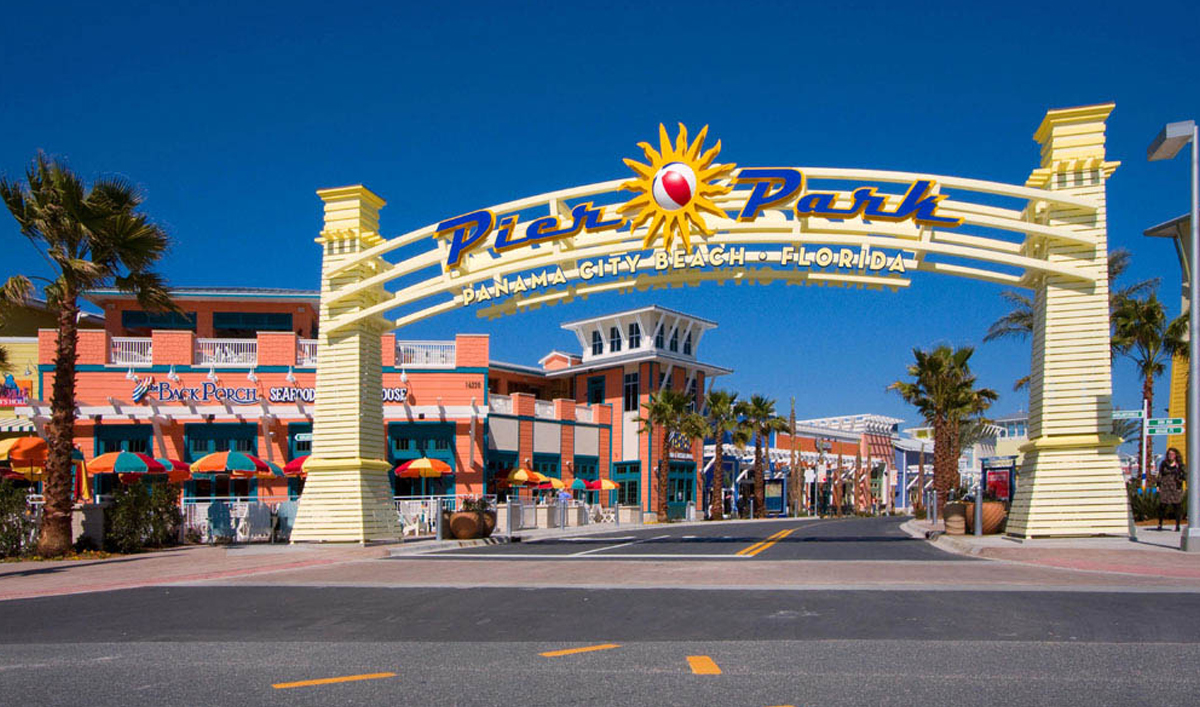
Sometimes a beach day might be rained out. A forgotten sunscreen bottle, a child who needs a rash guard, an afternoon storm, or a last-minute need for groceries can quickly move shopping from a casual vacation activity to a practical priority. Panama City Beach shopping covers both sides of that equation: easy stops for vacation essentials and places worth setting aside time to browse.
The best approach depends on where you stay, how you plan to get around, and what you actually need. Visitors who expect every shop to be within walking distance of the beach will be disappointed. A little planning keeps errands short and leaves more of the day for the sand, the water, and dinner with the people who came with you.
Start With the Shopping For Things You Need
Before browsing for souvenirs, handle the items you actually have on your list. Panama City Beach has grocery stores, pharmacies, beachwear retailers, and convenience stores throughout the area, but selection and prices vary considerably. Stores closest to high-traffic beach access points offer convenience. Larger stores slightly inland often provide a better selection.
Families staying several nights should consider one organized grocery run soon after arrival. Stock breakfast basics, water, snacks, coffee, and meals that work around beach schedules. This simple step reduces daily spending and eliminates the familiar late-afternoon question of where to buy one more thing before dinner.
Beach supplies deserve the same attention. If you plan to use chairs, umbrellas, toys, floats, or fishing supplies all week, compare rental options with purchase prices when making your spending decision. Buying a few inexpensive items makes sense for a short stay or young children who will use them hard. Renting can be the better choice when storage space is limited or when you do not want to carry bulky gear back and forth to the beach or back home.
Remember, if you don't want to shop, you can have your groceries and other items delivered by InstaCart, Door Dash, etc. If you want everything in place before you arrive, try CondoCierge.com. They will shop for you and bring it to your condo and put it all away before you arrive!
Avoid Paying for Convenience Twice
Tourist-focused shops serve a useful purpose. They can save a beach day when you need flip-flops, sunscreen, or a dry cover-up immediately. Still, they should not always be your first stop for a full cart of vacation supplies. Prices often reflect location and convenience, particularly for branded beachwear and single-use essentials.
Check labels on sunscreen, goggles, and inflatables. Vacation packaging can make ordinary products look special, while the contents remain much the same. Spend where quality affects comfort or safety, such as footwear, sun protection, and properly fitted swimwear. Save on items that may not survive the week, including inexpensive sand toys and novelty souvenirs.
Panama City Beach Shopping at Pier Park
Pier Park serves as one of the area’s most recognizable shopping destinations. This regional mall with its open-air layout combines national retailers, casual beach stores, specialty shops, restaurants, and entertainment options in one central setting. It works especially well for groups because not everyone has to want the same thing. One person can look for a new swimsuit while another takes the kids for a treat, a movie or steps into a bookstore.
Plan for parking, crowds, and weather. During peak summer weeks, late morning through early afternoon can bring heavy traffic and full lots. Arriving earlier in the day or later in the evening often makes the experience more manageable. An open-air center also means a passing storm can interrupt browsing, so check the forecast before making it the centerpiece of your afternoon.
Pier Park is a strong choice for travelers who want dependable brands, a broad range of sizes, and the ability to pair shopping with a meal and/or entertainment. It may not be the best place for every souvenir, however. Visitors looking for one-of-a-kind art, coastal home accents, or locally made gifts should leave room in their itinerary for smaller independent businesses elsewhere in the beach area.
Make the Trip Work for Your Group
Set a purpose before you go. A family that needs school-break clothes, beach supplies, and dinner can cover a great deal in one visit. A couple seeking a quiet, local shopping experience may prefer smaller centers or boutiques away from the busiest corridors.
Plan a meeting point if your group splits up, especially with teenagers. Busy destinations make casual plans such as “meet by the entrance” less reliable than they sound. Agree on a specific store, time, and backup plan before everyone heads in a different direction.
Look Beyond the Big Retail Centers
Some of the best vacation purchases do not come from a chain store. Smaller boutiques and specialty retailers around Panama City Beach can offer coastal clothing, jewelry, artwork, home goods, fishing gear, and gifts with more personality than a standard logo T-shirt. These stops work best when you browse without a rigid schedule.
Local shopping also requires realistic expectations. Independent stores may keep limited hours outside peak season, close for holidays, or carry a smaller size range than national retailers. If you have a specific need, call ahead. If you are shopping for something memorable rather than necessary, the limited selection often becomes part of the appeal.
For vacation rental owners, these stores can also provide useful perspective. The furnishings, color palettes, and practical beach accessories that appeal to visitors offer clues about current guest preferences. That does not mean owners should copy every trend. A rental needs durable, easy-to-replace pieces first. Still, a thoughtfully chosen local print, serving piece, or accent can give a property a more grounded sense of place.
Shop Around the Weather, Not Against It
Rainy days bring predictable demand to stores, restaurants, and indoor attractions. When the forecast calls for storms, move essential errands to the morning. Waiting until everyone leaves the beach at once can turn a quick stop into a crowded afternoon.
A rainy-day shopping plan helps families stay flexible. Choose one area where you can handle necessities, browse, eat, and keep children occupied without making repeated drives across town. This matters even more during summer traffic, when a short distance can take much longer than expected.
Do not assume rain means the entire day is lost. Gulf Coast weather changes quickly. Keep beach plans light, bring a cover-up or towel for the car, and use shopping as a practical backup rather than an all-day replacement for the shore.
Bring Home Items You Will Actually Use
The best souvenir earns its place after the vacation ends. A locally inspired ornament, a piece of art sized for a shelf, a quality cap, or a useful kitchen item may hold more value than another oversized beach shirt. Families can also let each child choose one item within a clear budget. That keeps souvenir shopping from becoming a negotiation at every storefront.
Consider travel logistics before buying fragile or oversized goods. Visitors driving home have more flexibility, but they should still protect items from heat and sand in the vehicle. Guests flying should check luggage space and airline restrictions before purchasing liquids, glassware, or large decorative pieces. If your find something you like, the merchant can usually ship it for you or you can drop it off at the local shipping store and your perfect pruchase will meet you back at home.
If you are shopping for someone else, skip the generic gift unless you know it fits their taste. Food items, locally made accessories, and compact coastal decor often travel better and feel more considered. The goal is not to prove you visited the beach. It is to bring back something that carries the memory without creating clutter.
Keep Shopping From Taking Over the Trip
A good shopping plan supports the vacation rather than competing with it. Group errands by area, set a reasonable spending limit, and reserve your prime beach hours for the beach. If a store catches your eye while you are already out for dinner or a sunset walk, return when it fits naturally instead of changing your plans for the day around it.
Panama City Beach offers enough options to handle forgotten essentials, rainy afternoons, family browsing, and meaningful gifts. Shop with a purpose, leave room for an unexpected find, and keep the strongest part of the trip in focus: time spent together along the coast.
Octoberfest in Panama City Beach: Plan Your Stay
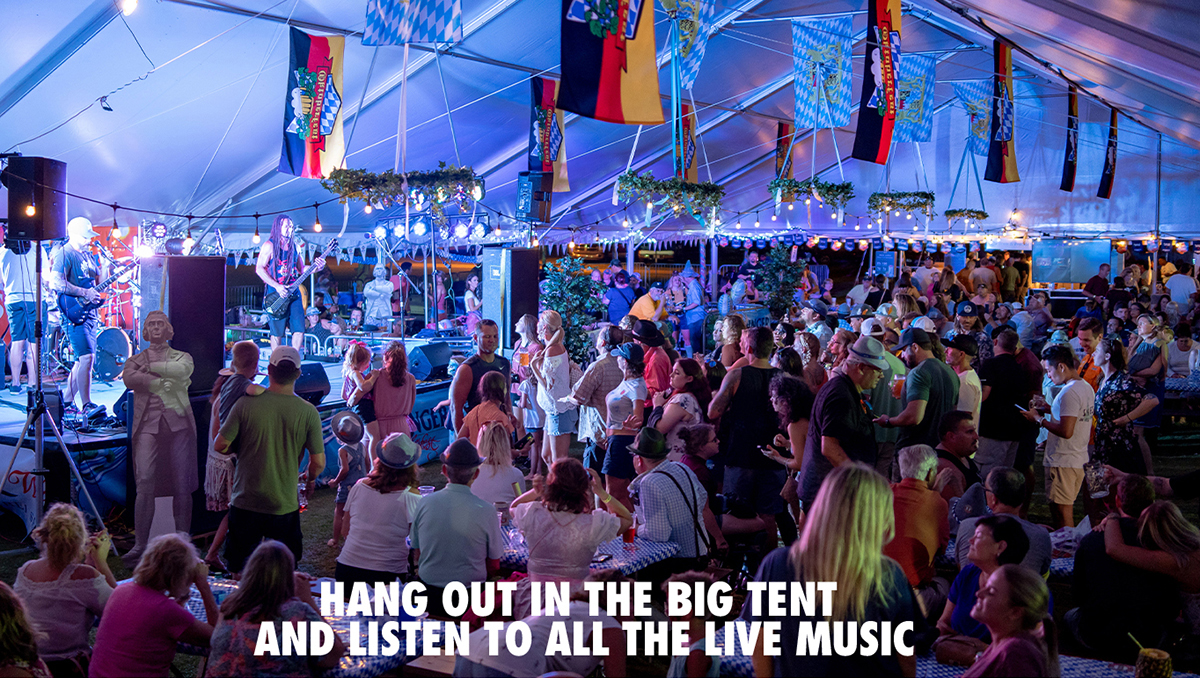
Octoberfest in Panama City Beach may seem a long way from Germany buy, who doesn't love beer and pretzels?? Summer crowds have gone back to school, Gulf breezes feel a little cooler, and visitors can pair festival food, German-style beer, and live music with beach days that still make a trip to Panama City Beach a great getaway! The key is treating the event as one part of a well-planned fall stay, not the only thing on your getaway calendar.
Festival schedules for Ocotberfest, venues, admission rules, and age restrictions can change from year to year. Confirm the current event details before you book travel or make dinner or attraction reservations. Once you have the basics in place, Panama City Beach gives your group plenty of room to build a weekend that feels festive without feeling rushed.
Why Fall Works So Well for a Beach Getaway
October offers a practical advantage for families, couples, and friend groups: you can enjoy more of Panama City Beach without building every day around peak-season traffic and midday heat. The water remains inviting early in October, while mornings and evenings often bring more comfortable temperatures for outdoor plans.
That balance matters during a festival weekend. A full afternoon of food, music, and social activity feels more enjoyable when your vacation rental gives you a quiet place to reset afterward. You can trade a crowded hotel hallway for a private balcony, a living room where everyone can gather, and a kitchen for an easy breakfast before the next day's adventure begins.
Fall weather conditions do vary. A warm, sunny weekend can support a beach-heavy itinerary, while wind or rain may move your plans toward dining, shopping, and indoor attractions. Pack for both. Bring swimwear and sunscreen, but include a light layer and closed-toe shoes for evening events.
Planning Octoberfest in Panama City Beach
Start with the event itself. Some organizers use the spelling Oktoberfest, while others use Octoberfest. That difference can matter when you search local calendars, but your planning priorities stay the same: verify the date, location, start and end times, ticket process, parking plan, and whether children are welcome.
If your group includes beer enthusiasts, decide in advance who will drive or if you need to plan for a taxi or rideshare. Festival weekends should not require last-minute transportation decisions. Choose a vacation rental close enough to your planned activities to limit driving, use a designated driver, or arrange transportation before the day begins. This simple step protects everyone in your group and keeps the events focused on the experience.
Also consider the pace of the event. A large festival may involve lines, standing, louder music, and a busy crowd. That can make for a memorable afternoon with friends, but it may not suit every traveler. Families with younger children may prefer to attend early, leave before the busiest evening period, and reserve time for calmer beach activities.
Choose Dates With Flexibility
Build your arrival and departure around more than the festival hours. Arriving a day or two early gives you time to settle into your vacation rental, pick up groceries, and learn the area without pressure. Staying an extra night or two can turn a one-day event into a true coastal break.
A three or four night stay often works well for a weekend festival to get the most out of your trip. You can reserve one day for Octoberfest activities, one day for the beach, and another for the kind of unplanned time that makes a vacation feel restorative. If rain affects the event or the beach, that extra flexibility becomes even more valuable.
Select a Vacation Rental That Supports Your Group
The right vacation rental should make the festival easier, not add logistical work. Before reserving, consider how your group will use the property between outings. Travelers who plan to cook breakfasts or share appetizers before an event should prioritize a well-equipped kitchen. Families often appreciate separate sleeping areas, laundry access, and room for children to decompress after a busy day.
Location is important to setting yourself up for a wonderful experience. A beachfront rental puts sunrise walks and afternoon beach time close at hand. A property near restaurants, entertainment, or the festival venue may reduce the need to move the car repeatedly. There is a trade-off: the closest location is not always the quietest, and a larger property farther from all the activity may better suit a multi-generational group. Match the property to your actual plans rather than booking solely on a map pin.
Read rental rules before you confirm your stay. Check minimum-age requirements (most PCB vacation rentals require the main guest to be at least 21 or 25 depending on the complex), parking allowances, pet policies, occupancy limits, and check-in instructions. Festival weekends draw groups with different expectations, and clear rules help responsible guests avoid preventable problems. Emerald Beach Properties focuses on professionally managed vacation rentals, which gives guests a dependable foundation for a well-organized stay.
Build a Weekend Beyond the Festival
Octoberfest can anchor your trip, but Panama City Beach rewards visitors who leave space for the beach and the many other activities available here. Start one morning with coffee on the balcony or a walk along the sand before the day gets busy. Schedule a beach afternoon when the forecast looks strongest, then shift to a sunset dinner or a relaxed evening at your rental.
For groups that want more activity, consider a fishing charter or boat adventure, a round of golf or mini-golf, a visit to a local attraction, or time at nearby parks and trails for a short hike or just to see the local wildlife. Families may prefer the miniature golf, arcade entertainment, or wildlife-focused outings. Couples may want a slower schedule built around a scenic meal and a quiet beach walk. There is no single right itinerary, especially in the fall in PCB.
Do not overbook the weekend. Visitors sometimes try to fit every attraction into a short stay, then spend more time coordinating than relaxing. Leave one or more open blocks of time on your schedule. This gives your group room to respond to weather, lingering conversations over breakfast, or the simple desire to stay on the beach a little longer.
Food, Reservations, and Grocery Planning
Festival food may cover one meal, but it rarely covers a full weekend. Make restaurant reservations early when your group has a specific place or time in mind, especially for Friday and Saturday evenings. Larger parties should not assume a walk-in table that can fit the whole crew will be available during a popular event weekend.
Plan at least a few meals at your vacation rental. Stock water, coffee, breakfast items, fruit, and easy snacks in your kitchen. Make sure to pick up any paper goods and cleaning materials since the vacation rental probably only includes a starter supply of these items. A simple grocery run prevents an avoidable late-night search for essentials. It also helps families keep younger travelers on a familiar routine when festival crowds and beach activities stretch the day.
If you enjoy local seafood, ask your group what they want before you arrive. One guest may look forward to a waterfront seafood dinner while another wants a casual burger after a long day outside. Most vacation rentals provide a large cooking pot that will let you pick up local shrimp, corn, little red potatoes and shrimp boil seasoning for a great DIY shrimp boil that you can eat on your balcony. Agreeing on priorities early keeps the trip moving smoothly.
Keep Safety and Comfort in the Plan
A fall festival still takes place in a beach environment, where sun exposure, hydration, and transportation matter. Drink water throughout the day, eat before consuming alcohol, and use sunscreen even when the sky looks mild. Coastal weather can feel cooler than it is, especially when wind picks up.
Pay attention to beach conditions as well. Follow posted flag warnings, keep children close near the water, and respect changing surf. The Gulf can look calm from shore while conditions may be unsafe for swimming. A good beach day starts with checking the flags and ends before anyone feels overextended.
Guests should also take standard security precautions to be sure their rental experience is a great one. Keep doors secured, follow the property’s parking instructions, and be respectful of neighbors when returning from evening activities. Responsible travel protects your group, the property, and the community that makes these events possible. And be sure to check all the drawers before you leave for home so you don't leave anything behind.
Make Room for the Coast
The best Octoberfest in Panama City Beach itinerary does not need every hour planned. Choose a comfortable vacation rental, confirm the event details, and give your group a reliable transportation plan. Then leave room for the moments that make fall on the Gulf memorable: a breezy morning on the balcony, sandy feet at sunset, and one more unhurried evening together before heading home.
Pirate Themed Activities in Panama City Beach, FL
A pirate flag flying in the air is your signal for a special kind of fun in Panama City Beach, FL. Pirate activities in Panama City Beach, FL give families a break from sandcastle duty and beach days. Children get a story, a costume-ready setting, and a chance to join the action. Adults get an organized outing that can fill a morning, afternoon, or early evening with far less planning than a full-day activity.
The best choice depends on your group’s ages, attention span, budget, and vacation schedule. A lively pirate cruise suits families who want entertainment on the water. Pirate-themed mini golf works better when you need a flexible activity between the beach and dinner. Planning for the right fit helps everyone enjoy the experience instead of managing an overtired crew.
Pirate Activities in Panama City Beach, FL: Start With a Cruise
A pirate ship cruise delivers the most complete pirate experience. These excursions typically leave from a local marina and combine sightseeing with pirate characters, music, games, storytelling, and kid-focused activities. The ship itself does much of the work. Once children climb aboard, they can settle into the role of deckhand, treasure hunter, or honorary pirate. Check out the SeaDragon Pirate Cruise!
Cruises often appeal most to children in the preschool through elementary-school years, though older siblings and adults can enjoy the Gulf views, sea breeze, water gun fights and the theater of it all. These cruises are fun for everyone.
Daytime sailings offer bright water views and easier conditions for young children. Sunset or evening cruises can feel more dramatic and provide welcome relief after a hot beach day, but they may run later than a young child’s routine allows. Adults only cruises are also available. If your family spends the day swimming, consider an earlier cruise or schedule a quiet afternoon beforehand.
Motion sickness is usually not an issue on these cruises since the Captains know how to handle the boat for smooth sailing. Many guests do well on a sheltered, sightseeing-style cruise, but no boat trip comes with a guarantee of calm water. If anyone in your group feels uncertain, choose seats with fresh air and a clear view of the horizon, avoid a heavy meal immediately before boarding, and bring the remedies your family normally uses for nausea.
What to Bring Aboard
A pirate cruise does not require elaborate preparation, but a few practical items make the outing more comfortable. Bring water, sunscreen, sunglasses, and a light layer for wind after sunset. Closed-toe shoes or secure sandals work better than loose flip-flops on boat decks. A small waterproof bag gives you a place for your phones, a dry shirt for children, and any medication you may need.
Costumes can add to the fun, especially for younger children. Keep them simple. A bandana, striped shirt, or pirate hat creates the effect without becoming uncomfortable in Florida heat. Avoid bulky accessories that can blow away or interfere with safety instructions.
Choose Mini Golf for a Flexible Pirate Outing
Pirate-themed miniature golf offers another enjoyable pirate activity. It works well on arrival day, a cloudy afternoon, or the hour before dinner when the beach has worn everyone out but the evening still feels wide open. Pirate’s Island Adventure Golf gives families a themed course with water features, caves, bridges, and larger-than-life pirate scenery, creating an outing that feels more memorable than a standard round of mini golf.
Mini golf gives each family control over the adventure. You can pause for photos, let younger children take extra swings, or move through the course quickly when the heat builds. That flexibility makes it a strong choice for groups with grandparents, toddlers, teens, and different energy levels.
The trade-off is that the experience depends more on your group than a hosted cruise does. A child who wants constant characters, music, and guided games may respond better to a boat adventure. A family that prefers friendly competition, independent movement, and a shorter commitment may find mini golf more satisfying.
Plan for the weather. Midday sun can turn an outdoor course into a hot walk, particularly during summer. Early morning and later afternoon generally offer a more comfortable round. After rain, courses may reopen quickly, but conditions and operating hours can change. Confirm the day’s schedule before you leave your vacation rental for your mini-golf adventure.
Pair Pirate Fun With the Right Beach-Day Plan
The best vacation days balance activity with recovery time. A pirate cruise can serve as the day’s main event, so avoid packing in a long beach session, a water park visit, and a late dinner unless your family handles full schedules well. Panama City Beach offers plenty of entertainment, but children rarely enjoy every option more because it appears on the same calendar.
For a cruise day, consider a slow breakfast, an unhurried departure, and a simple meal after the outing. Leave room for a swim at the pool, a walk along the shoreline, or downtime at your rental. The quieter moments often become the part of the trip families remember most. And making memories is really what it's all about!
For mini golf, build the activity around the beach instead. Spend the cooler morning hours by the water, return to your rental for lunch and rest, then head out for a late-afternoon round. That schedule reduces sun exposure and prevents a small activity from taking over the day.
If weather interrupts your plans, do not force the outing. Storms and changing Gulf conditions can affect boat operations, while rain and heat can make outdoor attractions less enjoyable. Flexibility is key to an enjoyable vacation. A professionally managed vacation rental gives your family a comfortable place to reset while you adjust your plans as needed.
Book With the Details That Matter
Pirate attractions can fill quickly during spring break, summer, holiday weekends, and school vacation periods. Reserve early when a specific sailing time or evening activity matters to your plans. Before you commit, verify the departure location, check-in time, duration, cancellation policy, parking instructions, age recommendations, and what the ticket includes.
Ask direct questions when you need clarity. Confirm whether the cruise provides life jackets for children, whether outside food or drinks are allowed, and whether the program includes loud sound effects or mock pirate battles. These details matter for families with infants, sensory sensitivities, mobility concerns, or children who feel nervous around costumed performers.
Use this short check before you book:
- Match the activity length to your children’s usual attention span.
- Choose a departure time that works with meals, naps, and evening plans.
- Review weather and cancellation procedures before the day of your outing.
- Arrive early enough to park, check in, and use the restroom without rushing.
A few minutes of preparation protects the relaxed feeling you came to Panama City Beach to enjoy.
The Annual Pirates of the High Seas Festival
Every year on Columbus Day Weekend in October, Panama City Beach hosts the Pirates of the High Seas Festival. This is one of the best festival weekends in PCB. The organizers plan activities specifically for families and also some after hours activities for adults. There are parades and other exciting activities such as the annual pirate invasion where the kids must defend PCB from the invading pirates in full costume.
This is a great chance for every one to put on their pirate costume and talk like a pirate. Make your vacation rental reservations for this 3 day weekend early because it is one of the most popular off season weekends in Panama City Beach! Aaargh and Ahoy Mateys!
Pirates Voyage Dinner & Show
Dolly Parton's Pirates Voyage Dinner and Show is an amazing night out for the entire family! Dress up the kiddos or have their faces painted up once you arrive for the show. Relax and enjoy a rousing performance by our local pirate crew with musical numbers, animal acts and everything related to pirates! Dinner is served during the performance and they give you plenty of food and drink in pirate fashion.
You'll need to book this in advance for assured seating. Check here for Pirates Voyage And Dinner Show.
Make the Experience Feel Like Part of the Vacation
Pirate activities work best when they feel connected to the rest of your stay rather than squeezed into it. Let children collect shells on the beach before their cruise and call them treasure. Take one family photo by the pirate ship or course entrance. Afterward, ask each child to name the best part of the adventure over dinner. These small moments give the activity a place in the larger story of the trip.
For vacation rental guests, location and schedule matter as much as the attraction itself. Choose an outing that leaves enough time to enjoy your condo, beach access, pool, and the people traveling with you. Emerald Beach Properties understands that a well-planned stay needs both memorable experiences and space to breathe.
A pirate adventure should leave your family laughing, not racing to the next reservation. Pick the outing that fits your crew, protect a little unscheduled time around it, and let the Gulf Coast setting do the rest.