
Rental Damage Questions Guests Need Answered
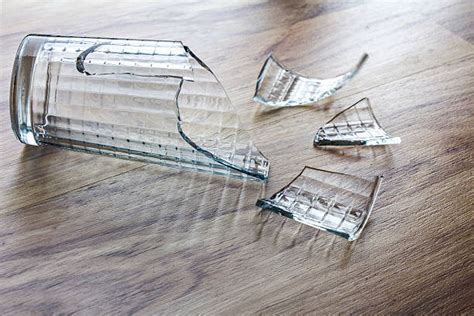
A dropped glass beside the kitchen island, a stained sofa after a rainy beach afternoon, or a cracked patio chair can turn a relaxing trip into a stressful moment. Rental damage questions often feel urgent because guests want to do the right thing without worrying about unexpected charges. Clear communication, timely reporting, and an accurate record usually protect everyone involved.
Vacation homes experience more use than a typical residence, especially in a coastal destination where sand, salt air, wet swimsuits, and busy family schedules come with the territory. Normal use and guest-caused damage are not the same thing. Knowing the difference helps guests respond confidently and helps property managers resolve issues fairly.
What Counts as Rental Damage?
Rental damage generally means harm to a home, its furnishings, or its equipment beyond ordinary wear and tear from regular use. A broken lamp, damaged television, missing key, torn upholstery, or burn mark may fall into this category when a guest, member of the guest's party, or visitor caused the issue.
Normal wear and tear looks different. A slightly worn towel, a scuffed floor in a high-traffic entryway, or a patio cushion faded by Florida sun reflects ordinary use over time. Guests should not assume every worn item creates a charge. Professional property managers inspect homes regularly and account for the natural aging of furnishings and equipment.
The details matter. If a dining chair breaks while someone uses it normally, the chair's condition may play a role. If a chair breaks because someone stood on it or moved it roughly, the situation may lead to a different outcome. A fair review considers what happened, the condition of the item, and the available documentation.
Be sure to leave the doors, windows and sliding doors in your vacation rental closed when you go out. This prevents the local birds and wildlife from causing avoidable damage to your vacation rental. Guests who do leave the vacation rental unsecured when they leave will be charged for this type of damage.
Rental Damage Questions to Ask Before You Arrive
The best time to understand your vacation rental's damage policy is before an accident happens. Review the rental agreement and check-in information for the property's rules on damage deposits, damage protection plans, cleaning expectations, and reporting procedures.
A refundable security deposit and a damage protection plan work differently. A security deposit provides funds in advance that a manager can use for eligible charges after your stay. Security deposits are typically refundable less any damages that are deducted. A damage waiver protection plan covers certain accidental damage up to a stated limit, subject to exclusions and policy terms. With a damage waiver plan, guests pay a smaller, non refundable amount per booking and are required to report damage when it occurs to qualify for coverage. Neither option gives guests permission to disregard the home or to avoid reporting damages when they occur.
Before arrival, guests should know who to contact, whether the property provides an after-hours number, and what situations require immediate notice. They should also understand rules that can prevent avoidable loss, such as limits on occupancy, pet restrictions, smoking rules, parking requirements, and instructions for grills, pools, balconies, and beach equipment.
What to Do When Damage Happens
Report the issue as soon as possible. Waiting until checkout can make a simple problem harder to verify, and it may prevent a manager from making a quick repair during the stay. Early notice also shows good faith. With damage waiver programs immediate reporting is required so be sure to contact the property manager to let them know about any damages as soon as possible to be qualified for coverage.
Start by making the area safe. If broken glass, exposed wiring, water, or another hazard creates a risk, keep children and pets away from the area. For an active emergency such as a fire, serious injury, or immediate threat to safety, contact emergency services first before contacting the property manager.
Notify the property manager using the approved contact method. Give a short, factual explanation of what happened, where it happened, and when you noticed it. Avoid guessing about causes or attempting a repair unless the manager directs you to do so. A well-meaning repair can create additional damage or make it difficult to assess the original issue. If you asked to turn off the water to the unit or flip an electrical breaker, please cooperate with your manager to mitigate further damages.
Take clear photos when appropriate. Photograph the damaged item, the surrounding area, and any relevant details, such as water on the floor near a leaking appliance. Keep the images for your records. If the problem involves a maintenance concern rather than an accident, photos still help the manager send the right vendor or maintenance professional.
Do not discard broken pieces, move damaged furniture, or replace an item on your own unless the property manager asks you to do so. The team may need to inspect the item, confirm a model number, or determine whether a repair will solve the issue.
How Property Managers Review Damage
A disciplined property manager does not rely on assumptions. The review should begin with the guest's report, inspection findings, pre-arrival condition records, checkout observations, and vendor estimates when needed. This process protects responsible guests from unsupported charges and helps owners protect the condition of their homes.
Managers may also consider an item's age and expected useful life. A guest should not automatically bear the cost of replacing an older item with a brand-new premium version when a reasonable repair or prorated value better reflects the loss. At the same time, significant damage may require full replacement if repair cannot restore the item to safe, usable condition.
Some issues involve more than the visible item. A spilled drink on a rug may need professional cleaning. A damaged smart lock may require reprogramming and security review. A missing parking pass, key fob, or pool access device may require replacement and deactivation. The manager should explain applicable charges clearly and provide the basis for the decision under the rental agreement.
Common Situations That Cause Confusion
Sand itself does not usually create a damage charge. Panama City Beach vacations naturally bring sand into entryways, bathrooms, patios, and vehicles. Guests should follow the home's cleaning instructions and use outdoor rinsing areas when provided, but managers should distinguish routine beach cleanup from excessive neglect or damage to plumbing, flooring, or furnishings.
Pets create another frequent question. A pet-friendly property still requires guests to manage their animals responsibly. Chewed furniture, scratched doors, pet stains, and waste left behind usually result in charges even when the home allows pets. Guests should confirm pet rules before booking because most vacation rentals in Panama City Beach are not able to welcome pets due to Condo Association rules.
Weather-related problems require careful attention as well. A guest does not cause storm damage, but guests should follow local safety guidance and property instructions during severe weather. Leaving doors or windows open during heavy rain, for example, can cause preventable interior damage. Report water intrusion or wind-related issues immediately so the manager can protect the home.
How to Avoid Unnecessary Disputes
Take a few minutes at check-in to look through your vacation rental. If you notice damaged blinds, stained bedding, missing kitchen items, or a malfunctioning appliance, report it promptly. You do not need to document every small imperfection, but early notice establishes that the condition existed before or at the start of your stay.
Treat the home as you would a friend's well-kept beach house. Follow occupancy limits, keep food and drinks away from electronics and upholstered furniture, supervise children around balconies and pools, and use furnishings for their intended purpose. Bring beach toys and wet gear in carefully, and never use indoor towels provided with your vacation rental for beach cleanup.
To avoid missing items in the vacation rental, do not take towels, blankets, pillows or kitchen items to the beach. It's very easy to leave things behind or to damage this type of item at the beach.
At checkout, complete the requested steps and take a final look through closets, drawers, outdoor spaces, and under beds. This helps prevent missing-item questions and gives you one last chance to report an issue. If you receive a damage notice after departure, respond promptly and ask for the documentation needed to understand the charge.
The Best Outcome Starts With a Prompt Report
Accidents happen, even during carefully planned vacations. The strongest response is not to hide the problem or wait for someone else to find it. Report it quickly, provide clear information, and allow the property manager to assess the situation. That approach keeps small issues from becoming larger ones and helps everyone focus on what matters most: a safe, well-cared-for home and a vacation that remains worth remembering.
Best Trips to Shell Island From Panama City Beach
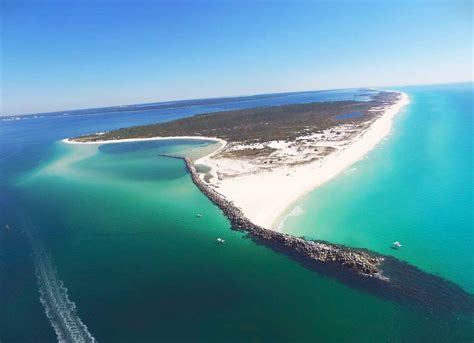
Shell Island is a very special beach in Panama City Beach that you can't reach by following a crowded boardwalk. The seven-mile barrier island is just across St. Andrews Bay from Panama City Beach, with wide stretches of undeveloped sand, clear Gulf water, and a shoreline that changes with the tide. The best trips to Shell Island leave plenty of time to enjoy this amazing place. It's not just another thing to check off your vacation list so plan to spend the day there!
Planning a successful visit depends on you and your group. You'll need to decide the best way for you to get there, when the best time to go will be based on local weather forecasts and what to bring to maximize your fun in a setting with very few conveniences. Families with young children will need to have a different plan than couples looking for a quiet afternoon or experienced boaters who want to set their own schedule.
Choose the Shell Island Trip That Fits Your Day
There is no single best boat trip for every guest. Your group size, comfort level, budget, and desired time on the sand should shape the decision.
You can find most of the local transportation out to Shell Island on line by simply searching Shell Island Panama City Beach, FL. Read the listings to see what will work best for your group, your schedule and your budget.
Shuttle service for a simple, independent visit
A passenger Shell Island shuttle is a practical option for visitors who aren't interested in operating their own rental boat. It provides transportation from the mainland to Shell Island, then allows guests to spend their time swimming, shelling, walking the beach, or relaxing before the return departure.
This option works well for families and first-time visitors because the logistics of the trip are handled by the pros and are very straightforward. The trade-off is timing. You'll have to work within a set schedule, and a missed departure can turn an easy beach day into an expensive problem. Confirm departure times before you leave, arrive early, and keep an eye on the clock while you are on the island.
Private charter for flexibility and local guidance
A private charter makes sense when your group wants more control over the day. A professional captain can tailor your route around water conditions and may incorporate sightseeing in St. Andrews Bay, dolphin viewing, or time at a quieter section of the island as well.
Charters cost more than a shuttle, but they can offer better value for a larger family or group. They also reduce the pressure of having to watch the clock for your departure time, navigating unfamiliar water, etc. Before you go, be sure to know what the charter includes, how long you will have on the island, and whether the captain provides beach equipment, drinking water, or snorkeling gear. Clear expectations prevent surprises at the dock.
Pontoon rental for confident boaters
A pontoon rental creates the most flexible schedule for qualified, comfortable boaters. You can leave early, bring your own cooler and gear, and explore at a pace that suits your group. It can be an excellent choice when weather and water conditions are calm. The pontoon rental operator will explain the route, navigation markers, no-wake areas, and return procedures before you head out.
This option also carries the most responsibility for you as the operator of the boat. Wind can build up quickly in the afternoon, and bay conditions can change. The captain of the boat must stay alert, follow posted rules, wear or provide required safety equipment, and avoid alcohol while operating. If you feel uncertain about handling a vessel, choose a shuttle or charter instead.
Time Your Visit Around Weather, Water, and Crowds
When visiting Shell Island it's best to get an early start. Morning trips offer cooler temperatures, fewer people, and more time to pick out a good location on the beach. The summer sun is much stronger in the afternoon so, you may wish to head back before the highest heat of the day. Keep an eye on the weather as you plan your visit. During busy summer weeks, early departures also help you avoid the most crowded shuttle times.
Wind direction matters as much as the forecast icon on your phone. A bright, sunny day can still produce choppy water, strong currents, or uncomfortable conditions near the Gulf side of the island. Check the local marine forecast on the morning of your trip and listen to the guidance of your captain, rental operator, or shuttle crew. They work around these waters regularly and may adjust plans for good reason.
Spring and fall often offer pleasant temperatures with less intense summer heat, though water temperatures and weather patterns vary. Summer brings warm water and a lively beach atmosphere, but it also brings afternoon storms, higher humidity, and heavier boat traffic. Winter visitors may find peaceful walks and striking coastal scenery, even when swimming in the cooler water is not as appealing.
If you want calmer bay water for younger children, ask your boat operator where conditions look best that day. The Gulf side can look inviting, but waves and currents can make it less suitable for inexperienced swimmers. No photo is worth ignoring a posted warning and putting anyone in danger.
What to Bring for a Comfortable Island Day
Shell Island's undeveloped character is really the reason many people visit the island. This means you need to arrive prepared. Do not assume you will find food, shade, restrooms, or supplies once you step ashore. Pack for a day on a remote beach without commercial services available.
Bring plenty of drinking water, snacks, sunscreen, hats, and a beach umbrella or other portable shade. Sandals or water shoes help with hot sand, shells, and uneven spots near the waterline. A dry bag protects phones, keys, medications, and travel documents from spray and sand.
For families, add floatation devices appropriate for each child, towels, a change of clothes, and more water than you think you will need. Keep children close by in the water, even on calm days. Conditions can shift, and there are no lifeguards stationed on the island.
If shelling ranks high on your list, bring a small mesh bag and look carefully rather than rushing. The shoreline can hold beautiful finds as the tides change, but visitors should respect posted regulations and avoid disturbing living creatures. Do not pick up live starfish or other creatures. Leave them be to live their lives. Leave the island cleaner than you found it by carrying out every wrapper, bottle, and piece of beach gear.
Make Space for the Island's Natural Side
Shell Island gives visitors an up close look at a coastal area that remains largely undeveloped. Sea oats wave across the dunes, shorebirds peruse the waterline for snacks, and the bay can reveal fish, rays, or dolphins from a respectful distance. This is so much more than just another sunny afternoon on your vacation.
Stay off protected dunes and marked nesting areas. Dunes serve as a natural defense against erosion, and nesting wildlife needs space to rest and reproduce. Keep a generous distance from animals, never feed them, and secure food so it does not attract birds or other wildlife.
Snorkeling can be worthwhile when water clarity and conditions are favorable, especially near areas with submerged structure or calmer water. Treat snorkeling as a bonus rather than a guarantee. Visibility changes with wind, wave action, and recent weather, so a mask in your beach bag gives you an option if the perfect conditions arise.
Plan the Rest of the Day, Too
Your Shell Island visit will be the highlight on one vacation day. Build in time before departure to park, check in, use restrooms, and load gear. Afterward, expect sand in every bag, tired children, and hungry adults. Keep the evening schedule flexible so everyone can relax and reflect on the day's amazing sights and sounds.
Guests staying in Panama City Beach can make the trip easier by preparing coolers, towels, and bags the night before. A professionally managed vacation rental gives your group a dependable place to rinse off, recharge, and enjoy the rest of the day together.
Before you commit to any boat trip, confirm the operator's weather policy, cancellation terms, passenger limits, and what happens if conditions change after departure. These details matter most when storms threaten or your group includes small children, older relatives, or guests with limited mobility.
Shell Island does not need a complicated itinerary. Give it time, respect the water, and bring what you need. Then let the open beach, salt air, and quiet stretches of shoreline do what crowded attractions cannot.
Where to Find the Best Sea Shells in PCB
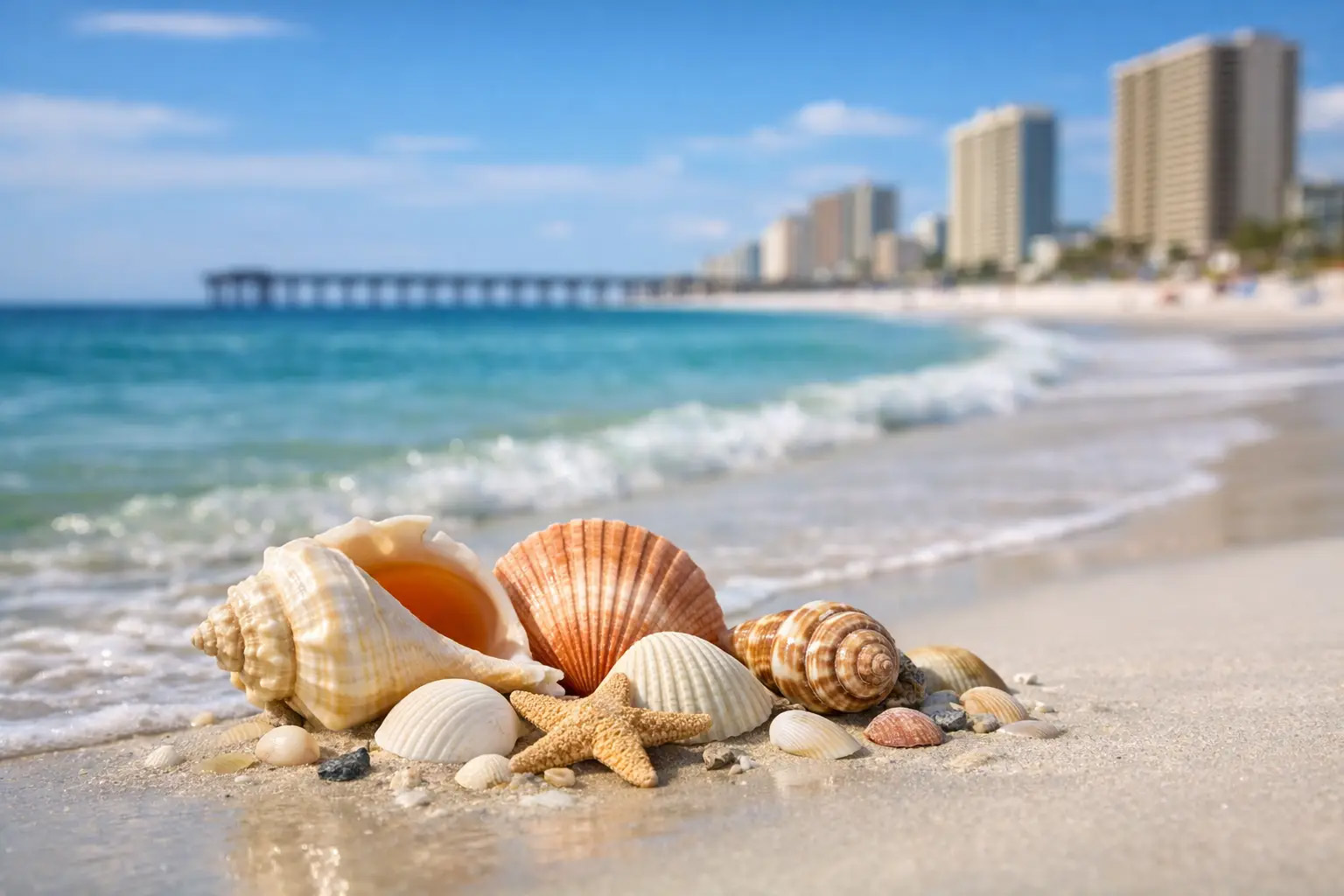
The Gulf does not put its best shells on display at noon on a crowded summer day. It delivers them after shifting tides, overnight wind, and changing surf. If you are wondering where to find the best sea shells in PCB, start with timing as much as location. A quiet walk shortly after low tide can turn an ordinary stretch of sand into a memorable family beach activity.
Panama City Beach offers miles of shoreline, but shelling conditions vary from one beach access to the next. The best plan combines a promising location, a low-tide window, patience, and respect for the beach ecosystem. A few well-chosen shells make a better keepsake than a bag filled in a hurry.
Where to Find the Best Sea Shells in PCB
St. Andrews State Park
St. Andrews State Park remains one of the strongest choices for guests who want more than a quick scan along the main beach. Its location near the eastern end of Panama City Beach brings together Gulf water, protected shoreline, and areas where currents can leave behind shell fragments and whole shells. Walk the wrack line - the natural band of seaweed, driftwood, and small debris left by the tide - rather than focusing only on dry, powdery sand.
Early morning often works best here, especially after a night of gentle surf. Look carefully near the waterline for scallop shells, coquina shells, augers, moon snails, and small whelks. Conditions change each day, so a productive area one morning may look bare the next.
The park also gives families a more structured outing. Bring water, sun protection, and shoes that handle damp sand and shell fragments. Follow all posted park rules, stay out of protected areas, and leave any shell occupied by a living creature exactly where you find it.
Shell Island
Shell Island earns its name for a reason. This undeveloped barrier island sits across St. Andrews Bay from the developed beach, and its quieter shoreline can reward visitors with a broader variety of finds. Because the island has limited services and requires a boat trip, it suits guests who want to make shelling part of a half-day adventure rather than a short walk between pool time and dinner.
Focus your search along the Gulf-facing side after low tide, then check the bayside if wind or water conditions make the Gulf side rough. The beach can hold sand dollars, scallops, whelks, and colorful fragments, though no location guarantees a full basket. Weather, seasonal currents, and recent foot traffic all affect what reaches the shore.
Plan carefully before you go. Boat schedules, water conditions, and access can change. Pack drinking water, sunscreen, a small mesh bag, and footwear. Do not remove live sand dollars, live shells, sea stars, or any other living marine life. Shell Island stays special because visitors treat it as a natural place, not a souvenir shop.
The West End and Laguna Beach Area
The west end of Panama City Beach, including the quieter stretches near Laguna Beach, can offer excellent shelling when the water settles after a storm or a period of stronger wave action. These beaches often feel less congested than the central resort corridor, which gives early risers more open shoreline to cover.
Search just after sunrise if your schedule allows. Freshly deposited shells tend to stand out before beach traffic spreads them, buries them, or carries them away. Walk slowly in a zigzag pattern between the wet sand and the wrack line. A shell that looks like a small pale stone at first glance may reveal a clean spiral or ridged edge once you pick it up.
This area works well for guests who prefer a simple, self-guided outing. You can combine a shelling walk with breakfast, a morning swim, or a relaxed day at your vacation rental. Check the tide chart before leaving. Low tide gives you more firm sand to cover and exposes areas that remain underwater later in the day.
Public Beach Accesses Away From the Busiest Blocks
You do not need a boat or a state park visit to find worthwhile shells. Many public beach accesses along Panama City Beach can produce good finds, particularly outside the most heavily traveled sections of the beach. The key is to adjust expectations. You may not find rare or perfectly intact shells, but you can still collect attractive scallops, small clams, coquinas, and distinctive fragments.
Choose an access with a broad shoreline and walk at least a few hundred yards in either direction. Concentrated shell deposits often appear in narrow patches where the tide has sorted material by size and weight. When you find one promising patch, slow down. The best shell on the beach may sit within a few feet of the first one you notice.
Time Your Shelling Walk for Better Results
Low tide gives shell hunters an advantage, but it does not work alone. The ideal conditions often arrive after modest wave action followed by calmer water. Strong storms can move shells onto shore, yet rough surf can also make the beach unsafe and scatter shells under heavy sand. Let the water settle before you search.
Morning offers another practical benefit: fewer people have walked the beach. During busy travel periods, guests who start early often find more intact shells than those who begin in the afternoon. If an early start does not fit your vacation schedule, try the hour before sunset. The lower light can make glossy or pale shells easier to spot against darker wet sand.
Avoid searching too close to the water during periods of high surf. Waves can pull adults and children off balance quickly, especially around steep drop-offs. Keep younger shell hunters within reach, and watch the Gulf as often as you watch the sand.
What to Bring - and What to Leave Behind
A small mesh bag works better than a plastic grocery bag because it lets sand fall away as you walk. A reusable container protects fragile shells once you return to your rental. Water shoes help on shell-heavy sections, while a wide-brimmed hat and drinking water make a longer search more comfortable.
Collect selectively. Choose a few shells with distinct color, shape, or personal meaning instead of taking every fragment you see. Never take a shell with an animal inside it. A live whelk, hermit crab, or other creature needs that shell far more than a visitor does. If you cannot tell whether a shell is occupied, set it down gently and move on.
Also respect posted local, park, and wildlife rules. Regulations can vary by location and can change, particularly in protected areas. Leave dunes, nesting areas, and marked habitats undisturbed. Do not dig into dune vegetation or remove natural materials from areas that prohibit collection.
Make the Hunt Part of Your Beach Stay
Shelling gives families a reason to slow down and see the beach differently. Children often enjoy sorting finds by color or shape after the walk, while couples may prefer a quiet sunrise stroll with a small collection pouch in hand. Rinse your shells with fresh water, let them dry fully, and choose a few favorites to display or use in a simple vacation memory jar.
The best shelling day rarely comes from chasing a perfect list of finds. It comes from arriving at the right stretch of shore, giving the tide time to do its work, and leaving enough behind for the next beach walk to feel just as full of possibility.
Wildlife in Panama City Beach: Watch With Care
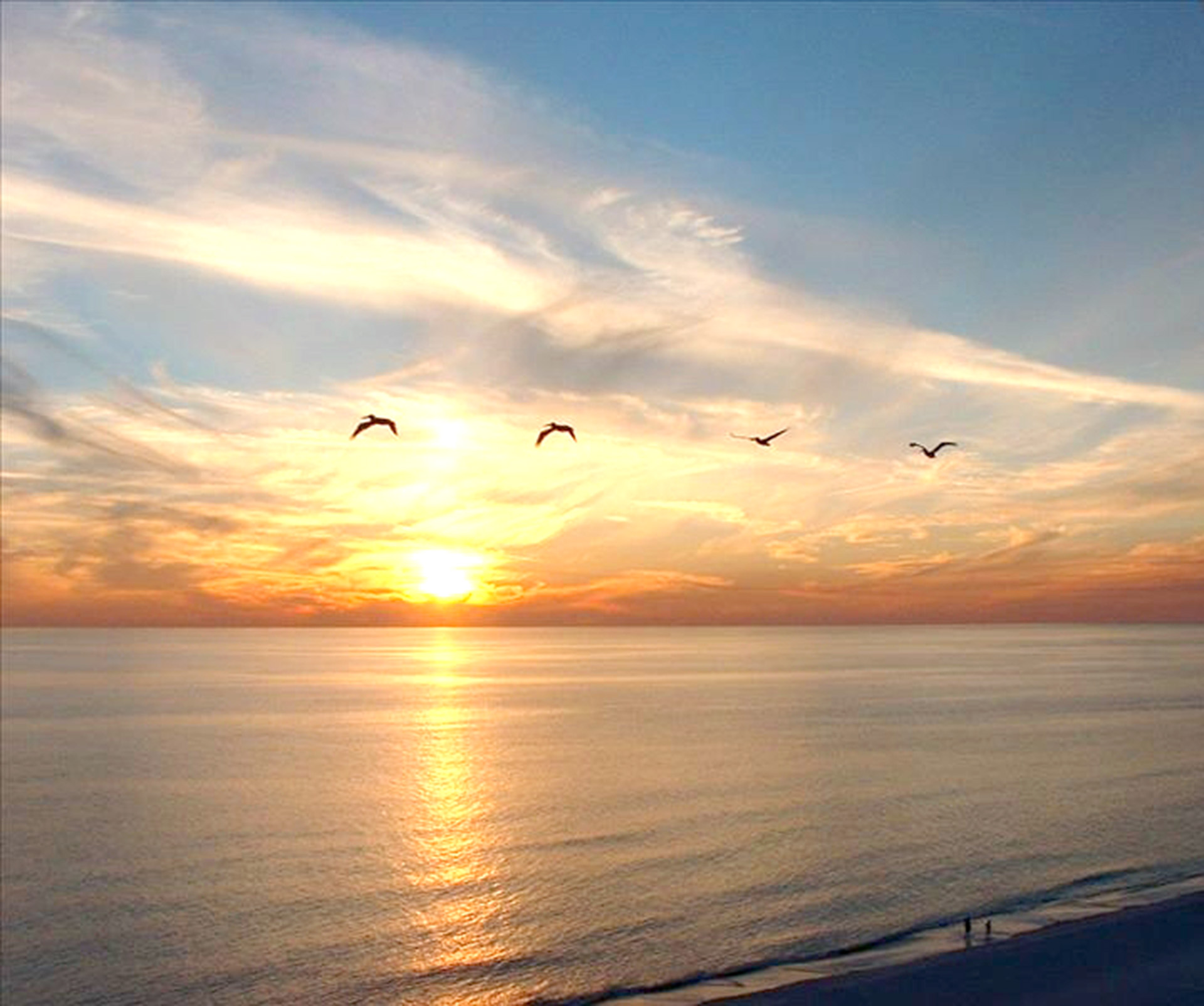
A quiet stretch of sand can look empty at sunrise, yet it may hold shorebird nests, sea turtle tracks, ghost crabs, and feeding fish just beyond the breakers. Beach wildlife forms part of what makes a Panama City Beach stay memorable, but it also depends on visitors making a few deliberate choices. The best sightings happen when people give animals room to behave naturally.
For vacation guests, responsible wildlife viewing does not require special equipment or a complicated plan. It requires awareness: notice posted protections, keep a respectful distance, manage food and trash, and leave the beach and wetlands as clean as you found them. Those habits protect animals, reduce avoidable problems, and preserve the relaxed experience families come here to enjoy.
Wildlife Shares the Beach and Wetlands
The Gulf shoreline supports far more life than many visitors see from a beach chair. Brown pelicans patrol the waterline and plunge for fish. Sanderlings race along the wet sand as waves recede. Dolphins surface just offshore, while crabs emerge after dark. During nesting season, sea turtles use suitable portions of the beach to lay eggs. You may even see deer on the beach or an occasional black bear. You can see alligators in their habitat at St. Andrews state park.
Each animal uses the our area differently. A bird resting near the dunes may be conserving energy after a long migration. A sea turtle nest may sit beneath a marked section of sand. A dolphin group may appear close to shore while feeding, but that does not make it safe or appropriate to approach them. What looks like an open public space often functions as essential habitat.
That reality calls for a simple standard: observe, do not interfere. Visitors should never touch, feed, chase, corner, pick up, or attempt to move wildlife. Even well-meant contact can cause stress, interrupt feeding, separate young animals from parents, or create unsafe behavior around people.
Sea turtles need dark, clear beaches
Sea turtle nesting draws understandable attention along the Florida coast. Adult turtles come ashore at night, and hatchlings later make their way toward the water using natural light reflected from the horizon. Artificial lighting, furniture, holes in the sand, and trash can make that trip harder.
If you see a marked nest, treat the area as protected. Do not enter it, remove markings, dig nearby, or let children play on it. Never handle a hatchling or try to direct it toward the Gulf. Contact the appropriate local wildlife authority or beach patrol if you find an injured turtle, a stranded marine animal, or hatchlings that appear disoriented.
Guests staying near the beach can also help after sunset. Close blinds when practical, switch off exterior lights that are not needed, and avoid using flashlights near dunes or marked nesting areas. If your rental provides instructions for outdoor lighting or beach equipment, follow them closely. Those details often exist to meet local requirements and protect nesting habitat.
Shorebirds need more space than they seem to
A flock of small birds may move away as you walk down the beach, then settle again a few yards farther along. Repeatedly flushing birds forces them to spend energy they need for feeding, migration, nesting, or caring for young. The concern increases when birds gather in a concentrated area near the dunes, wrack line, or shallow water.
Keep dogs only where local rules allow, and keep them leashed. Teach children to watch birds without running through a flock. Walk around roped-off areas rather than cutting across them for a shorter route. Posted signs, stakes, and symbolic fencing often identify nesting or resting areas, and they deserve the same respect as any other safety boundary.
How to Watch Beach Wildlife Responsibly
The most useful rule is distance. Use your phone camera zoom, binoculars, or a camera lens instead of moving closer for a photo. If an animal changes direction, becomes alert, vocalizes repeatedly, or moves away because of you, you are too close. Step back and let the animal return to normal behavior.
Visitors should also pay attention to the setting. Dolphins seen from the shore make an excellent observation, but swimming toward them can put people and animals at risk. Fish, rays, jellyfish, and other marine life deserve caution as well. Conditions can change quickly in the Gulf, and wildlife encounters should never override beach flags, lifeguard guidance, or weather awareness.
Food causes another common problem. Tossing snacks to gulls may feel harmless, but it changes their behavior and attracts more birds into crowded areas. Leftover food can draw raccoons and other animals near homes and vacation rentals. Keep meals in containers, dispose of scraps properly, and clean outdoor dining areas before you head inside.
And be sure to close all the windows and doors of your vacation rental when you are away. This makes sure you don't come home to find birds or wildlife snacking on your food.
For a practical day at the beach, guests should follow these four habits:
- Pack out everything you bring, including fishing line, bottle caps, food wrappers, and cigarette waste.
- Fill in holes before leaving, especially holes large enough to trap a small animal or create a hazard after dark.
- Remove chairs, tents, toys, and other beach gear as required by local rules and your rental’s instructions.
- Report injured, entangled, or stranded wildlife to local authorities instead of trying to rescue it yourself.
These actions matter because wildlife protection and guest safety often overlap. Fishing line can entangle birds and marine animals. A forgotten plastic bag can move through the water like prey. Deep holes can injure a person, a turtle, or a beach-maintenance worker. Small pieces of care add up across a busy season.
Beach Wildlife and Your Vacation Rental Stay
A well-managed vacation stay includes respecting the property as well as the coast outside it. Keep balconies, patios, and walkways free of food waste. Secure trash according to the property’s instructions, particularly overnight. Do not leave beach equipment in places where wind, tides, or local ordinances may turn it into a hazard.
If you book a beachfront or beach-access rental, ask before assuming you can use any dune crossover, private walkway, or outdoor area in a certain way. Dunes stabilize the shoreline and support plants and wildlife. Walking over them, removing vegetation, or creating informal paths damages a system that protects both habitat and nearby property.
The timing of your visit can shape what you see. Early morning often brings active shorebirds and calmer water. Evening can reveal crabs and feeding birds, though visitors should take extra care around nesting areas and keep beachfront lighting low. A patient walk at the waterline usually offers better wildlife viewing than searching for a close encounter.
Families can make the experience more meaningful by turning observation into a simple activity. Ask children to notice tracks without following them, compare different bird shapes from a distance, or watch how birds feed along the receding surf. This approach keeps the focus on curiosity rather than contact. It also gives young visitors a clear understanding of why boundaries matter.
When to Report a Wildlife Concern
Not every animal on the beach needs help. A bird resting quietly, a dolphin offshore, or a turtle nest behind protective markings should be left alone. Intervene only by reporting a real concern, such as visible injury, entanglement, harassment, a stranded marine mammal, or a dead animal in a public area.
Do not attempt to push a stranded dolphin or sea turtle back into the water. The animal may have an injury or illness that is not visible, and direct contact can harm both you and the animal. Keep people and pets back, note the location, and contact the appropriate local agency, beach patrol, or emergency resource listed for the area.
Respectful viewing leaves room for the unexpected: a pelican gliding inches above the waves, tiny tracks pressed into the morning sand, or a dolphin surfacing beyond the swimmers. Leave that space for beach wildlife, and the shoreline remains safer, cleaner, and more rewarding for the guests who arrive after you.
Sargassum at Panama City Beach: What Guests Should Know
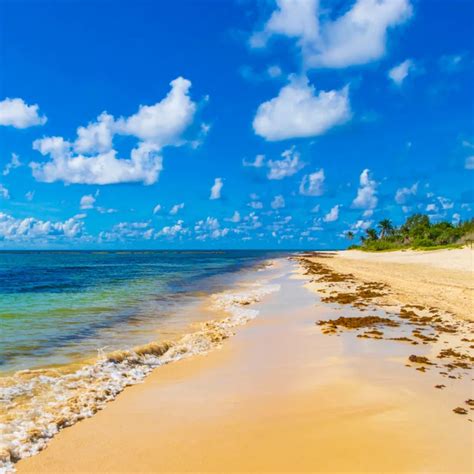
When unpredictable wind and currents push a ribbon of brown seaweed toward shore visitors to any beach destination may see Sargassum washing ashore. Sargassum may look unpleasant when it gathers along the waterline, but it does not automatically mean your Panama City Beach vacation has lost its beach days. Knowing what you are seeing, how conditions change, and how to adjust your plans helps your group make confident decisions without giving up the experiences that brought you to the coast.
What Is Sargassum?
Sargassum is a type of brown algae that floats at the ocean's surface. Unlike many seaweeds, it does not need to root itself to the seafloor. Small round air bladders keep it buoyant, allowing mats of algae to travel long distances with currents and wind.
Out in open water, sargassum plays a useful role. It creates shelter for small fish, crabs, shrimp, and other marine life. Sea turtles, birds, and larger fish also use the ecosystem around these floating mats. The issue for beach visitors begins when large amounts of it wash ashore and collect in thick lines along the sand.
Fresh sargassum often has a brown or golden color and a salty ocean scent. As it sits on the beach and breaks down, it can turn darker, retain moisture, attract insects, and produce a strong odor. That odor can make an otherwise beautiful section of shoreline less comfortable, especially for guests who want to spend long hours near the water.
In many locations such as Panama City Beach, the local government spends time and resources to remove as much of the Sargassum as possible before it becomes unpleasant.
Can Sargassum Affect Panama City Beach?
Yes, but conditions vary significantly. Panama City Beach can receive sargassum when Gulf currents, offshore conditions, and local winds align. Some days bring only scattered pieces of seaweed. Other conditions can create a more noticeable line at the shore. A beach can look different from one morning to the next, and even nearby access points may have very different conditions.
The Florida Panhandle typically sees less consistent sargassum accumulation than some South Florida, Caribbean, and Mexican Caribbean destinations. Still, no coastal destination can promise a completely seaweed-free shoreline. Seasonal ocean patterns shift from year to year, which makes old reports a poor substitute for current local conditions.
Wind direction matters. Onshore winds can move floating material toward the beach, while a change in wind may clear an area or shift seaweed along the coastline. Tides and wave action also determine whether the algae stays near the waterline, returns offshore, or spreads across a wider section of sand.
Guests should also separate sargassum from other water-quality concerns. Seaweed on the shore does not by itself signal red tide, sewage contamination, or unsafe swimming conditions. Those issues involve different causes and require separate guidance from local authorities. Check current beach flags and official notices before entering the water, regardless of whether seaweed is present.
What It Means for Your Beach Day
A light amount of sargassum rarely stops a good beach day. You may need to step over a narrow band of seaweed near the water, choose a clearer stretch of the beach, or spend more time floating, shelling, and relaxing farther up the beach. Many guests find that the water beyond the immediate shoreline remains appealing when conditions stay calm.
Heavier accumulation changes the experience. Thick mats can make entering the Gulf less pleasant, hide uneven sand beneath the water, and create a stronger smell as the algae decomposes. Waves may also push loose pieces around swimmers. Families with young children often prefer a cleaner entry point on those days, while some guests simply shift their beach time to another part of the day.
Use common sense around washed-up material. Do not let children or pets play in decomposing piles, and avoid walking through them barefoot if you cannot see what lies beneath. Sargassum can hold small marine animals, sharp shells, fishing debris, or jellyfish. If the odor bothers you or triggers coughing, headaches, or eye irritation, move farther away from the accumulation. People with asthma or other respiratory sensitivities should take extra care around decaying seaweed.
Swimming decisions should always start with the surf, flags, lightning, and official advisories. A clear-looking beach can still have dangerous rip currents, and a beach with a small amount of seaweed can still offer safe, enjoyable water conditions. Respect the flags and make conditions, not vacation expectations, the deciding factor.
How to Plan Around Changing Beach Conditions
The best approach starts with flexibility. Check local beach conditions shortly before you leave your vacation rental, especially after a period of onshore wind or rough surf. Conditions can improve quickly, so a single early-morning view should not dictate the entire day.
Choose your timing carefully. Beach crews and property teams often address visible accumulation where they can, although cleanup schedules depend on volume, weather, equipment access, local rules, and nesting-season protections. Freshly cleaned areas may also collect new seaweed later in the day. Nature does not follow a maintenance schedule.
If a particular access point has a heavy line of sargassum, consider trying another nearby stretch of beach. The coastline does not receive material evenly. A small change in location can make a meaningful difference, particularly when wind pushes seaweed into pockets along the shore.
Build one or two non-beach options into your itinerary before you arrive. Panama City Beach offers opportunities that do not depend on perfect shoreline conditions, including family attractions, fishing, shopping, dining, and time around a resort or rental pool. This does not mean you should abandon the beach at the first sign of seaweed. It means you retain control of the day when conditions do not match the postcard view.
Pack with beach conditions in mind. Water shoes help with shells and uneven ground near the surf. Bring drinking water, sunscreen, and a cover-up so you can comfortably move between the beach, pool, and nearby activities. For families, a small sand-free bag with wipes and an extra towel makes it easier to change plans without returning to the rental first.
Ask the Right Questions Before Your Stay
No vacation rental manager can control Gulf currents or guarantee daily shoreline conditions. A professional local team can, however, provide practical guidance based on what staff and guests see nearby. Before arrival, ask about the general beach access, parking expectations, and available amenities at your rental. During your stay, ask for current local insight if you have concerns about a particular area.
Keep your expectations realistic when you review weather and beach reports. A report may show sargassum in the region without indicating whether it affects the specific beach access near your accommodations. Similarly, a clear report from yesterday cannot guarantee this afternoon's conditions. Treat local information as a useful planning tool, not a guarantee.
Why Cleanup Requires Care
When seaweed piles up, the obvious response may seem simple: remove it immediately. In practice, coastal cleanup requires care. Equipment can disturb sand, remove useful organic material, damage dune vegetation, or interfere with sea turtle nesting areas. Local governments, beach managers, and property teams must balance guest comfort with coastal protection requirements.
That trade-off matters. Clean beaches support the visitor experience, but healthy dunes and protected nesting habitat support the coast itself. Responsible management aims to address significant accumulation while respecting the environmental rules that protect the shoreline over time.
Guests can help by keeping personal items out of dune areas, using designated walkovers, and leaving wildlife undisturbed. Do not move seaweed piles yourself, especially if you see tracks, nests, or animals nearby. Report unusual wildlife concerns to the appropriate local authorities instead of handling the situation directly.
A beach vacation works best when you leave room for the Gulf to set part of the schedule. If sargassum appears, check conditions, choose the clearest practical spot, and keep another enjoyable plan within reach. The water, white sand, and coastal rhythm of Panama City Beach still offer plenty of room for a memorable day.
Beach Volleyball in Panama City Beach

The first serve usually tells you everything. By 9 a.m., the sand already feels warm, the Gulf breeze starts to push the ball sideways, and players on neighboring courts settle into that mix of competition and vacation energy that defines beach volleyball in Panama City Beach. Some groups came to win points. Others just want a good rally before lunch. Both are welcome in PCB!
For visitors, that balance matters. You do not need to arrive with a full team, elite-level experience, or a tournament schedule to enjoy the sport. You need the right beach access, realistic expectations about weather and crowds, and a clear sense of what kind of game you want. Panama City Beach works well for volleyball because it supports all three - casual play, organized competition, and the kind of easy outdoor activity families can build into a beach week.
Why beach volleyball in Panama City Beach works so well
Not every beach destination gives volleyball equal footing. Some stretches of sand look great but crowd out active play. Others have sports facilities that feel disconnected from the beach itself. Panama City Beach has an advantage because the setting and the activity make sense together. Wide sand, strong visitor traffic, and a beach culture built around long days outside create the right conditions.
The Gulf breeze changes the game in a way indoor players notice immediately. A clean set in still air may drift off line here. A serve that feels controlled can sail long if the wind shifts. That is part of the appeal. Beach volleyball asks players to adjust, communicate, and stay patient. It also keeps the game interesting for beginners because nobody controls every point.
For families or groups staying nearby, volleyball also fills a useful middle ground. Swimming takes more energy and more supervision. Sitting under an umbrella all day gets old for some people by day two. A volleyball session gives everyone a reason to move, compete a little, and stay engaged without committing to a full excursion.
Where to play
The best place to play depends on whether you want convenience, open space, or a more social atmosphere. In Panama City Beach, many visitors start with courts at or near beachfront resorts and condo properties. That option makes sense when your priority is easy access. You can play for an hour, head back upstairs, then return later without loading the car or managing a full beach setup.
Public beach areas can also work well, especially when your rental does not include direct court access. The trade-off is predictability. Some areas stay busier, and court condition can vary by season, maintenance, and demand. If your trip centers on volleyball, it helps to confirm nearby court access before booking accommodations rather than assuming every beachfront stay offers it.
That is one reason location matters in vacation planning. A property close to active beach zones gives you more flexibility if volleyball sits high on your list, especially for teens, college-age travelers, or families with competitive players who will want more than one casual game during the week.
Resort-area courts vs. public setups
Resort-area courts usually offer the easiest logistics. You get nearby restrooms, quicker access to water and shade, and a more controlled environment. That matters for families and for groups who plan to play in shorter sessions around meals, pool time, or other outings.
Public setups can feel more open and social. You may run into pickup players looking for a game, and that can be a plus if your group is short a few people. The downside is that public areas may get crowded faster, especially during peak vacation periods and holiday weeks.
What kind of game to expect
A lot depends on the time of year and time of day. Spring and summer bring the highest energy, but they also bring the most traffic. Early mornings generally offer better playing conditions if you want cooler sand, less crowd pressure, and more room to warm up. Late afternoon can also be strong, although wind often becomes a bigger factor.
Midday play looks good in photos but is tougher in practice. The sun gets stronger, the sand heats up, and casual games tend to fade faster unless players rotate often and stay disciplined about hydration. Visitors who underestimate the heat usually shorten their match before the score gets very high.
Skill level varies widely, which is good news for most travelers. You will see everything from family bump-and-hit games to fast-paced doubles with experienced players. If you want a serious run, seek out courts with regular traffic and players already working through structured games. If you want a low-pressure match, quieter resort courts usually serve you better.
What to bring if volleyball is part of the trip
You do not need much, but the details matter. A good volleyball, water, sunscreen, and a towel cover the basics. If you plan to play more than once, bring sunglasses that stay in place and a hat for downtime between games. Barefoot play works for many people, but hot sand changes that fast. Sand socks or a plan to play during cooler hours can make a real difference.
For visitors flying in or packing light, this is another case where your lodging setup matters. If your property includes easy beach access and room for gear, you are more likely to play consistently. If every game requires a long walk, crowded parking, or hauling equipment across a packed beach, the plan usually shrinks after day one.
A few practical realities
Wind affects every level of player. Strong sun wears people down faster than they expect. Soft sand rewards conditioning and exposes bad footwork. None of that should discourage you, but all of it should shape your plan. Shorter games often beat one long session, especially for mixed-age groups.
If kids want to join, set expectations early. Rally-based games and simple serving contests usually hold attention longer than strict scoring. Adults often have more fun that way too.
Tournaments, pickup games, and social play
Beach volleyball in Panama City Beach is not limited to private family matches. Depending on the season, visitors may find organized events, informal pickup games, and competitive play that draws strong local and traveling talent. That variety gives the area staying power. You can come one year for a casual beach week and come back later ready to test yourself against better competition.
If you want a pickup game, your best approach is simple - show up at active courts at reasonable playing hours, bring a ball if you have one, and be direct. Most beach players respond well to clear communication. Ask whether anyone needs two more. Ask what format they are running. If the game looks advanced and your group is casual, do not force the fit. Another court or another time usually solves the issue.
Choosing the right stay if volleyball matters
Most travelers book around views, bedroom count, and proximity to the water. Those are smart priorities. Still, if volleyball ranks high on your list, look closer at the immediate beach setup around the property. Distance to playable sand, nearby public access, and court availability will affect your daily vacation routine.
A well-placed rental can turn volleyball into an easy part of the day instead of a planned outing. That difference matters on a short trip. Emerald Beach Properties serves guests who want that kind of location-based advantage - not just a place to sleep, but a stay that fits how they actually use the beach.
When it may not be the right fit
Volleyball is not for every beach day. Red flag surf conditions, extreme heat, thunderstorms, and crowded holiday beaches can all push the sport down the list. That is normal. The smart move is to treat volleyball as a flexible part of the trip, not a rigid itinerary item.
If your group includes very young children, older adults with mobility concerns, or travelers who simply do not enjoy competitive activities, a full volleyball-centered plan may miss the mark. In those cases, a quick family game near your vacation rental often works better than chasing court time or pickup play.
The best trips usually leave room for both. Play when conditions are good. Skip it when they are not. That approach keeps the beach fun instead of turning recreation into a schedule.
A good volleyball day here does not require perfect sand, perfect weather, or perfect players. It requires the right setting, a little flexibility, and a place to stay that puts the beach within easy reach.
How to Build a PCB Sandcastle That Lasts
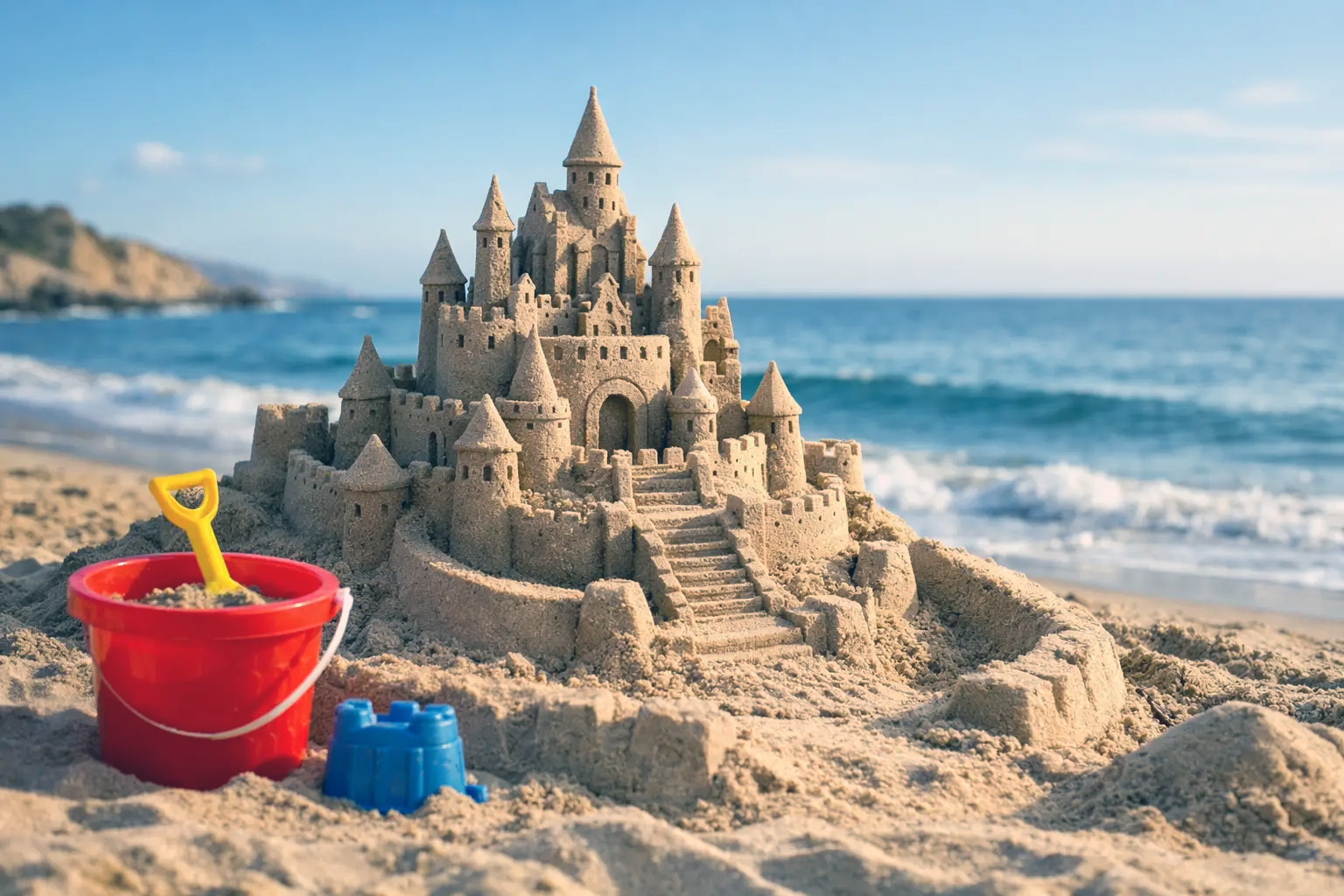
Emerald Beach Properties can help you find your perfect "sandcastle" in Panama City Beach, FL. Our vacation rentals are either beachfront or just a short walk to the beach so you can head on down and build a real sandcastle to make some amazing beach memories. Here are some tips for building that amazing sandcastle that will last!
A good sandcastle usually fails for one simple reason: the sand is too dry, the water is too far away, or the builder starts decorating before the base is stable. If you want to know how to build a sandcastle that actually stands up for more than a photo, the process matters more than the bucket size.
On beaches like Panama City Beach, where families can spend hours near the shoreline, sandcastle building is part activity, part engineering and a lot of creativity. The best results come from choosing the right spot, getting the sand-to-water mix right, and building in stages. Fancy tools can help, but they are not the deciding factor.
## How to build a sandcastle with a strong base
Start close enough to the water that you can carry wet sand without turning the job into a chore, but not so close that the next incoming wave takes out your work. Mid-beach is usually the safest choice. You want sand that is easy to wet and compact, with enough moisture to hold together when squeezed in your hand.
The base is where most castles are won or lost. A wide, packed foundation supports towers, walls, and carved details. If the bottom shifts or dries too fast, everything above it becomes fragile.
Begin by marking out a large circle, square, or mound. Then pile wet sand higher than you think you need. Compact each layer with your hands, feet, or the flat bottom of a bucket. Press firmly. Loose sand traps air, and air pockets lead to collapses.
A common mistake is pouring on water after the shape is already built. That can wash away edges and weaken the structure. It is better to mix water into the sand as you build, aiming for sand that packs densely without becoming soupy. If it slumps like mud, it is too wet. If it crumbles at the edges, it needs more water.
## The right sand-to-water mix
There is no perfect ratio that works in every condition because beach sand changes from one stretch of shoreline to another. With the soft, sugar white sands of Panama City Beach, the rule is simple: use more water than most people expect, then compact the sand thoroughly.
Wet sand holds together because a thin film of water forms bonds between sand grains. That is why dripping-wet sand can be easier to stack than damp, barely moistened sand. The trade-off is control. If the mixture is saturated, you need to let it settle before shaping it.
An easy field test works well. Grab a handful and squeeze. If it forms a firm clump and keeps its shape when turned out into your palm, it is ready. If it breaks apart, add water. If water runs out between your fingers, add more sand.
For families building with children, this is the stage worth slowing down for. Once the mix is right, the rest gets easier and more fun.
## Build upward in layers, not all at once
Tall towers look impressive, but height should come after stability. The strongest sandcastles are built from the bottom up in compacted sections. You can use buckets, cups, or simple hand-stacking methods.
If you are using buckets, fill them with very wet sand, tap the sides lightly, then invert them onto the base. Leave the bucket in place for a moment before lifting it straight up. Twisting usually damages the shape. For larger towers, stack the biggest forms first, then add smaller ones around and above them.
This is where patience pays off. Every new section should sit on fully compacted sand, not on loose decoration or uneven ridges. If a lower tier shifts even slightly, the upper portion may crack later, even if it looks fine at first.
For a classic castle shape, build one large central mound and place smaller towers around it. Connect them with thick walls instead of thin lines of sand. Thick walls are more forgiving, especially on warm afternoons when the surface starts drying quickly.
## Simple tools help, but technique matters more
You do not need a full sculpting kit to get good results. A bucket, a small shovel, and your hands are enough for a solid build. A few items can improve detail work, though. A plastic knife can cut clean edges. A plastic spoon can scoop windows and arches. A straw or small stick can define lines and drainage channels. Please don't take the kitchen utensils from your vacation rental to the beach to use for sandcastle building since you'll need them later for having breakfast, lunch or dinner. Pick up some disposable plastic utensils when you go out to eat for sandcastle building tools.
What matters most is how you use the tools. Cut downward with clean, controlled motions. Scraping too aggressively pulls grains loose and roughens the surface. When carving towers, start at the top and work down. That keeps falling sand from ruining finished details below.
Water is also a tool. Keep a small bucket nearby and use your hand to drip or pat moisture onto areas that begin drying out before you finish shaping them. A light touch works better than pouring.
## Carving details without collapsing the structure
The safest time to add detail is after the main structure is built and compacted. Do not rush into doors, battlements, and bridges while the base is still soft. At that stage, detail work often becomes accidental demolition.
Start with shallow cuts. Deep carving removes support, especially on narrow towers. If you want windows or arches, make them smaller than your first instinct. Sand can suggest detail without full cut-through openings. A shallow doorway often looks better and lasts longer than a tunnel.
For battlements, press evenly spaced notches into the top edge of a tower with a spoon or knife. For stone-like texture, stipple the surface lightly with fingertips. For a moat, dig it wide enough to be visible but far enough from the base that it does not undercut your walls.
This is one of those areas where it depends on conditions. On a cool, humid day, fine detail can hold well. Under strong sun and wind, simpler lines usually survive longer.
## Protecting your sandcastle from common problems
Even a well-built sandcastle is temporary, but a few decisions can extend its life. The first is placement. Avoid low spots where runoff or rising tide will reach the structure. Before you build, take a minute to watch the waterline. Beaches can change quickly, and a spot that looks safe at one moment may not stay safe.
The second is thickness. Thin walls, tall narrow towers, and deep undercuts fail first. If you are building with kids, thicker shapes are not just easier, they are more successful. The castle may look less delicate, but it will usually last longer and photograph better.
The third is moisture management. Drying out is often a bigger threat than waves. If the outer layer gets brittle, a small touch can crack the surface. Lightly re-wet exposed areas as needed, especially on hot afternoons.
Foot traffic is the final issue. Build far enough from walkways, chairs, and active game areas that your project is not in the path of a football, cooler, or distracted beach walker.
## How to build a sandcastle with kids
When children are involved, the best approach is to simplify the goal and make the process visible. Instead of aiming for a highly carved castle, focus on one large mound, a few towers, and a moat. That creates quick wins and keeps attention from fading before the structure takes shape.
Give younger kids jobs that match the build sequence. Carrying water, filling buckets, packing sand, and [placing shells](https://emeraldbeachproperties.com/blog/shelling-modern-day-treasure-hunting/) are useful tasks. Older kids usually enjoy carving and design choices once the structure is stable.
It also helps to set expectations early. A beach build is not permanent, and that is part of the appeal. The point is to make something impressive, enjoy the process, and get the picture before nature edits the work.
For families staying on or near the Gulf, sandcastle time can become the easiest part of the day to organize. It does not require reservations, screens, or much equipment. Just a little planning and a willingness to build the base correctly.
## A better sandcastle result with less frustration
The difference between a collapsing pile of sand and a satisfying castle is usually not talent. It is location, moisture, compaction, and sequence. Build where the sand is workable, make the base wider than you think necessary, pack every layer, and save detail work for the end.
That approach is practical, repeatable, and forgiving enough for a family beach day. If your first version leans a little or loses a tower, adjust the mix and rebuild. Sand rewards patience more than speed, and that is part of what makes the finished castle worth the effort.
And don't forget to make that photo of your masterpiece before you go in from the beach. It may not be there when you come back!
Why is PCB Sand So White?
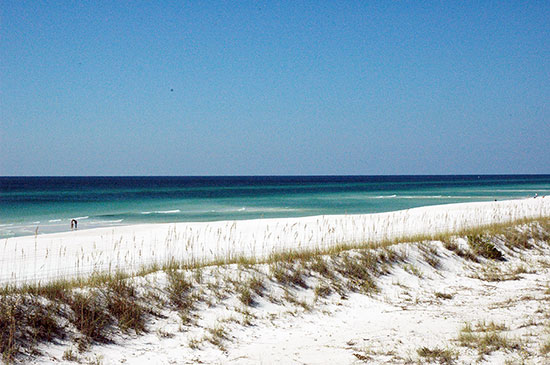
Why is the sand so white on Panama City Beach in the Florida Panhandle?
The sand along the North Florida Coast in Panama City Beach, Florida is among the whitest, cleanest and softest in the world! What you might not know, is that when you walk on the beaches in PCB, you are actually walking on the Appalachian Mountains.
The sand is made up mainly of 99% pure silica quartz washed down from the mountains by the Apalachicola River. The quartz is ground to a perfect oval in each grain of sand. It is so fine in texture, it literally “squeaks” under your toes as you walk!
Normally, such quartz has a rosy pink tint because of its oxide coating but, the sugary-white quartz lost its coating somewhere along the watery journey to the South thousands of years ago.
Visitors rave about it, and people call it the “sugar-white beaches” of Northwest Florida. The sand accumulated creating sand bars along the river bends and streams on its long journey all the way down south to the edges of the emerald waters of the Gulf of Mexico.
The white sand keeps our beaches from heating up in the Summer, unlike other beaches with darker and coarser sand.
The Sugar White Sand is the perfect complement to the Emerald Green Waters of the Gulf of Mexico.
Emerald Beach Properties has the perfect PCB, Florida vacation rental for you. See them all at www.EmeraldBeachProperties.com. Save big when you book on our website. Give us a call at (850) 234-0997 with any questions you may have.
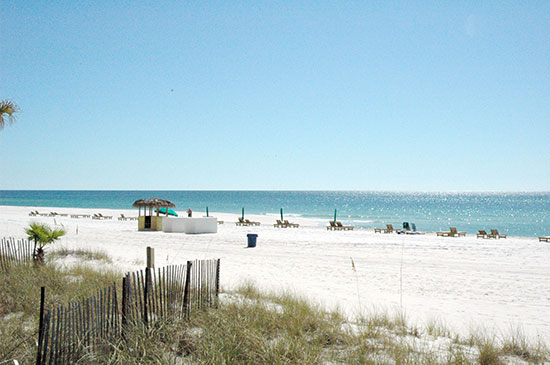
Soft White Sand and Emerald Waters in Panama City Beach, Florida