
Wildlife in Panama City Beach: Watch With Care
A quiet stretch of sand can look empty at sunrise, yet it may hold shorebird nests, sea turtle tracks, ghost crabs, and feeding fish just beyond the breakers. Beach wildlife forms part of what makes a Panama City Beach stay memorable, but it also depends on visitors making a few deliberate choices. The best sightings happen when people give animals room to behave naturally.
For vacation guests, responsible wildlife viewing does not require special equipment or a complicated plan. It requires awareness: notice posted protections, keep a respectful distance, manage food and trash, and leave the beach and wetlands as clean as you found them. Those habits protect animals, reduce avoidable problems, and preserve the relaxed experience families come here to enjoy.
Wildlife Shares the Beach and Wetlands
The Gulf shoreline supports far more life than many visitors see from a beach chair. Brown pelicans patrol the waterline and plunge for fish. Sanderlings race along the wet sand as waves recede. Dolphins surface just offshore, while crabs emerge after dark. During nesting season, sea turtles use suitable portions of the beach to lay eggs. You may even see deer on the beach or an occasional black bear. You can see alligators in their habitat at St. Andrews state park.
Each animal uses the our area differently. A bird resting near the dunes may be conserving energy after a long migration. A sea turtle nest may sit beneath a marked section of sand. A dolphin group may appear close to shore while feeding, but that does not make it safe or appropriate to approach them. What looks like an open public space often functions as essential habitat.
That reality calls for a simple standard: observe, do not interfere. Visitors should never touch, feed, chase, corner, pick up, or attempt to move wildlife. Even well-meant contact can cause stress, interrupt feeding, separate young animals from parents, or create unsafe behavior around people.
Sea turtles need dark, clear beaches
Sea turtle nesting draws understandable attention along the Florida coast. Adult turtles come ashore at night, and hatchlings later make their way toward the water using natural light reflected from the horizon. Artificial lighting, furniture, holes in the sand, and trash can make that trip harder.
If you see a marked nest, treat the area as protected. Do not enter it, remove markings, dig nearby, or let children play on it. Never handle a hatchling or try to direct it toward the Gulf. Contact the appropriate local wildlife authority or beach patrol if you find an injured turtle, a stranded marine animal, or hatchlings that appear disoriented.
Guests staying near the beach can also help after sunset. Close blinds when practical, switch off exterior lights that are not needed, and avoid using flashlights near dunes or marked nesting areas. If your rental provides instructions for outdoor lighting or beach equipment, follow them closely. Those details often exist to meet local requirements and protect nesting habitat.
Shorebirds need more space than they seem to
A flock of small birds may move away as you walk down the beach, then settle again a few yards farther along. Repeatedly flushing birds forces them to spend energy they need for feeding, migration, nesting, or caring for young. The concern increases when birds gather in a concentrated area near the dunes, wrack line, or shallow water.
Keep dogs only where local rules allow, and keep them leashed. Teach children to watch birds without running through a flock. Walk around roped-off areas rather than cutting across them for a shorter route. Posted signs, stakes, and symbolic fencing often identify nesting or resting areas, and they deserve the same respect as any other safety boundary.
How to Watch Beach Wildlife Responsibly
The most useful rule is distance. Use your phone camera zoom, binoculars, or a camera lens instead of moving closer for a photo. If an animal changes direction, becomes alert, vocalizes repeatedly, or moves away because of you, you are too close. Step back and let the animal return to normal behavior.
Visitors should also pay attention to the setting. Dolphins seen from the shore make an excellent observation, but swimming toward them can put people and animals at risk. Fish, rays, jellyfish, and other marine life deserve caution as well. Conditions can change quickly in the Gulf, and wildlife encounters should never override beach flags, lifeguard guidance, or weather awareness.
Food causes another common problem. Tossing snacks to gulls may feel harmless, but it changes their behavior and attracts more birds into crowded areas. Leftover food can draw raccoons and other animals near homes and vacation rentals. Keep meals in containers, dispose of scraps properly, and clean outdoor dining areas before you head inside.
And be sure to close all the windows and doors of your vacation rental when you are away. This makes sure you don't come home to find birds or wildlife snacking on your food.
For a practical day at the beach, guests should follow these four habits:
- Pack out everything you bring, including fishing line, bottle caps, food wrappers, and cigarette waste.
- Fill in holes before leaving, especially holes large enough to trap a small animal or create a hazard after dark.
- Remove chairs, tents, toys, and other beach gear as required by local rules and your rental’s instructions.
- Report injured, entangled, or stranded wildlife to local authorities instead of trying to rescue it yourself.
These actions matter because wildlife protection and guest safety often overlap. Fishing line can entangle birds and marine animals. A forgotten plastic bag can move through the water like prey. Deep holes can injure a person, a turtle, or a beach-maintenance worker. Small pieces of care add up across a busy season.
Beach Wildlife and Your Vacation Rental Stay
A well-managed vacation stay includes respecting the property as well as the coast outside it. Keep balconies, patios, and walkways free of food waste. Secure trash according to the property’s instructions, particularly overnight. Do not leave beach equipment in places where wind, tides, or local ordinances may turn it into a hazard.
If you book a beachfront or beach-access rental, ask before assuming you can use any dune crossover, private walkway, or outdoor area in a certain way. Dunes stabilize the shoreline and support plants and wildlife. Walking over them, removing vegetation, or creating informal paths damages a system that protects both habitat and nearby property.
The timing of your visit can shape what you see. Early morning often brings active shorebirds and calmer water. Evening can reveal crabs and feeding birds, though visitors should take extra care around nesting areas and keep beachfront lighting low. A patient walk at the waterline usually offers better wildlife viewing than searching for a close encounter.
Families can make the experience more meaningful by turning observation into a simple activity. Ask children to notice tracks without following them, compare different bird shapes from a distance, or watch how birds feed along the receding surf. This approach keeps the focus on curiosity rather than contact. It also gives young visitors a clear understanding of why boundaries matter.
When to Report a Wildlife Concern
Not every animal on the beach needs help. A bird resting quietly, a dolphin offshore, or a turtle nest behind protective markings should be left alone. Intervene only by reporting a real concern, such as visible injury, entanglement, harassment, a stranded marine mammal, or a dead animal in a public area.
Do not attempt to push a stranded dolphin or sea turtle back into the water. The animal may have an injury or illness that is not visible, and direct contact can harm both you and the animal. Keep people and pets back, note the location, and contact the appropriate local agency, beach patrol, or emergency resource listed for the area.
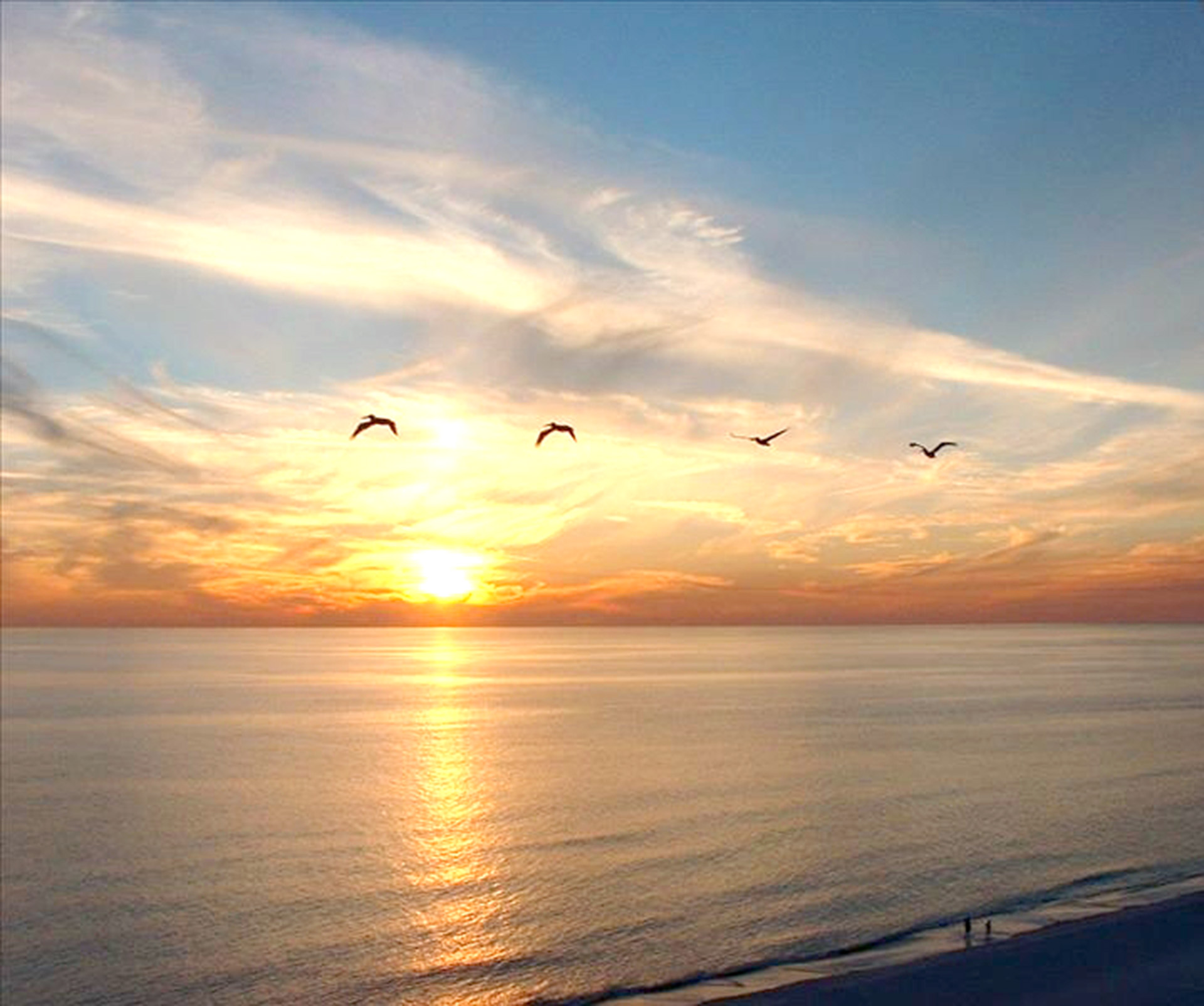
Respectful viewing leaves room for the unexpected: a pelican gliding inches above the waves, tiny tracks pressed into the morning sand, or a dolphin surfacing beyond the swimmers. Leave that space for beach wildlife, and the shoreline remains safer, cleaner, and more rewarding for the guests who arrive after you.
Posted on 07/20/2026 in Beachfront, Emerald Beach Properties, Fun Things To Do in PCB, Panama City Beach, Safety While on Vacation, Vacation Rentals # Beach, Beach Safety, Panama City Beach, Sand, Sea Turtles, Wildlife