


Recently Viewed
Favorites

Panama City Beach

August 18, 2026

Snowbird Rentals in Panama City Beach Made Simple

A Panama City Beach winter can start with coffee on a quiet balcony, a walk along a calm shoreline, and temperatures that feel far kinder than those back home. But, snowbird rentals in Panama City Beach require more planning than a standard weeklong vacation. The right property needs to work as a home base for weeks or months, not simply a place to sleep between beach days.

A successful extended stay comes down to the right area, the right building rules, a realistic budget, and a rental team that communicates clearly. Start early, ask direct questions, and focus on the details that affect daily living.

Why Panama City Beach Works for Winter Stays

Many winter guests come to the Gulf Coast for mild weather, open beaches, and a slower seasonal pace. Panama City Beach offers all three, along with grocery stores, medical care, restaurants, walking opportunities, and easy access to everyday services. The area stays active enough to feel convenient while avoiding much of the spring and summer traffic.

Location changes the experience. A beachfront condo places the water at your doorstep and gives you a front-row view of changing Gulf conditions. A property near the east end may suit guests who want quick access to St. Andrews State Park, marinas, and local restaurants. Guests who prefer central beach access, shopping, and a wider range of dining options may look closer to the middle of the beach.

There is no universally best section of Panama City Beach. It depends on whether you value quiet evenings, walkable amenities, direct beach access, or room to spread out. Decide what your normal Tuesday should look like, not just what you want to do on your first sunny afternoon.

What to Look for in Snowbird Rentals in Panama City Beach

For an extended stay, a rental should support routines. The view matters, but so do the kitchen layout, mattress quality, parking arrangement, laundry access, internet service, and elevator reliability. A beautiful unit can still frustrate a guest if the practical details do not fall in line.

Start with the property type. Condos often provide beachfront locations, pools, fitness rooms, and controlled building access. They can also involve elevators, shared parking, and association rules. Townhomes and homes may offer more privacy, extra storage, private outdoor space, and easier access for guests bringing a pet, although availability and amenity packages vary by property.

Before reserving, confirm these core details:

  • The minimum-stay requirement and exact arrival and departure dates
  • Whether the quoted rate includes utilities, internet, parking, and required fees
  • Bedroom and bathroom layouts, including stairs and walk-in shower availability
  • Pet rules, weight limits, fees, and any applicable restrictions
  • Building policies for parking passes, guests, pools, grills, and beach access

These questions prevent avoidable surprises. They also help you compare two rentals fairly. A lower monthly rate may not represent the lower total cost if it excludes utilities, parking, or required administrative fees.

Prioritize a Kitchen You Will Actually Use

Long-term guests often cook more than they expect. Look beyond stainless appliances and consider counter space, pantry storage, cookware, seating, and the size of the refrigerator. If you plan to host visiting family or prepare holiday meals, a cramped kitchen may become a daily inconvenience.

Ask about nearby grocery stores and whether the unit includes enough cabinet space for a longer stay. A washer and dryer inside the property also makes a meaningful difference when you stay for several weeks.

Treat Internet Access as a Basic Need

Reliable internet supports video calls, streaming, online banking, travel planning, and remote work. If you need to work during your stay, ask for clear information about internet availability rather than assuming every property meets your needs. Also consider the workspace itself. A small dining table may work for occasional email, while a longer work schedule calls for a more comfortable setup.

Timing Your Winter Reservation

The strongest selection for winter stays often disappears well before the season begins. Many returning snowbirds reserve similar dates year after year, especially for January through March. If you want a specific building, a Gulf-front view, or a multi-month stay, begin your search early.

Flexibility can improve your options. An arrival in late fall or an early-January start may open different inventory than a stay that begins precisely at the start of the new year. The same applies to departure dates. A guest who can leave in early April may find more choices than one who requires a fixed end date during a high-demand period.

Do not rush into a reservation solely because the calendar looks full. Review the rental terms carefully and confirm what the rate covers. A professionally managed reservation should provide a clear record of dates, payment schedule, occupancy requirements, cancellation terms, and property rules.

Budget for the Full Length of Stay

Monthly rates often make extended stays more appealing than nightly bookings, but the advertised rental amount tells only part of the story. Plan for lodging costs along with cleaning, taxes, damage protection or deposits when applicable, utilities, parking, pet fees, groceries, and local activities.

Utility arrangements deserve particular attention. Some properties include a set utility allowance, while others charge separately or place limits on certain services. Heating and cooling habits, electric vehicle charging, and extended indoor use can affect costs. Ask how the property handles utilities before you commit, then keep copies of the rental agreement and payment confirmations.

A longer stay also rewards practical spending. Bringing favorite small kitchen items, a comfortable reading lamp, or a familiar throw can make a rental feel more personal without over packing. At the same time, confirm what the property already supplies. Most vacation rentals provide starter items rather than a full season's worth of paper goods, soap, or pantry staples.

Choose a Rental Team That Communicates Clearly

When you stay for two months instead of four nights, responsive management matters. Questions can arise about maintenance, parking, building access, package delivery, weather conditions, or a household item that stops working. You need clear instructions before arrival and a direct process for reporting concerns during your stay.

Look for accurate property descriptions, current photos, clear rental terms, and communication that answers the question you asked. A management company should explain the property rules without burying important details in vague language. That level of organization protects both guests and property owners.

Emerald Beach Properties focuses on vacation rental stays in the Panama City Beach market, where building policies and property features can vary significantly from one location to another. Confirming details before booking helps the team match your stay to the right property rather than simply the first available unit.

Make the First Week Count

Once you arrive, take time to learn the property and the surrounding area. Locate trash collection points, mail or package procedures, pool access information, emergency exits, and the closest grocery store. If the rental includes a parking pass or gate code, keep it where you can access it easily without leaving it visible in your vehicle.

Walk the beach at different times of day. Winter weather can shift quickly along the Gulf, and the most pleasant time for a morning walk may differ from the best time to sit outdoors. Explore nearby restaurants gradually instead of trying to fill every day. The advantage of a snowbird stay is that you have time.

A well-chosen winter rental gives you more than an escape from cold weather. It gives you a comfortable place to settle into the rhythm of the coast, make ordinary days feel lighter, and leave Panama City Beach with plans to return.

August 17, 2026

What to Bring When Staying in a Vacation Rental

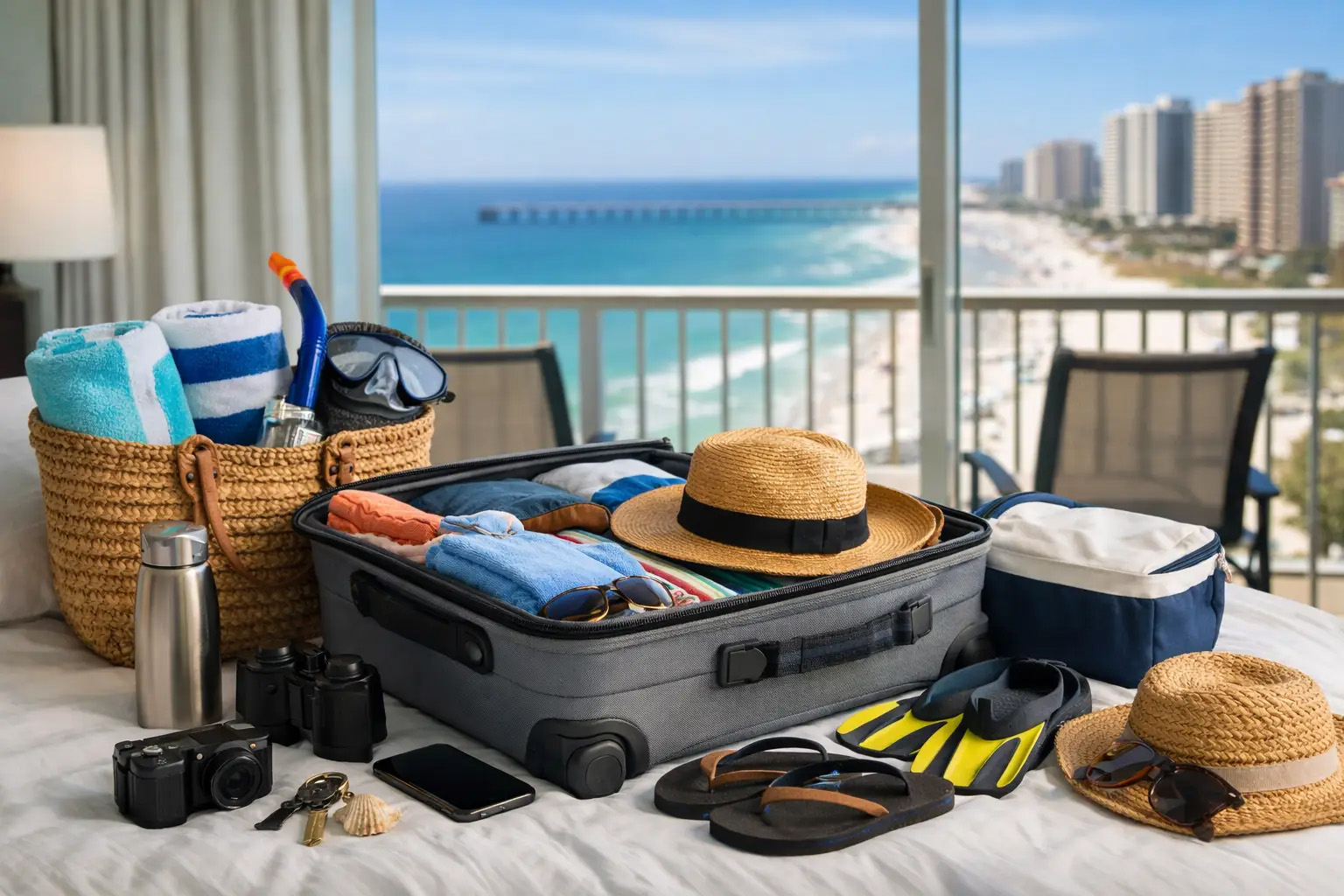
A vacation rental gives you more room to settle in than a hotel room, but you need to read carefully and ask questions to be sure you know what's included. Knowing what to bring when staying in a vacation rental starts with one rule: read the property listing, rental agreement, and pre-arrival instructions before you pack. Each home has its own setup, from the kitchen equipment and linens to parking rules, beach access, and amenity policies.

At Emerald Beach Properties, we want guests to arrive ready to enjoy the beach, not spend their first evening replacing an overlooked essential. Use this guide to pack for the home you reserved, the people traveling with you, and the activities you actually plan to enjoy.

Start With the Property Details

Do not assume every vacation rental has the same equipment. Most vacation rentals provide starter quantities of paper products, dish soap, trash bags, toiletries, laundry detergent, and coffee supplies. Starter quantities help you settle in, but they probably won't cover a full week for a family or group.

Check the listing for what the home includes. Confirm whether it supplies bed linens, bath towels, beach towels, kitchen equipment, a washer and dryer, a grill, a coffee maker, etc. If the listing identifies a coffee maker, check the type. A standard drip machine, single-serve brewer, and espresso machine require different supplies.

Also review the check-in message closely. It will tell you how to access the home, where to park, what codes or passes you need, and whom to contact if you have a question. Save that information on your phone before you travel. Cell service can vary in parking garages, elevators, and unfamiliar areas.

Be sure you understand how your registration fee/parking passes will be paid for before you leave home. Many condo complexes require guests to pay these amounts directly to the association so, they may not be included in the total price of your reservation. Understanding how the property you have chosen works will help avoid surprises at check in.

Pack the Basics You Will Need Right Away

The first few hours after arrival often expose packing gaps. A small carry-on bag or easily accessible tote can prevent a late-night store run after a long drive or flight. Keep medications, travel documents, chargers, sunglasses, and a change of clothes where you can reach them without unpacking everything.

Bring enough prescription medication for the full stay, plus a few extra days if your travel schedule changes. Include basic over-the-counter items your household uses, such as pain relievers, allergy medicine, motion sickness medicine, bandages, and insect bite treatment. Parents should also pack children’s medication in the original container and keep it with them rather than in a checked bag.

For a beach vacation, add sunscreen, aloe gel, reusable water bottles, hats, sunglasses, and a light cover-up. Panama City Beach sunshine feels warm and wonderful until several hours on the sand turn into a sunburn. Reapply sunscreen throughout the day, especially after swimming.

Bring Household Supplies for Your Group’s Length of Stay

A rental home functions more like a temporary home than a hotel. The larger your group and the longer your stay, the more household supplies you will use. A couple staying for a weekend may need very little beyond the starter set. A family of six staying for a week should plan to bring or purchase additional everyday items.

Consider adding these supplies to your packing plan:

  • Extra toilet paper, paper towels, trash bags, and disinfecting wipes
  • Laundry detergent, dryer sheets, and stain treatment for longer stays
  • Dishwashing pods or liquid, a sponge, and food-storage bags or containers
  • Coffee, filters if needed, creamer, snacks, and bottled water
  • A small first-aid kit and cleaning supplies for quick spills or messes

You do not need to arrive with a trunk full of supplies. Buy perishables and larger items after you arrive if that better suits your travel plans. The goal is simple: avoid running out of essentials halfway through the trip.

Plan the Kitchen Before You Shop

Vacation rental kitchens make it easier to feed a family, accommodate dietary needs, and avoid paying for every meal out. Still, kitchen equipment varies by property. A home may have plates, glasses, cookware, and basic utensils, while specialty items such as a slow cooker, blender, griddle, sharp chef’s knife, or large serving platters may not be available. When in doubt ask! And if something is missing, call the property manager right away so they can provide the items you may be missing.

If cooking matters to your trip, plan your first grocery run around a few easy meals. Breakfast items, sandwich supplies, fruit, simple pasta ingredients, and grill-friendly food reduce decision-making after travel. Bring specialty ingredients that a local grocery store may not stock, especially if you follow a specific diet.

Do not pack your entire kitchen. Instead, bring only items that serve a clear purpose, such as a preferred travel mug, reusable lunch containers for beach days, or a child’s familiar cup. Check the home rules before you use an outdoor grill, and clean up promptly after cooking. Good care helps protect the property for the next guest.

Pack for the Beach, Not Just the Weather

Beach trips require more than swimsuits. Sand, saltwater, heat, afternoon showers, and strong coastal breezes can make a well-packed beach bag feel essential. Pack light, quick-drying clothing and at least one layer for air-conditioned restaurants, cooler evenings, or rainy periods.

Your beach setup may include chairs, umbrellas, toys, coolers, and wagons, but confirm what the rental provides before you haul bulky items across the state. Some properties include beach equipment, while others do not. If you plan to rent gear locally, reserve it early during busy travel periods.

A practical beach bag should hold sunscreen, water, towels, snacks, a waterproof phone pouch, and a small bag for wet swimsuits. Bring footwear that works for more than sand. Flip-flops suit the shoreline, but supportive shoes help with walking, attractions, and evening plans.

Do Not Forget Documents, Technology, and Access Items

Vacation rentals often rely on digital access systems, gate codes, parking passes, and mobile check-in instructions. Keep your confirmation details, property address, check-in time, and management contact information accessible offline. A portable power bank gives you extra protection when your phone handles maps, entry codes, restaurant plans, and family communication.

If you work remotely during your stay, bring the equipment you need to work reliably: your laptop, charging cable, headphones, and any adapter or external device you use every day. Do not assume a rental’s Wi-Fi setup matches the needs of video calls or large file transfers. Check the listing details in advance and make a backup plan if your work schedule allows little flexibility. Most wireless plans today have the ability to hot spot to help when wi-fi is not available or not fast enough.

For families, consider a door alarm, baby monitor, outlet covers, or other portable child-safety equipment you use at home. Vacation rentals welcome families, but each home has a different layout. A quick walk-through after arrival helps you identify balconies, stairs, pools, and storage areas that need extra attention.

Match Your Packing List to Your Travel Style

There is no universal answer to what to bring to every rental. A two-night couples trip calls for a different plan than a multigenerational beach week. Guests traveling with infants may need a portable crib, stroller, high chair attachment, and familiar sleep items. Guests bringing pets should review pet policies first and pack food, medications, waste bags, bedding, and a leash.

Groups should also coordinate before departure. One person can bring games, another can handle beach gear, and another can purchase groceries. That approach avoids five bags of chips and no coffee filters. It also leaves more room in the car for the things that make the trip comfortable.

Before you lock the door at home, take one final look at the rental instructions and your weather forecast. Pack for the home you booked, protect the things your group needs every day, and leave room for a little spontaneity. The best vacation rental packing list does not fill every inch of a suitcase. It gives you the freedom to arrive prepared and spend more time enjoying the coast.

August 15, 2026

How to Find Family Beach Rentals That Works

A beach rental can look perfect in photos and still have avoidable issues for a family. A fifth-floor condo without a working elevator, a long walk across busy roads, or bedrooms that do not match the listing description can change the entire trip. Knowing how to find family beach rentals means looking beyond the view and confirming the details that matter ahead of time with your chosen vacation rental management provider.

The right property gives your group room to rest, a practical route to the sand, and clear expectations before you arrive. Start with the needs that will affect your family at 8 a.m., not just the amenities that sound good while you browse.

Start With Your Family’s Non-Negotiables

Before comparing properties, define what your group actually needs. Families often search by bedroom count alone, then discover that the sleeping layout does not work. A two-bedroom rental with a king bed and a bunk area may suit parents with young children. Two families traveling together may need two private primary bedrooms, separate bathrooms, and a larger common area.

Think through the ages and routines of everyone in your group. Babies and toddlers may require elevator access, a bathtub, a washer and dryer, and a kitchen where adults can prepare meals without stepping around sleeping children on the living room sofa bed. School-age kids may care more about a pool, easy beach access, and space to spread out after a sunny afternoon. Teens often value dependable Wi-Fi, their own sleeping area, and access to activities beyond the beach.

Write down your priorities in order. For many families, the first five are sleeping arrangements, beach distance, parking, kitchen equipment, and total cost. This short exercise keeps a spectacular balcony from distracting you from a property that won't completely support your actual plans.

How to Find Family Beach Rentals With the Right Location

“Beachfront” and “beach access” do not always mean the same thing. A beachfront building may sit directly on the sand, while a beach-access property may require a walk, a street crossing, or a drive to a public entrance. Neither option is automatically better. The best choice depends on your family’s schedule, mobility needs, and tolerance for carrying chairs, coolers, and beach gear.

Review the property’s location with a practical eye. Check whether the building has a private boardwalk, stairs, an elevator, or a designated beach entrance. Ask how far the walk is from the rental door, not merely from the property line. A unit in a large resort can require several minutes of walking before you reach the sand.

In Panama City Beach, location also shapes how you spend time away from the water. Some families prefer a quieter stretch of shoreline and plan to cook most meals. Others want restaurants, ice cream, grocery stores, and family attractions within a short walk or drive. Choose the setting that matches your vacation pace instead of trying to fit every possible activity into one trip.

Consider the View, Floor, and Building Access

A high-floor Gulf view can make a stay feel special, but it brings trade-offs. Elevators can become busy during check-in, checkout, and peak beach hours. Families with strollers, wagons, or young children may prefer a lower floor or a property with reliable, convenient elevator access.

Ground-floor accommodations can simplify beach days, especially when children need frequent snack, restroom, or nap breaks. They generally offer less privacy than upper-level units, however. If you select a ground-floor rental, review the patio location and nearby foot traffic. The best choice balances convenience with the level of quiet your family expects.

Read the Listing Like a Reservation Document

Professional photos help, but the written description sets the terms of your stay. Read every section before you reserve. Look closely at the maximum occupancy, bed sizes, bathroom count, parking rules, included amenities, and any restrictions on guests, pets, or smoking.

Pay special attention to language around sleeping capacity. A property may sleep eight people only by using a sofa bed, bunk beds, or a hallway alcove. That arrangement may work for your group, but you should know it before booking. Confirm whether the rental provides linens, bath towels, starter supplies, and beach equipment. Also confirm how resort or registration fees are paid. They may or may not be included in your reservation depending on the resort rules. These details affect your packing plan and arrival budget.

Also review the kitchen inventory if you expect to prepare meals. A full kitchen should include the basics, but families who cook often may want to confirm the presence of a coffee maker, blender, slow cooker, large pots, baking sheets, or a grill. Do not assume a photo of a kitchen answers these questions.

Verify Safety and Practical Features

Family-friendly does not mean that a property is set up for everything you may want for your children. Family-friendly properties typically have features that support a safe, manageable stay. Look for secure balcony doors, appropriate railings, smoke detectors, clearly maintained pools, and stated pool rules. If you travel with very young children, ask whether the rental supplies a high chair, crib, or bed rails. Most properties do not, and you may need to bring or rent these items separately.

Parking deserves the same attention. Confirm the number of spaces included, whether parking is onsite, whether you need a pass, and whether oversized vehicles face restrictions. A condo with one assigned space can become a problem when two households arrive separately. Some resorts require payment of a registration or resort fee in addition to your vacation rental reservation. Check to be sure how this is handled to avoid surprises upon arrival and be sure to register in advance to speed up arrival.

Compare the Full Cost, Not the Nightly Rate

The nightly rate tells only part of the story. Vacation rentals include cleaning fees, booking fees, taxes, parking charges, damage protection, and optional travel insurance. A lower nightly price can become the more expensive option once those charges appear at checkout.

Compare properties using the total amount due for the same dates and guest count. Then consider what each rental includes. A property with in-unit laundry, a well equipped kitchen, direct beach access, and included parking may offer better value than a less expensive option that adds daily parking costs and requires frequent restaurant meals.

Do not overlook cancellation terms. Family travel can change suddenly because of illness, school schedules, weather disruptions, or work obligations. Read the cancellation policy before payment, including deadline dates and any conditions for refunds. Clear policies protect both the guest and the property manager by reducing uncertainty when plans shift. When in doubt, cancel for any reason insurance is a great option.

Choose a Manager Who Provides Clear Answers

The person or company managing the rental matters as much as the unit itself. A professionally managed property should provide accurate descriptions, straightforward payment information, arrival instructions, and a defined way to get help during your stay.

Ask direct questions before you book if anything remains unclear. You may need to confirm the distance to the beach, the condition of the sleeper sofa, elevator availability, parking, or pool access. A responsible manager answers specific questions with specific information. Vague assurances can create preventable disappointment.

You should also understand how check-in works. Some rentals use keyless entry, while others require a stop at an office or a pickup process with time limits. Families who arrive late after a long drive need a plan that works outside standard business hours. Emerald Beach Properties focuses on clear guest communication so families can arrive prepared rather than spend their first evening solving access or parking issues.

Book Early, Then Plan for the First Day

For popular beach dates, early booking gives families more choice in location, layout, and budget. Spring breaks, summer weeks, holiday periods, and special events can reduce inventory quickly. Booking early does not mean choosing hastily. It means you can compare the properties that fit your requirements before your preferred options disappear.

After you reserve, save the confirmation, payment schedule, address, parking instructions, and check-in information in one place. Pack a small first-night bag with swimsuits, medications, chargers, pajamas, and simple breakfast items. If your rental has a later check-in time, plan a low-pressure first afternoon rather than expecting everyone to settle in immediately.

A family beach vacation should make room for sandy feet, unhurried meals, and the small moments children remember long after the drive home. Choose a rental that supports those moments from the start, and the beach becomes easier to enjoy.

August 12, 2026

Where to Find the Best Sea Shells in PCB

The Gulf does not put its best shells on display at noon on a crowded summer day. It delivers them after shifting tides, overnight wind, and changing surf. If you are wondering where to find the best sea shells in PCB, start with timing as much as location. A quiet walk shortly after low tide can turn an ordinary stretch of sand into a memorable family beach activity.

Panama City Beach offers miles of shoreline, but shelling conditions vary from one beach access to the next. The best plan combines a promising location, a low-tide window, patience, and respect for the beach ecosystem. A few well-chosen shells make a better keepsake than a bag filled in a hurry.

Where to Find the Best Sea Shells in PCB

St. Andrews State Park

St. Andrews State Park remains one of the strongest choices for guests who want more than a quick scan along the main beach. Its location near the eastern end of Panama City Beach brings together Gulf water, protected shoreline, and areas where currents can leave behind shell fragments and whole shells. Walk the wrack line - the natural band of seaweed, driftwood, and small debris left by the tide - rather than focusing only on dry, powdery sand.

Early morning often works best here, especially after a night of gentle surf. Look carefully near the waterline for scallop shells, coquina shells, augers, moon snails, and small whelks. Conditions change each day, so a productive area one morning may look bare the next.

The park also gives families a more structured outing. Bring water, sun protection, and shoes that handle damp sand and shell fragments. Follow all posted park rules, stay out of protected areas, and leave any shell occupied by a living creature exactly where you find it.

Shell Island

Shell Island earns its name for a reason. This undeveloped barrier island sits across St. Andrews Bay from the developed beach, and its quieter shoreline can reward visitors with a broader variety of finds. Because the island has limited services and requires a boat trip, it suits guests who want to make shelling part of a half-day adventure rather than a short walk between pool time and dinner.

Focus your search along the Gulf-facing side after low tide, then check the bayside if wind or water conditions make the Gulf side rough. The beach can hold sand dollars, scallops, whelks, and colorful fragments, though no location guarantees a full basket. Weather, seasonal currents, and recent foot traffic all affect what reaches the shore.

Plan carefully before you go. Boat schedules, water conditions, and access can change. Pack drinking water, sunscreen, a small mesh bag, and footwear. Do not remove live sand dollars, live shells, sea stars, or any other living marine life. Shell Island stays special because visitors treat it as a natural place, not a souvenir shop.

The West End and Laguna Beach Area

The west end of Panama City Beach, including the quieter stretches near Laguna Beach, can offer excellent shelling when the water settles after a storm or a period of stronger wave action. These beaches often feel less congested than the central resort corridor, which gives early risers more open shoreline to cover.

Search just after sunrise if your schedule allows. Freshly deposited shells tend to stand out before beach traffic spreads them, buries them, or carries them away. Walk slowly in a zigzag pattern between the wet sand and the wrack line. A shell that looks like a small pale stone at first glance may reveal a clean spiral or ridged edge once you pick it up.

This area works well for guests who prefer a simple, self-guided outing. You can combine a shelling walk with breakfast, a morning swim, or a relaxed day at your vacation rental. Check the tide chart before leaving. Low tide gives you more firm sand to cover and exposes areas that remain underwater later in the day.

Public Beach Accesses Away From the Busiest Blocks

You do not need a boat or a state park visit to find worthwhile shells. Many public beach accesses along Panama City Beach can produce good finds, particularly outside the most heavily traveled sections of the beach. The key is to adjust expectations. You may not find rare or perfectly intact shells, but you can still collect attractive scallops, small clams, coquinas, and distinctive fragments.

Choose an access with a broad shoreline and walk at least a few hundred yards in either direction. Concentrated shell deposits often appear in narrow patches where the tide has sorted material by size and weight. When you find one promising patch, slow down. The best shell on the beach may sit within a few feet of the first one you notice.

Time Your Shelling Walk for Better Results

Low tide gives shell hunters an advantage, but it does not work alone. The ideal conditions often arrive after modest wave action followed by calmer water. Strong storms can move shells onto shore, yet rough surf can also make the beach unsafe and scatter shells under heavy sand. Let the water settle before you search.

Morning offers another practical benefit: fewer people have walked the beach. During busy travel periods, guests who start early often find more intact shells than those who begin in the afternoon. If an early start does not fit your vacation schedule, try the hour before sunset. The lower light can make glossy or pale shells easier to spot against darker wet sand.

Avoid searching too close to the water during periods of high surf. Waves can pull adults and children off balance quickly, especially around steep drop-offs. Keep younger shell hunters within reach, and watch the Gulf as often as you watch the sand.

What to Bring - and What to Leave Behind

A small mesh bag works better than a plastic grocery bag because it lets sand fall away as you walk. A reusable container protects fragile shells once you return to your rental. Water shoes help on shell-heavy sections, while a wide-brimmed hat and drinking water make a longer search more comfortable.

Collect selectively. Choose a few shells with distinct color, shape, or personal meaning instead of taking every fragment you see. Never take a shell with an animal inside it. A live whelk, hermit crab, or other creature needs that shell far more than a visitor does. If you cannot tell whether a shell is occupied, set it down gently and move on.

Also respect posted local, park, and wildlife rules. Regulations can vary by location and can change, particularly in protected areas. Leave dunes, nesting areas, and marked habitats undisturbed. Do not dig into dune vegetation or remove natural materials from areas that prohibit collection.

Make the Hunt Part of Your Beach Stay

Shelling gives families a reason to slow down and see the beach differently. Children often enjoy sorting finds by color or shape after the walk, while couples may prefer a quiet sunrise stroll with a small collection pouch in hand. Rinse your shells with fresh water, let them dry fully, and choose a few favorites to display or use in a simple vacation memory jar.

The best shelling day rarely comes from chasing a perfect list of finds. It comes from arriving at the right stretch of shore, giving the tide time to do its work, and leaving enough behind for the next beach walk to feel just as full of possibility.

August 11, 2026

Sun and Heat Safety in PCB: A Beach Day Plan

The Gulf can look calm, bright, and inviting while the sun and heat quietly drain your energy. Sun and heat safety in PCB deserves the same attention you give to beach flags, swimming conditions, and your family’s plans for the day. A Panama City Beach vacation should leave you with photos, sandy shoes, and a good kind of tired - not a painful sunburn or a preventable medical emergency.

Start With the Conditions, Not the Clock

Do not judge the day by the temperature alone. Florida's high humidity can limit how effectively sweat cools your body, and sand, water, and light-colored surfaces reflect sunlight back onto exposed skin. A breezy morning can still bring intense UV exposure, especially when the sky looks partly cloudy.

Check the forecast before you leave your vacation rental and pay attention to the heat index, not only the air temperature. The heat index accounts for humidity and gives a better picture of how hard conditions may feel on the beach or when you are out and about. Also check the UV index. High UV levels call for more frequent shade breaks and stricter sunscreen habits, even if your group plans to spend most of the day in the water.

Build your outdoor time around the strongest sun. Late morning through midafternoon often brings the highest UV exposure. You do not need to avoid the beach altogether, but you should plan a reset during that period. Return to your rental for lunch, relax under reliable shade, visit an indoor attraction, or choose a shorter beach session.

Build Sun Protection Into Your Beach Setup

Sunscreen works best as one layer of protection, not as permission to stay in direct sun all day. Choose a broad-spectrum, water-resistant sunscreen with SPF 30 or higher. Apply it generously before heading outside, including ears, the back of the neck, tops of feet, hairline, and any part lines. Adults need about one ounce - roughly enough to fill a shot glass - to cover exposed skin properly. Don't skimp on sunscreen!

Re-apply at least every two hours and after swimming, sweating heavily, or towel drying. A quick swipe on the shoulders does not provide full protection. Keep sunscreen where you can reach it, not buried in the bottom of the beach bag.

Clothing provides dependable coverage when sunscreen wears off or gets missed. A lightweight long-sleeve cover-up, wide-brimmed hat, UV-protective swim shirt, and sunglasses with UV protection can make a huge difference. For children, a rash guard and hat often prove easier to manage than repeated battles over sunscreen alone.

Shade also needs planning. A small umbrella may help for brief breaks, but it cannot block reflected UV rays and it can become unsafe in wind. Use properly designed beach equipment, follow local rules, and secure items as directed. If wind conditions change, take down umbrellas and canopies rather than trying to hold onto them. No beach setup is worth an injury.

Do Not Let Cloud Cover Fool You

Clouds can make the beach feel cooler without reducing all of the UV exposure. People often skip sunscreen on hazy days, then discover a sunburn later that evening. Treat a bright overcast day as a sun-protection day. The same rule applies when you spend time under an umbrella, on a boat, or in shallow water.

Hydration Requires a Plan

Thirst is a late signal. By the time someone says they feel very thirsty, they may already need a break from the heat. Bring more water than you think your group will use, particularly if children, older adults, or active beachgoers are with you. Keep water cold in an insulated cooler and offer it regularly instead of waiting for requests.

Water should lead the day. Sports drinks can help during prolonged activity and heavy sweating, but they do not replace consistent water intake. Alcohol worsens dehydration and impairs judgment in the heat. If you choose to drink, alternate with water, eat regularly, and avoid treating the beach as an endurance test.

Food matters, too. A meal or snack with water-rich foods, fruit, sandwiches, and salty snacks can support a long beach day better than relying on sugary drinks alone. Do not leave food safety behind in the heat. Keep perishable items cold and discard anything that has been out of your cooler too long.

Heat affects people differently. Children may keep playing long after they need rest. Older adults and people with heart conditions, diabetes, certain medications, or a history of heat illness need more frequent breaks. Ask everyone in your group how they feel before they become visibly uncomfortable.

Know When Heat Becomes Dangerous

Heat exhaustion can develop after prolonged time in high heat, especially with dehydration. Watch for heavy sweating, headache, nausea, dizziness, weakness, cramps, cool or clammy skin, and unusual fatigue. Move the person to air conditioning or shade immediately. Loosen excess clothing, offer cool water in small sips if they can drink safely, and use cool wet cloths or a cool shower to lower their body temperature.

Heat stroke is an emergency. Confusion, fainting, seizures, loss of consciousness, hot skin, or a very high body temperature require immediate action. Call 911. Move the person to a cooler place and begin cooling them with cold water, ice packs at the neck, armpits, and groin, or cool wet towels while help is on the way. Do not give fluids to someone who is confused, unconscious, or unable to swallow safely.

Do not brush off a severe headache, vomiting, or behavior that seems out of character as simple vacation fatigue. The person who insists they are fine may still need to get out of the sun quickly. A short interruption to the day is always the right trade-off when health is at stake.

Sun and Heat Safety in PCB for Families

Families benefit from simple, repeatable rules. Set a water break every 30 to 45 minutes. Make shade breaks part of the plan rather than a consequence when someone overheats. Keep a dry shirt and towel available for children, and check their shoulders, cheeks, and backs for early redness before it turns into a painful sunburn.

A stroller can become dangerously hot, even when it sits under partial shade. Never leave a child unattended in a stroller, parked vehicle, or enclosed beach shelter. If a baby or young child seems flushed, unusually fussy, sleepy, or less responsive than normal, move them to a cool environment and assess them right away.

Adults should also set the example. When parents wear hats, refill water bottles, and call a midday break without complaint, children learn that smart beach habits are part of a hot weather beach vacation.

Make Your Rental Part of the Safety Plan

Your vacation rental gives you a practical advantage: a cool, private place to recover between beach sessions. Stock the refrigerator with water when you arrive, keep electrolyte options available if your group expects to be active, and place sunscreen, hats, and reusable bottles by the door the night before.

After a beach day, cool down gradually indoors, shower off salt and sand, and inspect skin for redness. Apply a fragrance-free moisturizer after sun exposure. If a sunburn causes blistering, severe pain, fever, chills, or widespread swelling, seek medical advice. Avoid additional sun exposure on burned skin until it heals.

Panama City Beach rewards preparation. The best beach days rarely come from pushing through the hottest hours. They come from paying attention, taking breaks before you need them, and leaving enough energy to enjoy the sunset, dinner, and the rest of your stay.


SEO Score
95

SEO Optimized

Your article scores well on SEO factors.

Keyword
Great
Word Count
1,261
Readability
Great
Headings
7
Meta Description
152 chars
Title
44 chars
Featured Image
Yes
Links
0
SEO Settings

152/155 characters

August 8, 2026

Short Term Rental Management That Protects Value For Owners

A beach vacation can look effortless from the guest’s side: a clean condo, clear arrival instructions, great air conditioning, and a balcony ready for sunset. Short term rental management creates that seamless experience through steady work before, during, and after every reservation. For owners, the right management approach protects a valuable property, supports reliable income, and prevents small operational misses from becoming expensive problems.

In a destination market like Panama City Beach, rental properties compete on more than nightly rate. Guests compare location, photos, cleanliness, responsiveness, amenities, and the confidence they feel before they book. Owners need a property manager who treats each of those details as part of the property’s performance.

What Short Term Rental Management Actually Covers

Short term rental management handles the daily operation of a vacation property rented for brief stays. That work starts with presenting the home accurately and continues through booking oversight, guest communication, housekeeping coordination, maintenance response, inspection, and owner reporting.

The role requires more than filling dates on a calendar. A manager must understand what makes a property attractive to the right guest, set expectations before arrival, and keep the home ready when a turnover schedule gets tight. Beach properties add their own demands. Sand, salt air, humidity, storms, heavy seasonal traffic, and frequent use all require extra attention from your property manager.

A disciplined manager enhances the guest experience with clear rules and consistent communication. Guests should know where to park, how to access the unit, what to bring, and who to contact if an issue arises. Clear direction reduces avoidable issues and gives guests a more enjoyyable stay.

The Work That Protects Rental Revenue

Owners often focus first on occupancy, and full calendars definitely matter. However, occupancy alone does not measure a property’s success. A home can book frequently and still underperform if rates do not reflect demand, maintenance costs rise, or poor reviews weaken future bookings.

Effective short term rental management balances pricing with the property's condition and the manager's service. During high-demand periods, a well-located, well-maintained property will justify a higher nightly rate. During quieter weeks, owners may benefit more from a competitive rate and a focused minimum-stay strategy than from leaving dates unbooked. The best approach depends on the property’s size, amenities, location, operating costs, and booking history.

Cleanliness carries equal weight. Guests notice housekeeping issues right away! Routine inspections between reservations help catch issues while they remain manageable.

Maintenance also demands quick decisions. A malfunctioning refrigerator or air conditioner cannot wait for a convenient time, especially during a Florida summer stay. Managers need dependable vendor relationships, a defined approval process, and accurate records of completed work. Owners should know what happened, why it mattered, and how much the repair or replacement cost was.

A Clear Operating System Builds Trust

Strong management does not rely on last-minute texts and improvised solutions. It relies on an operating system that assigns responsibility and keeps information organized. Booking details, guest messages, access instructions, cleaning schedules, inspection notes, maintenance requests, and payment records all need disciplined oversight.

That level of control benefits guests and owners alike. Guests receive timely, useful answers instead of vague promises. Owners gain a clearer view of reservations, revenue, expenses, and property needs. When a concern occurs, the management team can address it with facts rather than assumptions.

Security belongs in that operating system as well. Rental management involves personal information, payment activity, access codes, and valuable physical property. At Emerald Beach Properties, we use a controlled processes for guest access, vendor coordination, and communications. These responsibilities are handled through our world class property management software system and our amazing staff.

What Owners Should Expect From Their Manager

The right relationship starts with direct expectations. A property manager should explain how the home will be marketed, how rates will be managed, what services the management fee covers, and what expenses remain the owner’s responsibility. Ambiguity creates friction when the first repair, cancellation, or damage claim appears.

Owners should also expect timely reporting. Financial records should distinguish rental income from cleaning charges, repairs, supplies, taxes, and other expenses. A useful statement helps owners evaluate the property as an operating asset rather than a collection of deposits and invoices.

Communication standards matter just as much. Some owners want frequent updates and detailed approval on non-routine repairs. Others prefer the manager to act within an agreed spending limit and provide a concise report afterward. Neither preference is wrong. The management agreement should establish the process before an urgent repair tests it.

Property condition deserves an honest conversation, too. A manager can market a home effectively, but marketing cannot overcome outdated furniture, poor lighting, tired mattresses, inadequate cookware, or neglected balconies forever. Strategic improvements often increase guest satisfaction more than broad discounts do. The goal is not to overspend on every trend. The goal is to maintain a home that matches its price point and earns confidence in listing photos and real guest reviews.

Panama City Beach Requires Local Attention

A coastal vacation home operates differently from a primary residence. Guests may arrive after a long drive, carry beach gear through common areas, cook for a large group, and use the property heavily for several days. The vacation rental property must work under that pressure.

In Panama City Beach, seasonal demand shifts around school schedules, holidays, weather, and local events. A management team that understands the market can adjust availability, rates, cleaning coverage, and maintenance priorities with more precision. Local presence also matters when a guest reports a lock issue, a storm affects the area, or a unit needs immediate attention before check-in.

Owners should not mistake local knowledge for a promise of perfect occupancy. Market conditions, competing inventory, property features, and traveler behavior all influence results. Local expertise improves decisions, but it does not erase normal business risk. Emerald Beach Properties can assist you in learning about the local market and in making the decisions necessary as a vacation rental owner.

Better Management Creates Better Stays

Guests rarely see the coordination behind a successful stay, but they feel it. They feel it when check-in instructions make sense, when the property matches its description, and when a real person responds quickly to a legitimate concern. They also feel it when the home looks cared for rather than merely turned over.

That experience has practical value for owners. Satisfied guests leave stronger reviews, return for future trips, and recommend a property to others. Those outcomes support long-term demand more effectively than a one-time promotion.

Emerald Beach Properties approaches vacation rental management with that standard in mind: protect the property, communicate clearly, and keep the guest experience accountable from reservation through departure. The details matter because the home, the income it produces, and the family vacation it hosts all deserve serious attention.

A well-managed beach rental should give owners confidence without requiring them to manage every late arrival, cleaning question, or repair call themselves. It should give guests a place that feels ready when they open the door. That is the standard worth holding for every stay.

August 7, 2026

Panama City Beach Bonfires: What to Know

A beach bonfire can turn an ordinary evening into the part of a Panama City Beach vacation that everyone remembers: bare feet in cool sand, the low sound of the Gulf after sunset, and a circle of family or friends sharing the last warm hours of the day. Panama City Beach bonfires require more than wood and a lighter, however. Local rules, changing weather, and responsible cleanup all must be understood to give you an enjoyable experience from start to finish.

For guests staying in a vacation rental, a little planning protects the beach, your group, and your rental experience. Start with the current requirements, then build an evening that will create memories for a lifetime.

What Panama City Beach Bonfires Require

Do not assume that every stretch of sand allows an open fire. Panama City Beach regulates beach fires, and the City can change permit procedures, approved locations, fire restrictions, and timing based on public safety needs and beach conditions. A rule that applied during a previous trip may not apply during your last stay.

Confirm the current requirements directly with the appropriate local authorities before you make plans. Your vacation rental manager can assist you with finding the correct contacts to get your bonfire set up in advance of your trip. You will probably need a permit through an approved local vendor who will handle all the details. Ask whether your preferred beach access permits bonfires, which vendors are allowed to work in the area where you want to have your bonfire, the vendor will know how far the fire must sit from dunes and structures, and what time you must extinguish it. If a burn ban, high-wind advisory, or red-flag condition affects the area, choose another evening or another activity. Ask your preferred vendor for their cancellation policies before reserving your bonfire.

Your vacation rental also deserves consideration. Some homes and condominiums have parking rules, beach-access instructions, and limits on where guests may stage chairs, carts, or supplies. A professionally managed stay works best when guests follow those property-specific directions instead of leaving equipment in walkways or common areas.

Why permits and location rules matter

Beach regulations do more than control crowds. They protect sea turtle habitat, coastal vegetation, neighboring guests, and emergency access. A fire that sits too close to the dune line can damage a fragile eco-system that helps protect the shoreline. A setup that blocks a public access point creates a problem for families, beach staff, and first responders.

Permits also create accountability. They give local officials a way to manage where fires happen and help visitors understand their cleanup obligations. The process may feel formal for a vacation evening, but it prevents the far more frustrating outcome of a canceled fire, a citation, or a dangerous situation on the sand.

Plan the Evening Before Sunset

The most relaxed bonfires begin before the sun drops. Arrive early enough to your approved spot, set up without rushing, and watch the conditions. Wind matters more on an open beach than it does in a backyard. Even a modest breeze can push sparks toward chairs, towels, or nearby groups.

Keep the gathering simple. Bring only what your group will use, and avoid lightweight decorations that can blow down the beach. Usually the chairs and a small table are provided by your bonfire vendor. Bring closed drink containers or coolers, warm layers, and a designated trash bag. If you plan to serve food, use sturdy containers and keep packaging under control. Loose napkins and plastic wrappers quickly become litter once the wind picks up.

Your bonfire vendor will choose your fuel based on current regulations. Do not add any additional fuel to your fire. Those materials can release harmful fumes, leave sharp debris, and produce residues that do not belong on a public beach.

Clarify in advance what the bonfire service includes before the event. PCB providers handle the permit process, delivery, setup, fire tending, and removal. Confirm the start and end time, the exact meeting location, the number of chairs included, and who takes responsibility for final cleanup. Clear expectations matter, especially when your party includes children or when you plan the event during a busy holiday week. It's also a good idea to be prepared with cash to tip your bonfire attendant.

Build a safer fire circle

A good setup leaves room for people to move without stepping over gear or getting too close to the flames. Place chairs far enough back that guests can stand and sit comfortably. Keep a clear path between the fire and the water, and keep bags, blankets, coolers, and strollers outside the immediate fire area.

An adult should supervise the fire at all times. That person does not need to miss the conversation, but they should remain alert to wind shifts, children moving around the circle, and embers leaving the fire. Do not let children add wood or anything else to the fire. Avoid games that involve running near the setup, and keep pets at a safe distance if you bring them to the beach.

Have water available and know how you will put the fire out before you light it. Sand alone does not reliably extinguish hot coals. It can insulate them and leave a hidden burn hazard for the next person walking across the beach. Use water to cool the fire thoroughly, stir the remains carefully, and repeat until no heat remains.

Respect the Beach After Dark

The beach changes after sunset. People have less visibility, wildlife moves through the area, and sound carries farther over the open sand. Keep music low and conversation considerate, particularly near condominium buildings and other vacation homes. A bonfire should feel like a shared beach experience, not a private event that takes over the whole beach.

Light also deserves restraint. Bright, unshielded lights can disturb other guests and interfere with wildlife. Use only the lighting you need to move safely and manage the fire area. Follow any local restrictions that apply to flashlights, lanterns, or other illumination during nesting season.

Food creates another practical concern. Do not leave snacks, marshmallows, or trash out overnight. The beach attracts birds and other animals, and discarded food changes their behavior. Seal leftovers, collect every piece of packaging, and take it back to your rental or dispose of it properly in available receptacles.

Cleanup Is Part of the Experience

A clean exit separates a responsible beach gathering from a problem someone else must solve. Before you leave, scan a wide circle around your setup. Look for bottle caps, skewers, zip ties, food scraps, glow-stick pieces, and small bits of plastic that disappear in the sand during the evening.

Do not bury ashes, coals, or trash. Burying debris does not remove it. It leaves hazards for bare feet, beach crews, and wildlife. Follow the permit instructions or service provider's process for ash removal, and make certain the fire has cooled completely before anyone leaves the site.

This final check takes only a few minutes, yet it protects the reason people come here in the first place. Panama City Beach gives visitors an unusually open, beautiful setting for a night by the water. Guests who leave the sand as clean as they found it help preserve that setting for the family arriving the next morning.

When a Bonfire Is Not the Right Call

Sometimes conditions make a beach bonfire more trouble than it is worth. High winds, rain, crowded beaches, very young children, mobility concerns, or a group that wants a late and lively night can all change the equation. A patio dinner, sunset walk, or quiet evening at your vacation rental may better fit the moment.

That is not a lesser version of the trip. The best vacation plans respond to the people in your group and the conditions outside. Save the bonfire for an evening when you can give it the attention it requires, then let the Gulf sunset and the sound of the water do the rest.

August 6, 2026

Panama City Beach Property Market Outlook for Beach Investors

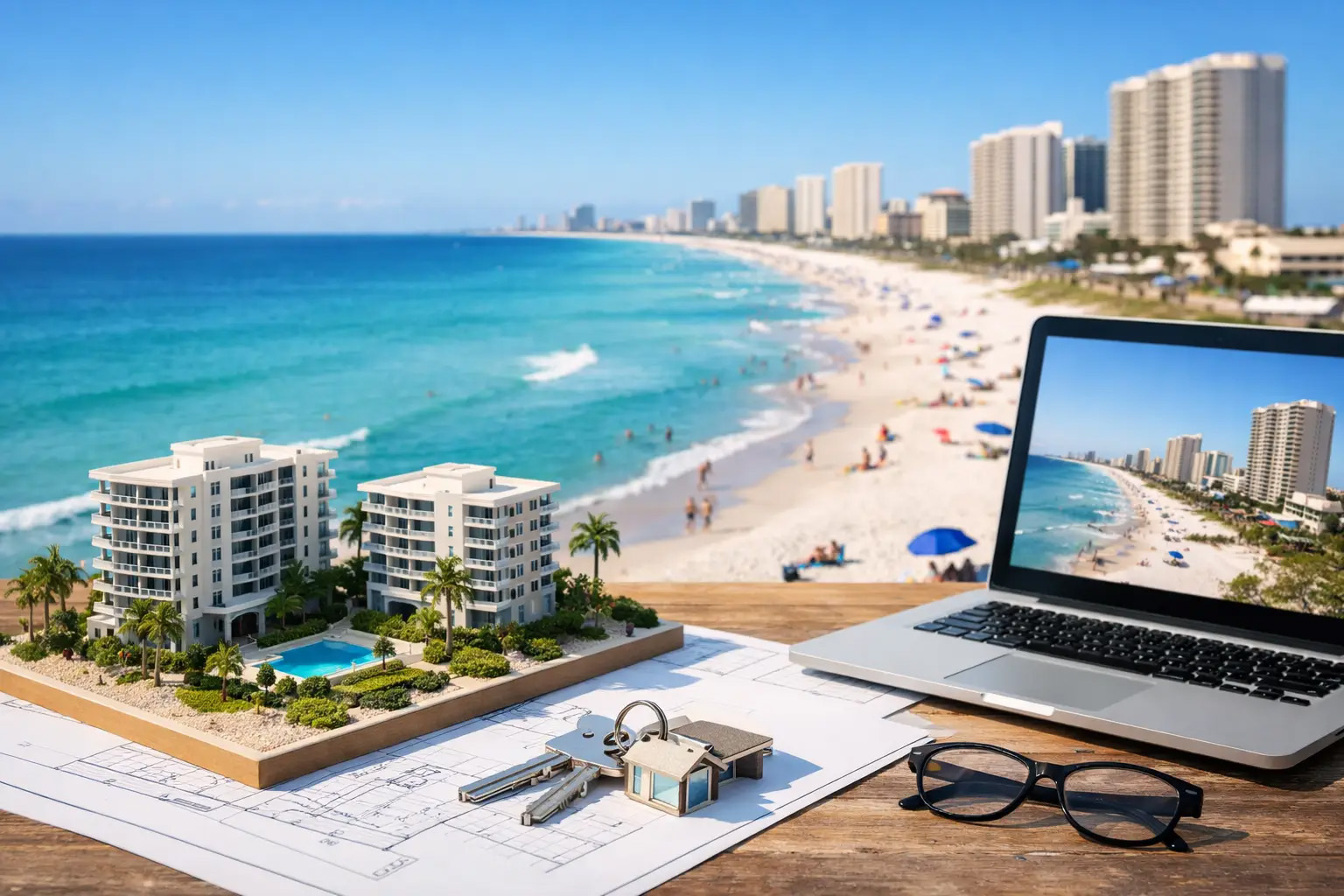
A beachfront view can create an emotional first impression, but the coastal property market outlook for investors requires a more disciplined review. Buyers and owners need to look beyond the sand, balconies, and rental projections. Insurance costs, condominium reserves, financing terms, local inventory, and the property’s ability to compete for guests all affect the value of a beach-market investment.

For Panama City Beach buyers, sellers, and vacation rental owners, the strongest decisions begin with the numbers and finish with a realistic understanding of the property itself. A beach vacation rental property can support personal enjoyment and rental income, but it also demands more attention than a typical inland property.

Coastal Property Market Outlook: A Market of Trade-Offs

Coastal real estate does not move as one market. A gulf-front condominium, a short walk-to-the-beach townhome, and a single-family home near the water will appeal to different buyers, carry different operating costs, and produce very different rental results. Broad headlines about home prices or mortgage rates offer useful context, but they do not replace a property-level evaluation.

Demand for well-located beach properties remains tied to lifestyle appeal. Families want direct access to the beach, room to gather, pools, parking, and a dependable place to return to each year. Investors look for the same features because guests often pay more for convenience, views, and a clear vacation experience. Properties that solve those guest needs tend to hold their appeal better than units that rely on low pricing alone.

At the same time, buyers face more scrutiny from lenders, insurance carriers, condominium associations, and their own operating budgets. That scrutiny can slow a transaction, but it also separates a durable investment from a purchase based on optimistic assumptions.

Inventory Matters, but Quality Matters More

Available inventory can create opportunity, especially when buyers find sellers who need a clean timeline or a straightforward closing. Still, the number of listings tells only part of the story. In a beach market, condition and positioning often matter more than raw supply.

A renovated unit with a functional layout, strong views, current furnishings, and well-maintained building amenities can compete across more seasons. A similar unit with dated finishes, deferred maintenance, limited parking, or unclear rental policies may need a lower price to draw the same interest. Buyers should compare properties against their true competitive set, not simply against every listing in the area.

Condominiums require particularly careful review. Association dues may cover services that protect the building and support the guest experience, including exterior maintenance, elevators, pools, security, landscaping, and common areas. Higher dues do not automatically signal a problem. However, buyers should understand what those dues cover, whether the association maintains adequate reserves, and whether owners face upcoming special assessments.

A seller can strengthen a listing by providing organized records early. Recent improvements, association documents, rental performance where appropriate, utility history, and clear maintenance information help serious buyers evaluate the property without unnecessary delays.

The Building Can Influence the Investment

In coastal condominiums, the building itself forms part of the investment case. Roof condition, concrete work, windows, balconies, elevators, storm readiness, and association governance can influence ownership costs and buyer confidence. A lower purchase price may not offset large capital projects or weak financial planning.

Buyers should ask direct questions about completed work, planned work, reserves, insurance deductibles, rental restrictions, pet rules, parking, and the association’s approval process. Those details can shape both resale appeal and vacation rental operations.

Insurance Has Become a Core Pricing Factor

Insurance no longer belongs in the fine print. It belongs near the top of the purchase analysis. Coastal weather exposure, replacement costs, deductibles, flood requirements, and carrier availability can materially change annual ownership expenses.

A buyer should request insurance estimates before removing major contract contingencies whenever possible. Do not rely on a previous owner’s premium as a final benchmark. Coverage, claims history, credit factors, deductibles, construction details, and carrier underwriting standards can change the result. Flood insurance also deserves separate attention, since a standard homeowners policy does not provide flood protection.

Owners who plan to sell should anticipate these questions. Current policies, elevation information when available, documented upgrades, and evidence of storm-hardening measures can help buyers and insurers assess the property with greater confidence. Clear documentation will not eliminate cost concerns, but it can reduce uncertainty.

Financing Still Shapes Buyer Behavior

Mortgage rates influence buying power, particularly for second homes and investment properties. When financing costs rise, buyers often become more selective about condition, association health, and expected rental income. They may also favor properties that need less immediate work or they may want properties with some work to do at a lower price.

Cash buyers can move more quickly, but they should not skip due diligence. A cash purchase avoids lender requirements, not ownership risk. The same review of insurance, association financials, rental rules, taxes, and maintenance remains necessary.

For financed purchases, condominium eligibility can matter as much as a buyer’s personal qualification. Lenders may review occupancy levels, insurance coverage, pending litigation, reserve funding, and the share of units used as rentals. A buyer who understands those requirements early can avoid losing time on a property that does not fit their financing path. Also, buyers may need to seek out lenders that are already active in the PCB market and have a good understanding of financing second home and investment properties.

Vacation Rental Income Requires Conservative Assumptions

A beach property’s revenue potential can support its appeal, but no owner should treat a rental projection as a guarantee. Seasonality drives coastal demand. Panama City Beach can produce strong periods around spring and summer travel, holidays, events, and school breaks, while shoulder seasons require a different pricing and marketing approach.

Owners should evaluate net income rather than gross booking revenue. Cleaning, management, maintenance, utilities, supplies, taxes, platform fees, association dues, insurance, repairs, and replacement of guest-facing items all affect the final result. A property that earns less at the top line but carries manageable expenses and dependable demand may outperform a higher-revenue property with heavy operating costs. Make sure you are comparing apples to apples in your analysis.

Guest expectations also continue to shape performance. Cleanliness, responsive service, accurate listings, reliable Wi-Fi, sleeping capacity, parking, pool access, and a well-equipped kitchen influence reviews and repeat stays. Beach proximity matters, but guests notice operational details quickly.

Emerald Beach Properties works with vacation rental owners who understand that a strong guest experience protects the asset. Professional management cannot change a poor floor plan or solve every building issue, but it can help an owner present the property consistently, manage demand, and protect day-to-day standards that lead to vacation rental success.

Local Rules and Property Use Deserve Attention

Before making an offer, buyers should confirm how they intend to use the property and whether the property supports that plan. Short-term rental policies can vary by community, association, and building. In PCB, most properties allow vacation rentals with few restrictions, while others limit rental duration and have age requirements for renters. Nearly all complexes in PCB require guest registration, restrict signage, or impose occupancy and parking rules.

Do not assume a property’s current rental activity guarantees future flexibility. Review governing documents and local requirements directly. Buyers should also consider practical use: Can guests access the unit easily? Does the property offer enough parking? Does the building have elevators that can handle peak turnover days? Does the layout suit families, couples, or larger groups?

Those questions matter because a property must work for its intended guest, not just look attractive in listing photos.

What Sellers Can Do in a More Selective Market

Sellers do not need to renovate every surface before listing, but they should address issues that create doubt. Deferred maintenance, worn furniture, unclear records, and preventable cleanliness problems can weaken buyer confidence. Coastal buyers already expect to review insurance and association details closely. A property that introduces additional uncertainty may sit longer or attract lower offers.

A focused preparation plan often produces better results than a broad cosmetic overhaul. Repair visible defects, organize documents, review the property’s rental presentation, and price against comparable properties with similar location, condition, and amenities. The right price should reflect the unit’s current competitive position, not simply an owner’s past revenue or a neighboring listing’s asking price.

Make the Decision From the Full Picture

The coastal property market outlook favors buyers and owners who treat a beach property as both a lifestyle asset and an operating asset. Location remains powerful, but location alone cannot carry weak financials, unresolved building issues, or an unrealistic rental plan.

Before you buy, sell, or adjust your ownership strategy, build a clear file around the property: likely costs, association health, insurance options, financing path, rental rules, and the experience it offers the people who will stay there. That preparation creates better choices and gives you a firmer footing when the right coastal opportunity appears.

Emerald Beach Properties staff can assist you with all aspects of purchasing or selling a vacation rental property in PCB. We have a real estate broker on staff to help you with listing your property or finding the best choice for you to purchase. Then once you have chosen you perfect place in PCB, we can manage it for you to maximize your income and minimize your need to handle the day to day pressures of renting the property.

August 4, 2026

Thunder Beach Fall Rally 2026 in PCB Planning Guide

There's nothing quite like the sound of motorcycles in PCB during "Bike Week". Restaurants fill earlier, scenic routes gain a steady stream of riders, and the beach offers a welcome reset between events. If you plan to attend Thunder Beach Fall Rally 2026 in PCB, the best trip starts before you load the bike. Lodging location, arrival timing, parking access, and a realistic daily plan all affect how much you enjoy the rally.

Thunder Beach draws riders who want more than a quick stop at an event venue. They come for the Gulf views, the social atmosphere, local dining, and the freedom to spend part of the day on two wheels and part of it near the water. That combination makes Panama City Beach a strong rally destination, but it also means guests should plan for higher demand throughout the event period.

What to Expect at Thunder Beach Fall Rally 2026 in PCB

Thunder Beach Fall Rally traditionally brings riders, passengers, groups, vendors, and motorcycle enthusiasts to the Panama City Beach area for several days of activity. The rally experience often includes organized gatherings, vendor displays, entertainment, contests, scenic rides, and time spent at local businesses. Specific schedules, official venues, event rules, and dates can change, so confirm current details directly with the rally organizer before making nonrefundable plans.

The appeal reaches beyond the official schedule. Riders can take in the local scenery, meet friends at area restaurants, browse vendor areas, or head out on a morning ride before the afternoon crowds build. Guests who prefer a quieter pace can enjoy the rally energy without attending every activity. A well-located vacation rental gives your group the room to choose that balance.

Expect busier roads near major event locations, especially around peak arrival windows, meal times, and evening entertainment. That does not mean every part of Panama City Beach feels crowded all day. It means your route and timing matter. A short distance on a map can take longer when large groups of riders move through the same corridor.

Choose Lodging Based on How You Will Use It

For a rally stay, a vacation rental should function as a reliable base camp, not simply a place to sleep. Before booking, consider where you expect to spend most of your time. Guests focused on official rally activity may want convenient access to primary event areas. Guests who plan longer coastal rides may prefer a location that makes it easier to get in and out of town without crossing the busiest sections repeatedly.

Parking deserves the same attention as bedrooms and beach access. Ask about the number of vehicles permitted, whether motorcycles use a designated parking area, whether parking requires passes, and whether the property or community restricts trailers. Do not assume that a condo building, resort, or residential community can accommodate every vehicle setup. Clear confirmation avoids a difficult arrival after a long ride.

A private home may offer greater flexibility for groups, while a condominium can provide amenities such as pools, beach access, elevators, and on-site security. The right choice depends on your group size, parking needs, budget, and preferred atmosphere. A smaller group may value the convenience of a centrally located condo. A larger riding group may place more value on shared living areas, multiple bathrooms, and room to organize gear.

When you book through a professional vacation rental company, review the property details and rental agreement carefully. Arrival procedures, quiet hours, occupancy limits, pet policies, parking instructions, and check-out requirements protect both guests and the property.

Arrive Early and Ride With a Plan

The easiest way to reduce arrival stress is simple: do not wait until the busiest part of the day. If your schedule allows, arrive before evening traffic builds or add an extra night before the rally begins. You gain time to settle in, learn the area, pick up supplies, and start the event without immediately facing crowded roads and full parking areas.

Build each day around one primary destination or activity rather than trying to jump from one activity to the next during a single day. Panama City Beach stretches along a long coastal corridor, and rally traffic can make frequent back-and-forth trips frustrating. Start with an early ride, return to your rental to rest or change, then head to an evening gathering if it fits your plans.

Keep a backup plan for dining. Popular restaurants may have longer waits during the rally, particularly near entertainment areas. Eating earlier, choosing a location slightly away from the main activity, or preparing a meal at the rental can save time. A vacation rental kitchen becomes especially useful when your group wants a relaxed breakfast and coffee overlooking the beach before heading out.

Pack for the Beach and the Bike

Fall weather on the Florida Gulf Coast can offer excellent riding conditions, but it can also shift quickly. Warm afternoons, cooler evenings, wind near the water, and occasional rain all deserve a place in your packing plan. Bring layers that work on and off the bike, plus rain gear that remains accessible instead of buried under luggage.

Your packing should also account for the practical side of a multi-day rally. Keep your registration information, identification, insurance details, and lodging confirmation organized in a waterproof pouch or secure bag. Bring a basic tool kit and any motorcycle-specific items you may need, but avoid turning the trip into a repair project. If your bike needs routine maintenance, handle it before departure.

For the rental, pack beach items with intention. A swimsuit, sandals, sunscreen, and a light cover-up can turn a free afternoon into time by the Gulf. Still, respect property rules about wet gear, sand, and balconies. Shake out towels and gear before bringing them inside, and use designated storage areas when available.

Respect the Property, Neighbors, and Riding Community

A successful rally trip depends on more than your own itinerary. Vacation rentals are located within real communities, often beside full-time residents and other guests. Follow posted quiet hours, keep conversations and music at a reasonable level, and avoid unnecessary engine noise near the property late at night or early in the morning. Your neighbors will appreciate your consideration.

Secure motorcycles, helmets, riding gear, and personal belongings. Lock vehicles, avoid leaving valuables visible, and follow the parking instructions provided for your vacation rental. If your group travels with several riders, designate a point person who keeps everyone informed about arrival procedures, parking locations, and check-out expectations.

Responsible riding also protects the experience for everyone. Wear appropriate safety gear, avoid impaired riding, obey traffic laws, and allow extra room in congested areas. Rally weekends feel social and spontaneous, but a little discipline keeps the trip enjoyable from the first ride to the final departure.

Give Yourself Time to Enjoy Panama City Beach

Do not schedule every hour around the rally. The beach remains one of the strongest reasons to visit PCB, and a quiet morning walk along the shore can provide a different kind of energy than a packed vendor area. Consider reserving a few hours for the water, a sunset meal, or a slower ride along the coast.

Groups often benefit from setting one shared plan each day, then allowing individuals time to explore. One rider may want vendor time, another may want the beach, and someone else may simply want a comfortable chair and a view of the Gulf. A well-chosen vacation rental gives everyone a place to regroup without forcing the whole party into the same schedule.

For guests planning a rally stay, Emerald Beach Properties can help make the lodging portion of the trip clear and dependable. Focus on the property features that support your group, confirm parking before arrival, and choose a location that fits your preferred pace.

The best rally weekends leave room for the unexpected - an unplanned coastal ride, a conversation with fellow riders, or an extra hour on the beach. Plan the essentials carefully, then leave enough space to enjoy why you came.

August 3, 2026

Pirates of the High Seas Festival in PCB: What to Know

A pirate invasion will always make your Panama City Beach getaway memorable. Pirates of the High Seas in PCB brings costumed characters, family activities, music, and waterfront energy to the area, typically during the fall season. For guests, the appeal is simple: children get a memorable event built around adventure, while adults can pair the festivities with warm Gulf views, beach time, and a well-planned coastal stay.

The best trips do not depend on improvisation. This event draws families from across the region, and the details make it a great family experience - where you stay, when you arrive, how you handle parking, and how much activity your group wants - deserve attention before you pack.

What Makes Pirates of the High Seas in PCB Different

This is not a single attraction that visitors enter, finish, and leave behind. Pirates of the High Seas centers on a broader festival atmosphere, with activities spread across public areas near the beach and Pier Park. Organizers commonly build the schedule around pirate-themed appearances, children's programming, live entertainment, themed games, and evening events. Specific programming changes from year to year, so guests should confirm dates, hours, locations, and any ticket requirements before making fixed plans.

That format works especially well for families with different attention spans. A young child may enjoy a short character encounter and a simple activity, while older children may want to stay for a parade, contest, stage program, or nighttime show. Adults can set a lighter pace by choosing one or two event highlights rather than trying to attend every scheduled activity.

The setting matters as much as the theme. Panama City Beach offers room for a vacation that does not revolve entirely around an event calendar. You can spend the morning on the sand, take a break at your vacation rental, and return for the evening program when temperatures cool. That flexibility gives the festival more value than a one-day outing, particularly for families staying several nights.

Choose Your Dates With the Event in Mind

Pirates of the High Seas generally takes place in the fall over the long Columbus Day weekend, when Panama City Beach shifts from peak summer crowds to a more comfortable vacation rhythm. Warm afternoons are part of the forecast, but evenings can feel cooler near the water. Bring beachwear for daytime plans and an extra layer for nighttime activities, especially for children who may sit outdoors after sunset.

If your primary goal is the festival, arrive before the busiest headline event. An early arrival gives you time to settle into your rental, pick up groceries, learn the route to key venues, and avoid turning the first evening into a rush. Families who arrive on the day of a major program often face a tighter schedule and less flexibility if traffic or check-in timing changes.

A longer stay also creates better choices. Reserve one day for the festival's main activities, but protect at least one unstructured beach day. Weather can affect outdoor plans, and children often need a quieter afternoon after a busy evening. A vacation should leave room for both the pirate adventure and the simple pleasure of watching the waves from the shoreline.

Check the Current Schedule Before Booking Around It

Do not rely on a previous year's calendar, social post, or memory from an earlier trip. Event organizers can adjust dates, start times, venues, access rules, and entertainment details. Review the current official schedule before you decide which nights require advance planning.

This step matters most for guests who want to see the pirate invasion, a particular parade, a concert, or a particular children's activity. You may also want to make reservations for the Pirate's Voyage dinner and show theater in PCB or for the Sea Dragon Pirate Cruise to make sure you have a place reserved at either of these two very popular activities during the Pirate Festival.

Select Lodging for More Than a Place to Sleep

During a festival weekend, location shapes the entire experience. A rental close to the action can reduce driving and simplify evening plans, but a nearby property may also place your group closer to traffic, activity, and late-night noise. The right choice depends on how your family travels.

Guests with toddlers, early bedtimes, or relatives who prefer quiet may value a beachfront or beach-area rental that provides easy access without placing them directly beside the busiest gathering point. Larger groups should consider practical details such as sleeping arrangements, kitchen space, elevators, parking availability, and room to regroup between activities.

A professionally managed vacation rental offers another advantage during an event-focused trip: clear arrival instructions and responsive support. When schedules run on a deadline, guests need reliable check-in information, accurate parking guidance, and a straightforward point of contact if a question comes up. Emerald Beach Properties focuses on the details that help guests spend less time managing logistics and more time enjoying their stay.

Give Your Group a Reset Point

The beach, festival areas, restaurants, and shops can make a full day feel crowded. Your rental should serve as a reset point, not just overnight lodging. Plan a return window in the afternoon for snacks, sunscreen, a change of clothes, and downtime before evening activities.

That pause can prevent a common vacation mistake: pushing tired children through one more event because everyone feels committed to the schedule. Families usually enjoy the main attraction more when they arrive well rested and well fed.

Parking, Walking, and Crowd Planning

Expect the busiest periods near popular evening programs. Arrive early when a schedule includes a major performance or a parade. Build extra time into every drive, especially if your group needs to unload strollers, beach gear, or mobility equipment.

Before you leave your rental, decide on a meeting point in case your group separates. Older children should know the name of their lodging, a parent or guardian's phone number, and the plan for reconnecting. Costumes add fun, but they can also make it harder to spot people in a crowd. Choose one bright accessory or simple visual marker for your group if you travel with several children.

Keep your vehicle plan realistic. Parking near event areas can fill quickly, and a short distance on a map can feel much longer after a late-night program. Comfortable walking shoes matter more than pirate-themed footwear. If someone in your party has limited mobility, review access and transportation options in advance rather than assuming curbside parking will be available.

Make the Theme Fun Without Overpacking the Day

Children often arrive ready to wear pirate hats, eye patches, and costumes. Keep those choices practical. Avoid heavy layers during warm afternoon events, select shoes that work on pavement, and pack a small bag with water, sunscreen, wipes, and a light jacket. Face paint and themed accessories can make excellent photos, but comfort will determine how long your child enjoys wearing them.

You do not need to create an hour-by-hour pirate itinerary. Let the event carry the theme, then use the rest of the trip to enjoy what brought you to the coast in the first place. Build a sandcastle in the morning, look for shells near the waterline, share seafood at dinner, and save the evening for the festival highlight your group cares about most.

For multigenerational trips, divide and reconnect when needed. One adult can take younger children back to the rental while another stays with older kids for a later activity. That approach respects different energy levels without forcing anyone to miss the entire experience.

A Better Way to Plan the Weekend

Think of Pirates of the High Seas as an anchor for your vacation rather than the only reason for it. Choose one must-do event, one flexible backup activity, and plenty of open time. Watch the forecast, confirm the current schedule, and prepare for heavier traffic during prime evening hours.

The strongest Panama City Beach memories rarely come from checking every item off a program. They come from the moment your child spots a pirate ship, the walk back from an evening show with the Gulf nearby, and the comfort of returning to a vacation rental that gives your group space to slow down.