
Vacation Planning
How to Read Vacation Rental Listings
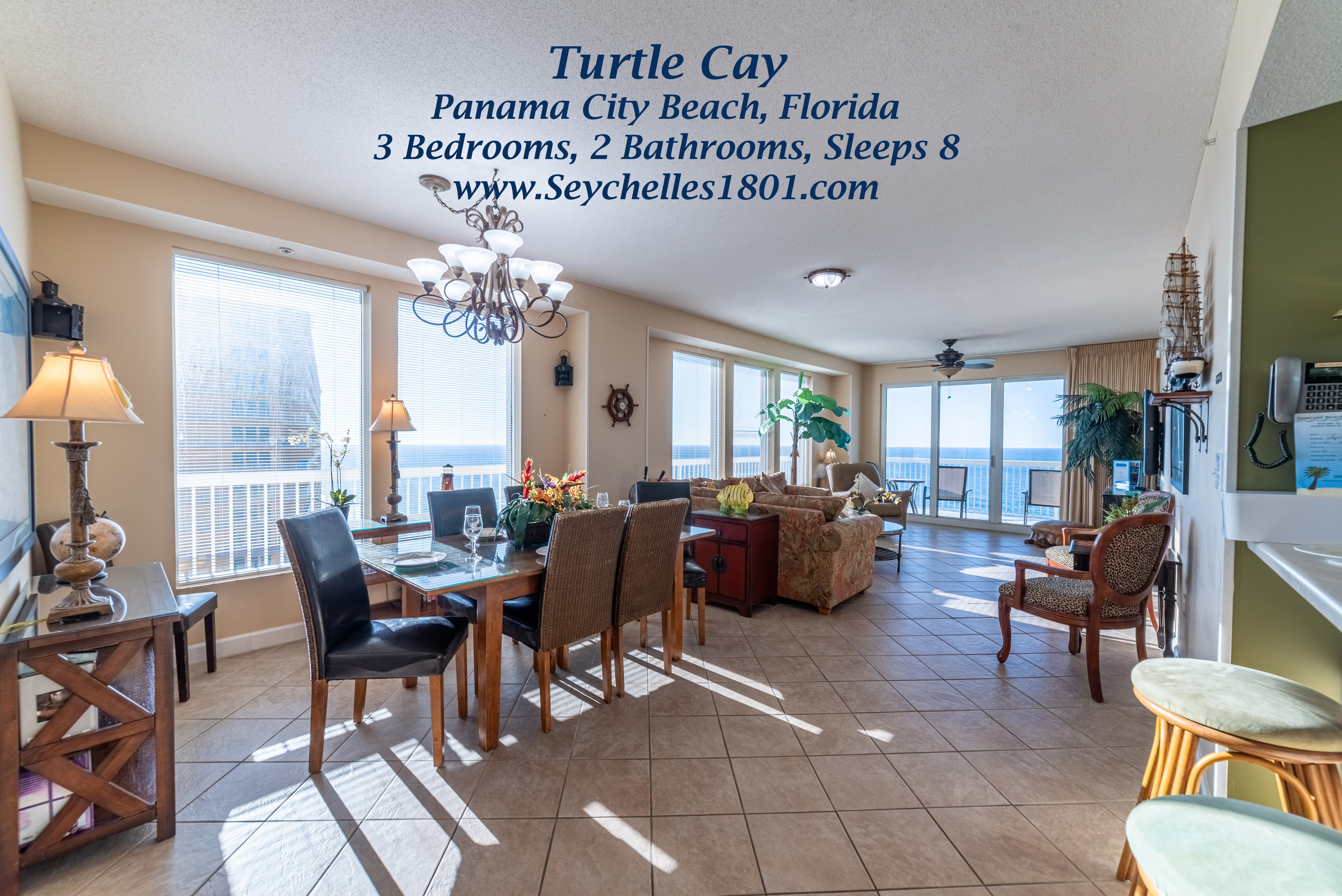
When you are comparing three beach condos for your vacation, you are not looking for a fluffy sales pitch. You need the facts. Questions like whether the balcony faces the Gulf, how far you will have to carry your gear to the beach, whether the kitchen handles a group dinner, and what happens if a problem arises after check-in. Emerald Beach Properties prides ourselves on posting accurate and informative vacation rental listings so you'll have all the info you need to book your perfect place in Panama City Beach, FL!
Our listings help set expectations before arrival, reduces avoidable questions, and shows our guests the value you'll receive from the vacation rental properties we manage. In a competitive beach market, vague descriptions and outdated details won't do. Clear, accurate presentation builds confidence.
Our Listings are Clear
We know that our guests don't read a listing from top to bottom. You scan photos, compare rates, check sleeping arrangements, look for parking details, and decide whether the property fits the trip you are planning.
Our listings start with the property's Name and Resort location and we remind you that we are located in Panama City Beach, FL. Next we cover beach access. For a Panama City Beach rental, that is usually direct beach access, a Gulf-front balcony, room for multiple generations, or a walkable location near dining and family attractions.
We try and paint a mental picture of the experience you could have at our vacation rentals. Your perfect place in Panama City Beach might include waking up to Gulf views from a private balcony, spending the afternoon on the beach, and returning to your two-bedroom condo with space for dinner and movie night. These descriptions help you see yourself and your group in the property you are considering for your vacation.
The rest of the description moves onfrom the setting to the accommodations, then to operating details and finally to the resort amenities that are available.. Guests need to know what they will enjoy, but they also need to know what they can count on.
A great listing answers questions early
Our listings are written to reduce uncertainty. But, if you don't find the answers you are looking for, just give us a call, e-mail or text and we can assist you.
Sleeping Arrangements are Described Explicitly
“Sleeps eight” means little on its own. We state the number of bedrooms and how many and what size beds are in each room clearly. A family with young children may prefer bunks. Two couples may need separate bedrooms with real beds, not a sofa sleeper in the living room.
Accuracy matters here. All of our listings show every room of the property and what you see is what you will come home to. We have many properties for you to choose from so, feel free to look around until you find the one that's just right for you.
Make amenities useful, not decorative
Amenities influence booking decisions when the listing explains them. We do have tables showing all the amenities but we also describe them in the description langusge. We know that a washer and dryer helps families manage beach towels. A full kitchen supports longer stays. Beach service, a heated pool, elevator access, or covered parking can change the experience substantially.
Our descriptions list the details that frequently affect a your vacation plans
- Beach access and approximate walking route
- Pool availability, seasonal rules, and heating status when applicable
- Parking limits, passes, vehicle restrictions, and clearance requirements
- Balcony location, view type, and safety or age-related restrictions
- Accessibility considerations, including stairs, elevators, and entry layout
We verify all the amenities at every property so there are no surprises upon arrival. Resort facilities, beach service schedules, construction activity, and seasonal offerings can change. We update our listings as conditions change. When a change occurs that may affect your stay, you'll be contacted by us as soon as we know about the change.
Location, Location, Location
Location is often the deciding factor, especially for beach vacations. Is the property on the beach, across the street, or a short drive away? Is the beach access private, public, direct, or shared? Can guests walk to nearby restaurants, or should they plan to drive?
Most of our properties are located in resorts that are directly on the Gulf so they are literally steps from the sand. Some villa and townhome and private home properties are a little further away and the description will detail that information up front.
Use Photos to Verify the Promise
Photos bring the listing to life, and our photos are made with love in each individual property. What you see in our photos is what the actual vacation rental where you will stay looks like. Professional images show the property at its best without concealing its layout, scale, or condition.
You'll see images of the primary view from the living area of the property, exterior or beach access, living area, kitchen, main bedroom, additional bedrooms, bathrooms, and sleeping arrangements.
Throughout the year, we refresh photos after meaningful changes to a unit. New flooring, furniture, paint, appliances, or bedding receive updated images. We strive to make sure that our photos show you exactly where you will be staying to avoid any disappointment.
What's the Total Cost of the Reservation
The total cost of the reservation depends on many factors such as the per night rate, required sales taxes, the season, local events, booking window, unit size, and comparable inventory.
Review the total booking picture. Take note of required fees, parking/registration charges, pet policies, and minimum-stay rules before booking.
Enter your dates, how many bedrooms, etc. and our website will give you a complete breakdown of the total reservation. It will also show your the difference between booking direct with us and how much more you will pay if you choose VRBO or AirBnB to book the vacation rental. We strive for transparency in pricing and we constantly adjust our nightly rates to reflect the value you'll enjoy when booking with Emerald Beach Properties.
Treat Reviews as Listing Intelligence
Guest reviews show the experiences guests have had with our Company and our vacation rentals. We gather our reviews from direct reviews posted to our website, VRBO, AirBnB, Google and other review sites and place them on our website so you don't have to look around to find the reviews you are looking for.
Our Listings are Updated Frequently
Writing a vacation rental listing isn't a one-time thing. We know our guests expect to have the latest information on each and every property we represent. We are constantly updating our listings so you'll have the latest info.
At Emerald Beach Properties, the goal is not to attract every traveler. It is to give the right guest enough clear information to book with confidence and arrive ready to enjoy the beach. When a listing tells the truth well, it is the beginning of a guest relationship that is highly valued by our Company.
Panama City Beach Dining Guide for Every Stay

A good beach day can make everyone hungry at once. That is when a loosely planned dinner can turn into a long wait, an expensive compromise, or a drive farther than anyone wants to make. This Panama City Beach dining guide helps vacation guests choose restaurants by the kind of meal they are looking for, the part of town they are visiting, and whether they are looking for an active vibe or a quiet dining experience.
Panama City Beach offers many different dining options. You can find lots of casual places where sandy feet and cover-ups fit right in, polished fancy dining rooms, seafood markets that cook your selection or your catch of the day, and familiar chain restaurants near major attractions. The right choice depends less on finding one "best" restaurant and more on matching the total dining experience to your group.
Start With the Meal, Not the Restaurant
Before searching the web for menus, decide what you are looking for. A family with young children probably values quick seating, simple side dishes, and room for a stroller more than a sunset view. A couple celebrating an anniversary may belooking for a reservation time and a higher check for a quieter table, a great view and attentive service. A group arriving after a long travel day may simply need dependable food close to their vacation rental or a pizza delivery directly to the vacation rental.
Panama City Beach has distinct dining corridors, and proximity matters after a full day in the sun. Pier Park and the West End offer plentiful casual options, shopping-area restaurants, and places that work well before or after evening activities. The central beach area provides convenient choices near many condominiums and attractions. Thomas Drive and the East End often appeal to guests looking for marinas, seafood-focused meals, and a less retail-centered dinner plan.
Use your cell phone map app to check the actual drive time to the restaurant your are considering from your vacation rental before committing. A restaurant that looks close by on a map can require a longer trip during peak travel seasons, rainy weather, or a busy summer evening. Build in time for parking, especially when your party includes grandparents, young children, or anyone who does not want a long walk back to the car after dinner.
Seafood: Know What You Want to Order
Fresh Gulf seafood belongs on most vacation wish lists, but "seafood" covers very different meals. Some restaurants center their menus on fried baskets, po'boys, shrimp platters, and casual outdoor seating. Others prepare grilled fish, oysters, crab, scallops, and chef-driven entrees in a more formal setting. Neither approach is better. The choice comes down to your group's appetite, budget, and the occasion.
If fresh catch matters to your group, ask what is local and currently available rather than assuming every fish on the menu came from nearby waters. Seasonal conditions, weather, and supply all affect what restaurants serve. Staff can often explain the day's catch, preparation options, and whether a dish features native Gulf shrimp, local fish, or seafood sourced elsewhere. If you went out fishing during the day, ask the boat Captain where you can get your catch cleaned and cooked for you for lunch or dinner.
Some people do not care for seafood. If you have member of your group in this category, look for restaurants that balance seafood with chicken, steak, burgers, pasta, or vegetarian options. Most local seafood restaurants understand this dilemma and have a more wide ranging menu to accommodate all tastes. Review menus before leaving your vacation rental, particularly if your party includes picky eaters or dietary restrictions or allergies.
Oyster Bars, Markets, and Waterfront Tables
Oyster bars and seafood markets often suit guests who want a relaxed, distinctly coastal meal. Expect livelier rooms, casual service, and menus that encourage sharing. These settings work especially well for lunch, an early dinner, or a group that wants more activity with their meal.
Waterfront dining is a favorite for Panama City Beach visitors, but it can also add some things to consider. Many local restaurants do not accept reservations so, you may need to arrive early or be ready to wait if you are wanting a table with a view. Outdoor tables may have wind, heat, insects, or changing weather. Sunset reservations often book first and may come with longer waits. Request outdoor or waterfront seating when you reserve, then arrive early enough to settle in before the light changes. The hour before sunset can turn magical so relax and enjoy!
Casual Meals That Keep Vacation Days Moving
Pizza, tacos, sandwiches, barbecue, burgers, and breakfast spots give families a practical way to refuel without using up an entire afternoon or evening. These restaurants often make the best choice after a morning on the beach, before a mini-golf outing, or when everyone needs a straightforward dinner.
For a casual meal, consider the timing as carefully as the menu. Lunch before noon or after 1:30 p.m. usually works better than the peak window of noon to 1:00PM. Dinner at 5:00PM can save a family significant wait time compared to arriving at 6:30 p.m. During busy weeks, early dining also gives you flexibility if your first choice restaurant has an unexpected wait. Some local restaurants offer early-bird specials, too.
Takeout can be a smart option on some evenings. A vacation rental with a balcony, a Gulf view, or a comfortable dining table can be a better dinner spot than a crowded dining room after a long beach day. Order your delivery or takeout before everyone gets hungry to avoid irritable family members, confirm pickup or delivery instructions, and assign one adult to collect the food while everyone else gets cleaned up and sets the table.
Plan One Dinner Worth Slowing Down For
Most travelers set aside one dinner as a special event. It can be a birthday or anniversary celebration or just a vacation celebration shared by everyone. This special dinner out calls for an advance reservation, dressing up a little, and gives everyone a feeling of how special the time together is for your family or group. Choose a restaurant based on the experience you want: a waterfront table, a steakhouse-style dinner, elevated coastal cuisine, or a quiet meal away from the busiest attractions. You can see many restaurant choices PCB restaurant choices on Emerald Beach Properties website.
Reserve as soon as you know your travel dates if you visit during spring break, summer, holiday weekends, or major local event periods. Let the restaurant know how many in your party and if you have any special needs and if you want indoor or outdoor seating. Open Table is another great way to reserve restaurants in advance.
For large parties, some restaurants may split the group between tables, limit separate checks, require a reservation deposit, or offer a reduced menu. These policies help kitchens and service teams manage busy periods. Review them in advance so your group can make a decision prior to arrival at the restaurant.
A Panama City Beach Dining Guide for Families
When traveling with kids, it's best to have a back up plan. If a restaurant quotes a longer wait than expected, decide whether the group will be able to wait or if you should change your plans to order takeout, or choose a different restaurant. This matters most with tired children, but it also keeps any group from wasting vacation time waiting in line.
PCB Restaurants generally welcome casual attire even in the most polished restaurants. Keep a light layer available for air-conditioned dining rooms, and bring shoes that work beyond the sand. These minor details can make your dining experience more enjoyable.
Dietary Needs and Food Safety
Guests with food allergies, celiac disease, or strict dietary requirements should call ahead rather than relying only on an online menu. Ask whether the kitchen can address cross-contact concerns, which substitutions are available, and whether the restaurant can safely prepare the selected menu item. A direct conversation gives you better information than assumptions.
If you plan to bring seafood, leftovers, or catered food back to your vacation rental, manage temperatures carefully. Refrigerate perishable food promptly, do not leave takeout in a hot vehicle. No one wants to have tummy troubles while on vacation.
Make Reservations and Hours Part of the Plan
Panama City Beach is a seasonal location so, restaurant hours, menus, reservation rules, and seasonal operations may change with the season at different restaurants. Capt'n Andersons, one of the most popular restaurants in PCB, is closed at certain times of the year so, plan ahead. Verify details shortly before you go, especially if you are traveling in the shoulder season or visiting on a holiday. Confirm whether the restaurant accepts reservations, offers call-ahead seating, or works strictly on a first-come first served basis.
Parking deserves the same attention. Some dining areas offer dedicated lots, while others require paid parking, a short walk, or a busy search during peak hours. If someone in your group has limited mobility, call ahead and ask about the closest practical drop-off point. That one question can make the evening more comfortable for everyone.
The best meals here often come from planning just enough. Choose one memorable dinner, keep several casual options near your vacation rental, and leave room for the place that catches your attention after a perfect afternoon at the beach.
How to Choose Your Perfect Place in PCB With Confidence

The difference between a great beach vacation and a frustrating one often comes down to the walk from your door to the sand. Beachfront rentals put the shoreline at the center of the trip, but not every property delivers the same access, layout, comfort, or level of management. Before you book, look beyond the view and confirm how the home will support the way your group actually plans to spend its time.
What Beachfront Really Means for Your Stay
Guests often use “beachfront” to describe any property near the water. In practice, the term can cover several different settings. A Gulf-front condo may sit directly on the beach with private or shared access. A resort property may face the water but require an elevator ride, a walk across a pool deck, or a trip through a public access point. A beach-area home may offer a short walk rather than direct frontage.
None of these options is automatically better. A family traveling with small children may place the highest value on a direct route back to the condo for naps, snacks, and sunscreen. Friends planning long pool afternoons may prefer a building with broad amenity space and easy access to restaurants. The right choice depends on your priorities, not simply the label.
Review the property description closely and look for practical details: the building location, the beach-access route, floor level, elevator availability, and whether the property faces the Gulf or looks toward another part of the resort. A clear understanding of those details prevents surprises after arrival. Look at the photos in the listings and read the descriptions carefully and if you have any questions, call the management company or individual you are renting from.
Start With Your Group, Not the View
A wide balcony and bright water views matter, but your group needs a functional place to sleep, cook, gather, and reset after a day in the sun. Start by identifying how many people will travel, how many beds they need, and whether anyone needs a first-floor option, elevator access, or fewer stairs.
Bedroom count alone does not tell the full story. Review the bedding configuration. A two-bedroom property with a king bed, two full beds, and a sleeper sofa accommodates people differently than a two-bedroom with only one bed in each room. Families with teenagers, multigenerational groups, and couples traveling together each need different levels of privacy.
Also consider the time you plan to spend inside. If your group expects to prepare breakfast, pack lunches, and share dinners at the property, kitchen space and dining seating deserve extra attention. If you expect to spend most of the day outdoors and dine out each evening, a smaller unit may serve you well while keeping your budget focused on location.
The balcony can change the experience
For many guests, the balcony becomes the most-used part of a beachfront rental. It offers a place to drink morning coffee, watch afternoon storms pass over the water, or settle in after sunset without leaving the property. Confirm the balcony size, seating, view direction, and access points from the unit. Some properties have more than one balcony or patio. Most main balconies are accessed from the great room but there may also be access from one or more bedrooms and dining areas, too.
Higher floors often deliver a broader Gulf view and more distance from pool & deck activity. Lower floors can make trips to the beach, parking area, and lobby faster. Neither choice fits everyone. Travelers who dislike elevators or want quick returns from the sand may value lower floors, while guests booking for the view may prefer elevation.
Check the Details That Affect Daily Convenience
The best listings answer operational questions before you need to ask them. Examine the practical features that shape every day of your vacation: parking, laundry, kitchen equipment, Wi-Fi, entry procedures, and beach access.
Parking deserves particular attention in busy beach communities. Ask how many vehicles the reservation allows, where guests park, whether the property assigns spaces, and whether the building charges registration or parking fees. Almost all complexes in PCB charge a guest registration fee in addition to your reservation that covers parking and property amenities. You may be asked to register and pay in advance on line to speed up the check in process. Please follow instructions provided to you for registration. A property that suits your group inside can still create stress if it cannot accommodate the vehicles you bring. If you do arrive with too many vehicles, the City of PCB operates several pay to park lots that you can use. Also, some property managers like Emerald Beach Properties, have limited overflow parking facilities that you may be able to use.
Laundry also matters when you are vacationing at the beach. In-unit washers and dryers help families manage wet swimsuits, beach towels, and longer stays. For a quick weekend, shared laundry facilities may work perfectly well. For a full week with children, in-unit laundry often earns its place on the must-have list. Keep in mind that you should bring your preferred laundry detergent, softener, etc or you can purchase it when you pick up groceries. Most vacation rentals only provide starter packs of these items for guests.
Do not assume every kitchen includes the same equipment. Most vacation rental kitchens in PCB offer a full-size refrigerator, dishwasher, coffee maker, cookware, and enough dishes for the group. If a specific item matters to your plans, verify it before booking. Some units do have crock pot style cookers and other small appliances. Please confirm these if they are important to you. Starter packages for paper towels, toilet paper, dishwasher detergent, coffee filters or pods, etc. won't last for more than a day or two so, please bring these items with you.
Understand Resort and Beach Conditions
Beachfront rentals come with natural variables that no property manager controls. Gulf conditions change with the weather. Wind, surf, marine life advisories, seaweed, and beach flags can affect swimming plans from one day to the next. Build some flexibility into your itinerary, especially when children or strong swimmers have different expectations for water time.
Season also changes the feel of Panama City Beach. Peak summer weeks bring warm water, active beaches, and higher demand. Spring and fall can offer comfortable weather with a different pace, though conditions vary. Winter travelers may find quieter stretches of shoreline and more availability, but they should plan for cooler temperatures. Many complexes provide one or more heated pools during the cooler months. If this is important to your trip, be sure to confirm availability when booking.
Amenities add value, but they also create trade-offs. A large pool deck, fitness room, hot tub, grilling area, or beach service can improve a stay. At the same time, popular amenities attract more guests and more activity. If quiet matters most, look for a property and building environment that better matches that preference.
Ask about beach service and local rules
Some properties coordinate beach chair and umbrella service, while others leave those arrangements to guests. Availability, included setups, and seasonal operations can differ by property. Confirm the details if shaded seating ranks high on your list.
Follow posted beach flags and property rules throughout your stay. These rules protect guests, preserve shared spaces, and help everyone enjoy the property without avoidable conflict. Be sure you understand the local rules for the beach that are in force at the time of your stay. The No Trace Left Behind Ordinance requires that all items be removed from the beach every evening. If chairs or pop up tents are left on the sandy beach overnight, they will likely be removed by the City or County when trash collection occurs every night. Responsible beach days start with awareness, not assumptions.
Book Through a Professional, Responsive Manager
A well-managed rental gives you more than a reservation confirmation. It gives you clear arrival instructions, accurate property information, a dependable contact path, and support if an issue requires attention. That matters when you have traveled hours to reach the beach and want to spend your time on the sand rather than sorting out logistics.
Before you reserve, read the booking terms with care. Confirm the total cost, payment schedule, cancellation policy, minimum-age requirements, occupancy limits, pet policy, and check-in and check-out times. Transparent terms allow you to make a decision with full information.
Direct communication also helps you match the property to your needs. Tell the rental team if your group includes young children, older relatives, guests with mobility concerns, or anyone who needs a particular sleeping arrangement. A professional manager can clarify what a property offers and help you avoid booking a unit that does not fit.
Emerald Beach Properties focuses on vacation rentals in the Panama City Beach area and understands that reliable information matters just as much as an attractive photo. Guests should expect clear details, respectful service, and a property that aligns with the reservation they made.
Make Location Work Beyond the Sand
A beachfront address creates immediate access to the Gulf, but the surrounding area still shapes your vacation. Consider your preferred balance of convenience and quiet. Some guests want to walk to dining, attractions, and ice cream shops. Others want a calmer setting where the sound of the water carries farther than nearby traffic.
Think about grocery runs, airport or driving routes, restaurant plans, and the ages of everyone in your group. A central location can reduce driving time during a short stay. A more removed location may offer a less crowded atmosphere and more room to settle into a slower routine.
Your best choice will not look identical to another traveler’s. Choose the beachfront rental that makes daily life easy for your group, confirms its details clearly, and gives you more time with your feet in the sand than in the car.
Edgewater Beach Resort in Panama City Beach Florida
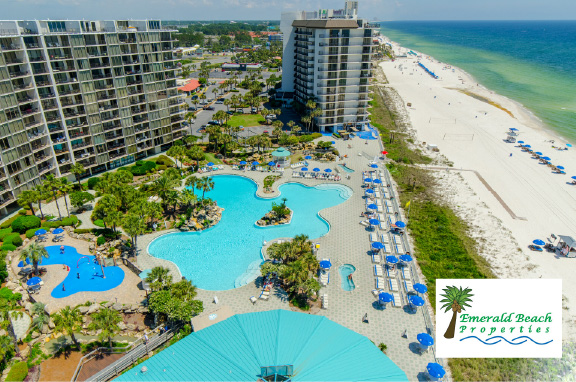
A stay at Edgewater Beach Golf and Tennis Resort in Panama City Beach can put your group close to the Gulf, resort-style recreation, dining, and the conveniences that make a beach vacation easier to manage. But Edgewater is not a single, identical hotel experience. The property includes a range of privately managed accommodations, and the building, view, layout, furnishings, and included features differ by unit.
That distinction matters when you travel with children, plan meals in the condo, need room for several couples, or expect a particular beach access route. A confident booking starts with understanding what the resort offers as a whole and what your specific vacation rental provides.
What Makes Edgewater a Practical Vacation Choice
Edgewater is located in the center of Panama City Beach, where guests can balance time on the sand with easy access to everyday needs. The location works well for travelers who prefer to park once, settle in, and spend more of the trip enjoying the coast instead of crossing town for every activity.
The resort setting appeals to different types of guests for different reasons. Families often value the pool areas, open outdoor space, and proximity to the beach. Couples may prioritize a Gulf view, a private balcony, and a quieter place to begin or end the day. Groups can benefit from condo-style layouts that provide more shared living space than a standard hotel room.
The trade-off is simple: a larger resort environment can feel active during peak travel periods. Spring break, summer holidays, and popular event weekends bring more guests to the beach, pools, parking areas, and nearby restaurants. Travelers who want a more relaxed atmosphere should consider travel dates outside the busiest weeks and choose a unit location that supports their preferences.
Understanding Edgewater Beach Resort Accommodations
When guests search for an Edgewater Beach Resort in Panama City Beach rental, they often assume every condo follows the same floor plan and furnishing standard. Privately owned vacation rentals do not work that way. Owners and management companies may update units at different times, select different furnishings, and offer different sleeping arrangements. Pay special attention to the photos and descriptions in each listing to see what each individual unit offers.
Read the individual property description before you book. Confirm the number of bedrooms and bathrooms, the bed configuration, maximum occupancy, balcony type, view, and whether the unit sits in a beachfront building or another area of the resort. Photos should show the actual rental whenever possible, not only general resort images.
Match the Layout to Your Group
Edgewater Beach Resort is made up of 3 beachfront high rise towers and the Villas which are across the street or sky bridge from the beach. The high rise towers are made up of traditional one, two and three bedroom condos with come 2 story penthouses. The Villas are studio, one bedroom, two bedroom or three bedroom townhouse style units. The resort offers tram service throughout the resort and guests staying in the Villas really enjoy having the tram available to give them a short ride to the beach.
A one-bedroom condo/villa or studio may work well for a couple or a small family, especially when the living area includes additional sleeping space. Larger families and multi-generation groups often find that two- or three-bedroom accommodations offer a better experience because they create separation between sleeping areas and shared spaces. Some of the penthouses have two levels with an added deck on the upper level for a really special experience.
Do not base your decision on the maximum guest count alone. Consider how your group will live in the space. Two families may technically fit in one condo, but a second bathroom, a full kitchen, and a dedicated dining area can make a significant difference after several days together.
If you plan to prepare meals, review the kitchen details. All Edgewater units have a full-size refrigerator, cookware, dishes, and a dishwasher, but inventory can vary. Confirm whether any specialty items are provided with the particular unit you are renting. Bring or purchase specialty items you rely on that are not provided, particularly if you expect to cook for a large group.
Choose Your View and Building Carefully
A Gulf-front view, like the condos in the 3 beachfront towers delivers the classic Panama City Beach experience: morning light on the water, changing weather over the horizon, and the sound of waves from the balcony. For many guests, that view justifies a higher nightly rate.
The Villas offer value, more space, and closer proximity to amenities such as Golf, Tennis, Pickleball, the Fitness Center and nearby pools while sitting farther from the beach. That option may suit guests who expect to spend most of the day at the beach, pool, attractions, or restaurants rather than on the balcony. Neither choice is automatically better. Your priorities should decide which type of unit you choose to book.
Amenities: Confirm What Applies to Your Stay
Resort amenities definitely influence the booking decision, but guests should verify current availability and access rules before arrival. Maintenance, weather, seasonal scheduling, and property policies can affect pools, fitness areas, sports facilities, shuttle service, or food-and-beverage operations.
Edgewater’s resort environment commonly attracts guests looking for more than beach access alone. Pool time gives children a change of pace from the Gulf, and on-site or nearby recreational options can fill an afternoon when rain moves through. Still, guests should avoid building an itinerary around a single amenity unless they have confirmed its status for their dates.
Ask clear questions before booking if an amenity will make or break the trip. Reservations at Edgewater require all guests to register and pay the Association's fee. Some management companies like Emerald Beach Properties include this registration in the total reservation charge. These companies handle registration for their guests. Other management companies and most units managed by owner require guests to handle this detail of the trip. Confirm whether the rental includes required registration, wristbands, parking credentials, or resort access fees. Also ask about beach chair rentals, if those matter to your plans. Beach chair rentals are provided by some units but most do not provide them. Once you arrive, you can visit the beach attendant to book beach chairs and pool side cabanas for your stay. There is an additional charge for beach chairs, reserved pool chairs and cabanas.
Plan for Arrival, Parking, and Check-In
Smooth arrivals rarely happen by accident. Panama City Beach traffic can increase sharply on weekend turnover days, holiday weekends, and summer afternoons. If your schedule allows, arrive with time to pick up groceries, review check-in instructions, and unload without rushing.
Your vacation rental manager should provide direct instructions for entry, parking, and guest registration. Follow those instructions exactly. Resort properties may enforce parking procedures, vehicle limits, and parking pass display requirements, particularly when occupancy runs high. A group traveling in several cars should confirm parking allowances before arrival at the resort.
Pack a small arrival bag with medication, chargers, swimsuits, sunscreen, and a change of clothes. Check-in times exist because housekeeping teams need time to inspect and prepare each property between guests. Having essentials available lets your group start the vacation comfortably even if luggage, groceries, or the full unpacking process takes longer than expected.
Make the Most of the Surrounding Area
The central location gives guests access to more than the sand. You can plan a simple day around a beach morning, lunch nearby, an afternoon at the pool, and dinner without committing to a long drive. That flexibility helps families with young children and groups with different energy levels.
For a better beach day, go early. Morning hours often offer cooler temperatures, easier parking if you leave the resort, and more room to choose a spot near the water. Conditions on the Gulf can change quickly, so pay attention to posted beach flags and follow local safety guidance. A calm-looking shoreline does not eliminate currents or changing surf conditions.
Keep your schedule realistic. Panama City Beach has plenty to do, but over-planning can turn a relaxing trip into a series of reservations and car rides. Leave open time for the moments guests usually remember most: coffee on the balcony, a walk at sunset, and an unhurried afternoon when no one needs to be anywhere else.
Questions to Ask Before You Reserve
Before you commit to a specific unit, confirm the details that affect comfort and total cost. Ask whether the quoted price includes cleaning, reservation, parking, and resort-related charges. Review the cancellation policy, damage protection terms, and payment schedule so there are no surprises later.
You should also confirm the actual sleeping arrangement of the unit you are cooking. In PCB, linens and bath towels are usually supplied and in Edgewater all units have in unit laundry. The Edgewater Association does not allow guests to bring pets. The person responsible for the reservation must be at least 25 years of age. Large gatherings are not allowed and smoking is regulated by each individual condo and area of the resort so follow the posted signs. If anyone in your group has mobility concerns, the towers have elevator access, but the Villas do not have elevators. Confirm walking distances, entry steps, and the route to the beach rather than assuming every building offers the same setup.
A well-chosen Edgewater condo or villa gives your trip a reliable home base: a place to dry off after the pool, share a meal after a beach day, and watch the Gulf settle into evening from a balcony or nearby shoreline.
At Emerald Beach Properties, we believe clear property information supports better vacations. The right rental is not simply the one with the most attractive photo. It is the one that fits your group size, travel dates, budget, and expectations before you arrive. Just e-mail, text or give us a call and we can answer your questions and help you find your Perfect Place in Panama City Beach, FL! See you at the beach!
Choosing a Resort for Your Family Vacation in PCB

A strong family friendly resort review starts before anyone packs a swimsuit. Families do not judge a vacation rental home by a single photo of a bright living room or a wide Gulf view. They judge it by the moments that shape each day: whether meals feel manageable, whether the walk back from the beach works for tired little legs and overloaded beach bags and whether the layout suits the family's needs.
For a Panama City Beach vacation, the right vacation rental can give a family room to settle in while keeping the beach, pools, dining, and activities within reach. The wrong fit can create issues that no ocean view fully solves. A useful review looks beyond star ratings and identifies how a property supports the way your family actually travels.
What a Family Resort Rental Review Should Cover
A resort setting offers more than an individual condo. It usually includes pools, controlled property access, elevators, shared parking, beach services, fitness areas, and on-site rules that affect your stay. Those features can make a trip easier, but they also introduce practical questions.
Start with the property itself. Confirm the number of bedrooms, bed sizes, bathroom count, and maximum occupancy. A listing that sleeps eight may work well for two parents and several young children, but it may feel tight for two families with teenagers. Sleeping capacity tells only part of the story. Bedroom placement, storage, bathroom access, and the size of common areas often determine whether everyone has enough space. Check the listing for an example floor plan that is usually included as one of the unit photos.
Then consider the resort’s layout. A Gulf-front building may offer exceptional views, yet a high-floor unit can add elevator time at the busiest parts of the day. A unit closer to a pool may suit families with older children who want frequent swim breaks, while a quieter location can better serve families with infants or early sleepers. Neither option wins in every situation. Your daily routine should guide the decision.
Space Matters More Than a Large Occupancy Number
Families need usable space, not just a number on a booking page. Look for a kitchen with enough counter space for breakfast, lunch supplies, and snacks. Check whether the dining area seats your group. A full kitchen helps families control meal costs and avoid the pressure of eating every meal out, especially after a long beach day. Plenty of dining space also allows for ordering in and game nights, too.
Living areas deserve the same attention. A comfortable shared space gives everyone a place to regroup during afternoon rain or after sunset. In a well-planned rental, one person can prepare dinner while children play a game or watch a movie nearby. That small convenience can change the tone of a weeklong stay.
For families traveling with babies or toddlers, plan for the equipment you use every day. Confirm whether the rental provides a crib, high chair, or pack-and-play if those items matter to your trip. If it does not, make arrangements before arrival. Also check balcony access, rail spacing, door locks, and the distance between bedrooms and outdoor areas. Families should be prepared to handle safety concerns as they arise. Most families with small children travel with everything they need to make sure the little ones will remain safe.
Beach Access Changes the Entire Day
A property can be near the Gulf and still require a complicated trip to the sand. Review the route from the rental to the beach with the same care you give the floor plan. Is the building directly on the beach? Does the resort use a private boardwalk or a public access point? Are there stairs, long pathways, or crowded crossings? These details matter when you carry chairs, towels, sunscreen, snacks, and a sleeping child at the end of a long beach day.
Beach service can also affect convenience. Some properties include chairs and umbrellas, while others offer them for an added cost or allow guests to bring their own gear. Confirm the current arrangement rather than assuming it comes with the rental. A shaded setup can make a full beach day more comfortable, particularly for younger children, but families should understand the cost and reservation process before they arrive.
Consider how easily you can return to the unit. A quick trip upstairs for lunch, a restroom break, or a forgotten float can keep the day moving. A longer return route may encourage families to pack more carefully and stay down longer. Neither choice creates a problem if you set the right expectations.
Pools Need Rules, Not Assumptions
Resort pools often rank high on a family’s wish list, especially when the Gulf conditions turn rough or a child needs a break from waves. Still, pool features vary widely. Ask about pool hours, heated pool availability, age restrictions, wristbands, and whether the resort limits pool access during seasonal demand.
Families should also review the rules around pool use and conduct. Clear rules protect guests and help the property run smoothly. A well-managed resort sets expectations upfront, and guests who understand them avoid unnecessary interruptions during their stay. Most resorts do not allow pool noodles or float toys but do allow water wings for little ones, food must be consumed at least 6 feet away from pools, glass containers are generally not allowed on pool decks, and adult supervision of children is required for everyone's safety. Running on pool decks and throwing toys is also not allowed for safety.
Read Fees and Policies With the Same Care as Reviews
The nightly rate never tells the whole story. Families should review cleaning fees, booking fees, parking costs, resort fees, damage protection, taxes, and any charges for extra parking passes. A transparent total lets you compare rentals fairly and protects your vacation budget from surprises.
Parking deserves special attention in beach resorts. Confirm how many vehicles the reservation allows, where guests park, and whether the garage has vehicle height limits. Larger SUVs, roof racks, and oversized vehicles may not fit every garage. If extended family members drive separately, verify the policy before they travel.
Cancellation terms also matter. Weather, school schedules, illness, and work demands can alter even carefully planned trips. Read the cancellation policy before booking and consider travel protection coverage when it fits your circumstances. No policy removes every risk, but clear terms allow families to make decisions with confidence.
How to Read Guest Reviews Without Getting Misled
Guest reviews offer useful evidence, but they require context. Focus on recurring comments rather than one unusually enthusiastic or unhappy report. If several guests mention clean rooms, responsive communication, accurate photos, or an easy check-in process, those patterns deserve attention. The same applies when multiple guests describe elevator delays, noise, worn furnishings, or difficult parking.
Pay attention to who wrote the review. A couple on a weekend getaway may value a resort differently than a family traveling with school-age children. Look for reviewers with a similar group size, travel season, and set of priorities. Their experience will likely tell you more about your own stay.
Recent reviews matter most because resort operations, furnishings, nearby construction, and local conditions can change. Balance them with the property description and direct answers to your questions. A professional vacation rental manager should communicate clearly about what the home includes, what the resort requires, and what guests should plan to bring.
Questions Worth Asking Before You Book
Before you commit, confirm the check-in process, the exact parking arrangement, beach access, and the items included in the rental. Ask whether the unit has a washer and dryer, how many towels the property supplies, and whether the kitchen includes the cookware your family expects to use. If anyone in your group has mobility needs, ask about elevator access, entry steps, shower configuration, and the route to the beach.
You should also ask about construction, maintenance, or seasonal work that could affect balconies, amenities, parking, or common areas during your dates. This is particularly important for off season bookings when many buildings perform maintenance on their properties. For peak season, there's no guarantee or aa silent building or empty pool deck. It does help you choose a property with conditions that match your expectations.
Choose the Stay That Supports Your Family’s Pace
The best rental does not need every resort feature. It needs the right combination of space, access, comfort, and clear management for your family. Some guests want a lively pool deck and walkable entertainment. Others want a quieter balcony, a well-equipped kitchen, and a straightforward route to the sand.
When you evaluate the details before booking, you give your family more room for the parts of a beach vacation that matter most: slow mornings, sandy feet at the door, and time together without avoidable surprises.
Emerald Beach Properties has many different vacation rentals that suit every vacation style. Talk to one of our specialists and they can help you find your Perfect Place in Panama City Beach, FL! See you at the beach!
Resort Roundup: Sunbird Condominiums PCB
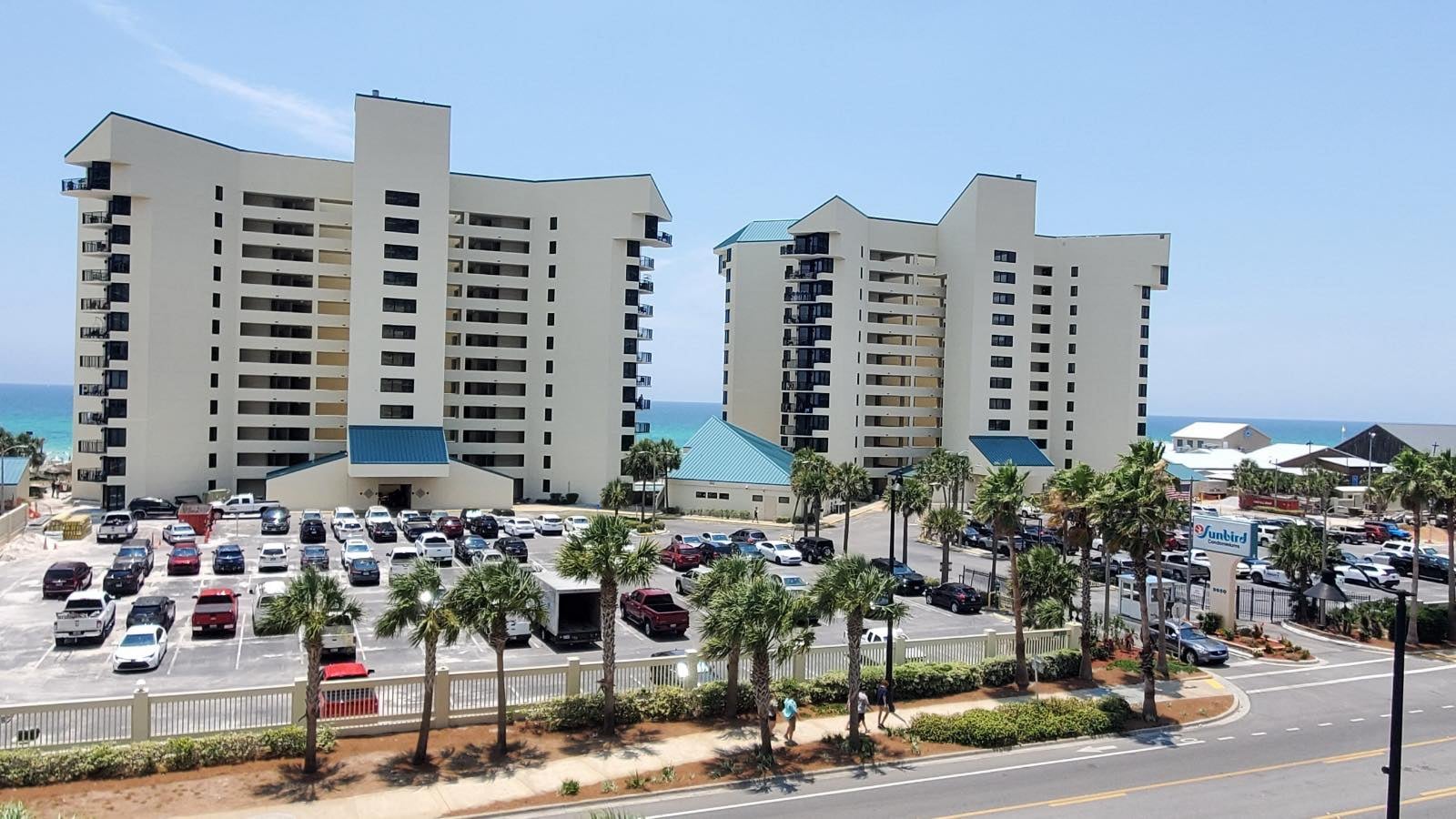
Sunbird Condominiums in PCB puts you in the heart of Panama City Beach’s active beachfront corridor, where sandy mornings, casual dining, family attractions, and sunset walks are close at hand. It can suit travelers who want a condominium stay with a central location rather than a remote resort setting.
The right unit still matters as much as the right building. Condominium rentals vary by owner, which means layouts, furnishings, views, kitchen equipment, and included extras can differ from one vacation rental reservation to the next. A careful review of the individual listing helps you choose a stay that fits your group instead of relying on a building name alone.
What Makes Sunbird Condominiums a Practical Choice
Sunbird appeals to guests who want direct access to the beach without giving up the convenience of a central Panama City Beach address. The surrounding area puts everyday vacation needs within easy reach. You'll find restaurants, souvenir shops, activities, and grocery options nearby, which can make a meaningful difference for families balancing beach time, meals, and tired children.
The Sunbird Condominium one bedroom, one bathroom format also gives travelers more flexibility than a traditional hotel room. Having a full kitchen simplifies breakfasts, packed lunches, and relaxed dinners after a full day outdoors. Separate sleeping and living areas, give families room to spread out. That setup works particularly well for couples traveling with children, friends sharing a trip, or guests planning a longer beach stay.
The trade-off comes with the location’s popularity. Central beachfront areas draw visitors during peak seasons, holidays, and major event weekends. Expect more activity on the beach, busier nearby roads, and a livelier setting than you might find in a quieter west-end or east-end neighborhood. For many guests, that energy adds to the experience. For travelers who want maximum quiet, it deserves consideration before booking.
Resort Roundup: Sunbird Condominiums PCB Location
Location shapes the rhythm of a vacation. At Sunbird, guests can structure a day around the beach instead of a parking plan. Start with an early walk along the shoreline, return to the condo for lunch, and head back out when the afternoon light softens. That convenience is very valuable when you are on vacation.
The central setting also makes the property a strong option for guests who prefer to keep their car parked once they arrive. Still, no traveler should assume every nearby destination sits within an easy walk, especially during summer heat or when traveling with young children. Check the specific places you plan to visit, then decide whether walking, driving, or rideshare service makes the most sense.
Sunbird is located right on the beach with direct beach access across the pool deck. The property is gated from both the street and beach sides so make sure to have your gate codes handy. Also, guests must wear wristbands for ID while on property. Beach service is available from spring through early fall. Just check in with the beach kiosk to reserve your chairs. This information is covered in your check in instructions so, please read those before arrival. A clear understanding before arrival prevents small logistical issues from interrupting the first day of your stay.
Sunbird has several additional onsite amenities that are included with your registration. There are 3 beachfront pools, tennis/pickleball courts, beach volleyball, complimentary fitness center and outdoor charcoal grilling areas. This is a great family oriented complex.
Choose the Unit, Not Just the Building
A strong vacation rental decision begins with the individual condo. Two units in the same resort can deliver very different experiences, from the floor plan to the balcony outlook. Read the listing closely and match its details to the way your group actually travels.
All Sunbird Condos are one bedroom, one bath and sleep up to 4 people. Most Sunbird condos have queen sized beds in the main bedrooms and sleeper sofas in the great room. If you are looking for a king bed, look for the "B" units which are in stacks 05 and 08.
Most Sunbird Condos have a beach view, some more direct that others. Check the listings for photos to see the view from a particular unit.
Prioritize the view and floor level
For some guests, a Gulf-facing balcony defines the trip. Others care more about a lower floor, easier access, or a price that leaves room for activities and dining. Neither choice is automatically better. A higher-floor unit may offer a broader view, while a lower-floor unit can reduce elevator dependence during busy weeks.
Confirm how the listing describes the view. Terms such as Gulf front, Gulf view, and pool view do not mean the same thing. Look at the photos, read the description, and ask questions before you reserve if the view will influence your decision.
Match bedding to your real group size
Sunbird condos typically have a master bedroom with a queen or king bed and a great room with a sofa bed. The bathroom opens to the main bedroom and to the great room. Adults usually sleep in the main bedroom and the kiddos take the sofa bed.
Sunbird kitchens have full sized appliances and are perfect for guests who plan to cook several meals. Cookware, dinnerware, flatware and countertop appliances are included.
Review the details that affect arrival
Parking rules, check-in instructions, elevators, access codes, and property policies can shape your experience before you ever step onto the beach. Read them in advance. Sunbird only allows one vehicle per reservation and guests must register with the Association on line in advance. The cost of registration is not included in the reservation cost so, remember to add that into your vacation budget. Once you are checked in, the automatic gate will read your tag number and open automatically.
Plan for the Beach, the Weather, and the Season
Panama City Beach delivers beautiful beach days, but the coast also requires flexibility. Weather can shift quickly, especially in warmer months. Build a vacation plan that leaves room for a slow morning, a rain break, or a change in beach conditions.
Check local flag conditions before entering the water and follow posted beach safety guidance. Gulf conditions can look calm from the sand while currents create real hazards offshore. Adults should keep children close, avoid overestimating their swimming ability, and choose caution when flags call for it.
Season affects more than the forecast. Spring and summer bring stronger crowds and a more active atmosphere. Fall often attracts guests who want warm water, lighter crowds, and a slower pace. Winter can offer a quieter coastal escape, though temperatures and available seasonal services may vary. The best time depends on whether your group values activity, budget, warm swimming weather, or a peaceful beach walk.
Questions to Settle Before You Book
Before you commit to a Sunbird condominium rental, make sure the listing answers the questions that can affect your stay. Confirm the number and type of beds, the unit’s view, parking arrangements, minimum-age requirements, and any fees that apply to your reservation. Ask about current pool access, construction activity, elevator updates, or amenity schedules when those factors matter to your group.
You should also review cancellation terms carefully. Beach travel plans sometimes change because of weather, work schedules, or family needs. Clear terms help you make a decision with realistic expectations rather than assumptions.
For guests who need a specific feature, written confirmation provides the best protection against disappointment. That might include step-free access, a particular parking need, a pet policy, internet requirements for remote work, or space for beach equipment. A professional reservation process should make those answers easy to obtain.
Make the Most of a Central Beach Stay
Sunbird works best when you use its setting to keep the trip simple. Bring a small beach bag you can carry easily, plan grocery shopping early, and reserve your most important dinner plans ahead during high-demand weeks. Leave open time in the schedule, too. Some of the best Panama City Beach moments come from an unplanned sunset, a walk at low tide, or an extra hour on the balcony after the crowds thin out.
Choose the condo that supports the vacation you want, not the one with the longest feature list. A well-matched unit, clear expectations, and a location that puts the shoreline close can turn an ordinary beach trip into time your group will want to repeat.
Direct Booking vs AirBnB or VRBO Rentals for PCB Beach Trips
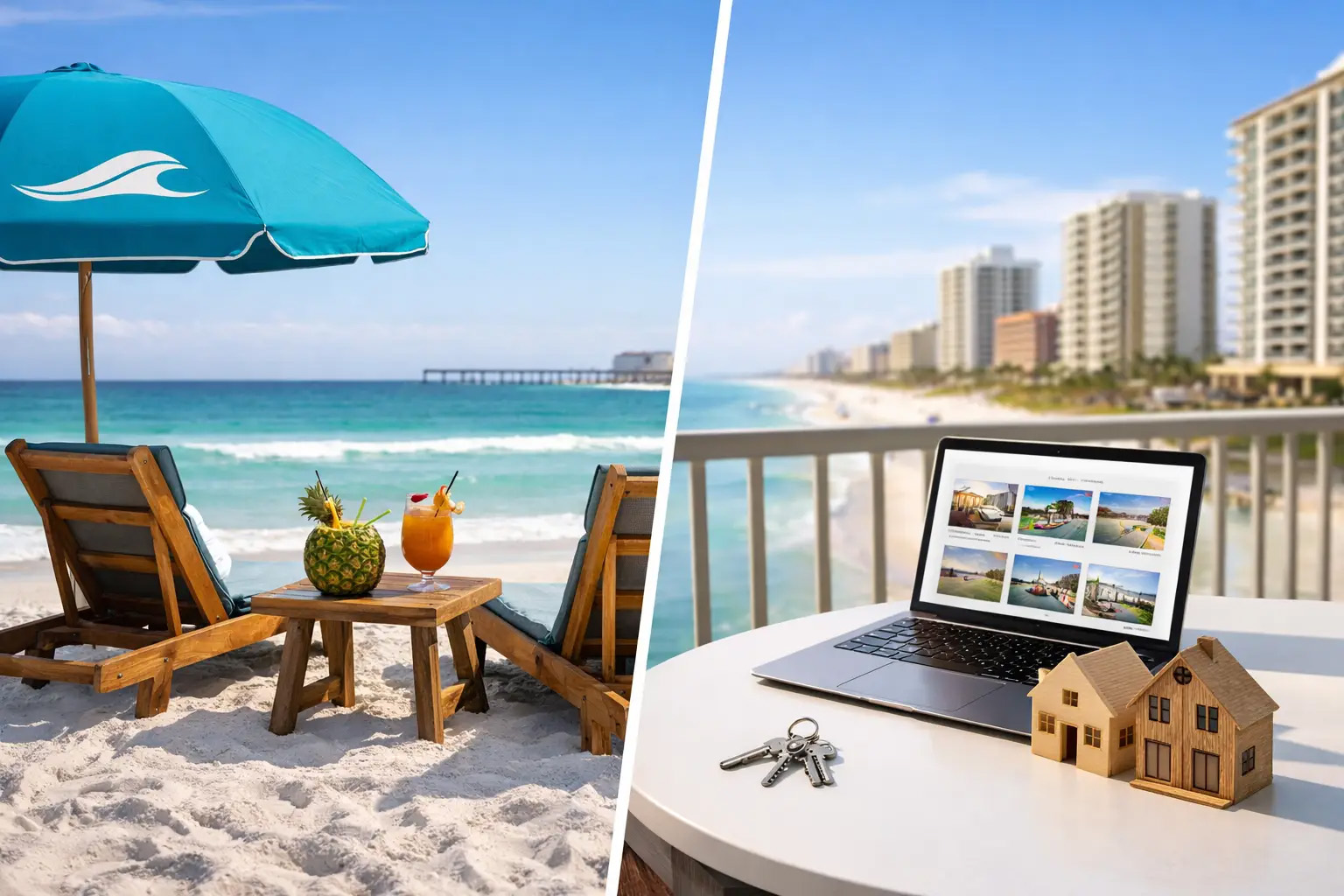
A Panama City Beach vacation often starts with one practical question: where should you reserve the condo or beach home? The direct booking vs ota (online travel agent) rentals decision affects more than the screen where you enter your credit card. It can shape how you compare properties, who answers your questions, how clearly you understand the rules, and what support you receive before and during your stay.
An OTA, or online travel agency, lists vacation rentals from many different managers and hosts in one marketplace. Direct booking means reserving through the professional property manager’s own website or reservation team. Direct booking usually saves you money and is a better option. If you are a last minute shopper, you might choose an OTA for convenience but it will be more expensive than direct booking.
What Direct Booking and OTA Rentals Actually Offer
OTAs offer reach and convenience. A traveler can search a broad inventory, review general filters, compare dates, and keep several destinations under consideration without leaving one platform. For someone who has not settled on Panama City Beach, an OTA can make early research efficient. It's easy to search on an OTA and find clues about who the local manager for a particular property is so you can contact them directly to save money and have direct contact with the local property manager.
Direct booking offers a closer connection to the company that manages the rental. You can ask property-specific questions before reserving, such as whether a balcony faces the Gulf, how parking works, whether a building has elevator access, or which beach access point sits nearby. These details matter when a family plans a week around small children, mobility needs, fishing gear, or a full schedule of pool and beach time.
A professional manager also controls the property information, availability, arrival instructions, and stay policies. That direct access can reduce confusion when an OTA listing uses limited space, standard fields, or information that does not fully explain a particular building or home.
Direct Booking vs OTA Rentals on Price
Travelers often assume one option always costs less. That assumption creates problems. A rental’s final cost includes more than the nightly rate. Cleaning fees, reservation fees, taxes, damage protection, cancellation choices, and platform service fees all affect the total. Be sure to check www.EmeraldBeachProperties price comparison tool to see how much you will pay for a direct booking vs. booking through AirBnB or VRBO before you book.
An OTA applies its own service fee and presents its own promotions. A direct booking site may offer a different rate structure, a manager-specific special, or clearer visibility into the individual charges. The result varies by property, season, length of stay, and booking date. During high-demand beach weeks, inventory and location may matter more than a small price difference. During quieter periods, a longer-stay offer or flexible arrival date can change the value considerably.
Compare the complete checkout total for the same property, dates, guest count, and policy selection. Do not compare only the advertised nightly rate. Confirm what the price includes, especially parking, resort amenities, pet fees where applicable, and any required deposits or damage waiver fees.
Service Matters When Plans Change
Vacation plans do not always hold. A storm changes travel timing, a flight gets delayed, a child gets sick, or a guest notices a question about the reservation after booking. In those moments, travelers need to know who can make decisions and how quickly that person can respond.
With an OTA reservation, the platform often handles part of the booking process while the property manager handles the stay itself. That arrangement can work well, but it can add another step when a traveler needs help with payment changes, cancellation terms, or reservation details. The exact path depends on the platform and the issue.
With a direct reservation, guests communicate with the team that operates the property from the start. That does not mean every request qualifies for an exception. Policies still apply, and professional managers need to enforce them consistently. It does mean the guest can ask the responsible team for accurate information rather than relying on a general marketplace support channel.
For beach-area rentals, local knowledge has real value. A management team can explain the practical details that influence a stay: building entry procedures, seasonal beach service arrangements, parking limitations, check-in timing, and what guests should expect from the surrounding area. Emerald Beach Properties focuses on professionally managed vacation rentals in this market, where those details deserve attention before arrival.
Property Details Can Be Easier to Verify Directly
Photos help travelers imagine mornings on the balcony and afternoons near the water. They cannot answer every question. A photo may show a beautiful living room without explaining whether the unit sits on a lower floor, whether the view faces the beach, or whether a guest needs to cross a busy road to reach the sand.
Direct booking gives guests a stronger opportunity to verify the details that matter to their group. Ask about sleeping arrangements, bathroom layout, kitchen equipment, Wi-Fi expectations, laundry access, pool rules, and construction activity that the manager knows about. If accessibility affects your trip, ask specific questions rather than relying on a generic accessibility filter.
OTAs still serve a useful role in discovery. Many travelers first find a property through a marketplace, then want more complete information before they commit. The best approach is not blind loyalty to a booking channel. It is careful verification before you accept the reservation terms.
When an OTA May Be the Better Choice
An OTA can make sense when you need to search a wide range of destinations or property types quickly. It can also help travelers who prefer to keep their past and upcoming trips in one account or who have platform-specific credits available.
Some guests feel more comfortable with a marketplace they have used before. That comfort has value, particularly for a first-time vacation rental guest. Read the listing carefully, review the total cost at checkout, and understand whether the platform or the manager controls cancellations, payments, and communications.
Use the OTA as a research tool when it helps you narrow the field. Just avoid treating a familiar platform as a substitute for reading property rules and asking the questions that affect your stay.
How to Choose Between Direct Booking and OTA Rentals
Start with the property, not the platform. A well-managed condo in the right location with clear policies usually offers more value than a slightly cheaper rental that leaves critical questions unanswered. Once you identify a property that fits your group, compare the booking options with the same dates and number of guests.
Before you confirm any reservation, check these five items:
- The full price, including all mandatory fees and taxes.
- The cancellation deadline and any refund conditions.
- The exact property location, view, parking arrangement, and beach access.
- The check-in process and the contact method for questions during the stay.
- The house rules for occupancy, pets, smoking, age requirements, and building amenities.
Travelers should also pay attention to security. Book through the manager’s official site or a recognized OTA, use a secure payment method, and be cautious when someone asks you to move a conversation or payment outside the established booking process. Legitimate managers communicate clearly about where and how guests should pay.
The Better Booking Channel Is the One That Gives You Clarity
Direct booking works especially well for guests who want complete property details, direct communication, and confidence that they are speaking with the team responsible for the rental. OTA rentals work well for broad searches, itinerary organization, and travelers who prefer a familiar marketplace. Both can support a successful beach vacation when the listing, pricing, and policies meet your needs.
Give yourself time to compare the final details before you reserve. The right rental should feel like a confident decision long before you open the door, set down the beach bags, and hear the Gulf surf in the distance.
Holly Fair in Panama City Beach Visitor Guide

A holiday fair can turn an ordinary beach trip into a more memorable stay. If you plan to attend the Holly Fair in Panama City Beach, treat it as one part of the itinerary rather than the entire vacation. Give your group enough time for the event, the shoreline, local dining, and the slower pace that makes a Gulf Coast getaway worthwhile. Enjoy the fair and help our local Junior League Chapter raise money for charity!
The best plan depends on the fair's current schedule, venue, and purpose. Holly Fair focuses on handmade gifts and local makers combined with shopping, food, entertainment, charitable fundraising, or activities for children. Event details can change from year to year, so confirm the official date, hours, admission requirements, parking instructions, and vendor policies before you reserve your stay. There are events over three days that you may want to participate in so, check the schedule and reserve these activities early to avoid missing anything that you are interested in!
Why the Holly Fair Can Shape Your Beach Getaway
A fair adds structure to a trip that might otherwise revolve around beach weather. It gives families a planned outing when the water feels too cool, when a light rain moves through, or when everyone wants a break from sand and sunscreen. It also gives visitors a chance to bring home something more personal than a standard souvenir.
For guests who visit outside peak summer, a seasonal event can provide a strong reason to choose a particular weekend. Panama City Beach offers a different experience when the summer crowds ease: open stretches of shoreline, comfortable layers for morning walks, and more room to build a flexible itinerary. Holly Fair can become the centerpiece of one afternoon while the beach remains the reason you came.
That balance matters. Do not schedule every hour around shopping or festival activities. Leave time for a sunset walk, a relaxed breakfast, and an unplanned stop along the coast. Guests often enjoy an event more when they do not rush from the fair directly into another reservation.
Confirm Holly Fair in Panama City Beach Details First
Start with the event organizer's current information. Look for the full venue address, opening and closing times, ticket terms, parking availability, and any restrictions on bags, pets, strollers, or outside food. If the fair offers early-entry shopping, special preview hours, or timed admission, decide whether that added access fits your group before you commit to it.
Parking deserves attention, especially if the event takes place at a popular indoor venue or during a busy holiday weekend. Arriving early often reduces stress, but early arrival only helps if you know when parking opens. Ask whether the venue uses on-site lots, remote parking, shuttle service, or accessible drop-off areas. Families traveling with grandparents or small children should factor walking distance into the day rather than focusing only on the closest available space.
Also check whether vendors accept cards, cash, or both. Small makers sometimes use different payment systems, and cellular service can slow down in a crowded building. Carrying a modest amount of cash can help, but do not carry more than you need. Keep purchases secure and plan how you will transport fragile items back to your vacation rental.
Choose a Rental That Supports the Weekend
The right vacation rental gives your group room to enjoy the fair without turning the trip into a logistics exercise. If you expect to shop, choose a property with practical storage space, a dining table for sorting purchases, and a full kitchen for easy meals before or after the event. A comfortable living area also gives everyone a place to regroup after several hours on their feet.
Location matters, but it does not always mean booking the closest property to the event. A beachfront or beach-area rental may better serve your trip if your group values morning views, beach access, and quiet evenings. A short drive to the fair can be a reasonable trade-off for more space and a better overall vacation setting.
Consider your group size honestly. A couple may want a simple condo close to restaurants and coastal activities. A multigenerational family may need separate sleeping areas, elevators, parking that accommodates more than one vehicle, and enough common space for children to settle down after a busy day. Guests traveling during a holiday period should reserve early because desirable layouts and dates can go quickly.
Emerald Beach Properties focuses on professionally managed vacation rentals for guests who want a dependable home base near the coast. Before booking any rental, review the property's occupancy rules, parking information, check-in procedures, and amenity details. Clear expectations prevent avoidable surprises after arrival.
Plan for Purchases Before You Go
Holiday fairs invite impulse buys, especially when vendors offer ornaments, artwork, specialty foods, clothing, and handmade gifts. That is part of the experience, but luggage limits and car space can quickly become real constraints. Bring a reusable tote or two, but avoid carrying large bags that may make crowded aisles harder to navigate.
If you fly home, think carefully before buying oversized, fragile, or liquid items. Ask vendors whether they package breakable goods for travel. If you drive, leave a protected area in the vehicle for purchases instead of stacking them under beach gear, coolers, or folding chairs.
Build a Calm Fair Day
Start the morning with a simple plan. Eat breakfast, check the weather, confirm directions, and decide on a meeting point if your group plans to split up. A fair can feel busy and loud, particularly during popular shopping hours. Setting expectations before you enter helps everyone enjoy the day without constant coordination by text message.
Arrive early if you want first choice from vendors, shorter lines, and easier parking. Arrive later if your priority is a slower morning at the beach and you do not mind a more active crowd. Neither approach works for every group. Parents with young children may prefer an earlier visit, while adults on a relaxed weekend may enjoy lunch first and attend during the afternoon.
Set a general spending limit before you walk in. You do not need to turn gift shopping into a rigid exercise, but a shared budget keeps the day comfortable. If children attend, give them a clear expectation about what they can purchase or let them choose one item that feels special.
After the fair, avoid over-planning. Return to the rental to put away purchases, take a break, and enjoy the view. Then choose an easy dinner or prepare a meal at home. The quiet part of the evening often becomes the moment families remember most.
Make Room for Beach Weather
While Holly Fair is an indoor event, remember that seasonal weather along the Gulf Coast can change quickly. Pack for sun, wind, and cooler indoor spaces even when the forecast looks mild. A light jacket, comfortable walking shoes, and a small umbrella can make the difference between a pleasant event day and an uncomfortable one. If you have to walk from your car to the event in the rain, you'll want to bring rain gear.
Keep the beach on your schedule, but match the activity to conditions. A sunny morning may suit a shoreline walk, shell hunting, or time on the sand. Cooler or breezier conditions may call for a scenic drive, a long lunch, or extra time at the fair. Flexibility protects the trip from the pressure of a fixed plan.
Turn a Fair Visit Into a Better Vacation
Holly Fair offers more than a shopping stop when you plan it with intention. It can give your family a seasonal tradition, introduce you to local creativity, and add a warm indoor gathering point to a coastal escape. Reserve enough time to enjoy it, then return to the beach rhythm that brought you to Panama City Beach in the first place.
Leave one open window in your schedule. The best part of a fair weekend may be the unexpected find, the sunset after the crowds thin, or the extra hour your family spends together at the rental.
Panama City Beach's Seabreeze Jazz Festival Guide

A jazz weekend at the beach is so easy: salt air in the morning, live music in the afternoon, and a comfortable place to return to after the final set. That is the appeal behind Panama City Beach's Seabreeze Jazz Festival for travelers who want more from a coastal getaway than a day on the sand.
Before you build a trip around any festival, confirm the current event schedule directly with its organizers. Music festivals can change dates, venues, ticket procedures, programming, or availability from one year to the next. A little verification protects your vacation budget and gives you a clearer picture of the stay you need.
Planning for Panama City Beach's Seabreeze Jazz Festival
The Seabreeze Jazz Festival has long held a place in the area's event culture, attracting listeners who appreciate smooth jazz, contemporary jazz, and the relaxed energy of an outdoor coastal setting. It also creates a different travel experience than a typical beach vacation. Guests often balance concert times, restaurant plans, beach hours, and transportation in a short window.
The location of your vacation rental matters. The right vacation rental does more than provide a bed between performances. It gives your group room to get ready without rushing, store beach gear, prepare breakfast before an early departure, and recharge in a quiet setting when the crowds thin out.
Festival travel works best when you decide what matters most before you search for a place to stay. Some guests want to stay close to the event area and reduce driving. Others prefer a beachfront rental where they can make the beach a central part of each day, even if they need to allow extra travel time for shows. Families and multigenerational groups often need more bedrooms, a full kitchen, and private living space more than they need the shortest possible route.
There is no single best choice. A couple attending every set may value proximity and convenience. A family that plans to mix music with pool time, fishing, and beach afternoons may gain more from a larger vacation rental that supports a the planned schedule.
Confirm the Details Before You Reserve
Treat the official festival announcement as the starting point for your plans. Confirm the dates, venue, daily gate times, ticket requirements, permitted items, parking options, and any rules for folding chairs, blankets, bags, or outside food and drinks. Do not rely on an old social post or an event listing from a previous year.
These details affect almost every part of the trip. A venue with early entry may call for an earlier check-in day or an extra night before the first performance. A festival with limited nearby parking may make a walkable stay, rideshare plan, or designated driver more valuable. A schedule that runs into the evening may shift your dinner plans and make a rental with a well-equipped kitchen especially useful.
If you travel with children or guests with mobility considerations, study the venue layout and access information early. Outdoor events can involve uneven ground, long walks, heat, and limited shade. Build in more time than you think you need. The best festival day rarely comes from moving fast from one obligation to another.
Choose a vacation Rental That Supports Your Planned Stay
A festival-focused rental search should go beyond a map pin. Look closely at sleeping arrangements, parking capacity, elevator access if you book a condo, laundry availability, kitchen space, and the distance from the beach. These practical details determine whether a busy weekend or a full week long trip feels organized or unnecessarily cramped.
A full kitchen helps groups control costs and keep mornings relaxed. You can prepare coffee, breakfast, snacks, and a late meal without waiting for a crowded restaurant table. Laundry access matters more than many guests expect. Beach towels, light layers, and festival clothing can pile up quickly during a multi-day stay.
Parking deserves equal attention. Ask how many vehicles the property accommodates and whether the community requires parking passes. If your group plans to attend the festival in separate cars, confirm that arrangement before arrival. Do not assume every vacation rental accommodates extra vehicles, trailers, or visitor parking.
Emerald Beach Properties encourages guests to review property details before booking, particularly when an event brings more traffic and higher demand to the area. A clear plan before arrival gives you more time to enjoy the music and less time solving avoidable logistics.
Beachfront convenience versus event access
Beachfront stays offer an unmistakable advantage: you can start the day with a walk along the water and return to Gulf views between festival activities. For many guests, that experience defines a Panama City Beach vacation. Still, beachfront does not always mean closest to an event venue.
A property nearer to the festival may reduce your transportation time, while a beachfront home or condo may give the group a more complete vacation setting. Consider the number of festival days you plan to attend. If live music drives the entire itinerary, event access may take priority. If the festival represents one part of a longer beach vacation, choose the rental that works for the whole stay.
Build a Schedule With Breathing Room
The Gulf Coast invites a full itinerary, but over-planning can turn a music festival into a series of deadlines. Pick one anchor activity for each day besides the festival. That might mean an early beach walk, a leisurely breakfast, a sunset outing, or a dinner reservation after the show. Leave the rest flexible.
Weather deserves a place in that plan. Sunshine, warmth, wind, passing showers, and cooler evening temperatures can all shape an outdoor event experience. Check the forecast close to your arrival date, then pack for changeable conditions. A light rain jacket, sunscreen, sunglasses, a hat, comfortable shoes, and a refillable water bottle often matter more than an elaborate festival outfit.
Comfortable footwear deserves special attention. A day that includes sand, parking lots, walking paths, and a concert venue can add up quickly. Choose shoes that support you for several hours, not just shoes that look good in a vacation photo.
Plan meals around the performance schedule rather than hoping you can fit them in. Restaurants can fill quickly during major events, especially for groups. Make reservations when they make sense, but keep one easy meal option at the rental. That backup plan can save the evening when a favorite set runs long or traffic slows your return.
Arrive Prepared for Crowds and Traffic
Events change the pace of the area. Roads near venues can become busy before gates open and again when performances end. Give yourself a generous arrival window, particularly on opening day or for a headline performance. Arriving early also helps you settle in, locate restrooms and exits, and choose a comfortable place before the largest crowds gather.
Keep your group connected with a simple meeting plan. Phone batteries drain quickly when guests take photos, use maps, and check schedules. Carry a portable charger, agree on a meeting point, and decide who will handle transportation decisions before the day gets busy.
Respect the venue's rules and the people around you. Keep walkways clear, follow staff direction, dispose of trash properly, and watch your noise level when you return to your vacation rental late. These small choices protect the relaxed atmosphere that draws people to a coastal music event in the first place.
If a Current Festival Date Is Not Available
Do not force a vacation around an unconfirmed event. Panama City Beach offers plenty of reasons to plan a music-minded coastal stay even when a specific festival does not appear on the current calendar. You can build a weekend around beach time, local dining, outdoor recreation, and any confirmed performances or seasonal events available during your travel dates.
That approach protects your plans from disappointment and gives you more freedom to choose the rental, travel dates, and activities that fit your group. The strongest beach vacations leave room for a favorite song, an unplanned sunset, and the comfort of knowing your stay has a solid plan behind it.
Thanksgiving and Christmas in Panama City Beach

The best holiday mornings & evenings in Panama City Beach are relaxed with an amazing view of the Gulf! Instead of rushing through a crowded kitchen at home, families can watch soft light settle over the Gulf, pour coffee on the balcony, and decide whether to take a beach walk or a slow meal together. Thanksgiving and Christmas in Panama City Beach offer that kind of reset, but a successful holiday stay definitely depends on thoughtful planning.
The area is quieter than peak summer, while restaurants, attractions, and seasonal celebrations continue to give visitors plenty to do. The trade-off comes with the season itself: weather can shift, some businesses operate on reduced schedules, and popular holiday dining times fill quickly. Plan around those realities, and the beach can become a memorable setting for your family holiday traditions.
Planning Thanksgiving and Christmas in Panama City Beach
Thanksgiving and Christmas bring a different pace to the beach. Families often choose these weeks because they want time together without the pressure of a packed summer itinerary. A vacation rental gives everyone room to spread out, share meals, and keep familiar traditions in place, whether that means baking cookies, watching football, opening gifts, or gathering for a holiday movie after sunset.
Thanksgiving typically draws visitors who want a long weekend near the water. Christmas is usually more extended, especially when school breaks create flexible travel dates. If your group needs several bedrooms, dedicated gathering space, or a particular beach area, secure your rental early. Holiday weeks may not match summer demand across every date, but the best-fitting homes often go first.
Before booking, consider how your group actually spends time together. A family that plans to cook a full Thanksgiving meal needs a practical kitchen, sufficient seating, and space for groceries. A group that prefers restaurant meals may value a central location and an easy walk to the beach more than a large dining area. Neither approach is better. The right choice depends on the holiday you want to have.
Build Your Holiday Plans Around the Weather
Panama City Beach does not promise summer heat in late November or December. Many days bring cool temperatures and bright skies that suit walks along the beach, outdoor lunches, and time on the sand. Other days can bring wind, rain, or cooler evenings that make a light jacket feel essential.
Pack for both conditions. Bring layers, comfortable shoes, swimsuits if your family wants to use a heated pool or catch a warmer beach day, and a wind-resistant outer layer for evening strolls. The Gulf remains beautiful in every season, but water temperatures can feel too cool for long swims at this time of year. Treat beach time as a chance to search for shells, take family photos, fly a kite, or simply enjoy the open horizon.
A flexible schedule protects the trip from disappointment. Save one or two indoor options for cooler days, and avoid building every plan around the weather forecast. A relaxed afternoon at your rental can become part of the holiday experience, especially when the house has enough room for games, conversation, and a shared meal.
Thanksgiving: Choose Between Cooking and Dining Out
Thanksgiving dinner often becomes the center of the trip, so make that decision early. Cooking in a vacation rental allows families to preserve favorite recipes and set their own schedule. It also requires planning. Check the kitchen setup listed for the home, create a grocery list before arrival, and remember that specialty ingredients and popular prepared foods may sell out closer to the holiday.
If you plan a traditional meal, shop a day or two before Thanksgiving rather than waiting until the last minute. Assign a few simple responsibilities across the group so one person does not spend the entire vacation managing the meal.
Dining out provides a different kind of ease. Restaurants that serve Thanksgiving meals often require reservations, and their hours can change for the holiday. Call ahead before you build your day around a specific restaurant. If your family prefers a casual meal, consider ordering takeout in advance and enjoying it at the rental with a Gulf view nearby.
For some groups, a middle ground works best: prepare a simple breakfast and hors d'ouvres at home, then reserve a restaurant meal for the main event. That plan preserves the feeling of Thanksgiving without turning the trip into a full day of kitchen work.
Christmas: Make Room for Traditions and Local Moments
Christmas at the beach works especially well for families who want to trade a busy home schedule for more unstructured time together. Bring a few meaningful traditions with you instead of trying to recreate every detail. Small decorations, stockings, a favorite board game, matching pajamas, or ingredients for a holiday breakfast can make a rental feel personal without filling the car. We love to stop at Walmart and pick up an inexpensive lighted twig tree.
Seasonal activities vary by year, but the area often features holiday lights, community events, and family attractions with special programming. PCB's Home for the Holidays Event takes place the day after Thanksgiving and the season concludes with the Beach Ball Drop at Pier Park on New Year's Eve. Confirm dates, ticket requirements, parking details, and weather policies before you go. Event schedules can change, and an accurate plan prevents avoidable frustration on a short holiday trip.
Keep Christmas Day simple. Some businesses close or operate with limited hours, and that can work in your favor. Plan a beach walk, prepare an easy meal, exchange gifts, and leave space for everyone to enjoy the slower rhythm. Families with young children often appreciate a rental where nap time, quiet time, and playtime do not require leaving the group behind.
Choose a Rental That Supports Your Group
The strongest holiday stays start with a property that fits the people traveling. Bedroom count matters, but it should not be the only consideration. Look at the layout, dining setup, parking, elevator access if needed, and proximity to the beach. A larger group may need multiple gathering areas so adults can visit while children play nearby. Guests traveling with grandparents may prioritize minimal stairs and convenient access. Some families prefer to have more than one condo so nuclear families can have private time.
Review arrival and departure information before travel day. Holiday traffic can affect timing, and a clear plan helps your group settle in without stress. Keep a digital copy of rental details, bring any required access information, and know who will handle groceries or dinner on the first night. There are services that can deliver your groceries but it is smart to plan ahead.
Emerald Beach Properties focuses on professionally managed vacation rentals because dependable details matter when families travel during meaningful weeks. A well-prepared stay gives guests more time to focus on the people around them.
Leave Space for a Day With No Agenda
The temptation to fill every hour can follow families on vacation, especially when holiday events and attractions compete for attention. Resist it. Panama City Beach offers a setting where a quiet morning, a long lunch, and a sunset walk can carry as much value as a full itinerary.
Choose one or two priorities for each day, then let the rest unfold. Visit the shoreline early before the day gets busy, take photographs when the light turns warm in late afternoon, or gather on the balcony after dinner to listen to the water. These small moments often become the memories people mention long after the trip ends.
A holiday at the beach does not need to replace your traditions. It can give them a little more room to breathe.