
Vacation Planning
PCB Beach Bonfires: Rules, Costs, and Tips

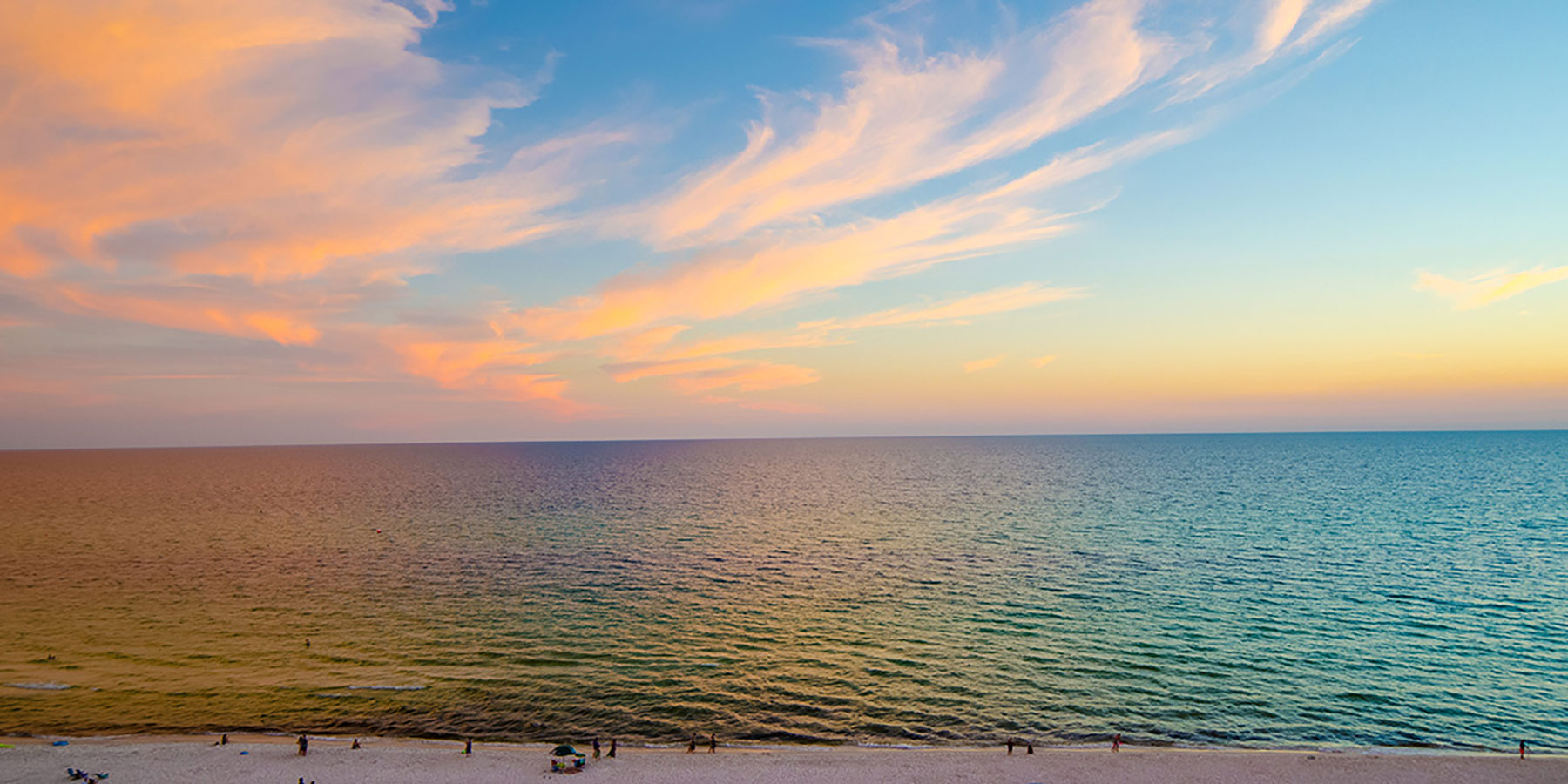
Sunset on the Gulf can make almost any evening feel planned to perfection. But PCB beach bonfires only work that way when you handle the logistics early, follow local rules, and choose the right stretch of beach for your group. If you wait until the last minute, you can end up with permit issues, weather problems, or a setup that does not match the experience you had in mind.
For many Panama City Beach visitors, a beach bonfire sits high on the vacation wish list. Families want a relaxed night with chairs in the sand and kids making s'mores. Couples want a quieter setup with a cleaner, more private feel. Groups often want something social without turning the evening into a loud, unmanaged event. The details matter because the best bonfire nights feel effortless only after someone has done the work.
What to Know About PCB Beach Bonfires
PCB beach bonfires are not a bring-your-own-firewood situation on just any part of the shoreline. Local beaches operate under specific rules, and fire activity on the sand requires approved permitting in advance and proper setup by a licensed operator. That protects the beach, reduces safety risks, and helps keep the experience controlled for guests and nearby properties.
This matters for vacationers because the beach in front of a condo may look wide open, but access does not automatically mean you can build a fire there. Rules in Panama City Beach are very strict and those rules are enforced.
The simplest path usually involves working with an approved beach bonfire provider. These companies typically handle permits, setup, fire management, and cleanup. That structure costs more than a do-it-yourself night, but it removes the most common problems. For families on a short stay, that trade-off often makes sense.
Why Permits and Providers Matter
The beach is a public resource, and fires carry obvious risks. Local authorities regulate where bonfires can take place, when they can start, and how they must be managed. Those controls are not red tape for the sake of red tape. They reduce the chance of unsafe fires, leftover debris, crowding, and damage to the beach environment.
The City and County limit the number of permits issued per day and these must be issued in advance.
A permitted provider also gives you a clearer standard of service. You know who brings the chairs, who lights the fire, who keeps it contained, and who removes the materials after the event. If the wind shifts or weather changes, a professional setup team can adjust quickly.
Depending on where you are staying, if you want a bonfire on the beach adjacent to your vacation rental, you'll need to determine which vendor services that area of the beach so you can book with that provider. Most of our local providers can handle everything from a two person set up to one for many more people.
Typical Costs for a Beach Bonfire
Pricing varies by season, provider, and package level. A standard setup includes the permit, fire pit preparation, seating, propane, and cleanup. Premium packages may add tables, extra chairs, hammocks, outdoor furniture, cornhole, food coordination, or decorative elements.
If you are traveling with children, ask what the package includes. A lower package price price may not include enough seating, or other options that you might be looking for, or the setup timing you want. For larger groups, small add-ons can move the total quickly.
Season also affects availability. Peak travel periods bring heavier demand, and the most reliable providers can book out well in advance. If your bonfire night matters to your trip, reserve it early.
Choosing the Right Night
A beach bonfire works best when it fits the rhythm of your trip. Many guests plan it for the middle of their stay instead of the first or last night. That gives everyone time to settle in, and it leaves room to adjust if weather becomes a problem.
Wind is often the deciding factor. A clear evening can still produce difficult fire conditions if the breeze is strong. Light rain may cancel or delay some setups, and seasonal storms can force a full reschedule. Occasionally, the local authorities issue burn bans that can include the sandy beachg if there are drought conditions. Ask about the provider's weather policy before you book so you know where you stand if conditions change.
Timing matters too. Sunset sets the tone, but the full experience usually starts before dark. You want enough daylight to get comfortable, take family photos, and let children enjoy the setup before the fire becomes the center of attention.
Book around the rest of your plans
Do not stack a beach bonfire on top of a long travel day or a packed activity schedule. Bonfires feel easy when everyone arrives relaxed. If your group rushes in late from dinner reservations or an all-day outing, the evening can feel compressed instead of memorable.
How to Pick the Right Setup for Your Group
Not every bonfire should look the same. A family with young kids needs different seating, snacks, and timing than a group of adults celebrating a birthday or reunion. The strongest plans start with the group, not with a generic package.
Families usually benefit from simpler setups with comfortable chairs, enough personal space, and easy food options. Keep the event length realistic. Younger children often love the first hour and fade after that. A shorter, well-timed bonfire often works better than an elaborate late-night event.
Couples or smaller adult groups may care more about location feel, spacing, and a quieter atmosphere. In that case, ask whether the provider can position the setup away from busier access points if local rules allow it. A bonfire near heavy foot traffic feels very different from one with a little breathing room.
Larger groups need structure. Confirm guest count, seating, and any restrictions on music, food service, or event duration. If your group wants a social night, plan for it directly instead of assuming the beach setting will carry the experience on its own.
Questions Worth Asking Before You Book
A bonfire provider should give direct answers on permits, location, cancellation terms, setup time, and cleanup responsibilities. If those answers sound vague, keep looking. This is one of those vacation activities where clarity protects the experience.
Ask where the bonfire will take place, what happens in bad weather, how long the fire lasts, and whether staff remain on site. Confirm what the package includes and what costs extra. If anyone in your group has mobility limitations, ask about beach access and walking distance from the nearest entry point.
Safety and Courtesy Still Matter
Even a professionally managed bonfire needs common-sense behavior. Keep children supervised, respect provider instructions, and pay attention to the fire area after dark. The goal is a controlled, enjoyable evening, not a loosely managed gathering that creates problems for other beachgoers.
Courtesy matters beyond your own group. Beaches serve families, residents, and visitors at the same time. Noise carries. Foot traffic stays active near public access points. A bonfire should feel special without taking over the shoreline around it.
That same mindset applies to cleanup. A quality provider should handle the site, but guests should still keep trash organized and avoid leaving food or packaging loose in the sand. The beach always looks better when visitors treat it like a place worth protecting.
Is a Beach Bonfire Worth It?
For many visitors, yes. A well-planned bonfire creates a different kind of beach memory than a day under an umbrella or an evening at a restaurant. It slows the pace, gives families time together, and turns a simple stretch of sand into a real event.
It is not the right fit for every trip. If your schedule is tight, your group dislikes sand after dark, or your budget is already stretched, you may enjoy a sunset picnic more. But if you want one evening that feels distinctly tied to the Gulf coast experience, PCB beach bonfires deliver when handled professionally.
The best approach is simple. Book early, ask direct questions, and choose the setup that matches your group instead of chasing the biggest package. A good beach bonfire should feel relaxed, controlled, and easy from the moment your chairs hit the sand.
Group Vacation Planning Guide for Smooth Trips

One missed payment, three different arrival times, and a group chat full of half-answers can turn a beach trip into work. A strong group vacation planning guide prevents that. When several households travel together, the goal is not just to book a place to sleep. The goal is to set clear expectations early, protect everyone’s time and money, and choose a rental that actually fits how your group will live for a few days.
What a group vacation planning guide should solve first
Most group trips do not fail because people chose the wrong destination. They fail because nobody made the hard decisions soon enough. Who commits first? How will the group split costs? What happens if one family backs out? Which bedrooms go to which guests? If you leave those questions open, small issues become personal issues.
Start with one trip leader. That person does not need to control every detail, but someone must own the timeline, confirm decisions, and keep records in one place. Groups work better when one person tracks payments, another handles meal planning, and another coordinates activities. Shared responsibility works. Shared responsibility without clear roles does not.
The earliest conversations should cover three items: budget range, travel dates, and non-negotiables. Non-negotiables include things like direct beach access, a pool, elevator access, kid-friendly sleeping arrangements, or enough parking for the number of vehicles the group will bring. If your group wants a low-stress stay, define those needs before anyone falls in love with a particular vacation rental that won't work for your group.
Set the budget before you shop
Groups often search for properties too early. They see photos first, then try to force the budget to match. That creates issues that will need to be resolved. Set the financial rules before you compare listings of various vacation rentals.
A useful budget conversation covers more than the nightly rate. It should include taxes, cleaning fees, parking costs, grocery plans, dining out, equipment rentals, and a cushion for unexpected expenses. A larger home can offer better value per person, but only if the group can handle the total cost without pressure. Saving money on a smaller place may backfire if the layout creates crowding and conflict.
Be direct about payment structure. Decide whether one person will collect funds and pay the balance or whether each household will reimburse on a fixed schedule. Put cancellation expectations in writing in the group chat or email thread. That sounds formal, but it prevents confusion later.
A simple rule for splitting costs fairly
Equal split works when every guest uses the property in roughly the same way. It stops working when one couple takes the primary suite while another family sleeps in bunk rooms with three kids. In that case, assign rooms first and then adjust shares. You do not need a complicated formula, but you do need a method the group agrees on before payment deadlines hit.
Choosing dates that work for everyone
Finding dates that work for everyone can drag on for weeks. Set a deadline. Offer two or three realistic options, then ask for firm responses. If the group cannot align on every schedule, prioritize the guests who committed early and can meet the payment terms.
This is where flexibility matters. A perfect weekend in peak season may cost far more than a midweek stay or shoulder-season trip. Families with school calendars may have fewer options. Couples or remote workers may have more room to adjust. If your group wants a better property for the same budget, shifting dates often solves the problem faster than lowering standards.
For Panama City Beach trips, season also shapes the experience. Summer brings energy, fuller beaches, and stronger demand. Spring and early fall can offer a more relaxed pace with favorable weather. The right choice depends on whether your group values activity, price control, or quiet.
Pick the right rental, not just the prettiest one
A good listing photo does not tell you how a group will function inside a property. The best rental for a group is the one that will work for your group.
Start with the floor plan. Bedroom count matters, but layout matters more. Two homes with the same occupancy can feel completely different if one has clustered sleeping spaces and limited bathrooms while the other gives each household more privacy. If you travel with grandparents, small children, or guests with mobility concerns, stairs, bathroom access, and distance to the beach all matter.
Kitchen size deserves serious attention. Group trips revolve around food, even when people plan to eat out. If the property has limited counter space, not enough seating, or a cramped refrigerator, meals can become chaotic. The same goes for parking. If multiple households drive separately, confirm the number of vehicles allowed before booking. In Panama City Beach, many condos restrict the number of vehicles you can park on property. Vehicles over that number are referred to public parking areas.
The best group vacation planning guide includes house-fit questions
Ask practical questions before you commit. How many guests can sit at one table? Is there outdoor space where people can spread out? Are there quiet bedrooms for early sleepers and young children? Does the property support both togetherness and privacy?
That balance matters. Groups enjoy shared space, but they also need room to step away. A vacation rental should let people gather without forcing everyone into the same routine all day.
Build rules before the trip starts
Adults do not usually need a long rule book, but groups do need operating standards. Without them, avoidable tension shows up by day two.
Set expectations for groceries, shared meals, cleanup, noise, and visitors. Decide whether the group wants a few planned dinners together or a looser schedule. Some travelers want every hour programmed. Others want open time. Neither approach is wrong, but mixed expectations create conflict if they are not addressed during the planning phase of your trip.
Be especially clear about arrival and departure logistics. Confirm check-in time, who gets access details, where cars will park, and what each household should bring. If one guest assumes the property provides beach gear, extra towels, or a stocked kitchen, disappointment follows. Check the property listing and if it is not clear, contact the rental agent for confirmation before assuming. Strong planning removes guesswork.
Keep communication controlled and useful
Large group chats create a lot of noise. Use one main thread for decisions and one shared document for trip details. Keep the final information in a clean format: address, check-in instructions, room assignments, payment status, grocery plan, emergency contacts, and departure tasks.
This matters more than people think. When the check-in code gets buried under jokes, restaurant screenshots, and changing dinner opinions, someone always asks for it again while standing in the driveway.
A clear communication system also protects the trip lead from becoming a full-time help desk. Once details are documented, everyone can find what they need without repeated calls or texts.
Plan activities with restraint
Groups often overbook themselves. They want a boat day, a fishing charter, a dinner reservation every night, and a full list of local stops. Then reality hits. Kids need naps. Weather shifts. Half the group wants beach time while the other half wants air conditioning and a quiet afternoon.
A better approach is to choose one or two anchor activities and leave room around them. For a beach vacation, the property itself often carries much of the experience. If the rental offers easy beach access, comfortable shared space, and a strong location, you do not need to fill every hour.
This is one reason professionally managed vacation rentals matter for group travel. Reliable property information, clear check-in procedures, and responsive support reduce uncertainty. That stability helps when several households rely on one booking to go right.
Expect trade-offs and decide on purpose
Every group trip involves trade-offs. A larger gulf-front vacation rental may cost more but reduce transportation issues and keep the group together. A lower-cost property a few blocks back may free up budget for dining and activities, but it can add daily logistics, especially with children or older guests.
Privacy versus price is another common decision. Some groups prefer to maximize occupancy and lower the per-person cost. Others would rather pay more for extra bathrooms, better sleeping arrangements, and room to breathe. Neither choice is automatically better. The right decision depends on the group’s priorities and tolerance for inconvenience.
If you book early, you usually get more choices of available vacation rental inventory and more time to organize. If you wait, you may find a deal, but options narrow and the planning pressure rises. For larger groups, early booking usually wins because fit matters more than last-minute savings.
Final checks that protect the trip
Before the booking becomes final, verify occupancy limits, parking rules, pet policies, payment deadlines, and cancellation terms. Read the details carefully. For group travel, assumptions can cost everyone in your group money.
Then complete one final review with the full group. Confirm the guest count, room plan, and total budget. Once everyone agrees, stop reopening settled issues. Strong trips move forward because the group respects deadlines and decisions.
Emerald Beach Properties sees this firsthand with beach travelers who want more than a place to stay. They want a property that supports the trip they actually planned.
The best group vacations feel easy once you arrive, but they only feel easy because someone handled the details with discipline before the car was packed. If you give the planning the same attention you give the destination, the beach has room to do the rest.