



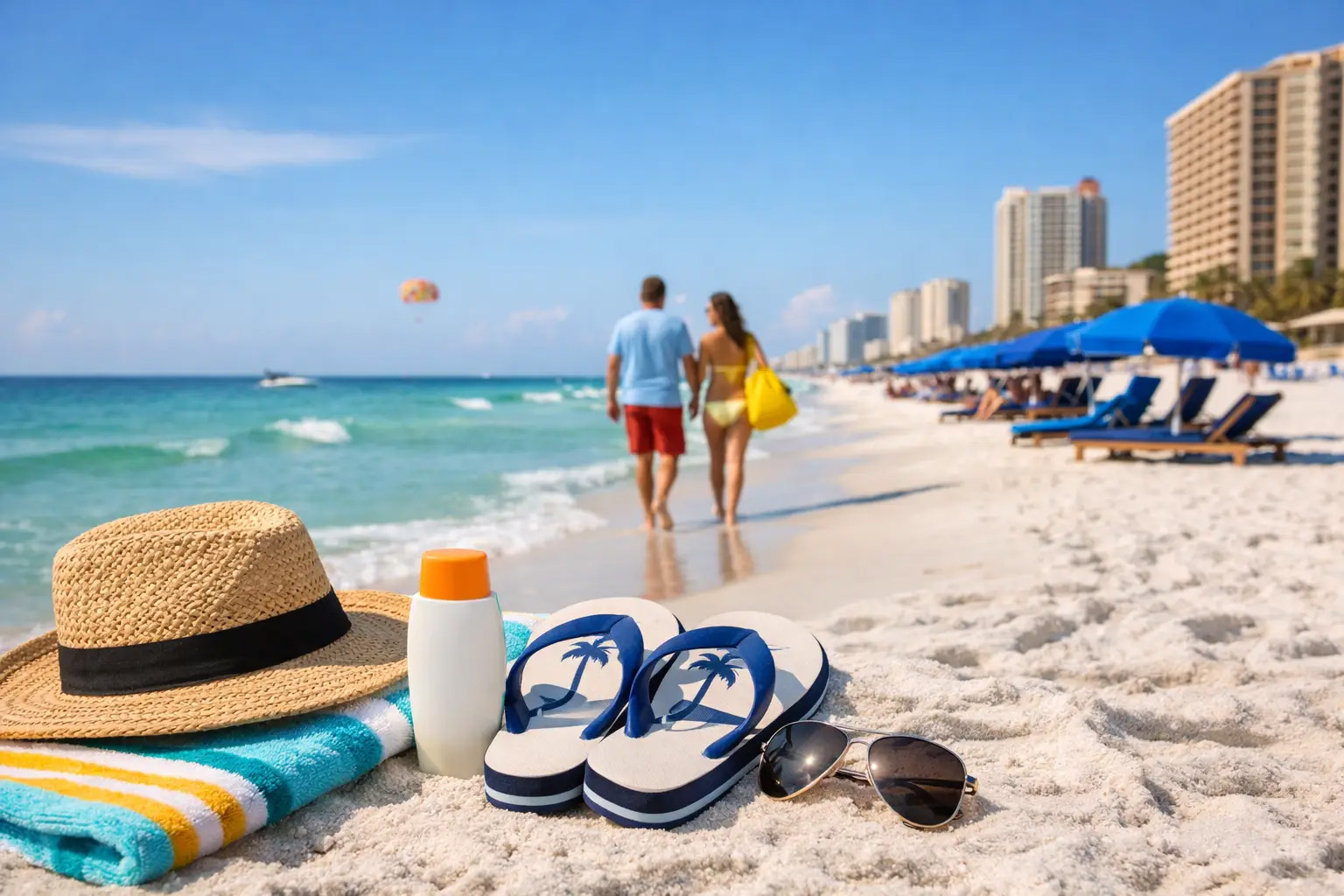
What to Bring?
Best Family Beach Rental Features That Matter
A beach vacation can lose its easygoing rhythm quickly when your vacation rental lacks the basics you really need to be comfortable: enough beds, a workable kitchen, a place to dry swimsuits, or a safe route to the sand. The best family beach rental features do more than look good in listing photos. They support real vacation days, from early breakfasts before the beach to tired children returning after sunset.
For families visiting Panama City Beach, the right property helps everyone spend less time managing logistics and more time enjoying the beach. Square footage matters, but a smart layout, practical amenities, and a dependable location often matter more.
Best Family Beach Rental Features to Prioritize
A layout that gives everyone room to reset
Families don't need a mansion to vacation comfortably, but they do need a place that fits the way they travel. Start with the bedroom configuration, not simply the total guest count. A property that sleeps eight may offer four adult-oriented beds with little consideration for young children, teens, or grandparents.
Look for bedrooms that provide privacy for adults and sleeping arrangements that make sense for children. Bunk rooms can work well for siblings and cousins, while a bedroom on the main living level can help families traveling with someone who prefers to avoid stairs. If grandparents join the trip, confirm bathroom access and the number of steps between parking, the entry, and their bedroom.
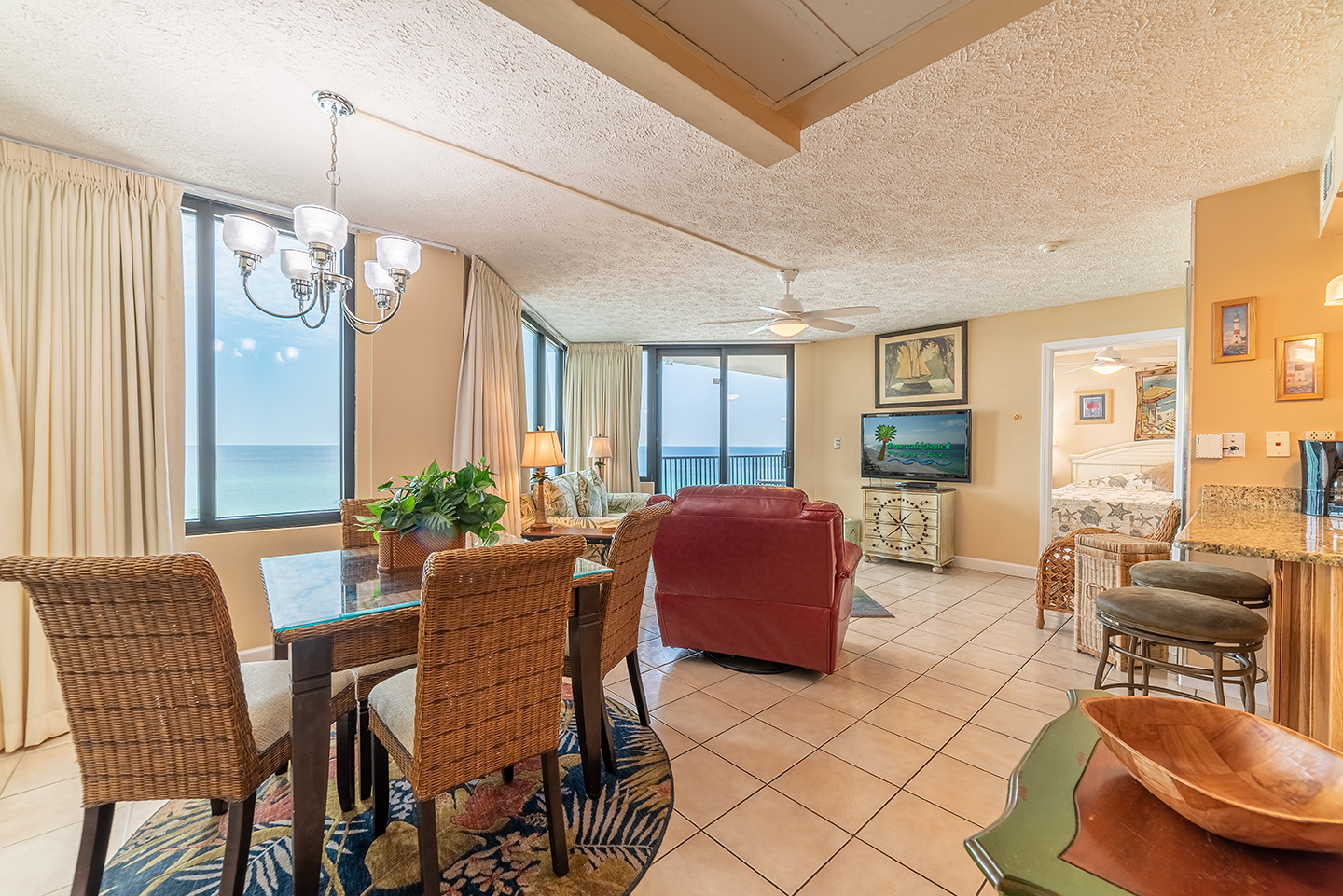
The common areas deserve equal attention. An open living room and kitchen create a useful gathering space, but the room still needs adequate seating. After a full day in the sun, families want space to spread out for dinner, a movie, a board game, or a quiet break without sitting shoulder to shoulder.
A kitchen designed for vacation use
A kitchen can significantly change the cost and pace of a family beach trip. It does not need restaurant-level equipment, but it should handle the meals your group plans to prepare. Review the listing details for a full-size refrigerator, oven, microwave, dishwasher, coffee maker, and sufficient cookware.
A kitchen island or dining table gives families a central spot for breakfast, lunches, and evening meals. It also gives parents a place to organize sunscreen, snacks, water bottles, and the next day's plans. Outdoor dining space adds value when the weather cooperates, especially if the rental has a balcony with a Gulf view.
Consider your habits honestly. If your family plans to eat out for every meal, kitchen size may be lower on your list. If you travel with small children, food allergies, athletes, or several households, a well-equipped kitchen will rank near the top.
In-unit laundry and places for wet gear
Sand arrives in every bag, and wet towels multiply faster than most families expect. In-unit laundry ranks among the most useful beach rental amenities because it reduces packing, keeps bedrooms cleaner, and makes the ride home easier.
A washer and dryer also help families with young children manage spills and frequent wardrobe changes. For longer stays, laundry can eliminate the need to pack a week's worth of extra clothes. Check whether the rental provides a washer and dryer inside the unit or whether guests share a community laundry room, as that difference affects convenience.
Beyond laundry, look for a practical entry space, hooks, a balcony, or another area where towels and swimwear can dry. These small details protect the indoor living space from becoming a pile of damp beach gear. And, remember that it is illegal to hang towels and other items over balcony railings in Florida. It's fine to drape wet items over the outdoor chairs just not the railings.
Beach access that works for your group
“Near the beach” can mean very different things. A rental may sit across a busy road, require a lengthy walk through a large resort, or offer direct access only after several elevator rides. Also, check to see if there is tram service available for this type of rental. Families should look beyond a map pin and understand the actual route from the rental door to the sand.
Direct beach access can simplify a vacation with toddlers, beach carts, coolers, and chairs. A short walk can still work well, particularly for families with older children or a lower price point. What matters is knowing the trade-off before arrival.
Also consider the return trip. Carrying beach equipment back to the rental in midday heat takes more effort than the walk out. Properties with rinse stations, convenient elevators, carts, and nearby parking can make beach days substantially easier.
Safety and Comfort Should Lead the Decision
Families should evaluate safety as part of the rental itself, not as an afterthought. Review whether balconies have secure railings, pools follow posted rules, and the property offers sensible access controls. A professionally managed rental should provide clear arrival instructions, reliable contact information, and direct guidance for maintenance or urgent concerns.
For families with young children, ask practical questions before booking. Does the unit sit on a high floor? Does the balcony door lock securely? Are stairs unavoidable inside the property? Every family has different needs, so no single feature fits every group.
Comfort also includes climate control and reliable utilities. Florida afternoons can be hot and humid, which makes effective air conditioning and ceiling fans essential. Strong Wi-Fi may not define a beach vacation, but it matters when guests need to check work messages, stream entertainment after dinner, or keep teens connected during downtime.
Bathrooms that ease the morning rush
One bathroom for a large family can create a lot of pressure at the exact time everyone wants to get to the beach. More than one bathroom, ideally with enough counter space and storage, helps the day start without a line at the door.
A half bath can prove surprisingly useful in a rental with several guests. An outdoor shower or foot-rinse area also helps keep sand out of bathrooms and beds. These features may not persuade someone to book a property on their own, but they improve the stay every day.
Sleep quality, not just bed count
Listings often lead with the number of guests a property can accommodate. Families should also consider how well everyone will sleep. Bedrooms with window coverings, comfortable mattresses, and separate sleeping zones support better rest after long hours outdoors.
Families with babies or light sleepers may want a bedroom away from the living area, while families with teens may prefer a bunk room that gives them their own space. If a sofa sleeper counts toward the occupancy number, decide whether your group will genuinely feel comfortable using it for several nights. Look for modern sleeper sofas with gel mattresses for maximum comfort.
Amenities That Add Value Without Adding Clutter
A pool, beach chairs, grills, fitness rooms, and game spaces can add to the experience, but families should choose amenities that match their actual plans. A large resort pool may become the favorite part of the trip for children who need a break from waves. On the other hand, a family focused on quiet beach time may value a less crowded building and faster beach access more.
Parking deserves a careful review, especially during busy travel periods. Confirm the number of available spaces, whether parking/registration must be paid in addition to the rental cost and how far the parking space sits from the rental. A designated space close to the building saves time every time you unload groceries, strollers, luggage, and beach supplies. Most complexes in PCB do not offer designated parking spaces by unit so, be sure to read the listings to determine the situation with your particular rental.
Do not let an extensive amenity list distract from the essentials. A clean rental with a good layout, dependable air conditioning, laundry, and a convenient beach route will usually serve a family better than a flashy property that complicates daily routines.
Read the Details Before You Commit
Photos create the first impression, but rental details protect the vacation. Review occupancy limits, age requirements, parking rules, pool policies, pet restrictions, check-in procedures, and any fees that will have to be paid upon arrival that affect the final cost. Pay attention to what the rental provides and what guests need to bring, including beach equipment, baby gear, paper products, and kitchen basics.
Property management also matters. Clear communication before arrival signals a team that respects guests' time. Emerald Beach Properties focuses on professionally managed beach-area rentals, giving families a direct point of contact when they need accurate property information or support during their stay.
A family beach rental should make the ordinary parts of travel easier: sleeping, eating, cleaning up, parking, and getting to the water. Choose the features that fit your group rather than chasing the longest amenity list, and the property can become a calm, dependable home base for the beach days everyone came to enjoy.
Renting Beach Gear in Panama City Beach: What to Know
The difference between a relaxed beach day and a frustrating one often comes down to the first hour. Families who arrive with shaded seating, dry towels, cold drinks, and a plan for the kids can settle in quickly. Those who arrive carrying too much or searching for supplies during a busy week can lose valuable vacation time. Renting beach gear in Panama City Beach gives some visitors a practical way to travel lighter while still enjoying the shoreline comfortably.
A rental can solve a real vacation problem, but the right choice depends on your group, your accommodations, and how you plan to use the beach. A couple spending two quiet mornings by the water needs something very different from a family with young children, a cooler full of lunches, and a full afternoon ahead.
Start With Your Beach-Day Plan
Before you reserve anything, decide what a successful beach day looks like for your group. Consider how many people need a seat, how long you expect to stay, whether anyone needs extra shade, and how far you will walk from your vacation rental to the sand. These details help you avoid paying for gear that adds little value or arriving without something you genuinely need.
For many guests, chairs and an umbrella or canopy form the foundation. They create a comfortable home base for reading, resting, watching children near the shoreline, and taking a break from direct sun. If you plan to spend several hours on the beach, shade matters more than you might expect, especially during the warmest part of the day.
Families often benefit from adding a cooler, beach cart, boogie boards, or sand toys. A cart can make a significant difference when your rental is across the street, behind a dune walkover, or several buildings from the beach. On the other hand, guests staying directly on the Gulf may prefer a simpler setup and fewer items to manage.
Know the Difference Between Beach Service and Gear Delivery
Not every beach rental operates the same way. Some providers set up chairs and umbrellas in a designated area of the beach. Others deliver equipment to your vacation rental, where you take it to the sand and return it as directed. Both options can work well, but each requires different planning.
A staffed beach-chair setup at the complex where you are staying offers convenience. You can arrive, check in with the service, find your chairs, and begin your day without carrying equipment. This option often suits guests who want a polished, low-effort beach experience. Availability, location, and daily operating conditions can affect these setups, so confirm the details before you count on a particular row or location. Typically, the guest will be paying for this service but, a few vacation rentals include this service in the price. Be sure to check so there are no surprises. You can usually reserve beach chairs in advance to be sure you will have a place upon arrival.
Delivered gear gives you more flexibility. You may use the equipment at different beach access points or bring it to a quieter stretch of sand. However, delivery rentals place more responsibility on you. Confirm where the provider will leave the items, where you should store them overnight, and when the provider will collect them.
Ask About Access Before You Reserve
Panama City Beach includes a mix of beachfront condominiums, vacation homes, resort properties, and neighborhood access points. Your lodging location affects which gear arrangement makes the most sense. A beach-service provider may work from a particular beachfront area, while a delivered setup may require you to carry items through an access point.
Review your property’s parking, beach access, storage space, and community rules before you reserve larger equipment. Some properties limit where guests can place gear, and they do not offer convenient space for storing bulky items overnight. Panama City Beach operated under a "No Trace Left Behind" ordinance that requires all beach gear be removed from the beach each evening. A quick check protects you from an avoidable inconvenience after check-in.
Reserve Early for Peak Travel Dates
Spring break, summer holidays, long weekends, and major events bring more visitors to the beach. During these periods, popular chair setups, umbrellas, golf carts, bicycles, and family-sized equipment can sell out early. Last-minute rentals may still be available, but you may have fewer choices, less convenient delivery windows, or a higher price.
Reserve as soon as you know your travel dates if particular beach gear is important for your vacation plans. This approach matters most for groups that need several chairs, a large canopy, mobility equipment, or specialty items for children. Confirm the reservation in writing and keep the provider’s contact information available before arrival.
Price deserves attention, but it should not control the entire decision. Compare the rental period, delivery fees, service area, deposit requirements, weather policies, and replacement costs. A lower daily rate can become less attractive if it adds a delivery charge, requires a long pickup trip, or creates a difficult return schedule on your departure day.
Choose Gear That Fits the Weather, Not Just the Photo
A wide umbrella and matching chairs may look ideal in a listing photo, but coastal weather requires practical judgment. Wind can change quickly along the Gulf, and a lightweight setup that works on a calm morning may not suit a breezy afternoon. Ask how the provider handles wind restrictions and whether staff may close or remove umbrellas when conditions become unsafe.
Do not treat rented shade equipment as a substitute for weather awareness. Check the beach flag conditions each day, supervise children near the water, and respond quickly to changing surf or storms. Beach gear should make the day more comfortable, not encourage your group to stay exposed to unsafe conditions.
The same principle applies to water equipment. Boogie boards, paddleboards, kayaks, and similar items can add fun for confident swimmers in suitable conditions. They require more attention than chairs or toys, however. Consider your group’s experience, the day’s surf, and the effort required to transport and supervise the equipment.
Keep Children Comfortable Without Over-packing
Parents often feel tempted to rent every possible item for a beach day. In practice, a focused setup usually works better. Shade, drinking water, sunscreen, snacks, towels, and a few familiar toys cover the essentials for most young children. Add chairs or a wagon if they improve comfort or reduce the number of trips you need to make.
Very young children may need frequent shade breaks, dry clothing, and a quiet place to rest. Plan for those needs before you commit to a long stretch on the sand. A comfortable child makes the entire group’s day easier.
Read the Rental Terms Before Delivery Day
Rental terms deserve more than a quick glance. Confirm the rental start and end dates, expected delivery time, pickup procedure, and instructions for damaged or missing items. If you book a multi-day rental, find out whether the provider expects you to secure the gear overnight or whether they handle daily setup and removal.
Also ask about weather cancellations. Providers vary in how they handle high winds, heavy rain, or beach closures. Some may offer a credit or adjustment under certain circumstances, while others may not. Clear expectations reduce friction if conditions change after you arrive.
Take a few moments to inspect delivered equipment when it arrives. Check chairs, wheels, straps, coolers, and water equipment for visible damage. If anything looks unusable or incomplete, contact the provider promptly. Early communication gives the company a fair chance to correct the issue and documents the condition of the equipment.
Match the Rental to the Rest of Your Vacation
Beach gear should support your plans rather than dictate them. Guests who intend to explore restaurants, attractions, and nearby activities may want a compact, one-day setup. Guests who plan to spend most mornings and afternoons on the sand may receive more value from a multi-day chair and umbrella arrangement.
Think about your departure day as well. If checkout requires an early start, avoid rentals that require a complicated return process or a narrow pickup window. A clear plan lets you enjoy your final morning instead of managing equipment logistics.
The best rental choice rarely involves the most gear. It involves the gear your group will actually use, delivered or set up where you need it, with terms you understand before you arrive. When you make those decisions early, the beach can feel less like a project and more like the reason you came.
Beach Safety in PCB: What Visitors Need To Know
A calm Gulf morning can turn risky faster than you might think. That is why beach safety deserves more than a quick glance at the water from your balcony. Conditions change by the hour, and a beach day goes better when you treat the shoreline with the same respect you give the sun, traffic, or any other vacation activity.
Panama City Beach gives families long stretches of sand, warm water, and clear views that make it easy to relax. That same setting can create false confidence. Gentle-looking surf can still hide a strong current, and bright weather does not guarantee safe swimming. The best approach is simple - check conditions early, stay alert, and make decisions that match the weakest swimmer in your group, not the strongest.
Beach safety in PCB starts before you reach the sand
Most beach problems begin with assumptions. Guests assume the water will stay as calm as it looked at breakfast. Parents assume children will remain in the same area. Strong swimmers assume they can handle rough surf because they swim well in a pool. Those assumptions can create avoidable risk.
Start your day by checking the beach flag status and the weather. In PCB, flags are not decoration. The flag conditions are posted in every vacation rental managed by Emerald Beach Properties. Check the postings and be aware of what the different colored flags mean. They communicate current water conditions and should drive your plan for the day. If the flags indicate dangerous surf, change the activity. Walk the shore, build sandcastles, or use the pool. A vacation schedule should never overrule beach conditions.
It also helps to set expectations before anyone carries a chair onto the sand. Choose a meeting point. Decide who watches younger children at all times. Put phones in a place where adults can reach them quickly. Small systems prevent confusion when the beach gets crowded.
Understanding the flag system and what it means for your group
The flag system gives you the fastest read on water risk. Many visitors know the colors in general terms but do not always apply them correctly.
A green flag signals calmer conditions, not zero risk. You still need to watch children, assess wave action, and stay aware of drop-offs and fatigue. A yellow flag means moderate hazard. That usually calls for tighter supervision, shallower play, and a more conservative mindset. A red flag means high hazard. Swimming becomes a poor choice for most visitors, especially children, older adults, and anyone without open-water experience. Double red means the water is closed to the public. At that point, the decision is already made for you.
Purple flags warn about dangerous marine life. That does not always mean you need to leave the beach, but you should adjust behavior to avoid contact with marine pests such as jelly fish. Shuffle your feet in shallow water when appropriate, keep a closer eye on children, and avoid casual wading if jellyfish or other hazards are active.
The trade-off is straightforward. Some visitors see a yellow or red flag and feel frustrated because they planned a full water day. The safer choice may feel inconvenient, but it protects the trip. A single injury or rescue can end a vacation much faster than a changed itinerary.
Rip currents are the risk many visitors underestimate
If there is one hazard that deserves serious attention, it is the rip current. In PCB, rip currents can form even when the beach looks calm from shore. They do not always appear dramatic. Often, they look like a calmer, darker, or choppier section of water between breaking waves.
People get into trouble when they fight the current trying to swim directly back to shore. That burns energy fast. If a rip current pulls you away from the beach, stay as calm as possible, float if needed, and swim parallel to the shoreline until you move out of the current. Then angle back toward shore. If you cannot make progress, signal for help and keep conserving energy.
For families, the more practical point is prevention. Stay near lifeguards when available. Keep weaker swimmers in shallow water. Do not use inflatables as a substitute for swimming ability or adult supervision. Wind and current can move floats farther and faster than many people expect.
Who needs the closest supervision
Every beach group has different risk levels, and strong planning helps keep your entire group safe. Young children need constant, active supervision near the waterline, not periodic check-ins from a chair. One adult should watch the child, and that adult should not split attention with a phone, a conversation, or a cooler setup.
Teenagers often create a different challenge. They may look capable and want independence, but they also take more chances in surf. Set clear boundaries for how far they can go and what flag conditions end water activity.
Older adults and guests with medical conditions need their own plan. Heat, fatigue, uneven sand, medication effects, and changing surf can combine quickly. That does not mean they should avoid the beach. It means they should use easier access points, limit time in direct sun, hydrate early, and avoid entering rough water.
Visitors who are confident pool swimmers also need a reality check. Open water demands different judgment. Waves, current, uneven bottoms, and reduced footing change everything you thought you knew about swimming.
Sun, heat, and hydration are safety issues too
Not every beach emergency starts in the surf. In Florida, heat and sun exposure put plenty of visitors in trouble before they ever reach knee-deep water.
Build your day around protection, not recovery. Apply broad-spectrum sunscreen before you head out, and reapply it on schedule, especially after swimming or sweating. Use shade intentionally. A beach umbrella helps, but it does not replace sunscreen or hydration. Drink water consistently through the day, not only when someone says they feel thirsty.
Children often ignore early signs of overheating because they are busy. Adults do the same because they do not want to stop the fun. Watch for flushing, headache, dizziness, unusual fatigue, nausea, or irritability. Those signs deserve action right away. Move into shade, cool down, and hydrate.
The same rule applies to alcohol. A drink on the beach may feel harmless, but alcohol lowers judgment and increases dehydration. That matters more when surf conditions already require caution.
Set up your beach spot with safety in mind
Where you place your chairs matters more than most people think. Choose a spot that gives you a clear line of sight to everyone in your group. Avoid setting up so far from the main activity area that supervision becomes reactive instead of active.
Pay attention to access points and posted notices. Use established walkways rather than climbing over dunes. If there are mobi-mats available, they are the best way to access and leave the sandy beach. Dunes protect the coastline, and damaged dunes create long-term problems for the beach environment. Operational discipline matters here too. Respect the posted rules because they exist for safety, preservation, and access control.
Keep the area organized. Shoes, toys, bags, and coolers scattered across the sand create tripping hazards when people move quickly. If a child bolts toward the water or someone needs help, a cluttered setup slows response time.
Weather changes require fast decisions
Storm risk is one of the easiest hazards to dismiss and one of the most common reasons a beach day should end early. In coastal weather, conditions can shift quickly. Darkening clouds, rising wind, distant thunder, or a sudden drop in beach activity are all cues that it's probably time to pack your gear and head back to the vacation rental.
Do not wait for rain to start before you leave. Lightning can strike well ahead of a storm cell. When thunder is audible, the beach is no longer a safe place to stay exposed.
Wind also changes water conditions, even when the sky still looks inviting. Stronger onshore wind can increase surf and make inflatables harder to control. That is often the moment when families should leave the water, even if they planned to stay another hour.
A safer beach day usually feels less dramatic
The best beach days rarely involve last-second decisions or avoidable rescues. They come from steady judgment. Check the flags. Watch the water. Respect changing conditions. Keep your group close, hydrated, and realistic about their swimming ability.
That mindset protects more than a single afternoon. It gives your family room to enjoy the shoreline with confidence, and it helps every part of the trip run better. When you treat the beach with respect, the experience stays what it should be - memorable for the right reasons.
Beach Volleyball in Panama City Beach
The first serve usually tells you everything. By 9 a.m., the sand already feels warm, the Gulf breeze starts to push the ball sideways, and players on neighboring courts settle into that mix of competition and vacation energy that defines beach volleyball in Panama City Beach. Some groups came to win points. Others just want a good rally before lunch. Both are welcome in PCB!
For visitors, that balance matters. You do not need to arrive with a full team, elite-level experience, or a tournament schedule to enjoy the sport. You need the right beach access, realistic expectations about weather and crowds, and a clear sense of what kind of game you want. Panama City Beach works well for volleyball because it supports all three - casual play, organized competition, and the kind of easy outdoor activity families can build into a beach week.
Why beach volleyball in Panama City Beach works so well
Not every beach destination gives volleyball equal footing. Some stretches of sand look great but crowd out active play. Others have sports facilities that feel disconnected from the beach itself. Panama City Beach has an advantage because the setting and the activity make sense together. Wide sand, strong visitor traffic, and a beach culture built around long days outside create the right conditions.
The Gulf breeze changes the game in a way indoor players notice immediately. A clean set in still air may drift off line here. A serve that feels controlled can sail long if the wind shifts. That is part of the appeal. Beach volleyball asks players to adjust, communicate, and stay patient. It also keeps the game interesting for beginners because nobody controls every point.
For families or groups staying nearby, volleyball also fills a useful middle ground. Swimming takes more energy and more supervision. Sitting under an umbrella all day gets old for some people by day two. A volleyball session gives everyone a reason to move, compete a little, and stay engaged without committing to a full excursion.
Where to play
The best place to play depends on whether you want convenience, open space, or a more social atmosphere. In Panama City Beach, many visitors start with courts at or near beachfront resorts and condo properties. That option makes sense when your priority is easy access. You can play for an hour, head back upstairs, then return later without loading the car or managing a full beach setup.
Public beach areas can also work well, especially when your rental does not include direct court access. The trade-off is predictability. Some areas stay busier, and court condition can vary by season, maintenance, and demand. If your trip centers on volleyball, it helps to confirm nearby court access before booking accommodations rather than assuming every beachfront stay offers it.
That is one reason location matters in vacation planning. A property close to active beach zones gives you more flexibility if volleyball sits high on your list, especially for teens, college-age travelers, or families with competitive players who will want more than one casual game during the week.
Resort-area courts vs. public setups
Resort-area courts usually offer the easiest logistics. You get nearby restrooms, quicker access to water and shade, and a more controlled environment. That matters for families and for groups who plan to play in shorter sessions around meals, pool time, or other outings.
Public setups can feel more open and social. You may run into pickup players looking for a game, and that can be a plus if your group is short a few people. The downside is that public areas may get crowded faster, especially during peak vacation periods and holiday weeks.
What kind of game to expect
A lot depends on the time of year and time of day. Spring and summer bring the highest energy, but they also bring the most traffic. Early mornings generally offer better playing conditions if you want cooler sand, less crowd pressure, and more room to warm up. Late afternoon can also be strong, although wind often becomes a bigger factor.
Midday play looks good in photos but is tougher in practice. The sun gets stronger, the sand heats up, and casual games tend to fade faster unless players rotate often and stay disciplined about hydration. Visitors who underestimate the heat usually shorten their match before the score gets very high.
Skill level varies widely, which is good news for most travelers. You will see everything from family bump-and-hit games to fast-paced doubles with experienced players. If you want a serious run, seek out courts with regular traffic and players already working through structured games. If you want a low-pressure match, quieter resort courts usually serve you better.
What to bring if volleyball is part of the trip
You do not need much, but the details matter. A good volleyball, water, sunscreen, and a towel cover the basics. If you plan to play more than once, bring sunglasses that stay in place and a hat for downtime between games. Barefoot play works for many people, but hot sand changes that fast. Sand socks or a plan to play during cooler hours can make a real difference.
For visitors flying in or packing light, this is another case where your lodging setup matters. If your property includes easy beach access and room for gear, you are more likely to play consistently. If every game requires a long walk, crowded parking, or hauling equipment across a packed beach, the plan usually shrinks after day one.
A few practical realities
Wind affects every level of player. Strong sun wears people down faster than they expect. Soft sand rewards conditioning and exposes bad footwork. None of that should discourage you, but all of it should shape your plan. Shorter games often beat one long session, especially for mixed-age groups.
If kids want to join, set expectations early. Rally-based games and simple serving contests usually hold attention longer than strict scoring. Adults often have more fun that way too.
Tournaments, pickup games, and social play
Beach volleyball in Panama City Beach is not limited to private family matches. Depending on the season, visitors may find organized events, informal pickup games, and competitive play that draws strong local and traveling talent. That variety gives the area staying power. You can come one year for a casual beach week and come back later ready to test yourself against better competition.
If you want a pickup game, your best approach is simple - show up at active courts at reasonable playing hours, bring a ball if you have one, and be direct. Most beach players respond well to clear communication. Ask whether anyone needs two more. Ask what format they are running. If the game looks advanced and your group is casual, do not force the fit. Another court or another time usually solves the issue.
Choosing the right stay if volleyball matters
Most travelers book around views, bedroom count, and proximity to the water. Those are smart priorities. Still, if volleyball ranks high on your list, look closer at the immediate beach setup around the property. Distance to playable sand, nearby public access, and court availability will affect your daily vacation routine.
A well-placed rental can turn volleyball into an easy part of the day instead of a planned outing. That difference matters on a short trip. Emerald Beach Properties serves guests who want that kind of location-based advantage - not just a place to sleep, but a stay that fits how they actually use the beach.
When it may not be the right fit
Volleyball is not for every beach day. Red flag surf conditions, extreme heat, thunderstorms, and crowded holiday beaches can all push the sport down the list. That is normal. The smart move is to treat volleyball as a flexible part of the trip, not a rigid itinerary item.
If your group includes very young children, older adults with mobility concerns, or travelers who simply do not enjoy competitive activities, a full volleyball-centered plan may miss the mark. In those cases, a quick family game near your vacation rental often works better than chasing court time or pickup play.
The best trips usually leave room for both. Play when conditions are good. Skip it when they are not. That approach keeps the beach fun instead of turning recreation into a schedule.
A good volleyball day here does not require perfect sand, perfect weather, or perfect players. It requires the right setting, a little flexibility, and a place to stay that puts the beach within easy reach.
Beach Chair Rentals & Beach Service in PCB
By 10 a.m., the "best" stretch of the sandy already feels claimed. Families have staked out their spot, coolers sit under umbrellas, and anyone still carrying chairs across hot sand starts to wonder if they should have rented beach chairs instead. Beach chair rentals, also called beach service is a great convenience. They can change how easy, comfortable, and organized your beach day feels. Or you may wish to bring your own beach gear to customize your beach day.
Renting beach chairs sounds simple but there are questions you should investigate before your arrival. Where are the chairs set up? Is an umbrella included? Do you reserve in advance or pay on site? How close will you be to the water, and what happens when the beach gets crowded? Those questions affect value just as much as price. If you are bringing your own gear, you'll want to know where you are allowed to set up and also, you should understand that the City requires all beach gear to be removed each evening.
Why beach chair rentals appeal to so many travelers
A beach vacation should not start with a hardware problem. If you fly in, packing chairs is impractical. If you drive, hauling them still takes space that could go to luggage, groceries, or gear for kids. Rentals remove that burden immediately.
They also make it easier for you once you reach the beach. Instead of carrying bulky equipment, searching for a workable setup, and adjusting your position throughout the day, you arrive to a prepared space. For families with children, older travelers, or anyone planning to spend several hours on the sand, that convenience has real value.
Comfort matters too. Rental chairs and umbrellas are not always premium, but they are usually more dependable than the low-cost folding chair many people buy in a rush. A stable chair, usable shade, and a set location can make the difference between a relaxing afternoon and a short, overheated visit.
What beach chair rentals usually include
Most beach chair rentals center on a simple setup: 2 chairs or chaise loungers, an umbrella, and a designated space for a specific time period. Typically in PCB your beach chair rental will include two chairs or chaises and one umbrella for a full day. Some providers also offer multi-day or weekly pricing. This rental is typically paid to the vendor at the beach unless you have prebooked online and paid ahead. Tipping is expected by most beach chair attendants.
That said, details vary. Some setups include padded loungers. Others provide basic upright chairs with limited recline. Umbrella size can differ, and so can placement. Front-row setups near the water often cost more, while standard placement may depend on availability, weather, and daily beach conditions.
This is where expectations need to be realistic. A rental gives you convenience and structure, but not always full control. If the tide shifts, if local rules affect placement, or if high winds change umbrella use, the setup may adjust. Good providers communicate that clearly.
When renting makes more sense than bringing your own
Beach chair rentals make the most sense when your trip is built around ease. If you are staying for several days and expect to spend meaningful time on the beach, rentals often justify the cost. You save time, avoid transporting equipment, and reduce setup stress.
They also make sense if your vacation rental does not include beach gear. Some properties advertise that they stock chairs for guest use, but availability and quality can vary. In addition, the main closet in most vacation rentals contains items that prior guests have left behind but, this is not reliable. Chairs break, straps wear out, and umbrellas disappear over time. Renting gives you a predictable option instead of relying on whatever happens to be in the closet.
On the other hand, rentals may not be the best fit for every traveler. If you only plan to visit the beach for an hour or two, or if your group prefers to move around frequently, a fixed setup may feel limiting. Travelers who want total control over distance from the water, chair style, or exact location sometimes prefer bringing their own gear.
Questions to ask before you book
The best rental experience usually comes from asking a few direct questions early. Start with the basics: what is included, how long the rental lasts, and whether you need to reserve ahead. If your trip falls during a busy season or holiday week, advance booking often matters.
Next, ask about location. Most beach chair rentals in PCB are on the beach directly adjacent to teh resort. There are public beach access points that are clearly labeled where you can visit the beach but, there are usually no rental beach chairs at these locations. In addition in PCB there are beach gear rental services that will bring chairs, umbrellas, coolers, etc. to the location you specify.
You should also ask about weather and cancellation terms. Beach operations depend on wind, storms, and local safety rules. A clear policy tells you what happens if conditions prevent setup or cut the day short. Serious operators explain those terms without hesitation.
Finally, ask whether setup and breakdown are handled for you. Typically beach chair rentals adjacent to the resorts handle set up and breakdown. It's best to ask if you are using an outside service.
The trade-off between convenience and cost
The main objection to beach chair rentals is usually price. At first glance, it can seem cheaper to buy discount chairs and a basic umbrella. Sometimes that is true, especially for long stays or repeat beach visits across several trips.
Some vacation rental owners provide paid beach service for their guests. Check the listing of the property you are looking at to see if this is the case. This can provide a substantial savings to you if this expense is paid in advance for you. Typically properties with this service charge premium rental rates.
But cost should be measured against effort and reliability. Buying gear means transporting it, carrying it, storing it, and often replacing it sooner than expected. Cheap chairs fail. Umbrellas bend. Sand works into every hinge and fabric seam. What looks inexpensive at checkout can become annoying by day two.
Renting costs more upfront, but it often buys back time and energy. For many vacationers, that is the better exchange. The right choice depends on how often you plan to use the equipment and how much hassle you are willing to accept.
Beach chair rentals in Panama City Beach
In Panama City Beach, beach chair rentals are especially common because visitors often plan full beach days rather than quick shoreline visits. That changes the value equation. When you expect to spend hours on the sand, shade and seating become part of the day’s structure, not an afterthought.
This area also brings practical considerations. Seasonal demand can rise quickly, and heavily traveled beachfront sections fill up fast. Guests who wait until the last minute may still find beach chair rentals, but not always in the section or arrangement they want. If beach access is a major reason for your trip, planning ahead is the safer move.
For guests staying in a professionally managed vacation rental, it is smart to check what the property offers before making separate arrangements. Some properties include beach equipment, while others leave that decision to the guest. Emerald Beach Properties, for example, serves travelers who want a well-managed stay, and that same planning mindset applies to beach setup. Confirm the details early, and you avoid last-minute surprises.
Many beach chair rental companies also offer additional rentals such as jet skis, banana boat rides, parasailing, etc. Check with the beach hut or local provider for these additional activities.
How to tell if a rental provider is worth using
A dependable provider usually signals professionalism in small ways. Their pricing is clear. Their inclusions are easy to understand. Their staff can answer basic operational questions without vague promises. If you ask where your chairs will be, when they are available, or what happens in bad weather, you should get a direct answer.
You should also look for consistency. A provider who manages setup daily in the same area typically runs a tighter operation than someone improvising service. On a beach, execution matters. Chairs need to be in place on time. Umbrellas need to be secured properly.
That does not mean every issue can be prevented. Beaches are outdoor environments, and conditions change. But good operators manage those changes with control and clear communication.
A better beach day starts with fewer moving parts
Many vacation decisions come down to a simple question: do you want to manage details, or do you want the day ready when you arrive? Beach chair rentals are not necessary for everyone, but they solve a real problem for travelers who value comfort, efficiency, and a more predictable beach experience.
If you plan carefully, ask the right questions, and choose a provider that runs a disciplined operation, renting can remove one more layer of effort from your trip. On a beach vacation, that is often the difference between settling in and finally relaxing.
Family Beach Rental Checklist for a Better Stay
The "right" rental is not just about Panama City Beach's Gulf views. It is about how your selected vacation rental supports the way your group actually travels and the essentials you bring from home. When you book a vacation rental with Emerald Beach Properties, the photos in the listing are the photos of the actual property where you will stay.
Consider the issues of everyone in your party when choosing your perfect place in PCB with us. Parents are managing groceries, naps, wet towels, sleeping schedules, beach gear, and transportation. Children need space, routine, and a setup that is safe. Grandparents or extended family may need fewer stairs, easier access, and quieter sleeping areas. A good vacation rental choice for your group will reduce friction, not create it.
What a family beach rental checklist should cover
A useful family beach rental checklist starts with fit. All of our listings look great in their photos. Be sure to read the description and check the sample floor plan that included in the listing photos. Focus first on occupancy, bedroom layout, and whether the sleeping setup works for your group. A property that sleeps eight may rely on sofa beds in common areas and hallway bunks, which can be fine for some groups and a poor choice for others.
Bathrooms deserve the same scrutiny. Families often underestimate how much one extra bathroom improves a stay, especially when everyone returns from the beach at once. If your group includes young children, it also helps to know whether there is a tub, a walk-in shower, or a layout that makes bathtime routines easier. We provide hotel type amenities in each bathroom and a starter supply of toilet paper. If you are staying more than a couple of nights, be sure to pick up additional supplies when you head over to the grocery store.
The kitchen is another point where expectations should be practical. If your plan is to cook breakfast daily and handle some dinners in-house, you'll be pleased to learn that all of our properties have full-size appliances and enough seating. We provide starter sets of dishwashing detergent and paper towels which will be enough for a few days but, if you are staying longer, you may need to pick up additional supplies when you head to the grocery store.
Before booking a family beach rental
The booking stage is where most preventable problems can be avoided. Start with location, but define it carefully. Beachfront, beach view, and short walk to the beach are not the same thing. For a family traveling with strollers, coolers, chairs, and tired kids at the end of the day, the difference matters.
Parking should be confirmed early, not assumed. Most Panama City Beach properties have limited spaces in their parking lots and decks, off-site overflow parking costs extra, height restrictions, and rules against bringing boats and trailers. If your family is arriving in more than one vehicle, verify what is included and what is not. In addition, most of the properties in PCB charge a registration fee that includes parking for a set number of vehicles and wristbands for guests. Typically these fees are paid by the guest in advance outside the reservation. Be sure to check with us on the exact property you are renting so there are no surprises at check in.
Review the property rules with the same attention you give the rate. Quiet hours, pool access, guest limits, age requirements for the booking party, and policies on pets or smoking can all affect whether the stay is a good fit for your group. This is not about looking for problems. It is about making sure the rental matches how your family plans to use it.
Cancellation terms deserve a close read as well. Families are often booking around school calendars, work schedules, and weather windows. Flexible terms are generally no available in the PCB market. If you are concerned about changes in plans, we do offer trip insurance for these cases. Travel insurance must be purchased and paid for at the time of booking and is not refundable. Booking a vacation rental typically depends on how firm your travel plans are and how much risk you are willing to carry.
The practical amenities families should verify
A family beach rental checklist should give special attention to everyday functionality. Washer and dryer access is one of the biggest quality-of-stay factors in a beach property. Sand, swimsuits, and towels add up quickly. In-unit laundry is usually more convenient than shared laundry facilities, particularly for longer stays.
Reliable air conditioning is equally important in a coastal market. All of our properties offer central heating and air conditioning. Just like at home, there are occasions when the HVAC is not working and in those cases, we call for service right away to get it fixed as quickly as possible.
Wi-Fi is provided in all of our properties and is handled by the different condo associations.
We know that even on a beach trip, many families need internet access for work check-ins, streaming, navigation, or keeping older kids occupied during downtime.
You'll need to assess the safety and accessibility of each vacation rental you consider based on the composition of your group. Balcony design, stair access, pool fencing, elevator availability, and distance from the water all affect suitability. Parents of toddlers will look at these details one way. Multi-generational groups may look at them another way. A property can be beautiful and still not be the right operational fit for your group. Vacation rentals in Panama City Beach are heavily regulated with regard to safety by the local government so, you can expect that nearly all vacation rentals do comply with safety regulations in our area.
If beach equipment is included, clarify what that means. Some rentals provide a pair of chairs and an umbrella on the beach. Most of our properties do not provide this. Please check the listing your are considering for this. Our descriptions are specific regarding what beach gear is provided or what may be available in each property. It is better to verify than to build your daily plans around assumptions.
Packing for the rental, not just the beach
Most families know how to pack for sun and sand. Fewer pack with the rental itself in mind. That is where a family beach rental checklist becomes more useful than a standard beach packing list.
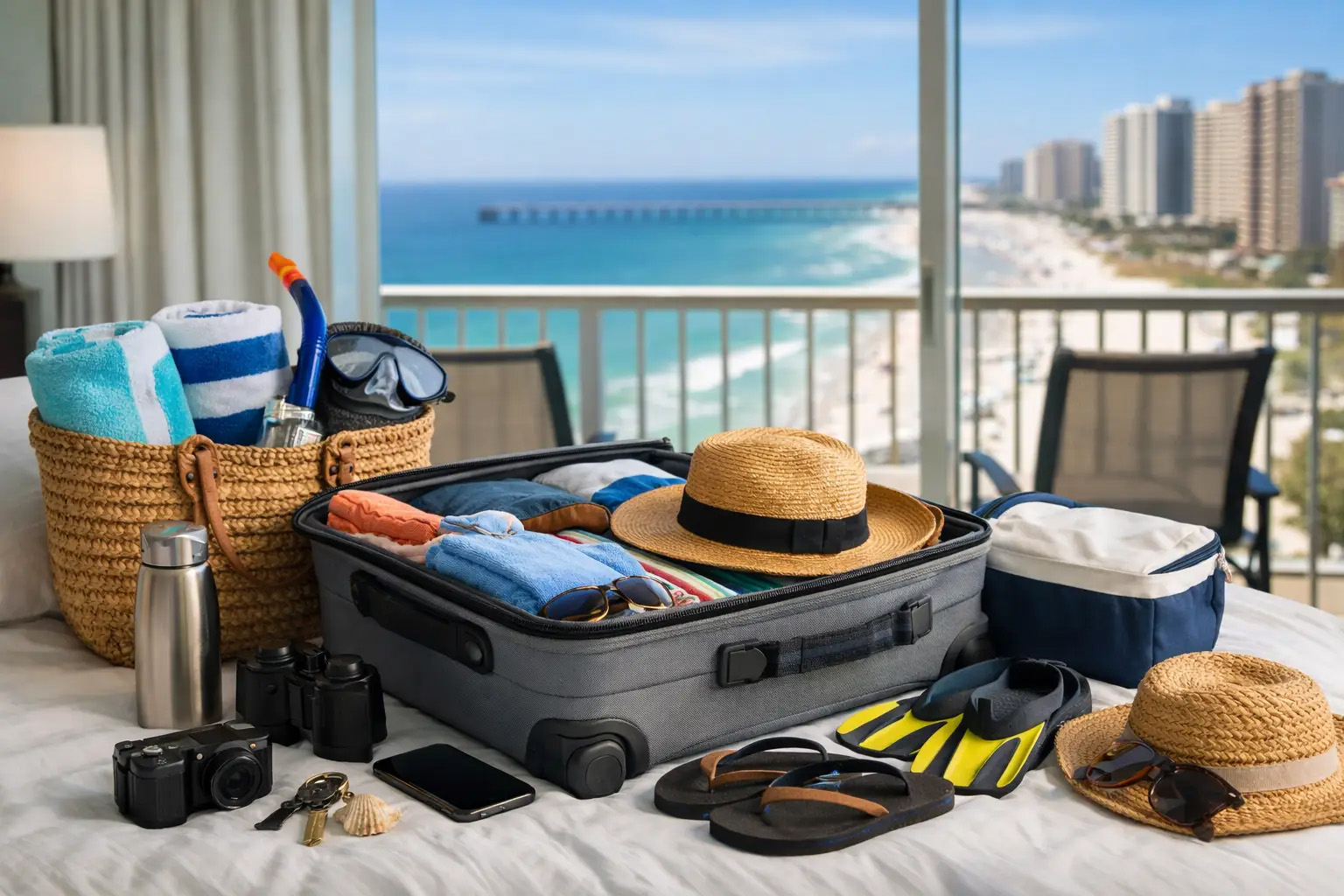
Emerald Beach Properties does provide starter amenities in all of our vacation rentals. Bring enough basics to cover your first evening and first morning, especially if arrival is late. That usually means medications, chargers, one or more changes of clothes per person, toiletries, and a small amount of food or drinks. Even in well-managed properties, check-in timing and grocery runs are easier when you are not operating from empty.
It also helps to separate what the property provides from what your family prefers. Linens and bath towels are included in all of our rentals but, beach towels are not. We supply kitchen starter items such as dish soap, paper towels, trash bags, etc. but these are limited. Please pack your preferred coffee filters or coffee pods if your unit has a Keurig machine. If anyone in your group depends on a particular pillow, sleep device, white noise machine, or child sleep setup, pack for consistency rather than hoping for a close substitute.
For families with infants or toddlers, please bring your own pack n play, high chair, strollers, etc. We do not provide these items. There are baby gear rental companies that can deliver these to your condo prior to your arrival if you book with them in advance.
Arrival day checks that save trouble later
Once you arrive, take ten minutes to inspect the property. This is not about being suspicious. It is about documenting condition and resolving issues before your vacation is underway.
Confirm entry codes work, count parking passes if required, and make sure the sleeping arrangements match the reservation. Check that major systems are functioning, including air conditioning, appliances, hot water, and Wi-Fi. If something is off, report it immediately. Prompt reporting will lead to faster correction and will avoid confusion about when an issue began.
Families should also do a quick safety check. Locate pool rules, balcony locks, stair gates if applicable, and emergency exit information. If the property has beach access instructions, review them early rather than figuring them out while carrying gear in the heat.
Feel free to communicate with Emerald Beach Properties by phone, text or e-mail any time during your stay. We have staff ready to resolve any issues that arise right away!
During the stay: protect your time and the property
Beach rentals work best when daily routines stay simple. Set a spot for sand gear, establish a towel plan, and keep wet items contained. This is not about over-managing a vacation. It is about preventing the clutter and moisture that can make a comfortable property feel chaotic by day two.
Be realistic about housekeeping expectations. Some families prefer light cleanup throughout the stay, while others treat the rental more like a hotel room. The better approach is usually in the middle. Basic order reduces departure stress, and makes the space easier to enjoy. Speaking of departure stress, there's no need to strip the beds and pile up the towels when you head for home. Just load the dishwasher and start it, close and lock all windows and doors and drop your trash in the trash chute and have a safe trip home.
If accidental damage occurs, please report it immediately to Emerald Beach Properties so we can get it taken care of quickly and make sure you are covered by the limited damage waiver on your unit.
If an issue comes up, report it while there is still time to fix it. Waiting until checkout to mention a broken appliance or access problem limits what we can do to make it right. Emerald Beach Properties is ready to respond, but only if we know about the issue.
Checkout without last-minute stress
A family beach rental checklist should also cover departure. The final morning is usually when avoidable problems show up - lost chargers, damp swimsuits packed into sealed bags, unclear trash instructions, or confusion over checkout times.
Read the departure instructions the night before. Load and start the dishwasher, take the trash to the trash chute or outdoor bins, and check each room methodically. Families with children should inspect under beds, in bathroom drawers, and near outlets where devices are commonly left behind.
Take a final look at the property the same way you did on arrival. Doors locked, personal items removed. That small amount of discipline protects both your time and the owner’s property.
For families planning a beach trip, the best rental experience usually comes down to simple control points handled early. Verify the details that affect daily life. Pack for the property as carefully as you pack for the shoreline. If you do that, your vacation has a much better chance of feeling like time off from the moment you arrive. Have a GREAT VACATION in PCB with Emerald Beach Properties.
8B70089E