
Recently Viewed
Favorites

July 7, 2026

Beach Safety in PCB: What Visitors Need To Know

A calm Gulf morning can turn risky faster than you might think. That is why beach safety deserves more than a quick glance at the water from your balcony. Conditions change by the hour, and a beach day goes better when you treat the shoreline with the same respect you give the sun, traffic, or any other vacation activity.

Panama City Beach gives families long stretches of sand, warm water, and clear views that make it easy to relax. That same setting can create false confidence. Gentle-looking surf can still hide a strong current, and bright weather does not guarantee safe swimming. The best approach is simple - check conditions early, stay alert, and make decisions that match the weakest swimmer in your group, not the strongest.

Beach safety in PCB starts before you reach the sand

Most beach problems begin with assumptions. Guests assume the water will stay as calm as it looked at breakfast. Parents assume children will remain in the same area. Strong swimmers assume they can handle rough surf because they swim well in a pool. Those assumptions can create avoidable risk.

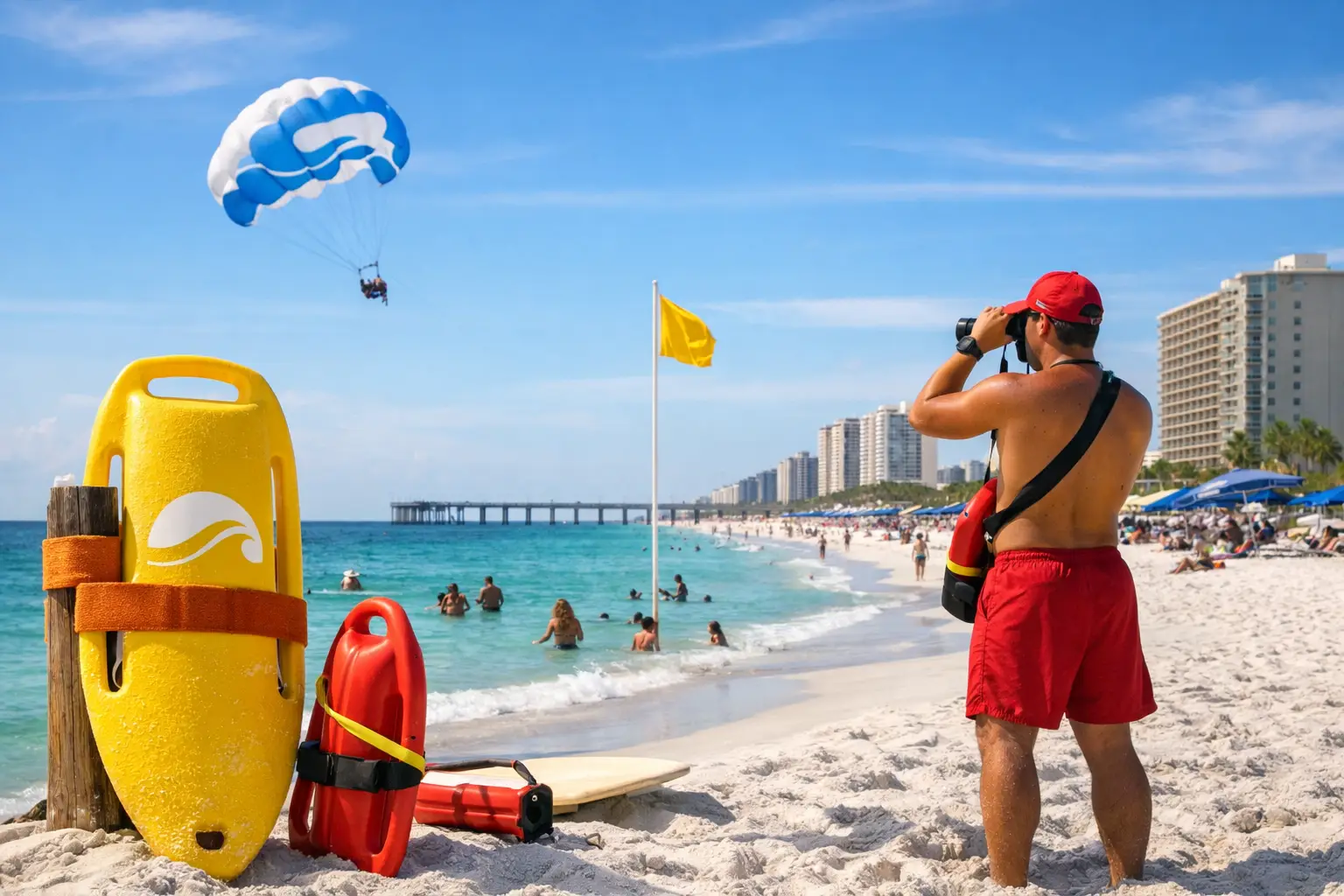
Start your day by checking the beach flag status and the weather. In PCB, flags are not decoration. The flag conditions are posted in every vacation rental managed by Emerald Beach Properties. Check the postings and be aware of what the different colored flags mean. They communicate current water conditions and should drive your plan for the day. If the flags indicate dangerous surf, change the activity. Walk the shore, build sandcastles, or use the pool. A vacation schedule should never overrule beach conditions.

It also helps to set expectations before anyone carries a chair onto the sand. Choose a meeting point. Decide who watches younger children at all times. Put phones in a place where adults can reach them quickly. Small systems prevent confusion when the beach gets crowded.

Understanding the flag system and what it means for your group

The flag system gives you the fastest read on water risk. Many visitors know the colors in general terms but do not always apply them correctly.

A green flag signals calmer conditions, not zero risk. You still need to watch children, assess wave action, and stay aware of drop-offs and fatigue. A yellow flag means moderate hazard. That usually calls for tighter supervision, shallower play, and a more conservative mindset. A red flag means high hazard. Swimming becomes a poor choice for most visitors, especially children, older adults, and anyone without open-water experience. Double red means the water is closed to the public. At that point, the decision is already made for you.

Purple flags warn about dangerous marine life. That does not always mean you need to leave the beach, but you should adjust behavior to avoid contact with marine pests such as jelly fish. Shuffle your feet in shallow water when appropriate, keep a closer eye on children, and avoid casual wading if jellyfish or other hazards are active.

The trade-off is straightforward. Some visitors see a yellow or red flag and feel frustrated because they planned a full water day. The safer choice may feel inconvenient, but it protects the trip. A single injury or rescue can end a vacation much faster than a changed itinerary.

Rip currents are the risk many visitors underestimate

If there is one hazard that deserves serious attention, it is the rip current. In PCB, rip currents can form even when the beach looks calm from shore. They do not always appear dramatic. Often, they look like a calmer, darker, or choppier section of water between breaking waves.

People get into trouble when they fight the current trying to swim directly back to shore. That burns energy fast. If a rip current pulls you away from the beach, stay as calm as possible, float if needed, and swim parallel to the shoreline until you move out of the current. Then angle back toward shore. If you cannot make progress, signal for help and keep conserving energy.

For families, the more practical point is prevention. Stay near lifeguards when available. Keep weaker swimmers in shallow water. Do not use inflatables as a substitute for swimming ability or adult supervision. Wind and current can move floats farther and faster than many people expect.

Who needs the closest supervision

Every beach group has different risk levels, and strong planning helps keep your entire group safe. Young children need constant, active supervision near the waterline, not periodic check-ins from a chair. One adult should watch the child, and that adult should not split attention with a phone, a conversation, or a cooler setup.

Teenagers often create a different challenge. They may look capable and want independence, but they also take more chances in surf. Set clear boundaries for how far they can go and what flag conditions end water activity.

Older adults and guests with medical conditions need their own plan. Heat, fatigue, uneven sand, medication effects, and changing surf can combine quickly. That does not mean they should avoid the beach. It means they should use easier access points, limit time in direct sun, hydrate early, and avoid entering rough water.

Visitors who are confident pool swimmers also need a reality check. Open water demands different judgment. Waves, current, uneven bottoms, and reduced footing change everything you thought you knew about swimming.

Sun, heat, and hydration are safety issues too

Not every beach emergency starts in the surf. In Florida, heat and sun exposure put plenty of visitors in trouble before they ever reach knee-deep water.

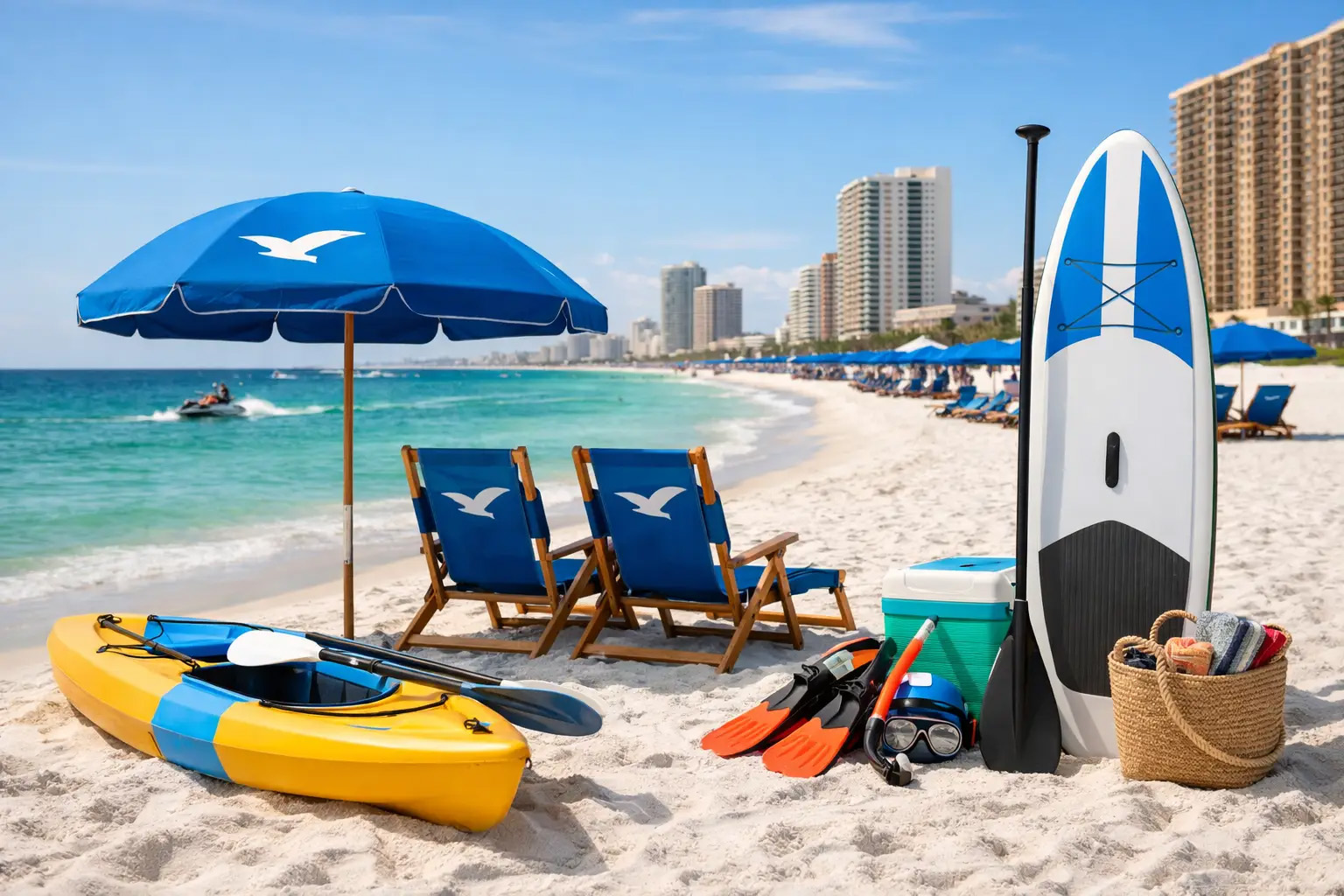
Build your day around protection, not recovery. Apply broad-spectrum sunscreen before you head out, and reapply it on schedule, especially after swimming or sweating. Use shade intentionally. A beach umbrella helps, but it does not replace sunscreen or hydration. Drink water consistently through the day, not only when someone says they feel thirsty.

Children often ignore early signs of overheating because they are busy. Adults do the same because they do not want to stop the fun. Watch for flushing, headache, dizziness, unusual fatigue, nausea, or irritability. Those signs deserve action right away. Move into shade, cool down, and hydrate.

The same rule applies to alcohol. A drink on the beach may feel harmless, but alcohol lowers judgment and increases dehydration. That matters more when surf conditions already require caution.

Set up your beach spot with safety in mind

Where you place your chairs matters more than most people think. Choose a spot that gives you a clear line of sight to everyone in your group. Avoid setting up so far from the main activity area that supervision becomes reactive instead of active.

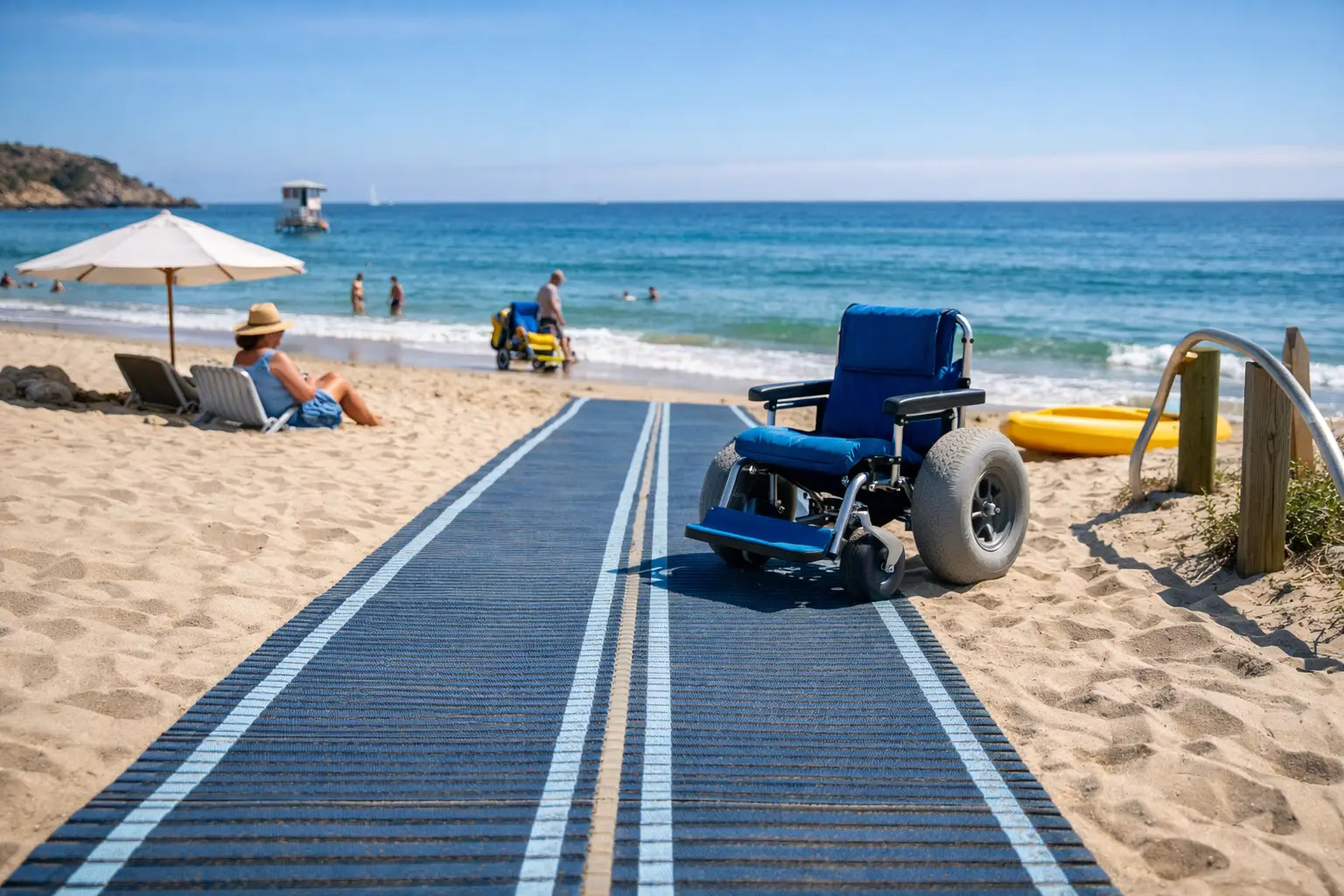
Pay attention to access points and posted notices. Use established walkways rather than climbing over dunes. If there are mobi-mats available, they are the best way to access and leave the sandy beach. Dunes protect the coastline, and damaged dunes create long-term problems for the beach environment. Operational discipline matters here too. Respect the posted rules because they exist for safety, preservation, and access control.

Keep the area organized. Shoes, toys, bags, and coolers scattered across the sand create tripping hazards when people move quickly. If a child bolts toward the water or someone needs help, a cluttered setup slows response time.

Weather changes require fast decisions

Storm risk is one of the easiest hazards to dismiss and one of the most common reasons a beach day should end early. In coastal weather, conditions can shift quickly. Darkening clouds, rising wind, distant thunder, or a sudden drop in beach activity are all cues that it's probably time to pack your gear and head back to the vacation rental.

Do not wait for rain to start before you leave. Lightning can strike well ahead of a storm cell. When thunder is audible, the beach is no longer a safe place to stay exposed.

Wind also changes water conditions, even when the sky still looks inviting. Stronger onshore wind can increase surf and make inflatables harder to control. That is often the moment when families should leave the water, even if they planned to stay another hour.

A safer beach day usually feels less dramatic

The best beach days rarely involve last-second decisions or avoidable rescues. They come from steady judgment. Check the flags. Watch the water. Respect changing conditions. Keep your group close, hydrated, and realistic about their swimming ability.

That mindset protects more than a single afternoon. It gives your family room to enjoy the shoreline with confidence, and it helps every part of the trip run better. When you treat the beach with respect, the experience stays what it should be - memorable for the right reasons.


June 20, 2026

Beach Accessibility: Mobi-Mats and Beyond

A beach day can fall apart before it starts if the only path to the shoreline is deep, loose sand. For families pushing strollers, guests using wheelchairs, older adults with limited mobility, or anyone recovering from an injury, beach accessibility aids such as mobi-mats and other accessibility aids are an important part of making your vacation more enjoyable. It is When these aids are available at your resort destination, it can make the difference between reaching the water and stopping at the dunes.

For vacation guests, access shapes the entire stay. For property managers, owners, and coastal communities, it affects guest satisfaction, safety, and whether a destination serves people well in practice instead of only in marketing. Mobi-Mats are one of the most visible tools in that effort, and they are widely available in Panama City Beach Resorts.

What Mobi-Mats actually solve

Mobi-Mats are roll-out pathways designed to create a firmer, more stable surface over sand. They make it easier to move wheelchairs, walkers, carts, and strollers across terrain that would otherwise be difficult or impossible for many people to cross independently in deep loose sand.

That matters because the barrier at most beaches is not the parking lot. It is the transition from a hard surface to soft sand. A guest may be able to arrive, unload, and check in without trouble, then find that the final 100 feet to the beach is the hardest part of the day.

A well-placed mat reduces sink, drag, and fatigue. It can also improve confidence. Many guests are less concerned with speed than with predictability. They want to know whether they can move forward safely, whether they will need help, and whether the route feels manageable.

In practical terms, Mobi-Mats work best when they connect a complete route. A mat that begins near a beach entrance but does not tie into accessible parking, a curb cut, or a stable sidewalk or boardwalk solves only part of the problem. Access is cumulative. One weak link can make the entire route more difficult to navigate.

Beach accessibility: Mobi-Mats and beyond the path

The phrase beach accessibility: Mobi-Mats and beyond matters because mats are not the same thing as full accessibility. They improve horizontal travel over sand, but they do not address every barrier a guest may face before, during, or after reaching the shoreline.

For example, a guest with mobility issues will likely need an accessible restroom near the beach access point, not several blocks away. They may need a ramp with manageable slope, handrails in the right places, and parking that is both designated and realistically close. They may also need clear information before arrival, including whether a mat is seasonal, how far it extends, and whether a beach wheelchair is available.

This is where expectations often break down. Beach destinations sometimes advertise access in broad terms, while the actual experience depends on details. Does the mat reach far enough toward the firm sand? Is it maintained? Does it stay in place after weather events? Is there a step, lip, or washed-out section at the entrance? Those are operational questions, but they are what guests remember. Working with a professional local property manager like Emerald Beach Properties, you'll be able to get all the answers to these questions for the specific resort where you are planning to book.

Where Mobi-Mats fall short

Mobi-Mats are useful, but they are not a complete answer. The first limitation is reach. At some beaches, the mat extends only partway, leaving a final stretch of soft sand before the waterline. Depending on tides, sand conditions, and the mobility needs of the guest, that last section may still be a serious obstacle.

The second limitation is environment. Beaches change constantly. Wind, storms, erosion, and seasonal maintenance all affect how a path performs. A route that worked well last month may be partially buried, uneven, or misaligned after a weather event. Reliability matters as much as installation.

The third limitation is user need. Not every guest benefits from the same solution. A parent with a stroller may do well on a mat, while someone using a manual wheelchair may still need a beach wheelchair for the final approach. A guest with balance issues may care less about width and more about edge stability, transitions, and places to rest.

There is also a capacity issue. During busy beach periods, mats can become shared corridors for pedestrians, carts, and equipment. If the pathway is narrow or obstructed, it may technically exist but function poorly. Accessibility that works only under ideal conditions is not enough.

The broader standard for accessible beach experiences

The better question is not whether a beach has a Mobi-Mat. It is whether the beach experience is usable from arrival to departure.

That starts with the approach. Accessible parking should be clearly marked and close to the access point. Sidewalks should connect without broken transitions. Curb cuts should be aligned with the route people actually take, not just where a plan originally placed them.

Then comes the entrance. Gates, bollards, and fencing should allow mobility devices through without forcing awkward turns or assistance. Signage should be legible and honest. If a path is temporary, seasonal, or weather-dependent, guests should know that before they commit to the outing.

Amenities matter too. Shade structures, benches, restrooms, rinse stations, and nearby drop-off zones can make a beach visit practical for more people. The absence of these features may not show up in a photo, but it affects whether a guest can stay for 20 minutes or enjoy a full afternoon.

Finally, there is staff knowledge. In hospitality, good access information is part of service. Guests should not have to piece together basic facts from guesswork. A well-managed local rental team will know which access points are easier, what equipment may be available locally, and what limitations to explain clearly.

Why this matters for vacation rentals and guest trust

For vacation rental guests, accessibility information reduces uncertainty. That is especially important for multi-generational travel, where one person’s mobility needs shape the plans of the whole group. If the beach is the main reason for booking, poor access can affect the value of the entire stay.

For owners and managers, this is not only about compliance language or broad statements about convenience. It is about setting accurate expectations. When a listing says a property offers easy beach access, guests may interpret that very differently depending on their physical needs.

A professionally managed company should treat access details the same way it treats occupancy, parking, or entry instructions. If there is a boardwalk, say so. If the nearest mat is at a public access point a short drive away, say that instead. Typically, beach wheelchair use depends on advance arrangements with a rental agency, your rental company can assist you with finding those resources.

In Panama City Beach, where beach demand drives booking decisions, these details have practical value. They help families choose the right property, reduce service issues after check-in, and support stronger reviews from guests who felt informed rather than surprised.

Beach Accessibility-Mobi-Mats and Beyond for planning a stay

If you are booking a coastal vacation, it helps to evaluate beach Accessibility-Mobi-Mats and beyond the same way you would evaluate the property itself. Start with the full route, not just the destination. Ask where you will park, how far the beach entrance is from the unit, whether the access point has a mat or ramp, and what the surface is like once the paved path ends.

It also helps to think in terms of tolerance rather than labels. Two beaches may both be described as accessible, but one may require a longer push over mixed surfaces, more assistance, or more endurance in the heat. The right choice depends on the guest, not the wording.

Beach access is often discussed like a feature, but for many people it is the foundation of the entire coastal experience. Mobi-Mats help, and in many cases they make the shoreline meaningfully more reachable. The stronger standard is to look past the mat itself and ask a more questions such as: can a guest actually enjoy the beach with dignity, safety, and reasonable independence? That is the measure that matters.


June 6, 2026

What Makes Sunbird 908W in PCB, FL Great for My Vacation?

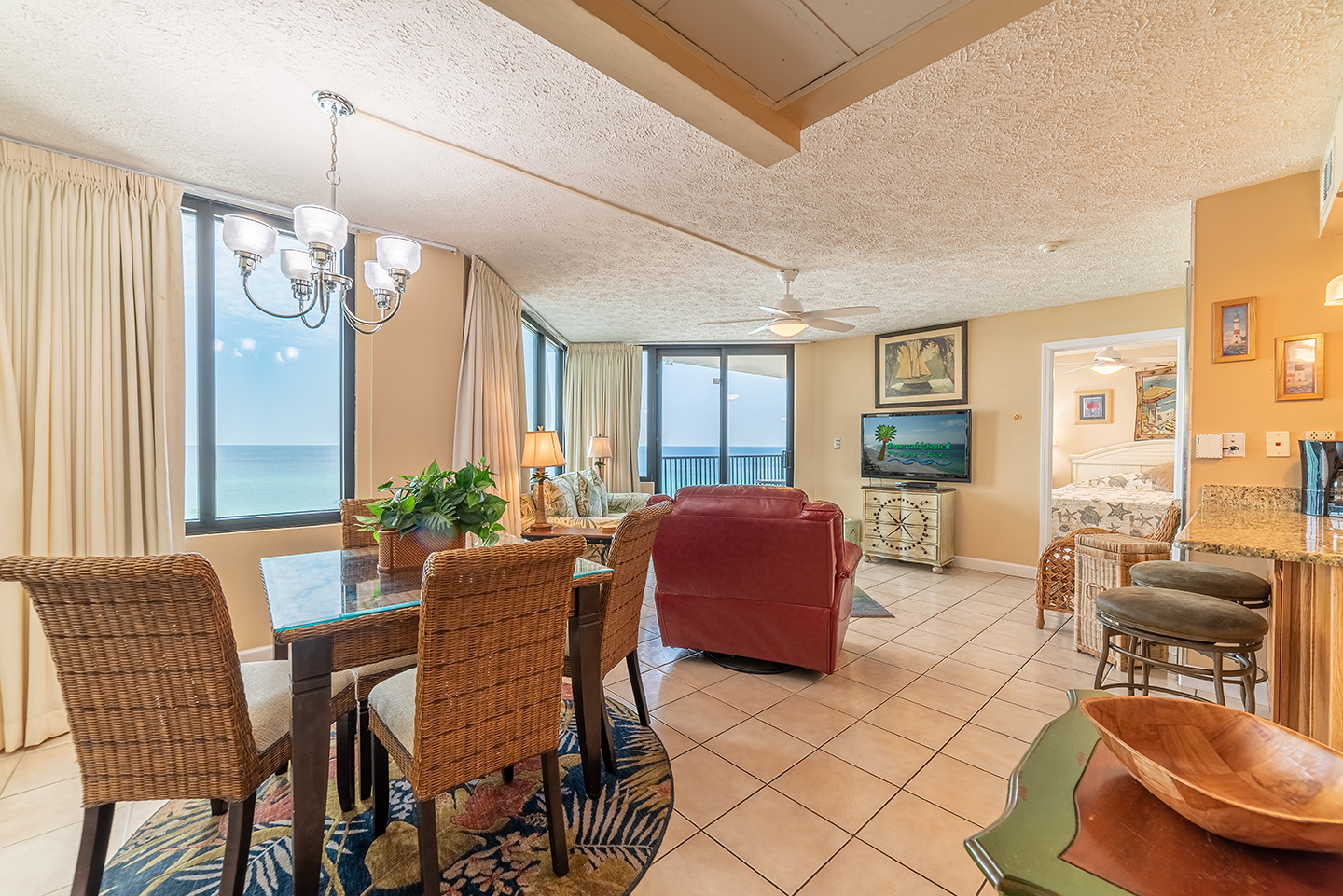
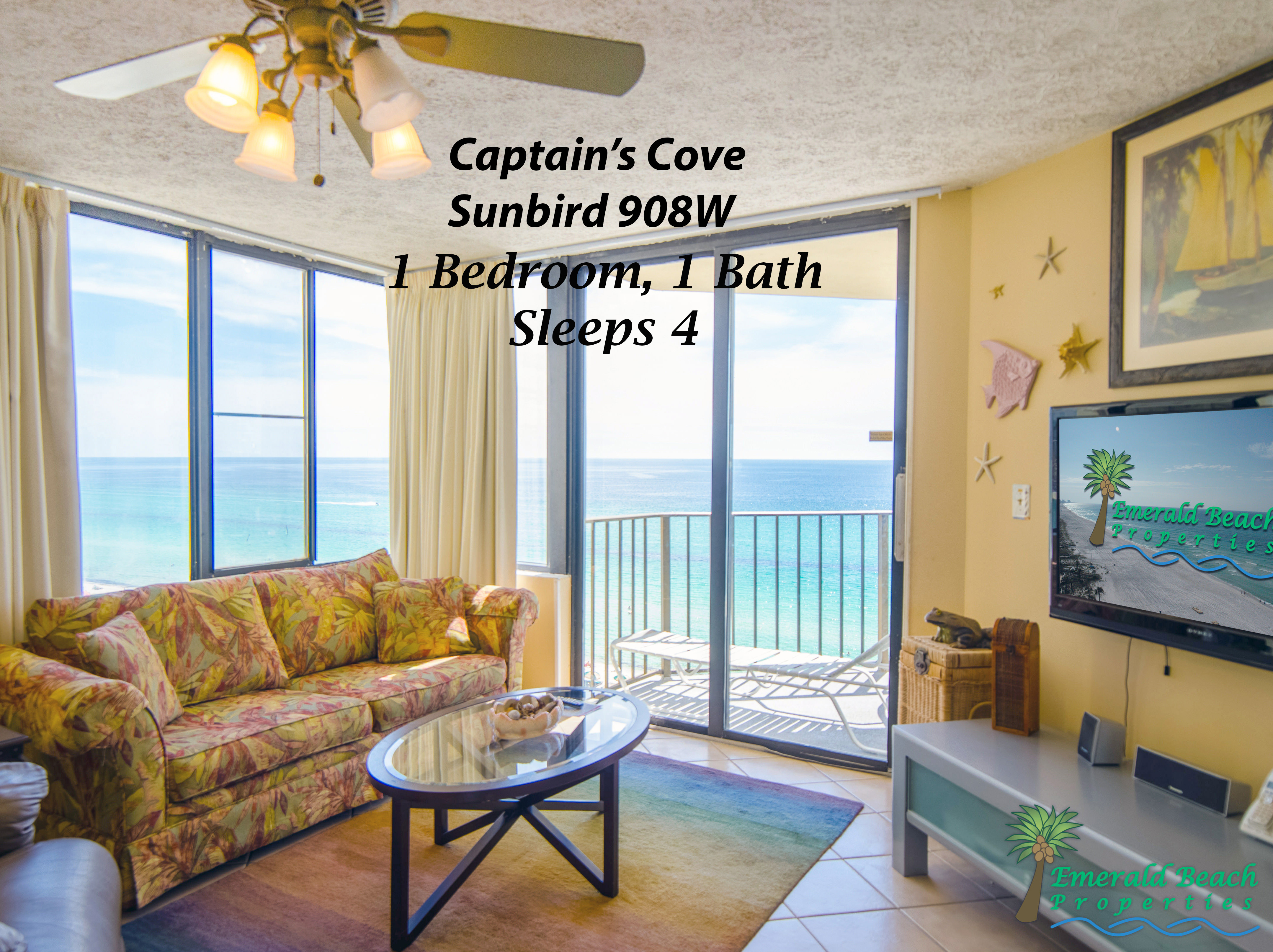
You can usually tell within the first few minutes whether a vacation rental will make the trip easier or add friction to it. That is the real standard behind the question, what makes Captain's Cove, Sunbird 908W in Panama City Beach, FL a great vacation rental for my vacation? It comes down to how well the property supports the kind of stay you are planning - direct beach access, a comfortable interior, a practical location, and a setting that feels like a true break from routine. This one bedroom, one bathroom beachfront condo sleeps up to 4 with its beachfront king bedroom and queen sleeper sofa in the great room.  This is just one of the many vacation rentals offered by Emerald Beach Properties for our guests. You can see all the details of this property at www.Sunbird908W.com or call us at (850) 234-0997. Book Direct with us and you'll pay the lowest price anywhere for this vacation rental!

What makes Sunbird 908W a great vacation rental for my vacation?

Sunbird 908W stands out because it checks the boxes that matter most in a beach stay without compromising on the essentials. The biggest draw is simple: being close to the water is not enough. You want to see it, reach it quickly, and enjoy it without turning every beach outing into a logistics exercise. A condo like this one in a beachfront setting gives you that advantage immediately.

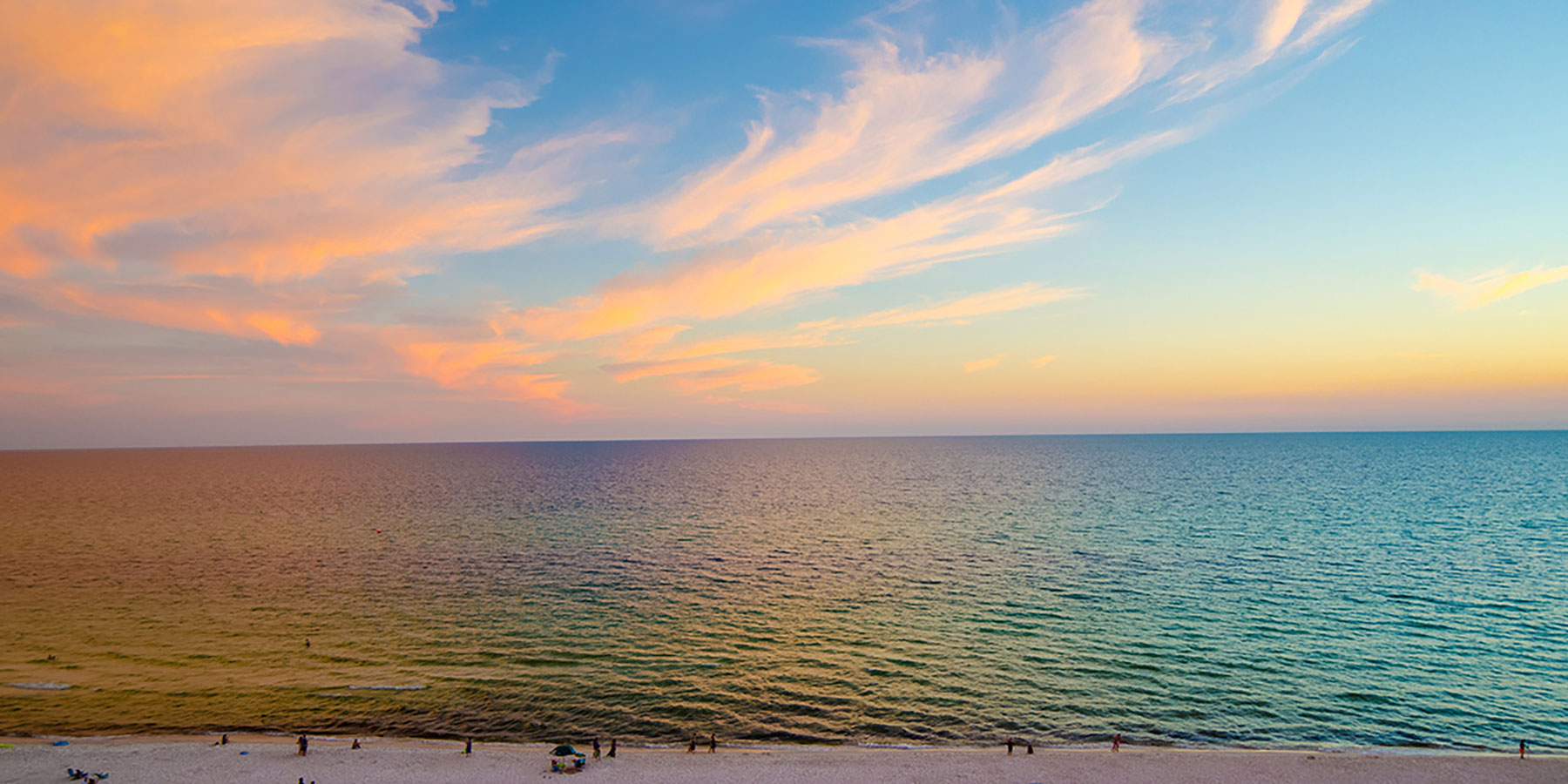
That difference matters more than you might think. If you are staying several blocks inland, every trip to the beach involves parking, carrying gear, managing timing, and working around crowds on a daily basis. In a beachfront condo, your vacation days run more smoothly. You can go down early, come back up for lunch, return to the beach later, and still make sunset from your balcony without wasting half the day in transit.

For couples, small families, and travelers who value efficiency, that convenience is not a minor perk. It shapes the entire tone of the trip.

Amenities at Sunbird Condominiums

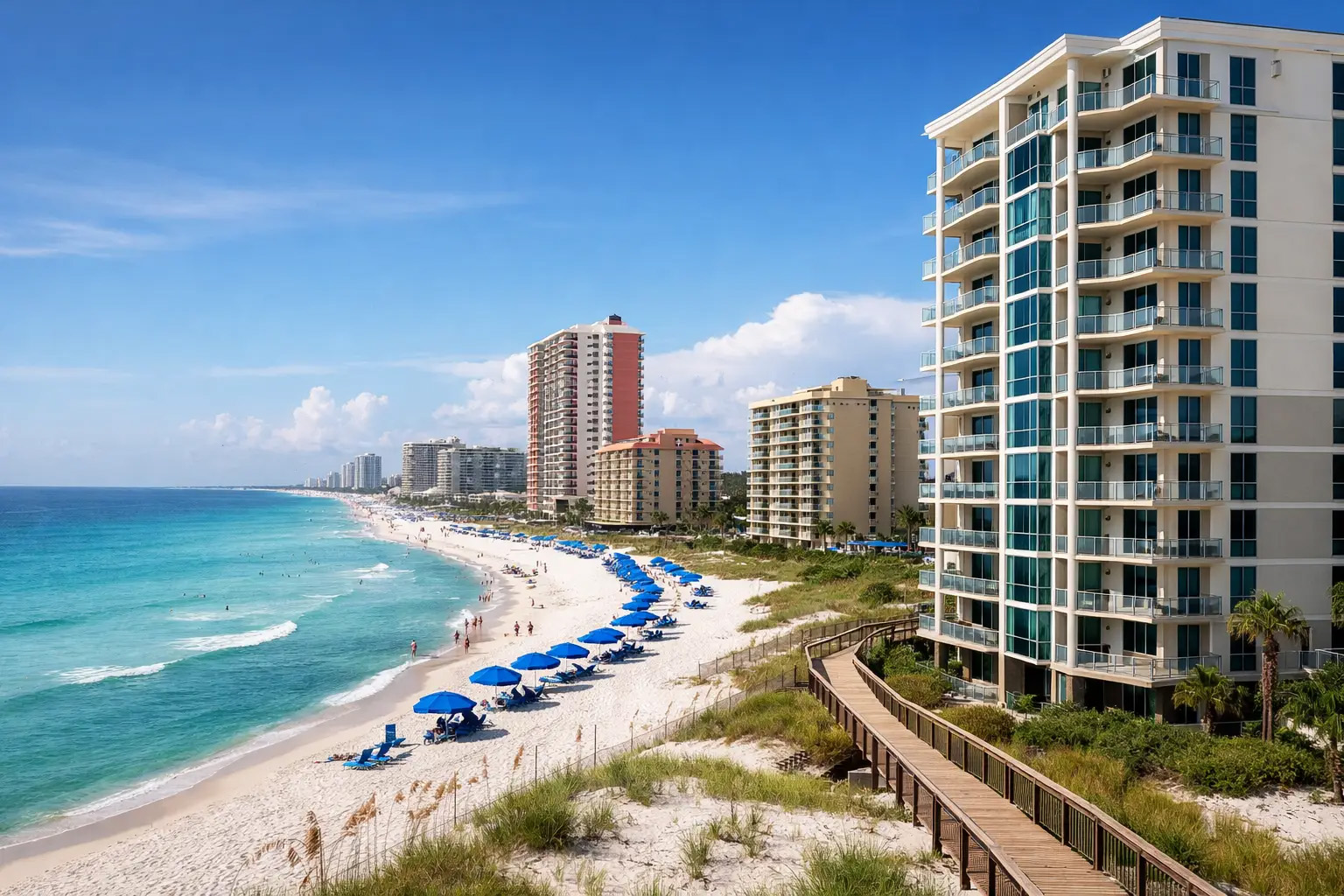
A vacation rental near the beach can be even better when you consider the amenities offered by the Condo Property. At Sunbird, you'll enjoy not only the beach but also three beachfront swimming pools. One of the pools is heated in cooler weather. There are mobility mats to help get everyone to the beach more easily. There are two beach volleyball courts for guest use. In addition there is a tennis and pickleball court, shuffleboard and a fitness center that are all free for guest use.

Sunbird offers 24/7/365 gated security for added peace of mind for guests.

The beachfront setting changes the experience

A vacation rental near the beach can be good. A vacation rental on the beach is usually better. Captain's Cove, Sunbird 908W benefits from that distinction.

The appeal starts with the obvious: views, proximity, and atmosphere. Gulf-front condos tend to feel more like a vacation from the moment you walk in because the environment does part of the work. Every room in this condo looks directly over the beach to the Gulf! Natural light, sightlines toward the water, and the ability to step outside and immediately feel connected to the coast all add value that cannot be recreated by interior design alone.

There is also a practical side to that setting. Guests often underestimate how useful it is to have easy beach access throughout the day. Parents with children can adjust plans quickly. Couples can take a short morning walk on the sand before breakfast. Guests who prefer shorter beach sessions can come and go without feeling committed to an all-day outing.

That flexibility is one of the strongest reasons a condo like this works well for most of our guests.

Comfort matters after the beach

A great vacation rental does not need to be oversized or extravagant. It needs to be comfortable in the right ways. After a day in the sun, you'll want a place that feels clean, functional, and easy to settle into.

Sunbird 908W is appealing in part because condos in this category typically support the rhythm of a real vacation better than a standard hotel room. You have more room to spread out, a residential layout, and a better sense of separation between sleeping, lounging, and dining. You'll feel right at home on vacation. Even if the footprint is modest, the usability often feels stronger than a single open hotel space.

That matters on multi-day stays. If you are only sleeping in the room, almost any property can work. But if you are eating breakfast before heading out, cooling off in the afternoon, or spending a quiet evening inside, layout and livability become more important.

This is where you will find the real value in a vacation rental like this one. A well-positioned condo can support both activity and downtime without making either one feel cramped.

The kitchen advantage is more important than it sounds

One of the most overlooked benefits in a vacation rental is access to a kitchen. On paper, it sounds practical. During an actual trip, it becomes one of the easiest ways to improve comfort and control spending.

Being able to store drinks, prepare simple meals, and keep snacks on hand changes the daily routine. Families especially benefit from it, but so do couples and longer-stay guests. Not every meal needs to be cooked in, and most travelers still want to enjoy local dining, but having the option matters. Having a condo makes ordering in easier, too. Just scan a code and the pizza can be on the way in minutes.

It is also helpful in a beach market where days often start early and run long. Coffee in the unit, breakfast on your own schedule, and a quick lunch break can make the stay feel much more relaxed.

Location is more than a map pin

A strong location is not only about being near the shoreline. It is also about what the surrounding area allows you to do with your time.

Sunbird 908W benefits from being in a part of the market where beach access and local convenience can work together. That is often the sweet spot for a vacation rental. You want enough nearby activity to keep dining, shopping, and entertainment simple, but not so much noise or congestion that the stay feels chaotic.

For many guests visiting Panama City Beach, that balance is critical. Some travelers want nonstop activity. Others want a quieter, more contained trip. Most are somewhere in the middle. A well-located condo supports both. You can spend the day on the beach, go out for dinner, and return without dealing with long drives or unnecessary complications.

That kind of location also helps in poor weather. Not every vacation gets perfect sunshine every day. When conditions shift, it is useful to have convenient alternatives nearby rather than feeling stranded by your lodging choice.

What makes Sunbird 908W a great vacation rental for different travelers?

The answer depends somewhat on who is staying there. That is worth saying plainly because the best rental is not always the biggest or the most expensive. It is the one that fits the trip.

For couples, Sunbird 908W can make sense as a beachfront retreat that feels more personal than a hotel. The private setting, water views, and easier pace of a condo stay are often exactly what couples want when the goal is rest rather than an overplanned itinerary.

For small families, the value may be in convenience. Easy beach access, room to regroup during the day, and the ability to handle meals more efficiently all reduce friction. Parents tend to appreciate rentals that support practical routines without sacrificing the vacation atmosphere.

For repeat visitors to the area, a unit like this can also appeal because it keeps the stay focused on the coast itself. Travelers who know the market often care less about novelty and more about dependable location, comfort, and direct access to the beach.

Trade-offs to consider

No vacation rental is perfect for every traveler. A beachfront condo is often ideal for guests who want the beach to be central to the trip, but it may be less suited to travelers who plan to spend most of their time driving to attractions in different parts of the region.

Likewise, condo living comes with shared-building dynamics. That means community rules, elevator use, parking procedures, and amenities that are shared rather than private. For many guests, those are reasonable trade-offs given the location and value. But it is better to think about them upfront than assume every property functions like a detached home.

The point is not that these details are drawbacks in themselves. It is that the right fit depends on expectations. Guests who want beach access, efficiency, and a straightforward vacation setup often find this style of rental highly effective.

Value is not just about the nightly rate

When guests evaluate a vacation rental, they often start with price. That is reasonable, but it is only part of the decision.

A property like Sunbird 908W can offer strong value because the experience includes more than a place to sleep. Beachfront access, usable living space, kitchen convenience, and a location that reduces transportation hassle all contribute to the overall return on what you spend.

That is especially true when compared with trips where extra costs add up quickly. Paying for parking near the beach, dining out for every meal, and losing time to travel between activities can narrow the gap between a lower-rate stay and a more efficient beachfront rental.

Guests who think in terms of total trip quality, not just base price, usually make better lodging decisions.

Why this type of rental keeps people coming back

The best vacation rentals are often the ones that make the trip feel easy. Not flashy. Not complicated. Just easy in the ways that matter.

That is the case for a unit like Sunbird 908W. It gives guests a beach-centered stay with the kind of comfort, access, and location that support both short getaways and longer breaks. It works because it aligns with what many travelers are actually trying to buy when they book a coastal vacation - less hassle, more time by the water, and a place that helps the trip run smoothly.

If you are weighing your options carefully, that is the right lens to use. The best rental is the one that supports the vacation you want to have, not the one with the longest amenity list. For many guests, Sunbird 908W earns its appeal by getting the fundamentals right.