

What Property Reviews Tell Vacation Guests
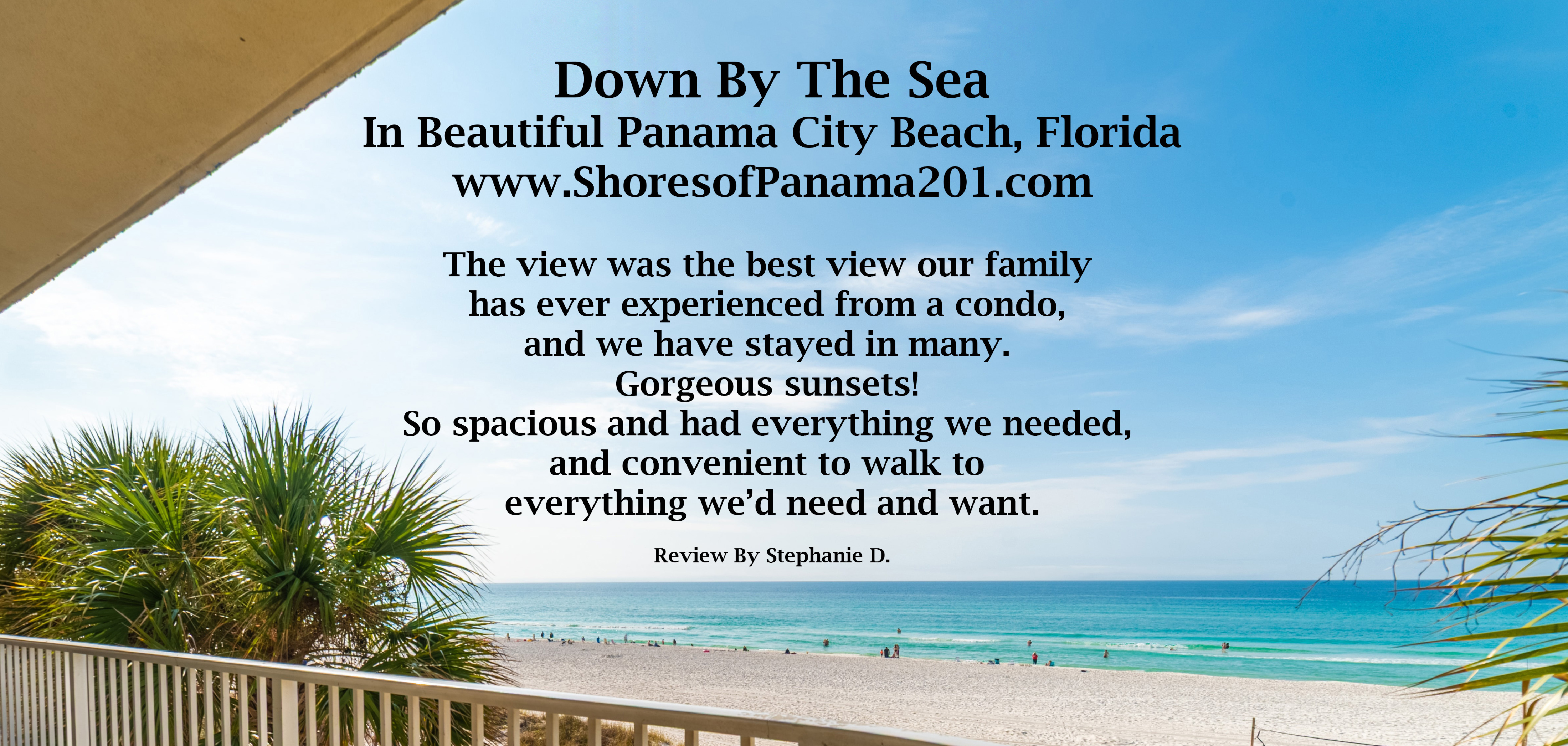
A listing can show bright coastal interiors, stunning Gulf views, and a short walk to the beach. Recent property reviews tell you how that stay feels after check-in. They reveal whether guests found the home clean, the instructions clear, the amenities functional, and the management team responsive.
For a Panama City Beach vacation, those details matter. Vacationers must coordinate arrival times, groceries, beach gear, parking, and sleep schedules around a limited number of vacation days. A thoughtful review can help you select a property that fits the way your group actually travels, not simply the way a listing looks online.
Overall, most guests never leave a review because once they arrive home, their busy schedules take over again. We have many very satisfied guests who never leave a review but return to stay with us over and over. Guests who had an issue while on their vacation will be quicker to post reviews. Some of these reviews are not related to their vacation rental at all and are beyond the control of the manager so, be sure to read them with care and judgement.
Why Recent Property Reviews Carry More Weight
A five-star average offers a useful first signal, but it usually doesn't tell the full story. A property may have earned excellent feedback over several years while a recent change in furnishings, building conditions, staffing, or nearby construction affects the current guest experience. This is particularly the case when a guest stayed at a vacation rental during bad weather or when the building was undergoing construction work. Newer reviews give travelers a more current view of what they can expect.
Pay attention to the dates as well as the ratings. A review from the same season can prove especially helpful because Panama City Beach changes throughout the year. Spring and summer bring fuller beaches, more traffic, and busier elevators at many large resorts. A winter visitor may value quiet surroundings and a heated pool more than quick access to nightlife. Neither perspective is wrong.
Look for patterns across several recent comments. One guest may dislike a mattress that another guest finds comfortable. That kind of feedback remains subjective. But repeated remarks about a spotless kitchen, dependable communication, slow elevators, confusing parking deserve close attention. Consistency turns individual opinions into practical information. If guests complain about slow elevators, make sure you book a unit that is adjacent to the parking structure so you can avoid the elevators and make sure your arrival instructions are clear on the parking limits and instructions.
How to Read Recent Property Reviews With Judgment
The best reviews contain specifics. “Great trip” feels encouraging, but it does not help you compare two condos. A useful review explains what worked: the unit had enough seating for a family dinner, the balcony offered a clear water view, the walk to the beach took only a few minutes, or the kitchen included the equipment needed for simple meals.
Specific criticism helps as well. Consider the reviewer’s expectations before you rule out a property. A guest who expected a silent high-rise during a holiday weekend may rate the experience lower because of normal resort activity. A guest who needed a ground-floor entrance may find elevator waits frustrating, while another traveler accepts those waits in exchange for a higher-floor view.
Read both positive and critical comments with the same question in mind: Does this factor affect my group? If you plan to cook each night, kitchen feedback should carry real weight. If you travel with young children, look for comments about sleeping arrangements, beach access, pool rules, and the ease of unloading luggage. If you want to work remotely for part of the stay, reviews that mention Wi-Fi reliability and quiet hours matter more than comments about nearby attractions.
A review also gains credibility when it includes balanced observations. Guests who mention a minor inconvenience alongside a strong overall stay often give future travelers a clearer picture than guests who offer only broad praise or negativity. No vacation rental can meet every preference. Reliable feedback helps you identify reasonable trade-offs before you book.
Details That Deserve a Closer Look
Cleanliness should always rank near the top of your review checklist. Travelers should look beyond a general statement that a property looked clean. Recent comments about fresh linens, well-kept bathrooms, clean floors, and an orderly kitchen indicate the level of care guests encountered upon arrival. If several reviews raise the same cleanliness concern, ask questions before reserving.
Communication matters just as much, especially when travel delays, weather, or access questions arise. Look for feedback about clear arrival instructions, timely responses, and practical support. Professional management does not eliminate every issue, but it does provide a defined path for handling one. Guests should feel confident that they know whom to contact and what information they need. Many guest questions are answered by simply reviewing the check in instructions when those questions arise so, keep those instructions handy on check in day.
Location comments require context. “Close to everything” means different things to different travelers. A beachfront condo may be near restaurants, attractions, and active public beach access. That convenience can bring more activity and noise. A quieter stretch of the beach may require a short drive for dining or shopping. Reviews often provide the on-the-ground details that maps cannot, such as crossing a busy road, navigating a resort entrance, or walking from a parking area to the unit.
Amenities also deserve a practical reading. A pool, fitness room, beach service, washer and dryer, or fully equipped kitchen can improve a stay, but availability and condition matter. Reviewers may mention seasonal pool heating, beach chair arrangements, laundry capacity, or building maintenance. Consider which amenities will actually affect your vacation rather than choosing based on the longest feature list.
Separate Property Concerns From Destination Conditions
Not every complaint reflects the rental home or the management team. Weather can change beach conditions quickly. Seasonal crowds can fill roads and restaurants. A neighboring unit can create noise that the property manager cannot predict or control. Travelers should separate these destination-wide conditions from concerns tied directly to the vacation rental or service they receive.
This distinction protects you from two common mistakes. First, you may dismiss a well-managed property because one reviewer disliked conditions common to a busy beach destination. Second, you may overlook a recurring property issue because reviewers describe it alongside a general complaint about the area. Read carefully enough to identify what caused the problem.
For example, a comment about long waits at elevators during a peak holiday weekend may reflect the scale of a particular resort and the timing of the trip. If the same concern appears repeatedly across different months, it becomes more relevant. Similarly, one mention of street noise may not change your decision. Several recent mentions should prompt closer consideration, especially if you value early nights or travel with small children.
What a Management Response Can Tell You
When a company responds to reviews, the tone and substance of that response matter. A useful response addresses the concern directly, remains professional, and avoids arguing with the guest. It may explain a policy, clarify what the team did, or acknowledge an issue without making excuses.
Travelers should not expect a public response to every comment. They should look for signs of accountability when a significant concern appears. A measured response indicates that the company pays attention to guest feedback and understands that service extends beyond the reservation process. In many cases where guests post angry comments, management probably has already communicated with them directly to resolve their issues but, the guest didn't return to update their review.
At Emerald Beach Properties, guests receive clear communication and a professional approach to their stay. That standard matters most when a guest needs practical information quickly, whether they have just arrived, need help locating an amenity, or have a question about the home.
Use Reviews to Ask Better Questions Before You Reserve
Reviews should guide your final questions, not replace them. If recent guests mention limited parking, confirm how many spaces your reservation includes. If they praise the beach view but note a longer walk to the water, decide whether that walk works for your group. If you see mixed feedback about beds or supplies, consider your priorities and ask for clarification on details that affect your stay.
Avoid treating one less than 5 star review as a final verdict. Instead, examine its date, level of detail, and relationship to the rest of the feedback. A property with many recent, specific, positive reviews and one isolated complaint may still suit your trip very well. On the other hand, a high average rating cannot offset repeated current concerns about cleanliness, access, or communication.
The strongest choice usually comes from matching the property’s proven strengths with your group’s real needs. Read recent reviews slowly, focus on recurring details, and reserve the home that gives you confidence before your tires reach the coast.
Beach Property Management Guide for PCB Vacation Rental Owners
Your vacation rental can earn its reputation in a single afternoon: clear water outside, a clean condo inside, cold air conditioning, working door locks, and every detail ready when guests arrive. It can also lose that reputation just as quickly when salt air corrodes a lock, a storm delays a repair, or a missed cleaning task affects the first impression. This beach property management guide explains how owners can protect a coastal vacation rental while delivering the reliable stay guests expect.
Beach properties require a different operating standard than inland rentals. The beach vacation destination creates the demand, but it also creates constant exposure to moisture, sand, wind, heavy guest turnover, and weather events. Great management does not treat those conditions as occasional exceptions. It builds them into the every day plan.
Beach Property Management Guide: Start With the Operating Plan
A successful vacation rental begins with a clear answer to a practical question: who owns each task, and how quickly must that person complete it? Without defined responsibility, small coastal maintenance issues can turn into expensive interruptions for your guests and for your revenue stream.
Your management company will set standards for reservations, guest communication, inspections, cleaning, maintenance approvals, emergency response, supply replenishment, and owner reporting. The plan identifies primary vendors and backup vendors for critical services, especially HVAC, plumbing, electrical work, locksmith services, pest control, and storm-related repairs. A contractor who serves inland properties may not understand the urgency of a failed air conditioner during a July beach stay. Emerald Beach Properties uses local vendors who are familiar with the systems at each property we manage and we have back ups, just in case our primary vendor is unable to take care of an issue that is urgent.
Owners and managers should document the condition of the vacation rental before each season and after significant weather events. Photos, dated inspection notes, appliance records, and repair invoices create accountability. They also help distinguish ordinary wear from damage that may have been caused by your guests. Owners need visibility, but they also need an agreed approval process that keeps urgent repairs from waiting on a delayed response. Discuss this procedure with your manager so they will know what they are authorized to do without prior approval and when you expect to be notified prior to spending money.
In Panama City Beach, demand can shift quickly around school breaks, holiday weekends, local events, and weather patterns. An experienced management company will monitor how well the property is booking compared with the historical info and adjust operations before peak arrival days, not after issues arise. That includes confirming staffing, linen inventory, parking instructions, access codes, and maintenance coverage.
Protect the Property From Coastal Wear
Salt, humidity, and sand do not wait for a convenient maintenance window. They affect exterior hardware, balcony furniture, windows, HVAC components, flooring, drains, and appliances. Coastal property management works best when inspections follow a schedule rather than a complaint.
Your manager will inspect exterior doors, locks, railings, windows, screens, patio furniture, and outdoor lighting regularly. Look for corrosion, loose fasteners, water intrusion, damaged seals, and signs that wind or moisture has compromised a fixture. Replace low-cost corroded hardware before it fails during a guest stay. When your manager asks to do preventative maintenance remember that the cost of prevention usually remains lower than an emergency call, a guest relocation, or a negative review. Emerald Beach Properties requires all units under management to subscribe to our preventative maintenance plan to make sure these small issues don't become big ones.
HVAC deserves particular attention. A beach property often handles high humidity, frequent door openings, and heavy use during warm months. We recommend that Owners purchase HVAC maintenance plans from their preferred HVAC vendor. Once the owner agrees to this, we will coordinate the HVAC scheduled maintenance and pay the vendor from your account. It's best to schedule service before the busiest season, replace filters on schedule, keep drain lines clear, and verify that the system maintains a comfortable temperature. If the property has smart thermostats or water sensors, management should review alerts promptly and confirm that the technology supports the home rather than complicates guest use.
Sand creates its own maintenance cycle. Entry mats, exterior rinse areas where permitted, durable flooring, and clear guest guidance can reduce the amount that reaches drains and interior systems. Bathroom and kitchen drains should be inspected often, particularly in vacation rentals with high turnover or large guest capacity.
Plan for Storms Before the Forecast Changes
Storm readiness is an operational requirement for beach vacation rentals. Your manager should have a written procedure that covers guest communications, property checks, furniture storage, vendor coordination, owner updates, and post-storm inspections.
The right response depends on the property, the severity of the forecast, and local direction. With our local knowledge, we have experience with storms in PCB. Often you'll see sensationalized accounts of the weather online and in the media. We have found that the best forecast comes from our local sources. When the weather threatens, our maintenance plan covers moving your outdoor furniture inside and then moving it back out once the storm passes. We communicate with our Owners during emergencies so, you'll know what we are doing and what to expect. Direct information builds more confidence than vague reassurance.
After a storm, we inspect the property before the next arrival whenever conditions allow. The condo complexes will check for roof or window damage, standing water, power issues, HVAC operation if the system uses a cooling tower, debris, balcony safety, and access problems. Your manager will inspect the interior of your property and the balcony areas noting any water or wind intrusion. Your manager will record findings immediately. A quick, documented inspection protects guests, owners, and the management operation.
Design An Easy Breezy Guest Experience
Guests choose a beach vacation because they want an easy breezy getaway. They want to move from arrival to the beach without confusion over parking, elevators, door codes, resort rules, or where to find beach gear. Clear preparation by your manager protects the property and makes the guest stay feel organized from the start.
Managers will send arrival instructions early enough for guests to use them. Including the exact address, parking limits, building access steps, check-in timing, Wi-Fi details, trash guidance, beach access information, and a direct method for reporting issues. Keep instructions specific to the property. Generic directions create avoidable calls and frustrate guests who have already traveled for hours.
Inside the rental, cleanliness and working essentials matter more than decorative extras. Guests notice dust on ceiling fans, stained linens, weak water pressure, missing towels, and kitchen tools that do not match the home’s stated capacity. A quality-control inspection after cleaning should verify more than appearance. Test lights, remotes, appliances, toilets, locks, smoke detectors, and internet access.
Beach-friendly features can improve the stay when the property supports them. A place for wet towels near the entrance, practical hooks near entrances, durable seating, blackout window coverings for better sleep, and a well-equipped kitchen all make your vacation rental easier for your guests. Owners should choose furnishings based on durability and cleanability, not appearance alone. A delicate fabric sofa may look impressive in listing photos but perform poorly under frequent use, sunscreen, damp swimsuits, and family travel.
Price With Discipline, Not Guesswork
Revenue management should reflect real market conditions, property features, booking pace, and operating costs. This is where you property manager has a great deal of experience that they will use to help you get the most out of your vacation rental property.
A high nightly rate that leaves prime dates empty can underperform a slightly lower rate that attracts qualified guests early. On the other hand, discounting without a strategy can weaken revenue and attract bookings that do not fit the property’s rules or capacity.
Review rates by season, day of week, length of stay, lead time, and comparable inventory. Consider the rental’s view, beach access, bedroom count, amenities, building reputation, parking, and condition. A renovated beachfront condo and an older unit several blocks from the sand should not follow the same pricing logic simply because they share a ZIP code.
Fees also require careful review. Guests respond poorly to surprises, while owners need accurate pricing that covers cleaning, supplies, maintenance, and management labor. Present charges clearly and keep policies consistent. Strong revenue comes from the combination of accurate rates, dependable presentation, responsive communication, and repeat guest trust.
Choose Accountability Over Convenience
Owners that self-manage will need to coordinate cleaners, maintenance vendors, guest messages, calendars, and pricing on their own. That approach can work for a lightly used property when the owner lives nearby, has reliable local contacts, and can respond quickly. It becomes much harder when bookings increase, emergencies occur, or the owner lives out of state.
A professional vacation rental manager, like Emerald Beach Properties, will provide clear reporting, documented standards, active communication, and local operational coverage. Ask how the company handles after-hours calls, inspection failures, maintenance approvals, owner statements, guest damage, and storm response. Ask who answers the phone when a guest cannot enter the property at night.
Emerald Beach Properties focuses on the operational demands of vacation rentals in the Panama City Beach market, where property condition and guest confidence affect every reservation. Owners receive direct communication and a management structure that treats their vacation home as both a valuable asset and a place where families create lasting vacation memories.
The strongest beach rental operations do not rely on luck, perfect weather, or last-minute problem solving. They create a repeatable standard: inspect early, communicate clearly, respond quickly, and keep the home ready for the next family walking in from the beach.
Octoberfest in Panama City Beach: Plan Your Stay

Octoberfest in Panama City Beach may seem a long way from Germany buy, who doesn't love beer and pretzels?? Summer crowds have gone back to school, Gulf breezes feel a little cooler, and visitors can pair festival food, German-style beer, and live music with beach days that still make a trip to Panama City Beach a great getaway! The key is treating the event as one part of a well-planned fall stay, not the only thing on your getaway calendar.
Festival schedules for Ocotberfest, venues, admission rules, and age restrictions can change from year to year. Confirm the current event details before you book travel or make dinner or attraction reservations. Once you have the basics in place, Panama City Beach gives your group plenty of room to build a weekend that feels festive without feeling rushed.
Why Fall Works So Well for a Beach Getaway
October offers a practical advantage for families, couples, and friend groups: you can enjoy more of Panama City Beach without building every day around peak-season traffic and midday heat. The water remains inviting early in October, while mornings and evenings often bring more comfortable temperatures for outdoor plans.
That balance matters during a festival weekend. A full afternoon of food, music, and social activity feels more enjoyable when your vacation rental gives you a quiet place to reset afterward. You can trade a crowded hotel hallway for a private balcony, a living room where everyone can gather, and a kitchen for an easy breakfast before the next day's adventure begins.
Fall weather conditions do vary. A warm, sunny weekend can support a beach-heavy itinerary, while wind or rain may move your plans toward dining, shopping, and indoor attractions. Pack for both. Bring swimwear and sunscreen, but include a light layer and closed-toe shoes for evening events.
Planning Octoberfest in Panama City Beach
Start with the event itself. Some organizers use the spelling Oktoberfest, while others use Octoberfest. That difference can matter when you search local calendars, but your planning priorities stay the same: verify the date, location, start and end times, ticket process, parking plan, and whether children are welcome.
If your group includes beer enthusiasts, decide in advance who will drive or if you need to plan for a taxi or rideshare. Festival weekends should not require last-minute transportation decisions. Choose a vacation rental close enough to your planned activities to limit driving, use a designated driver, or arrange transportation before the day begins. This simple step protects everyone in your group and keeps the events focused on the experience.
Also consider the pace of the event. A large festival may involve lines, standing, louder music, and a busy crowd. That can make for a memorable afternoon with friends, but it may not suit every traveler. Families with younger children may prefer to attend early, leave before the busiest evening period, and reserve time for calmer beach activities.
Choose Dates With Flexibility
Build your arrival and departure around more than the festival hours. Arriving a day or two early gives you time to settle into your vacation rental, pick up groceries, and learn the area without pressure. Staying an extra night or two can turn a one-day event into a true coastal break.
A three or four night stay often works well for a weekend festival to get the most out of your trip. You can reserve one day for Octoberfest activities, one day for the beach, and another for the kind of unplanned time that makes a vacation feel restorative. If rain affects the event or the beach, that extra flexibility becomes even more valuable.
Select a Vacation Rental That Supports Your Group
The right vacation rental should make the festival easier, not add logistical work. Before reserving, consider how your group will use the property between outings. Travelers who plan to cook breakfasts or share appetizers before an event should prioritize a well-equipped kitchen. Families often appreciate separate sleeping areas, laundry access, and room for children to decompress after a busy day.
Location is important to setting yourself up for a wonderful experience. A beachfront rental puts sunrise walks and afternoon beach time close at hand. A property near restaurants, entertainment, or the festival venue may reduce the need to move the car repeatedly. There is a trade-off: the closest location is not always the quietest, and a larger property farther from all the activity may better suit a multi-generational group. Match the property to your actual plans rather than booking solely on a map pin.
Read rental rules before you confirm your stay. Check minimum-age requirements (most PCB vacation rentals require the main guest to be at least 21 or 25 depending on the complex), parking allowances, pet policies, occupancy limits, and check-in instructions. Festival weekends draw groups with different expectations, and clear rules help responsible guests avoid preventable problems. Emerald Beach Properties focuses on professionally managed vacation rentals, which gives guests a dependable foundation for a well-organized stay.
Build a Weekend Beyond the Festival
Octoberfest can anchor your trip, but Panama City Beach rewards visitors who leave space for the beach and the many other activities available here. Start one morning with coffee on the balcony or a walk along the sand before the day gets busy. Schedule a beach afternoon when the forecast looks strongest, then shift to a sunset dinner or a relaxed evening at your rental.
For groups that want more activity, consider a fishing charter or boat adventure, a round of golf or mini-golf, a visit to a local attraction, or time at nearby parks and trails for a short hike or just to see the local wildlife. Families may prefer the miniature golf, arcade entertainment, or wildlife-focused outings. Couples may want a slower schedule built around a scenic meal and a quiet beach walk. There is no single right itinerary, especially in the fall in PCB.
Do not overbook the weekend. Visitors sometimes try to fit every attraction into a short stay, then spend more time coordinating than relaxing. Leave one or more open blocks of time on your schedule. This gives your group room to respond to weather, lingering conversations over breakfast, or the simple desire to stay on the beach a little longer.
Food, Reservations, and Grocery Planning
Festival food may cover one meal, but it rarely covers a full weekend. Make restaurant reservations early when your group has a specific place or time in mind, especially for Friday and Saturday evenings. Larger parties should not assume a walk-in table that can fit the whole crew will be available during a popular event weekend.
Plan at least a few meals at your vacation rental. Stock water, coffee, breakfast items, fruit, and easy snacks in your kitchen. Make sure to pick up any paper goods and cleaning materials since the vacation rental probably only includes a starter supply of these items. A simple grocery run prevents an avoidable late-night search for essentials. It also helps families keep younger travelers on a familiar routine when festival crowds and beach activities stretch the day.
If you enjoy local seafood, ask your group what they want before you arrive. One guest may look forward to a waterfront seafood dinner while another wants a casual burger after a long day outside. Most vacation rentals provide a large cooking pot that will let you pick up local shrimp, corn, little red potatoes and shrimp boil seasoning for a great DIY shrimp boil that you can eat on your balcony. Agreeing on priorities early keeps the trip moving smoothly.
Keep Safety and Comfort in the Plan
A fall festival still takes place in a beach environment, where sun exposure, hydration, and transportation matter. Drink water throughout the day, eat before consuming alcohol, and use sunscreen even when the sky looks mild. Coastal weather can feel cooler than it is, especially when wind picks up.
Pay attention to beach conditions as well. Follow posted flag warnings, keep children close near the water, and respect changing surf. The Gulf can look calm from shore while conditions may be unsafe for swimming. A good beach day starts with checking the flags and ends before anyone feels overextended.
Guests should also take standard security precautions to be sure their rental experience is a great one. Keep doors secured, follow the property’s parking instructions, and be respectful of neighbors when returning from evening activities. Responsible travel protects your group, the property, and the community that makes these events possible. And be sure to check all the drawers before you leave for home so you don't leave anything behind.
Make Room for the Coast
The best Octoberfest in Panama City Beach itinerary does not need every hour planned. Choose a comfortable vacation rental, confirm the event details, and give your group a reliable transportation plan. Then leave room for the moments that make fall on the Gulf memorable: a breezy morning on the balcony, sandy feet at sunset, and one more unhurried evening together before heading home.
Are Vacation Rentals Safe To Book?

A beach vacation should begin with the sound of the surf, not a frantic call that there is trouble in paradise when the property booked does not exist or the door code will not work. So, are vacation rentals safe to book? They can be very safe when guests book through a responsible vacation rental provider, confirm the details before payment, and use practical awareness to spot scams early on.
Vacation rentals carry different risks than hotels because each home has its own layout, owner, maintenance history, and access procedures. That does not make them inherently unsafe. It means guests need clear information, responsive support, and a few smart checks before they commit to a stay.
Are Vacation Rentals Safe When You Book Online?
A legitimate vacation rental business makes it easy to identify who manages the property, how to reach them, what the total cost includes, and what happens if a problem arises. A vague listing, pressure to pay immediately, or a manager who will only communicate through a personal messaging account deserves added scrutiny to avoid the scammers. This is true of all online transactions today, not just vacation rentals.
Start by looking beyond polished listing photos and promises of too good to be true prices. Read the property description closely, including occupancy rules, parking information, cancellation terms, and check-in instructions. Confirm that the listing gives a real business name, phone number, and physical service area. A professionally managed vacation rental will have a process for reservations, payments, maintenance, and guest support that is presented up front.
If you are renting from an individual owner, you can use the Bay County Property Appriaser's website www.baypa.net to look up the owner just to verify that you are booking from the actual owner and not a scammer. You can also check for the vacation rental license through the Florida Department of Business and Professional Regulation.
Reviews help, but use them carefully. Look for patterns across several recent reviews rather than relying on one glowing comment or one complaint. Guests often reveal the details that matter most: whether the home matched its listing, whether the manager answered the phone, how quickly maintenance handled an issue, and whether the building or neighborhood was what was expected.
Price also tells a story. A rental priced far below comparable homes during a busy period may be legitimate, but it calls for additional verification. Scammers often use unusually low rates to create urgency. Compare similar properties by bedroom count, location, amenities, and travel dates before you assume you found an impossible bargain.
Check the manager's website to see if they have won any local awards such as the annual Best of Bay Award for Property Management or other local honors to validate their good reputation.
Verify the Property and Manager Before You Pay
Do not send money until you know who will receive it and why. Use a payment method with documented transaction records and clear consumer protections. Avoid wire transfers, gift cards, cryptocurrency, or payment requests that move outside the established reservation platform or property manager's normal process. Those methods can make recovery difficult if someone misrepresents a listing. It's always best to reserve your vacation rental using your credit card just in case you need to do a charge back.
Call the management company using the phone number published on its official website, not only a number included in a message. Ask direct questions: Is this property available for my dates? What is the full rental amount? Who provides check-in instructions? What number should I call after hours? A credible team should answer plainly and send written confirmation.
Your reservation documents should identify the property, stay dates, payment schedule, cancellation policy, guest requirements, and contact details. Keep copies of the listing, correspondence, receipt, and rental agreement. These records reduce confusion later and give both sides a clear reference point.
For a Panama City Beach stay, location verification matters as much as the home itself. Confirm whether the property is located directly on the beach, across the street, within a resort, or farther inland. Emerald Beach Properties provides maps with the location of our properties clearly marked. Ask about beach access, elevator availability, parking passes, and any age or occupancy requirements enforced by the building. Clear expectations protect your vacation investment before you pack the car.
Questions Worth Asking Before Booking
A few direct questions can reveal whether a manager operates with discipline. Ask when you will receive arrival instructions, whether the home uses a keypad or physical key (Emerald Beach Properties uses only centrally monitored electronic locks), and how the company handles a lockout. Ask whether the property has smoke alarms, fire extinguishers, and pool or balcony safety rules.
You should also ask what to do if the home does not meet the agreed condition at check-in. A responsible manager will provide a reporting procedure and a realistic response path. No vacation provider can prevent every maintenance issue, especially in a coastal environment where weather and heavy use affect equipment. They should, however, own the response and communicate promptly.
Check Safety When You Arrive
Once you enter the home, take five minutes to look around before everyone heads for the water. Find exterior doors, confirm that they lock, and identify the safest exit route. Locate smoke alarms, fire extinguishers, and the safety postings inside the vacation rental.
If something raises concern, document it with photos and contact the manager immediately. A broken lock, damaged railing, exposed wiring, missing smoke alarm, or unclear pool gate needs prompt attention. Do not assume another guest already reported it. Early reporting protects your group and gives the manager an opportunity to correct the problem.
Coastal properties need particular attention. Salt air, wind, sand, and humidity place steady demands on doors, outdoor furniture, balconies, decks, and mechanical systems. Follow posted rules for balconies and pools. Keep children within reach near water, do not climb railings or throw anything off the balcony, and avoid using damaged outdoor equipment. If severe weather approaches, follow official local alerts and the instructions provided by the property manager or building staff.
Secure personal belongings as well. Lock doors and windows whenever you leave, keep valuables out of sight, and avoid sharing door codes outside your travel group. Many vacation rentals use smart locks, which offer convenient access, but guests still need to treat an entry code like a house key. Make sure all patio doors and windows are closed before you go out to avoid having wildlife enter your vacation rental. Sea Gulls love condo balconies and they'll walk right in if the doors are left open.
Safety Also Depends on the Right Fit
The safest property for one group may not fit another. A high-rise condo with a balcony may work well for adults but require closer supervision for families with young children. A private home may offer space and privacy, while a resort-style property may provide staffed common areas and controlled access. Neither option automatically wins on safety.
Match the property to your group's needs before booking. Consider the number and ages of travelers, mobility needs, proximity to the beach, pool access, stairs, parking, and the level of support you expect. A vacation rental that looks perfect in photos can create avoidable risk if its layout does not suit the people staying there.
Travel insurance may also deserve consideration, particularly for longer stays, hurricane-season travel, or trips with significant prepaid costs. Review the policy terms rather than assuming it covers every disruption. Coverage varies widely for weather events, illness, cancellations, and travel delays.
What Professional Management Offers
Professional management does not eliminate every risk, but it creates accountability. It gives guests a known point of contact, established payment procedures, documented house rules, and a maintenance process when the unexpected happens. That structure matters when a lock fails, an appliance stops working, or a storm changes travel plans.
Emerald Beach Properties approaches guest stays with the same discipline that a beach-market rental operation requires: clear property information, controlled access procedures, and responsive communication. Guests should expect a manager to treat their safety concerns as operational priorities, not inconveniences.
Trust your instincts, but support them with verification. Choose a rental that communicates clearly, pay through a documented process, read the agreement, and inspect the home when you arrive. Those steps leave more room for what the trip should be about: a calm morning on the sand, an easy return to a well-prepared home, and time with the people who came with you.
Pirate Themed Activities in Panama City Beach, FL

A pirate flag flying in the air is your signal for a special kind of fun in Panama City Beach, FL. Pirate activities in Panama City Beach, FL give families a break from sandcastle duty and beach days. Children get a story, a costume-ready setting, and a chance to join the action. Adults get an organized outing that can fill a morning, afternoon, or early evening with far less planning than a full-day activity.
The best choice depends on your group’s ages, attention span, budget, and vacation schedule. A lively pirate cruise suits families who want entertainment on the water. Pirate-themed mini golf works better when you need a flexible activity between the beach and dinner. Planning for the right fit helps everyone enjoy the experience instead of managing an overtired crew.
Pirate Activities in Panama City Beach, FL: Start With a Cruise
A pirate ship cruise delivers the most complete pirate experience. These excursions typically leave from a local marina and combine sightseeing with pirate characters, music, games, storytelling, and kid-focused activities. The ship itself does much of the work. Once children climb aboard, they can settle into the role of deckhand, treasure hunter, or honorary pirate. Check out the SeaDragon Pirate Cruise!
Cruises often appeal most to children in the preschool through elementary-school years, though older siblings and adults can enjoy the Gulf views, sea breeze, water gun fights and the theater of it all. These cruises are fun for everyone.
Daytime sailings offer bright water views and easier conditions for young children. Sunset or evening cruises can feel more dramatic and provide welcome relief after a hot beach day, but they may run later than a young child’s routine allows. Adults only cruises are also available. If your family spends the day swimming, consider an earlier cruise or schedule a quiet afternoon beforehand.
Motion sickness is usually not an issue on these cruises since the Captains know how to handle the boat for smooth sailing. Many guests do well on a sheltered, sightseeing-style cruise, but no boat trip comes with a guarantee of calm water. If anyone in your group feels uncertain, choose seats with fresh air and a clear view of the horizon, avoid a heavy meal immediately before boarding, and bring the remedies your family normally uses for nausea.
What to Bring Aboard
A pirate cruise does not require elaborate preparation, but a few practical items make the outing more comfortable. Bring water, sunscreen, sunglasses, and a light layer for wind after sunset. Closed-toe shoes or secure sandals work better than loose flip-flops on boat decks. A small waterproof bag gives you a place for your phones, a dry shirt for children, and any medication you may need.
Costumes can add to the fun, especially for younger children. Keep them simple. A bandana, striped shirt, or pirate hat creates the effect without becoming uncomfortable in Florida heat. Avoid bulky accessories that can blow away or interfere with safety instructions.
Choose Mini Golf for a Flexible Pirate Outing
Pirate-themed miniature golf offers another enjoyable pirate activity. It works well on arrival day, a cloudy afternoon, or the hour before dinner when the beach has worn everyone out but the evening still feels wide open. Pirate’s Island Adventure Golf gives families a themed course with water features, caves, bridges, and larger-than-life pirate scenery, creating an outing that feels more memorable than a standard round of mini golf.
Mini golf gives each family control over the adventure. You can pause for photos, let younger children take extra swings, or move through the course quickly when the heat builds. That flexibility makes it a strong choice for groups with grandparents, toddlers, teens, and different energy levels.
The trade-off is that the experience depends more on your group than a hosted cruise does. A child who wants constant characters, music, and guided games may respond better to a boat adventure. A family that prefers friendly competition, independent movement, and a shorter commitment may find mini golf more satisfying.
Plan for the weather. Midday sun can turn an outdoor course into a hot walk, particularly during summer. Early morning and later afternoon generally offer a more comfortable round. After rain, courses may reopen quickly, but conditions and operating hours can change. Confirm the day’s schedule before you leave your vacation rental for your mini-golf adventure.
Pair Pirate Fun With the Right Beach-Day Plan
The best vacation days balance activity with recovery time. A pirate cruise can serve as the day’s main event, so avoid packing in a long beach session, a water park visit, and a late dinner unless your family handles full schedules well. Panama City Beach offers plenty of entertainment, but children rarely enjoy every option more because it appears on the same calendar.
For a cruise day, consider a slow breakfast, an unhurried departure, and a simple meal after the outing. Leave room for a swim at the pool, a walk along the shoreline, or downtime at your rental. The quieter moments often become the part of the trip families remember most. And making memories is really what it's all about!
For mini golf, build the activity around the beach instead. Spend the cooler morning hours by the water, return to your rental for lunch and rest, then head out for a late-afternoon round. That schedule reduces sun exposure and prevents a small activity from taking over the day.
If weather interrupts your plans, do not force the outing. Storms and changing Gulf conditions can affect boat operations, while rain and heat can make outdoor attractions less enjoyable. Flexibility is key to an enjoyable vacation. A professionally managed vacation rental gives your family a comfortable place to reset while you adjust your plans as needed.
Book With the Details That Matter
Pirate attractions can fill quickly during spring break, summer, holiday weekends, and school vacation periods. Reserve early when a specific sailing time or evening activity matters to your plans. Before you commit, verify the departure location, check-in time, duration, cancellation policy, parking instructions, age recommendations, and what the ticket includes.
Ask direct questions when you need clarity. Confirm whether the cruise provides life jackets for children, whether outside food or drinks are allowed, and whether the program includes loud sound effects or mock pirate battles. These details matter for families with infants, sensory sensitivities, mobility concerns, or children who feel nervous around costumed performers.
Use this short check before you book:
- Match the activity length to your children’s usual attention span.
- Choose a departure time that works with meals, naps, and evening plans.
- Review weather and cancellation procedures before the day of your outing.
- Arrive early enough to park, check in, and use the restroom without rushing.
A few minutes of preparation protects the relaxed feeling you came to Panama City Beach to enjoy.
The Annual Pirates of the High Seas Festival
Every year on Columbus Day Weekend in October, Panama City Beach hosts the Pirates of the High Seas Festival. This is one of the best festival weekends in PCB. The organizers plan activities specifically for families and also some after hours activities for adults. There are parades and other exciting activities such as the annual pirate invasion where the kids must defend PCB from the invading pirates in full costume.
This is a great chance for every one to put on their pirate costume and talk like a pirate. Make your vacation rental reservations for this 3 day weekend early because it is one of the most popular off season weekends in Panama City Beach! Aaargh and Ahoy Mateys!
Pirates Voyage Dinner & Show
Dolly Parton's Pirates Voyage Dinner and Show is an amazing night out for the entire family! Dress up the kiddos or have their faces painted up once you arrive for the show. Relax and enjoy a rousing performance by our local pirate crew with musical numbers, animal acts and everything related to pirates! Dinner is served during the performance and they give you plenty of food and drink in pirate fashion.
You'll need to book this in advance for assured seating. Check here for Pirates Voyage And Dinner Show.
Make the Experience Feel Like Part of the Vacation
Pirate activities work best when they feel connected to the rest of your stay rather than squeezed into it. Let children collect shells on the beach before their cruise and call them treasure. Take one family photo by the pirate ship or course entrance. Afterward, ask each child to name the best part of the adventure over dinner. These small moments give the activity a place in the larger story of the trip.
For vacation rental guests, location and schedule matter as much as the attraction itself. Choose an outing that leaves enough time to enjoy your condo, beach access, pool, and the people traveling with you. Emerald Beach Properties understands that a well-planned stay needs both memorable experiences and space to breathe.
A pirate adventure should leave your family laughing, not racing to the next reservation. Pick the outing that fits your crew, protect a little unscheduled time around it, and let the Gulf Coast setting do the rest.
Three Bedroom Beachfront Condos in Panama City Beach, FL
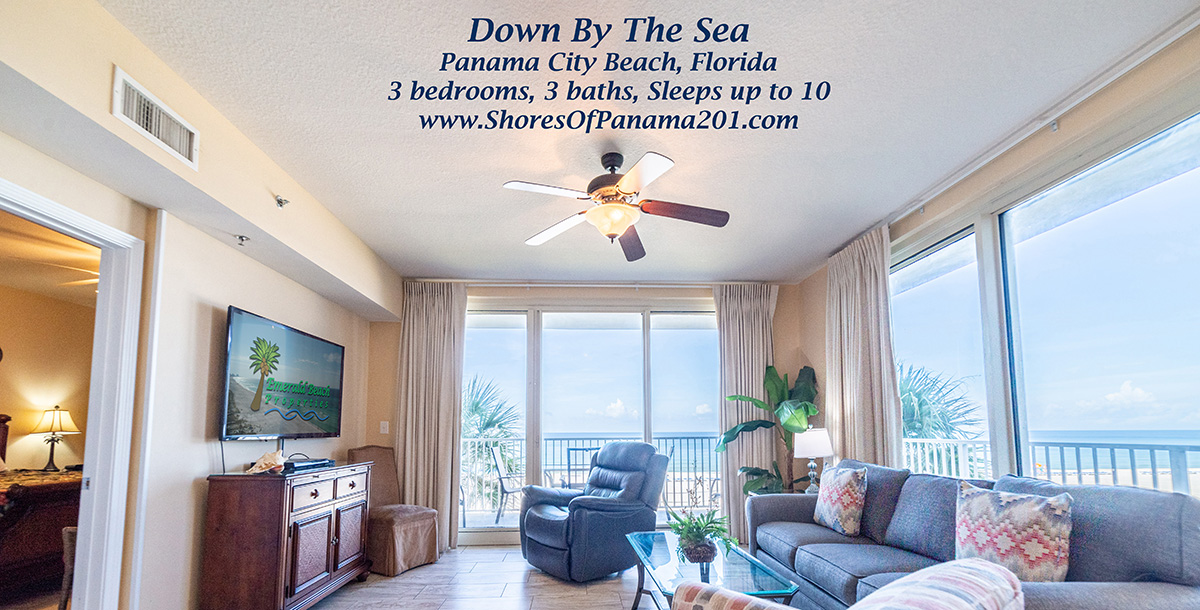
If you are taking a vacation with a large family or group of friends, a three bedroom beachfront condo in Panama City Beach, FL will give you a practical home base with amazing Gulf views, direct beach access, and separate spaces for sleeping, cooking, and spending time together. Rather than coordinating several hotel rooms, your group can gather around one dining table, keep beach gear in one place, and end the day with the beach in your backyard!
The right condo depends on more than just the bedroom count. Building location, floor plan, balcony size, parking, elevator access, and included amenities all add to the experience for everyone in your group. A thoughtful comparison helps you choose a vacation rental that fits your group instead of asking your group to adapt to the property.
Why Three Bedrooms Make a Difference
Three-bedroom condos work especially well for multigenerational families, two families traveling together, and groups of friends who want privacy without losing shared living space. Parents can keep young children nearby, grandparents can maintain a quiet retreat, and couples do not need to use the living room as a bedroom or sleep on a sleeper sofa.
The layout matters as much as the number of rooms. Some condos offer a Gulf-front primary bedroom, while others place the main bedroom farther from the balcony. Some include bunk areas that children love, but a bunk area does not always provide the same privacy as a third enclosed bedroom. Review the sleeping arrangement carefully before booking, particularly when adults in your party expect separate rooms.
Bathrooms deserve equal attention. A three-bedroom condo with three bathrooms can make mornings far easier for a larger group. A two-bath layout may still serve your needs well, but it requires a little more coordination after a long day in the sun and on the sand.
What Beachfront Really Adds to Your Stay
A beachfront address puts the beach at the center of the day rather than at the end of a drive. You can watch the morning light over the Gulf from the balcony, head downstairs when the water calls, and return to the condo for lunch without packing up the car. That proximity has real value for families with small children, guests who need rest breaks, and anyone who plans to spend most of the trip on the beach.
Not every water-view property offers the same experience. A true beachfront condo is located directly on the Gulf side of the road, while a gulf-view or beach-access property may require a walk, a road crossing, a tram ride or a drive to reach the sandy beach. You can choose the option that is best for your group from Emerald Beach Properties' extensive vacation rental inventory. A beach-access property may offer a different price point or a quieter setting. Still, guests who want to move easily between the condo, pool, and beach should prioritize a direct beachfront complex.
Floor level creates another trade-off. Higher floors provide more expansive water views and less activity outside, but elevators can take longer during busy check-in periods and peak summer weeks. Lower floors make beach and pool trips quicker, although they may bring more nearby foot traffic and a more limited view. Choose based on how your group expects to use your vacation rental.
How to Compare Three Bedroom Beachfront Condos
Start with the needs and wants of your group. Count adults, children, and guests who need a particular bed type. Then look at the condo's stated sleeping capacity and the actual bedding arrangement. A vacation rental that sleeps eight may include one king bed, one queen bed, twin bunks, and a sleeper sofa. That setup can work perfectly for a family with children but may feel less comfortable for four adult couples.
Next, consider the living areas. A condo can sleep a large group but still feel crowded if the kitchen lacks prep space, the dining table seats only six, or the balcony has room for just a few chairs. For a stay built around shared meals and slow evenings overlooking the water, those details matter.
Check the kitchen features that support your plans. Guests who expect to prepare breakfast and a few dinners benefit from full-size appliances, adequate cookware, and enough refrigerator space for groceries. Guests who plan to enjoy local restaurants may care more about coffee service, a quick breakfast setup, and a dishwasher that keeps cleanup simple.
Finally, evaluate the condo complex as part of the rental. A well-located condo in a building with efficient elevators, clear parking procedures, well maintained common areas, and practical beach access can make arrival and departure much easier. During popular travel periods, those operational details often affect your vacation as much as the beautiful view of the Gulf.
Questions Worth Asking Before You Reserve
Confirm whether the rental includes parking and registration fees since many complexes in PCB require this to be paid outside the reservation you pay to the management company. Check on whether the building limits the number of vehicles. Larger condos often attract larger groups, yet many buildings assign only one or two parking spaces. If your party arrives in separate vehicles, resolve that question before finalizing plans.
Ask about beach chair service if it matters to your group. Some properties include chairs in seasonal arrangements, while others do not. If your chose condo does not include beach chairs, you can make a deal with the attendant at the beach hut for chairs for the days you want to rent them. Also review pool rules, wristband requirements, and age restrictions where applicable. Many condos in PCB require the lead guest to be at least 21 or 25 years old depending on the complex. Most PCB complexes do not allow guests to bring pets. Clear expectations prevent small surprises from interrupting the first day of vacation.
If anyone in your party has mobility concerns, look beyond the phrase “beachfront.” Ask about the path from parking to the elevator, elevator access from the condo floor, the distance to the beach entrance, and any stairs or ramps along the route. Some complexes provide mobi-mats to assist with getting out to the water while others do not. Beach wheelchairs and other mobility aids are available for rent locally but you need to reserve in advance to be sure your needs will be met. Beach access varies by building, and a good fit begins with accurate information.
Plan for the Season You Want
Panama City Beach offers a different vacation for every season of the year. Summer brings warm Gulf water, full activity calendars, and the highest demand for larger beachfront vacation rentals. Families who need a specific week, a certain floor, or a particular bed arrangement should reserve early. The most convenient three-bedroom options tend to go first because they serve so many different types of groups.
Spring and fall often appeal to guests who want cooler weather with a calmer pace. The beach remains the main attraction, while restaurant waits, road traffic, and pool crowds may feel more manageable than at peak times. Winter brings guests looking for longer stays and travelers who value quiet walks, broad beach views, and a change of scenery over nonstop activity.
Rates and availability shift with season, events, holidays, and the individual property's features. A direct Gulf-front corner condo with a large balcony commands a higher rate than a comparable interior unit, especially during high-demand dates. Consider the full cost alongside the experience your group wants. A little more space, a better balcony, or easier beach access can add meaningful comfort and enjoyment to your visit.
Make the Condo Work From Day One
Once you arrive, organize the condo around the way your group travels. Set aside one place for sandy shoes, towels, and beach toys so they do not migrate through every room and leave sand on every floor. Use the kitchen for easy breakfasts and snacks, then leave room in the schedule for an unplanned lunch or sunset walk. The best beach vacations usually allow enough structure for comfort and enough open time for the Gulf to set the pace.
Respecting the property and building rules also protects the experience for everyone. Follow posted pool and balcony guidelines, observe quiet hours, and keep entry doors secure. A professionally managed vacation rental will give guests clear instructions and a dependable point of contact, so you can focus on the trip rather than chasing down basic answers when questions arise.
Choose Comfort Over a Simple Headcount
A three-bedroom beachfront condo should offer more than beds for a larger party. It should give your group room to wake up slowly, share a meal without crowding the kitchen, step outside to a real Gulf view, and retreat for quiet time when needed. Emerald Beach Properties focuses on helping guests find vacation rentals that support that kind of stay. We'll help your find your perfect place in PCB!
When you compare layouts, building access, beach proximity, and the needs of the people traveling with you, the right condo becomes easy to recognize. It feels less like a place to sleep and more like the setting where your Panama City Beach memories take shape.
Boardwalk Beach Resort in Panama City Beach, FL
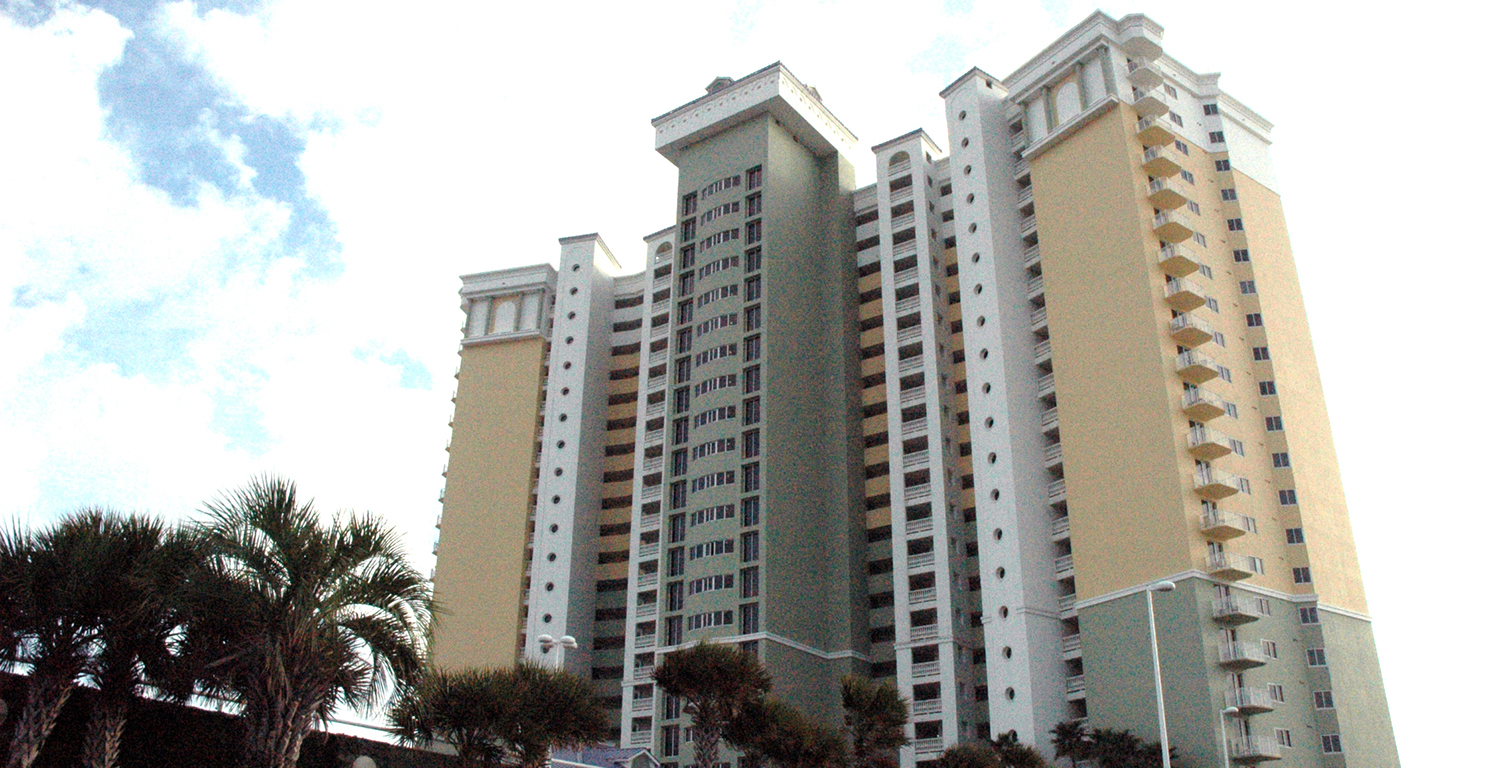
The appeal of Boardwalk Beach Resort in Panama City Beach, Florida starts with the setting: a wide view of the Gulf shoreline, direct beach access, and a central location that puts vacation fun near by. For families, couples, and groups, the complex can offer a convenient home base. The details of the individual vacation rental you select makes all the difference.
Boardwalk Beach Resort includes individually owned condos, so layouts, furnishings, views, housekeeping arrangements, etc. differ from one unit to the next. A careful review before booking will help you choose a vacation rental that supports the kind of beach trip you are planning
What Makes Boardwalk Beach Resort a Practical Choice
The resort is located along the Gulf in a well-established stretch of Panama City Beach. Its beachfront position matters most on a destination where the beach is the main attraction for vacationers. You can move from breakfast to the sand, return for lunch or a break from the sun, and head back out for an evening walk without loading the car or searching for public parking.
That convenience works especially well for families traveling with younger children, guests carrying beach gear, and groups that prefer flexible days over tightly scheduled activities. A beachfront rental also gives you an easy option when the group wants different things from their vacation. One person can relax by the water while another rests in the condo, prepares a meal, or gets ready for dinner.
The surrounding area adds another layer of value. Restaurants, family attractions, grocery stores, and everyday essentials sit within a reasonable drive. Even so, travelers should not assume every attraction is walkable from the resort. Panama City Beach covers a broad area, and traffic patterns can change during spring break, summer weekends, holiday periods, and major events.
Choose the Unit, Not Just the Resort Name
A resort name provides a starting point. The specific condo you choose will make your vacation special if it is a good fit your your group and your plans. Before reserving, read the complete listing and focus on the details that affect your group every day.
View, floor, and balcony expectations
Many guests book a Gulf-front resort because they want a water view, but you'll need to pay careful attention to the wording in the listings. Gulf front, Gulf view, pool view, and city view can describe very different experiences. At Boardwalk, most of the balconies are directly Gulf Front. The studio units on the ends of the building have a more limited view. The balconies have expansive, unobstructed views of the beach.
Floor level also depends on personal preference. Higher floors may offer broader views and more distance from ground-level activity. Lower floors can reduce elevator time and make arrivals, departures, and beach runs easier. Neither option works best for every group, particularly during busy weeks when elevators may see heavier use.
Sleeping arrangements and living space
Bedroom count alone does not tell the whole story. Boardwalk has a wide range of condos to choose from. One, two, three and four bedroom condos are available at Boardwalk. There are also studio units that are akin to a hotel room with a king bedroom, often with a sleeper sofa and a kitchenette.
Review the bedding configuration, sofa bed availability, bathroom count, and the layout of common areas. A condo in the Boardwalk Complex can suit a family comfortably, while a group of adults may value privacy and separate sleeping spaces more than total bed count. Boardwalk's wide range of choices have something for every group.
If you plan to cook, Boardwalk's kitchens are spacious and well equipped. The studio units have kitchenettes instead of full kitchen. If you expect to spend most evenings out, a smaller kitchen may not matter. Travelers with infants, dietary restrictions, or a large group usually benefit from a unit with adequate counter space, seating, cookware, and storage.
Included features and property rules
Confirm what the unit includes rather than relying on assumptions. Wi-Fi is included at no charge in all Boardwalk condos. All units except studios have in unit laundry equipment. A registration fee is required by the complex that must be paid in advance and is not included in your reservation. The registration fee covers parking, wristbands and access to all the resort amenities. Beach service is available at the beach hut at an additional charge, Pool and hot tub access is included with your registration fee. Check with the individual vacation rental for information on starter supplies that are provided with your rental.
Review occupancy limits which are based on condo size. Minimum-age requirement is 25 for the main guest. Guests are not allowed to bring pets. Smoking is not allowed on balconies. Parking is determined by the unit size so be sure to ask how many vehicles you can bring. Check-in instructions will be provided by your management company and you'll check in with the security gate upon arrival. These policies protect owners, guests, and the property. They also prevent last-minute surprises at arrival.
Plan Around Panama City Beach Seasons
Panama City Beach attracts visitors year-round, but each season brings different weather and different activities for your vacation. Your ideal dates depend on the weather you want, your tolerance for crowds, and how much flexibility you have with rates and availability.
Summer delivers the classic beach vacation experience: warm Gulf water, long daylight hours, and a lively atmosphere. It also brings strong demand. Families should book early when they need specific bedroom counts, preferred views, or a particular arrival date. Plan for busier roads, fuller restaurants, and more activity around pools and on the beach.
Spring brings comfortable temperatures and an energetic atmosphere, especially around school Spring Breaks. It can work well for travelers seeking activity, but families and guests who prefer a quieter setting should review their travel dates carefully. The atmosphere can vary significantly from one week to the next. The local authorities in PCB take great care to control crowds and Spring Break shenanigans so that things don't get out of hand.
Fall appeals to guests who want warm beach days with fewer crowds. Water conditions and temperatures become cooler as the season progresses, but many travelers value the more relaxed pace. Winter offers another option for extended stays, remote work, and travelers who want to trade colder climates for coastal scenery. Swimming conditions may not suit everyone, yet sunny walks and Gulf views remain part of the experience. Boardwalk's pool is heated seasonally and the hot tubs are available year round.
Make Arrival Day Easier
Arrival day sets the tone for your vacation. Save the property address, access instructions, parking details, and management contact information in a handy place before leaving home. If the rental uses electronic access, confirm that each adult traveler can reach the necessary instructions. Most Boardwalk condos do have electronic access so, you'll be entering a door code to access your condo.
For an arrival during peak season, expect more traffic and allow extra time for grocery shopping. Consider stopping at a store before crossing into the busiest beach areas, particularly if you need breakfast items, bottled water, snacks, or supplies for children. Or you can plan ahead and have your groceries delivered. Some of the local companies that will even stock your condo before you get there. Once you reach the resort, take a few minutes to understand the parking process, elevator access, and the route to the beach before unloading every item. Make sure everyone has their wristband for pool and beach access and that they know the door code to get into the condo.
A short first-day plan helps. Unpack essentials, locate towels and beach gear, check the balcony and common spaces, and identify nearby dining or grocery options. You do not need to schedule every hour, but a little preparation keeps the vacation from beginning with avoidable confusion.
Build a Beach Day That Works for Your Group
The Gulf is the main attraction, but the best beach days take into account that weather conditions may change. Check posted safety flags and the local weather forecast before entering the water. Gulf conditions can shift quickly, and beach flag warnings require attention. Review the information concerning rip currents that is posted in your condo just in case you do encounter one at the beach. Parents should set clear boundaries for children, and all swimmers should stay aware of rip currents and changing surf.
Bring more water than you expect to need, especially in the warmer months. Shade, sunscreen, hats, and regular breaks matter as much as a good beach chair. Don't underestimate how quickly the sun and reflected sand can wear down even experienced beachgoers.
A beachfront condo gives your group flexibility when a storm moves through or the midday heat becomes intense. Use that advantage. Step inside for lunch, rest during the hottest part of the afternoon, then return to the beach when conditions improve. The best vacation rarely requires an all-day commitment to one activity.
Questions Worth Asking Before You Book
Before reserving a unit at Boardwalk Beach Resort, confirm the total price, including cleaning fees, booking charges, taxes, etc. Be sure to pay your registration before arrival. Ask how many vehicles the reservation allows. For larger groups, this can affect the choice of rental as much as bedroom count.
Also confirm the cancellation policy and travel protection options. Weather, family needs, and travel disruptions can alter plans. Clear terms let guests make decisions with confidence rather than relying on assumptions.
Finally, make sure the rental's stated capacity aligns with your group. A condo can technically sleep a certain number of guests while still feeling crowded for the way your family or friends prefer to travel. Comfort comes from the right fit, not simply the maximum occupancy number. The good news is that Boardwalk condos are spacious as long as you don't exceed the recommended occupancy.
A well-chosen Boardwalk Beach Resort vacation rental gives your something valuable: an uncomplicated place to return to after a day on the beach or out on a boat. Select the unit with care, understand the property policies, and leave room in the itinerary for plenty of beach time!
One Bedroom Walk to the Beach Rentals in Panama City Beach

A one-bedroom vacation rental that is a short walk to the beach in Panama City Beach can make your vacation a special experience. You'll have a private place to recharge, room to prepare breakfast, and a beach day that does not require loading the car or paying for parking. One bedroom walk to the beach vacation rentals in Panama City Beach appeal to couples, solo travelers, small families, and snowbirds who want a practical PCB stay without committing to more space than they need or spending more money than necessary.
The key phrase is "walk to the beach". It should mean more than a location near the beach on a map. Check our website for the map shown on each listing that shows right where your vacation rental is located. A walk to the beach vacation rental puts you close enough to reach the sand comfortably with a chair, towel, cooler, and the people traveling with you. Before you book, look beyond the number of blocks and consider the route, beach access, building layout, if there is a tram available and the daily routine you you are planning for your vacation.
What Walk to the Beach Really Means
Walkability varies considerably across Panama City Beach. Some one-bedroom vacation rentals are located in beachfront buildings where the pool deck or boardwalk leads directly to the sand. Others are across the street from the beach, a short distance from resort and public access points. Both options can work well if you are willing to walk a short way to the beach, but they create different vacation experiences.
A true beachfront condominium offers the most direct beach routine. You can return to the unit for lunch, avoid carrying everything for the entire day, and watch the water from a balcony in many layouts. This convenience comes with a higher nightly rate, especially during peak travel periods. You can also expect larger resort-style buildings to have elevators, shared amenities, and busier common areas.
A nearby, off-beach rental may offer more value while keeping the beach within an easy walk. The right vacation rental places you near restaurants, attractions, and grocery options as well as the water. Still, a short walk on a map can feel longer in summer heat or when you carry beach gear. Check whether the path includes a tram to the beach, a crosswalk, sidewalks, stairs, or a public beach access point. Those details matter more than a broad claim that a property is close to the beach.
Choosing a One-Bedroom Layout That Works
One-bedroom vacation rentals don't accommodate guests in the same way. The bedroom typically offers a separate sleeping space, but the living room may include a sleeper sofa, bunk alcove in the hallway, or additional sleeping arrangements. A couple seeking quiet and privacy may prefer a straightforward one-bedroom floor plan. A small family may need a layout that creates enough separation for early bedtimes and morning routines.
Start with the number of people in your group, then think about how you use the space. If you plan to cook several meals, prioritize a functional kitchen, adequate counter space, and dining seating. If you expect to spend most of the day on the beach, a comfortable living area and balcony may matter more than a large kitchen. Guests working remotely should verify Wi-Fi availability and consider whether the unit has a table or dedicated workspace rather than assuming every rental supports a workday.
Bathrooms also affect comfort. Many one-bedroom units have just one bathroom, which suits most couples and small groups. However, a bathroom with a tub can help families with young children, while a walk-in shower may better serve longer-stay guests. Photos, floor plans, and clear property descriptions should guide your decision. Professional property managers like Emerald Beach Properties disclose these details in their listings.
Location Priorities for a Better Beach Vacation
Panama City Beach stretches across a long East to West shoreline, so the best area depends on the trip you are planning. If you prefer activity, you may want to stay near dining, shopping, entertainment, and family attractions. Those looking for a quieter beach vacay may favor an area with fewer high-traffic venues and easier access to less crowded stretches of the beach.
Don't choose location based on beach distance alone. Consider where you will buy groceries, whether you plan to dine out, and how often you want to drive. A centrally located vacation rental can reduce the need to move the car after check-in. On the other hand, a more quieter setting may provide a calmer base even if you drive a little farther for dinner.
Beach access deserves specific attention. Public access points differ in parking, ramps, stairs, and proximity to the vacation rental. If you have strollers, mobility concerns, or young children you should look for a route that does not require managing stairs or crossing multiple lanes of traffic. A professionally managed property should provide straightforward arrival information and clear guidance on the beach access available nearby.
Read the Details Before You Reserve
A polished photo gallery tells part of the story. You need to understand the vacation rental details to make sure you spend your vacation time well and avoid surprises. Review the stated sleeping capacity, parking rules, age requirements, check-in process, and any building policies that apply to pools, wristbands, or beach equipment.
Parking must be part of your choice of vacation rentals. Some properties include one parking space, while others have limited spaces, off-site parking, height restrictions, or registration requirements. If you plan to bring more than one vehicle for your one bedroom vacation rental stay, confirm the arrangements before you book. Never assume a resort-style property can accommodate an extra car simply because the unit sleeps several guests.
Also check what the rental supplies. Most vacation rentals provide basic starter items, but guests will need to purchase additional paper goods, laundry products, coffee, pantry staples, and beach supplies for a longer visit. Knowing what to pack lets you arrive prepared instead of making an immediate store run.
Ask About the Features That Affect Your Routine
The best questions are specific. Ask whether the beach route uses stairs, whether the building has elevator service, and whether the balcony faces the water or the street. Confirm whether the washer and dryer are inside the unit or in a shared area. If a pool is essential to your trip, verify its location, hours, and any seasonal conditions that could affect access. Many pools in PCB are heated seasonally and do not guarantee a warm swimming pool year round.
Travelers should also account for noise. A vacation rental near entertainment can offer convenience but may bring more activity at night. A property in a large complex may have higher elevator and hallway traffic during busy weeks. Neither option is automatically better. The right choice reflects your group’s priorities.
Timing Can Change the Value
Rates, crowds, and available inventory shift throughout the year. Summer brings warm Gulf water, high demand, and a lively beach atmosphere. It also requires earlier planning for the strongest selection of one-bedroom rentals within walking distance of the sand. Holiday periods and school breaks can fill quickly, especially for properties with direct beach access.
Spring and fall often appeal to guests who want pleasant weather with a more relaxed pace. These seasons can offer greater flexibility, although weather conditions and event schedules still influence demand. Winter stays attract guests looking for an extended coastal escape, and a one-bedroom rental with a full kitchen and laundry can make a longer visit more comfortable.
If your dates allow flexibility, compare several arrival days and lengths of stay. A small adjustment can change available options and total cost. Focus first on the location and features you will actually use, then compare properties that meet those requirements. The lowest rate does not always represent the best value if it adds daily driving, inconvenient beach access, or a layout that does not fit your group.
Make the Most of a Compact Coastal Stay
One-bedroom vacation rentals work best when guests plan for their size rather than treating them like a larger home. Pack with purpose, use the kitchen for easy breakfasts and snacks, and designate a spot for towels and beach gear when you return from the beach. This keeps the unit organized and makes quick beach trips easier.
For a couples trip, the extra privacy of a separate bedroom can make the rental feel like a genuine retreat. For a small family, establish a simple routine around naps, meals, and shower time. The beach will be the main event, but a well-chosen rental gives everyone a comfortable place to reset between sunrise walks, afternoon swims, and evenings along the beach.
The strongest one-bedroom walk-to-the-beach vacation rental is not necessarily the closest listing or the most nicely decorated unit. It is the property that matches your walking comfort, sleeping needs, parking plan, and preferred vacation activities. Choose those essentials carefully, and the beach becomes part of your everyday vacation routine.
Vacation Rentals Vs. Hotels for Beach Vacations
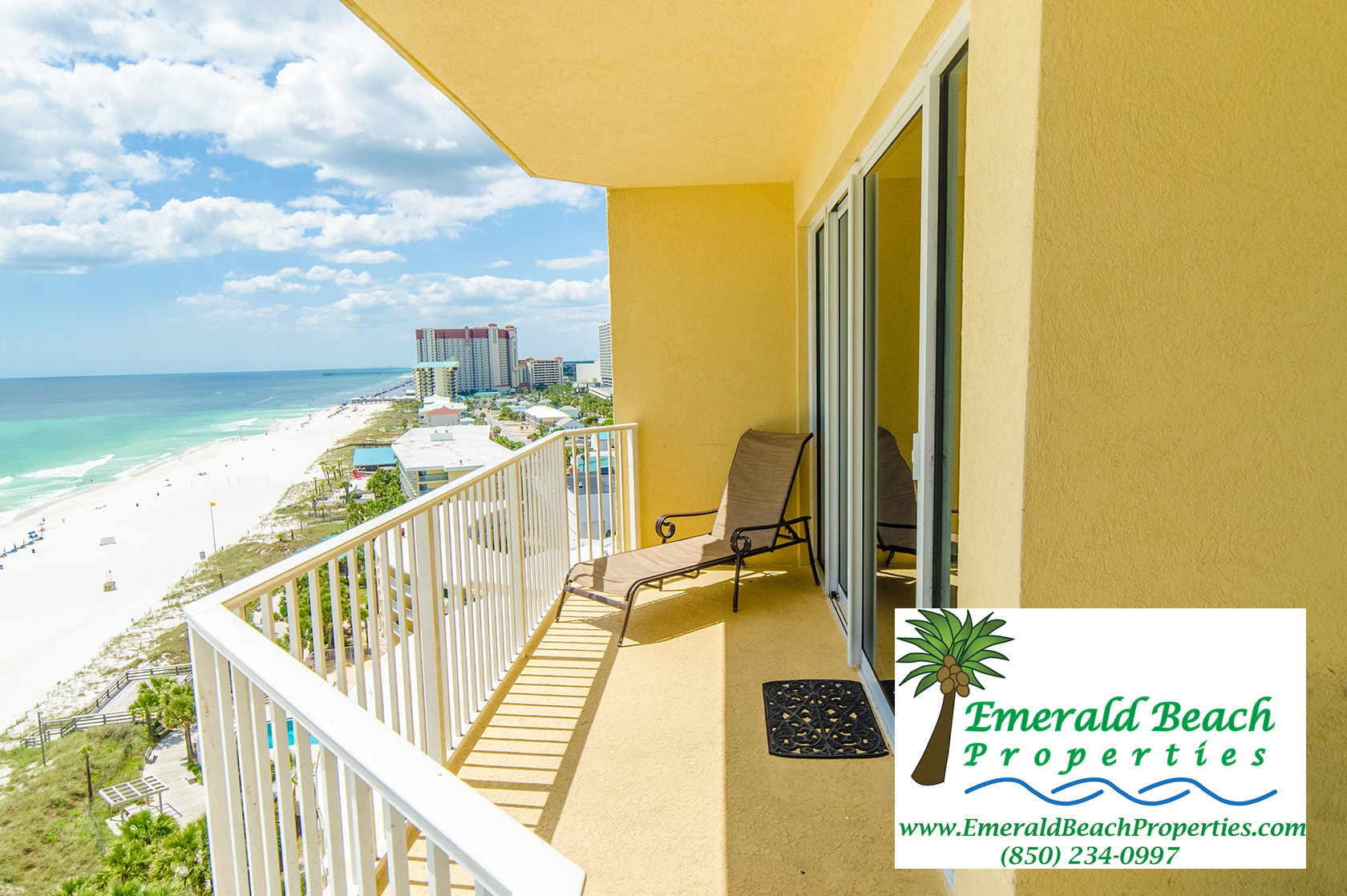
The choice you make between professionally managed vacation rentals versus hotels is one of the most important decisions you make during your beach vacation planning. This decision affect how your group sleeps, eats, gathers, rests, handles beach gear, and spends its time all day and once the sun goes down.
For a couple taking a quick weekend trip, a hotel may offer exactly the right level of convenience. For a family carrying coolers, swimsuits, groceries, and several different sleep schedules depending on the kids, a professionally managed vacation rental creates a more practical home base. Neither option wins every trip. The right choice depends on your group, your priorities, and the kind of vacation you are planning.
Vacation Rentals Versus Hotels: The Core Difference
Hotels sell a consistent room-based stay. Guests get a private bedroom, a bathroom, common amenities, and on-site services that vary depending on the hotel. A hotel works well when location, a short stay, and simple arrival and departure matter most.
A professionally managed vacation rental gives you the use of an entire condo, townhome, or beach home while a professional management company oversees the details like reservations, property standards, maintenance coordination, and guest support. The property still has its own character, layout, and amenities. Professional management adds accountability to your selected vacation rental.
That distinction matters. A well-managed property should provide clear arrival instructions, accurate listing details, dependable communication, and a defined process when a maintenance issue needs attention. Always look for a professional management company when choosing the vacation rental option for your vacation lodging.
Extra Space Changes the Way a Group Travels
Hotel rooms often keep a group close, but not always comfortably. Two adults and two children may share one room, rely on pullout bedding, and organize luggage around limited floor space. Larger parties often reserve multiple rooms, which can increase costs and separate the group.
A vacation rental gives families and friend groups room to spread out while enjoying their time together. Separate bedrooms support different bedtimes and morning routines. A living area gives everyone a place to regroup after the beach. Balconies, patios, and dining tables create spaces where the vacation continues without requiring another restaurant reservation.
This advantage becomes especially clear in Panama City Beach, where many visitors spend long days at the beach or out on the water. A condo or beach home gives you a place to rinse off, store beach equipment, prepare lunch, and relax in air-conditioned comfort before heading out again. Those small practical details often determine whether a trip is successful.
Space does not automatically mean a vacation rental makes sense, though. A solo traveler or couple who plans to spend nearly every waking hour outside may place little value on a full living area. In that case, a smaller hotel room may better match the itinerary.
Full Kitchens Give You Flexibility and Control Costs
Food costs add up quickly on a beach vacation. Hotels may offer breakfast, restaurants, bars, or limited in-room appliances. Those options can feel convenient, especially for a short stay, but they also encourage guests to purchase every meal away from the room.
Most vacation rentals in PCB have a kitchen, and that changes how you plan your vacation meals and also how much you will spend at restaurants. You can make coffee before sunrise, pack sandwiches for the beach, keep cold drinks ready, and prepare a simple dinner after a full day outdoors or you can order in. Families with young children, dietary restrictions, or early risers often value this control as much as the financial savings.
A kitchen requires some planning prior to arrival and during your stay. You'll need to shop, cook, and clean up. Travelers who see meals as part of the vacation experience may prefer a hotel restaurant or the freedom to dine out for every meal. The value comes from choice, not obligation. In addition, many PCB condo complexes have restaurants and other food options on site making or within walking distance to make it even easier.
Privacy and Shared Amenities Require a Trade-Off
Hotels place guests close to busy public spaces. Lobbies, elevators, hallways, pools, and dining areas can create an energetic atmosphere. That energy suits travelers who enjoy a social environment and want amenities within a short walk.
Vacation rentals generally provide more personal space, particularly in a private home or a condominium with a separate entry. Guests can settle into their own living area without sharing a hallway wall with dozens of other rooms. For families, this privacy can make naps, remote work, and quiet evenings easy.
Vacation rentals in PCB are usually within one of the local resort or condominium communities, and those communities may have rules that make community living better for everyone. Pool hours, parking limits, wristband requirements, elevator access procedures, and occupancy caps all deserve attention before booking. Strong management does not ignore these rules. It explains them clearly so you can plan accordingly.
Service Is Different in a Vacation Rental Than in a Hotel
Hotel guests expect a front desk, daily housekeeping, room service, and immediate access to staff in the building. That model works well for travelers who want frequent in-person assistance or who feel most comfortable with a traditional hospitality setting.
A vacation rental operates differently. You'll receive digital check-in details, enter with a door code, and contact our local management team if you need help. Many guests appreciate the direct arrival process because it lets them bypass a lobby and begin their vacation on their own schedule.
In PCB vacation rentals don't offer hotel-style daily cleaning or on-site concierge service. Ask what the stay includes before booking. Confirm check-in procedures, parking, maintenance contacts, starter supplies, laundry access, and any fees that affect the total cost. Clear expectations protect the vacation from surprises.
The quality of the manager matters here. A professional company maintains clear communication, provides accurate property information, and responds with urgency when an issue affects the guest experience. Those standards give travelers greater confidence than an informal arrangement with an owner who may live far away or manage only one property.
Compare Total Value, Not Just the Nightly Rate
A hotel rate may initially look lower than a vacation rental rate, especially for a one- or two-night stay. But the comparison changes when a group needs more than one hotel room, pays for every meal, or adds parking and resort fees charged by the hotel. A larger rental can divide its cost across several travelers while providing shared amenities that separate hotel rooms cannot offer.
At the same time, most vacation rentals charge checkout cleaning fees, reservation fees, taxes, or community registration charges that can make shorter stays less economical. Review the full price before comparing you options. A transparent quote offers a more useful number than an attractive nightly rate from either a hotel or a vacation rental.
Consider how you will use the property. If you need only a bed between meetings or plan a brief overnight stop, the simplicity of a hotel can deliver better value. If your group wants to spend a several days at the beach, prepare meals, do laundry, and enjoy evenings together, a vacation rental may justify its total cost for your group.
How to Choose Your Perfect Place in PCB
Start with the size and makeup of your group. Families with children, multigenerational groups, and friends traveling together often benefit from separate sleeping spaces and a common gathering area. Then consider the length of stay. The longer the trip, the more useful a kitchen, laundry, and extra room become.
Next, decide how much service you expect. Choose a hotel if you want a staffed front desk, frequent housekeeping, and a compact, predictable experience. Choose a professionally managed vacation rental if you want more independence, private space, and support from a management team without giving up accountability.
Finally, read the property details closely. Confirm the bed configuration, beach access, parking arrangement, elevator availability, community rules, and cancellation terms. A good vacation begins with an accurate match between the property and the people staying in it.
The best choice is the one that lets your group spend less time managing your vacation and more time enjoying the beach and PCB's many attractions. Match the accommodations to your actual plans, and the beach day will feel like the main event rather than a break from a cramped room. Check our website or give us a call at (850) 234-0997 and we'll help you find your perfect place in Panama City Beach, FL!
Two Bedroom Beachfront Vacation Rentals in Panama City Beach
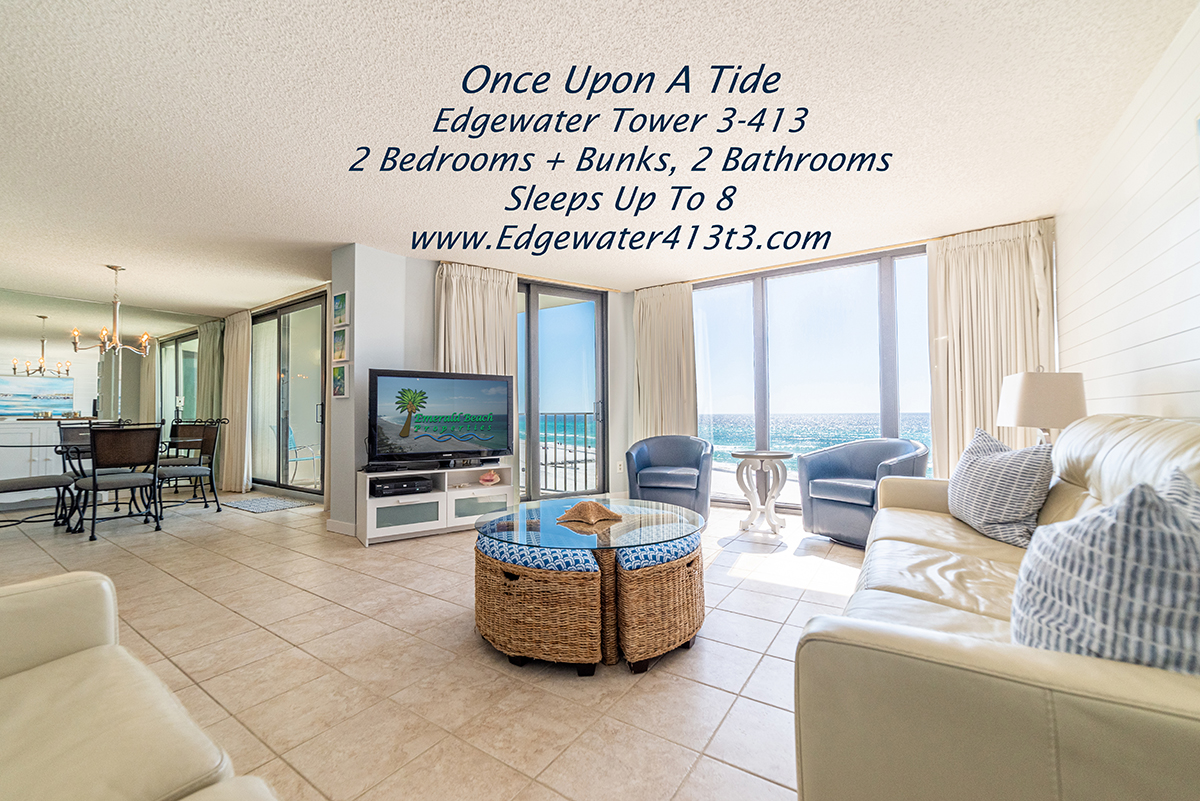
A two-bedroom vacation rental will make your PCB vacation more comfortable if you have a larger family or group. Parents can close their bedroom door for a little privacy after a long beach day. Friends can share the cost of a larger unit without sharing every inch of living space. And when the balcony faces the Gulf, the first coffee of the morning comes with a wide horizon instead of a parking-lot view. That is the practical appeal of two bedroom beachfront condos in Panama City Beach: room to settle in and direct access to the beach.
Beachfront buildings vary in layout, beach access, parking, elevator capacity, pool design, and the small details that determine whether your vacation will be the best it can be. Before reserving, focus on how your group actually travels and how you want to spend your precious vacation time.
Why two bedrooms work for more kinds of trips
A two-bedroom condo gives you a meaningful step up from a one bedroom condo, a hotel room or studio vacation rental. Couples traveling together gain privacy. Families can maintain a more workable bedtime routine. Small groups can gather in a shared living area without turning the sleeping space into the center of activity.
A full kitchen supports simple breakfasts before the beach, packed lunches for the pool, and relaxed dinners when restaurant waits run long or if you want to save a little money by eating in. A dining table gives everyone a place to eat, play cards, or plan the next day. Laundry access is important especially for families managing multiple wet swimsuits, towels, and sandy clothes.
Remember that, “two bedroom” does not guarantee the same sleeping arrangement in every vacation rental. One condo may offer a king bed in the primary bedroom and twin beds in the second room. Another may include bunks, a sleeper sofa, or a second king. Review the stated sleeping configuration rather than assuming that every bedroom accommodates two adults in the same way. Also look for the view from each bedroom. Some condos have beachfront main bedrooms while others have bedrooms on the interior of the layout. If you want to step right out onto you balcony from the main bedroom, check the listing to see if the property is set up for that.
Beachfront means more than a water view
A beachfront condo generally places guests directly on the beach, with no public road separating the building from the sand. That access can save time every day of a trip. You can easily return to your vacation rental for lunch, grab a forgotten sunscreen bottle, or bring a tired child upstairs for a break without loading everyone and all your beach gear into a vehicle.
Check the listing description and the photos to see what the view really is for the vacation rental you are planning to book. Gulf-front usually means the main living area and balcony face the water. Gulf-view can still provide attractive scenery, but the unit may sit at an angle, farther back in the building, or across from the beach. A lower floor can make it easier to watch activity near the shoreline, while a higher floor can provide a broader coastal view with a little more privacy. The choice is up to you.
Guests who dislike heights may want a lower floor. Guests who value expansive water views and more distance from pool activity typically favor higher floors. In larger towers, floor levels also affects the necessity of having an elevator that is reliable and reasonably fast. During busy arrival periods and popular meal times, elevator wait times can be longer than you would like.
What to check before booking a beachfront condo
Start with the details that affect your daily routine, not just the listing photos. Photos can show a beautiful room, but they cannot tell you how easily your group can unload groceries, where you will park, or whether the balcony suits the way you plan to use it. When booking with Emerald Beach Properties, what you see in our photos is what you will get upon check in. Some management companies use generic photography so, be sure to ask if the photos are of the actual unit where you will be staying.
Confirm the number of bathrooms, particularly if more than one family will share the condo. Two bedrooms with two bathrooms is the best layout for four to six guests than two bedrooms with one bathroom. Also check whether the primary bedroom has direct balcony access, whether the second bedroom has a window, and whether the great room serves as an additional sleeping space. In PCB, most condos use the great room as additional sleeping space with a queen sleeper sofa. Also, many PCB condos have hallway bunks for the kiddos. Be sure to read the descriptions and check the photos of the property you are booking to be sure the sleeping arrangement fits your needs.
Parking deserves attention, too. Most PCB beachfront properties assign a limited number of parking passes, use parking decks, or some require guests to cross a walkway from the garage to the building. Those conditions may not matter to a couple arriving in one vehicle, but they can affect a multigenerational group, guests with mobility concerns, or anyone planning to bring more than one car. Be sure to check the parking situation before booking. Also, if pre-registration is offered for paying your registration/parking fees, go ahead and take care of that prior to arrival to make everything run smoothly on arrival day.
Review the building amenities that matter to you and your group. A beachside pool, hot tub, fitness room, grilling area, or game room can add real value when the weather is not bright and sunny or when your group wants options beyond the beach. Amenities also bring trade-offs. A condo above a pool deck may experience more daytime activity, while a quieter section of a resort may require a longer walk to the main pool or beach entrance.
Finally, understand the property’s access and operational rules before arrival. Ask about check-in procedures, wristbands, parking instructions, beach chair policies, and quiet hours. A professionally managed stay should provide direct guidance so guests can arrive prepared and begin their vacation right away.
Choosing the right area of Panama City Beach
Panama City Beach offers a long stretch of beach with many different high rise, mid rise and other vacation rental options. Pier Park is a big attractions for some guests while others are looking for something more laid back. Some visitors want to stay close to restaurants, shopping, attractions, and evening activity. Others prefer a calmer beach setting where a morning walk feels less crowded and the schedule stays simple. Typically, the east end of PCB is considered the quiet end of the beach while the west end is more lively.
Families often benefit from a location that reduces driving. Easy beach access, a nearby grocery option, and family-friendly dining can make your vacation go more smoothly. Couples and friend groups may place more value on walkable entertainment or proximity to the activities they are planning to enjoy. Either way, PCB is not a large place and driving from one end to the other doesn't take very long. Also, there is a bypass road that lets you take the "express" route from one end of PCB to the other.
There is no universal best section of the beach. The right location depends on whether your group wants a full itinerary or a quieter home base. Identify that preference before comparing individual condos. Deciding on the area or specific complex will narrow your search faster than filtering only by price or bedroom count.
Timing affects availability, cost, and atmosphere
Peak summer season brings warm water, active beaches, and strong demand for beachfront vacation rentals. Summer also brings more traffic, fuller elevators, and tighter availability for booking vacation rentals. If your group needs a specific building, floor range, or date, book early rather than waiting and hoping for your perfect choice to drop the price at the last minute. In PCB most Summer weeks are completely full a month ahead of the dates and you are not likely to get the exact unit you have picked out if you wait too long.
Spring and Fall have many weeks that are as busy as Summer weeks because of Spring Break and the many festivals that take place during those dates. The spring and fall weather remains warm and sunny with a little less heat than the Summer so those dates are attractive for many travelers. These seasons can work especially well for couples, remote workers, and families with flexible school schedules. Winter appeals to snowbirds who want an extended coastal stay, milder conditions, and time away from colder climates.
Weather always remains a factor on the Gulf Coast. A beachfront stay gives you a front-row seat to the ever changing weather, from calm blue mornings to dramatic afternoon storms. Build a little flexibility into your schedule to enjoy the view. You'll be glad you chose a vacation rental with a comfortable indoor space when the weather is rainy and the beach is not the best option for a particular vacation day.
Make your vacation rental part of the vacation
The best beach vacations run on a flexible schedule. When you arrive, we recommend that you stock up the kitchen at the local grocery store or have groceries delivered so you are ready for the first morning of your vacation. You'll probably want to have coffee and breakfast on the balcony and go from there. Take an early walk along the shore before the sand heats up. Return to your vacation rental when the midday sun becomes intense. Watch the color change over the water at the end of the day instead of rushing to fill every hour with attractions and activities. Relax and enjoy your time away.
For families, establish a simple beach routine: sunscreen, water, towels, a meeting point, and a plan for returning to your vacation rental. For groups sharing expenses, decide in advance how groceries, parking, and meals will work. Small decisions made before arrival can help everyone relax and have fun on vacay.
Emerald Beach Properties understands that guests do not reserve a vacation rental simply for square footage. They reserve time together, direct access to the beach, and the confidence that their accommodations will support the vacation they are planning.
A better way to choose two bedroom beachfront condos in Panama City Beach
The right condo should fit your people first and your preferences second. Start with the sleeping arrangement and bathroom count. Then evaluate beachfront access, balcony orientation, parking, building activity level, and proximity to the experiences your group values. If one property checks every visual box but complicates the daily logistics, it may not be the best choice.
A well-chosen two-bedroom beachfront condo gives each guest enough space to recharge while keeping the beach within reach. That combination turns ordinary moments - breakfast, a rainy afternoon, a sunset conversation - into the parts of the vacation everyone will remember for years to com.